
Flaxseed Benefits: Nutrition, Health Effects, and How to Eat It
Quick summary
Flaxseed may not be as trendy as some of the latest superfoods, but this tiny seed has been earning its healthy reputation for centuries. Packed with fiber, plant-based omega-3s, and antioxidants, flaxseed offers an impressive amount of nutrients in each scoop.
Best of all, flaxseed is incredibly easy to enjoy. You can blend it into smoothies, stir it into oatmeal, mix it into baked goods, or sprinkle it over yogurt and salads for a quick boost.
In this guide, we’re taking a closer look at the benefits, nutrition facts, and potential downsides of flaxseed, plus some simple ways to add more of this mighty little seed to your diet.

What is flaxseed?
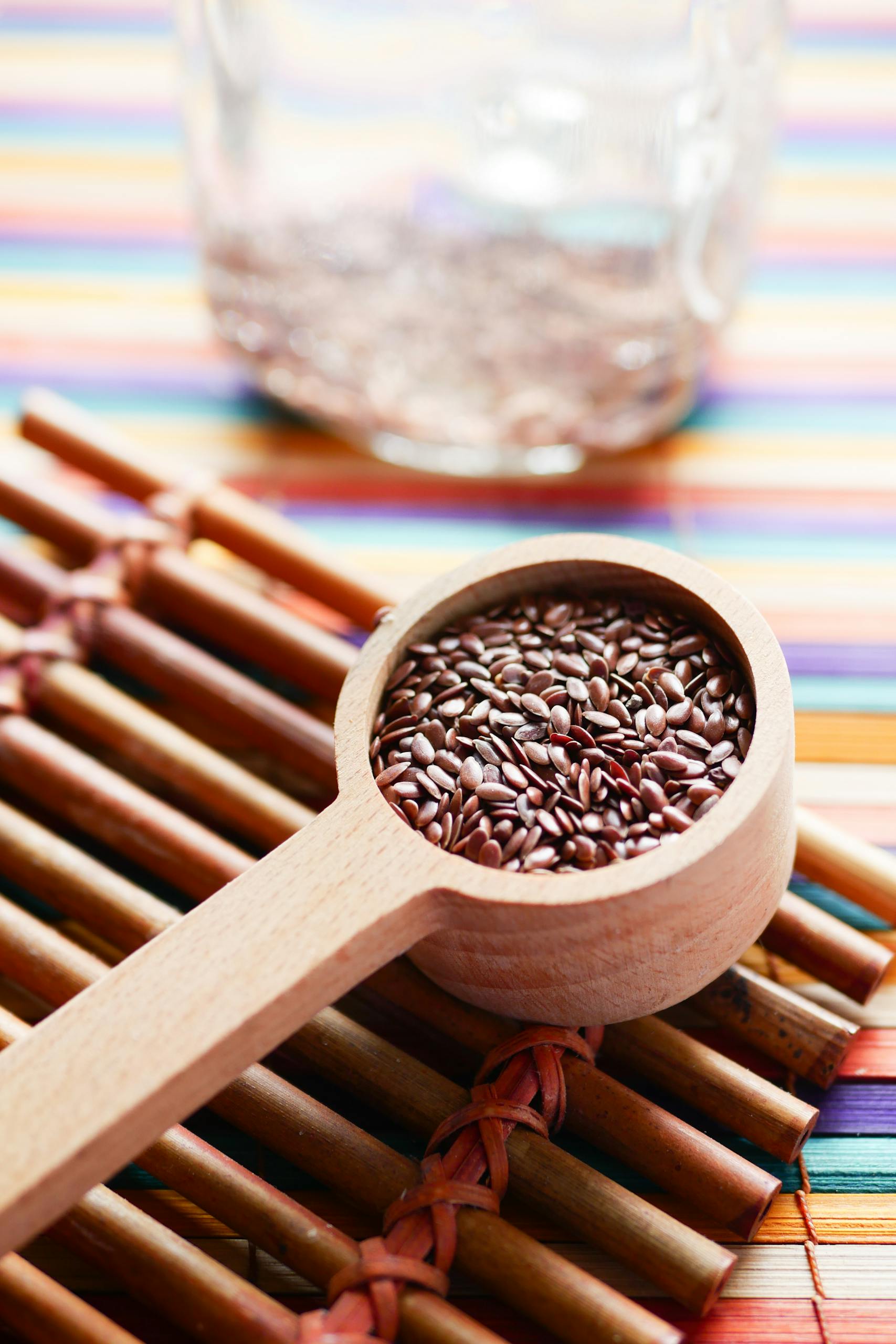
Flaxseed is a type of seed that comes from the flax plant (Linum usitatissimum), which is also used to make linen fabric. While the plant has a long history in textiles, its seeds have become popular for an entirely different reason: they’re loaded with fiber, healthy fats, and beneficial plant compounds.
One of flaxseed’s biggest claims to fame is its content of alpha-linolenic acid (ALA), a type of omega-3 fatty acid found primarily in plant foods. Flaxseed is also one of the richest dietary sources of lignans, naturally occurring compounds with antioxidant properties.
You’ll typically find flaxseed sold in three forms:
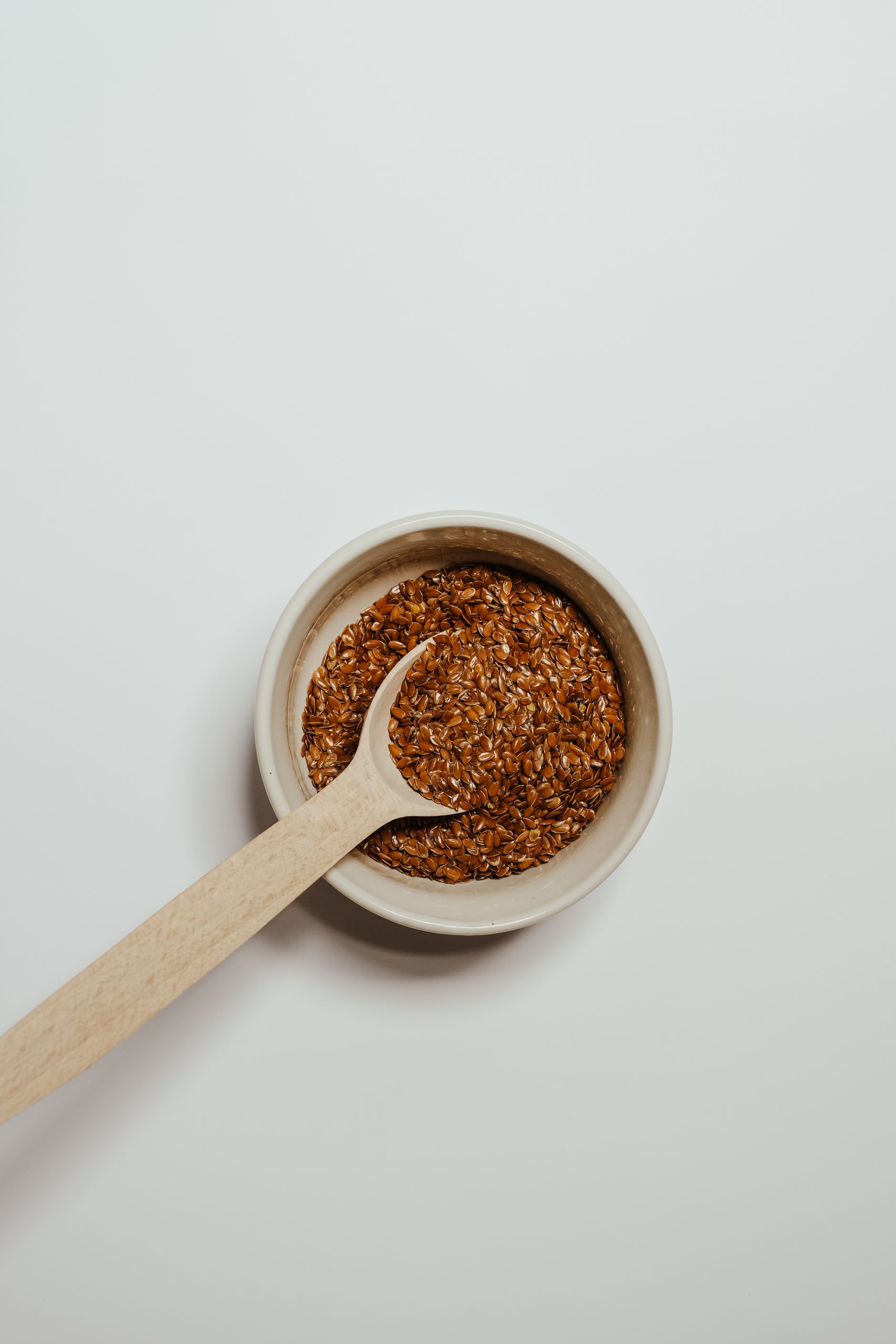
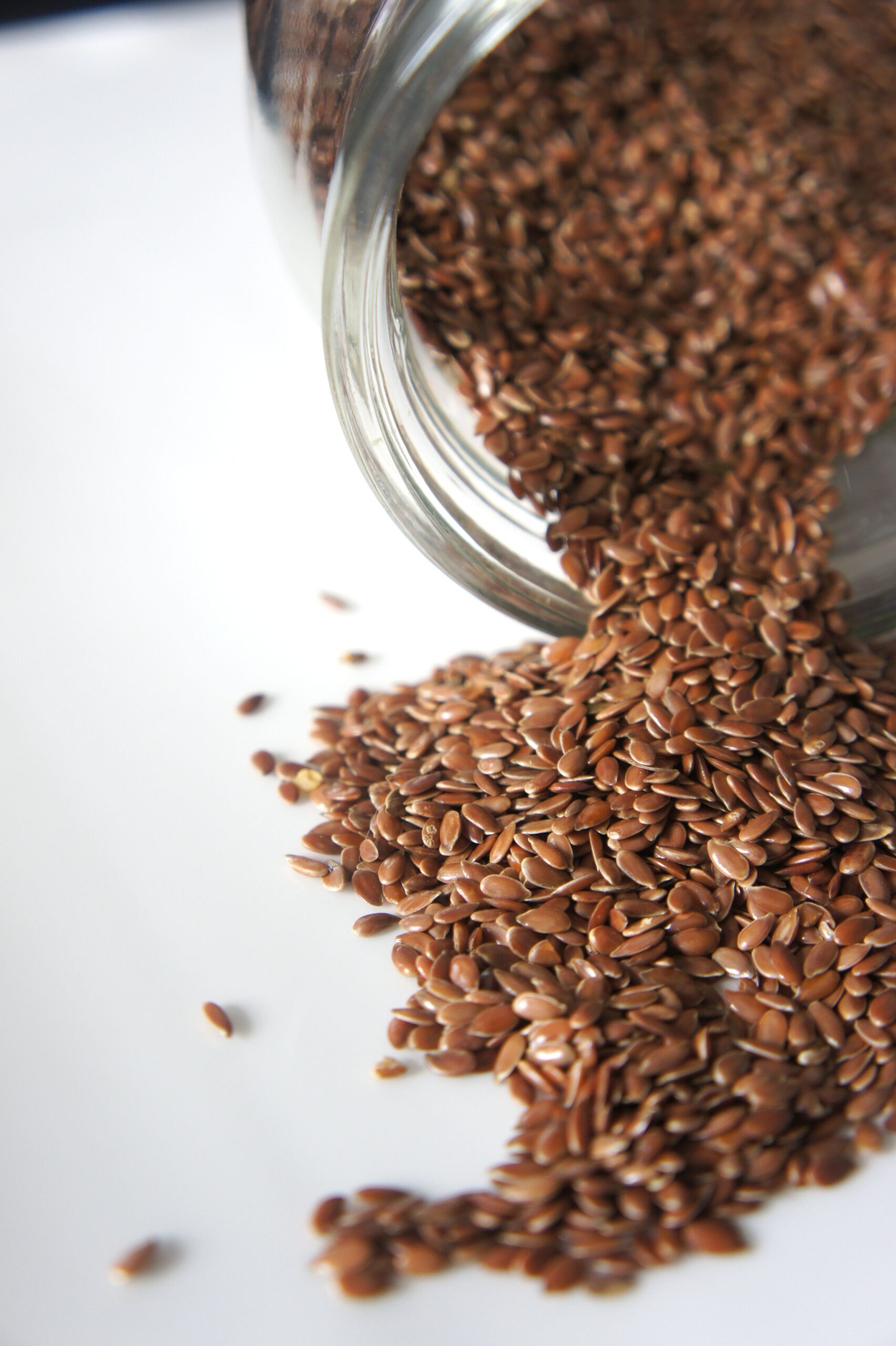
- Whole flaxseed: These are small, crunchy seeds that can be sprinkled onto foods.
- Ground flaxseed: Also called flax meal, this form is easier to digest and absorb.
- Flaxseed oil: This is a concentrated source of omega-3 fats without any fiber.
Whether you blend it into a smoothie, stir it into oatmeal, or bake it into muffins, flaxseed is an easy way to add a fast boost to your favorite foods. Plus, unlike some trendy superfoods, it’s affordable, widely available, and doesn’t require a complicated recipe to enjoy.
Flaxseed nutrition facts
Flaxseed is packed with fiber, plant-based omega-3 fatty acids, and beneficial plant compounds like lignans. Just 1 tablespoon of whole flaxseed provides:
- Calories: 55
- Carbs: 3 grams
- Fiber: 2.8 grams
- Protein: 1.9 grams
- Fat: 4.4 grams
- Thiamin: 0.2 milligrams (14% of the DV)
- Copper: 0.1 milligrams (14% of the DV)
- Manganese: 0.3 milligrams (11% of the DV)
- Magnesium: 40.4 milligrams (10% of the DV)
- Phosphorus: 66.1 milligrams (5% of the DV)
Flaxseed is also rich in alpha-linolenic acid (ALA), a type of omega-3 fatty acid with anti-inflammatory properties that may promote heart health.
Stay in the loop!
HEALTHY EATING TIPS & RECIPES delivered directly TO YOUR INBOX
Benefits of flaxseed
Despite its small size, flaxseed is loaded with nutrients that can support the health of your gut, heart, hormones, and more. Here are some of the top flaxseed benefits.
Boosts gut health
Flaxseed contains both soluble and insoluble fiber, a combo that can help keep you regular, promote healthy digestion, and feed the beneficial bacteria in your gut.
In fact, just 1 tablespoon of flaxseed packs nearly 3 grams of fiber, making it an easy way to boost your daily intake.
The soluble fiber in flaxseed can be especially beneficial for managing constipation. It forms a gel-like substance when mixed with water, which helps soften stools and keeps things moving through your digestive tract.
Lowers inflammation
Flaxseed is one of the best plant-based sources of alpha-linolenic acid (ALA), a type of omega-3 fatty acid that can help ease inflammation.
Flaxseed is also rich in lignans, which are naturally occurring plant compounds with antioxidant properties.
Antioxidants help protect cells against oxidative stress caused by unstable molecules known as free radicals, which can contribute to cell damage and inflammation.
According to one review of 32 studies, consuming flaxseed on a regular basis could actually lower levels of certain markers of inflammation in the body, including high-sensitivity CRP and tumor necrosis factor-alpha.
Keeps your heart healthy
Flaxseed delivers several key nutrients that are especially beneficial for your heart.
For starters, it’s rich in soluble fiber, which can help lower LDL (aka “bad”) cholesterol levels by binding to cholesterol in the digestive tract, helping remove it from the body.
It’s also packed with plant-based omega-3s, which have been shown to improve several risk factors for heart disease, like cholesterol, blood pressure, and triglyceride levels.
According to a 2025 study, adding flaxseed to your daily diet could help lower body weight, lipid levels, blood pressure, oxidative stress, and certain markers of inflammation, all of which are linked to better heart health.
Promotes satiety
Flaxseed contains a good mix of fiber, healthy fats, and protein, all of which can help slow down digestion and keep you feeling full.
Though more research is needed, some studies have even found that flaxseed could help reduce hunger, increase feelings of fullness, and support appetite control.
Of course, flaxseed isn’t a quick fix for faster weight loss. However, it could be a helpful addition to a balanced diet if you’re trying to manage your appetite and cut back on cravings.
Balances hormone levels
Flaxseed has drawn quite a bit of attention for its possible benefits for hormone balance.
One of the reasons is its content of lignans, plant compounds that can interact with estrogen receptors in your body.
In one study, flaxseed supplementation was linked to significantly lower menopausal symptoms — about a 47-54% drop in symptom scores compared to just 4-8% in the placebo group.
It was also tied to changes in estrogen-related hormone levels, suggesting that it may help ease symptoms during perimenopause.
Flaxseed is also a common ingredient in seed cycling, a popular practice that involves eating different seeds at certain phases of the menstrual cycle, which is aimed at balancing hormonal fluctuations.
Supports steady blood sugar
The fiber found in flaxseed can help slow the absorption of sugar in the bloodstream, which could help balance blood sugar levels after you eat.
This is backed by a small study published in Nutrients, which found that eating 15 grams of ground flaxseed before breakfast reduced post-meal blood sugar spikes in men with type 2 diabetes.
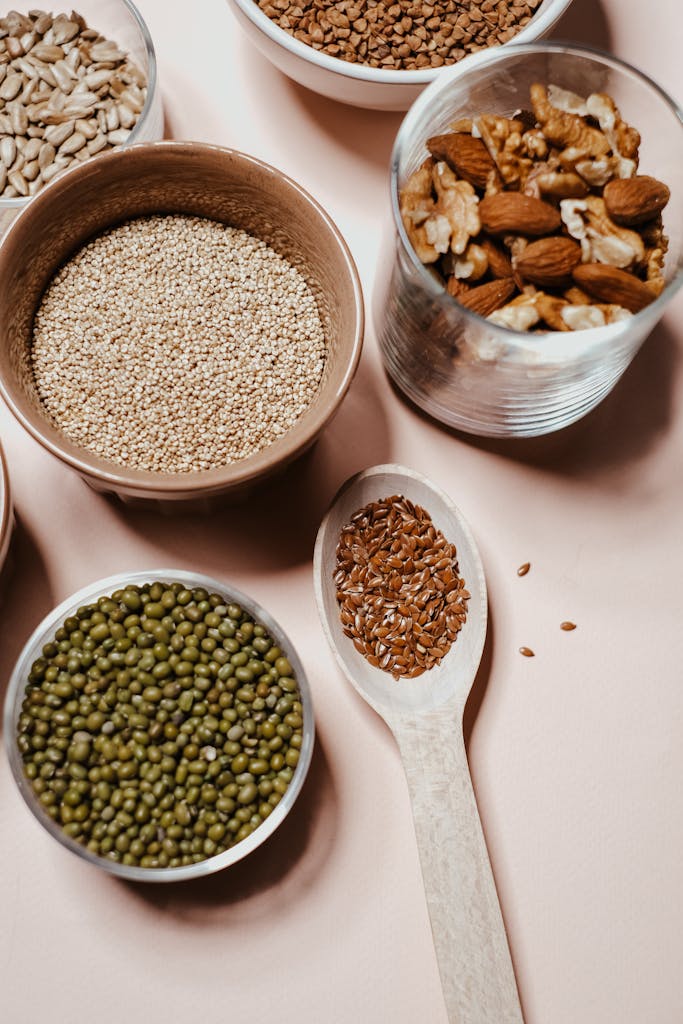
Flaxseed can be especially helpful when paired with other nutrient-dense foods, like whole grains, fruit, nuts, and legumes.
Downsides of flaxseed
Although there are plenty of benefits of flaxseed, there are a few drawbacks to consider as well.
For starters, flaxseed is very high in fiber. While that’s usually a good thing, suddenly adding several tablespoons to your diet can take a toll on digestion. Some people may experience bloating, gas, abdominal discomfort, or changes in bowel habits, especially if they’re not used to eating a lot of fiber.
To keep things comfortable, start with a small amount and gradually increase your intake over time. Drinking plenty of water can help, too.
Flaxseed also contains compounds called phytates, which can bind to minerals like iron, zinc, and calcium and lower their absorption.
This generally isn’t a concern if you eat a varied, balanced diet. If you’d like to minimize the effects of antinutrients, try soaking flaxseeds before eating them or pairing them with vitamin C-rich foods, which can enhance mineral absorption.
Finally, flaxseed contains compounds called lignans, which can have weak estrogen-like effects in the body.
While current research suggests that moderate amounts of flaxseed are safe for most people and may even offer health benefits, it’s always a good idea to check in with your doctor if you have a hormone-sensitive medical condition or specific concerns.
How to use flaxseed
One of the best things about flaxseed is how easy it is to add to your menu. It has a mild, slightly nutty flavor that works well in both sweet and savory dishes alike.
Here are a few simple ways to add flaxseed to your diet:
- stir it into oatmeal, yogurt, or cottage cheese
- blend it into smoothies
- sprinkle it over soups and salads
- use it as a binder for homemade veggie burgers
- mix it into pancake and muffin batters
- add it to homemade energy bites
- stir it into overnight oats or chia pudding
- use it as an egg substitute in baking by mixing 1 tablespoon ground flaxseed with 3 tablespoons water and letting it sit for 5-10 minutes
Flaxseed oil is also available, which provides a concentrated dose of omega-3 fats without the fiber found in whole or ground flaxseed. Because heat can damage some of its beneficial compounds, flaxseed oil is best used in dressings, dips, and other cold dishes rather than for cooking.
If you’re trying flaxseed for the first time, start with about 1 tablespoon per day and gradually work your way up. This can help your digestive system adjust to the extra fiber and prevent unpleasant issues like bloating or discomfort.
Flaxseed vs. chia seed
Flaxseed and chia seeds are often grouped together for good reason: they’re both tiny, fiber-rich seeds packed with omega-3 fats and minerals. But while they share a lot of similarities, each has its own unique strengths depending on your health goals and how you like to use them.
Here’s how they stack up side by side:
| Nutrients (1 tbsp) | Flaxseed | Chia Seed |
|---|---|---|
| Calories | 55 | 69 |
| Protein | 1.9 g | 2.5 g |
| Carbs | 3 g | 6 g |
| Fiber | 2.8 g | 5 g |
| Fat | 4.4 g | 4.5 g |
| Thiamin | 0.2 mg (14% DV) | 0.1 mg (8% DV) |
| Copper | 0.1 mg (14% DV) | 0.15 mg (15% DV) |
| Manganese | 0.3 mg (11% DV) | 0.4 mg (17% DV) |
| Magnesium | 40.4 mg (10% DV) | 47.5 mg (12% DV) |
| Phosphorus | 66.1 mg (5% DV) | 122 mg (10% DV) |
| Calcium | 26 mg (2% DV) | 90 mg (7% DV) |
| Iron | 0.6 mg (3% DV) | 1.1 mg (6% DV) |
| Zinc | 0.4 mg (4% DV) | 0.6 mg (6% DV) |
| Selenium | 2.6 mcg (5% DV) | 7.8 mcg (14% DV) |
| Notable Benefit | Richest dietary source of lignans | Higher in fiber and minerals |
| Best Form | Ground for optimal nutrient absorption | Whole or ground |
FAQ
More helpful articles

6 Evidence-Based Kefir Benefits for Better Health

Probiotic Foods vs. Supplements: Which is Better for Gut Health?

Chia Seeds for Gut Health: Benefits, Tips, and How Much to Eat
Dietary Fiber 101: Benefits of Fiber, Food Sources, and How Much You Need

How to Start Fermenting Foods at Home (Beginner-Friendly Guide)

9 Daily Habits for Better Gut Health, According to a Dietitian

How to Make Kombucha: Everything You Need to Know

Cabbage for Gut Health: Benefits, Nutrition, and How to Eat It

Best Probiotics for Digestion: Top Supplements for a Healthy Gut

5 Best Foods for Gut Health and Digestion
Conclusion
Flaxseed may be small, but its potential health benefits are pretty impressive.
Packed with fiber, plant-based omega-3s, lignans, and other important nutrients, flaxseed can promote digestive health, heart health, blood sugar management, hormone balance, and so much more.
Whether you sprinkle it into oatmeal, blend it into a smoothie, or bake it into your favorite recipes, adding a spoonful of flaxseed to your routine is an easy and effective way to squeeze extra nutrients into your daily diet.