What to Eat During Menopause: A Simple, Stress-Free Food Guide
Quick summary
Menopause can sneak up in a lot of different ways. Maybe your energy isn’t what it used to be, you’ve started tossing and turning during the night, or your usual eating habits aren’t quite cutting it anymore. If you’ve found yourself googling what to eat during menopause, you’re in good company.
There’s no magic food or perfect menopause diet, but the way you eat can make a real difference in how you feel day to day. Even making a few small tweaks to your menu can impact your blood sugar, bone health, and energy levels to help your body feel more balanced during this transition.
In this post, we’re breaking down what to eat during menopause in a simple, no-stress way, focusing on nutritious foods, realistic habits, and easy ideas you can actually use in your everyday life.
What happens to your body during menopause
Even though menopause is a totally natural transition, it can be difficult to navigate. During this time, your body is going through a major shift in hormones (especially estrogen and progesterone), which can impact everything from your metabolism to your mood.
As estrogen levels decline, you may notice changes like a slower metabolism, shifts in where your body stores fat, and changes in appetite and energy levels. This is also why weight can feel harder to manage, even if your habits or daily diet haven’t changed much.
These hormonal changes can also affect sleep quality, which in turn impacts hunger hormones, cravings, and energy levels. On top of that, estrogen plays a role in bone health, heart health, and even brain function, which can contribute to a range of physical and emotional symptoms during this stage.
What to eat during menopause
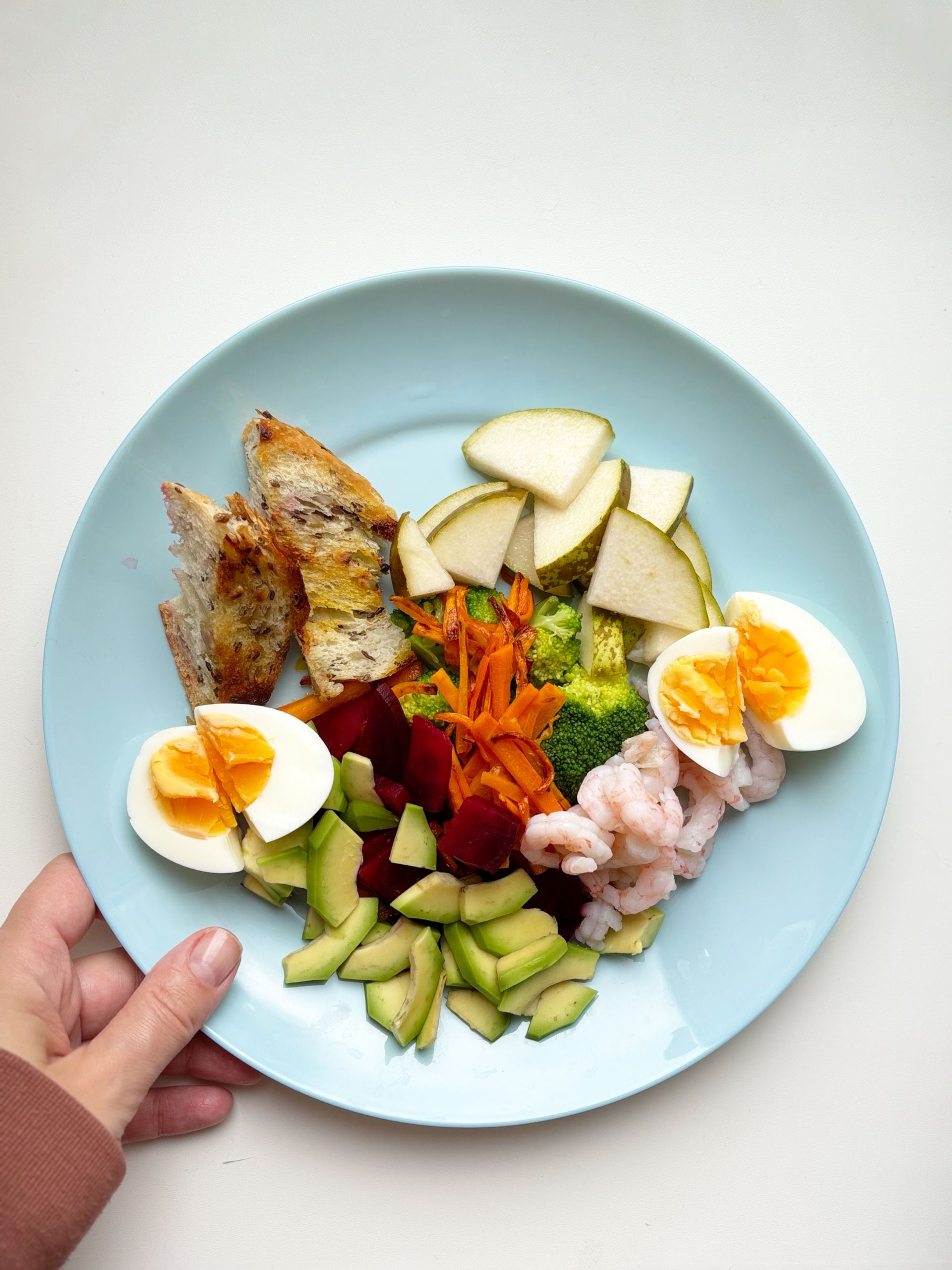
What to eat during menopause comes down to building meals that help you feel more steady and energized during the day. This includes foods that help balance blood sugar levels, promote muscle health, support stronger bones, and ease inflammation.
The ultimate goal is to add in more of the good stuff and provide your body with the nutrients it needs to handle this transition more smoothly.
This includes foods rich in:
- protein
- fiber
- healthy fats
- calcium
- vitamin D
- phytoestrogens
Focusing on a few key food groups can help your body adjust and work with your changing hormones rather than against them.
Stay in the loop!
HEALTHY EATING TIPS & RECIPES delivered directly TO YOUR INBOX
Best foods to eat during menopause
Figuring out what to eat during menopause starts with focusing on a few main food groups. Here are a few of the best foods to eat during menopause.
1. Protein-rich foods
Protein becomes especially important during menopause because it helps maintain muscle mass and metabolism, both of which can start to shift during this stage of life.
As estrogen levels drop, your body tends to lose muscle more easily and may feel less efficient at using energy. Getting enough protein at meals can help counter that by keeping you fuller for longer, stabilizing blood sugar levels, and helping maintain lean muscle, which also supports metabolism.
This doesn’t mean you need to load up on protein shakes or track every gram. Instead, focus on including a solid source of protein with every meal or snack. A few examples of protein-rich foods include:
- tofu
- yogurt
- lentils
- beans
- poultry
- meat
- seafood
- cottage cheese
- eggs
- tempeh
- chickpeas
2. High-fiber foods
Getting enough fiber in your diet can make a huge difference in how you feel on a daily basis.
As hormone levels change during menopause, it’s common to notice changes in digestion, blood sugar stability, and even cravings. That’s where high-fiber foods can help: they slow down digestion to keep you fuller for longer and boost gut health, which is closely linked to hormone balance.
Some of the best sources of fiber include:
- fruits
- veggies
- whole grains
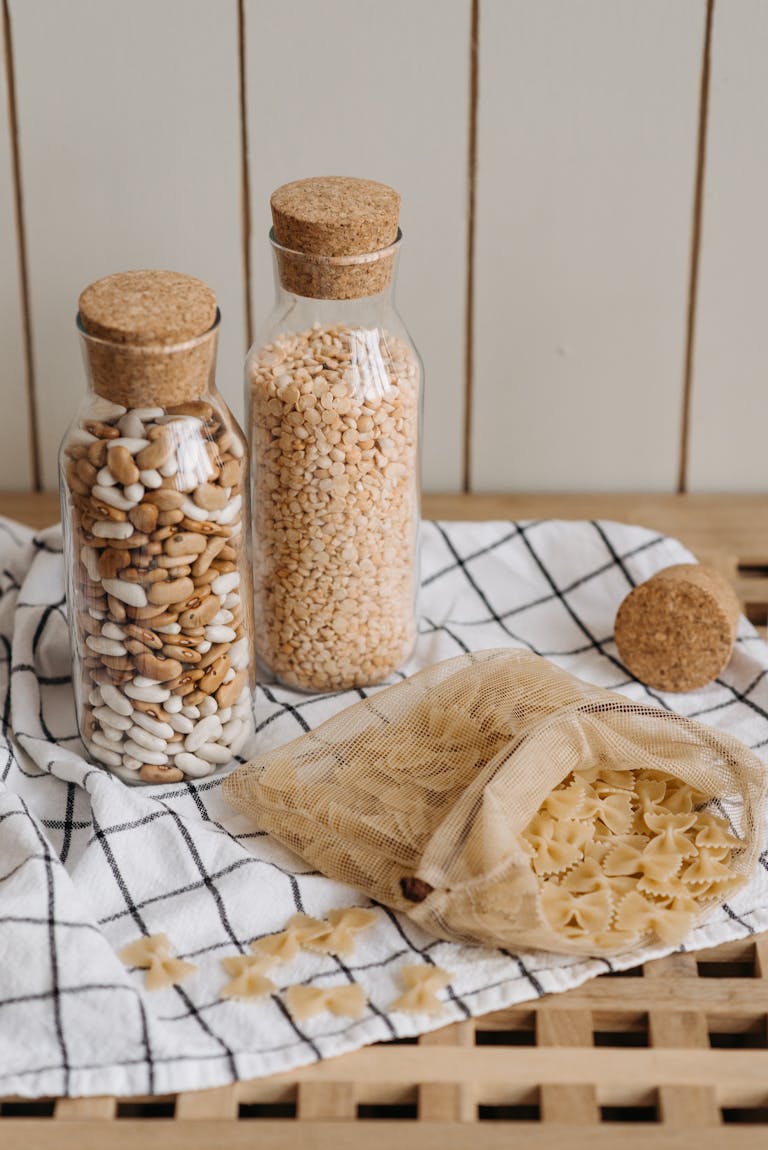
- legumes
- nuts
- seeds
To get started, simply layer in a little extra fiber wherever you can. Add berries to breakfast, toss beans into salads or soups, or choose whole grains instead of refined ones when it’s easy.
3. Healthy fats
One of estrogen’s lesser-known jobs is protecting the health of your heart. As estrogen levels drop during menopause, cholesterol levels can increase and blood vessels become less flexible.
This can increase your risk of heart disease (the leading cause of death among women!), making heart health more important than ever.
Focus on foods rich in unsaturated fats, which can help lower cholesterol levels and ease inflammation. Examples of healthy fats include:
- avocados
- fatty fish
- nuts
- seeds
- olive oil
As an added bonus, many of these foods are packed with other nutrients that are especially important during menopause, like fiber and antioxidants.
4. Foods high in calcium and vitamin D
Bone health becomes a top priority during menopause. This is because estrogen helps maintain bone strength, and lower estrogen levels can lead to faster bone loss.
Calcium is a key building block of your bones, which store about 98% of your body’s calcium. Meanwhile, vitamin D helps your body absorb and use that calcium effectively to keep your bones strong.
Good sources of calcium include:
- milk
- yogurt
- cheese
- calcium-fortified plant milks
- tofu made with calcium sulfate
- sardines
- leafy greens
Vitamin D is a little trickier because relatively few foods contain significant amounts. However, some of the best sources of vitamin D include:
- fatty fish
- beef liver
- cod liver oil
- egg yolks
- vitamin D-fortified foods, such as milk and cereal
- UV-exposed mushrooms
Your body can also make vitamin D from sunlight, though many adults still struggle to meet their needs without supplementation.
5. Phytoestrogen foods
Phytoestrogens are plant compounds that have a very mild estrogen-like effect in the body. During menopause, when estrogen levels naturally decline, these foods can support hormonal balance as part of an overall healthy diet.
Of course, they’re not a replacement for estrogen or a cure for menopause symptoms. Still, research suggests they may help ease certain symptoms like hot flashes when included regularly over time.
Foods rich in phytoestrogens include:
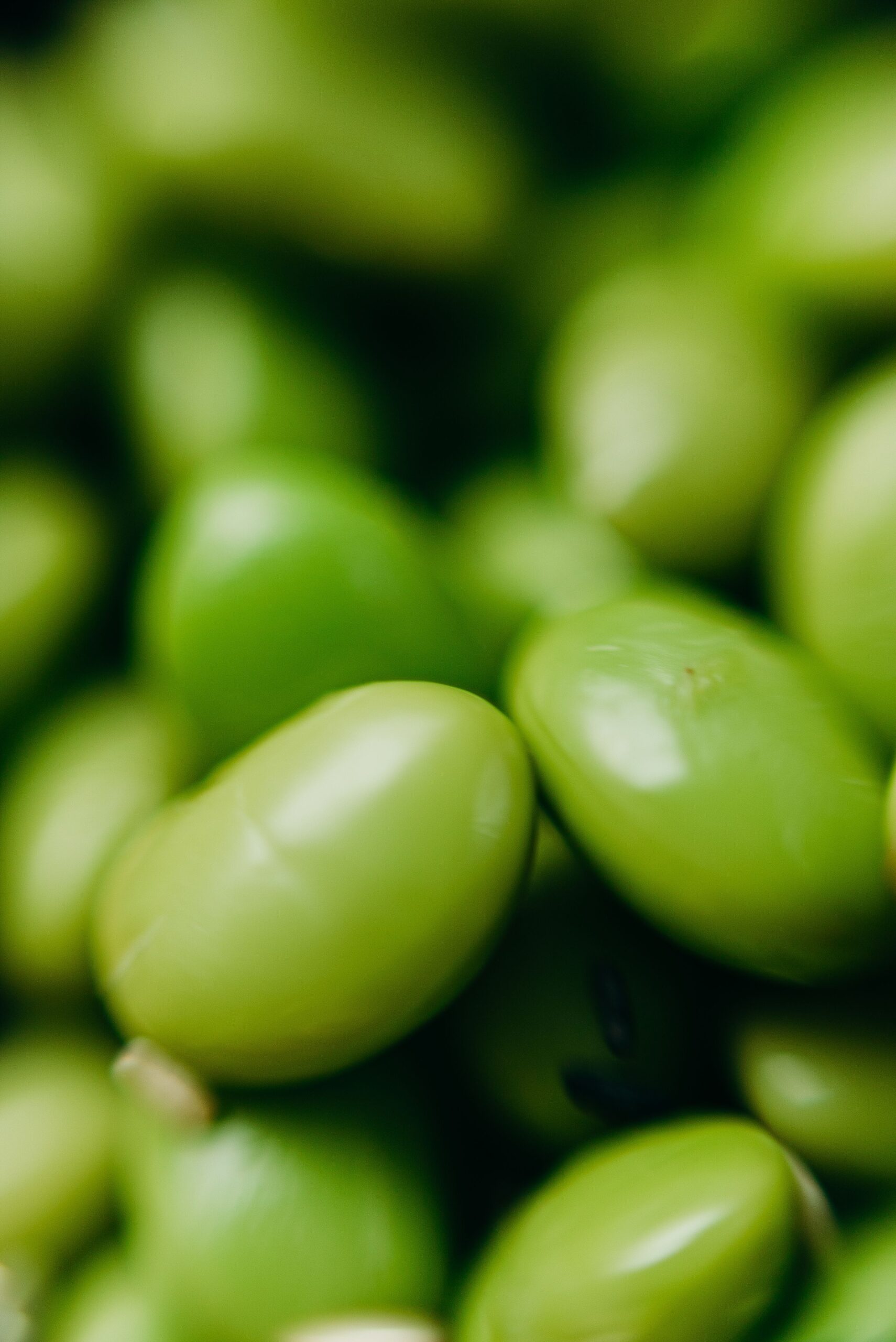
- edamame
- tofu
- soy milk
- flaxseeds
- miso
- tempeh
- sesame seeds
- sunflower seeds
Foods to limit during menopause
There’s no need to eliminate any foods from your diet during menopause. However, it can be helpful to be aware of which foods may make certain symptoms worse so you can make adjustments as needed to feel your best.
A few foods to be mindful of include:
- Added sugar and refined carbs (like sweets, sugary drinks, white bread, pastries), which can cause blood sugar spikes and crashes that affect energy and mood.
- Alcohol, as it might trigger hot flashes for some people and could disrupt sleep quality.
- Caffeine, which can contribute to sleep issues, anxiety, or increased hot flashes, especially later in the day.
- Ultra-processed foods high in sodium and low in nutrients, as they could contribute to inflammation and energy dips.
Sample menopause-friendly meal plan
Not sure what to eat during menopause? Here’s a simple 5-day meal plan to make things easier and take out the guesswork.
Day 1
- Breakfast: Greek yogurt with berries, ground flaxseed, and walnuts
- Lunch: Plant-Powered Couscous Bowls with Avocado Herb Sauce
- Dinner: baked salmon, roasted broccoli, and sweet potato
- Snacks: apple with almond butter, roasted edamame
Day 2
- Breakfast: oatmeal with chia seeds, blueberries, and almond butter
- Lunch: lentil soup with a side salad and olive oil vinaigrette
- Dinner: Black Bean Burrito Bowls with Creamy Cashew Sauce
- Snacks: cottage cheese with pineapple, handful of almonds
Day 3
- Breakfast: Spinach, Feta, and Egg White Wrap
- Lunch: salmon salad bowl with leafy greens, quinoa, and lemon olive oil dressing
- Dinner: tempeh tacos with black beans, avocado, and salsa
- Snacks: yogurt with berries, carrot sticks with hummus
Day 4
- Breakfast: smoothie with soy milk, banana, berries, flaxseed, and protein powder
- Lunch: Kale Quinoa Bowls with Creamy Pesto Aioli
- Dinner: baked cod, roasted Brussels sprouts, and brown rice
- Snacks: handful of walnuts, apple slices
Day 5
- Breakfast: overnight oats with chia seeds, strawberries, and nut butter
- Lunch: Tandoori Tofu Quesadillas
- Dinner: grilled salmon, quinoa, and roasted zucchini and peppers
- Snacks: edamame, yogurt with cinnamon
Best foods for menopause symptoms
Menopause can show up differently for everyone. Some people feel it most in their sleep, others in their mood, energy levels, or digestion. While no single food can fix menopause, certain foods can support your body through the symptoms that show up along the way.
Here are some simple, food-based options and tips to address common symptoms.
Hot flashes
- Soy foods like tofu, edamame, and tempeh, which contain phytoestrogens
- Ground flaxseeds, as they provide fiber and healthy fats
- Cooling, water-rich foods like cucumber, watermelon, celery, and leafy greens
- Staying well-hydrated throughout the day
Mood swings
- Omega-3-rich foods like salmon, sardines, walnuts, and chia seeds to promote brain health
- Magnesium-rich foods such as pumpkin seeds, almonds, spinach, and dark chocolate
- Protein- and fiber-rich meals to balance blood sugar levels
- Complex carbohydrates like oats and quinoa, which support more stable energy levels and mood
Fatigue
- Protein-rich foods to help stabilize energy
- Iron-containing foods such as leafy greens, lentils, and red meat (if you eat it)
- Slow-digesting carbs like oats, quinoa, and sweet potatoes for longer-lasting fuel
- Pairing carbs with protein or fat to avoid energy spikes and crashes
Sleep problems
- Light evening snacks like yogurt, banana, oats, or a small handful of nuts
- Foods that support relaxation, such as almonds, pumpkin seeds, and turkey, which contain nutrients like magnesium and tryptophan
- Herbal teas like chamomile or peppermint to wind down at the end of the day
Digestive issues
- High-fiber foods like berries, chia seeds, oats, beans, and lentils
- Cooked vegetables, which are often easier to digest than raw
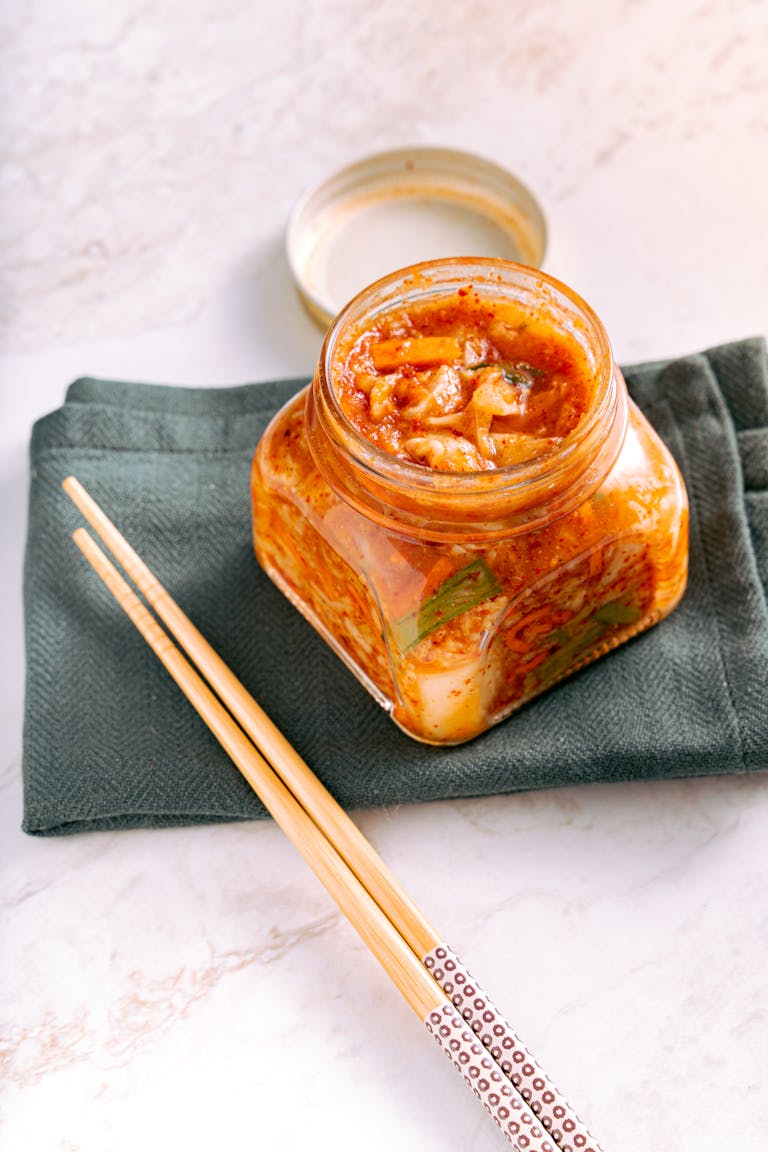
- Fermented foods like yogurt or kefir to enhance gut health
- Plenty of water throughout the day to help keep things moving
Tips for a healthy menopause diet
A healthy menopause diet can help you feel your best as you navigate this new stage in life. Here are a few easy, practical tips for what to eat during menopause.
- Build balanced meals: Build meals around protein, fiber, and healthy fats to supply your body with a steady stream of energy and keep cravings in check.
- Don’t skip meals: Regular eating helps balance blood sugar levels, which can impact mood, energy, and hot flashes.
- Prioritize calcium: Include calcium-rich foods like yogurt, leafy greens, or fortified plant milks in your daily diet to support stronger bones.
- Add omega-3s regularly: Eat omega-3-rich foods a few times a week like salmon, chia seeds, or walnuts for heart and brain health.
- Stay hydrated: Drink water consistently throughout the day; even mild dehydration can worsen fatigue and headaches.
- Focus on whole foods: There’s no need to cut out ultra-processed foods completely, but make sure minimally processed foods make up the bulk of your diet.
- Notice your body’s patterns: Pay attention to how different foods affect your symptoms, since responses can vary widely.
FAQ
More helpful articles
Conclusion
A healthy menopause diet is all about consistently choosing balanced, nutrient-dense meals that support your changing body and help you feel your best.
When you focus on what to eat during menopause and prioritize key nutrients like protein, fiber, and healthy fats, you can help improve your energy, mood, sleep, and overall health as you navigate this new stage in life.