Fibermaxxing: A Dietitian’s Guide to Eating More Fiber
Quick summary
Fibermaxxing is the latest nutrition trend taking over social media, but unlike most viral fad diets, this one actually has some real staying power. Instead of cutting foods out, fibermaxxing focuses on adding more high-fiber foods to your daily diet to boost gut health and digestion.
In this guide, we’re taking an in-depth look at what fibermaxxing is, why it’s trending, and how to do it in a simple, sustainable way without overhauling your entire diet.
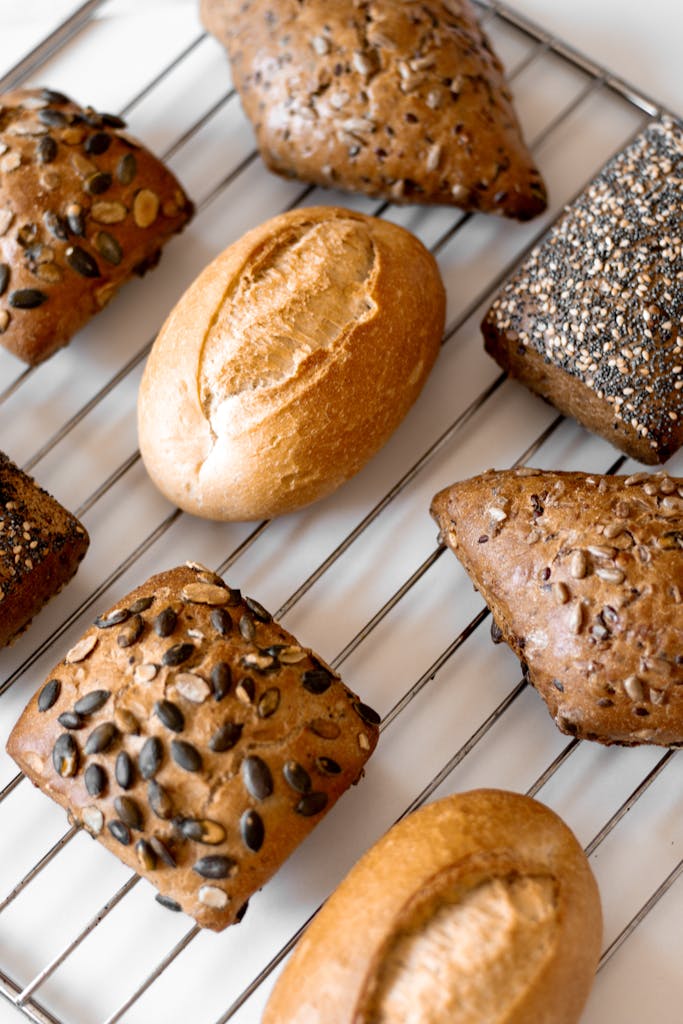
What is fibermaxxing?
Fibermaxxing may be the internet’s latest wellness buzzword, but it’s actually backed by some solid science. At its core, fibermaxxing simply means intentionally eating more fiber-rich foods to support gut health, digestion, and overall wellness.
If you’ve ever searched “how to eat more fiber” or “foods high in fiber,” you’re already on the fibermaxxing train — you just didn’t have a name for it yet.
The idea is pretty simple: instead of counting calories, meticulously measuring carbs, or cutting foods out, you focus on adding more fiber to your meals through foods like fruits, vegetables, beans, whole grains, nuts, and seeds. It’s less about restriction and more about upgrading what’s already on your plate.
From a nutrition standpoint, fibermaxxing works because fiber plays a major role in several aspects of health, from gut health and digestion to blood sugar balance and satiety.
There are also two key types of fiber to include:
- soluble fiber, which helps slow digestion and balances blood sugar
- insoluble fiber, which keeps things moving through your digestive tract
A balanced, high-fiber diet includes both, and fibermaxxing encourages variety so you get the benefits of each.
Benefits of fiber
Fiber might not be the flashiest nutrient, but it’s one of the most powerful for improving your health. If you’re trying to eat more fiber (aka fibermaxxing), here are a few reasons why it’s worth the effort:
- Boosts gut health: Fiber feeds the beneficial bacteria in your gut, helping your microbiome thrive. A healthy gut is linked to better digestion, stronger immunity, and even improved mood.
- Supports satiety: Foods with fiber take longer to digest, which helps you feel fuller for longer. This can naturally support portion control and make it easier to curb cravings during the day.
- Balances blood sugar: Fiber slows down how quickly carbohydrates are absorbed, preventing sharp spikes and crashes in blood sugar levels.
- Promotes regularity: Fiber adds bulk to your stool and helps keep things moving for more regular, comfortable bowel movements.
- Keeps your heart healthy: Certain types of fiber, especially soluble fiber, can lower LDL (aka “bad”) cholesterol levels, which promotes heart health.
- Supports hormone balance: Fiber helps the body eliminate excess hormones like estrogen, which can be especially beneficial during phases like perimenopause.
Beyond the long list of health benefits tied to fiber, focusing on fiber-packed foods can also naturally upgrade the overall quality of your diet. In fact, fibermaxxing nudges you toward more nutrient-dense, whole foods, leaving less room for ultra-processed, less nutritious ingredients on your plate.
Stay in the loop!
HEALTHY EATING TIPS & RECIPES delivered directly TO YOUR INBOX
How much fiber do you need?
If you’re just getting into fibermaxxing, you might be wondering: how much fiber is actually enough? The answer depends on your age and sex, but the short answer is probably more than you’re currently getting.
In general, the recommended daily fiber intake is:
- Women: about 25 grams per day
- Men: about 38 grams per day
That said, most people fall well below these targets. That’s why fibermaxxing has become so popular: it’s an easy way to close that gap by simply adding more high-fiber foods to your meals.
Best foods for fibermaxxing
When it comes to fibermaxxing, the goal is simple: eat more high-fiber foods that are easy to add to your everyday meals. Fortunately, fiber is found in tons of delicious, nutrient-dense options, which makes it easy to build a fiber-dense diet without feeling restricted.
Here are some of the best foods to focus on for fibermaxxing:
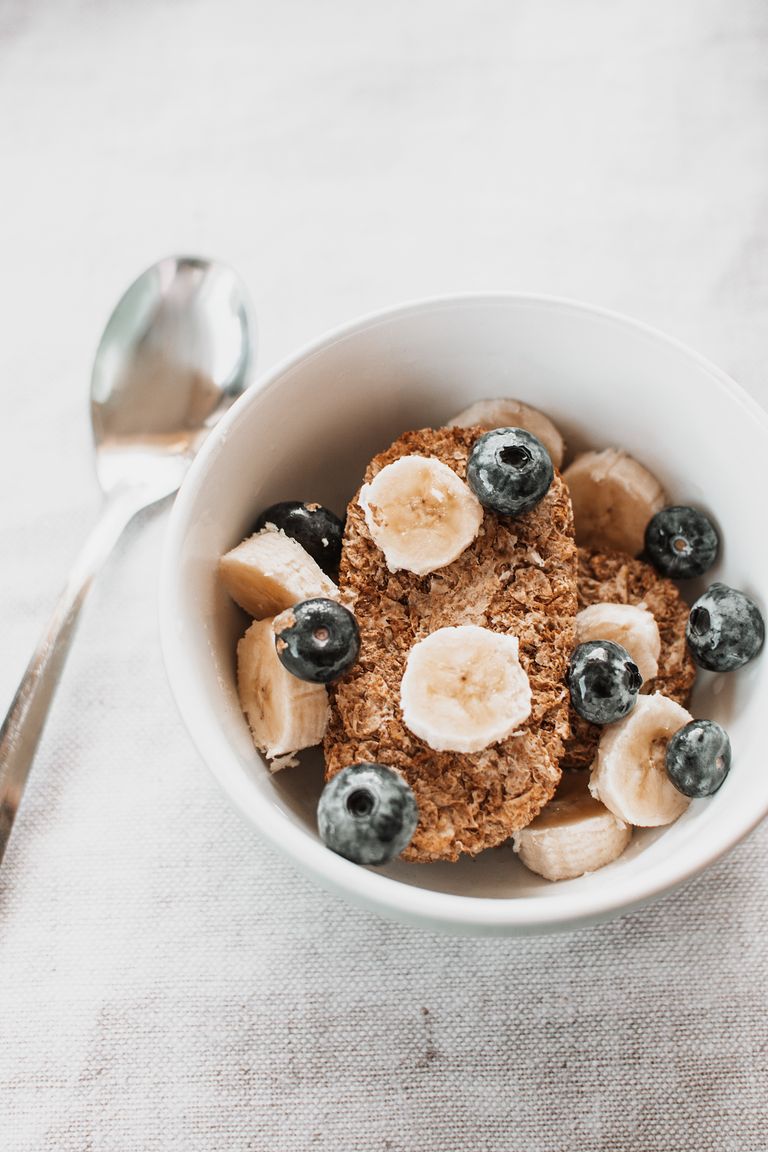
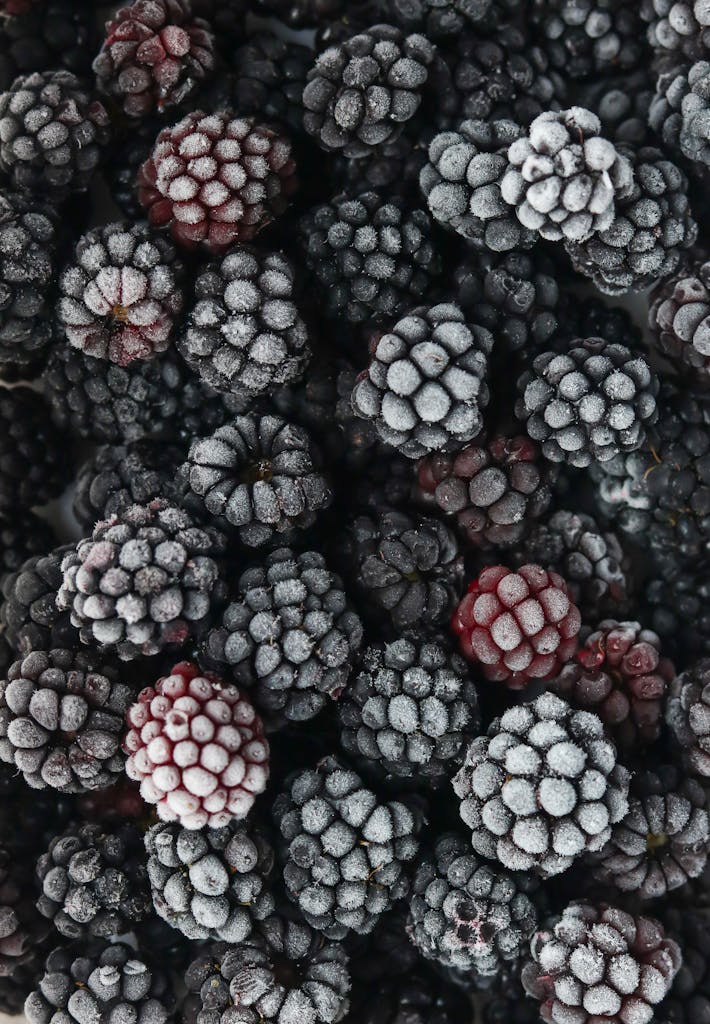
- Fruits: berries, pears, apples, bananas, passionfruit, avocados, guava
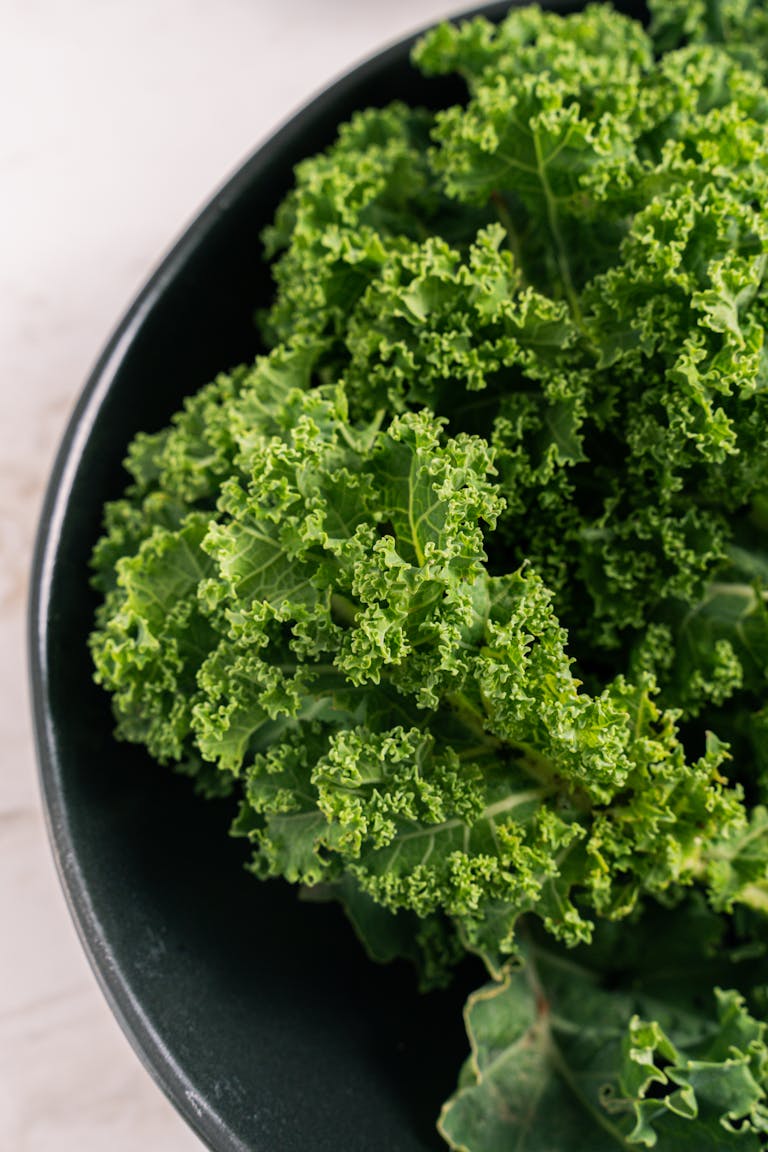
- Vegetables: artichokes, peas, broccoli, Brussels sprouts, leafy greens, sweet potatoes
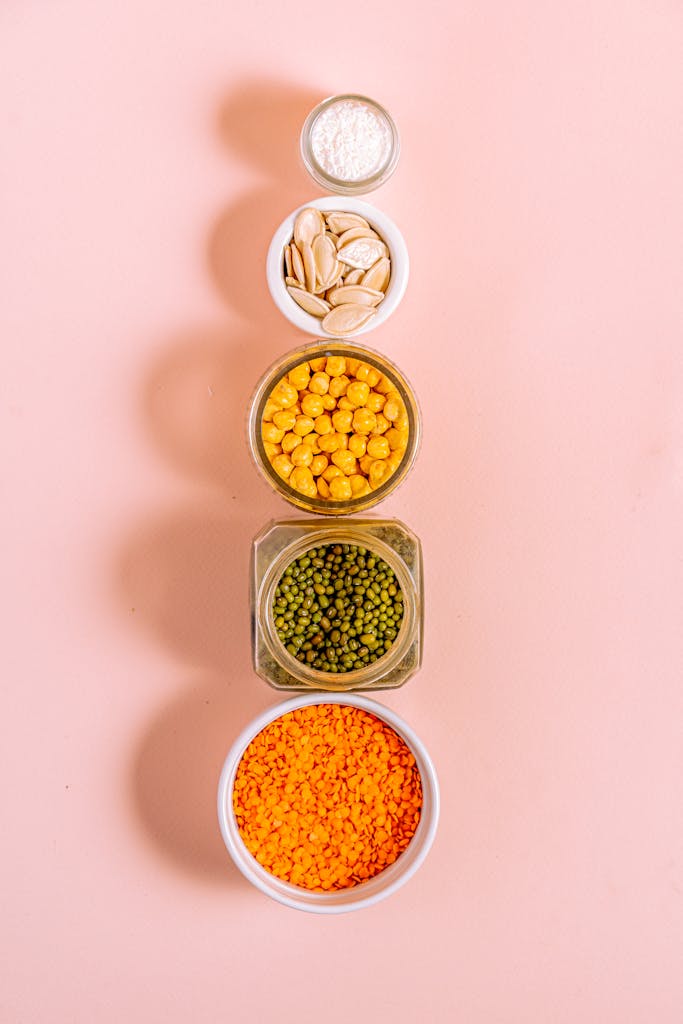
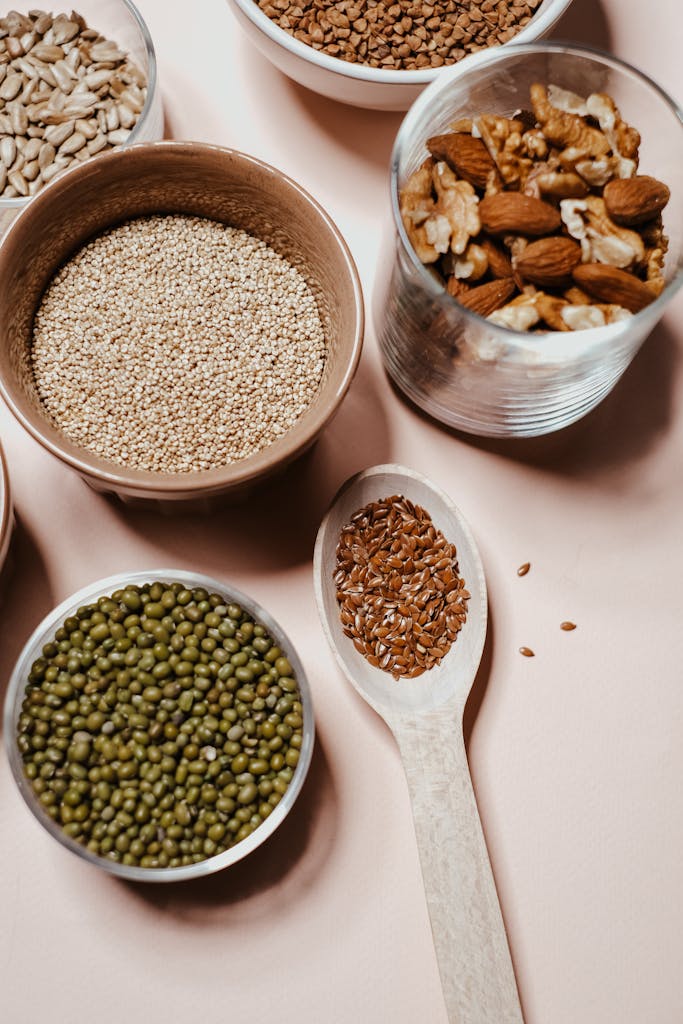
- Whole grains: oats, quinoa, brown rice, lentils, barley, whole-wheat bread
- Legumes: black beans, chickpeas, kidney beans, lentils
- Nuts: walnuts, almonds, pistachios, hazelnuts, pecans
- Seeds: chia seeds, flaxseeds, pumpkin seeds, hemp seeds
Easy ways to add fiber to meals
Fibermaxxing is all about making simple, strategic upgrades to the meals you already eat. With a few simple swaps and additions, you can boost your fiber intake without even thinking about it.
Sample fibermaxxing meal plan
Looking for an easy way to start fibermaxxing? This simple three-day high-fiber meal plan shows you exactly how to eat more fiber with delicious, balanced meals.
Day 1
- Breakfast: oatmeal with chia seeds, chopped pecans, and mixed berries
- Lunch: quinoa bowl with chickpeas, broccoli, carrots, and avocado-cilantro sauce
- Dinner: salmon with roasted Brussels sprouts and sweet potatoes
- Snacks: carrot sticks with hummus; whole-grain crackers with cheese; air-popped popcorn
Day 2
- Breakfast: omelette with peppers, spinach, and mushrooms with whole-wheat toast
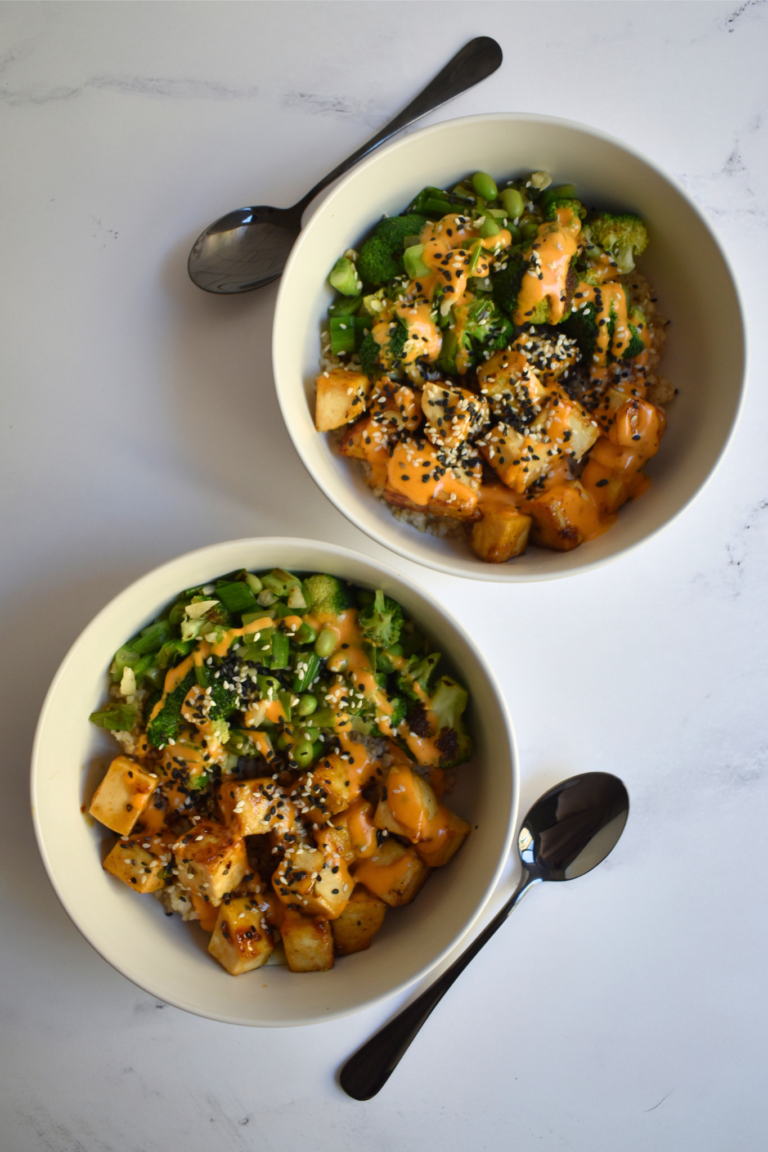
- Lunch: tofu stir-fry with brown rice, broccoli, and mixed veggies
- Dinner: lentil pasta with zucchini and marinara sauce
- Snacks: roasted garlic chickpeas; spinach banana smoothie; chia seed pudding
Day 3
- Breakfast: Greek yogurt with raspberries, pumpkin seeds, walnuts, and granola
- Lunch: chickpea and avocado wrap on whole-wheat tortilla with veggies and hummus
- Dinner: grilled chicken with baked artichoke hearts and kale salad
- Snacks: fruit salad; roasted edamame; sliced veggies with bean dip
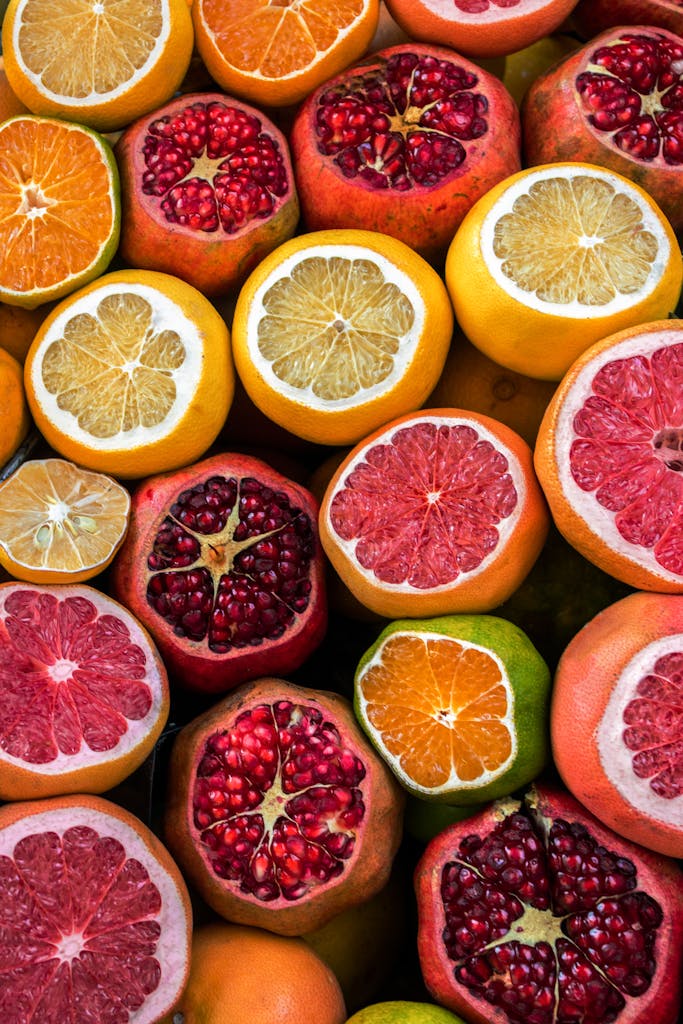
How to fibermaxx without bloating
Fibermaxxing is great for your gut. That said, if you increase your fiber too quickly, your body might push back, leading to bloating or discomfort. Luckily, a few simple strategies can help you boost fiber intake without the bloat.
- Increase fiber intake slowly: One of the biggest mistakes is going from low fiber to high fiber overnight. Instead, slowly add more high-fiber foods over a few weeks so your digestive system has plenty of time to adjust.
- Stay hydrated: Fiber absorbs water, so if you’re not drinking enough fluids, it can lead to bloating and constipation. Aim to drink water consistently throughout the day to help fiber do its job.
- Mix up your fiber sources: Different types of fiber (like soluble and insoluble fiber) work together to support digestion. Eating a variety of fiber-rich foods can help your body process fiber more efficiently.
- Cook some veggies: Raw vegetables can be harder to digest for some people. Lightly cooking veggies like broccoli, carrots, or spinach can make them easier on your digestive system while still providing plenty of fiber.
- Listen to your body: Everyone’s gut is different. If certain fiber-containing foods consistently cause discomfort, it’s okay to adjust and find what works best for you.
Safety considerations
Fibermaxxing is generally safe for most people, but more fiber isn’t always better. In some cases, increasing fiber too quickly (or eating too much) can cause discomfort and even worsen certain health conditions.
General recommendations for fiber intake are 25 and 38 grams per day for women and men, respectively. However, consistently going well above around 50 grams per day (especially without guidance) can lead to bloating, gas, constipation, and digestive distress.
The key is finding a sweet spot: enough fiber to support health, but not so much that it overwhelms your digestive system.
Fibermaxxing also isn’t right for everyone, and certain people need to be cautious with upping their fiber intake, including those with digestive conditions like inflammatory bowel disease (IBD) or irritable bowel syndrome (IBS).
If you’re pregnant, taking medications, or have other underlying health conditions, check with a doctor or dietitian first before making major changes to your diet.
FAQ
More fiber guides
8 Surprising Signs You’re Not Getting Enough Fiber
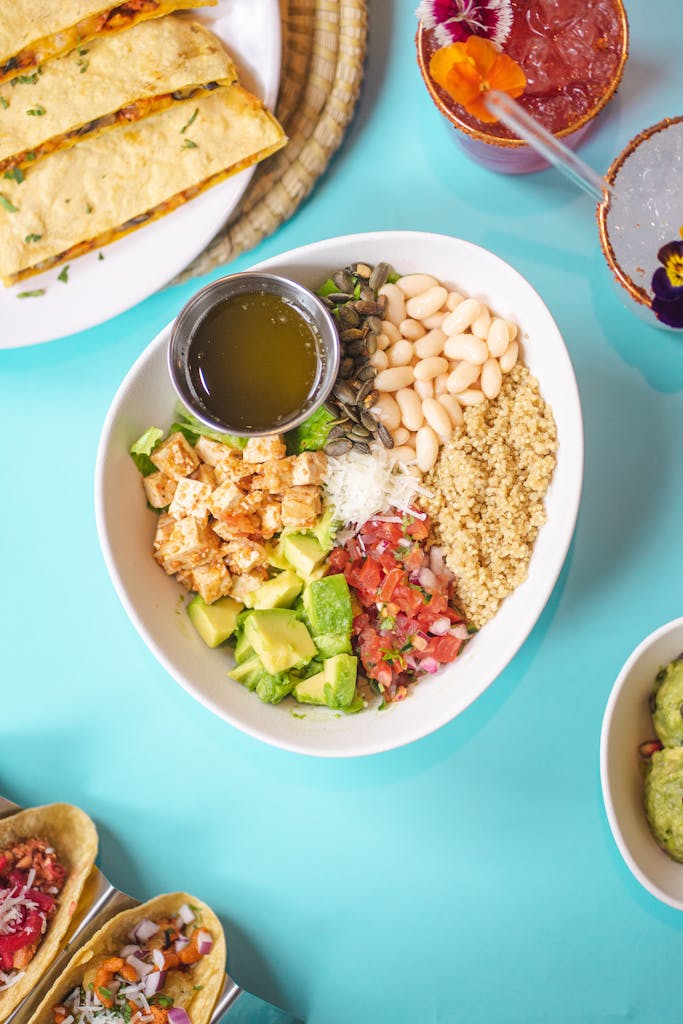
How to Eat More Fiber Without Bloating: 10 Dietitian-Approved Tips
12 Best High-Protein, High-Fiber Foods for Weight Loss and Energy
How to Eat 30 Grams of Fiber a Day (Sample Meal Plan)
Dietary Fiber 101: Benefits of Fiber, Food Sources, and How Much You Need
Conclusion
Fibermaxxing can be an easy way to level up your diet, simply by adding more high-fiber foods into the meals you’re already eating.
When you take it slow, stay hydrated, and focus on variety, it can support better digestion, more stable energy levels, and overall wellness without feeling like a restrictive diet.