Best Foods for Muscle Gain: What to Eat to Build Muscle
Quick summary
Building muscle is about so much more than just lifting heavier weights or spending more time in the gym. In fact, the foods you eat can play a huge role in how your body repairs, recovers, and ultimately builds muscle over time.
Luckily, you don’t need a complicated diet plan to see real results. Muscle growth comes from consistently eating enough calories, prioritizing protein, and including a balance of carbs and healthy fats to help keep you energized.
In this guide, we’ll break down the best foods for muscle gain, how to combine them into muscle-building meals, and what to eat before and after workouts to maximize your results.
Nutrition for muscle growth
If muscle growth is your goal, what you’re putting on your plate can make a big impact. You might crush your workouts, but without the right fuel coming in, your muscles won’t have the nutrients they need to grow, recover, and get stronger.
It all comes down to hitting the right balance of three macronutrients:
- Protein: Protein is the star of the show. When you lift weights, you’re creating tiny muscle micro-tears, and protein helps patch them up stronger than before.
- Carbs: Carbs supply your body with a steady stream of energy. They help you power through workouts and replenish glycogen stores afterward so you’re not running on empty the next day.
- Fats: While fats might not get a lot of hype in the gym world, they play a key role in hormone production (including hormones involved in muscle growth) and recovery.
Supplements like protein powder can be helpful and convenient, but they’re not magic muscle builders. The real foundation should always be whole foods, which is why increasing your intake of the best foods for muscle gain is so important.
How much protein do you need?
When it comes to muscle gain, protein is usually the first thing people zoom in on.
Believe it or not, though, more isn’t always better. Your body has a sweet spot where it can actually use protein efficiently to build and repair muscle, and after that, extra doesn’t automatically turn into extra gains.
For most active people trying to build muscle, a solid target is around 0.7-1.0 grams of protein per pound of body weight per day.
If you’re just getting started with strength training, you can lean toward the lower end. If you’re lifting consistently, training hard, or trying to gain muscle more aggressively, the higher end may make more sense.
Here’s a quick cheat sheet for your daily protein targets so you don’t have to pull out the calculator:
| Body Weight | Lower Target (0.7g/lb) | Higher Target (1.0g/lb) |
|---|---|---|
| 120 lbs | 84 g | 120 g |
| 130 lbs | 91 g | 130 g |
| 140 lbs | 98 g | 140 g |
| 150 lbs | 105 g | 150 g |
| 160 lbs | 112 g | 160 g |
| 170 lbs | 119 g | 170 g |
| 180 lbs | 126 g | 180 g |
| 190 lbs | 133 g | 190 g |
| 200 lbs | 140 g | 200 g |
Keep in mind that it’s not just about the total number, and how you spread it out matters too. Your body tends to use protein more effectively when it’s distributed across the day rather than packed into one big meal.
Aim to include a protein source at each meal and snack so that your muscles get a steady supply of building blocks to work with.
Stay in the loop!
Healthy eating tips & recipes delivered directly to your inbox
Best foods for muscle gain
Making a few small changes to your diet can help you reach your goals faster and make the most of your workouts. Here are 17 of the best foods for muscle gain to consider adding to your rotation.
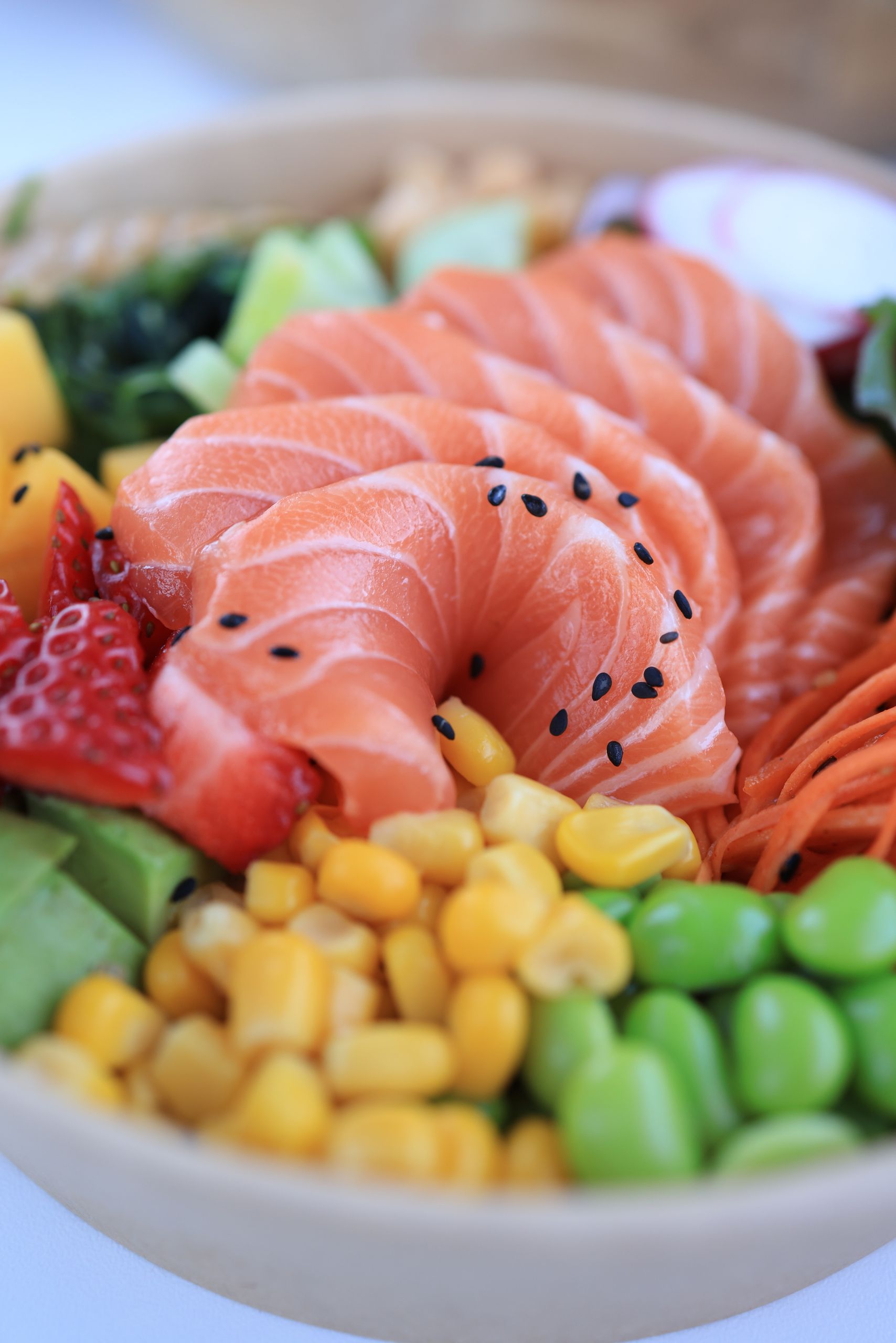
Salmon
Salmon brings the best of both worlds: it supplies protein for muscle growth and omega-3 fats to promote recovery and ease exercise-related inflammation. It’s also a great source of antioxidants like astaxanthin and selenium, which can help reduce inflammation and prevent cell damage.
Chicken
Chicken is a bodybuilding staple for a reason. In fact, it’s a solid source of high-quality, complete protein to promote muscle repair and growth, and it doesn’t provide lots of extra fat or calories. It’s also versatile, easy to meal prep, and works with just about any flavor profile.
Sweet potatoes
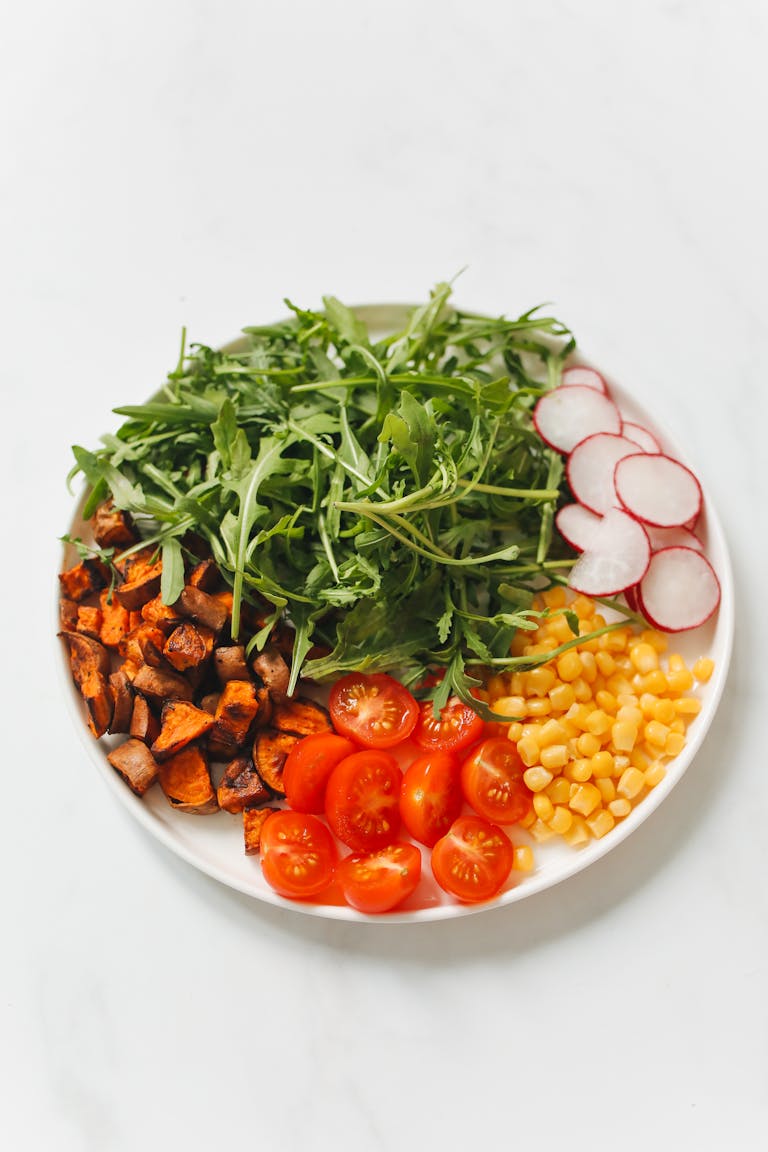
Sweet potatoes are rich in complex carbs, potassium, and antioxidants that promote muscle function and speed up recovery. They’re especially great for post-workout meals when your body needs to refuel fast.
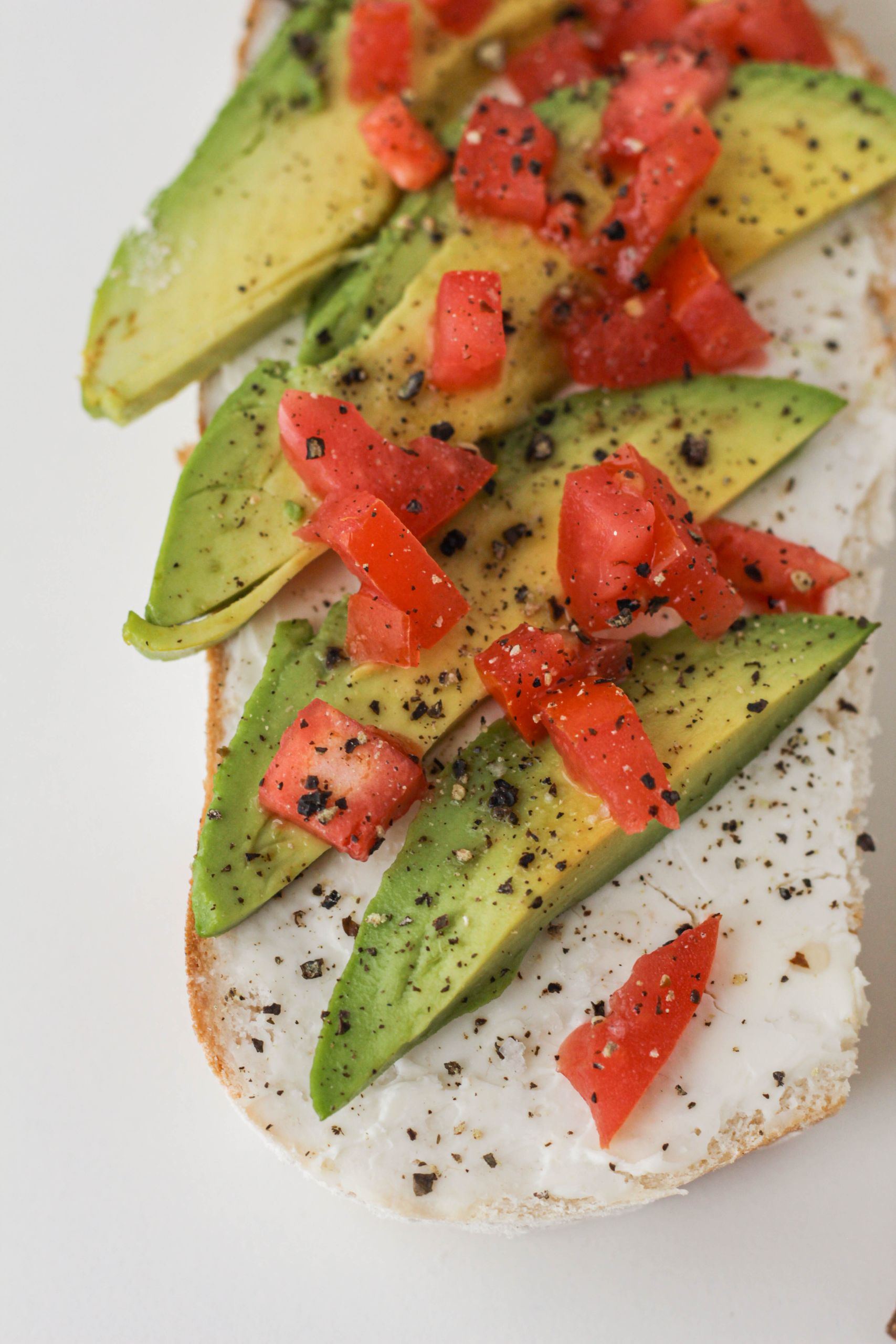
Avocado
Avocados are a smart source of healthy fats that can help support hormone production, a crucial piece of the muscle-building puzzle. They’re also super easy to add to meals, whether you’re spreading them on toast or tossing them into bowls for more fat and fiber.
Brown rice
Brown rice is a simple, reliable carb source that can help restore energy after training. It’s also a staple in many muscle-building meal plans because it pairs easily with protein-rich foods like chicken, tofu, and fish.
Greek yogurt
Thick, creamy, and protein-packed, Greek yogurt provides both fast- and slow-digesting proteins, making it great for muscle repair throughout the day (or even right before bed). It also pairs well with fruit, oats, or seeds for an easy snack.
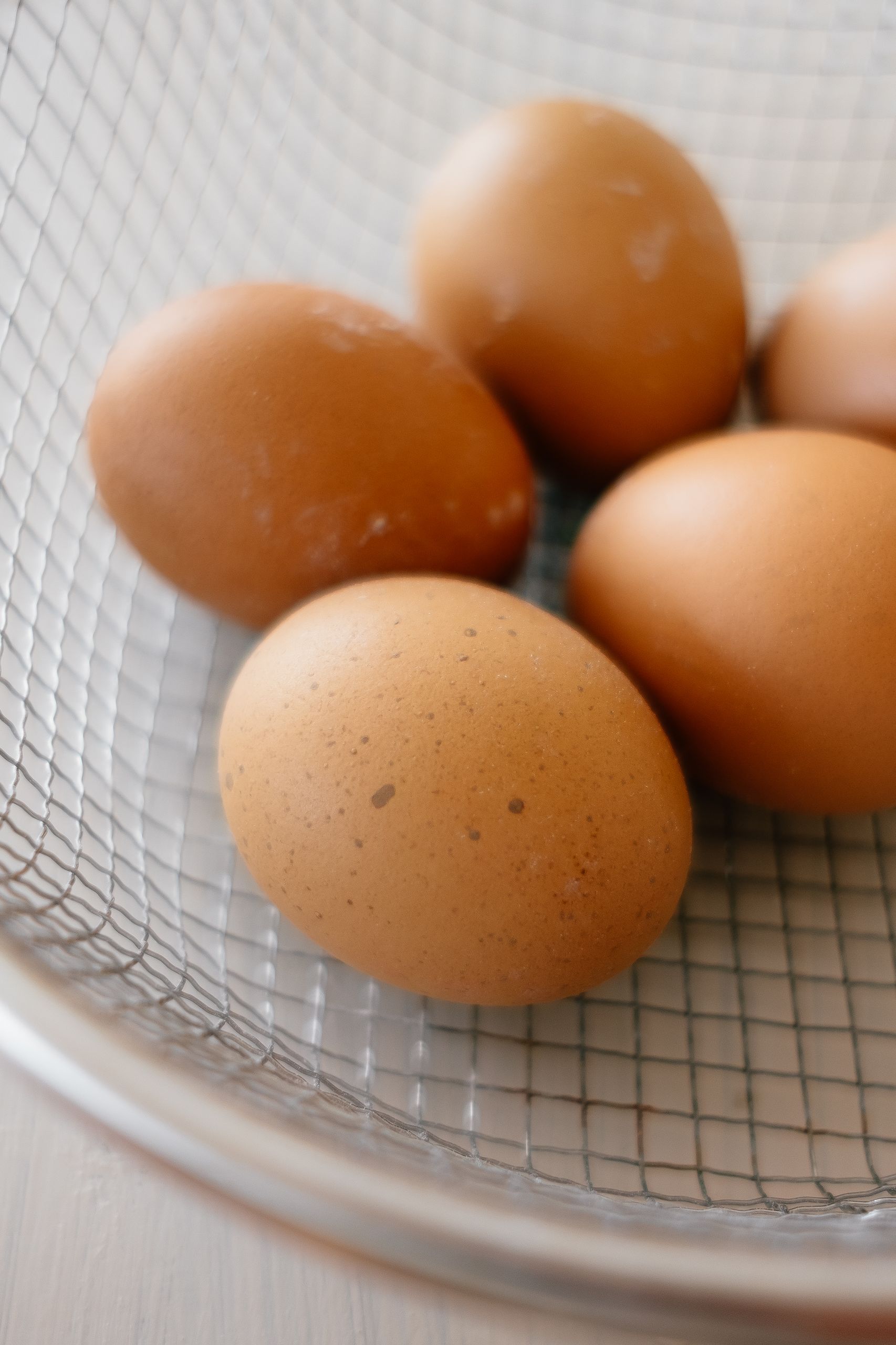
Eggs
Eggs are one of the most efficient, affordable sources of complete protein. They also contain nutrients like choline and vitamin D, which support muscle function and strength.
Quinoa
Quinoa is a unique carb because it also contains a solid amount of protein, making it a double-duty food for muscle gain. It’s also one of the few plant foods considered a complete protein, meaning it contains all nine of the essential amino acids your body needs. As an added bonus, it’s rich in nutrients like magnesium, which promotes muscle and nerve function.
Tuna
Tuna is a lean, high-protein option that makes it easy to hit your daily protein goals without a lot of extra calories or prep time. It’s also rich in nutrients like selenium and omega-3s, both of which promote recovery and athletic performance.
Cottage cheese
Cottage cheese is a muscle-building must-have, thanks to its high protein content. It’s an especially good source of slow-digesting casein, a type of protein found in milk that’s digested slower than whey for long-lasting fuel. This makes it a great choice as a nighttime snack when your body shifts into recovery and repair mode.
Beans
Beans bring a powerful combo of protein, complex carbs, and fiber to the table, making them ideal for steady energy and muscle growth. Even though they’re not a complete protein on their own, they pair perfectly with grains like rice or quinoa to help round things out.
Edamame
Edamame (aka young soybeans) is a plant-based powerhouse, offering a solid dose of protein, along with fiber and key micronutrients like folate and iron. It’s a simple snack or side dish that fits easily into a muscle-building diet.
Protein powder
Protein powder is a great tool for muscle gain, offering a quick and convenient way to boost your protein intake. While it shouldn’t replace a balanced, well-rounded diet, supplements like whey protein can be effective for increasing muscle growth, strength, and endurance.
Tofu
Tofu is a versatile plant-based protein made from soybeans that soaks up flavors like a sponge, making it easy to add to just about any meal. It’s a great option for muscle gain because it provides all nine essential amino acids to boost muscle growth, along with key minerals like calcium and iron.
Milk
Milk is a muscle-building staple that delivers a good mix of protein, carbs, and micronutrients like calcium and vitamin D. It’s especially useful post-workout for promoting muscle recovery and replenishing glycogen stores.
Lean beef
Lean cuts of beef like tenderloin, flank, or sirloin provide all of the amino acids needed for muscle repair and growth, plus other nutrients like iron, zinc, and B vitamins that support energy and performance.
Oats
Oats are a go-to complex carb that can help fuel workouts and replenish glycogen stores after you hit the gym. They digest very slowly, giving you steady energy rather than quick spikes and crashes.
What to eat before and after workouts
When it comes to muscle gain, what you eat around your workouts can make a real difference in how you feel, perform, and recover.
Before your workout
Before you head to the gym, focus on easy-to-digest carbs with a little protein to give you energy without feeling heavy.
Carbs help power your workout, while a bit of protein supports muscle breakdown during training.
A few good options include:
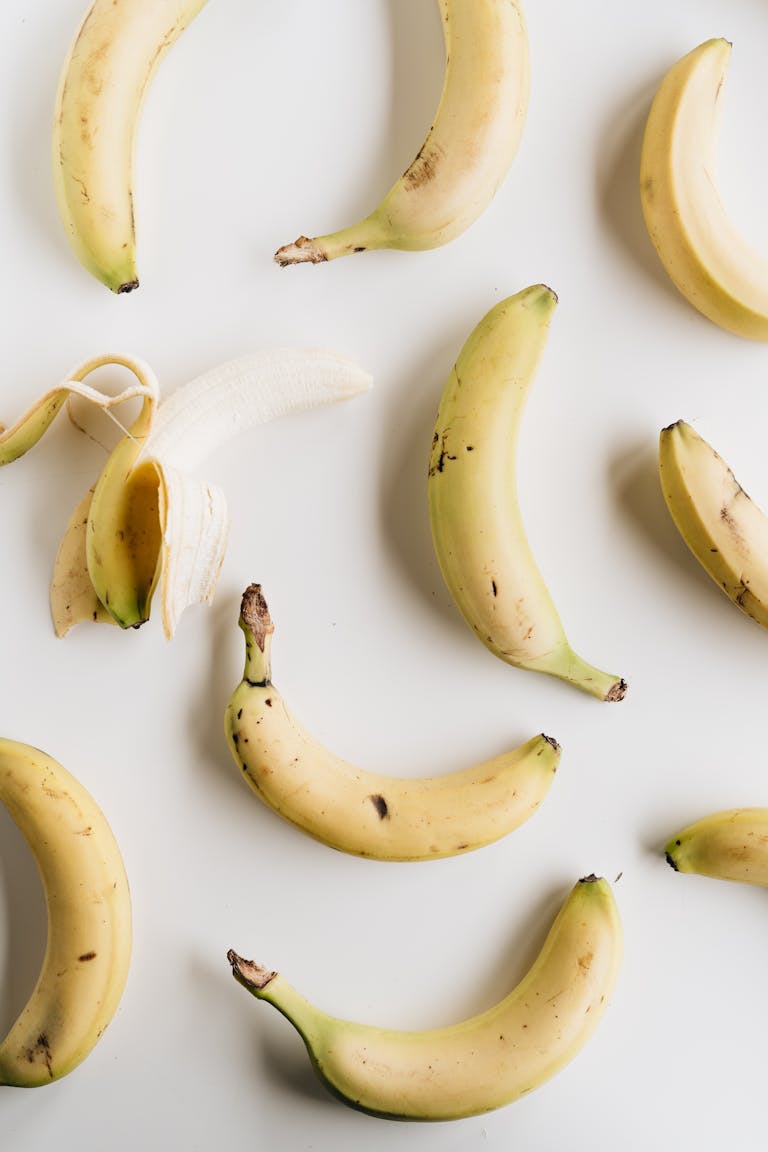
- oatmeal with banana
- whole-wheat toast with eggs
- yogurt and fresh fruit
After your workout
Your recovery window starts after your workout, when your body is ready to repair and refuel. Focus on protein to help rebuild muscle combined with carbs to restore glycogen stores.
Some examples of post-workout meals for muscle growth include:
- chicken and brown rice
- protein smoothie with fruit
- tofu with quinoa and veggies
Common mistakes that slow muscle gain
Even with a solid workout routine, a few small habits can slow you down and keep you from reaching your goals. Luckily, most of these issues are usually pretty easy to fix once you spot them.
Here are some of the most common mistakes that can slow muscle gain:
- not eating enough calories to support muscle growth
- skipping or under-dosing protein at meals throughout the day
- relying too heavily on supplements instead of real foods
- not getting enough carbs to fuel workouts and recovery
- having inconsistent eating patterns from day to day
- underestimating the importance of sleep and recovery
Fixing these habits can help you push through plateaus and keep progressing toward your goals.
Best food combos for muscle gain
What you pair together on your plate can make a big difference in muscle gain. Pairing foods that balance protein, carbs, and fats can help fuel workouts, promote recovery, and make your meals more effective for muscle growth (and a lot more satisfying).
Here are some of the best food combos for muscle gain:
- chicken + rice + vegetables
- salmon + sweet potato + greens
- eggs + whole-wheat toast + avocado
- Greek yogurt + berries + granola
- tofu + quinoa + stir-fried vegetables
- cottage cheese + fruit + nuts
- tuna + whole-grain crackers + olive oil
- oatmeal + protein powder + nut butter
- lean beef + brown rice + broccoli
- cottage cheese + pineapple + walnuts
- lentils + rice + olive oil + spinach
These combos balance protein for muscle repair, carbs for fuel, and healthy fats for hormone production.
FAQ
More fitness articles
Easy Post-Workout Meals for Muscle Recovery
Body Recomposition Meal Plan for Beginners: A Complete Guide
Top 10 Plant-Based Foods for Joint Support
Fasted Cardio for Fat Loss: Does It Really Work?
Conclusion
At the end of the day, muscle gain comes down to a few key basics: eating enough, prioritizing protein, and including a balance of carbs and healthy fats to support energy and recovery.
Including a variety of the best foods for muscle gain (like lean meats, dairy, whole grains, and healthy fats) can support strength and recovery as you work toward your goals.