12 Best High-Protein, High-Fiber Foods for Weight Loss and Energy
Quick summary
If you’re looking for a simple way to feel fuller for longer, stabilize your energy levels, keep your gut working smoothly, and improve your overall health, enjoying more high-protein, high-fiber foods is a solid place to start. This powerful nutrient combo helps slow digestion, balance blood sugar levels, and keep cravings in check, without needing to track every bite or resort to a restrictive diet plan.
In this guide, we’ll explore which foods are highest in both protein and fiber, along with some easy ways to add them to your meals and snacks so you can stay satisfied throughout the day.
How protein and fiber work together
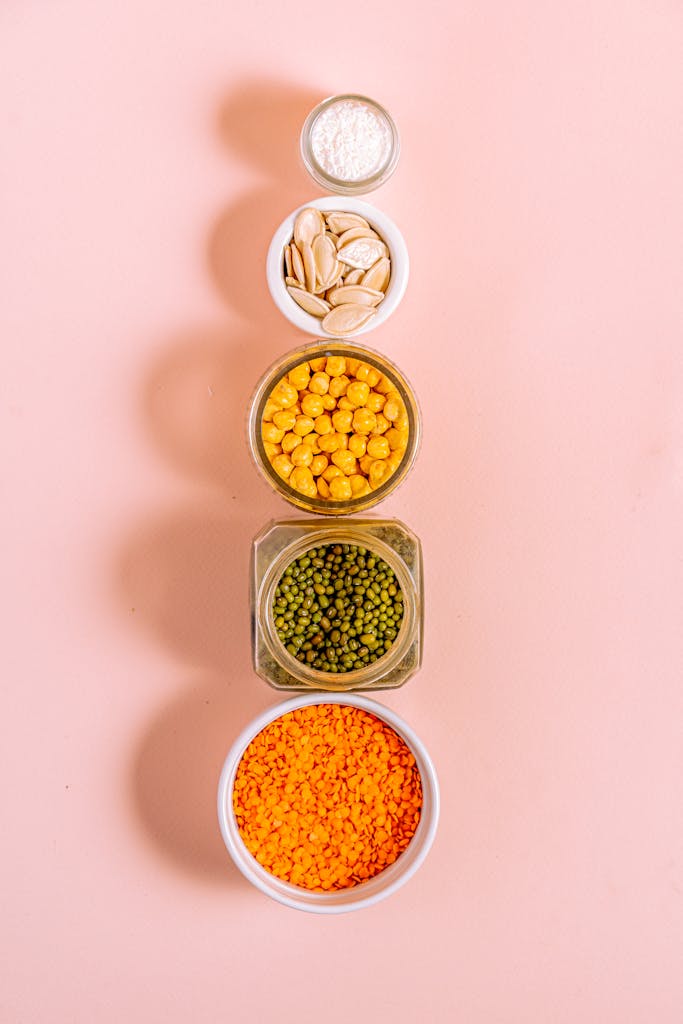
Protein and fiber are a powerful pair when it comes to keeping you full between meals. While they each offer benefits on their own, they work even better together.
Protein helps trigger hormones in the body that signal fullness, while also slowing down digestion so you feel satisfied for longer after eating.
Fiber, on the other hand, adds bulk to your meals and slows the rate at which food leaves your stomach, balancing blood sugar levels and preventing sudden energy crashes.
When you combine the two, it’s a double whammy for weight control: protein helps reduce hunger signals, and fiber keeps digestion steady and gradual. This translates to fewer mid-afternoon cravings, more consistent energy levels, and meals that are actually filling.
Benefits of high-protein, high-fiber foods
Beyond just keeping you full, foods high in protein and fiber also bring several other possible perks to the table. Here are a few reasons why this dynamic duo deserves a regular spot on your plate:
- They can help manage your weight: Because they promote satiety and can reduce your overall calorie intake, filling up on high-protein, high-fiber foods can make it much easier to maintain a healthy weight without strict dieting.
- They support steady energy levels: Fiber helps prevent blood sugar spikes and crashes, while protein provides sustained fuel. Together, they team up to help you avoid energy dips during the day.
- They enhance gut health: Fiber helps keep digestion moving smoothly and promotes a healthy gut microbiome, which plays a central role in almost every aspect of health, from immunity to mood. Many protein-rich foods also provide nutrients that improve gut health, like omega-3s (found in fatty fish) and probiotics (present in fermented dairy products).
- They boost muscle mass: Protein provides the amino acids needed to promote muscle repair and maintenance, especially important when paired with an active lifestyle. Meanwhile, fiber supports the health of your gut microbiome, which is responsible for producing beneficial compounds like short-chain fatty acids that enhance muscle growth.
- They can help curb cravings: Because protein- and fiber-rich foods keep you fuller for longer, they can naturally help reduce frequent hunger and cravings between meals.
How much protein and fiber do you need?
Protein and fiber needs can vary based on your age, activity level, and health goals, but most people benefit from getting enough of both consistently throughout the day, not just at one meal.
For fiber, general recommendations suggest about 25 grams per day for women and around 38 grams per day for men. Most people fall short of this, which is why intentionally including high-fiber foods in your daily diet can make a big difference in digestion, satiety, and overall health.
When it comes to protein, needs are a little more individualized. A common baseline is about 0.8-1.0 grams of protein per kilogram of body weight, but many people (including those who are active) may benefit from more. A practical range for many adults falls between 15-30 grams of protein per meal, which helps support fullness, energy, and muscle health during the day.
Stay in the loop!
HEALTHY EATING TIPS & RECIPES delivered directly TO YOUR INBOX
Best high-protein, high-fiber foods
If you’re looking for foods that truly keep you full, this is the list to know. High-protein, high-fiber foods are especially powerful because they combine two nutrients that support satiety, steady energy, and better digestion.
Here are some of the top options to add to your regular rotation.
Lentils
Lentils are one of the most impressive plant-based options, offering both protein and fiber in every bite. They’re also incredibly versatile, perfect for soups, salads, curries, and bowls.
1/2 cup of cooked lentils provides:
- 9 grams protein
- 7.8 grams fiber
Chickpeas
Chickpeas (aka garbanzo beans) are a fiber-rich legume that also provides a solid amount of plant-based protein. Roast them for a crunchy snack or blend them into hummus for an easy spread.
1/2 cup of cooked chickpeas provides:
- 7.3 grams protein
- 6.3 grams fiber
Black beans
Black beans are a staple in many cuisines and a great source of both protein and fiber. They work well in tacos, burrito bowls, soups, and salads.
1/2 cup of cooked black beans provides:
- 7.6 grams protein
- 7.5 grams fiber
Edamame
Edamame is a complete plant protein that also delivers fiber, making it one of the best snackable high-protein foods. Enjoy it steamed with sea salt or toss it into salads and stir-fries.
1/2 cup of prepared edamame provides:
- 9.2 grams protein
- 4 grams fiber
Quinoa
Quinoa is a unique grain because it contains all nine essential amino acids, making it a complete protein. It’s also higher in fiber than many other grains, making it a great base for bowls and salads.
1 cup of cooked quinoa provides:
- 8.1 grams protein
- 5.2 grams fiber
Oats
Oats are rich in a special type of fiber called beta-glucan, which can help lower blood sugar and cholesterol levels. Add protein by pairing them with yogurt, milk, or nut butter for a more balanced breakfast.
1 cup of regular cooked oats provides:
- 6 grams of protein
- 4 grams of fiber
Chia seeds
Chia seeds are tiny but mighty, packing both fiber and a small amount of protein into a very small serving. When soaked, they form a gel-like texture that works perfectly for puddings and smoothies.
1 ounce of chia seeds provides:
- 4.7 grams of protein
- 9.8 grams of fiber
Hemp seeds
Hemp seeds are a complete plant protein and also provide healthy fats and fiber. They have a mild, nutty flavor and can be sprinkled onto just about anything.
1 ounce of hulled hemp seeds provides:
- 9.5 grams of protein
- 1.2 grams of fiber
Broccoli
Broccoli offers a surprising combination of protein and fiber for a vegetable. It’s especially good roasted, steamed, or tossed into stir-fries and pasta dishes.
1/2 cup of cooked broccoli provides:
- 1.9 grams of protein
- 2.6 grams of fiber
Brussels sprouts
Brussels sprouts are fiber-rich and provide a hearty dose of protein compared to other veggies. Roasting them brings out a slightly sweet, nutty flavor that pairs well with savory dishes.
1/2 cup of cooked Brussels sprouts provides:
- 2 grams of protein
- 2 grams of fiber
Spinach
Spinach contains a small but meaningful amount of protein, along with fiber and several important micronutrients. It’s easy to add to smoothies, omelets, soups, or sautéed dishes to help squeeze in extra nutrients.
1/2 cup of cooked spinach provides:
- 2.7 grams of protein
- 2.2 grams of fiber
Almonds
Almonds are a satisfying snack that provides both protein and fiber along with healthy fats. They’re great on their own or added to yogurt, salads, or oatmeal.
1 ounce of almonds provides:
- 6 grams of protein
- 3.5 grams of fiber
Get my FREE High-Protein Plant-Based Guide
Sign up now to get my free e-book, including a 7-day meal plan, grocery list, and protein cheat sheet to make plant-based eating simple and satisfying!
Comparison table
Here’s a closer look at the top high-protein, high-fiber foods and how they compare:
| Serving size | Protein | Fiber | |
|---|---|---|---|
| Lentils | 1/2 cup cooked | 9 grams | 7.8 grams |
| Chickpeas | 1/2 cup cooked | 7.3 grams | 6.3 grams |
| Black beans | 1/2 cup cooked | 7.6 grams | 7.5 grams |
| Edamame | 1/2 cup prepared | 9.2 grams | 4 grams |
| Quinoa | 1 cup cooked | 8.1 grams | 5.2 grams |
| Oats | 1 cup cooked | 6 grams | 4 grams |
| Chia seeds | 1 ounce | 4.7 grams | 9.8 grams |
| Hemp seeds | 1 ounce (hulled) | 9.5 grams | 1.2 grams |
| Broccoli | 1/2 cup cooked | 1.9 grams | 2.6 grams |
| Brussels sprouts | 1/2 cup cooked | 2 grams | 2 grams |
| Spinach | 1/2 cup cooked | 2.7 grams | 2.2 grams |
| Almonds | 1 ounce | 6 grams | 3.5 grams |
Easy meal ideas using high-protein, high-fiber foods
Putting together meals that are high in protein and fiber is easier than it might seem. In fact, some of the most nutrient-dense meals come from simple combinations of whole foods you probably already have on hand.
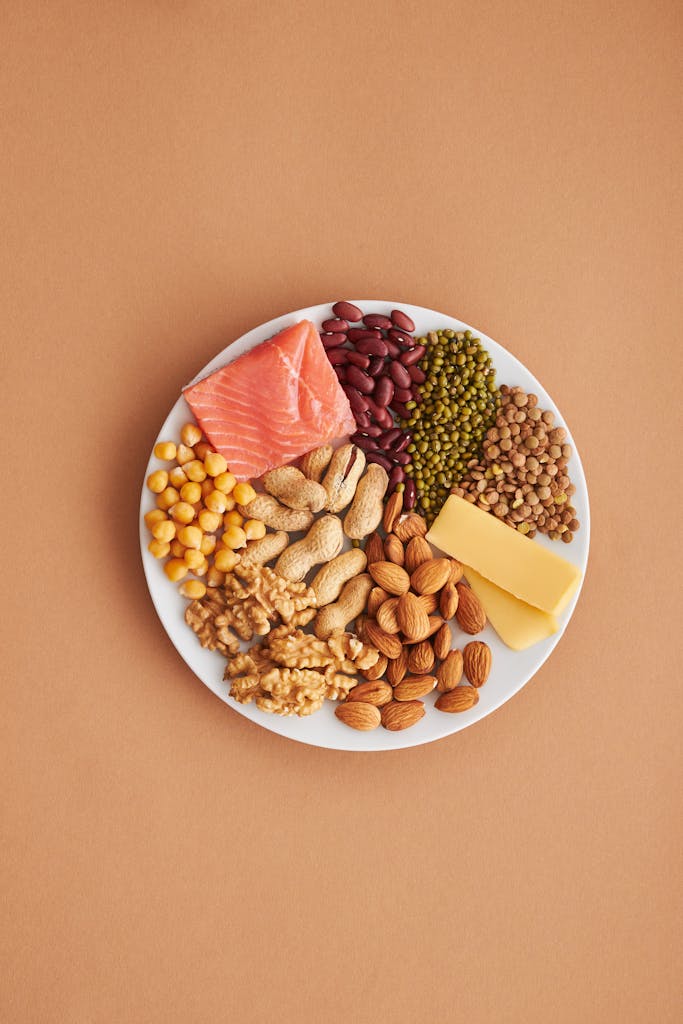
A helpful way to think about it is building your plate with a protein source + a fiber-rich food + healthy fats for balance. Here are some easy, delicious ideas to get you started:
Quick breakfast options
- overnight oats with chia seeds, Greek yogurt, and strawberries
- savory oatmeal topped with eggs, spinach, and avocado
- smoothie with protein powder, frozen berries, flaxseeds, and almond butter
Easy lunch ideas
- quinoa salad with chickpeas, roasted veggies, and tahini dressing
- lentil soup with a side of whole-grain toast
- burrito bowl with brown rice, black beans, avocado, pico de gallo, and sautéed peppers
Simple dinner ideas
- stir-fry with tofu, broccoli, and brown rice
- baked salmon with roasted Brussels sprouts and quinoa
- chickpea and vegetable curry served over buckwheat
High-protein, high-fiber snack ideas
Snacks are often where we end up reaching for quick, less filling options, but pairing protein with fiber can completely change that. These snacks can keep you satisfied longer and cut back on cravings.
Here are some easy ideas you can throw together fast:
- apple slices with almond butter
- Greek yogurt with chia seeds and berries
- roasted chickpeas topped with spices
- trail mix with nuts and seeds
- hummus and veggie sticks
- steamed edamame with sea salt
- cottage cheese topped with berries and flaxseeds
- chia pudding with sliced kiwi
Tips to eat more protein and fiber
The easiest way to increase your intake of protein and fiber is by making small, consistent changes to your meal plan. Layering these ingredients in the foods you already enjoy can also make your meals more filling, without feeling restrictive.
Here are some quick tips to help get you started:
- include a source of protein and fiber in every meal
- start your day with a high-protein, high-fiber breakfast, like oats with flaxseeds or eggs and whole grains
- swap refined grains for whole grains, such as quinoa, brown rice, or oats
- add legumes to salads, soups, and bowls
- snack on protein- and fiber-rich combos, like yogurt with seeds or hummus with veggies
- sprinkle seeds on oatmeal, salads, and smoothies
- prioritize higher-fiber fruits such as berries, apples, and pears
- build meals around plant-based proteins like tofu, tempeh, and edamame
- prep simple staples ahead of time, including roasted beans, cooked grains, or chopped veggies
FAQ
More articles you might like
Healthy Pantry Staples to Start Stocking up On
How to Eat 30 Grams of Fiber a Day (Sample Meal Plan)
10 Best Sources of Plant-Based Protein
Is Starvation Mode Real? Here’s What You Need to Know

Why You’re Not Losing Weight on GLP-1 Medications: Common Nutrition Mistakes (and What to Do Instead)
Meal Prep Tips for Beginners, Plus Benefits and Recipes
Dietary Fiber 101: Benefits of Fiber, Food Sources, and How Much You Need
Top 15 High-Protein Vegan Snacks (Dietitian-Approved)
Healthy Grocery Shopping Tips + Sample Grocery List
Fibermaxxing: A Dietitian’s Guide to Eating More Fiber
Conclusion
Adding more high-protein, high-fiber foods to your meal plan is a smart and simple way to increase feelings of fullness, promote steady energy levels, and help round out your diet.
By combining these two powerful nutrients, you can curb cravings and feel more satisfied throughout the day, without overcomplicating your diet.
From lentils and quinoa to chia seeds and Greek yogurt, there are plenty of easy, delicious options to choose from.