Probiotic Foods vs. Supplements: Which is Better for Gut Health?
Quick summary
Probiotics are literally everywhere right now, from yogurt and fizzy flavored kombucha to powders, capsules, gummies, and more. In fact, there’s no shortage of options lining the shelves, most of which boast bold health claims, like better gut health and immunity. But when it comes to probiotic foods vs. supplements, which one should you actually be reaching for?
In this guide, we’re breaking down the differences in a simple, stress-free way so you can confidently choose what works best for your body, your routine, and your health goals.
What are probiotics?
Probiotics are a type of live, beneficial bacteria that support a healthy gut microbiome. Your gut houses literally trillions of microorganisms, and probiotics help balance that delicate ecosystem by supporting the “good” bacteria inside.
These microbes play an important role in many aspects of health, including digestion, nutrient absorption, immune function, and even mood. When your gut bacteria are in balance, your body is better able to break down food, absorb nutrients, keep your digestive system running smoothly, and produce important neurotransmitters, like serotonin and dopamine.
Probiotics are found in both food sources and supplements. In foods, they occur naturally during the fermentation process. In supplements, they’re added in concentrated amounts to deliver specific strains at higher doses.
What are probiotic foods?
Probiotic foods are fermented foods that contain live, beneficial bacteria — the same kind that help keep your gut microbiome happy and healthy.
During the fermentation process, bacteria break down sugars and starches in food, creating a signature tangy flavor and a boost of gut-friendly microbes.
In addition to probiotics, fermented foods provide other nutrients as well, including fiber, vitamins, and enzymes.
Some of the most popular probiotic foods include:
Each one brings a unique mix of beneficial bacteria to the table, making it easy (and delicious) to add more diversity to your diet.
What are probiotic supplements?
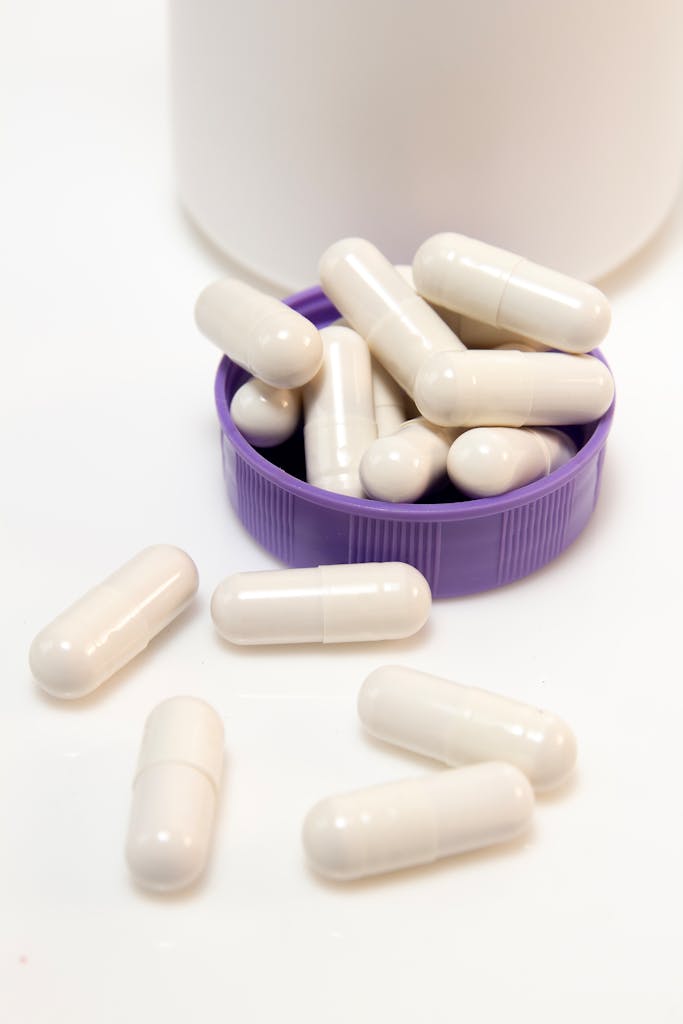
Probiotic supplements contain concentrated doses of beneficial bacteria and are designed to enhance gut health in a more convenient and targeted way.
These supplements come in a variety of forms, including capsules, powders, gummies, and liquids.
Unlike probiotic foods, supplements deliver specific strains of bacteria in controlled amounts, which are typically measured in colony-forming units (CFUs).
Most probiotic supplements provide between 1 billion and 10 billion CFUs per dose, though some may contain an even higher amount.
Many are also formulated with strains shown to support specific health goals, like digestion or immunity.
Some of the most common strains found in probiotic supplements include:
- Lactobacillus acidophilus
- Lactobacillus rhamnosus
- Bifidobacterium lactis
- Bifidobacterium longum
- Saccharomyces boulardii
Stay in the loop!
HEALTHY EATING TIPS & RECIPES delivered directly TO YOUR INBOX
Differences between probiotic foods vs. supplements
Probiotic foods vs. supplements share several similarities, but also work in very different ways.
For starters, probiotic foods are naturally rich in beneficial bacteria, thanks to the fermentation process. On the flip side, supplements are designed to deliver specific strains in a more concentrated dose.
Probiotic foods also typically offer a wider mix of bacteria strains to boost gut diversity. Supplements are more targeted; they contain a selection of strains chosen for their specific benefits, like digestion or immune health.
Potency is another key difference. Supplements usually list high CFU counts, which means that you’re getting a consistent and measurable dose. With probiotic foods, the amount of live bacteria can vary depending on how the food was made, stored, and prepared.
In terms of nutritional value, fermented foods provide important nutrients beyond probiotics, like protein, fiber, vitamins, and minerals. Meanwhile, supplements focus purely on delivering probiotics, usually without any other added perks.
And finally, there’s convenience. Supplements are portable and can boost your intake of probiotics in a single shot, with minimal effort required. On the other hand, it takes a little more planning and preparation to include more probiotic foods in your regular rotation.
Key limitations
While both probiotic foods and supplements offer a solid set of potential benefits, neither is perfect, and each comes with a few important limitations to keep in mind.
With probiotic foods, the amount of live bacteria in each serving can vary widely, depending on how the food is made, stored, and even cooked.
Some fermented products are also pasteurized, a process that helps make food safer but also kills off beneficial bacteria, meaning you’re not always getting the probiotic benefits you might expect.
Plus, you’d need to eat probiotic foods pretty consistently (and often in high amounts) to experience any noticeable effects.
On the flip side, probiotic supplements offer consistency, but they come with their own set of challenges and downsides.
Not all supplements are high-quality, and some may not even contain the exact strains or amounts listed on the label.
Even when they do, certain strains may not survive the journey through your digestive system, which can limit their effectiveness.
Comparison table
| Probiotic foods | Probiotic supplements | |
|---|---|---|
| Source | fermented foods | manufactured products |
| Examples | yogurt, kefir, kimchi, sauerkraut, miso, kombucha, tempeh | capsules, powders, gummies, liquids |
| Types of bacteria | wide variety of naturally occurring strains | specific, targeted strains |
| Potency | variable and not always labeled | high, standardized, and clearly labeled |
| Consistency | can vary by brand, storage, and preparation | consistent dose per serving |
| Nutritional value | contains fiber, vitamins, minerals, enzymes | usually doesn’t contain additional nutrients |
| Convenience | requires more planning and regular intake | quick, easy to take, and portable |
| Best for | gut support and overall nutrition | specific needs (ex: digestive issues or after antibiotics) |

Which is best?
When it comes to probiotic foods vs. supplements, which is actually better? The honest answer is that it really all comes down to your goals, your diet, and, of course, your gut.
If you’re looking for general digestive support, probiotic foods are a smart place to start. They provide good gut bacteria, along with fiber, vitamins, and other nutrients that help enhance overall health.
That said, probiotic supplements can be helpful in certain situations too. If you’ve recently taken antibiotics, are dealing with digestive issues, or are simply seeking a more targeted approach, a high-quality supplement could give you a more consistent and concentrated dose of specific strains.
Building your routine around probiotic-rich foods and layering in supplements when needed can give you the best of both worlds.
Tips for a gut-healthy diet
When it comes to gut health, probiotics are just one piece of the puzzle. It’s also just as important to consider what you’re putting on the rest of your plate and make sure you’re consistently combining the right foods to help balance your microbiome.
Here are some tips for a gut-healthy diet:
- Start with fiber: Fill half your plate with vegetables, fruits, legumes, and whole grains. These foods are high in fiber, which feeds the beneficial bacteria in your gut and helps them thrive.
- Enjoy plenty of probiotic foods: Include fermented foods like yogurt, kefir, kimchi, or sauerkraut in your regular rotation to introduce more beneficial bacteria into your gut.
- Don’t forget prebiotics: Foods like garlic, onions, leeks, bananas, and oats contain prebiotics, which act as fuel for probiotics to help them grow and stay active.
- Choose a variety of foods: The more diverse your diet, the more diverse your gut microbiome. Aim to rotate different fruits, veggies, and fermented foods throughout the week.
- Stay hydrated: Drinking enough water helps support digestion and keeps everything moving smoothly through your gut.
FAQ
More helpful articles

6 Evidence-Based Kefir Benefits for Better Health
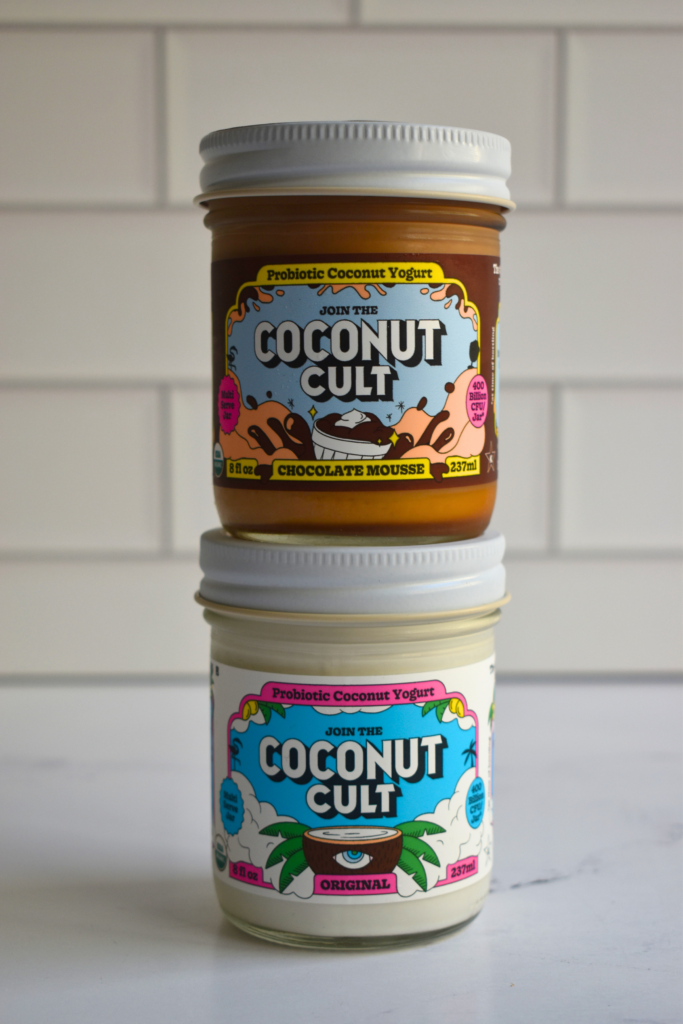
Is Coconut Cult Worth It? A Dietitian’s Honest Review

How to Start Fermenting Foods at Home (Beginner-Friendly Guide)
Best Probiotics for Digestion: Top Supplements for a Healthy Gut
Conclusion
When it comes to probiotic foods vs. supplements, there’s no one-size-fits-all answer, and both can play a valuable role in gut health.
Probiotic foods offer a nutrient-dense way to nourish your microbiome, whereas supplements provide a more targeted and convenient option when needed.
For most people, focusing on a diet rich in fermented, fiber-filled foods is the best foundation, with supplements available as an extra tool when needed. But at the end of the day, it’s really all about finding what works best for you, your body, and your lifestyle.