12 Potassium-Rich Foods for Blood Pressure: What to Eat for Better Heart Health
Quick summary
High blood pressure is one of the most common health concerns today, affecting almost half of adults in the United States. While medication can help manage it, making some small tweaks to your diet — including enjoying more potassium-rich foods for blood pressure — can also be effective.
From leafy greens and beans to potatoes, fruits, and yogurt, there are plenty of delicious options that can help you meet your daily potassium needs and support healthy blood pressure in the process. In this guide, we’re breaking down the best potassium-rich foods for blood pressure, how much you need, and some easy ideas to add more to your diet for long-term heart health.
Benefits of potassium-rich foods for blood pressure
When it comes to supporting healthy blood pressure, potassium doesn’t get nearly as much attention as sodium — but it should. Eating more potassium-rich foods for blood pressure can help counteract the effects of excess sodium, boost blood flow, and keep your heart healthy and strong.
Here are a few of the main ways that potassium works behind the scenes:
- Balances sodium levels: Potassium encourages your body to excrete extra sodium through your urine, which can help reduce fluid retention and ease pressure on your blood vessels.
- Keeps blood vessels healthy: Potassium helps relax the walls of your blood vessels, allowing blood to flow more freely and reducing strain on your heart.
- Promotes better fluid balance: Potassium plays a central role in maintaining proper fluid levels, which can directly impact blood pressure.
- Supports heart health: Potassium is essential for proper muscle function, helping your heart beat consistently and efficiently.
Put simply, getting enough potassium can promote healthy blood pressure and make a real difference in your overall well-being. In fact, research consistently links higher potassium intake to lower blood pressure over time.
How much potassium do you need?
Getting enough potassium is crucial for maintaining healthy blood pressure levels. However, most people fall short of their daily needs, often without even realizing it.
For adults, general recommendations are:
- Women (19+ years): 2,600 milligrams (mg) per day
- Men (19+ years): 3,400 mg per day
These amounts are based on adequate intake levels, which reflect what most people need to support overall health.
That said, individual needs can vary. If you’re highly active, sweat frequently, or eat a diet high in sodium, your potassium needs may actually be a bit higher.
It’s also worth noting that while potassium from foods is safe for most people, those with kidney disease or certain medical conditions may need to monitor their intake more closely and check with a doctor or dietitian before making any major diet changes.
Stay in the loop!
HEALTHY EATING TIPS & RECIPES delivered directly TO YOUR INBOX
Potassium-rich foods for blood pressure
Enjoying a variety of potassium-rich foods as part of a balanced diet is one of the simplest ways to help support healthy blood pressure levels. Here are some top high-potassium foods.
1. Avocados
Avocados are packed with potassium, with 728 mg in half a cup, or around 15% of the recommended Daily Value (DV). They also contain monounsaturated fats and fiber, two other nutrients that can help keep your heart healthy.
Avocados make a rich and creamy addition to salads, toast, or even smoothies. They can also be used to upgrade the flavor and potassium content of sandwiches, dips, and dressings.
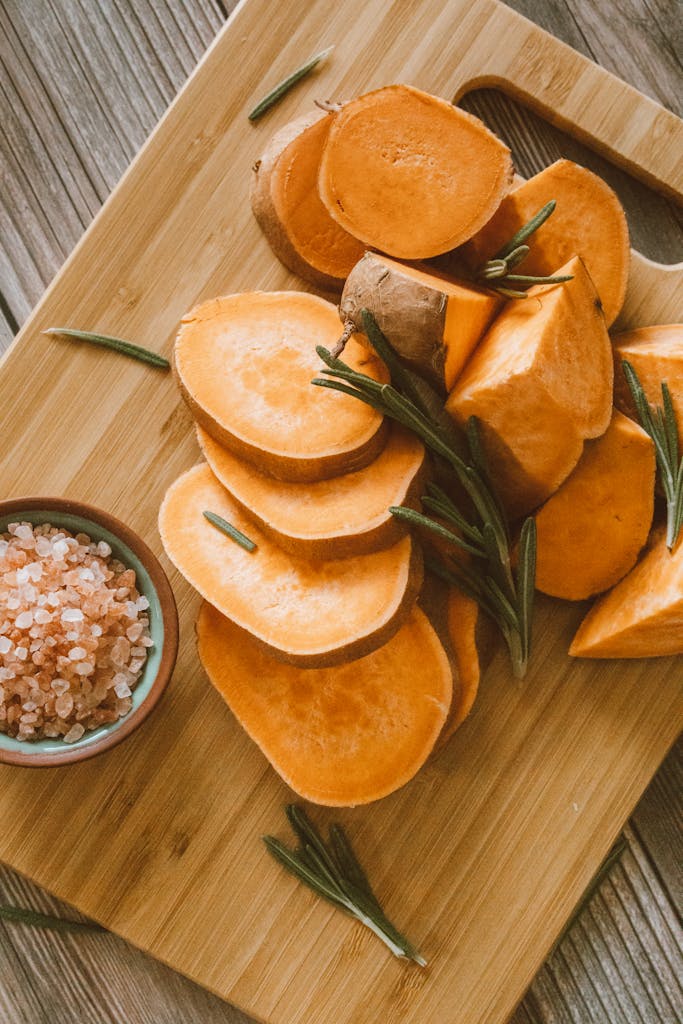
2. Sweet potatoes
One cup of mashed sweet potatoes contains 754 mg of potassium, plus plenty of fiber and antioxidants, making them a great option for a balanced, blood-pressure-friendly diet.
Sweet potatoes can be baked, roasted, mashed, or steamed and enjoyed as a healthy side dish. They also work well in grain bowls, salads, soups, and burrito bowls.
3. White beans
Half a cup of cooked white beans contains 500 mg of potassium, knocking out nearly 11% of the DV in a single serving. Beans are also high in fiber and plant-based protein, making them an excellent choice for heart health.
White beans have a mild flavor and creamy texture, which works well in a wide range of recipes. Add them to soups, salads, or pasta dishes (like Swiss Chard Pasta!) to squeeze in some extra potassium and fiber.
4. Bananas
Bananas are one of the most well-known sources of potassium, with 422 mg per medium fruit. They’re convenient, portable, and versatile too, which can be a quick way to boost your intake.
Bananas can be eaten on their own, sliced over oatmeal or cereal, blended into smoothies, or added to baked goods like muffins and pancakes.
5. Lentils
Half a cup of cooked lentils contains about 366 mg of potassium, plus fiber and protein to help keep you full and boost heart health.
Lentils are extremely versatile; they can be used in soups, salads, bowls, veggie patties, or even spiced and roasted as a crunchy, heart-healthy snack.
6. Tomatoes
Tomatoes are a stellar source of potassium, with about 407 mg per cup. Plus, tomatoes are rich in antioxidants like lycopene, which has been shown to lower both systolic and diastolic blood pressure in people with hypertension (aka high blood pressure).
Tomatoes are also easy to enjoy in a variety of dishes. Try adding them to salads, roasting them for a simple side dish, simmering some into soups and sauces, or blending a handful to whip up fresh salsa.
7. Salmon
A 3-ounce serving of salmon provides around 277 mg of potassium and is rich in omega-3 fatty acids, a type of fat that benefits heart health.
Salmon can be grilled, baked, or pan-seared and works well in salads, bowls, or tacos. Canned salmon is also an easy, convenient option for quick meals when you’re running short on time.
8. Potatoes
Even though they’re often overlooked, white potatoes are a versatile and satisfying source of potassium. Just one cup of baked potatoes provides about 506 mg of potassium, along with fiber and vitamin C.
Potatoes can be baked, roasted, or boiled, turned into mashed potatoes, or cut into wedges for a healthier homemade alternative to fries. Pair them with a protein and some vegetables to build a more balanced, heart-healthy meal.
9. Yogurt
One cup of plain yogurt contains 439 mg of potassium, along with calcium and probiotics to support bone and gut health.
If you have high blood pressure, adding yogurt to your menu might be especially beneficial. According to a study in the American Journal of Hypertension, people with high blood pressure who consumed at least two servings of yogurt per week had up to a 21% lower risk of heart disease compared to those who ate less than one serving per month.
Yogurt can be enjoyed on its own, layered with fruit and granola for breakfast or a snack, blended into smoothies, or used as a base for dips and sauces.
10. Oranges
Oranges are a smart addition to any heart-healthy diet, with 313 mg of potassium per cup, along with fiber, vitamin C, and antioxidants.
They’re easy to enjoy on their own as a snack, sliced into salads, or added to yogurt for a bright, flavorful boost.
Their natural sweetness also makes them a great fit for desserts and smoothies while helping you get more potassium throughout the day.
11. Coconut water
With around 396 mg of potassium per cup and plenty of electrolytes to promote fluid balance, coconut water can be a refreshing and potassium-rich addition to your diet.
Coconut water can be enjoyed on its own, added to smoothies, or used as a base for homemade mocktails.
Be sure to stick to products that are labeled 100% coconut water and steer clear of brands that contain added sugar or other additives.
12. Spinach
Spinach is one of the best potassium-rich foods for blood pressure, as each cup of cooked spinach provides 839 mg of potassium, along with magnesium, iron, and antioxidants that support circulation and heart health.
Spinach can be sautéed with garlic and olive oil, stirred into soups and stews, added to omelets or frittatas, or blended into smoothies for a sneaky boost of nutrients.
High-potassium foods at a glance
Here’s a quick look at how these high-potassium foods stack up in terms of their potassium content:
| Serving size | Potassium content (mg) | % DV | |
|---|---|---|---|
| Spinach | 1 cup, cooked | 839 | 18% |
| Sweet potatoes | 1/2 cup, boiled and mashed | 754 | 16% |
| Avocados | 1/2 cup | 728 | 15% |
| Potatoes | 1 cup, baked | 506 | 11% |
| White beans | 1/2 cup, cooked | 500 | 11% |
| Yogurt | 1 cup | 439 | 9% |
| Bananas | 1 medium fruit | 422 | 9% |
| Tomatoes | 1 cup | 407 | 9% |
| Coconut water | 1 cup | 396 | 8% |
| Lentils | 1/2 cup, cooked | 366 | 8% |
| Oranges | 1 cup | 313 | 7% |
| Salmon | 3 ounces, cooked | 277 | 6% |
Easy ways to add more potassium to your diet
Boosting your potassium intake doesn’t have to be complicated, and even a few small changes can make a big difference over time. Here are some simple ways to sneak more potassium into your meals:
- Load up on fruits and veggies: Add spinach, sweet potatoes, beans, bananas, or oranges to meals and snacks.
- Swap in potassium-rich sides: Replace refined carbs or less nutritious sides (like fries or dinner rolls) with roasted potatoes, steamed greens, or lentil salads instead.
- Blend it into smoothies: Toss fruits like bananas, oranges, or avocados into smoothies for an easy potassium boost.
- Top off your dishes: Sprinkle beans, seeds, or diced avocado over salads, bowls, and soups.
- Choose whole foods first: Focus on minimally processed foods, which naturally have more potassium and other heart-healthy nutrients.
Should you take potassium supplements?
For most people, getting potassium from food is the best approach. Whole foods like veggies, beans, dairy, and fish naturally provide potassium, alongside other nutrients that support health, including fiber, magnesium, and healthy fats.
In some cases, a healthcare provider may recommend supplementation for people with certain health conditions or nutrient deficiencies.
However, potassium supplements aren’t usually necessary and can be tricky to use correctly. They can also cause dangerous imbalances, especially for people with kidney conditions or those taking certain medications.
For most people, focusing on potassium-rich foods instead is a simple, effective way to support healthy blood pressure safely.
Other diet tips for healthy blood pressure
While potassium-rich foods for blood pressure can make a big impact, they’re just one piece of the puzzle. In addition to increasing your intake of potassium, making several other small changes to your daily diet can go a long way in maintaining healthy blood pressure levels.
- Cut back on excess sodium: Highly processed foods, packaged snacks, and restaurant meals tend to be the biggest sources of sodium in the average diet. Cooking more at home and reading labels can help you stay in a healthier range.
- Prioritize minimally processed foods: Fruits, veggies, whole grains, legumes, nuts, and seeds naturally support heart health and provide a balance of key nutrients.
- Focus on fiber-rich foods: Fiber promotes heart health, lowers cholesterol levels, and helps with blood pressure management. Legumes, veggies, nuts, seeds, and whole grains are all great sources of fiber.
- Include healthy fats: Foods like olive oil, nuts, seeds, and fatty fish provide heart-healthy fats that support circulation, ease inflammation, and help keep your heart healthy.
- Stay hydrated: Proper hydration helps maintain fluid balance in the body, which plays a key role in blood pressure regulation.
- Limit added sugars: Diets high in added sugar (especially from sugary drinks, such as soda or juice) have been linked to a higher risk of heart disease.
FAQ
More helpful articles

Do You Need Vitamin D Supplements? Benefits, Deficiency, and Dosage Explained

Most Common Nutrient Deficiencies in Women and How to Prevent Them
Does Zinc Help Balance Hormones? A Dietitian Explains

9 Easy Ways to Add Magnesium-Rich Foods to Your Diet

Does Vitamin C Help Colds? What the Science Actually Says
7 Simple Ways to Increase Calcium Intake Without Dairy

Top 12 Plant-Based Iron Foods: Complete List + Tips to Boost Absorption
Conclusion
Adding more potassium-rich foods to your diet is a simple, effective way to lower blood pressure and support heart health.
From leafy greens and beans to potatoes, avocados, and fruits like oranges and bananas, there are plenty of delicious and nutritious options to choose from.
Even making a few small, simple changes to your meal plan — like swapping in a potassium-packed side, topping meals with beans or avocado, or blending fruits into smoothies — can easily boost your intake and give your body (and heart!) the nutrients it needs.