Perimenopause Nutrition: Tips for Hormones, Weight, and Energy
Quick summary
Perimenopause is a natural transition, but that doesn’t mean it always feels easy. As hormones like estrogen and progesterone begin to fluctuate, you might start to notice changes in everything from the number you see on the scale to your mood and energy levels.
The good news is that a few basic perimenopause nutrition principles can help support your body during this phase and beyond. By focusing on balanced meals and nutrient-dense foods, you can help stabilize blood sugar, keep your hormones in check, and ease common symptoms that pop up along the way.
In this article, we’ll break down exactly how to eat during perimenopause, including the best foods, simple meal ideas, and dietitian-approved tips to help you feel your best.
How perimenopause affects your body
Perimenopause — aka the transitional phase leading up to menopause — often feels a bit like your body is changing the rules on you. One month everything might feel normal, and the next you’re dealing with sudden energy dips, stubborn weight changes, mood swings, or sleep that just isn’t the same.
That’s because this transition is driven by shifting hormone levels (especially estrogen and progesterone) and those changes ripple through nearly every system within your body.
Hormone levels
During perimenopause, estrogen and progesterone fluctuate up and down, which is why symptoms might feel inconsistent. Estrogen, in particular, plays a big role in regulating:
- metabolism
- brain function
- mood
- body temperature
- sleep
- energy levels
When estrogen spikes or dips, you might notice things like hot flashes, night sweats, mood swings, irregular periods, or even anxiety and irritability.
Meanwhile, progesterone (aka your “calming” hormone) often starts to drop earlier, which can make it harder to relax, fall asleep, or feel emotionally balanced.
Metabolism
During perimenopause, it might suddenly feel easier to gain weight, especially around your stomach. This is because hormone shifts in this phase can lead to a slower metabolism, a gradual loss of muscle, and a tendency to store more fat.
Blood sugar
Another big shift that occurs during perimenopause is how your body handles blood sugar. In this phase, you may become more sensitive to spikes and crashes, which can show up as:
- energy crashes or afternoon slumps
- strong cravings (especially for sugar or carbs)
- irritability or feeling “off” between meals
- brain fog or trouble focusing
Keeping blood sugar steady becomes a major key for perimenopause nutrition, as it can impact your energy, mood, and how your body stores fat.
Other effects on health
As estrogen levels fluctuate, its effects on the bones, heart, and brain can become much more noticeable. You may experience:
- gradual bone density loss
- changes in cholesterol
- more forgetfulness
Nutrition principles for perimenopause
What you eat can support your body as it moves through this transition. The right perimenopause diet can help stabilize blood sugar levels, balance hormones, ease inflammation, and support the health of your brain, bones, and heart.
While there’s no one-size-fits-all diet plan for perimenopause, there are a few core principles that can make a big difference in how you feel.
Prioritize blood sugar balance
One of the most important foundations of a perimenopause diet is keeping blood sugar steady. When your blood sugar spikes and crashes, it can trigger energy dips, cravings, mood swings, and even hot flashes in some people.
Pairing high-carb foods with protein and healthy fats is a smart way to slow the absorption of carbs and keep blood sugar levels stable. Picking fiber-rich foods (like fruits, veggies, whole grains, nuts, and seeds) can also support healthy blood sugar.
Focus on anti-inflammatory foods
Chronic inflammation can make perimenopause symptoms feel worse. An anti-inflammatory eating pattern can help, promoting everything from hormone balance to joint comfort and energy.
To build an anti-inflammatory diet:
- stick to minimally processed foods when possible
- fill up on fruits and vegetables
- choose healthy fats like olive oil, nuts, seeds, and fatty fish
- limit ultra-processed foods and added sugars
As a general rule of thumb: think of this as an “add more of the good stuff” approach rather than restriction.
Eat plenty of protein
Protein becomes especially important during perimenopause because it helps maintain muscle mass, balance blood sugar levels, and keep you feeling full between meals.
Many people fall short on their protein intake without realizing it. A helpful guideline is to include a good source of protein with each meal or snack, such as meat, poultry, fish, eggs, yogurt, and cottage cheese.
Plant-based protein sources like tofu, tempeh, beans, and lentils are also solid options to ramp up your intake of protein (and fiber!).
Include healthy fats
Dietary fats are essential for hormone production and overall balance. During perimenopause, healthy fats can help support hormone balance, brain health, and satiety.
Focus on healthy options like avocados, olive oil, nuts, seeds, and fatty fish to maximize the potential perks.
Don’t forget fiber
Fiber plays a key role in perimenopause nutrition by promoting gut health, blood sugar balance, and the metabolism of key hormones, including estrogen.
Make sure you’re getting plenty of fiber-rich foods in your daily diet; fruits, veggies, whole grains, legumes, nuts, and seeds are all great options.
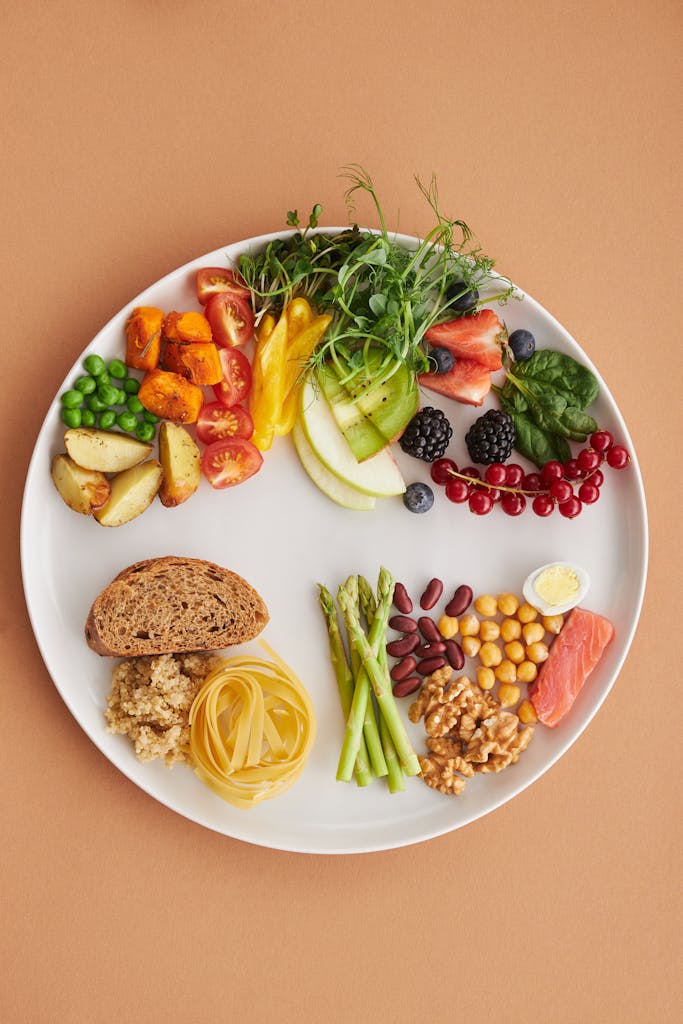
A simple tip: try to make at least half your plate non-starchy vegetables to make sure you’re meeting your needs.
Make sure you’re getting enough key nutrients
Perimenopause increases the need for certain nutrients that support long-term health, including:
- calcium and vitamin D for bone health
- omega-3s for inflammation and heart health
- magnesium for sleep and muscle function
- B vitamins for brain function and energy
Following a nutrient-dense perimenopause diet can fill any gaps in your meal plan and make sure you’re meeting your nutritional needs.
Stay in the loop!
HEALTHY EATING TIPS & RECIPES delivered directly TO YOUR INBOX
Best foods to eat for perimenopause
Focusing on a balanced, nutrient-dense perimenopause diet can help support hormones, energy, and overall well-being. Here are some of the top foods to include in your regular rotation:
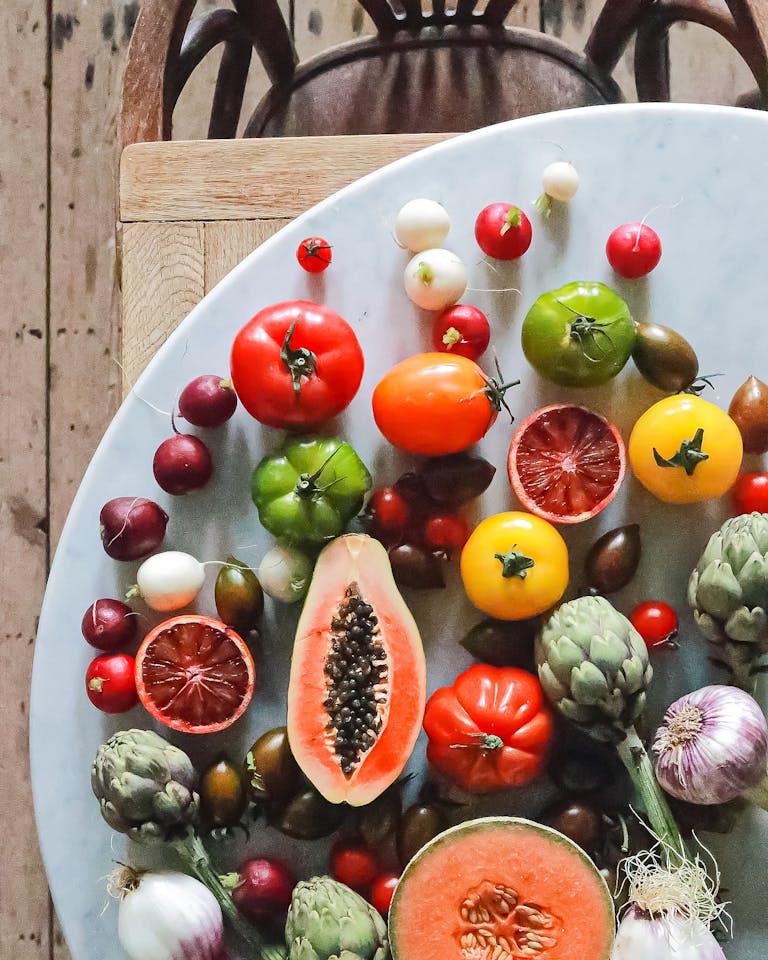
- Fruits: berries, apples, pears, oranges, bananas, peaches, cherries, watermelon
- Vegetables: spinach, broccoli, Swiss chard, Brussels sprouts, carrots, bell peppers, zucchini, avocado
- Proteins: eggs, poultry, fatty fish, yogurt, cottage cheese, tofu, tempeh, beans, lentils, edamame
- Whole grains: oats, quinoa, brown rice, farro, whole wheat, barley
- Nuts: almonds, cashews, pistachios, walnuts, macadamia nuts
- Seeds: chia seeds, flaxseeds, hemp seeds, pumpkin seeds
Foods to limit or avoid for perimenopause
While everyone is different, certain foods may be more likely to contribute to blood sugar swings, inflammation, and hormone disruption. Some foods to limit or avoid include:
- Refined carbs: white bread, instant noodles, white rice, white pasta
- Ultra-processed foods: fast food, packaged snacks, frozen meals
- Added sugar: soda, candy, pastries, desserts, sweetened yogurts, flavored coffee drinks
- Processed meat: bacon, ham, pepperoni, sausage, hot dogs
- Alcohol: wine, beer, liquor
- Caffeine (in excess): coffee, energy drinks, soda
Keep in mind that you don’t need to cut these foods from your diet completely. However, limiting them and balancing them with nutrient-dense foods can help support hormone balance and overall health.
Sample perimenopause meal plan
This perimenopause meal plan keeps things balanced and flavorful, focusing on protein, fiber, and healthy fats to support hormones, energy, and blood sugar control.
Day 1
- Breakfast: Greek yogurt with berries, chia seeds, and walnuts
- Lunch: Smoky Chipotle Southwest Salad Bowl
- Dinner: baked salmon with roasted vegetables and brown rice
- Snacks: apple with almond butter; air-popped popcorn with nutritional yeast; trail mix
Day 2
- Breakfast: scrambled eggs with spinach, avocado, and whole-grain toast
- Lunch: Swiss Chard Pasta with White Beans
- Dinner: stir-fried chicken with mixed vegetables and brown rice
- Snacks: cottage cheese with berries; string cheese and crackers; a few squares of dark chocolate
Day 3
- Breakfast: oatmeal with flaxseeds, berries, and a spoonful of nut butter
- Lunch: turkey wrap with whole-grain tortilla, veggies, and hummus
- Dinner: Vegan Mac & Cheese with Tempeh Bacon
- Snacks: handful of nuts and a piece of fruit; bell peppers with guacamole; roasted chickpeas

Nutrition tips for common symptoms
A big part of perimenopause nutrition is learning how to manage the specific symptoms you’re experiencing. Here are some quick tips to help address some of the most common symptoms.
Weight gain
If your body feels like it’s holding onto weight a little more easily, you’re not alone; weight gain is one of the most common shifts during perimenopause.
Here are a few simple tips to help you manage your weight during this time:
- prioritize protein at every meal to support muscle and metabolism
- include fiber-rich foods to keep you full and stabilize blood sugar
- focus on balanced meals instead of grazing or skipping meals
- limit highly processed foods and added sugars that can spike insulin
Hot flashes or night sweats
When things start to feel a little too warm, your food and drink choices can play a role in dialing things down.
Some easy ways to ease symptoms include:
- stay well hydrated throughout the day
- limit alcohol, caffeine, and spicy foods if they trigger symptoms
- include phytoestrogen-rich foods like soy, flaxseeds, and legumes
- eat regular, balanced meals to help prevent blood sugar dips
Mood swings
Irritability and mood swings can be a common sign of perimenopause and are often caused by spikes and dips in your blood sugar levels. Luckily, your food choices can help support more steady energy and emotional balance.
Here are some nutrition tips to help:
- focus on stable blood sugar with protein, fiber, and healthy fats
- avoid skipping meals to prevent mood dips from low blood sugar
- add magnesium-rich foods like leafy greens, nuts, and seeds
- include omega-3-rich foods like salmon, walnuts, and chia seeds
Low energy levels
Feeling drained or sluggish? The way you fuel your body throughout the day can make a big difference in your energy levels.
A few ideas to boost your energy:
- start your day with a balanced breakfast
- eat every 3-4 hours to maintain steady energy
- include iron-rich foods in your diet, like leafy greens, beans, and lean proteins
- drink plenty of water (dehydration can zap your energy!)
Sleep issues
Fluctuating estrogen levels can take a toll on your sleep schedule, but your daily eating habits can help set the stage for better rest.
Some easy ways to support better sleep include:
- enjoy a variety of magnesium-rich foods like pumpkin seeds, almonds, and spinach
- avoid caffeine, alcohol, and heavy meals close to bedtime
- try a small, healthy evening snack if needed
- keep blood sugar steady throughout the day to sleep better at night
Difficulty concentrating
If your thoughts feel a little cloudy or you suddenly can’t remember where you left your keys, your diet could help support better focus and mental clarity.
Here are some tips to help sharpen your focus:
- build meals with protein, healthy fats, and fiber
- include omega-3s to support brain health
- choose slow-digesting carbs (like whole grains) for steady energy
- stay consistent with meals to avoid energy crashes
Do you need supplements?
When it comes to perimenopause nutrition, supplements can be helpful, but they’re definitely not a replacement for a balanced diet. The goal is always to get as many nutrients as possible from food first, then use supplements strategically if needed.
That said, perimenopause can increase the need for certain nutrients, and in some cases, supplements can help fill in the gaps.
Some supplements to consider include:
- calcium and vitamin D for bone health
- magnesium for sleep, mood, and muscle function
- omega-3s for heart health, brain function, and inflammation
- vitamin B12 for energy and brain health (especially if you follow a plant-based diet)
- iron, if your levels are low and your periods are still heavy
Keep in mind that not everyone needs supplementation. Check in with a doctor to get personalized guidance and address any concerns before starting a new supplement, especially if you’re taking other medications or have underlying health issues.
FAQ
More articles for you
Seed Cycling for Hormones: Does It Actually Work?
6 Foods That Help With PMS Symptoms + Sample Meal Ideas

What to Eat During Menopause: A Simple, Stress-Free Food Guide

Does Zinc Help Balance Hormones? A Dietitian Explains
Best Foods for Hormone Balance, According to a Dietitian
Conclusion
Supporting your body with thoughtful perimenopause nutrition can make a major difference in how you feel during this transition.
By focusing on balanced meals rich in protein, fiber, healthy fats, and a few key nutrients, you can help stabilize blood sugar, support hormone balance, and reduce common symptoms like fatigue, mood swings, and weight gain.
The most important thing is to work on building sustainable eating habits that work with your body, not against it.