Cabbage for Gut Health: Benefits, Nutrition, and How to Eat It
Quick summary
If you’re looking for an easy and affordable way to keep your gut healthy, you might want to consider adding cabbage to your next shopping list. In fact, there are multiple benefits of cabbage for gut health, thanks to its content of fiber, prebiotics, and other nutrients that support digestion.
In this article, we’re taking a closer look at this often-overlooked veggie and how it can help keep your gut healthy. We’ll also highlight some easy ways to add it to your menu and explore how raw, cooked, and fermented cabbage compare.
Why cabbage is good for gut health
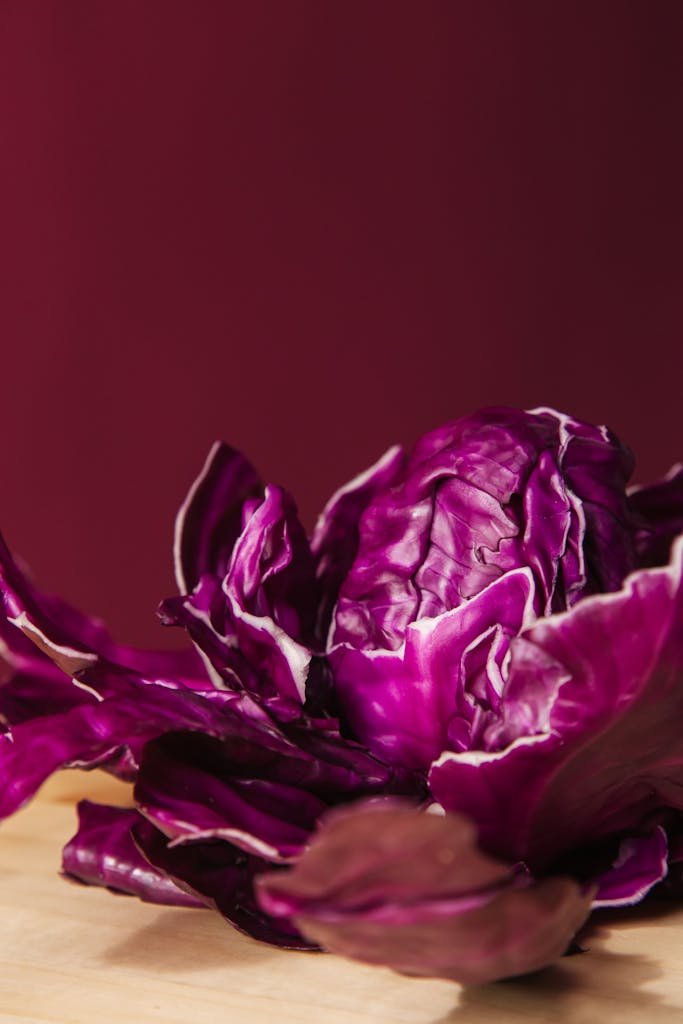
Cabbage might not be the most exotic or interesting veggie in the produce aisle, but when it comes to gut health, it definitely pulls its own weight.
This budget-friendly cruciferous vegetable is packed with fiber, which helps keep things moving and promotes more regular, healthy bowel movements.
Cabbage also provides fuel for your gut bacteria. Its prebiotic fiber feeds the beneficial microbes in your digestive system, helping them thrive.
Plus, cabbage provides other helpful nutrients like vitamin C and antioxidants, which protect and strengthen the lining of your gut.
Best of all, cabbage is incredibly versatile. You can enjoy cabbage raw in a crunchy slaw, sautéed into a savory side dish, or fermented into sauerkraut for an extra gut-friendly boost.
Nutritional profile of cabbage
Beyond its benefits for gut health, cabbage also brings a variety of important nutrients to the table to help support overall health, from the inside out.
One cup of chopped raw cabbage contains the following nutrients:
- Calories: 22
- Protein: 1 gram
- Carbs: 5 grams
- Fiber: 2 grams
- Vitamin C: 32.6 milligrams (36% of the Daily Value, or DV)
- Vitamin K: 67.6 micrograms (56% of the DV)
- Manganese: 0.142 milligrams (6% of the DV)
- Folate: 38.3 micrograms (10% of the DV)
Cabbage also provides a small amount of other essential nutrients, including vitamin B6, calcium, and potassium.
Cabbage benefits for gut health
Thanks to its impressive nutrient profile and fiber content, there are tons of reasons to eat cabbage for gut health. Here are a few of the main ways that it benefits digestion.
1. Keeps you regular
Cabbage is jam-packed with dietary fiber, which helps add bulk to stool and keeps things moving through your digestive tract. This can promote more regular bowel movements, ease constipation, and enhance overall digestive comfort.
2. Feeds healthy gut bacteria
As a prebiotic food, cabbage provides a type of fiber that nourishes the beneficial bacteria in your gut. A healthy microbiome supports better digestion, immune function, nutrient absorption, and a more balanced gut environment.
3. Provides gut-healthy nutrients
In addition to fiber, cabbage is also a good source of vitamin C and antioxidants, which help protect the gut lining, reduce oxidative stress, and ease chronic inflammation.
4. Supports healthy digestion in multiple forms
Whether you eat it raw, cooked, or fermented, cabbage offers some impressive gut-boosting benefits. Fermented options like sauerkraut also provide probiotics, which add beneficial bacteria directly to your gut for extra support.
Stay in the loop!
HEALTHY EATING TIPS & RECIPES delivered directly TO YOUR INBOX
Is cabbage a prebiotic or probiotic?
Cabbage actually acts as both a prebiotic and probiotic, but it depends on how it’s prepared. Raw cabbage is a prebiotic, meaning that it provides the fiber that feeds and supports the beneficial bacteria already living in your gut.
When cabbage is fermented (like in sauerkraut or kimchi), it becomes a probiotic food. Fermented cabbage contains live beneficial bacteria that can help add to the population of good microbes in your gut, supporting digestion and gut balance.
To keep things short and sweet:
- Raw cabbage = prebiotic (feeds good bacteria)
- Fermented cabbage = probiotic (adds good bacteria)
Including both varieties in your diet is an easy (and delicious) way to give your gut a little extra love from two different angles.
Raw vs. cooked vs. fermented cabbage benefits for gut health
Cabbage can support gut health in more than one way, and how you prepare it can change the benefits you get. Each form has its own unique set of perks, so there’s no single “best” option. Instead, it all boils down to your health goals and personal preferences.
Raw cabbage
Raw cabbage is a great source of prebiotic fiber, which fuels your healthy gut bacteria. This supports a balanced microbiome and improves digestive health. However, raw cabbage can be a bit harder to digest for some people and may cause gas or bloating, especially if you’re sensitive.
Cooked cabbage
Cooking cabbage makes it softer and easier to digest, which might be helpful if raw veggies tend to bother your stomach. The content of certain vitamins does decrease with heat, but cooked cabbage still provides fiber and key nutrients that promote gut health, just in a more gentle and easy-to-digest form.
Fermented cabbage
Fermented cabbage takes gut health to the next level by adding probiotics, or live beneficial bacteria. These can help boost your gut microbiome, enhance digestion, and maintain a healthy balance of gut bacteria. However, keep in mind that fermented cabbage can be higher in sodium, so check the label carefully and enjoy it in moderation.
How to eat cabbage for gut health
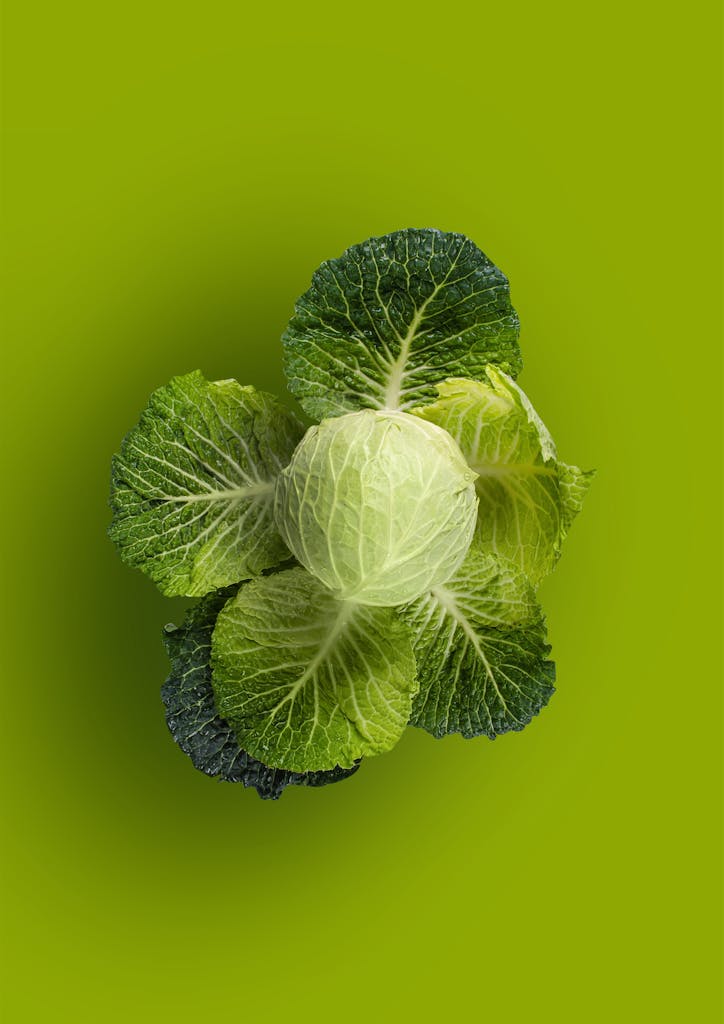
Adding cabbage to your weekly menu can be an easy (and budget-friendly) way to support digestive health. Here are some ideas to experiment with in the kitchen:
- Use it in salads and slaws: Raw cabbage adds a satisfying crunch and delivers prebiotic fiber to feed your gut bacteria. Try mixing shredded cabbage into salads or whipping up a quick slaw.
- Stir-fry it: Lightly cooking cabbage makes it easier to digest while still retaining its gut-healthy nutrients. Sauté it with garlic, olive oil, and your favorite seasonings for a tasty side dish.
- Try fermented options: Fermented cabbage like sauerkraut or kimchi contains probiotics, which introduce healthy bacteria to your gut. Start with small portions and use it as a topping for bowls, sandwiches, or eggs.
- Add it to soups: Cabbage softens in soups, making it gentle on digestion. Toss it into broths, vegetable soups, or hearty stews for a fast fiber boost.
- Use it as a wrap: Swap tortillas with cabbage leaves for a fresh and crunchy alternative. It’s a nutritious way to cut back refined carbs and fit in more gut-friendly fiber.
No matter how you choose to enjoy cabbage, remember to start with smaller portions and gradually increase your intake, especially if you’re not used to eating lots of high-fiber foods. This helps your digestive system adjust and can minimize bloating or discomfort.
Potential downsides
Cabbage is a nutritious, gut-friendly vegetable, but there are a few things to keep in mind.
For starters, it’s high in fiber and contains naturally occurring compounds like raffinose, which can cause gas or bloating, especially if you’re not used to eating high amounts of fiber. Raw cabbage in particular can be harder to digest, so cooking it may be a better option if you have a sensitive stomach.
For people with digestive conditions like IBS, cabbage may trigger symptoms. Remember to listen to your body and adjust your intake as needed.
Fermented cabbage products like sauerkraut and kimchi are also great for gut health, but they can be high in sodium. If you’re following a low-sodium diet or watching your intake, it’s best to enjoy in moderation.
Finally, cabbage contains goitrogens, which are natural substances found in food that can affect thyroid function if eaten in very large amounts. However, this is generally not a concern when cabbage is consumed in normal amounts, and cooking can help reduce this effect.
FAQ
More healthy fruits & veggies
Swiss Chard: Benefits, Nutrition, and Easy Ways to Eat It
Spinach vs. Kale Nutrition: Which Is Healthier?
Benefits of Raspberries: Nutrition, Uses, and More
Avocado Nutrition, Benefits, and Recipes

Strawberry Nutrition Facts and Benefits, Plus Healthy Ways to Use Them
Benefits of Kiwi: 6 Science-Backed Reasons to Add More Kiwi to Your Diet

Jujube Fruit Benefits, Side Effects, and Uses
Conclusion
When it comes to promoting digestion and gut health, cabbage is a smart ingredient to add to your meal plan. In fact, there are multiple cabbage benefits for gut health, thanks to its fiber-rich profile, prebiotic benefits, and probiotic support when fermented. Whether you enjoy it raw, cooked, or in sauerkraut and kimchi, making cabbage a regular part of your routine can improve digestion and keep your gut microbiome balanced.