Simple Ways to Sneak More Vegetables Into Meals
Quick summary
We all know we should be eating more vegetables. But between busy schedules and cravings for comfort foods, it doesn’t always happen. Luckily, you don’t have to completely change your diet or force yourself to eat boring salads to get the benefits of veggies. With a few simple tricks, you can sneak more vegetables into meals in ways that feel easy and delicious.
From blending veggies into sauces to mixing them into your favorite dishes, these practical hacks make it easier to eat more vegetables every day without even thinking about it. Whether you’re cooking for yourself, your family, or a particularly picky eater, these ideas will help you add more veggies to your routine, no stress required.
Benefits of eating more vegetables
Vegetables are packed with vitamins, minerals, antioxidants, and fiber, which help support everything from gut health to immunity (and so much more!).
A few of the main reasons to consider upping your intake of vegetables:
- Better heart health: Studies show that vegetables can help lower blood pressure and improve cholesterol levels, two risk factors for heart disease.
- Weight management: Vegetables are nutrient-dense, high in fiber, and low in calories. For this reason, they’ve been linked to increased weight loss and a lower risk of weight gain.
- Boosts brain health: Certain vegetables support cognitive function and focus. One study showed that increased intake of vegetables (especially cruciferous veggies, leafy greens, and red or yellow vegetables) could even be tied to a lower risk of cognitive decline.
- Supports gut health: Vegetables are jam-packed with fiber and prebiotics, which feed the beneficial bacteria in your gut.
In addition to all of the many health benefits of vegetables, they’re also versatile and incredibly easy to incorporate into almost any meal with a few healthy eating hacks.
Simple hacks to sneak more vegetables into meals
1. Swap in vegetable-based ingredients
Switching up your shopping list is one of the easiest ways to add more vegetables to your meals.
There are tons of veggie-based alternatives to traditional ingredients like rice and pasta, which make it super easy to sneak more vegetables into meals.
Try replacing white rice with cauliflower rice, turn pasta into zucchini noodles, or mash cauliflower instead of potatoes for a creamy, nutrient-packed side.
These swaps add extra fiber, vitamins, and minerals without drastically changing the flavor or texture of your favorite dishes.
2. Blend veggies into sauces
A simple way to sneak vegetables into meals is by blending or pureeing them into sauces.
For instance, you can add finely chopped or pureed carrots and zucchini to tomato sauce or blend butternut squash into a cheesy sauce for pasta.
Start small to ensure the taste stays balanced, then gradually increase the amount as you (or your little ones) get used to it.
3. Add vegetables to smoothies and drinks
Smoothies and drinks are the perfect opportunity to sneak vegetables into meals without even noticing.
Ingredients like spinach, kale, zucchini, and avocado blend seamlessly with fruits such as bananas and berries, squeezing in some extra nutrients without overpowering the flavor.
This is an especially handy trick for busy mornings or for picky eaters who aren’t too enthusiastic about adding veggies to their meals or snacks (like my toddler!).
4. Mix vegetables into familiar favorites
A simple way to eat more vegetables is to mix them directly into your favorite dishes.
For instance, you can stir finely chopped spinach, bell peppers, or mushrooms into pasta sauces, casseroles, and stir-fries, giving each bite a veggie boost without changing its flavor.
Quesadillas, omelets, tacos, and burritos are also great options for sneaking in some extra veggies.
5. Whip up some veggie-based soup
Diced or pureed veggies like carrots, celery, zucchini, spinach, or cauliflower can easily be blended into broths, creamy soups, and stews.
Even hearty classics like chicken noodle or minestrone can get a nutrient boost by sneaking in extra vegetables, helping you eat more vegetables every day with little effort required.
You can also experiment with blending some of the vegetables for creamier soups or leaving them chopped for more texture.
6. Use vegetables as toppings
Sometimes the easiest way to get more vegetables into your meals is to let them shine on top, especially when you want a quick, no-fuss way to boost veggie intake.
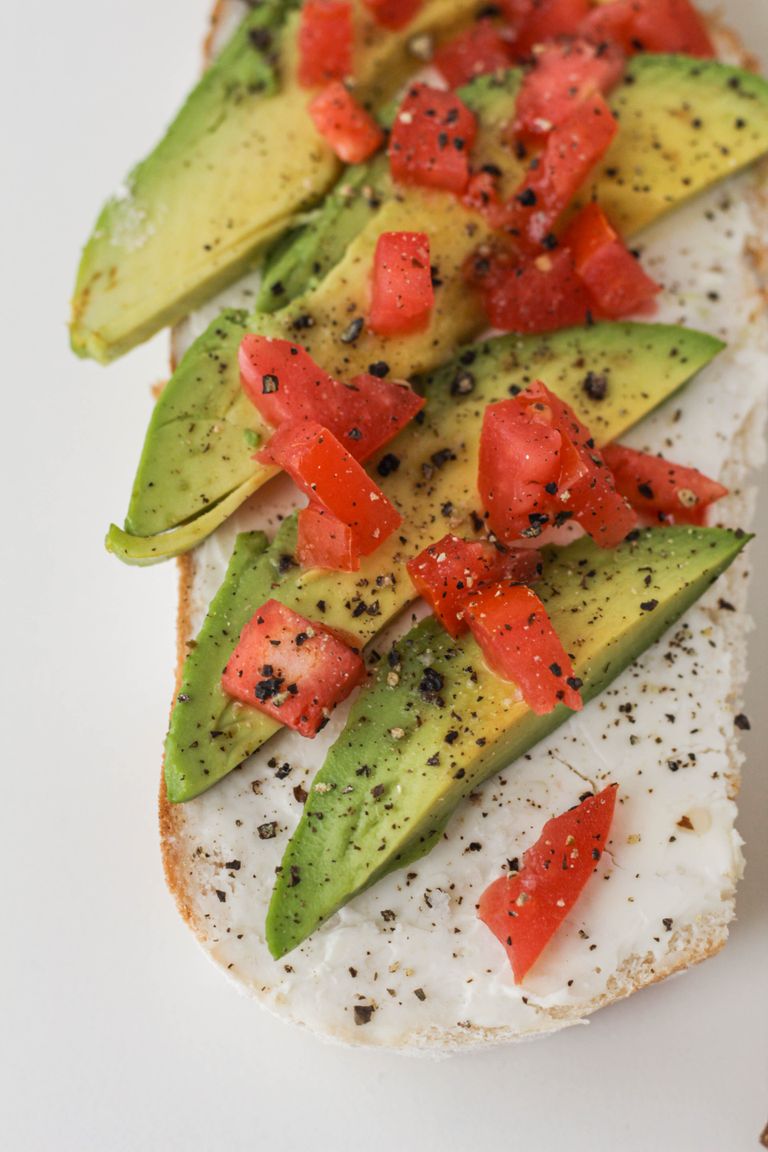
Whether it’s a pile of colorful carrots on a grain bowl, sliced avocado on your toast, or bell peppers and tomatoes on pizza, veggie toppings can add flavor, nutrition, and color without any extra cooking.
7. Add grated veggies into dishes
Carrots, zucchini, or bell peppers can all be mixed into meatballs, burgers, omelets, and muffins without changing the flavor or texture too much.
This approach works especially well for picky eaters because the veggies blend seamlessly into recipes while still adding nutrients and fiber, plus fun pops of color.
The key is to grate or chop vegetables finely so they aren’t noticeable, then gradually increase portions as your taste buds adjust.
Stay in the loop!
HEALTHY EATING TIPS & RECIPES delivered directly TO YOUR INBOX
Hidden vegetable recipes
Ready to put these tips into action? Here are some hidden vegetable recipes, which make it easy to sneak more vegetables into meals without sacrificing flavor. Each one uses simple ingredients and familiar dishes to help you eat more veggies every day (no drastic changes required!).
- Veggie pasta sauce: Blend cooked carrots, zucchini, and spinach into your favorite tomato sauce for a nutrient boost that’s virtually undetectable. Serve over pasta or zucchini noodles for an extra fiber- and veggie-packed meal.
- Zucchini waffles: Grated zucchini adds moisture and blends beautifully into sweet baked goods. These waffles, for example, are perfect for breakfast or snacks and a great option for picky eaters.
- Veggie-packed quesadillas: Layer finely chopped spinach, bell peppers, and mushrooms with cheese inside a tortilla. The veggies will melt right in!
- Chocolate zucchini brownies: Yes, you read that right. Zucchini works perfectly in brownies, adding moisture without affecting the chocolatey flavor. This is a fun, delicious, and decadent way to sneak veggies into your dessert!
- Hidden Veggie Mac and Cheese: Blend cooked potatoes, carrots, and cauliflower with cashews and nutritional yeast for a cheesy, vegan, veggie-packed sauce. Pour over cooked macaroni for a healthier take on a comforting classic.
Tips to streamline meal prep
Making vegetables a regular part of your meals is so much easier when you simplify the prep work. With a few smart strategies, you can save time, reduce effort, and make it (almost) effortless to eat more vegetables every day.
- Buy pre-cut or frozen vegetables: These are just as nutritious and save valuable time in the kitchen.
- Prep veggies in advance: Wash, chop, or grate vegetables ahead of time so they’re ready to toss into meals.
- Batch cook and store: Roast a large tray of mixed vegetables or make a big pot of soup to use throughout the week.
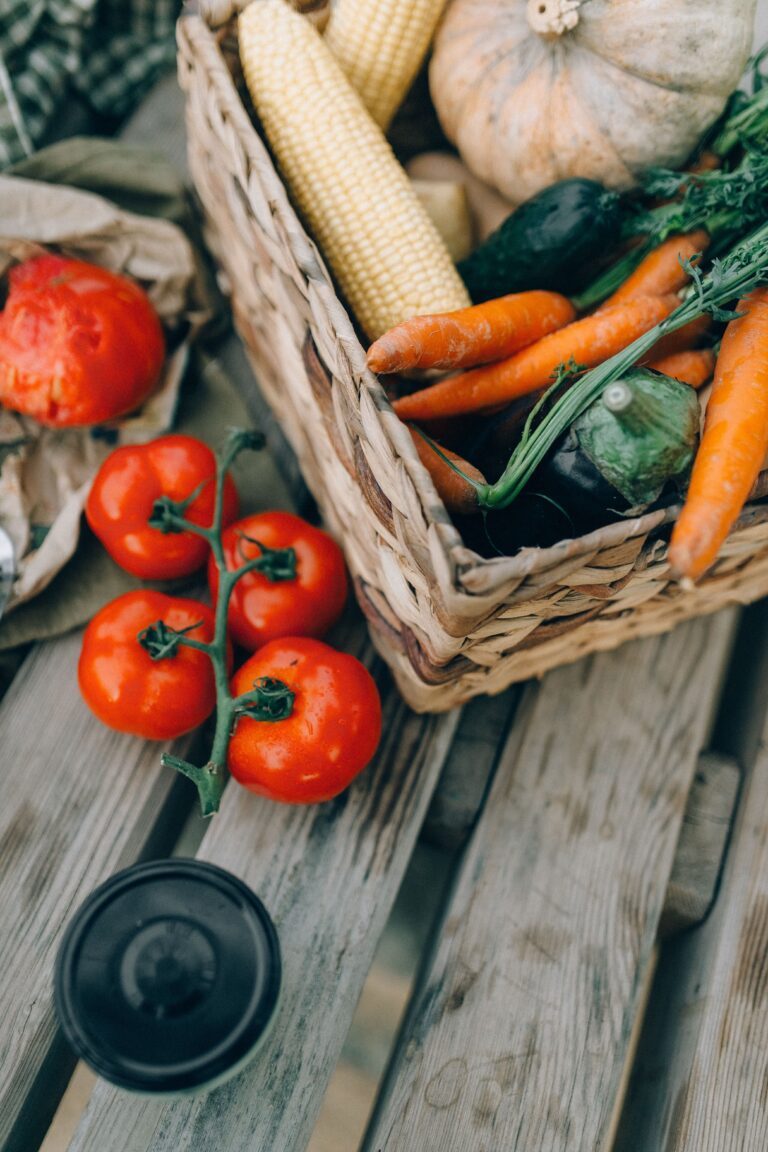
- Keep versatile staples on hand: Ingredients like spinach, zucchini, carrots, and cauliflower can easily be added to multiple dishes.
- Use simple cooking methods: Roasting, steaming, or sautéing requires minimal effort and enhances flavor.
- Store properly for freshness: Keep prepped veggies in airtight containers so they’re easy to grab and use.
- Pair veggies with go-to meals: Plan a few favorite dishes each week where you can consistently sneak vegetables into meals without thinking twice.
FAQ
More healthy eating hacks
How to Eat More Whole Foods: Tips, Meal Ideas, and More
25 Easy Protein Swaps for Weight Loss

How to Get Your Toddler to Eat Vegetables (7 RD-Approved Strategies)
How to Make Meals Healthier Without Dieting: 12 Simple Add-Ins to Boost Nutrition
Top 9 Dietitian-Approved Healthy Eating Hacks
Conclusion
Sneaking more vegetables into your meals doesn’t have to be complicated. With a few simple strategies, you can easily eat more vegetables every day without sacrificing flavor or completely changing your meal plan.
Start small, experiment with what works for you, and over time these small changes can add up to big benefits, making healthy eating feel easy and enjoyable.