Chia Seeds for Gut Health: Benefits, Tips, and How Much to Eat
Quick summary
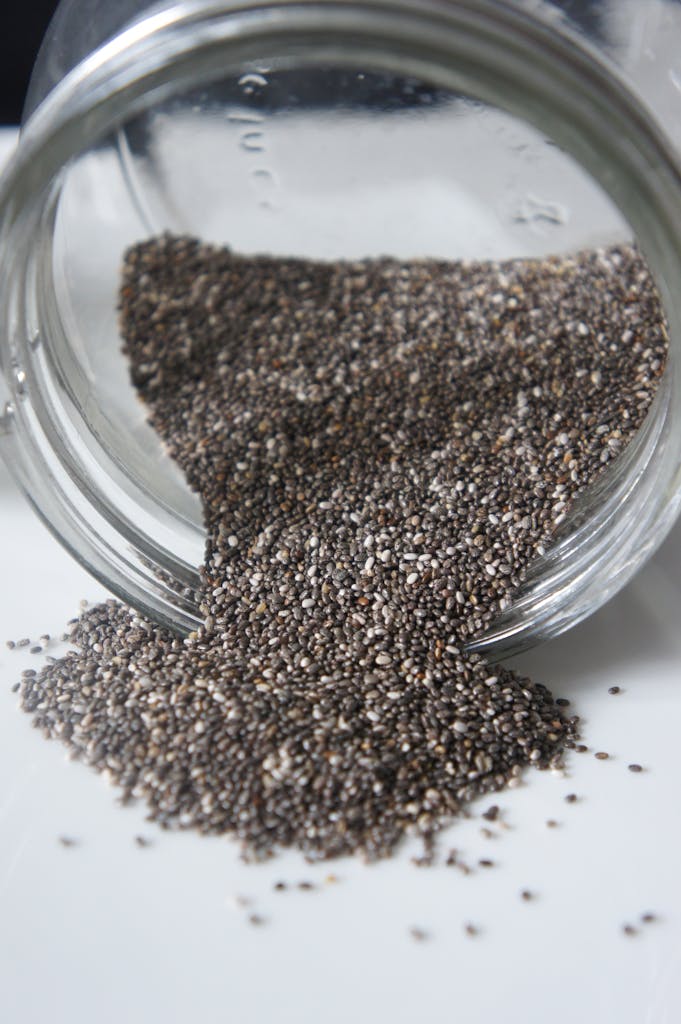
If you’ve ever wanted an easy, no-fuss way to support your gut, chia seeds might just be your new go-to pantry staple. These tiny seeds are jam-packed with fiber and have a unique gel-like texture when soaked, which helps keep digestion moving, promotes regularity, and feeds the good bacteria in your gut. They’re also simple to use, super versatile, and can make a major difference in how your digestive system feels and functions.
In this article, we’re breaking down the top chia seeds for gut health benefits, plus some tips on how much you should eat, how to avoid bloating, and how they stack up against other seeds.
Are chia seeds good for gut health?
Chia seeds are great for your gut. That’s because these tiny seeds are loaded with soluble fiber, which forms a gel-like texture when mixed with liquid. That gel works to:
- keep things moving
- soften stool and ease constipation
- support smoother digestion
Even better, chia seeds also act as a prebiotic, meaning they feed the good bacteria in your gut. A well-fed microbiome leads to improved digestion, less bloating, and better gut balance.
To maximize the potential chia seeds for gut health benefits, try eating chia seeds soaked (or stirred into chia pudding, oatmeal, or yogurt) and start with about 1 tablespoon daily, working your way up slowly.
Chia seeds nutrition profile
Chia seeds may be tiny, but they cram a ton of nutrients into a single serving. They’re especially known for their content of fiber, along with healthy fats and a range of essential minerals that promote overall health and digestion.
A 1-ounce serving (about 2 tablespoons) provides the following nutrients:
- Calories: 138
- Protein: 5 grams
- Carbs: 12 grams
- Fiber: 10 grams
- Fat: 9 grams
- Manganese: 0.8 milligrams (33% of the Daily Value, or DV)
- Copper: 0.3 milligrams (29% DV)
- Selenium: 15.6 micrograms (28% DV)
- Magnesium: 95 milligrams (23% DV)
- Phosphorus: 244 milligrams (20% DV)
- Niacin: 2.5 milligrams (16% DV)
- Thiamin: 0.2 milligrams (15% DV)
- Calcium: 179 milligrams (14% DV)
- Iron: 2.2 milligrams (12% DV)
- Zinc: 1.3 milligrams (12% DV)
In addition to the nutrients listed above, chia seeds also offer a small amount of riboflavin, potassium, and folate.
Stay in the loop!
HEALTHY EATING TIPS & RECIPES delivered directly TO YOUR INBOX
Benefits of chia seeds for digestion
Chia seeds pack a powerful punch, offering an easy, nutrient-dense way to support digestion and gut health. Here are a few of the potential chia seeds for gut health benefits.
1. Promotes regularity
If your digestion can be a little unpredictable, chia seeds for gut health might be able to help get things back on track.
One serving packs nearly 10 grams of fiber, including soluble fiber, which absorbs water and forms a gel-like texture in your gut. This helps soften stool and makes it easier to pass, leading to more consistent (and less stressful) bathroom trips.
Chia seeds also add bulk to the stool, which helps keep things moving through your digestive system at a steady pace. This promotes smoother digestion, leads to less constipation, and helps prevent that sluggish, backed-up feeling.
2. Feeds healthy gut bacteria
Beyond simply getting things moving, chia seeds can also help your gut microbiome flourish.
Because of their high fiber content, chia seeds act as a prebiotic, which means they provide fuel for the beneficial bacteria in your gut.
These bacteria are involved in everything from digestion and nutrient absorption to mood and immune health.
3. Alleviates inflammation
Chia seeds can also help calm things down in your gut (literally).
They’re rich in plant-based omega-3 fatty acids like alpha-linolenic acid (ALA) and fiber, both of which can help ease inflammation.
A healthy gut and balanced microbiome are closely linked to lower levels of inflammation, which can impact how comfortable and efficient your digestion feels.
How to use chia seeds for gut health
To really make the most of the possible chia seeds for gut health benefits, try adding them to your routine in a way that’s easy to digest and fits your lifestyle. The key is to soak them or mix them with a little liquid, which helps them expand and form a gel-like texture.
Here are some ideas to add chia seeds to your routine:
- Chia pudding: mix with milk or a dairy-free alternative and let sit overnight
- Smoothies: blend 1 tablespoon into smoothies for a fiber boost
- Yogurt bowls: stir in and top with fruit, nuts, or granola
- Oatmeal: add after cooking for extra thickness and fiber
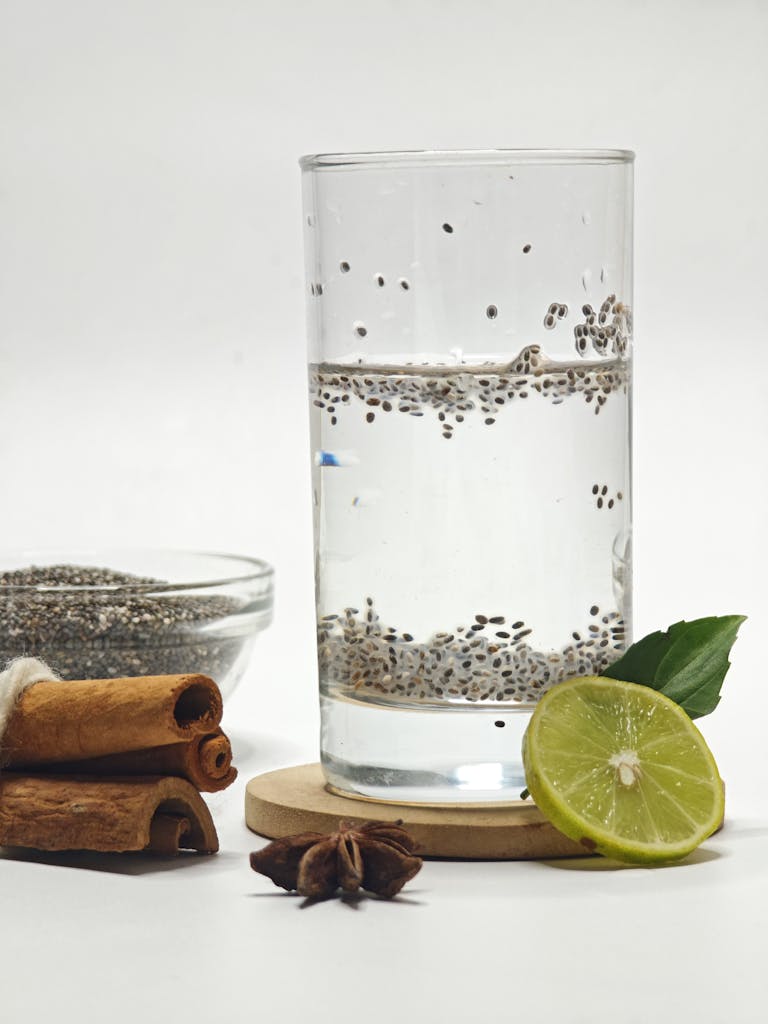
- Water or juice: stir and let sit for a few minutes before drinking
Make sure to start with a small amount (around 1 tablespoon per day) and increase your intake gradually.
You should also pair chia seeds with plenty of fluids to support digestion and stick to soaked chia seeds, especially if you’re prone to bloating.
How much should you eat per day?
For most people, a good starting point is around 1 tablespoon per day, especially if you’re new to high-fiber foods.
As your body adjusts, you can gradually increase to 1-2 tablespoons daily to get the full chia seeds for gut health benefits, including better digestion, improved regularity, and a more balanced microbiome.
Potential risks and side effects
Like any fiber-rich food, chia seeds can cause a few issues if you overdo it or don’t prepare them properly.
Some people may experience bloating or gas, especially if you increase your intake too quickly. In some cases, too much fiber without enough fluid can even lead to constipation or digestive distress.
Because chia seeds absorb lots of liquid, it’s important to stay hydrated. Without enough fluid, the fiber may not be able to move through your system smoothly.
Eating chia seeds dry can also be uncomfortable for some people, as they can expand quickly once they reach your digestive tract.
Overall, chia seeds are great for your gut, but starting slow, staying hydrated, and preparing them properly can help you avoid unpleasant side effects and take full advantage of the many possible chia seeds for gut health benefits.
Tips to avoid bloating with chia seeds
If you’re adding chia seeds to your routine, a few simple habits can help you enjoy their benefits without any uncomfortable bloating:
- start with a small amount (about 1 tablespoon per day) and gradually increase over time
- always soak chia seeds before eating
- drink plenty of water throughout the day
- mix chia seeds into foods like yogurt, smoothies, or oatmeal for easier digestion
- pay attention to your body and adjust your intake if you notice discomfort
Chia seeds vs. other seeds for gut health
When it comes to digestive health, chia seeds shine thanks to their unique texture and fiber content. But how do they compare to other popular seeds for gut health? Here’s a quick breakdown:
- Chia seeds: These seeds are high in soluble fiber that forms a gel when mixed with liquid, helping enhance regularity and digestion. They’re also convenient and easy to use without grinding.
- Flaxseeds: Flaxseeds are also rich in fiber and support digestion, but need to be ground for best absorption and don’t have the same gel-like texture as chia seeds.
- Hemp seeds: These seeds are high in healthy fats and protein, but only provide a small amount of fiber. While they’re a solid choice for a balanced diet, they don’t quite pack the same punch for gut health compared to chia and flax.
| Chia seeds | Flaxseeds | Hemp seeds | |
|---|---|---|---|
| Fiber content | 4.9 grams per tbsp | 2.8 grams per tbsp | 0.4 grams per tbsp |
| Effects on digestion | supports gut health and regularity | supports gut health and regularity | minimal impact on digestion |
| Texture | forms a gel when mixed with liquid | does not gel; must be ground | does not gel |
| Prebiotics | yes, feeds gut bacteria | yes, feeds gut bacteria | limited |
| Ease of use | very easy (no grinding needed) | needs to be ground for best benefits | very easy to use |
FAQ
More articles on gut health & digestion
Best Probiotics for Digestion: Top Supplements for a Healthy Gut
9 Daily Habits for Better Gut Health, According to a Dietitian
How to Eat 30 Grams of Fiber a Day (Sample Meal Plan)

How to Start Fermenting Foods at Home (Beginner-Friendly Guide)
Dietary Fiber 101: Benefits of Fiber, Food Sources, and How Much You Need
Fibermaxxing: A Dietitian’s Guide to Eating More Fiber
Probiotic Foods vs. Supplements: Which is Better for Gut Health?
8 Surprising Signs You’re Not Getting Enough Fiber
How to Eat More Fiber Without Bloating: 10 Dietitian-Approved Tips

6 Evidence-Based Kefir Benefits for Better Health
Conclusion
Chia seeds are a simple, versatile ingredient that can help keep your gut healthy, thanks to their high fiber content and ability to promote regularity, fuel the good bacteria in your gut, and maintain a balanced microbiome. When added to your routine in moderate amounts (especially soaked and paired with plenty of fluids), they can be an easy daily habit that supports smoother digestion and overall gut comfort.