9 Daily Habits for Better Gut Health, According to a Dietitian
Quick summary
Many of us only think about our gut when something feels off, whether that’s bloating after dinner, an upset stomach, or a bout of constipation. But digestion is only a small sliver of what your gut actually does. In fact, your gut is home to trillions of microorganisms that help regulate everything from mood and immune function to nutrient absorption and more.
Luckily, some of the most effective ways to care for your digestive system are also some of the simplest, and the small choices you make every day can have a meaningful impact on your gut microbiome over time.
In this article, we’re diving into some of the best daily habits for gut health, along with the foods to eat more often, what to limit, and how to get started.
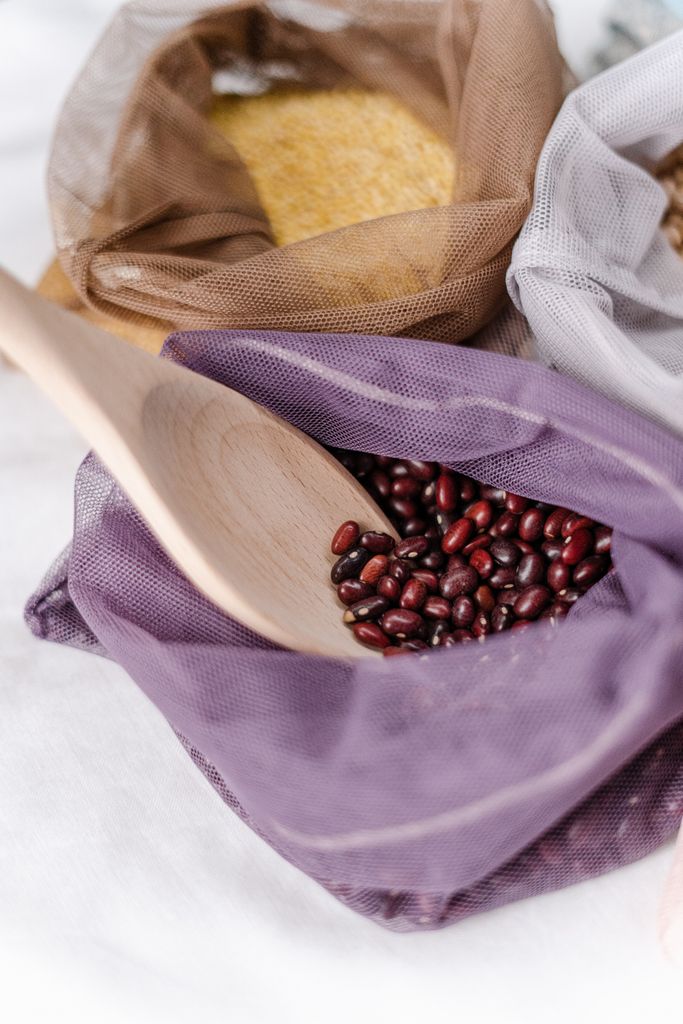
What is gut health?
When people start talking about gut health, they’re usually referring to the health of your gut microbiome, aka the trillions of bacteria, fungi, viruses, and other microorganisms that live in your digestive tract. While that might sound a little gross at first, these tiny microbes actually play a central role in almost every aspect of health.
A healthy gut microbiome helps break down certain foods, produces beneficial compounds like short-chain fatty acids, enhances immunity, and even communicates with your brain through what’s known as the gut-brain axis. In other words, your gut does a whole lot more than just digest your lunch.
There’s no magic food or supplement that will instantly transform your gut health. However, a few daily habits for better gut health can add up over time and help create an environment where these beneficial microbes can thrive.
Daily habits for better gut health
Your gut microbiome is constantly responding to the choices you make each day. Here are some simple, science-backed habits that can help improve gut health and digestion.
1. Include veggies in each meal
One of the easiest ways to promote digestive health is to include at least one vegetable with every meal.
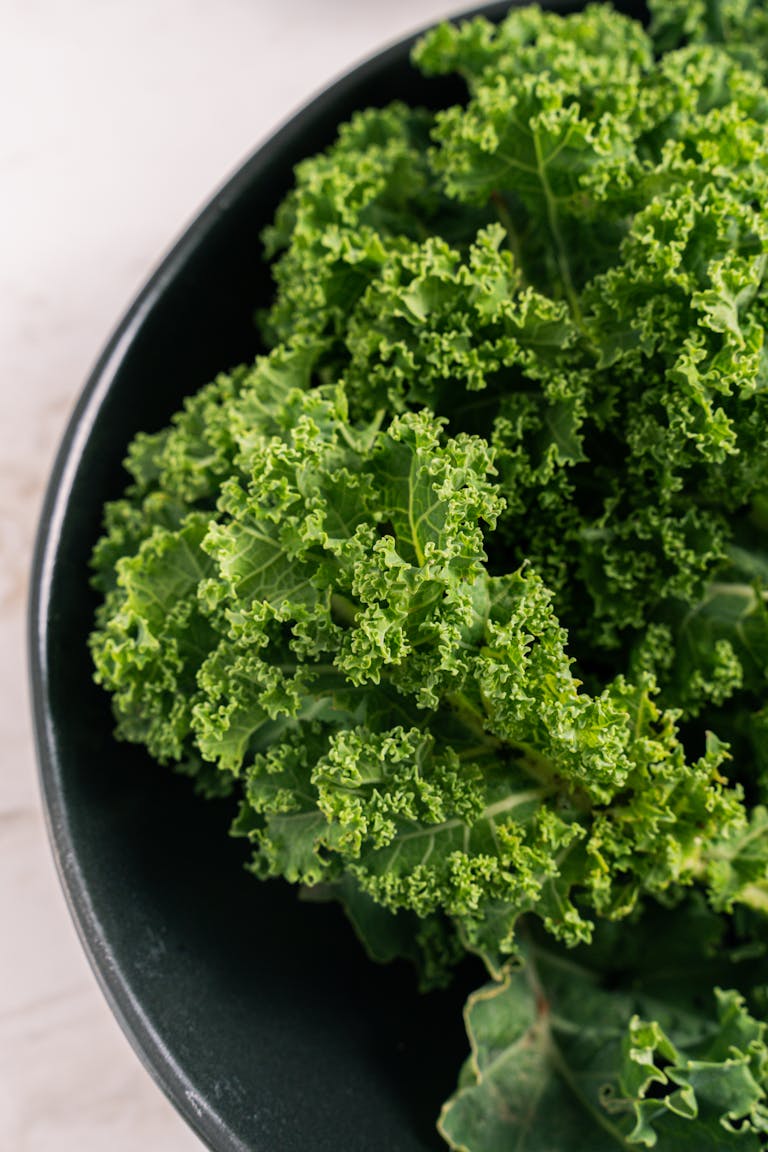
Vegetables are packed with fiber, vitamins, minerals, and antioxidants that help nourish beneficial gut bacteria, and eating a wide variety of them can promote a more diverse gut microbiome.
Whether it’s spinach in your morning eggs, baby carrots with lunch, or roasted broccoli at dinner, every single serving counts.
2. Eat one fermented food per day
Fermented foods are made by beneficial bacteria and yeasts that break down sugars and starches during the fermentation process.
As a result, many fermented foods contain live microorganisms (aka probiotics), which can help improve the health of your gut microbiome.
Regularly including foods like yogurt, kefir, kimchi, sauerkraut, miso, or tempeh in your diet is an easy way to add more gut-friendly foods to your routine.
Start with small portions if you’re new to fermented foods, especially if you have a sensitive stomach, and slowly increase your intake over time.
3. Go for a walk after dinner
Taking a short walk after dinner is a simple habit that can benefit both your gut and your overall health.
This is because physical activity helps stimulate the muscles in your digestive tract, which can promote healthy digestion and regular bowel movements.
Even a 10- to 20-minute walk after your evening meal can be enough to get things moving while also helping you de-stress and unwind at the end of a long day.
4. Enjoy fresh fruit as a snack
Next time you’re craving a snack, reach for a piece of fresh fruit!
Fruits are rich in fiber and plant compounds called polyphenols, both of which help nourish beneficial gut bacteria.
Eating a variety of fruits throughout the week can also increase the diversity of your gut microbiome, which is linked to better digestive health.
5. Drink a glass of water before your morning coffee
Before that first sip of caffeine when you wake up, try drinking a full glass of water.
Your body naturally loses fluids overnight, and rehydrating first thing in the morning can get things moving again and help fiber do its job more effectively.
It’s also a great way to start your day on the right foot, stay hydrated, and help prevent constipation.
6. Turn off your phone during dinner
Dinner is a great opportunity to slow down and give your meal your full attention.
Eating without scrolling can help you tune into your hunger and fullness cues, chew your food more thoroughly, and eat at a more relaxed pace, all of which may support healthier digestion.
As a bonus, putting your phone away also gives you a chance to connect with family or simply enjoy your meal without any distractions.
7. Practice meditation
Chronic stress can take a big toll on digestion. This is because your gut and brain are closely connected through a network of nerves called the gut-brain axis, which allows them to constantly communicate with each other.
Setting aside even just 5 to 10 minutes each day to practice meditation or other mindfulness techniques can reduce stress while also promoting your mental well-being and gut health.
If meditation isn’t your thing, deep breathing, yoga, or simply spending a few quiet minutes outside can offer a similar set of benefits.
8. Use nuts and seeds for a fiber boost
Nuts and seeds may be small, but they’re packed with nutrients that can help keep your gut healthy.
In addition to fiber, many varieties also contain healthy fats and other compounds that help nourish your good gut bacteria.
Try sprinkling chia seeds or ground flaxseed into oatmeal, adding a few pumpkin seeds to your salad, or grabbing a handful of almonds or pistachios for an easy, gut-friendly snack.
9. Add herbs and spices to your meals
Herbs and spices do so much more than add flavor to your favorite dishes.
In fact, many are also rich in polyphenols, which are beneficial compounds that can help ease inflammation and enhance digestive health.
Garlic, ginger, cinnamon, turmeric, oregano, and rosemary are just a few ingredients that can give your meals a gut-friendly boost of flavor.
Stay in the loop!
Healthy eating tips & recipes delivered directly to your inbox
Best foods for gut health
Filling your plate with a variety of gut-friendly foods can go a long way. As a general rule of thumb, the best foods for gut health are rich in fiber, prebiotics, probiotics, and other nutrients that support digestion. The more variety you can include on your plate, the better. Your gut microbes love diversity!
Here are some of the best foods for gut health:
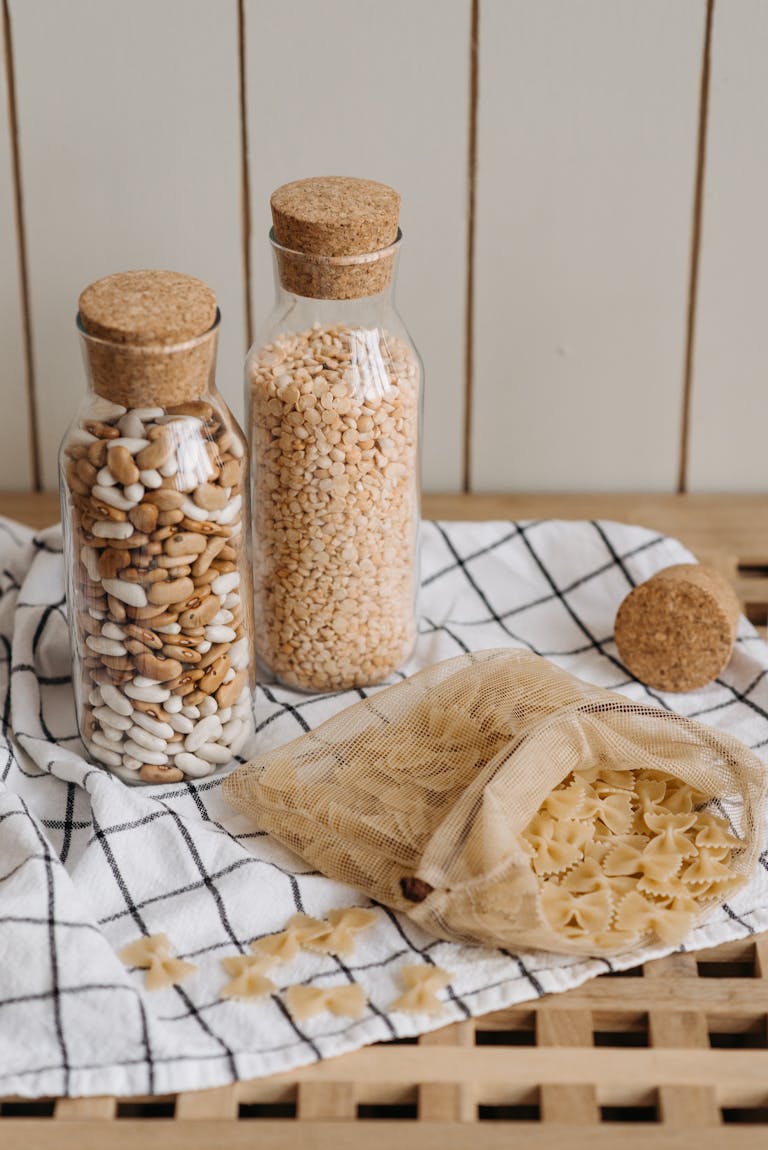
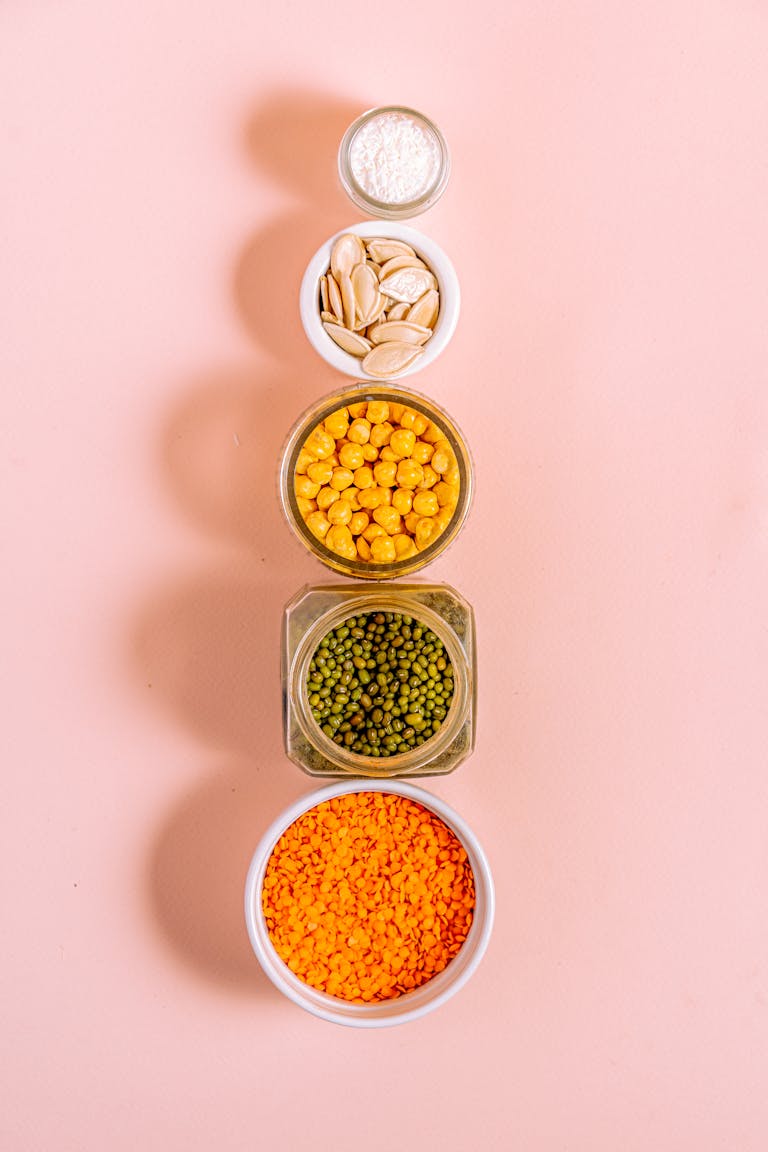
- Legumes: Beans, lentils, and chickpeas are packed with fiber and resistant starch, which feed beneficial gut bacteria and help keep you regular.
- Whole grains: Oats, barley, quinoa, brown rice, and whole wheat provide fiber to nourish your microbiome.
- Fruits and vegetables: Enjoying a variety of colorful fruits and veggies can increase your intake of fiber and antioxidants that help keep your gut healthy and happy.
- Fermented foods: Yogurt with live cultures, kefir, kimchi, sauerkraut, miso, and tempeh contain beneficial microbes that can add more diversity to your microbiome.
- Prebiotic foods: Garlic, onions, leeks, asparagus, Jerusalem artichokes, and green, unripe bananas contain prebiotics, a type of fiber that acts as fuel for the beneficial bacteria in your gut.
- Nuts and seeds: Almonds, walnuts, pistachios, chia seeds, flaxseeds, and pumpkin seeds are good sources of fiber and heart-healthy fats.
- Healthy fats: Olive oil, avocados, nuts, and seeds can all benefit digestive health by decreasing inflammation and encouraging the growth of helpful bacteria.
Foods to limit for gut health
No single food will make or break your gut health, which means that there’s no need to swear off your favorite treats completely. That said, some foods may work against a healthy gut microbiome when eaten in large amounts or too often.
Here are a few foods to limit or enjoy in moderation:
- Ultra-processed foods: Foods like chips, packaged snack cakes, fast food, and frozen convenience meals tend to be lower in fiber and higher in added sugars, unhealthy fats, and sodium, which could throw the balance of your microbiome out of whack.
- Foods high in added sugar: Candy, soda, baked goods, and other sugary snacks can promote the growth of less beneficial gut microbes when consumed in excess.
- Highly refined grains: White bread, pastries, crackers, and other refined grain products are lower in fiber than their whole-grain counterparts, meaning they provide less fuel for the good bacteria in your gut.
- Processed meats: Bacon, sausage, hot dogs, deli meats, and other types of processed meats have been linked to less favorable microbiome changes.
- Alcohol: An occasional drink is unlikely to have a major impact for most people, but heavy or frequent alcohol consumption could disrupt the gut microbiome and irritate your digestive tract.
- Foods that trigger your symptoms: Everyone’s gut is different. If certain foods consistently leave you feeling bloated, gassy, or uncomfortable, keeping a food and symptom journal may help you identify your personal triggers.
Dietitian-approved recipes for gut health
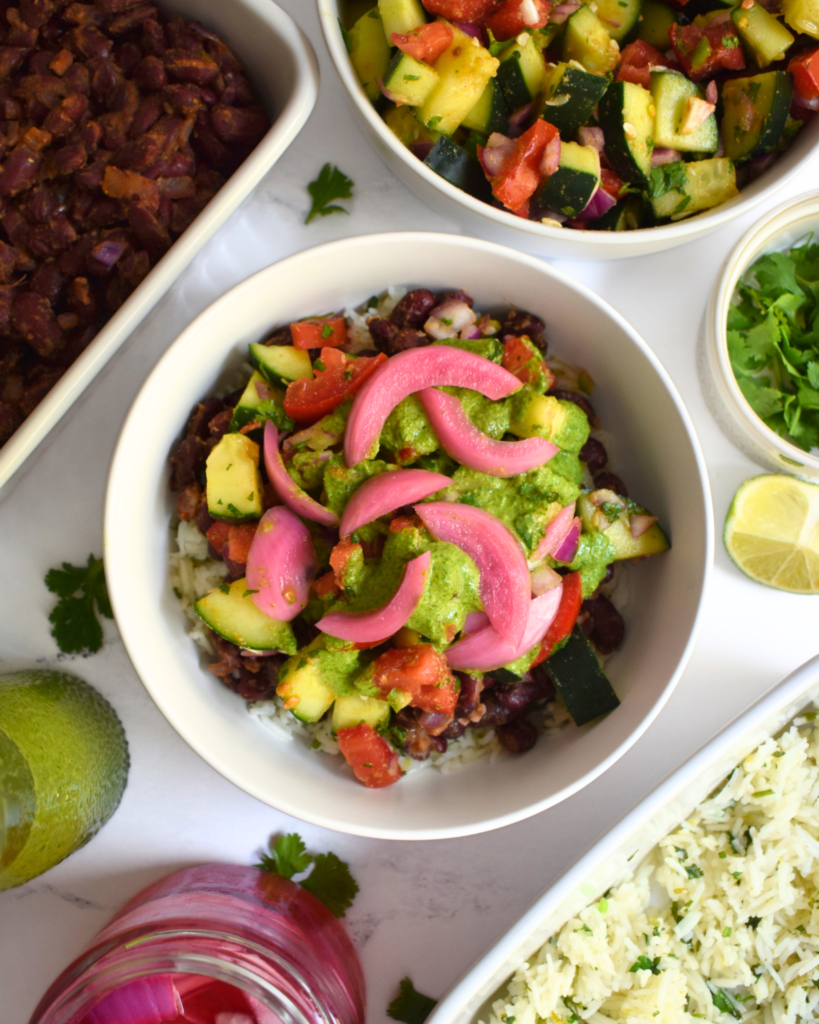
Indian-Inspired Burrito Bowls

Smoky Chipotle Southwest Salad Bowls
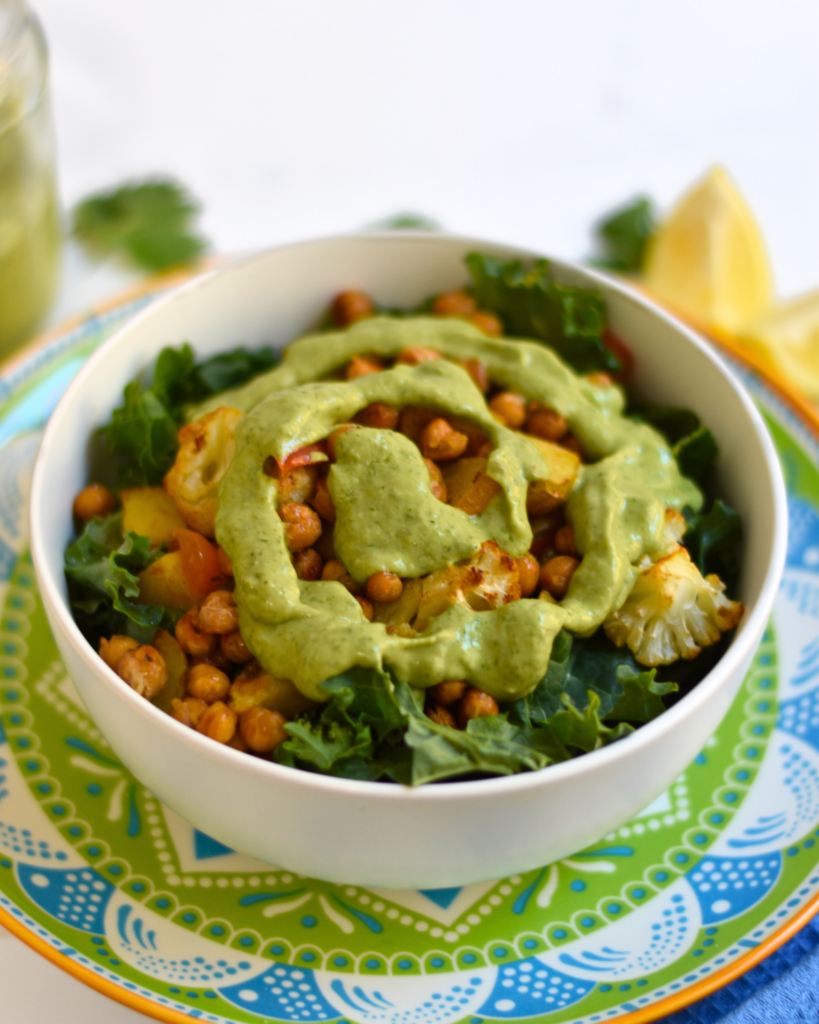
Roasted Chickpea and Potato Kale Bowls with Creamy Avocado Dressing
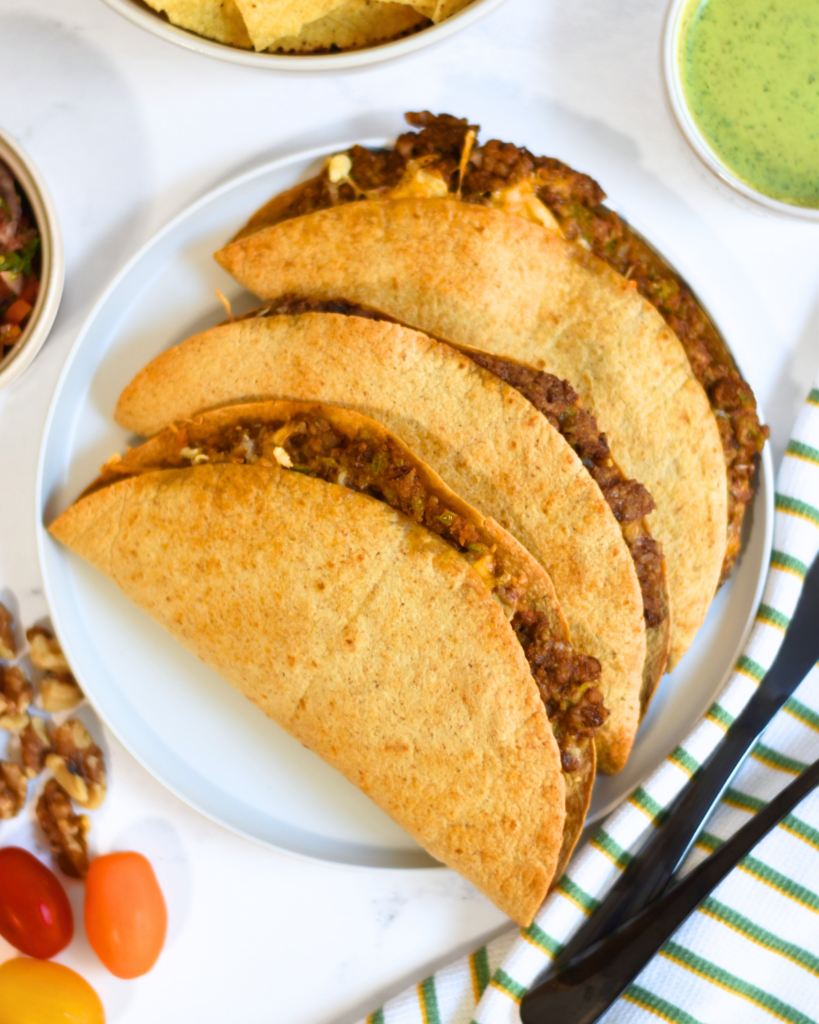
Cheesy Walnut Lentil Baked Tacos

One-Pan Pesto Chickpea Rice Bake

Veggie Enchiladas with Sweet Potato, Black Beans, and Corn
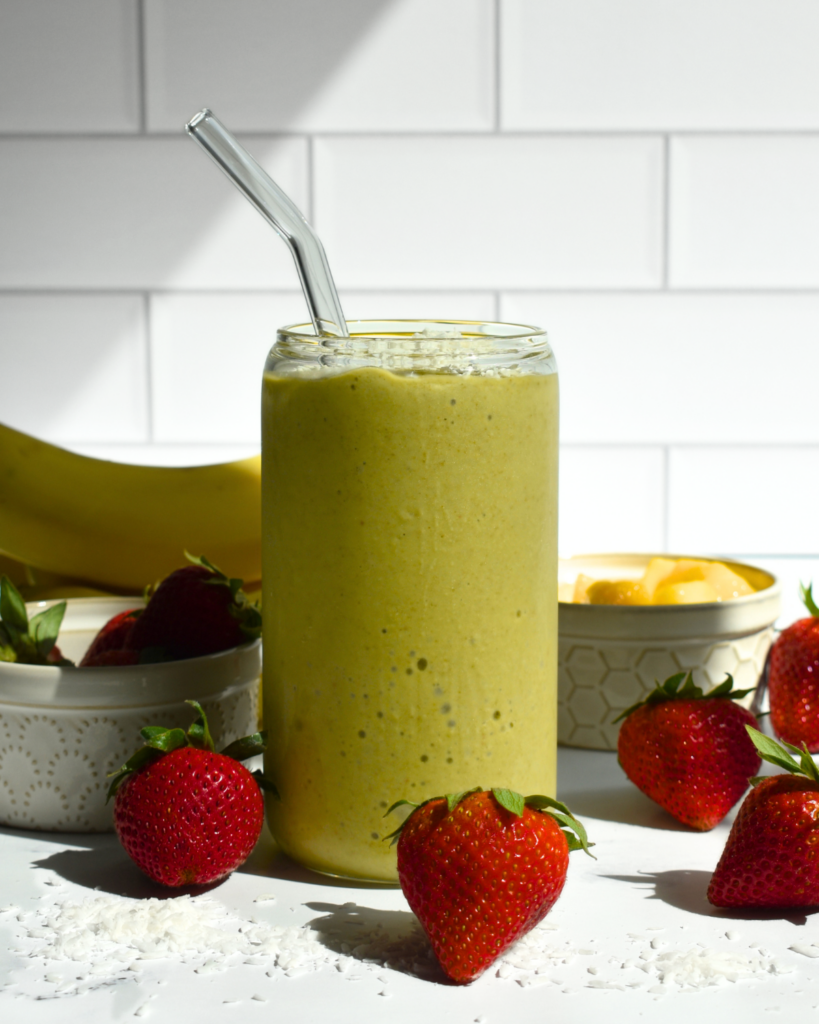
High-Fiber Tropical Smoothie

Easy Avocado Chickpea Toast
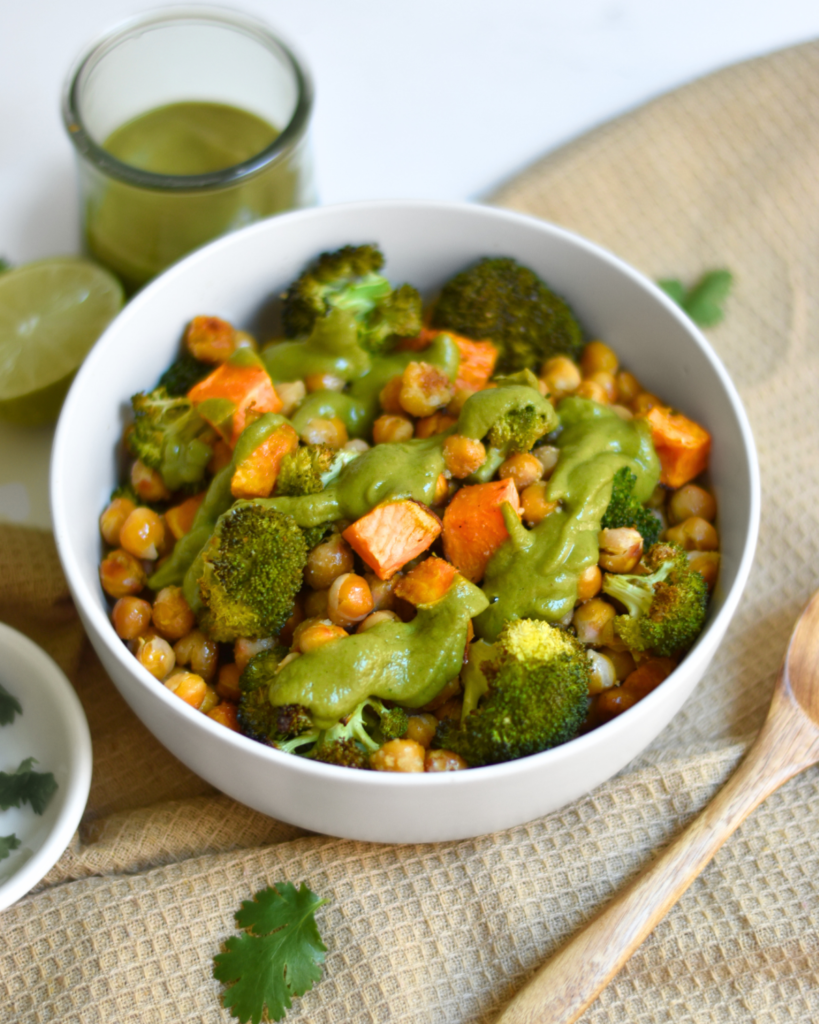
Plant-Powered Couscous Bowls with Avocado Herb Sauce

Vegan Mexican Tortilla Casserole
How long does it take to see results?
If you’re hoping for an overnight transformation, I’ve got some bad news: your gut microbiome doesn’t change with a single salad or probiotic supplement. The good news, though, is that it can respond surprisingly quickly to consistent healthy habits.
Often, changes in your gut microbiome may begin within just a few days of changing your diet, especially if you start eating more fiber and a wider variety of plant foods. However, noticeable improvements in symptoms like constipation or bloating can take anywhere from a few weeks to a couple of months, depending on your starting point and the habits you’re adopting.
The most important thing is to stay consistent. Incorporating even just a few daily habits for better gut health into your routine can add up over time and lead to long-term results.
FAQ
More articles on gut health

How to Make Kombucha: Everything You Need to Know

How to Start Fermenting Foods at Home (Beginner-Friendly Guide)
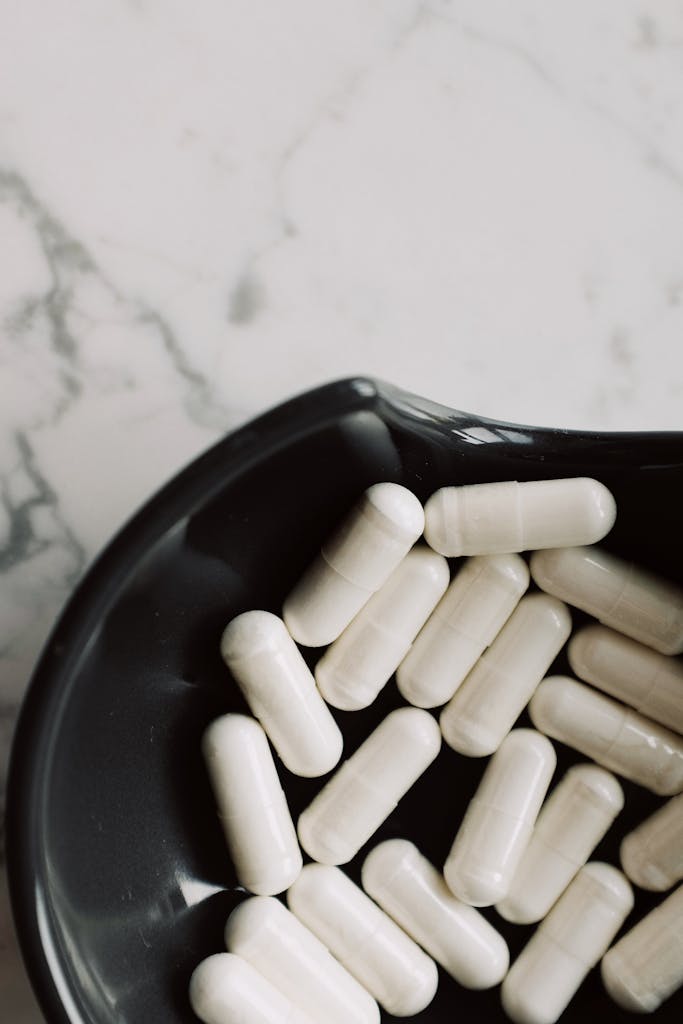
Best Probiotics for Digestion: Top Supplements for a Healthy Gut

How to Eat More Fiber Without Bloating: 10 Dietitian-Approved Tips
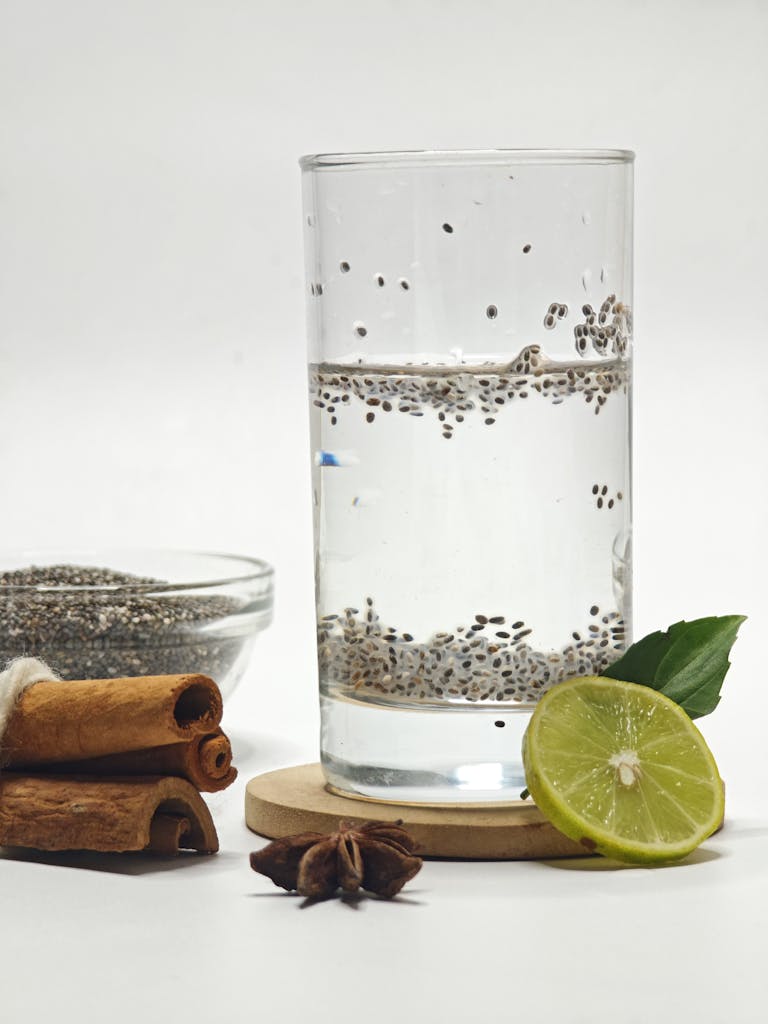
Chia Seeds for Gut Health: Benefits, Tips, and How Much to Eat
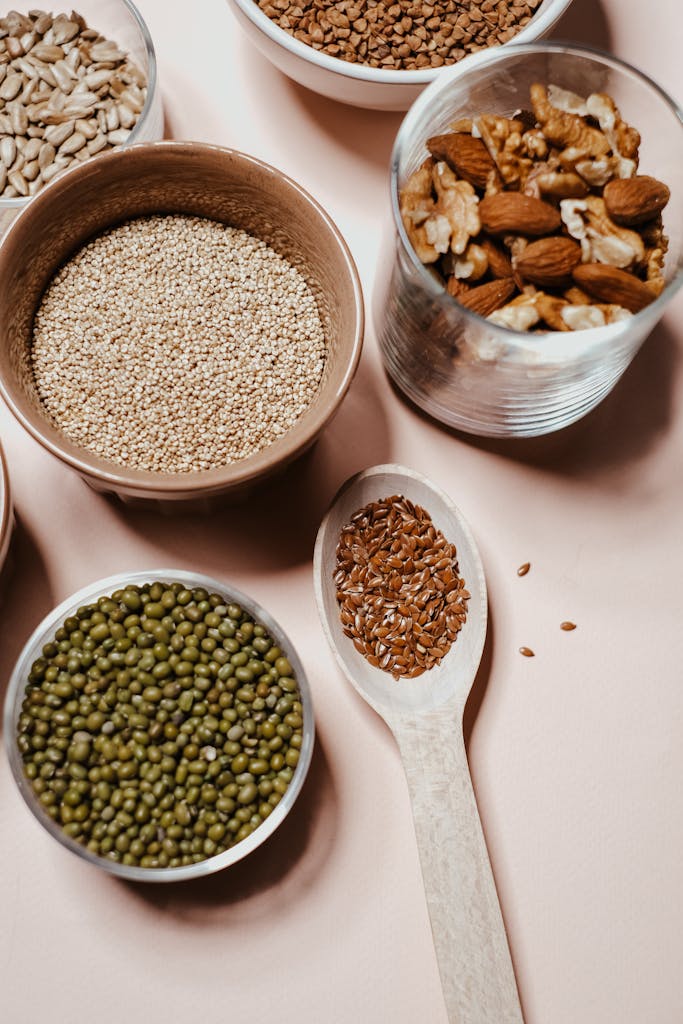
Dietary Fiber 101: Benefits of Fiber, Food Sources, and How Much You Need
5 Best Foods for Gut Health and Digestion
8 Surprising Signs You’re Not Getting Enough Fiber

Cabbage for Gut Health: Benefits, Nutrition, and How to Eat It
How to Eat 30 Grams of Fiber a Day (Sample Meal Plan)
Conclusion
When it comes to improving gut health, it’s all about adopting simple habits you can stick with, like eating more fiber-rich foods, staying active, and keeping stress under control.
Rather than chasing the latest gut health trend or spending lots of money on pricey supplements, focus on making small, sustainable changes that can easily fit into your routine. Your gut microbiome (and the rest of your body!) will thank you.