Top 12 Plant-Based Iron Foods: Complete List + Tips to Boost Absorption
Quick summary
Meeting your needs on a plant-based diet can be tricky, especially for nutrients found primarily in animal products, like iron. But even though meat is a major source of iron in many diets, it’s totally possible to get enough iron through plant-based foods with a little planning and variety.
In this guide, we’re highlighting the 12 best plant-based iron foods, how much you actually need, and some simple, science-backed tips to help improve absorption so you can feel your best on a plant-based diet.
Importance of iron
If you’ve been constantly feeling tired, foggy, or drained, your iron levels might be running a little low.
Iron is an essential mineral that helps your body do some of its most important jobs, especially when it comes to keeping your energy levels up. More specifically, it produces hemoglobin, a protein in your red blood cells that carries oxygen from your lungs to the rest of your body.
Iron plays a key role in several other aspects of health as well, including:
- promoting brain function
- strengthening your immune system
- aiding oxygen transport
- supporting proper growth and development
How much iron do you need?
Your daily iron needs depend on your age, sex, and life stage, but most adults need between 8-18 milligrams (mg) of iron per day.
For example, men typically need around 8 mg daily, while women of reproductive age need closer to 18 mg due to menstrual losses. Your needs also increase during pregnancy.
If you’re following a plant-based diet, you may need slightly more iron overall as well, because none-heme iron from plant foods isn’t absorbed as efficiently.
What if you don’t get enough iron?
Low iron intake can lead to iron deficiency anemia, a nutrient deficiency estimated to affect around 2 billion people around the globe.
Early signs can be subtle, but over time you might notice fatigue, weakness, and shortness of breath.
Iron is important for everyone, but certain groups are at a higher risk of deficiency, including:
- women of reproductive age
- people who are pregnant
- athletes
- infants and young children
- individuals following vegan or vegetarian diets
The good news is that it’s totally possible to meet your iron needs with the right foods, even if you’re eating plant-based. It just takes a little strategy and some extra planning (more on that soon!).
Heme vs. non-heme iron
There are two different types of iron, each of which is absorbed differently by your body.
Heme iron is found in animal-based foods like meat, fish, and poultry. It’s the type your body absorbs most efficiently, meaning your body can typically absorb a higher percentage of the iron you consume without needing to think too much about pairing foods.
Non-heme iron, on the other hand, comes from plant-based foods like legumes, tofu, spinach, seeds, and fortified grains. This type of iron is a bit less readily absorbed, but it’s still a solid source of iron when you eat a variety of nutrient-dense foods.
Stay in the loop!
HEALTHY EATING TIPS & RECIPES delivered directly TO YOUR INBOX
Plant-based iron foods list
If you’re looking to up your iron intake, there are plenty of plant-based foods that can help you meet your needs. From legumes to seeds and whole grains, here are some of the best ingredients to add more iron to your diet.
1. Lentils
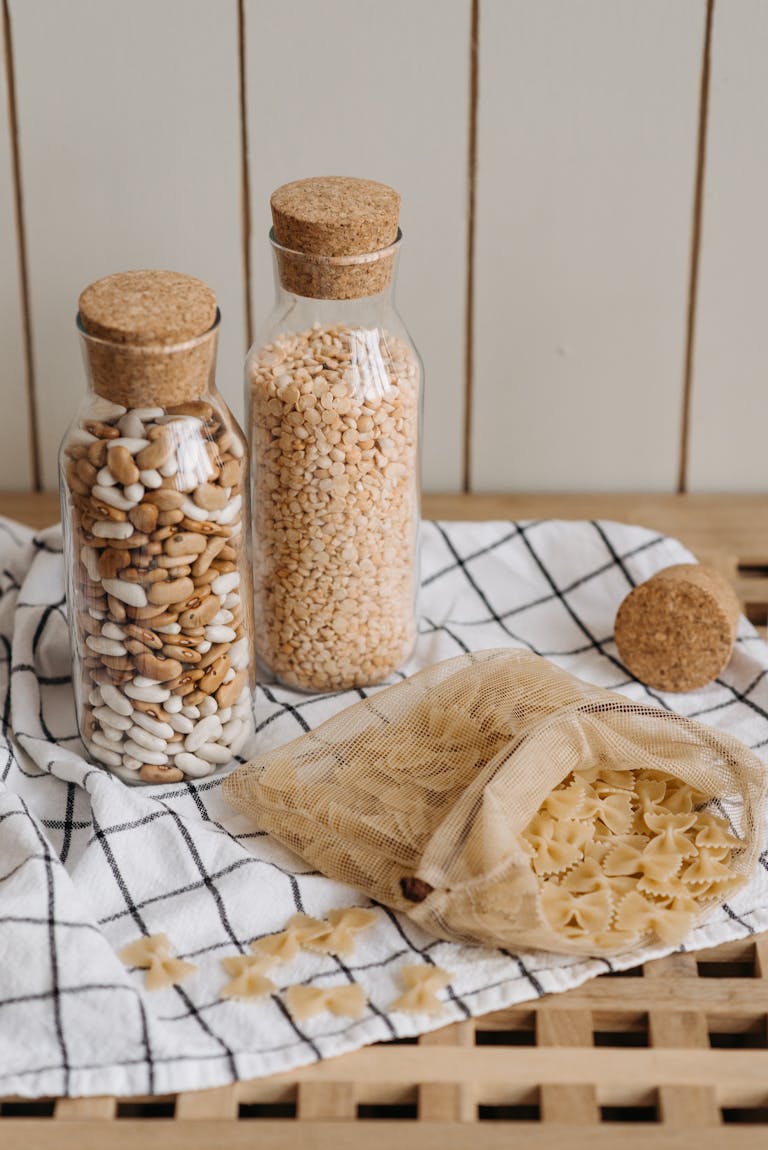
Lentils are one of the most reliable plant-based sources of iron, making them a must-have for anyone looking to increase their intake. Just 1/2 cup of cooked lentils provides 1.7 mg of iron, along with fiber and plant-based protein.
Lentils are also incredibly versatile; add them to soups, stews, salads, and curries, use them as a meat substitute in tacos and lasagna, or blend them with tahini and olive oil for a healthy, high-protein spread.
2. Chickpeas
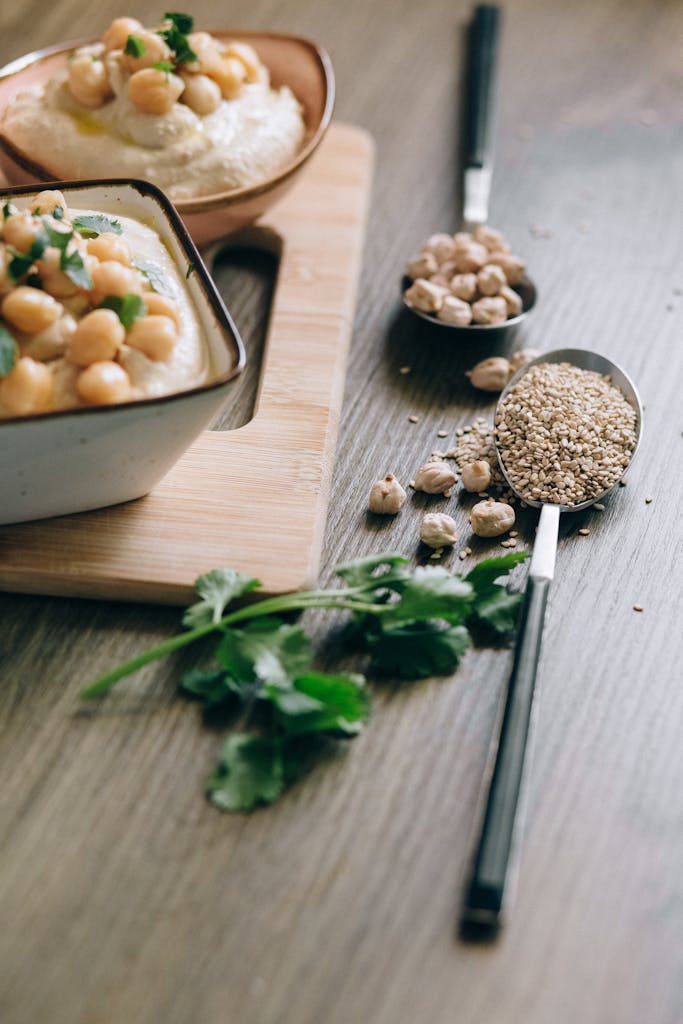
Chickpeas (also called garbanzo beans) are a nutrient-dense legume that provide around 2.4 mg of iron per 1/2-cup, along with protein and fiber to keep you feeling full.
Chickpeas work well in a variety of dishes, from hummus to roasted snacks to hearty salads. Pairing chickpeas with ingredients like lemon juice or leafy greens can also help your body absorb their iron more efficiently.
3. Black beans
Black beans are a staple in many vegetarian diets and offer a hearty dose of iron, with 1.8 mg per 1/2 cup. In addition to iron, they also bring plenty of other important nutrients to the table, including protein, fiber, folate, magnesium, and copper.
Best of all, black beans are easy to incorporate into dishes like tacos, burrito bowls, soups, and dips, making them a simple (and delicious) way to increase your iron intake.
4. Tofu
Tofu is a versatile soy-based food that’s naturally rich in iron, providing about 3.4 mg per 1/2-cup serving. Tofu is also loaded with protein, manganese, and magnesium, among many other essential nutrients.
Tofu absorbs flavors well, making it easy to include in stir-fries, scrambles, curries, and even smoothies. Roast it, toss it in the air fryer, bake it, or even just enjoy it raw for an easy way to add extra iron to your diet.
5. Tempeh
Tempeh is a fermented soy product that contains both iron and protein, and its fermentation process may improve nutrient availability and digestibility. A 1/2-cup serving contains about 2.3 mg of iron, along with plenty of manganese, phosphorus, and fiber.
Because it’s minimally processed and nutrient-dense, tempeh is a great ingredient to have on hand for building satisfying, iron-rich meals. It has a firmer texture and a slightly nutty flavor, making it a great addition to stir-fries, sandwiches, and Buddha bowls.
6. Spinach
Spinach is often highlighted as one of the top plant-based iron foods, and for good reason. Just 1/2 cup of cooked spinach boasts 3.2 mg of iron, plus a long list of vitamins and antioxidants.
While it does contain compounds that can slightly reduce absorption, pairing spinach with vitamin C-rich foods like citrus fruits, strawberries, or bell peppers can maximize its benefits. Spinach is easy to add to smoothies, salads, omelets, or sautéed dishes.
7. Quinoa
Quinoa is a gluten-free whole grain that stands out for its stellar iron content, especially compared to other grains. In fact, each cup provides 2.8 mg of iron, as well as fiber, magnesium, and phosphorus. It’s also a complete protein, meaning it contains all of the essential amino acids your body needs.
Quinoa works well as a base for bowls, salads, or side dishes and can be paired with veggies and legumes to create a well-rounded, iron-rich meal.
8. Oats
Oats can be a simple way to add iron to your diet with little effort required. A 1/2-cup serving of dry rolled oats provides 1.7 mg of iron, along with tons of gut-healthy fiber.
Many types are also fortified with iron, including instant oats. One cup of cooked instant fortified oats contains about 13.9 mg of iron, making them one of the top plant-based iron foods. However, keep in mind that instant oats are more processed than other varieties and some brands contain added sugar and flavorings.
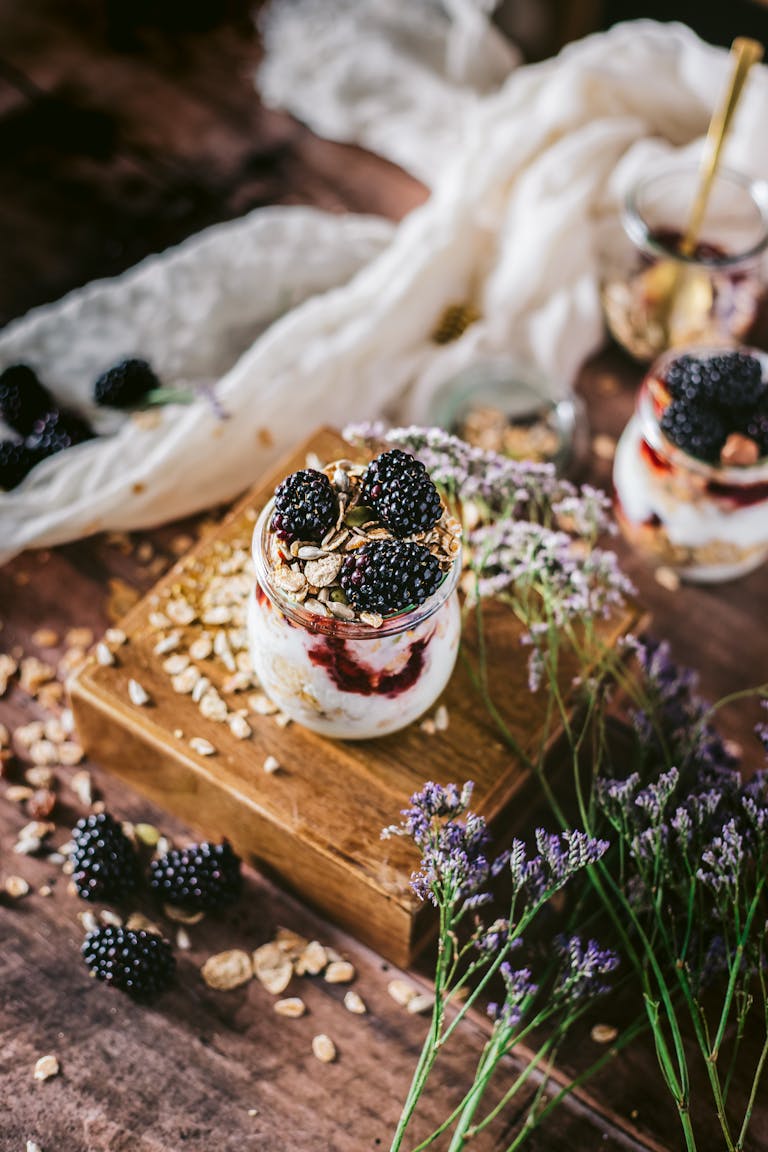
Oats are an especially popular breakfast option and can be customized with toppings like fruit, seeds, and nut butters. While oats do contain compounds that can affect absorption, combining them with vitamin C-rich fruits or cooking them with fortified plant milk can improve iron absorption.
9. Pumpkin seeds
Pumpkin seeds are one of the most iron-rich vegan snack options, with 0.9 mg of iron per ounce (oz). They’re also high in healthy fats, magnesium, and protein, making them a delicious and nutritious addition to your diet.
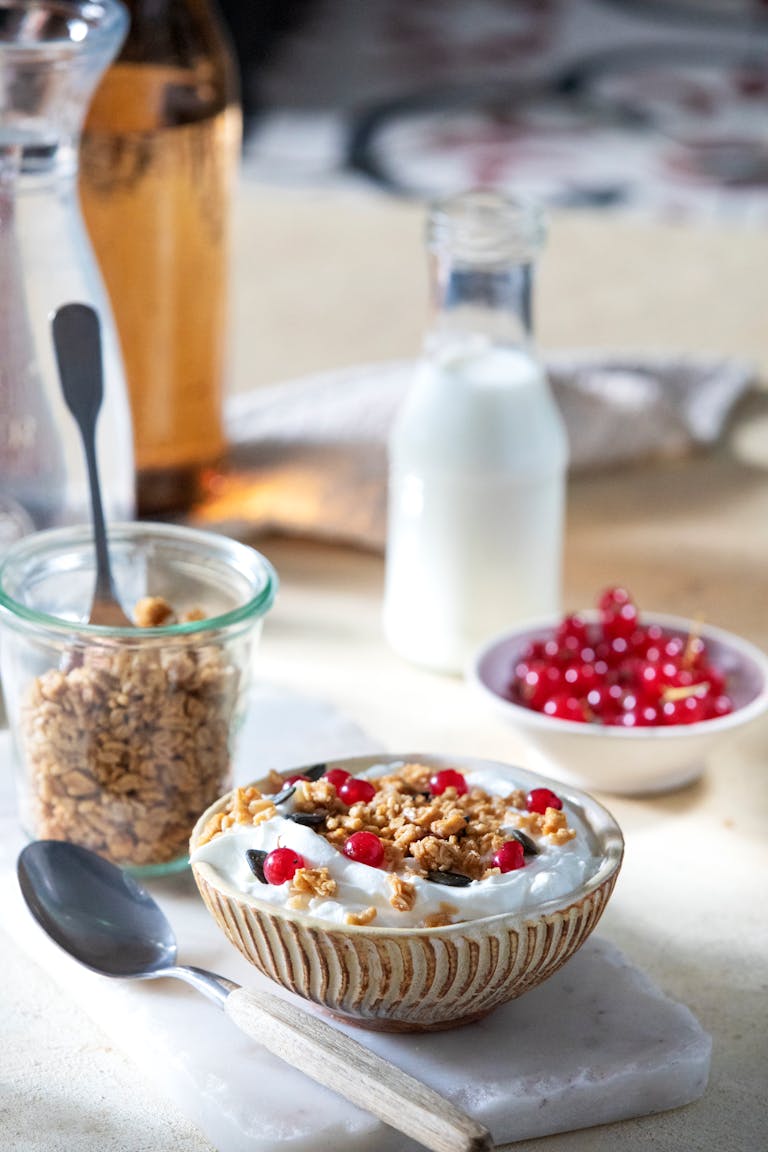
Sprinkle them over salads, yogurt alternatives, and oatmeal, or enjoy them as a snack to give your body a steady supply of iron during the day.
10. Dried apricots
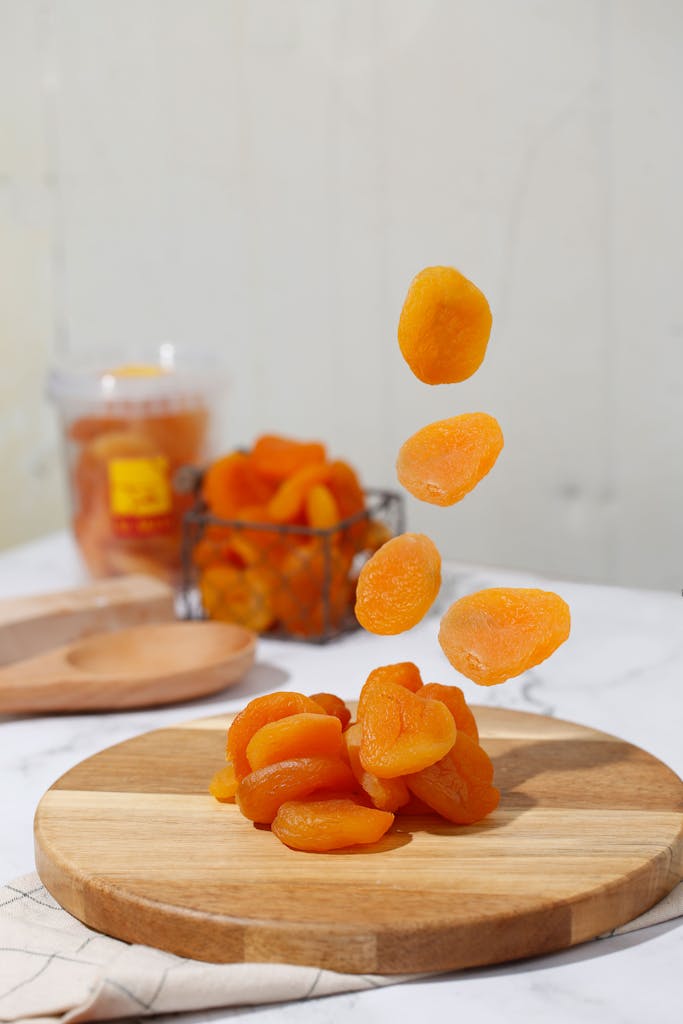
Dried apricots offer a naturally sweet way to increase your iron intake, making them a great option for snacks or toppings. Each serving (about 1/4 cup, or eight halves) provides around 1.1 mg of iron, in addition to potassium, fiber, and antioxidants.
They’re easy to keep on hand and can be used to sweeten up trail mixes, oatmeal, or salads. While their iron content is more moderate, they can still play a helpful role when combined with other iron-rich foods as part of a varied diet.
11. Sesame seeds
Sesame seeds and tahini (a paste made from ground sesame seeds) are both excellent vegan sources of iron with a rich, nutty flavor. In fact, a single tablespoon of dried sesame seeds contains 1.3 mg of iron, plus magnesium, copper, and B vitamins.
Tahini is especially versatile and can be used in dressings, sauces, and spreads. Because seeds are calorie-dense and nutrient-rich, even small amounts can make a big impact on your daily iron intake when enjoyed regularly.
12. Cashews
Each serving of cashews contains a hearty chunk of iron (1.9 mg per ounce), along with healthy fats, protein, and several key minerals.
They make a great snack on their own or can be used in creamy recipes like sauces, dressings, and dairy-free alternatives, such as Cashew Queso.
Comparison table
Here’s a quick look at how the top plant-based iron foods compare, based on the amount of iron they provide per serving and how much of your daily iron needs (aka Daily Value, or % DV) they cover.
| Serving size | Iron content (mg) | % DV | |
|---|---|---|---|
| Instant oats (fortified), cooked | 1 cup | 13.9 | 77% |
| Tofu, firm | 1/2 cup | 3.4 | 19% |
| Spinach, cooked | 1/2 cup | 3.2 | 18% |
| Quinoa, cooked | 1 cup | 2.8 | 16% |
| Chickpeas, cooked | 1/2 cup | 2.4 | 13% |
| Tempeh | 1/2 cup | 2.3 | 13% |
| Cashews | 1 oz | 1.9 | 11% |
| Black beans, cooked | 1/2 cup | 1.8 | 10% |
| Lentils, cooked | 1/2 cup | 1.7 | 9% |
| Rolled oats, dry | 1/2 cup | 1.7 | 9% |
| Sesame seeds, dried | 1 tbsp | 1.3 | 7% |
| Dried apricots | 1/4 cup | 1.1 | 6% |
| Pumpkin seeds, roasted | 1 oz | 0.9 | 5% |
How to absorb more iron from plant foods
Plant-based (non-heme) iron can be a great way to meet your iron needs, but you do need to be a little more strategic to help your body absorb it better.
Here are a few tips to help get you going:
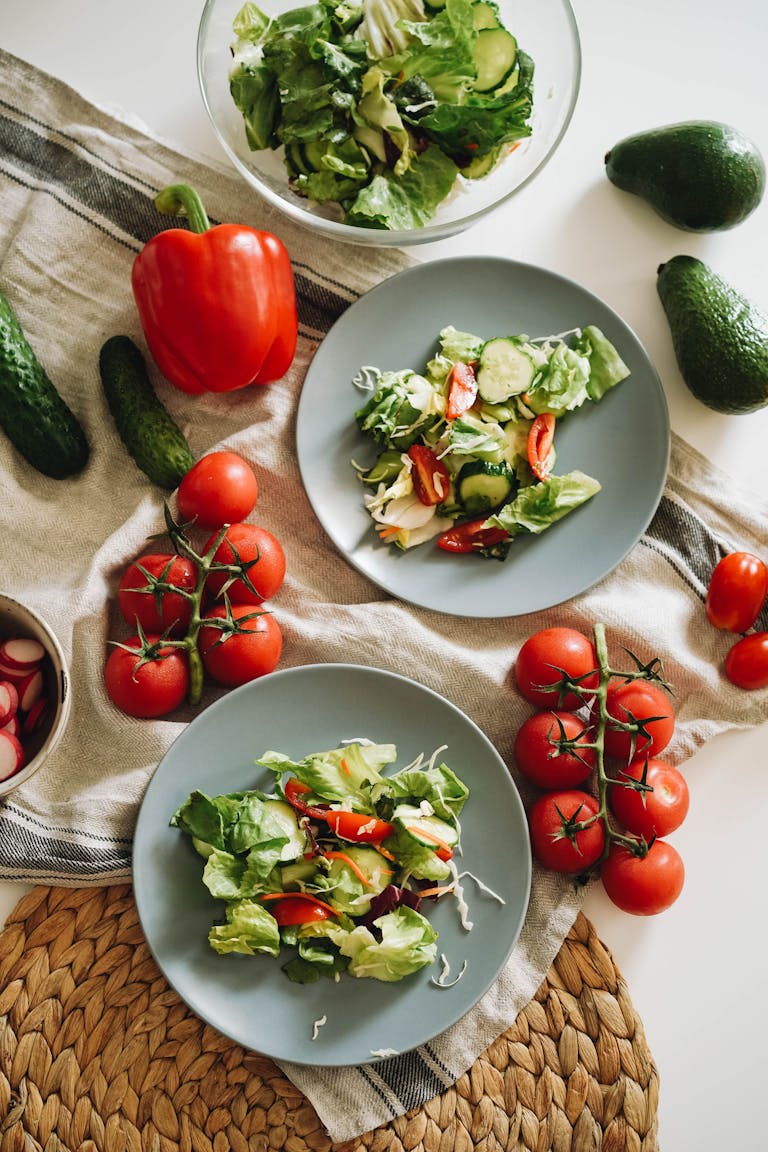
- Pair iron-rich foods with vitamin C: Combine iron-rich foods with vitamin C sources such as citrus, bell peppers, tomatoes, or strawberries to boost absorption.
- Limit iron inhibitors: Try not to consume coffee, tea, or calcium-rich foods at the same time as iron-rich meals, as they can slightly reduce iron absorption.
- Use food prep techniques: Soaking, sprouting, and fermenting beans, legumes, and grains can reduce compounds (like phytates) that may interfere with iron absorption.
- Cook with cast iron: Using cast iron cookware can add small amounts of iron to your food over time, especially with acidic ingredients like tomato-based dishes.
- Focus on variety: Eating a wide range of plant-based foods throughout the day helps ensure you’re getting enough iron, along with other important nutrients.
Sample plant-based meals high in iron
Putting together iron-rich plant-based meals is easier than you might think, especially when you combine iron-rich foods with vitamin C to increase absorption. Here are a few ideas to try out:
- lentil curry with tomatoes and spinach
- tofu stir-fry with broccoli and bell peppers
- chickpea and quinoa salad with lemon dressing
- oatmeal with pumpkin seeds, cashews, and strawberries
- black bean tacos with salsa and avocado
- tempeh grain bowl with roasted vegetables and tahini sauce
Signs of low iron levels
Low iron levels can develop gradually, so symptoms are often easy to miss at first. As levels drop, you may start to notice signs like:
- fatigue
- weakness
- pale or dull skin
- shortness of breath
- brain fog
- headaches
- dizziness
- cold hands and feet
- brittle nails
- thinning hair
- cravings for non-food items, like dirt or ice
These symptoms may be linked to iron deficiency anemia, one of the most common nutrient deficiencies worldwide.
If you’re experiencing several of these signs, it’s worth checking in with a doctor to test your iron levels.
Do you need an iron supplement?
Not everyone needs an iron supplement, and whether you do depends on your diet, symptoms, and (most importantly) your iron levels.
You might need a supplement if you’ve been diagnosed with iron deficiency anemia or have low iron levels on a lab test. It’s also more common for people with higher needs, like pregnant individuals, those with heavy periods, or people following a vegan or vegetarian diet.
However, taking iron when you don’t need it can cause side effects like stomach discomfort or constipation. That’s why it’s best to check with a healthcare provider before starting a supplement.
When in doubt, get your levels tested and consult with a doctor or dietitian for more personalized guidance.
FAQ
More vitamins & minerals

Most Common Nutrient Deficiencies in Women and How to Prevent Them
Do You Need Vitamin D Supplements? Benefits, Deficiency, and Dosage Explained
Does Vitamin C Help Colds? What the Science Actually Says
Does Zinc Help Balance Hormones? A Dietitian Explains
7 Simple Ways to Increase Calcium Intake Without Dairy
12 Potassium-Rich Foods for Blood Pressure: What to Eat for Better Heart Health
9 Easy Ways to Add Magnesium-Rich Foods to Your Diet
Conclusion
Incorporating a variety of plant-based iron foods into your daily diet can help you easily meet your daily iron needs when paired with smart absorption strategies. By combining iron-rich foods with vitamin C, being mindful of iron inhibitors, and building more balanced meals, you can make sure you’re meeting your nutrient needs, no animal products required.