What to Eat on Ozempic as a Vegetarian: A Dietitian’s Guide
Quick summary
If you’ve recently started Ozempic and follow a vegetarian diet, you might be wondering whether you need to change the way you eat. The good news is that you don’t have to give up your favorite plant-based foods. However, because Ozempic suppresses your appetite, it’s more important than ever to be intentional about what you’re putting on your plate.
In this guide, we’ll cover what to eat on Ozempic as a vegetarian, including the best foods to focus on, which foods can worsen side effects, practical tips for meeting your nutrient needs, and a sample meal plan to help you get started.
How Ozempic impacts your nutritional needs
One of the biggest perks of Ozempic is that it can make it much easier to eat less without feeling constantly hungry. But as great as that might sound, there’s also a flip side: when you’re eating smaller portions, every bite counts so much more.
Ozempic works by mimicking a hormone called glucagon-like peptide-1 (GLP-1), which slows down the emptying of your stomach, increases feelings of fullness, and reduces your appetite. While these effects can lead to weight loss, they can also make it a lot harder to eat enough protein, fiber, vitamins, and minerals, especially on a vegetarian diet.
Many people start skipping meals, feeling full after just a few bites, or losing interest in foods they used to enjoy. That’s totally normal, but it also means that it’s a lot easier to fall short on important nutrients needed to preserve muscle, keep energy levels up, and ensure your body is functioning at its best.
Paying closer attention to a few key nutrients can help ensure you’re meeting your needs, even when you’re eating less. It can also help you stay fuller for longer, maintain muscle while losing weight, and feel your best throughout your Ozempic journey.
Nutrients to focus on
When your appetite shrinks, it becomes especially important to prioritize foods that pack a lot of nutrients into relatively small portions. Here are a few nutrients vegetarians taking Ozempic should pay extra attention to.
Protein
Protein should be at the top of your list while taking Ozempic, especially if you’re a vegetarian or vegan.
Eating enough protein helps preserve muscle mass as you lose weight and keeps you feeling full between meals.
Because Ozempic often leads to smaller meals, try to include a solid source of protein every time you eat rather than trying to squeeze in all the protein you need at dinner.
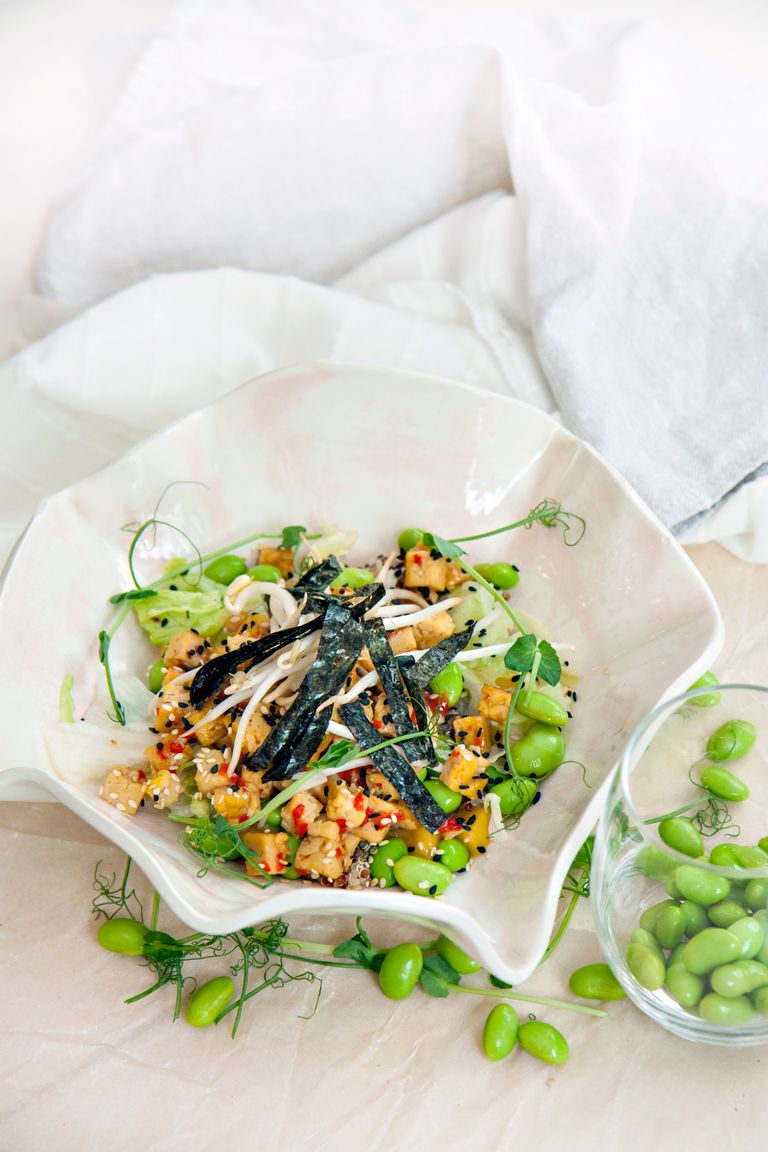
Some of the best vegetarian protein sources include tofu, tempeh, legumes, and dairy products.
Fiber
Fiber is another nutrient to prioritize. It promotes gut health, improves satiety, balances blood sugar levels, and helps lower cholesterol.
To make sure you’re meeting your needs, aim to include plenty of fruits, veggies, beans, lentils, whole grains, nuts, and seeds in your meals and snacks.
If you’re just starting Ozempic and experiencing nausea or digestive issues, it might help to increase your fiber intake gradually and drink plenty of water throughout the day.
Healthy fats
Healthy fats provide essential nutrients and boost the absorption of fat-soluble nutrients like vitamins A, D, E, and K. They’re also satisfying, which can help make smaller meals feel much more filling.
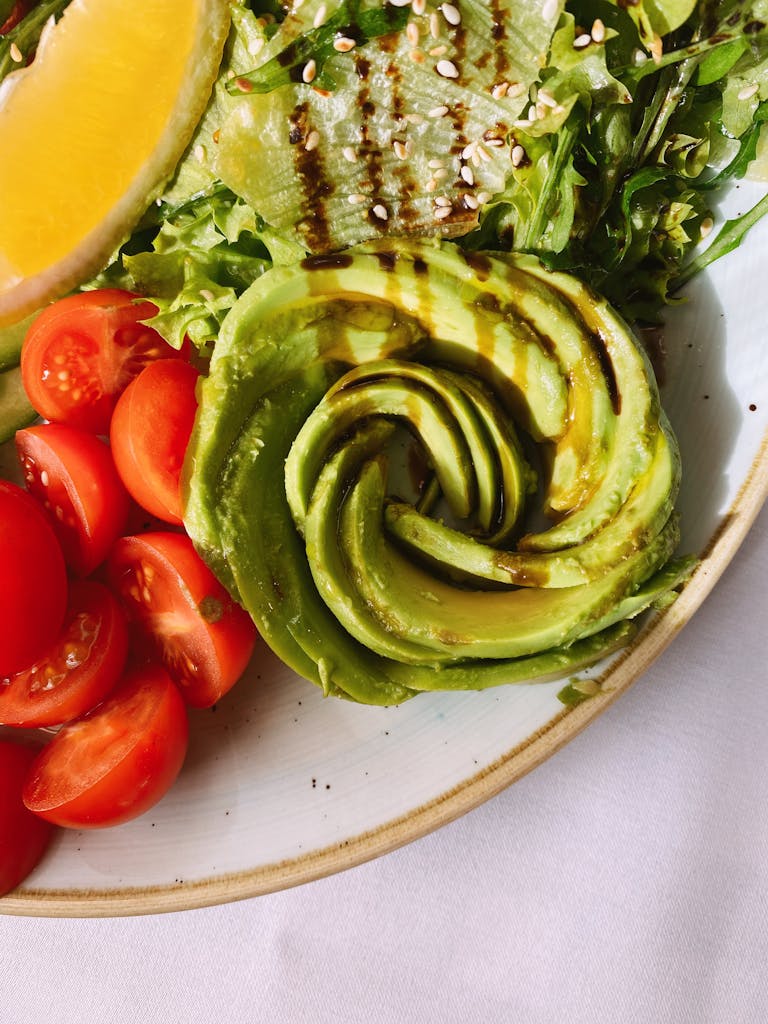
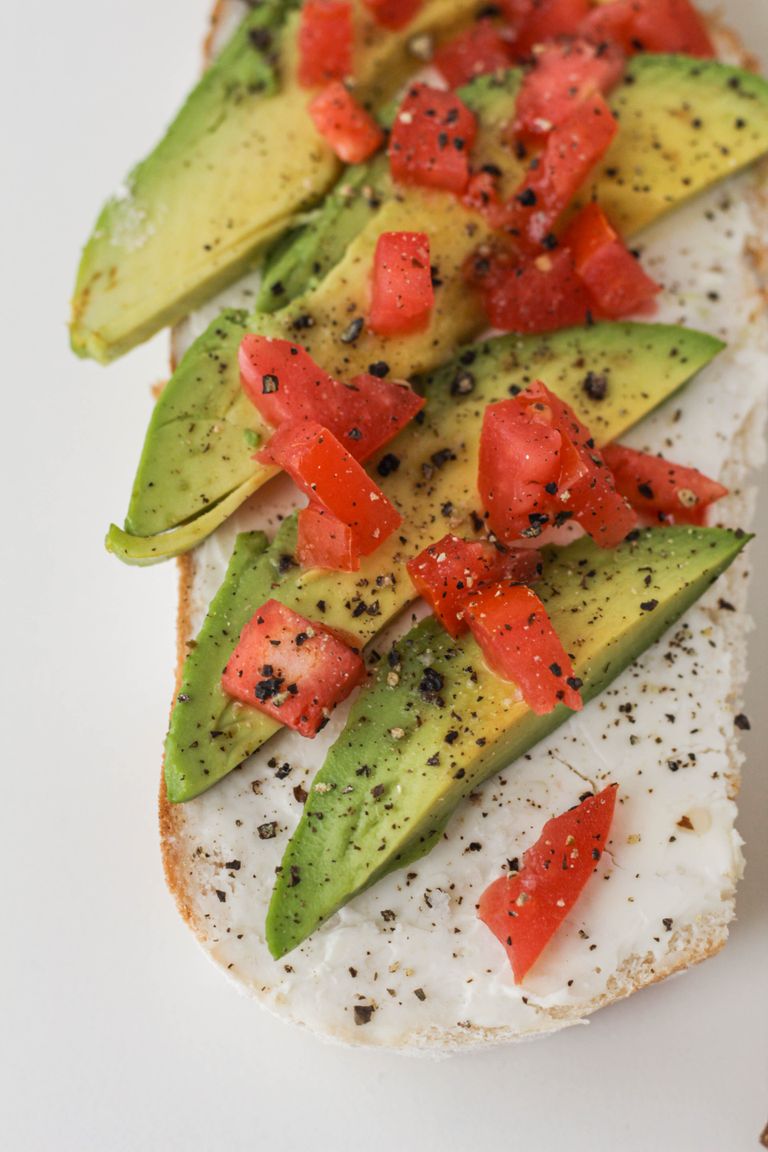
Foods like avocados, nuts, seeds, olive oil, and nut butters are all great options.
Just keep portions reasonable, as large amounts of high-fat foods can sometimes worsen nausea or stomach discomfort on Ozempic.
Iron
Iron helps carry oxygen throughout your body and plays an important role in energy production.
Vegetarians (and especially vegetarian women) are at a greater risk of iron deficiency anemia. This is because plant foods contain non-heme iron, a form of iron that isn’t absorbed as efficiently as the iron found in meat.
Good vegetarian sources of iron include lentils, beans, tofu, pumpkin seeds, fortified cereals, and spinach. Pairing these foods with a source of vitamin C (like strawberries, bell peppers, citrus fruits, or tomatoes) can help enhance iron absorption even more.
Vitamin B12
Vitamin B12 helps maintain nerve health, promote red blood cell production, and support energy metabolism.
Because it’s naturally found almost exclusively in animal foods, vegetarians and vegans may need to rely on fortified foods or supplements to meet their needs.
Plant-based milks, cereals, and nutritional yeast are a few examples of foods often fortified with vitamin B12. However, not all brands are fortified, so be sure to double-check the label to confirm.
Calcium and vitamin D
Calcium and vitamin D work together to keep your bones and teeth healthy and strong.
Because weight loss can take a toll on your bone health over time, it’s crucial to make sure you’re getting enough of both.
Dairy products, fortified plant milks, fortified yogurt alternatives, calcium-set tofu, and certain leafy greens can all help boost your calcium intake.
Vitamin D is found in fortified foods, fatty fish, and egg yolks, but many people also benefit from a vitamin D supplement.
Stay in the loop!
Healthy eating tips & recipes delivered directly to your inbox
Best vegetarian foods to eat on Ozempic
When you’re taking Ozempic, make sure you’re prioritizing foods rich in protein, fiber, vitamins, and minerals to help you stay full, preserve muscle, and meet your nutrient needs.
Here are some of the best vegetarian foods to add to your plate.
High-protein foods
Protein should be at the center of most of your meals and snacks. A few great vegetarian sources of protein include:
- yogurt
- cottage cheese
- eggs
- tofu
- tempeh
- edamame
- seitan
- beans
- chickpeas
- lentils
- high-protein pasta
- soy milk
- protein shakes or smoothies
Fruit
Fruit provides fiber, vitamins, minerals, and antioxidants. As an added bonus, it’s also low in calories and can be a nutritious way to satisfy your sweet tooth. Great options include:
- blueberries
- apples
- pears
- oranges
- strawberries
- kiwi
- grapes
- bananas
- pineapple
- peaches
- apricots
Vegetables
Vegetables are packed with nutrients and fiber for very few calories. Top picks include:
- leafy greens
- broccoli
- cauliflower
- bell peppers
- carrots
- zucchini
- cabbage
- Brussels sprouts
- green beans
- mushrooms
If Ozempic makes raw veggies hard to tolerate, try roasting, steaming, or sautéing them instead.
Whole grains
Whole grains provide fiber and other important nutrients, like iron and B vitamins. Pair whole grains with a solid source of protein and healthy fats to create a more balanced meal. Examples of whole grains include:
- oats
- quinoa
- brown rice
- farro
- barley
- whole-wheat bread
- whole-wheat pasta
Healthy fats
Healthy fats help make your meals more satisfying, keep your heart and brain healthy, and boost your ability to absorb fat-soluble vitamins like vitamins A, D, E, and K. A few healthy fats include:
- avocados
- almonds
- walnuts
- pistachios
- chia seeds
- hemp seeds
- nut butters
- olive oil
- ground flaxseeds
Because high-fat meals can worsen digestive issues like nausea for some people taking Ozempic, keep your portion sizes in check rather than loading up on fatty foods.
Convenience foods
Some days, cooking just isn’t happening, and that’s totally fine. Keeping a few nutritious convenience foods on hand can make it much easier to hit your protein and nutrient goals. Stock your kitchen with items like:
- Greek yogurt
- cottage cheese
- frozen veggies
- shelled edamame
- canned beans or lentils
- pre-cooked quinoa or brown rice
- bagged salad kits
- hard-boiled eggs
- protein shakes
- hummus
- pre-cut vegetables
- cheese sticks
Foods to limit on Ozempic
No foods are officially off-limits when you’re taking Ozempic. In fact, you can still enjoy all of your favorite foods in moderation.
That said, certain foods are more likely to trigger unpleasant side effects like nausea, bloating, heartburn, or stomach discomfort, especially when you’re first starting the medication or increasing your dose.
Others can fill you up quickly without providing much protein, fiber, or other nutrients, making it harder to meet your nutritional needs when you’re already eating less.
Here are a few foods you may want to limit, especially if they’re not sitting well with you:
- Fried or greasy foods: French fries, onion rings, fried appetizers, greasy fast food, and other heavily fried foods can be harder to digest and can worsen issues like nausea or bloating.
- Large meals: Because Ozempic slows the emptying of your stomach, oversized portions can leave you feeling overly full or uncomfortable.
- High-fat meals: Heavy cream sauces, extra-cheesy dishes, large amounts of butter, and oversized portions of pizza might worsen digestive side effects for some.
- Sugary foods and drinks: Candy, pastries, cookies, cakes, soda, sweet tea, energy drinks, and other sugary beverages can fill you up without providing much protein, fiber, or other essential nutrients.
- Alcohol: Beer, wine, and liquor could increase the risk of dehydration and worsen nausea or stomach irritation.
- Carbonated beverages: Soda, sparkling water, kombucha, and other fizzy drinks may increase bloating, gas, and feelings of fullness.
- Spicy foods: Personal tolerance varies, but hot peppers, spicy curries, buffalo sauce, hot salsa, and other spicy dishes could aggravate nausea, heartburn, or acid reflux in some people.
Sample vegetarian Ozempic meal plan
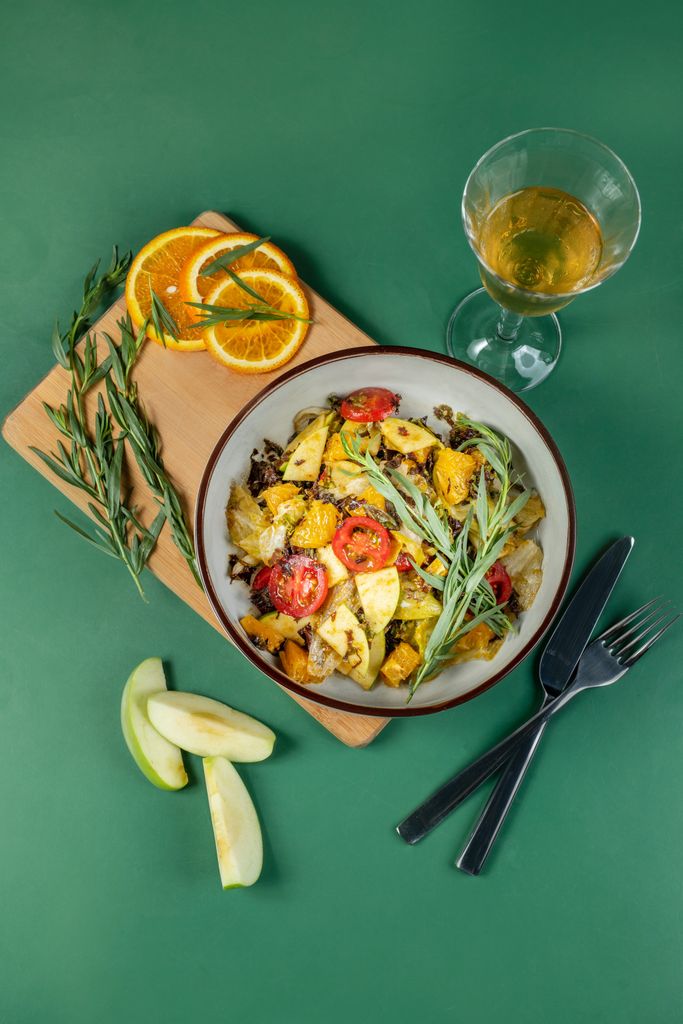
If you’re wondering what a day of eating on Ozempic might look like, here’s a practical example. Each day includes plenty of plant-based protein, fiber, healthy fats, and colorful fruits and veggies to help you stay full while meeting your nutrition needs.
Day 1
- Breakfast: Spinach, Feta, and Egg White Wrap with fruit salad
- Lunch: quinoa bowl with roasted veggies, baked tofu, avocado, and a lemon-tahini dressing
- Dinner: Smoky Southwest Chipotle Bowls
- Snacks: cottage cheese with pineapple, roasted edamame, or an apple with peanut butter
Day 2
- Breakfast: oatmeal made with soy milk, walnuts, blueberries, and ground flaxseed
- Lunch: Teriyaki Tofu Quinoa Bowls
- Dinner: Vegan Orange Chicken with broccoli, mushrooms, snap peas, and brown rice
- Snacks: hard-boiled eggs, a protein shake, or carrots with hummus
Day 3
- Breakfast: Southwest Tofu Scramble served with whole-wheat toast
- Lunch: lentil and vegetable salad with feta, cucumbers, tomatoes, olives, and a simple olive oil vinaigrette
- Dinner: Black Bean Quinoa Burger with sweet potato wedges
- Snacks: Greek yogurt, mixed nuts, fresh fruit, or cottage cheese with sliced peaches
Tips for healthy eating on Ozempic
When you’re taking Ozempic, how you eat can be just as important as what you eat. Healthy habits can help you get the nutrients you need while minimizing common side effects like nausea. Here are some quick tips:
- Put protein first: Because your appetite is likely a little smaller on Ozempic, try eating your protein source first at each meal. This can help you meet your protein needs before you get too full to finish your plate.
- Stick to small, frequent meals: Large meals can leave you feeling uncomfortable, especially since Ozempic slows stomach emptying. If you’re not hungry enough for three large meals, try eating smaller meals or snacks spaced every 3-4 hours instead.
- Slow down: Eating too quickly can make nausea and fullness worse. Slow down, chew your food well, and give your body more time to recognize when you’re satisfied.
- Stay hydrated: A decreased appetite sometimes means people drink less, too. Aim to sip water throughout the day to stay hydrated, promote healthy digestion, and prevent constipation.
- Don’t skip meals: Even if you’re not hungry, going too long without eating can make it harder to meet your nutrient needs and may leave you feeling low on energy. Try having a small, balanced snack if you can’t manage a full meal.
- Keep convenient options on hand: On days when cooking feels like too much, reach for easy options like Greek yogurt, cottage cheese, protein shakes, frozen veggies, canned beans, shelled edamame, or pre-cooked grains to make healthy eating easier.
- Listen to your body: Everyone responds to Ozempic differently. If certain foods consistently trigger nausea, bloating, or heartburn, don’t be afraid to adjust your meals. Finding what works best for your body is often a process of trial and error.
- Talk to a doctor: If you’re struggling to eat enough, losing weight too quickly, or experiencing persistent side effects, let your healthcare provider know. They can help determine whether your treatment plan or diet needs to be adjusted.
High-protein vegetarian recipes
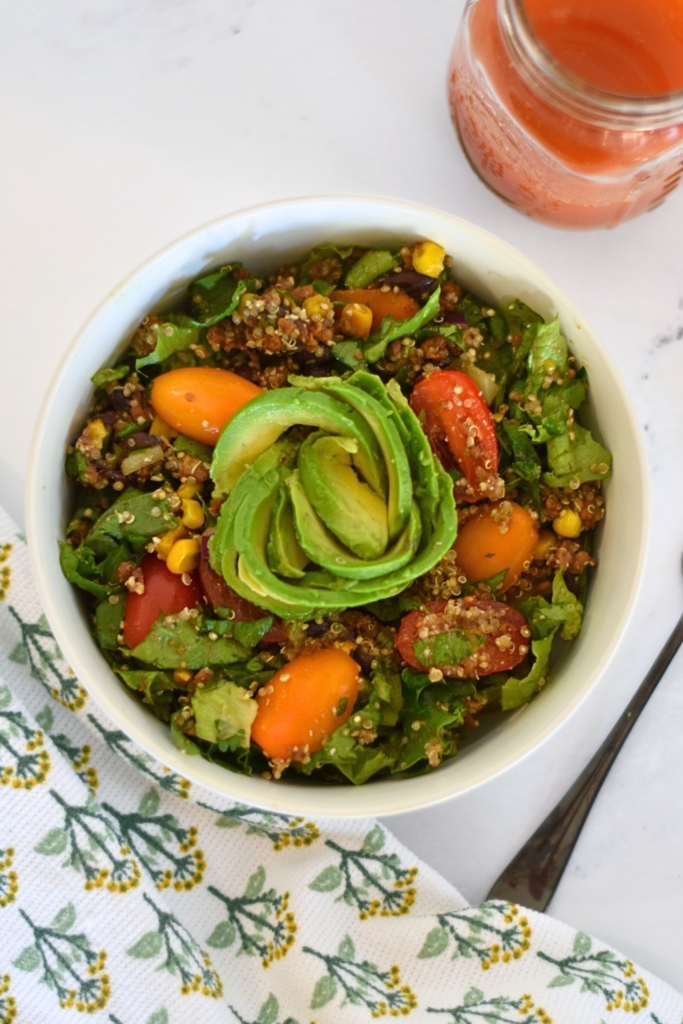
Avocado Quinoa Superfood Salad (Mendocino Farms Copycat)
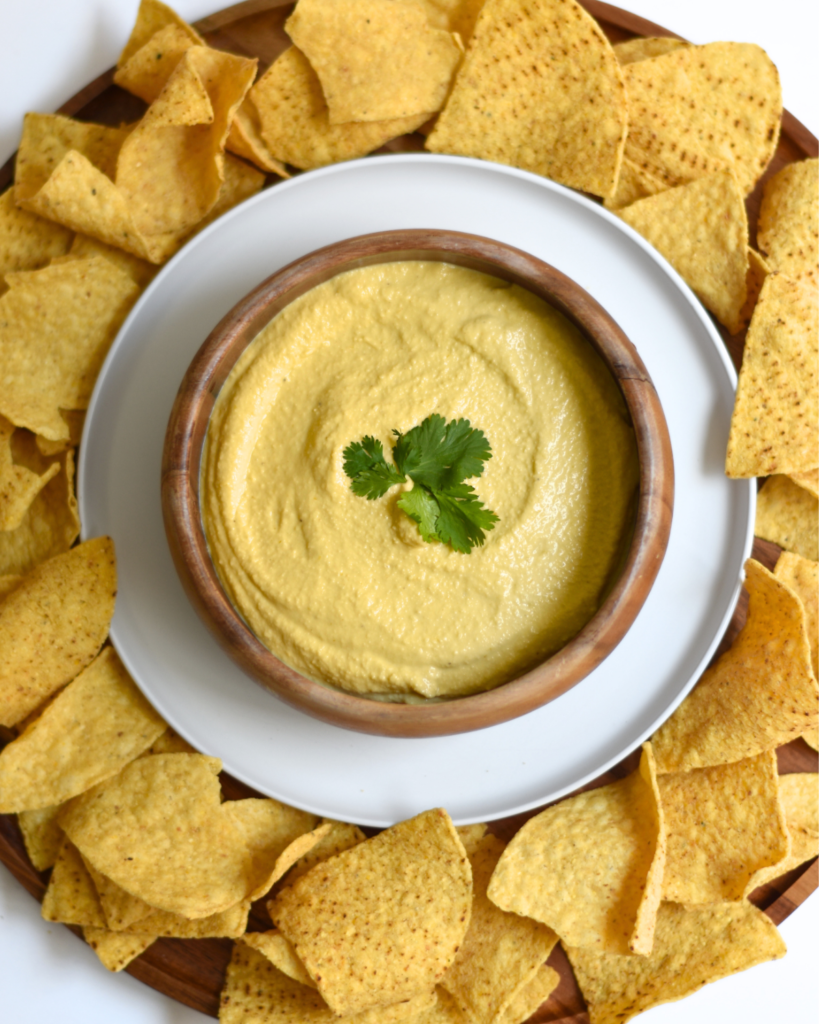
Vegan Cashew Queso
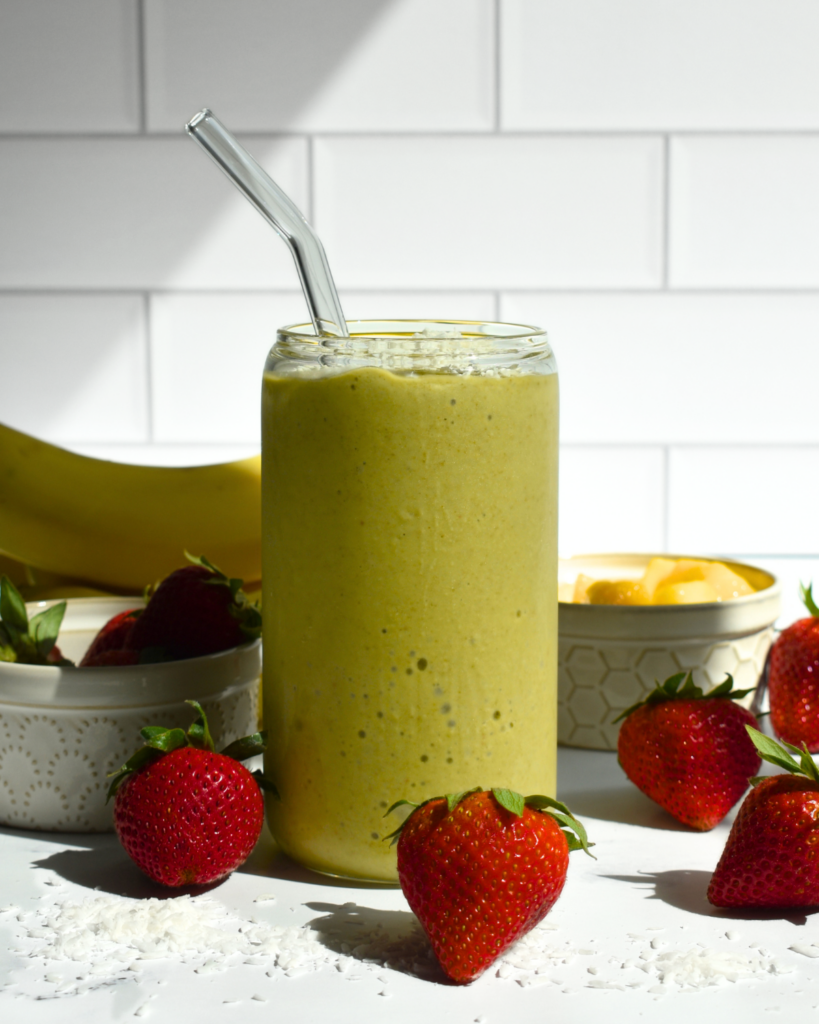
High-Fiber Tropical Smoothie
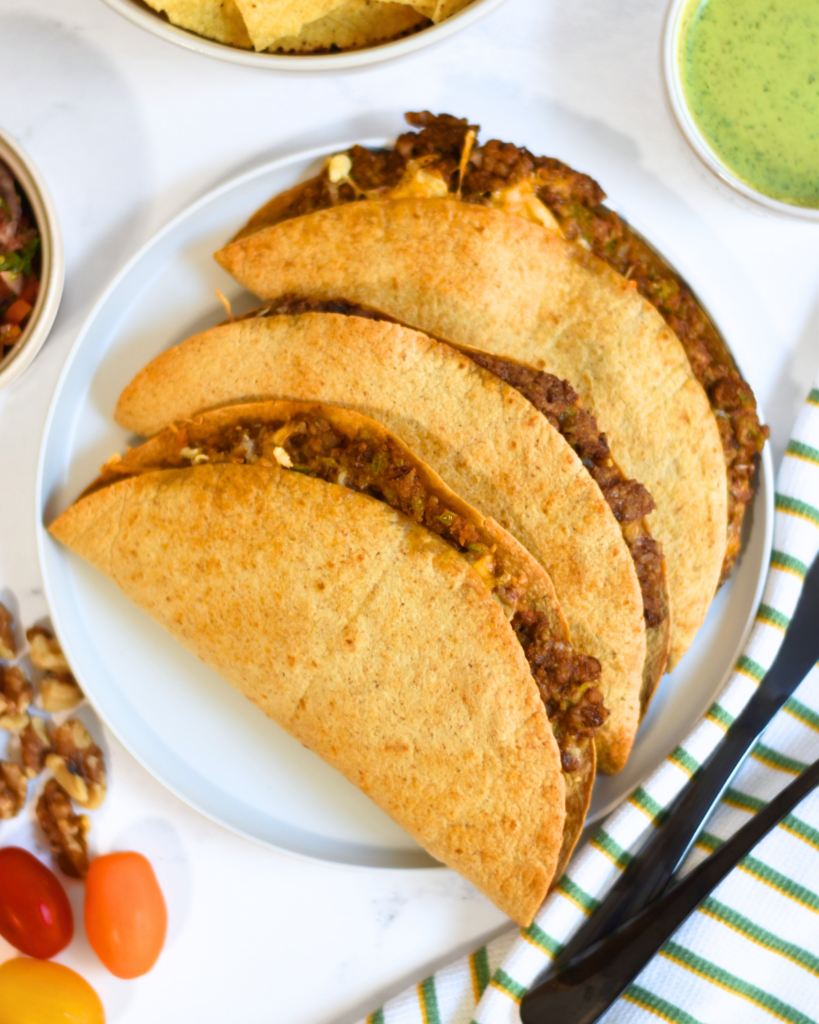
Cheesy Walnut Lentil Baked Tacos
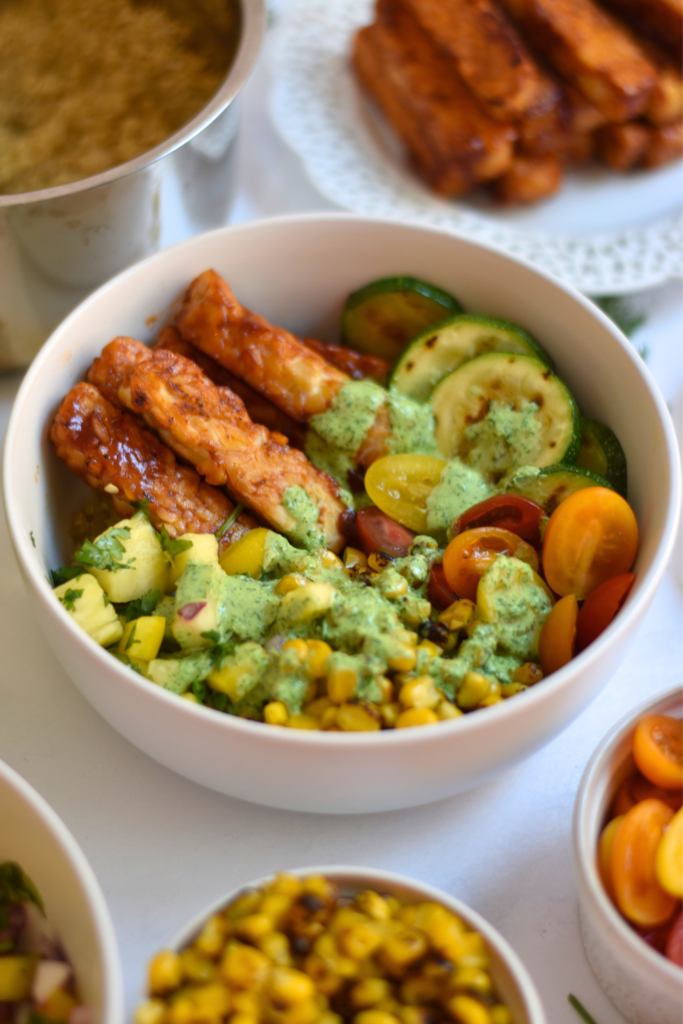
BBQ Tempeh Bowls with Grilled Zucchini and Pineapple Salsa
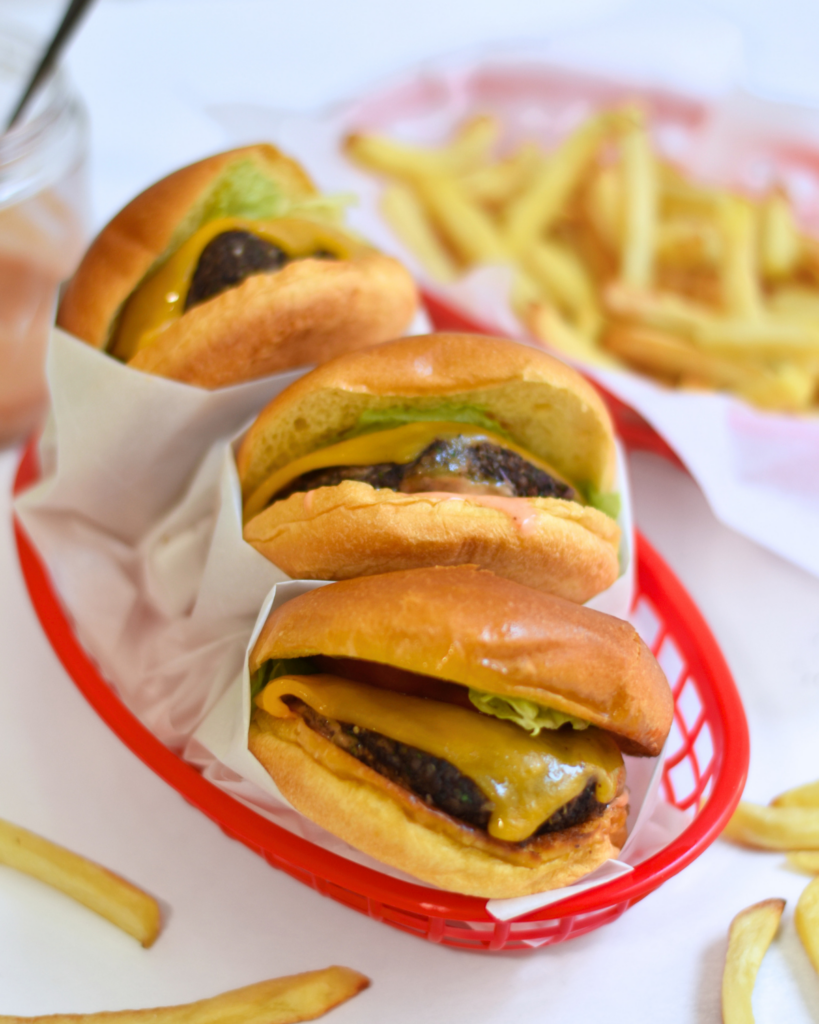
Copycat In-N-Out Veggie Burgers
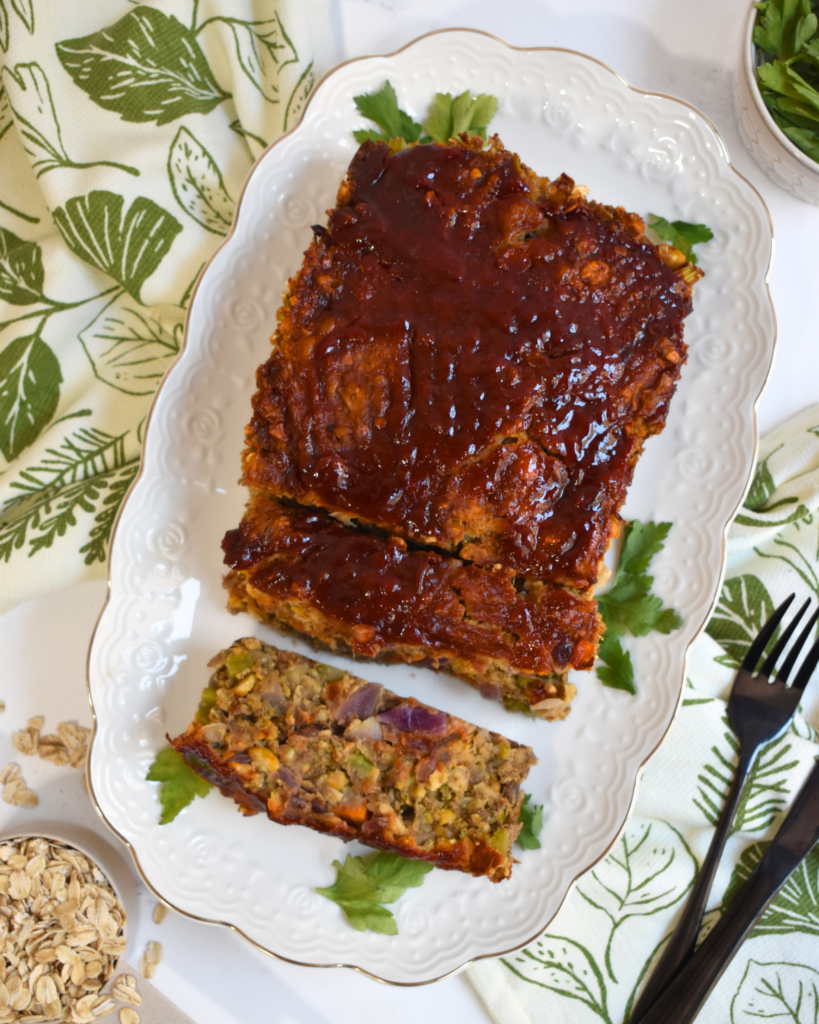
Lentil Chickpea Veggie Loaf
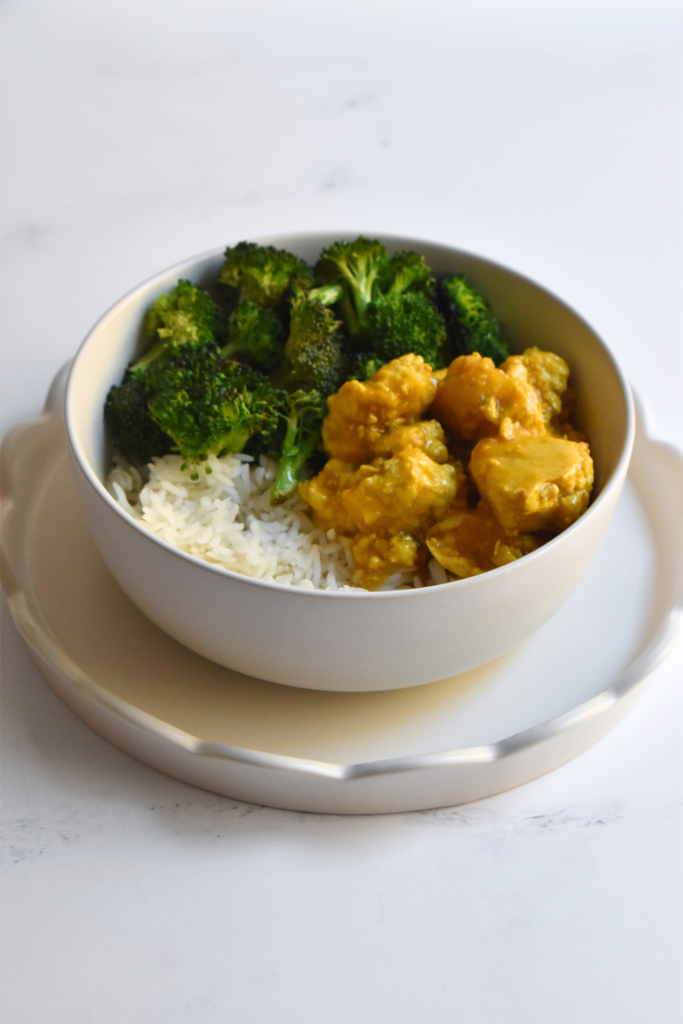
High-Protein Vegan Orange Chicken
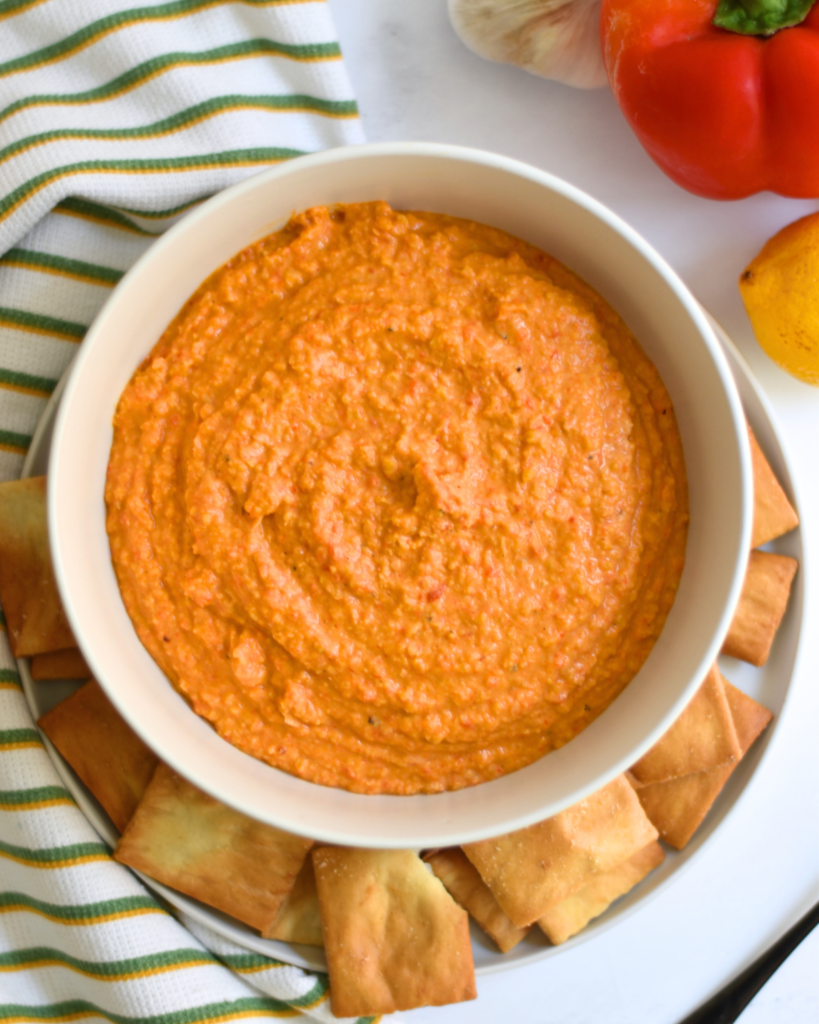
Easy Roasted Red Pepper Hummus
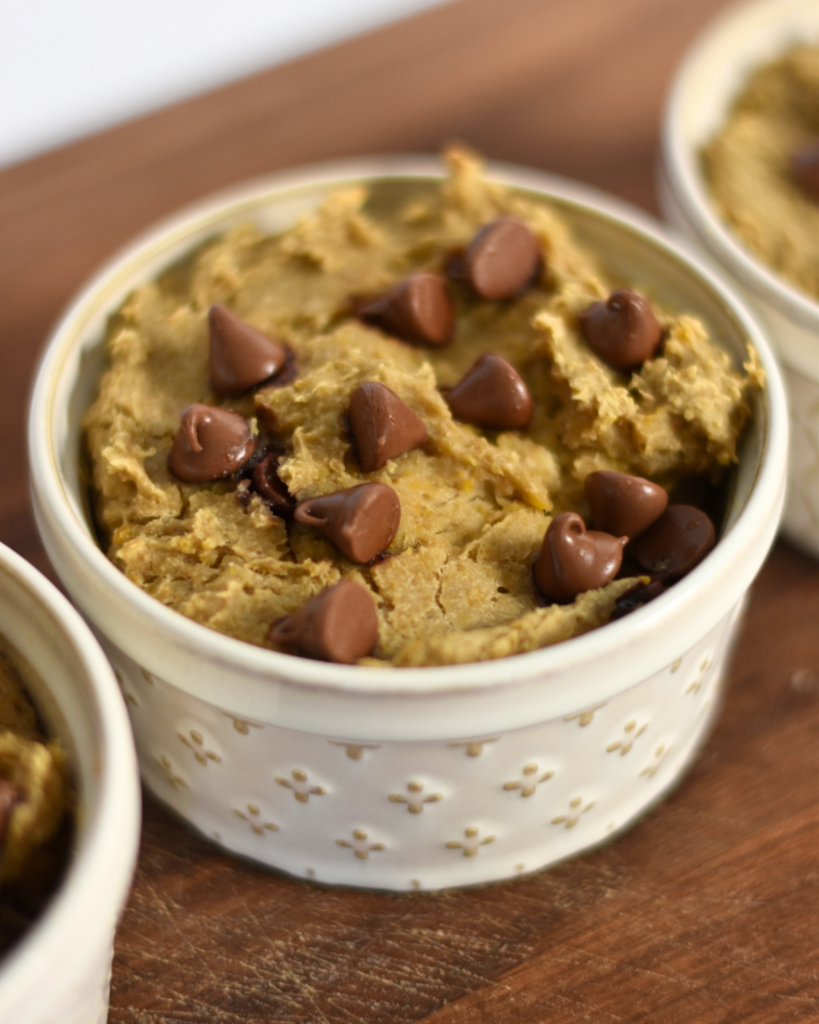
Chickpea Cookie Cups
How to make sure you eat enough protein
Getting enough protein can be challenging when Ozempic curbs your appetite, but a few simple strategies can make a big difference.
- Aim to include protein at every meal and snack: Eating smaller amounts throughout the day is often easier than trying to fit all of your protein in a single meal.
- Choose higher-protein versions of your favorite foods: Swap regular yogurt for Greek yogurt, use high-protein chickpea pasta instead of traditional pasta, or choose soy milk over lower-protein plant milks.
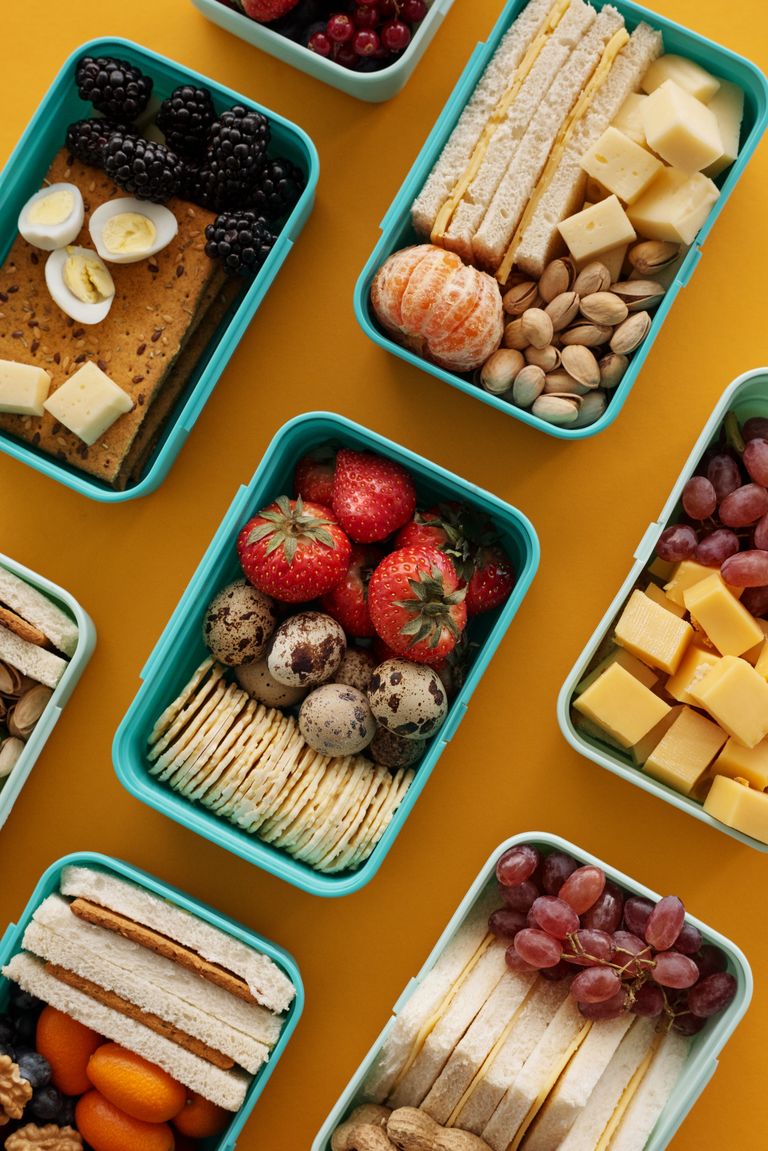
- Keep quick protein sources on hand: Cottage cheese, hard-boiled eggs, edamame, roasted chickpeas, protein shakes, and string cheese are all easy grab-and-go options!
- Add extra protein to the foods you’re already eating: Stir Greek yogurt into your oatmeal, blend silken tofu into a smoothie, sprinkle hemp seeds over salads, or add beans or lentils to soups and pasta dishes for a quick protein boost.
- Drink your protein if eating feels difficult: A protein shake, smoothie, or clear protein drink can be an easy way to boost your intake when your appetite is low or you’re feeling nauseous.
- Consider meeting with a registered dietitian: If you’re struggling to eat enough protein or losing weight too quickly, a dietitian can help you create a personalized eating plan that fits your needs.
FAQ
More GLP-1 resources

Do GLP-1s Cause Muscle Loss? Here’s What Research Says
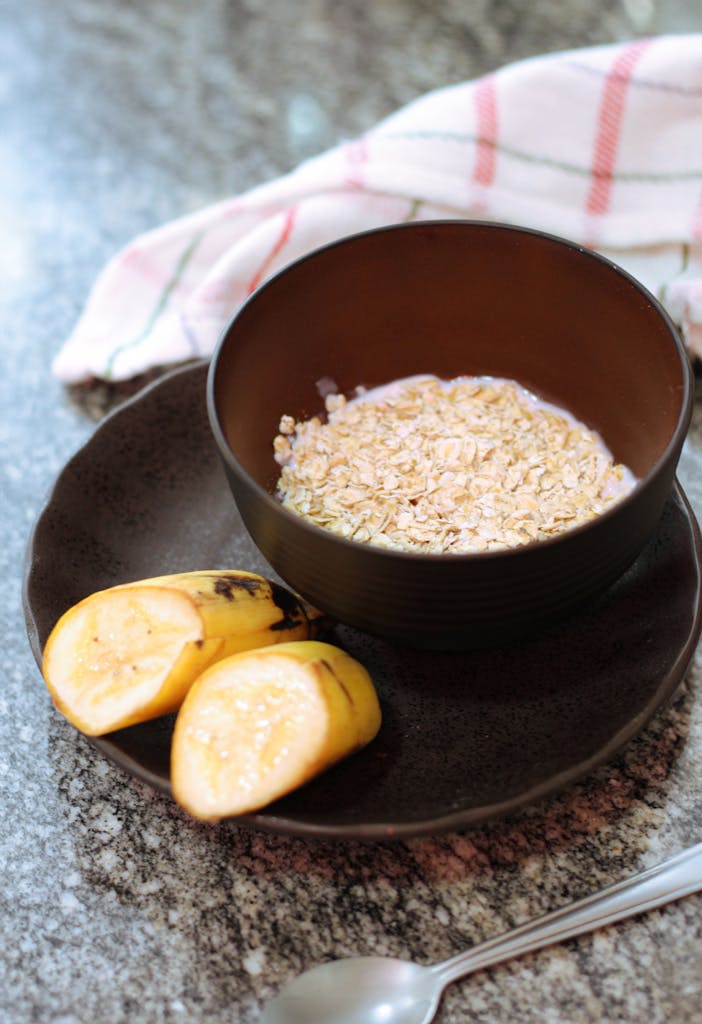
Top Foods to Eat For Nausea on GLP-1 Drugs
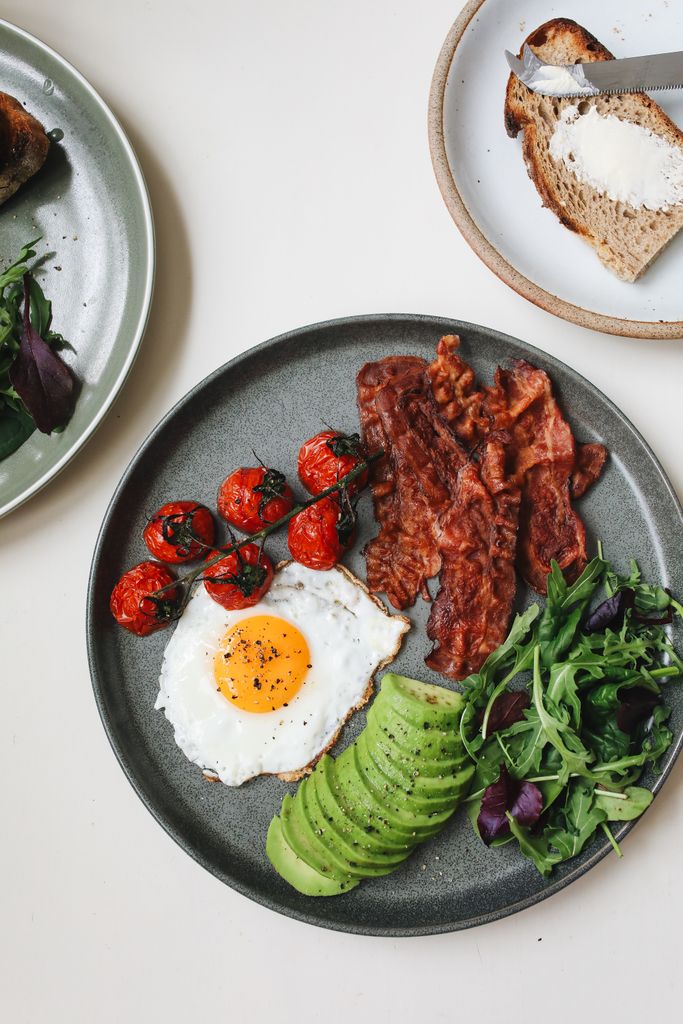
How to Get Enough Protein on Ozempic: Tips and Meal Ideas
How to Get Enough Protein on Mounjaro: A Dietitian’s Guide

Why You’re Not Losing Weight on GLP-1 Medications: Common Nutrition Mistakes (and What to Do Instead)
GLP-1 Diet: A Dietitian’s Guide to Foods, Meal Plans, and Recipes
How to Eat More Protein on Wegovy When You’re Not Hungry
Conclusion
Whether you’re new to Ozempic or have been taking it for a while, a well-balanced vegetarian diet can help you feel your best while supporting healthy weight loss.
By focusing on protein, fiber, healthy fats, and other nutrient-dense foods, you can meet your nutritional needs, manage common side effects, and build eating habits that are sustainable long after you reach your goals.