Why You’re Not Losing Weight on GLP-1 Medications: Common Nutrition Mistakes (and What to Do Instead)
Quick summary
GLP-1 medications like Ozempic can be incredibly effective, but they’re also not magic. Nutrition and lifestyle habits still play a major role, and there are several common mistakes that could be holding you back from seeing progress. In this article, we’ll break down the most common nutrition pitfalls on GLP-1s and what you can do instead to get back on track.
How do GLP-1 medications help with weight loss?
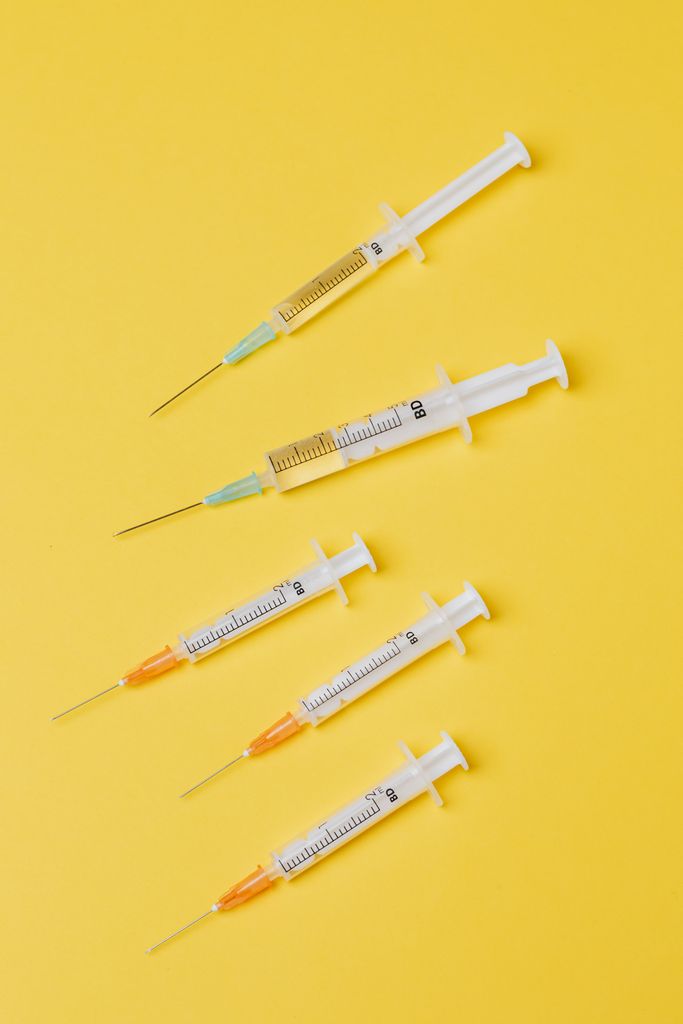
GLP-1 medications like Ozempic and Wegovy work by tapping into your body’s natural hunger and fullness signals to help you eat less without constantly feeling like you’re dieting.
More specifically, they can boost weight loss by:
- Reducing appetite: GLP-1 medications act on areas of the brain that regulate hunger, helping to keep your appetite in check.
- Increasing feelings of fullness: These medications help you feel satisfied and stay full longer after eating.
- Slowing down digestion: GLP-1s slow how quickly food leaves your stomach, which helps prolong that feeling of fullness after meals.
- Curbing cravings: Many people notice fewer cravings for high-sugar or highly processed foods.
But while GLP-1 meds can help curb your appetite, they don’t automatically guarantee weight loss. At the end of the day, your food choices and overall diet still matter, especially for preserving muscle and pushing past plateaus.
Nutrition mistakes that can stall weight loss
If you’re not losing weight on your GLP-1, the issue may not be the medication itself, but a few common nutrition mistakes that can stall your progress. Here are some possible issues.
1. Eating too little
It might sound counterintuitive, but eating too little is one of the most common reasons for not losing weight on GLP-1 drugs like Zepbound or Mounjaro.
Because these medications significantly reduce your appetite, it’s easy to unintentionally undereat, sometimes way below what your body actually needs.
When you consistently eat too little, your body adapts by slowing down your metabolism and prioritizing essential functions over fat loss.
This can make weight loss stall or slow down over time. You might also experience fatigue, nutrient deficiencies, and even muscle loss, all of which can take a toll on your metabolism and weight loss efforts.
2. Not getting enough protein
Another reason you may not be losing weight on GLP-1 meds like Wegovy is simply not getting enough protein.
This is because it’s easy to fill up quickly and fall short on protein on these medications, especially if you’re also eating smaller portions.
Protein is essential for weight loss because it helps preserve lean muscle mass, increases feelings of fullness, and keeps your metabolism running at full capacity.
When protein intake is too low, your body may lose muscle along with fat, which can slow down your metabolism and make it harder to lose weight.
3. Skipping meals
Skipping meals can be tempting when you’re taking GLP-1 medications, especially when your appetite is low or you’re feeling nauseous, which can be a common side effect.
But even though skipping meals might seem harmless (or even helpful for weight loss), consistently forgoing food can actually backfire.
In fact, it can lead to low energy, nutrient gaps, and even make it harder to meet your protein needs for the day.
Over time, this can slow your metabolism and increase the risk of muscle loss, both of which can stall weight loss progress.
4. Relying on less nutritious foods
Even though your appetite is lower, choosing foods that are lacking important nutrients like protein and fiber might leave you feeling less satisfied, which could be a reason why your weight loss has stalled.
As a result, you may end up grazing or missing out on nutrients that can help promote weight loss.
5. Missing out on fiber
Fiber plays an important role in weight loss because it helps keep you full, supports healthy digestion, and balances blood sugar levels.
If you’re not getting enough fiber, you may not feel full after meals, which can make it harder to stay consistent with healthy eating habits.
Low fiber intake can also contribute to constipation, which is a common side effect of GLP-1 medications that can make you feel bloated or stalled.
6. Dehydration
Because GLP-1 medications can lower your appetite and sometimes even thirst cues, remembering to drink enough water during the day can be tricky.
When you’re dehydrated, your body might mistake thirst for hunger, leading to unnecessary snacking or confusion around your true hunger signals.
7. Ignoring side effects
Common GLP-1 side effects like nausea, bloating, constipation, or fatigue can all make it harder to eat well, stay consistent, and meet your nutrition needs.
For example, if you’re feeling nauseous, you might skip meals or stick to a very limited range of foods. If you’re dealing with constipation, you may feel bloated and uncomfortable, which can impact your appetite and motivation to eat balanced meals.
Over time, these patterns can translate to too little protein, low fiber intake, and overall poor nutrition, all of which are crucial factors for weight loss.
8. Drinking extra calories
Even though your appetite for food may be lower, liquid calories can still add up quickly, especially if you’re regularly sipping smoothies, sugary coffee drinks, juices, or other sweetened beverages.
Because these drinks don’t always feel as filling as whole foods, it’s easy to consume a large number of calories without noticing much of an impact on fullness.
This can cause your daily calorie intake to creep up, potentially slowing or stalling weight loss.
9. Expecting your medications to do all the work
While GLP-1s can be powerful tools to reduce your appetite and boost weight loss, they aren’t a quick-fix or a replacement for a well-rounded diet and healthy lifestyle.
If these other healthy habits aren’t in place, it’s almost certain you’ll hit a plateau with your weight loss eventually.
Stay in the loop!
HEALTHY EATING TIPS & RECIPES delivered directly TO YOUR INBOX
Other reasons you might not be losing weight
If you’re not losing weight on GLP-1 medications like Wegovy or Ozempic, your diet might not be the only factor at play.
One important consideration is your medication dosing and timing. If you’re still early in treatment or not yet at a therapeutic dose, you might not see full effects on appetite and weight loss. Similarly, inconsistent use can impact how well your medication works.
Other lifestyle factors matter, too. Sleep and stress can significantly affect hormones that regulate hunger, cravings, and fat storage. Poor sleep or chronic stress may make it harder for your body to lose weight, even when your diet is on track.
Certain medical conditions or medications can also influence weight loss, including thyroid issues, insulin resistance, or medications that affect appetite or metabolism. In these cases, your weight loss may be slower or require a more tailored approach.
What to do if you hit a plateau
Plateaus are completely normal during weight loss. However, they can also be a signal that you might need to make a small tweak to your diet or an adjustment to your daily routine.
If you’ve hit a plateau while taking GLP-1 medications, here are some simple steps to take:
- Reassess your protein intake: Make sure you’re getting enough protein throughout the day to support muscle maintenance and satiety. Even small increases can help restart progress.
- Check your calorie intake: If you’ve been undereating for too long, your body may adapt. On the flip side, hidden calories can add up fast, especially from snacks or beverages.
- Prioritize sleep and stress management: Poor sleep and high stress can impact hunger hormones and make weight loss more difficult. Stick to a routine that supports recovery and balance and try stress-relieving practices like meditation, yoga, or journaling.
- Check in with a healthcare professional: If your weight loss has stalled for an extended period, your provider may need to evaluate your medication dose or explore other contributing factors.
Sample GLP-1 eating plan
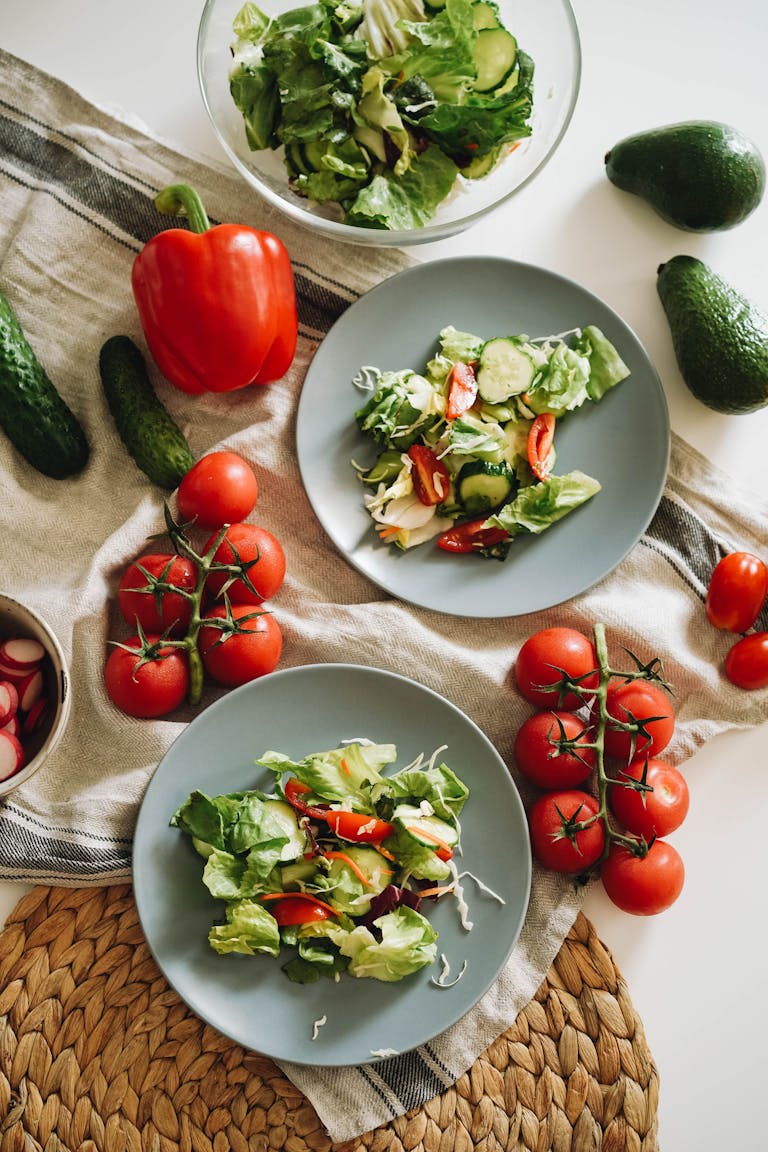
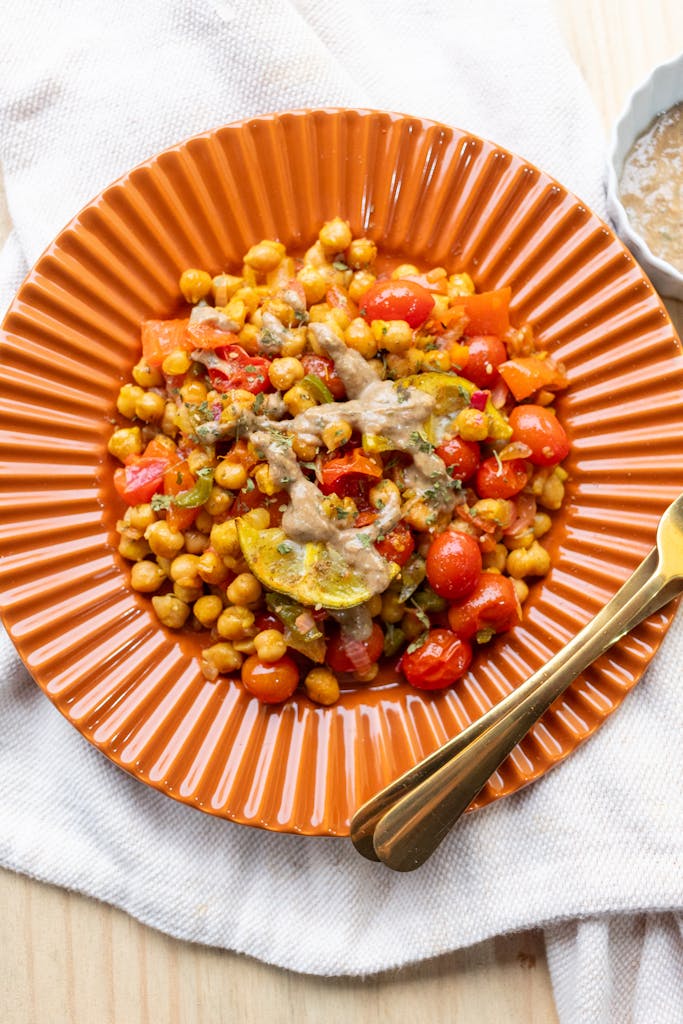
Here’s a simple, realistic example of what a day of eating might look like while taking GLP-1 medications like Wegovy, Zepbound, or Ozempic. It prioritizes balance and diversity, with a variety of nutrient-dense foods to promote fullness, protein intake, and steady energy levels.
Day 1
- Breakfast: Greek yogurt with berries and chia seeds
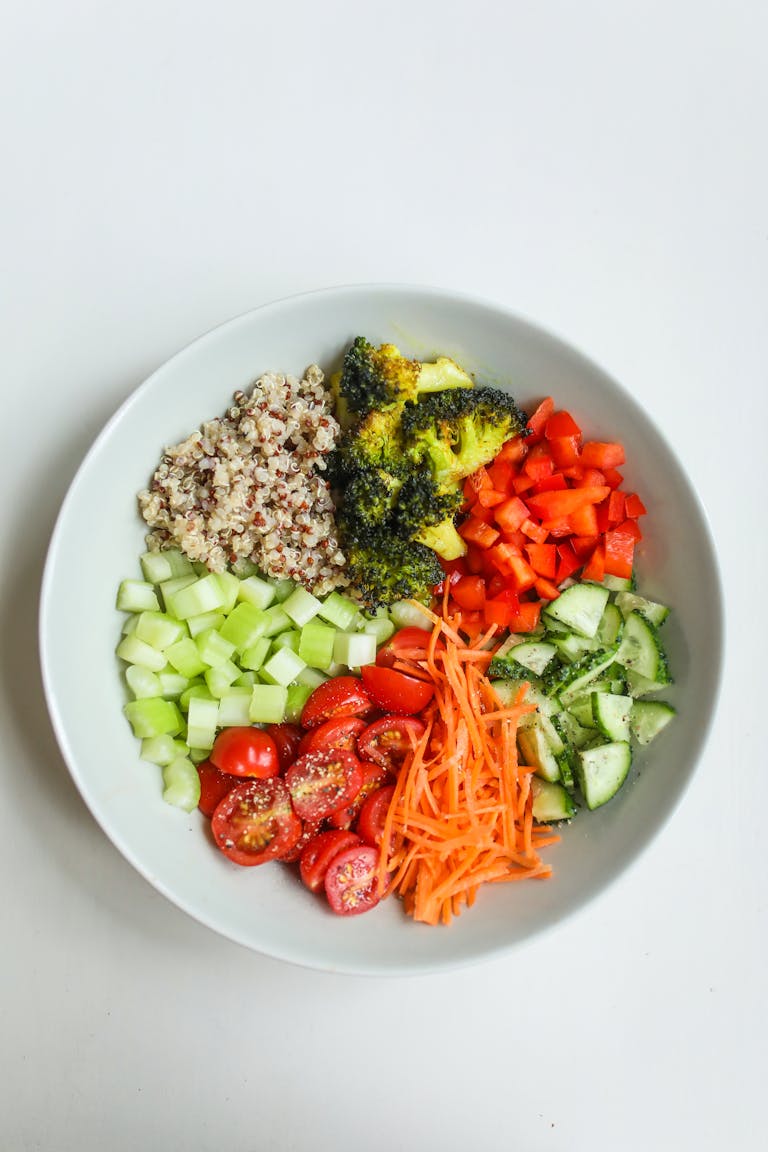
- Lunch: grilled chicken salad with mixed greens, quinoa, and olive oil dressing
- Dinner: baked salmon with roasted veggies and herby couscous
- Snack: sliced apples with almond butter
Day 2
- Breakfast: protein smoothie, made with protein powder, spinach, frozen berries, and milk
- Lunch: turkey meatballs with marinara sauce and zucchini noodles
- Dinner: chicken and veggie soup with a side of whole-grain crackers
- Snack: cottage cheese with chopped pineapple
Day 3
- Breakfast: scrambled eggs with sautéed spinach and whole-wheat toast
- Lunch: baked chicken with mashed sweet potatoes and garlicky green beans
- Dinner: tofu curry with vegetables and brown rice
- Snack: a handful of almonds, cheese stick, and banana
When to talk to a doctor
If you’re not losing weight on GLP-1 medications, it may be time to check in with your doctor, especially if you’ve made consistent nutrition and lifestyle changes without seeing results.
It’s important to talk to a doctor if you experience:
- no weight loss after several months on the medication
- persistent or severe side effects (like nausea, vomiting, or fatigue)
- signs of nutrient deficiencies, such as weakness, hair loss, or dizziness
- concerns about your current dose or medication effectiveness
- ongoing plateaus despite consistent habits
Your provider can provide personalized guidance and assess whether your dose needs adjustment, whether another factor is at play, or if additional support is needed.
FAQ
More helpful GLP-1 guides
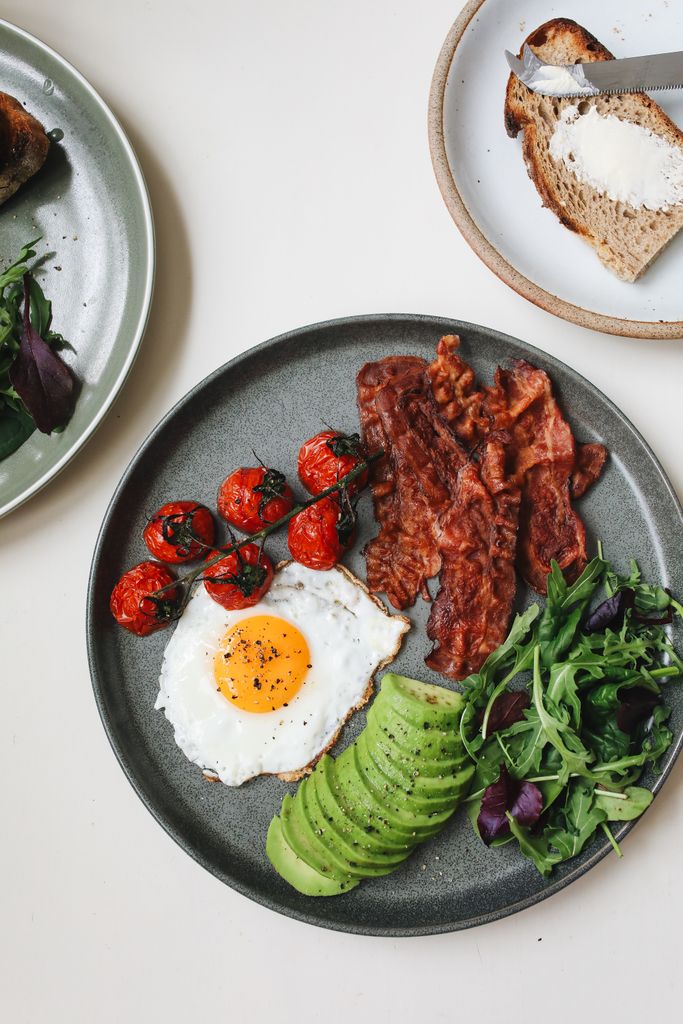
How to Get Enough Protein on Ozempic: Tips and Meal Ideas
What to Eat on Ozempic as a Vegetarian: A Dietitian’s Guide
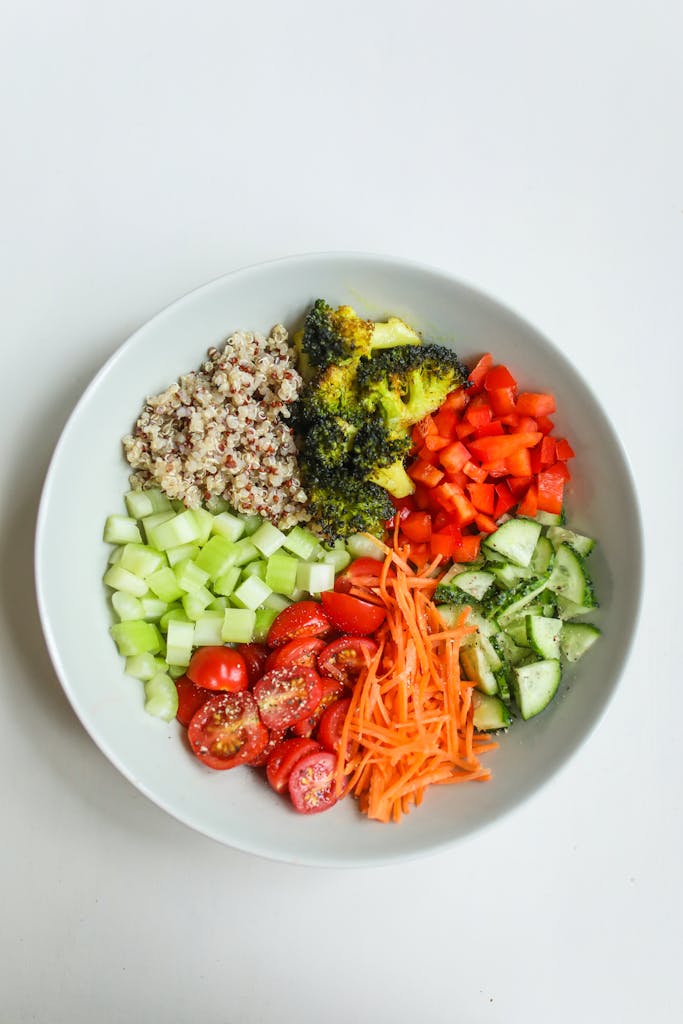
GLP-1 Diet: A Dietitian’s Guide to Foods, Meal Plans, and Recipes
Do GLP-1s Cause Muscle Loss? Here’s What Research Says
How to Get Enough Protein on Mounjaro: A Dietitian’s Guide
How to Eat More Protein on Wegovy When You’re Not Hungry
Top Foods to Eat For Nausea on GLP-1 Drugs
Conclusion
If your weight loss has hit a plateau while taking a GLP-1 medication, the answer often isn’t to eat less, but to eat smarter. Focusing on a healthy lifestyle and balanced diet can help you make the most out of your treatment. Small, intentional changes can really stack up over time, helping you overcome plateaus and achieve sustainable, long-term results.