Body Recomposition Meal Plan for Beginners: A Complete Guide
Quick summary
If you’ve ever felt like you’re doing all the things — eating healthy, hitting the gym, trying to be consistent — but you’re still not seeing the results you want, body recomposition might be exactly what you’ve been missing. Instead of focusing on weight loss alone, this approach is all about losing fat and building muscle at the same time so that your body starts to look and feel stronger.
The best part about body recomposition is that there are no extreme diets or marathon gym sessions required. By prioritizing protein and strength training, you can begin to shift toward a leaner, stronger physique.
In this article, we’ll explore how body recomposition works and how nutrition and strength training fit into the picture. You’ll also find a sample 7-day body recomposition meal plan for beginners for an easy way to get started.


What is body recomposition?
The basic idea behind body recomposition is far simpler than it might sound. At its core, it’s all about teaching your body to burn fat and build muscle at the same time. Rather than focusing solely on the scale going down, you’re focusing on what your body is actually made of.
But eating less and working out more doesn’t automatically lead to muscle gain because your body needs clear signals to change. That’s where the magic trio comes in: protein, strength training, and consistency.
When you consistently get enough protein, you’re providing your body with the building blocks it needs to rebuild and strengthen your muscles after each workout. And when you add resistance training into the mix, you’re essentially signaling your body to get stronger and adapt, encouraging it to build and preserve lean muscle.
With both of these habits in place, your body composition gradually starts to shift, leading to less fat, more muscle, and a stronger, more defined shape.
How body recomposition works
Body recomposition happens through a balance of two key processes: building muscle and losing fat. Here’s a closer look at how each one works.
How to lose fat
In order to lose fat, you need to create a small, sustainable energy deficit, meaning that your body is using slightly more energy than it gets from food. This allows your body to tap into stored fat for energy, leading to less body fat.
But while cutting calories is important, the quality of what you’re putting on your plate matters too.
Prioritizing nutrient-dense foods like lean proteins, fruits, vegetables, whole grains, and healthy fats can regulate your appetite, making it easier to maintain a moderate calorie deficit without feeling deprived.
How to build muscle
The most important driver for muscle growth is strength training, which involves using resistance through weights, bodyweight exercises, or bands to create small amounts of muscle stress that your body adapts to over time.
As a general rule of thumb, try aiming for at least 20-30 minutes of strength training two or three times per week to boost muscle growth.
Getting enough protein throughout the day is also important, as it ensures your body has the building blocks it needs to repair muscle tissue after workouts and support new muscle growth.
Pairing this with enough overall calories (while maintaining a moderate deficit) helps keep your energy and recovery on track.
Stay in the loop!
HEALTHY EATING TIPS & RECIPES delivered directly TO YOUR INBOX
Key nutrients for body recomposition
When it comes to body recomposition, calories and protein are the main priorities, since they directly influence fat loss and muscle growth.
That said, other nutrients like carbohydrates, fats, and fiber are still important for promoting energy, recovery, and overall health.
Focusing on a more balanced approach makes it easier to stay consistent and see long-term results.
Calories
To support fat loss while preserving muscle, a small, sustainable calorie deficit is crucial. For most people, that means aiming for a deficit of around 200-500 calories per day.
This approach encourages gradual fat loss without taking a toll on your energy levels, workout performance, or muscle recovery.
Going too low in calories can make it harder to build or maintain muscle, so the goal is to find that sweet spot where you’re eating slightly less than you burn but still fueling your body properly.
Protein
Protein is the foundation of body recomposition. It provides the amino acids your body needs to repair muscle tissue after workouts and support new muscle growth.
Prioritizing protein at each meal also helps with fullness, making it easier to stay on track with your nutrition goals without feeling overly restricted.
It’s generally recommended to aim for at least 1.6 grams of protein per kilogram of body weight to promote muscle gain. If you weigh 200 pounds, for instance, this translates to around 145 grams of protein per day.
Carbohydrates
Carbohydrates are your body’s preferred fuel source, especially during strength training. They help power your workouts and replenish energy afterward so you can recover properly.
Including carbs around your training sessions can enhance performance and boost your muscle-building efforts.
Be sure to focus on high-quality, fiber-rich carbs from foods like whole grains, fruits, and starchy vegetables.
Healthy fats
Healthy fats play an important role in hormone production, including hormones involved in metabolism and muscle maintenance.
They also help keep you satisfied after meals, which supports overall consistency with your eating pattern.
Examples of healthy fats include avocados, nuts, seeds, and olive oil.
Fiber
Fiber promotes digestion, gut health, and satiety. It also helps regulate appetite and keeps your energy levels more stable during the day, which can make it easier to stay on track with both fat loss and muscle growth.
Fiber is found in a variety of nutritious foods, including fruits, vegetables, whole grains, nuts, seeds, and legumes.
Beginner body recomposition meal plan
A body recomposition meal plan for beginners doesn’t need to be complicated. The goal is to build balanced meals that include protein, carbs, and healthy fats, while keeping things simple enough to stick with consistently.
A helpful approach is to structure each meal around a solid protein source, then add a carb for energy and fiber-rich foods like vegetables or fruit. This promotes muscle recovery, keeps you full, and helps maintain steady energy levels throughout the day.
Here’s a sample body recomposition meal plan for beginners with some easy ideas to get you started.
Day 1
- Breakfast: scrambled eggs with whole-wheat toast and avocado
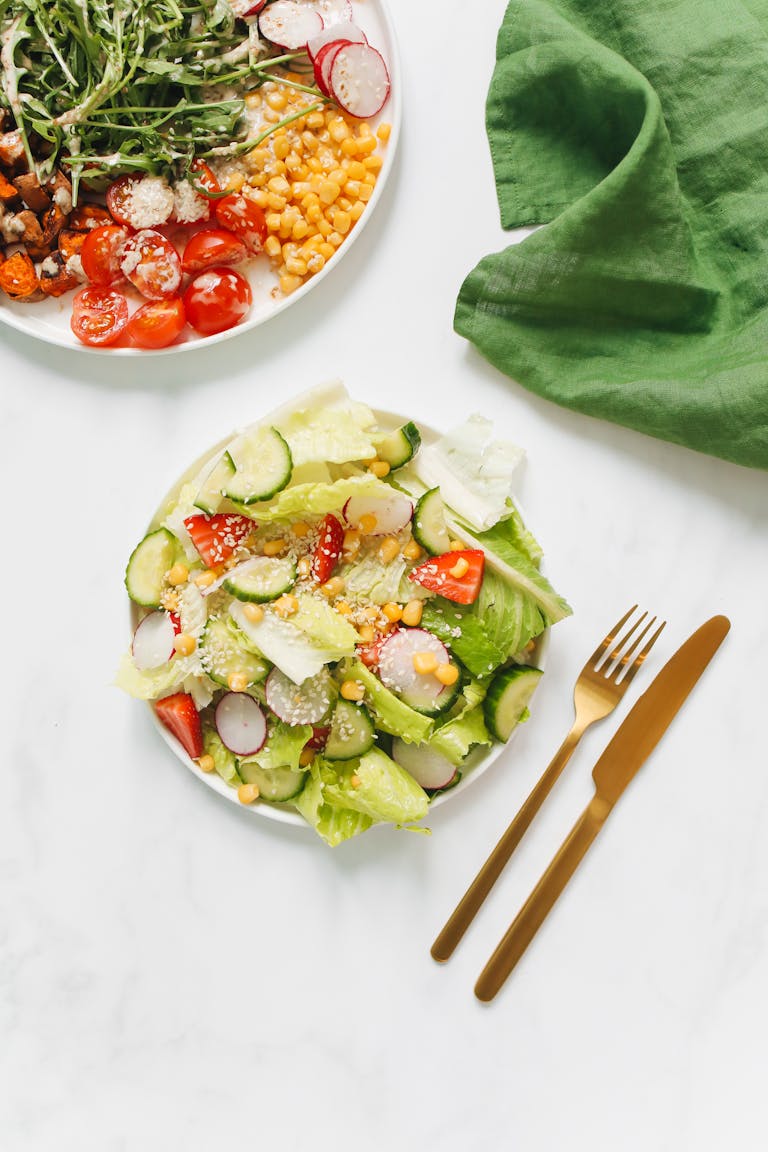
- Lunch: quinoa salad with chickpeas, cucumber, tomatoes, feta, and olive oil vinaigrette
- Dinner: garlic-butter chicken with farro and green beans
- Snack: veggies and hummus
Day 2
- Breakfast: smoothie with protein powder, frozen blueberries, spinach, and almond milk
- Lunch: turkey and avocado wrap with a side of sliced apples
- Dinner: baked salmon with mashed sweet potatoes and sautéed Swiss chard
- Snack: crispy roasted edamame
Day 3
- Breakfast: breakfast burrito bowl with eggs, black beans, cheese, and salsa
- Lunch: grilled chicken bowl with couscous, roasted broccoli, and tahini sauce
- Dinner: baked tempeh with wild rice and sautéed cabbage
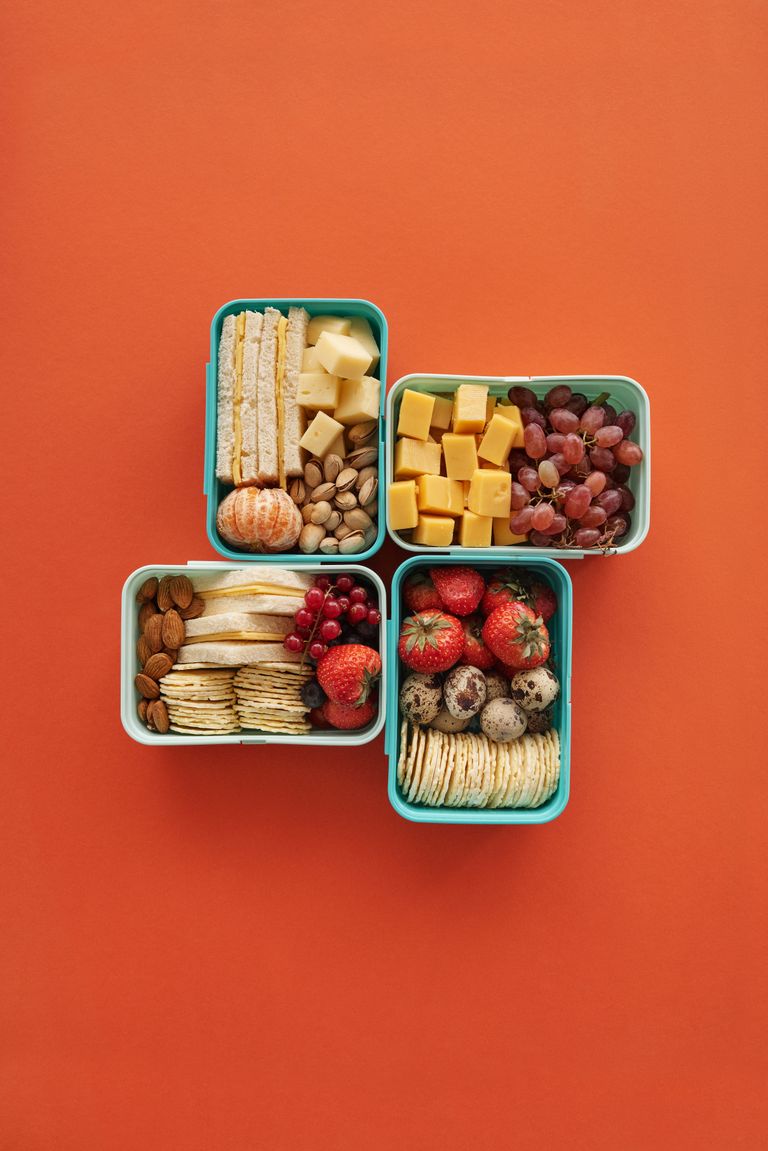
- Snack: cheese with whole-grain crackers
Day 4
- Breakfast: cottage cheese with peaches and chopped almonds
- Lunch: high-protein pasta with marinara and lentils
- Dinner: ground turkey taco bowl with rice, beans, and fajita veggies
- Snack: hard-boiled egg with fruit cup
Day 5
- Breakfast: omelet with peppers, onions, and mushrooms, plus whole-wheat toast
- Lunch: lentil spinach curry with brown rice
- Dinner: garlic shrimp with rice pilaf and asparagus
- Snack: protein shake
Day 6
- Breakfast: Greek yogurt with strawberries, chia seeds, and walnuts
- Lunch: spicy tuna bowl with avocado, carrots, cucumbers, and cauliflower rice
- Dinner: bean and veggie chili with a side of whole-grain bread
- Snack: apple with almond butter
Day 7
- Breakfast: protein oatmeal with milk, peanut butter, and sliced bananas
- Lunch: tofu stir-fry with peas, peppers, broccoli, and carrots and brown rice
- Dinner: chicken salad with whole-grain crackers and sliced veggies
- Snack: skyr with raspberries and flaxseeds


Sample grocery list for body recomposition
Stocking your kitchen with healthy foods can make it easy to hit your protein goals and fuel your body with the nutrients it needs. Here’s a sample shopping list to help get you going.
Proteins
- chicken breast or thighs
- ground turkey
- lean ground beef
- salmon
- tuna
- shrimp
- eggs
- Greek yogurt
- cottage cheese
- edamame
- tofu
- tempeh
- canned beans
- lentils
- protein powder
Carbohydrates
- rice
- quinoa
- oats
- potatoes
- sweet potatoes
- whole-wheat bread and wraps
- pasta (regular or high-protein varieties, like chickpea pasta)
- legumes
- fruits, like bananas, berries, apples, or oranges
Healthy fats
- avocado
- olive oil
- nuts (almonds, walnuts, cashews)
- nut butters, like peanut butter or almond butter
- chia seeds
- flaxseeds
- pumpkin seeds
Vegetables
- leafy greens (spinach, kale, arugula)
- broccoli
- bell peppers
- zucchini
- carrots
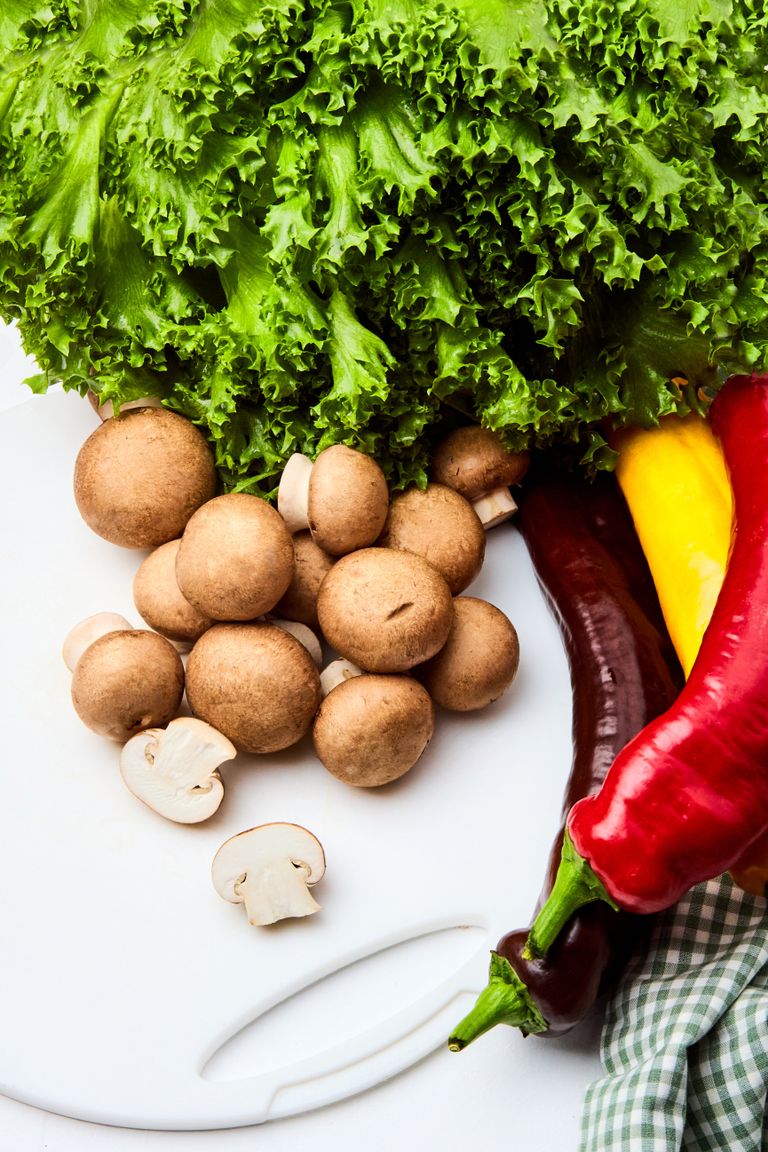
- mushrooms
- tomatoes
- cucumbers
- onions
- garlic
Convenient add-ons
- pre-washed salad mixes
- frozen veggies
- frozen fruit
- pre-cooked grains or rice
- hummus
- tahini
Tips for beginners
If you’re new to body recomposition, the key is to keep things simple and focus on habits you can stick with long-term. Here are a few quick tips for beginners:
- Prioritize protein at every meal: Aim to include a solid protein source each time you eat to support muscle repair and growth.
- Keep meals simple and repeatable: Find a few go-to breakfasts, lunches, and dinners you enjoy and rotate them throughout the week.
- Don’t undereat: Eating too little can make it harder to build or maintain muscle and may leave you feeling low on energy.
- Strength train consistently: Even a few sessions of resistance training each week can make a big difference when paired with proper nutrition.
- Balance your meals: Include protein, carbs, and fats to support recovery and overall health.
- Be patient with progress: Body recomposition takes time, and changes are often gradual, so remember to relax and trust the process.
Important considerations
Body recomposition is a slower, more gradual process than traditional weight loss, so it’s important to set realistic expectations.
Because you’re working toward losing fat while building or maintaining muscle, changes may not always show up on the scale. In many cases, your weight may stay the same or fluctuate slightly, even as your body becomes leaner and stronger.
Progress is often better reflected in how you feel, how your clothes fit, and improvements in strength and energy levels.
It’s also important to make sure you’re eating enough to support both your workouts and recovery.
While a slight calorie deficit is important for body recomposition, eating too little can lead to low energy, poor performance, and difficulty maintaining muscle.
FAQ
More helpful articles
Conclusion
At the end of the day, body recomposition comes down to consistency. By focusing on strength training, prioritizing protein, and building more balanced meals, you can lose fat and build muscle at the same time. Progress may be slow and steady, but these small changes slowly add up over time.