How to Shop Healthy on a Budget: A Complete Guide
Quick summary
When grocery prices are sky-high, it might feel like you have to choose between nutrition and affordability, but luckily, that’s not the case. Eating healthy on a budget is all about making smart, intentional choices that are good for both your body and your wallet.
Not only does a balanced, nutrient-dense diet support everything from energy levels to gut health and mood, but it also helps keep you satisfied between meals. And with a little savvy shopping, you can get all those benefits without blowing your entire grocery budget.
In this guide, we’re covering everything you need to know about how to shop healthy on a budget, including how to build a healthy and affordable grocery list, the most cost-effective foods to stock up on, and some of the top strategies for shopping smarter.
How to build a budget-friendly grocery list
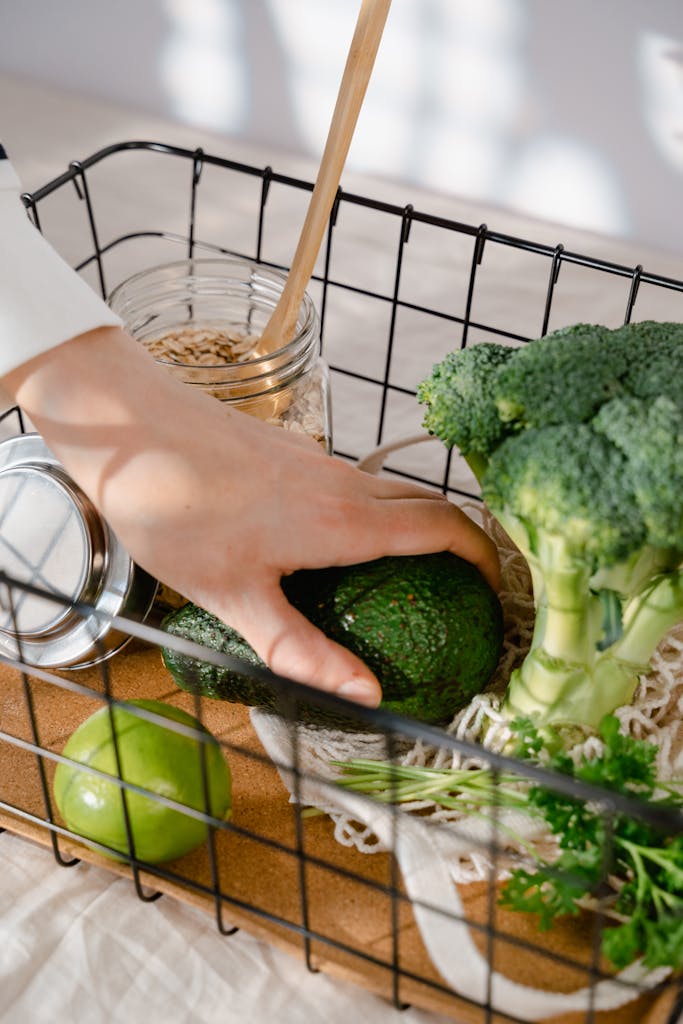
A well-planned grocery list is one of the easiest ways to save money and eat healthier. Instead of wandering the store aimlessly and hoping for the best, it helps to go in with a clear plan so you can stick to your budget and avoid impulse buys.
Start by thinking in categories rather than specific recipes. This keeps your list flexible while still making sure you have everything you need to make balanced meals throughout the week. Aim to include a mix of protein, fiber-rich carbs, and colorful produce so your meals are both filling and nutritious.
A simple way to structure your list is to build it around a few affordable staples:
- Proteins: eggs, beans, lentils, tofu, canned tuna, and budget-friendly cuts of meat (like chicken thighs, pork shoulder, and ground beef)
- Carbohydrates: brown rice, oats, potatoes, whole-grain bread, pasta
- Produce: seasonal fruits and veggies, plus frozen options for better prices and less waste
- Healthy fats: peanut butter, olive oil, seeds, nuts (in bulk), or avocado (when on sale)
As you build your list, think about how ingredients can be reused across multiple meals. For example, a bag of rice can be used in stir-fries, bowls, or as a side dish, while roasted vegetables can be added to lunches and dinners throughout the week.
Stay in the loop!
HEALTHY EATING TIPS & RECIPES delivered directly TO YOUR INBOX
Strategies for shopping healthy on a budget
Looking for practical ways to save money without compromising on nutrition? Here are some strategies for how to shop healthy on a budget, with simple, effective tips you can start using next time you head to the store.
Shop with a list (and stick to it)
Walking into the store without a plan is one of the fastest ways to overspend — trust me, I’ve been there. Having a list on hand helps you stay focused on what you actually need and avoid tossing unnecessary (and often expensive) items into your cart.
Choose store brands
Store-brand items are often made with very similar ingredients and quality but come with a lower price tag compared to name brands. Swapping even a few items (like oats, canned beans, or frozen vegetables) for generic versions can lead to noticeable savings over time.
Compare unit prices
The biggest package isn’t always the best deal. Always check the unit price (usually listed on the shelf tag) to see what gives you the most value per ounce or pound.
Take advantage of sales and stock up
When healthy staples go on sale, it’s a great time to buy in bulk, especially for non-perishables like rice, pasta, and canned goods. Just be mindful of what you’ll realistically use so you don’t end up wasting food or money.
Add plant-based meals to your menu
Plant-based proteins like beans, lentils, chickpeas, and tofu are typically much more affordable than meat while still providing protein, fiber, and other important nutrients. You don’t have to go fully plant-based, but swapping even a few meals each week (like a lentil chili, veggie stir-fry, or black bean bowl) can help stretch your grocery budget a little further.
Buy frozen or canned foods
Frozen fruits and vegetables are just as nutritious as fresh and often a lot more affordable. They also last longer, which leads to less food waste. Canned options (like beans or fish) are another budget-friendly way to build healthy meals more easily.
Don’t shop hungry
Shopping on an empty stomach can lead to impulse buys and less thoughtful decisions. A quick snack before you go can help you stick to your list and your budget.
Best cheap and healthy foods to buy
Building a healthy grocery list on a budget starts with choosing versatile, nutrient-dense foods that give you the most bang for your buck. Here are some staples that are affordable, easy to find, and can be used in a wide range of meals.
Proteins
- eggs
- beans (black beans, chickpeas, lentils)
- canned tuna or salmon
- tofu
- frozen edamame
- budget-friendly cuts of meat (chicken thighs, ground beef, pork shoulder)
- plain yogurt or Greek yogurt
Grains and starches
- oats
- brown rice or white rice
- whole-grain pasta or bread
- potatoes or sweet potatoes
Fruits
- bananas
- apples
- oranges or citrus fruits
- frozen berries and mixed fruits
Vegetables
- canned tomatoes
- carrots
- onions
- cabbage
- spinach (fresh or frozen)
- broccoli (fresh or frozen)
- zucchini
- bell peppers
Healthy fats
- peanut butter or other nut butters
- olive oil
- avocados
- seeds (chia seeds, flaxseeds, sunflower seeds)
- nuts (almonds, walnuts, peanuts)
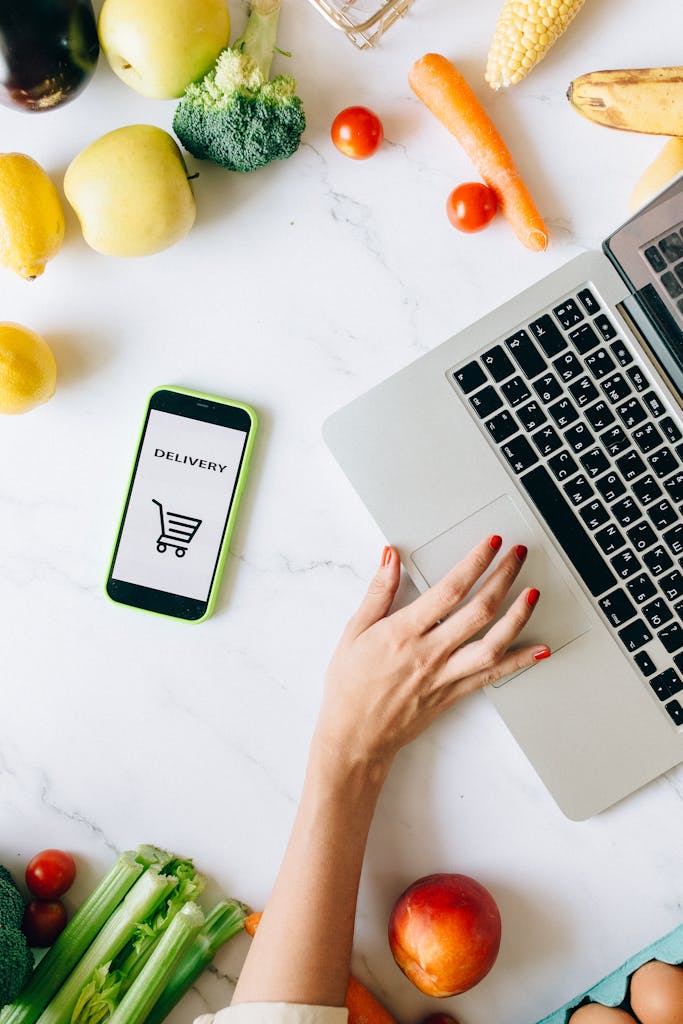
Other ways to save money and eat healthy
Beyond what you put in your cart, other simple habits can also help you stretch your budget and enjoy a more nutritious diet. Here are a few other ways to save money while still eating well:
- cook at home more often to control both cost and ingredients
- reduce food waste by planning meals and using leftovers creatively
- keep meals simple and stick to a few repeatable go-to recipes
- use what you already have before buying more groceries
- buy in bulk for pantry staples
- limit processed and convenience foods
With just a few of these strategies in place, healthy eating can be much more affordable and realistic for your daily routine.
FAQ
More healthy shopping tips
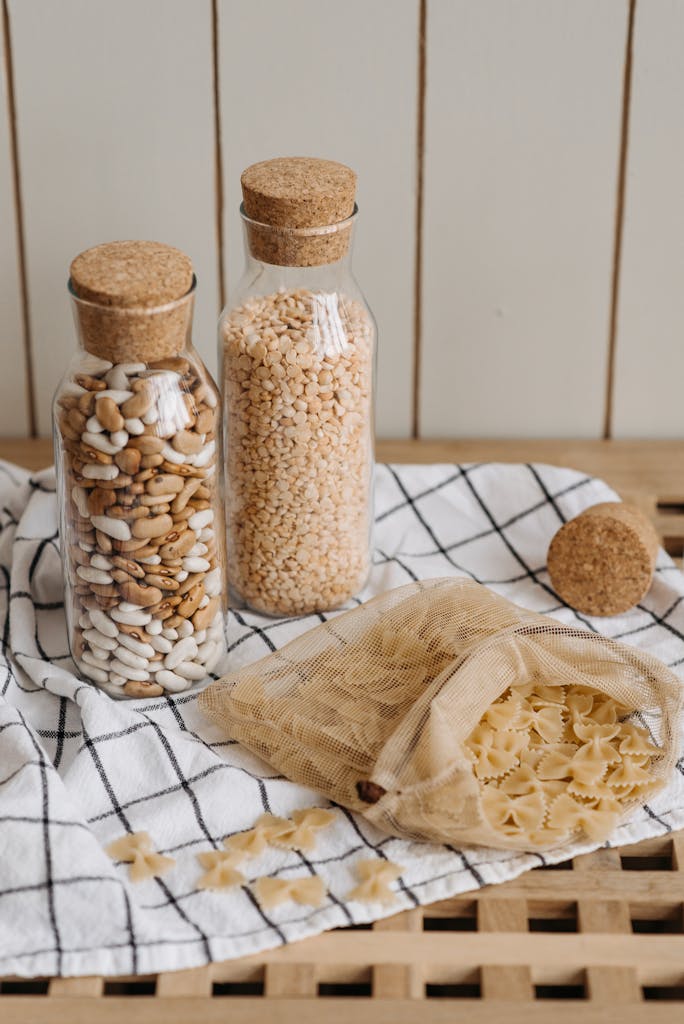
Healthy Pantry Staples to Start Stocking up On
Brain-Healthy Grocery List: What to Buy for Better Focus, Memory, and Mood
Healthy Grocery Shopping Tips + Sample Grocery List
Conclusion
With the right approach, learning how to shop healthy on a budget can be simple, sustainable, and even enjoyable. By planning ahead, choosing versatile and nutrient-dense foods, and shopping strategically, you can nourish your body and keep your grocery bill in check.