Is Snacking Bad for Metabolism? A Dietitian Explains the Truth
Quick summary
There’s a lot of nutrition misinformation around snacking. On one hand, many people believe that eating a small snack every few hours can help rev up your metabolism. On the other hand, some claim that constant grazing can actually make weight loss even harder.
The reality is a lot more nuanced. While snacking can play a helpful role in your day, it’s not the metabolism hack (or hindrance) it’s often made out to be. In fact, how frequently you eat matters far less than what you’re snacking on and what the rest of your diet looks like.
So is snacking bad for metabolism, or can it be helpful? In this article, we’ll break down what the science really says about snacking and metabolism, whether eating more often actually speeds things up, and how to decide what works best for your body.
What is metabolism?
Metabolism is the process that converts the food you eat into fuel for your body. This is essential for everything from energy-intensive activities like working out or chasing your kids around to basic bodily functions you need just to survive, such as breathing, thinking, digesting food, and even sleeping.
A lot of people think your metabolism is all about how “fast” you burn calories, but it’s actually a mix of a few different things working together:
- Basal metabolic rate: This is the energy your body uses to keep you alive. Think: breathing, circulating blood, regulating temperature. You burn most of your calories here (yes, even while you’re watching TV, doomscrolling, or doing absolutely nothing at all).
- Thermic effect of food: Your body actually burns calories digesting food. Protein, for example, takes more energy to break down than carbs or fat.
- Physical activity: This includes workouts, along with everyday movements like walking, cleaning, or carrying groceries.
Contrary to popular belief, your metabolism isn’t something you can dramatically boost with small tricks like eating every two hours or adding a specific snack into your daily diet. Instead, it’s influenced much more by factors like your muscle mass, age, genetics, sleep, and overall lifestyle.
Origins of the snacking metabolism myth
Have you ever been told that you need to eat every 2-3 hours to keep your metabolism burning? This idea has been floating around for years, and it’s one of the most common metabolism myths out there. So where exactly did it come from?
A big part of it is based on the thermic effect of food, which is the energy your body uses to digest and process what you eat. Because your body burns a small number of calories every time you eat, some people believe that eating more often leads to more calories burned, which results in a faster metabolism.
But even though it’s true that digestion burns calories, the total effect is relatively small. Whether you eat three larger meals or six smaller ones, your body is still processing roughly the same total amount of food, so the overall calorie burn doesn’t change in a significant way.
This idea also gained popularity in the fitness world, where frequent eating was promoted to help with muscle building and energy levels. Over time, it trickled into mainstream nutrition advice and turned into the widely repeated rule that frequent eating boosts metabolism.
We’ll dive into the science shortly, but the bottom line is that meal frequency doesn’t significantly impact your metabolic rate. What matters more is your overall intake, nutrient quality, and lifestyle habits.
That said, eating more often can still be helpful for some people, especially when it comes to managing hunger, stabilizing blood sugar levels, or maintaining energy throughout the day. However, that’s very different from actually speeding up your metabolism.
Stay in the loop!
HEALTHY EATING TIPS & RECIPES delivered directly TO YOUR INBOX
What science shows about snacks
When it comes to snacking, science gives us a pretty clear message: the quality of what you’re putting on your plate and your overall energy balance (or how many calories you eat vs. how many you burn) matters a lot more than how often you’re eating or snacking.
Research comparing different eating patterns (like eating three meals a day versus six smaller meals) generally shows no significant difference in metabolic rate or total calorie burn. In other words, your body doesn’t magically burn more calories just because you eat more often.
That said, studies do show a few interesting things about snacking:
- Snacks might help manage hunger: Eating between meals could help prevent you from getting overly hungry, which can reduce the likelihood of overeating later on. However, the effects of snacking on hunger aren’t totally clear-cut, and some research has actually found the opposite to be true. One study, for instance, showed that more frequent meals might actually have a negative effect on appetite regulation.
- Food choices matter: Snacks rich in protein and fiber can help keep you full. On the flip side, ultra-processed snacks high in added sugars and refined carbs are often less filling and may not be as effective at keeping hunger in check.
- Frequent grazing can backfire for some people: Constantly eating throughout the day (especially mindlessly) may make it harder to tune into your natural hunger and fullness cues. This can sometimes lead to eating more calories than your body actually needs.
- Timing isn’t as important as total intake: When you eat snacks may have a small effect on weight management, but it matters much less than what you eat and how much you eat over the course of the day.
Ultimately, some people feel better with structured meals and snacks, while others do better with fewer, larger meals. There’s no one-size-fits-all approach here.
Does snacking ever slow metabolism?
Good news for snack lovers: snacking itself won’t slow down your metabolism. However, it can have an indirect effect on your metabolism, depending on the snacks you pick and how they fit into your overall diet.
For example, frequent or mindless snacking can make it easier to eat more calories than your body needs, especially if you’re choosing snacks that are highly processed or not very filling.
Over time, consistently eating in a calorie surplus can cause weight gain and even take a toll on metabolic health.
On the other hand, sticking to balanced and nutritious snacks can help regulate your appetite and supply your body with a steady stream of energy during the day.
How snacking affects blood sugar and hormones
Snacking can definitely impact your blood sugar and hormone levels, but it mostly depends on what you eat, not simply how often you eat.
When you eat a snack, your blood sugar naturally rises, triggering the release of insulin to shuttle sugar from your bloodstream into your cells.
If your snack is mostly made of refined carbs or added sugar (like chips or sweets), this rise tends to be quick, and it’s often followed by a crash that can leave you feeling hungry and drained.
On the other hand, balanced snacks that include a good mix of protein, fiber, or healthy fats are digested more slowly. This leads to a more gradual rise in blood sugar, which can keep energy levels stable.
Snacking can also affect hunger hormones like ghrelin (aka the “hunger hormone”) and leptin (which signals fullness).
Eating too frequently, especially when you’re not really hungry, can make it harder to recognize these natural signals over time. But going too long without eating can have the opposite effect, leading to intense hunger and overeating later.
What matters most for metabolism
When it comes to your metabolism, snacking is pretty low on the list. Instead, what really makes a difference are your overall habits. Here are the biggest factors that actually influence your metabolism:
- Calorie intake: Eating too little can cause your body to conserve energy, while consistently eating more than you need can affect weight and metabolic health over time.
- Protein intake: Protein requires more energy to digest and helps maintain muscle mass, which plays a role in how many calories you burn at rest.
- Muscle mass: Muscle is more metabolically active than fat. This means that the more muscle you have, the more calories your body burns, even when you’re not working out.
- Physical activity: Moving your body — both at the gym and through your normal daily activities — can ramp up the number of calories you burn throughout the day.
- Sleep: Not getting enough sleep can disrupt the hormones that regulate your appetite and energy balance, which may indirectly affect metabolism.
- Stress: Chronic stress increases levels of cortisol, which can influence appetite, energy use, and fat storage.
Instead of focusing solely on snacking (or not snacking), prioritize a well-rounded diet, regular physical activity, lower stress levels, and better sleep to keep your metabolism working efficiently.
Tips for smarter snacking
Snacking can absolutely fit into a healthy routine, but it helps to be more intentional about your choices, including both when and what you’re eating. Here are a few tips to snack smarter:
- Pair protein with fiber: This combo helps keep you full and promotes more balanced blood sugar. A few easy ideas include apples with peanut butter, Greek yogurt with berries, or hummus and veggies.
- Keep tabs on your portions: Remember that snacks are meant to bridge the gap between meals, not turn into a second full meal. Measuring out your snacks and eating from a bowl or plate instead of straight from the bag can help you keep an eye on your portion sizes.
- Prioritize minimally processed options: Nutrient-dense foods like nuts, fruits, yogurt, and whole grains tend to be more satisfying than ultra-processed snacks.
- Practice mindful snacking: Before grabbing a snack, ask yourself whether you’re hungry or whether you’re actually just bored, stressed, or eating out of habit.
Should you snack or stick to meals?
So should you start stocking up on snacks? The truth is, there’s really no one-size-fits-all answer. When it comes to snacking vs. sticking to structured meals, the best approach is the one that helps you feel your best and stay consistent.
For a lot of people (myself included!), snacking between meals works really well. It can help prevent getting overly hungry, stabilize energy levels, and make it easier to meet your nutritional needs throughout the day. This can be especially helpful if you have long gaps between meals, a busy schedule, or higher energy needs.
For others, sticking to three square meals without any snacks feels better. Fewer eating occasions can make it easier to stay in tune with natural hunger cues and avoid mindless grazing.
So how do you know what’s right for you?
You might benefit from snacking if you:
- get overly hungry between meals
- experience energy crashes or irritability (aka getting “hangry”)
- have long stretches between meals
- are physically active or have higher calorie needs
You might prefer fewer snacks if you:
- tend to snack out of habit or boredom
- struggle with constant grazing
- feel best with structured meal times
- have a hard time recognizing hunger and fullness cues
Whether you snack or stick to meals, what matters most is your overall diet. Rather than focusing on a rigid eating schedule, simply make sure you’re enjoying a variety of well-rounded meals and snacks to support overall health.
Healthy snack ideas
If you’re looking for simple and satisfying options, here are some balanced snack ideas that include protein, fiber, and healthy fats to keep you feeling full:
- Greek yogurt with berries and a drizzle of honey
- banana with peanut butter on whole-wheat toast
- hummus with sliced veggies
- cottage cheese with pineapple
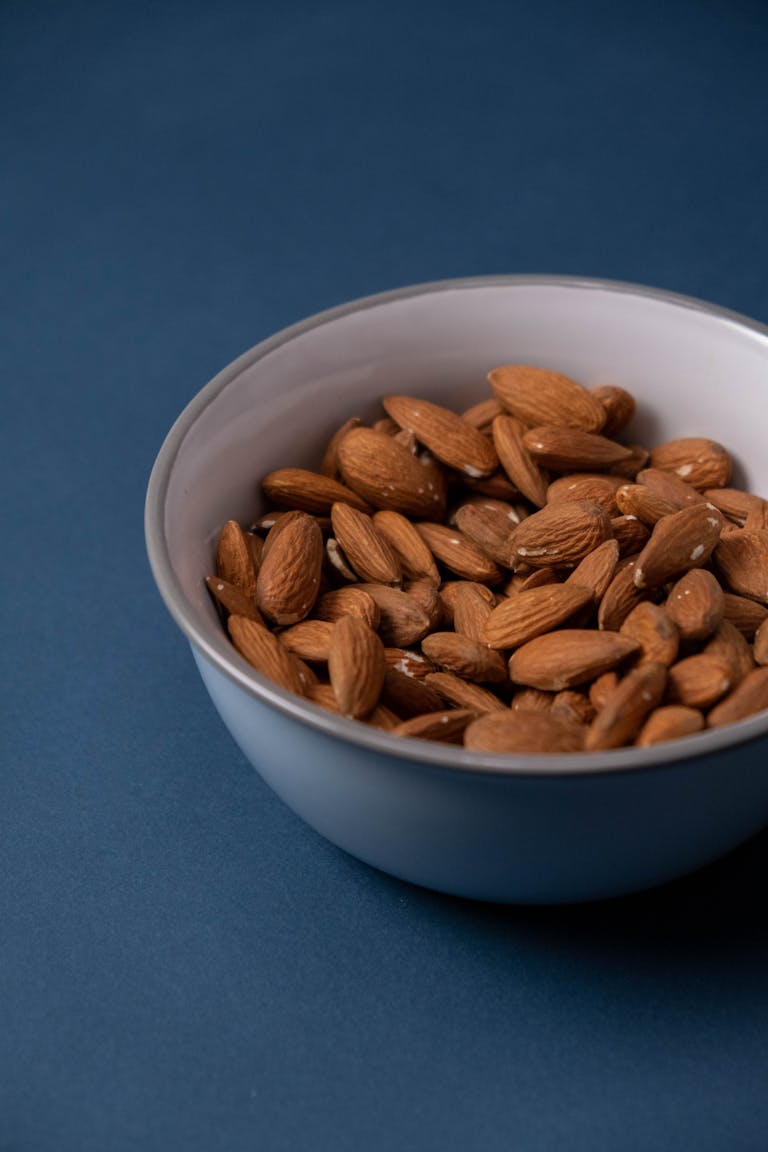
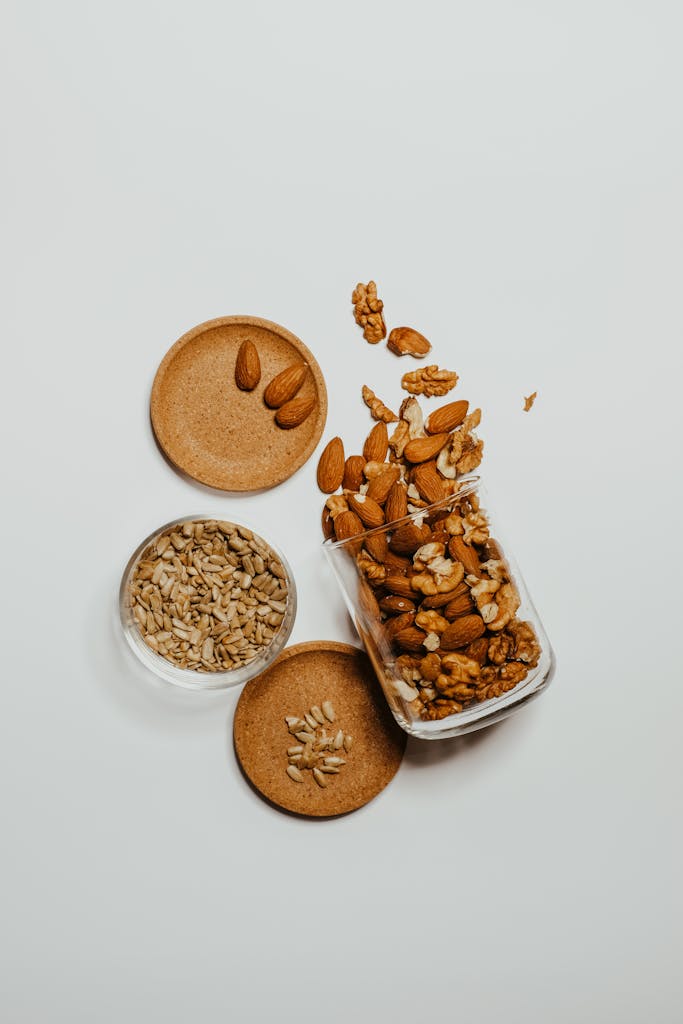
- a handful of nuts and a piece of fresh fruit
- hard-boiled eggs with whole-grain crackers
- whole-wheat toast with mashed avocado
- chia pudding with peaches and chopped walnuts
- apple slices with almond butter
- trail mix with nuts, seeds, and a few dark chocolate chips
- roasted edamame sprinkled with sea salt
Healthy snack recipes
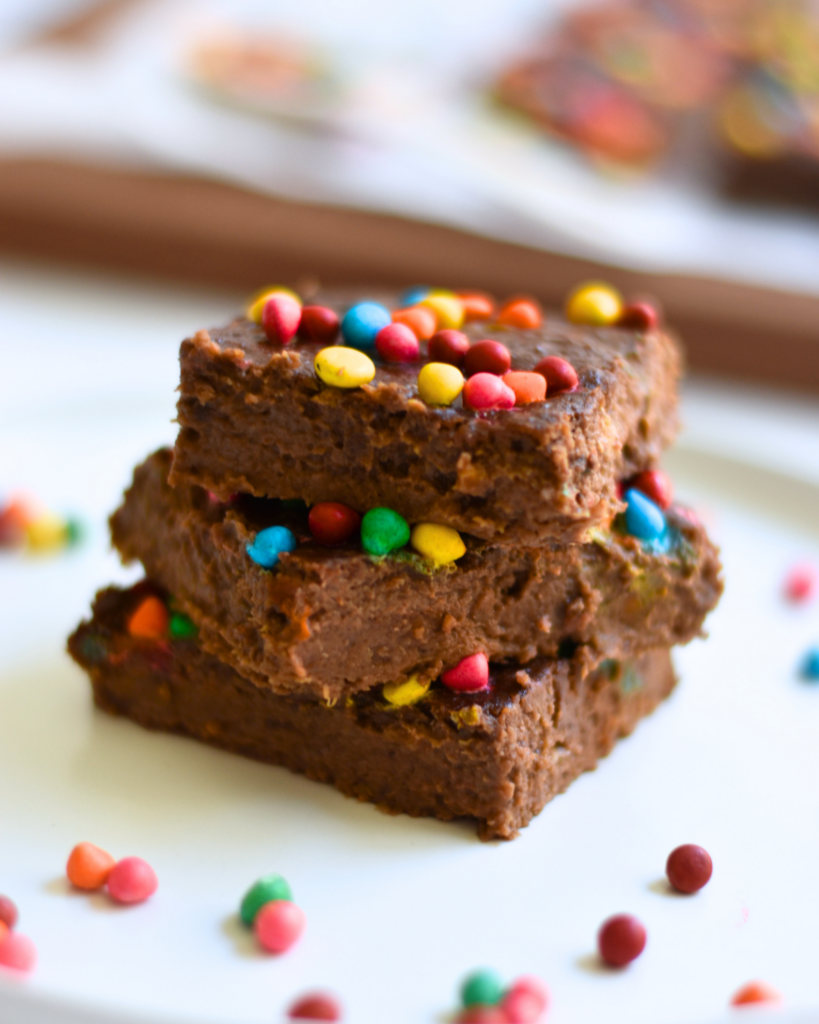
Cosmic Brownie Protein Bars
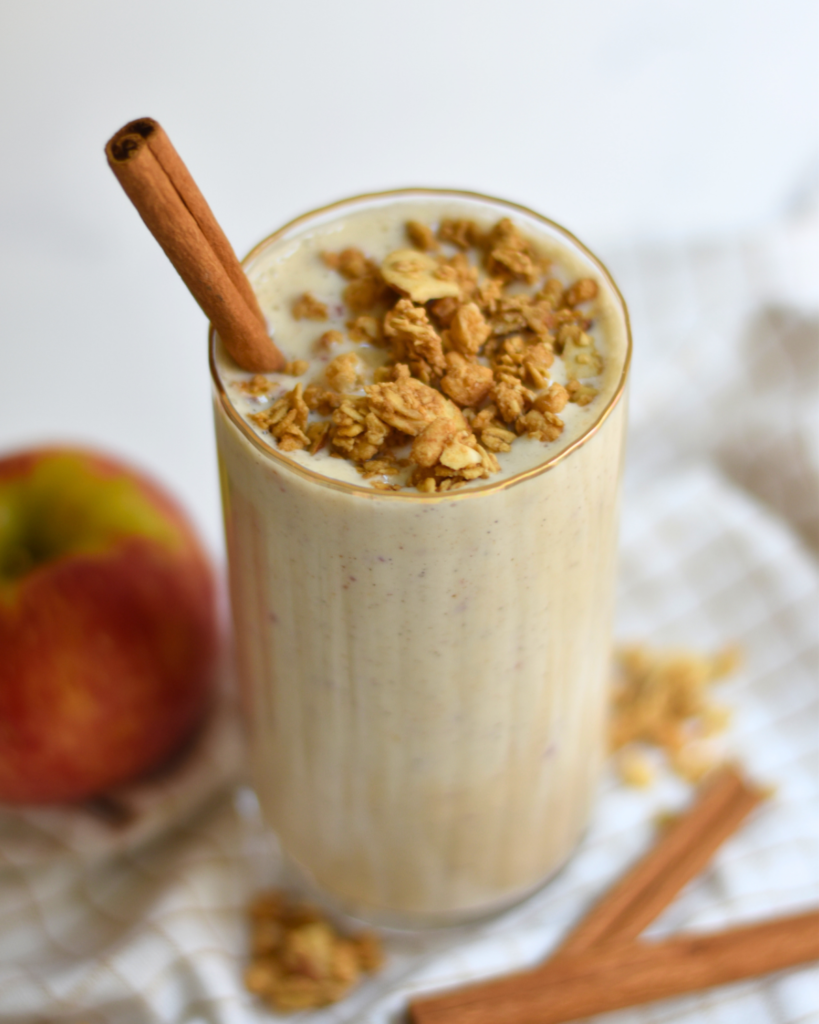
High-Protein Apple Pie Smoothie
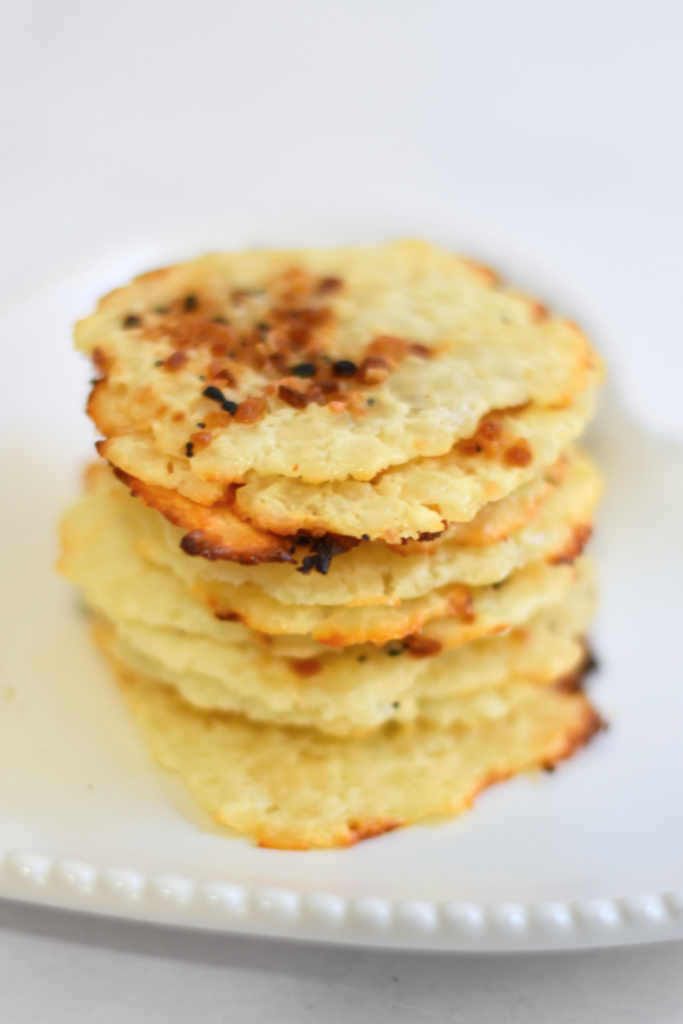
Crispy Cottage Cheese Chips
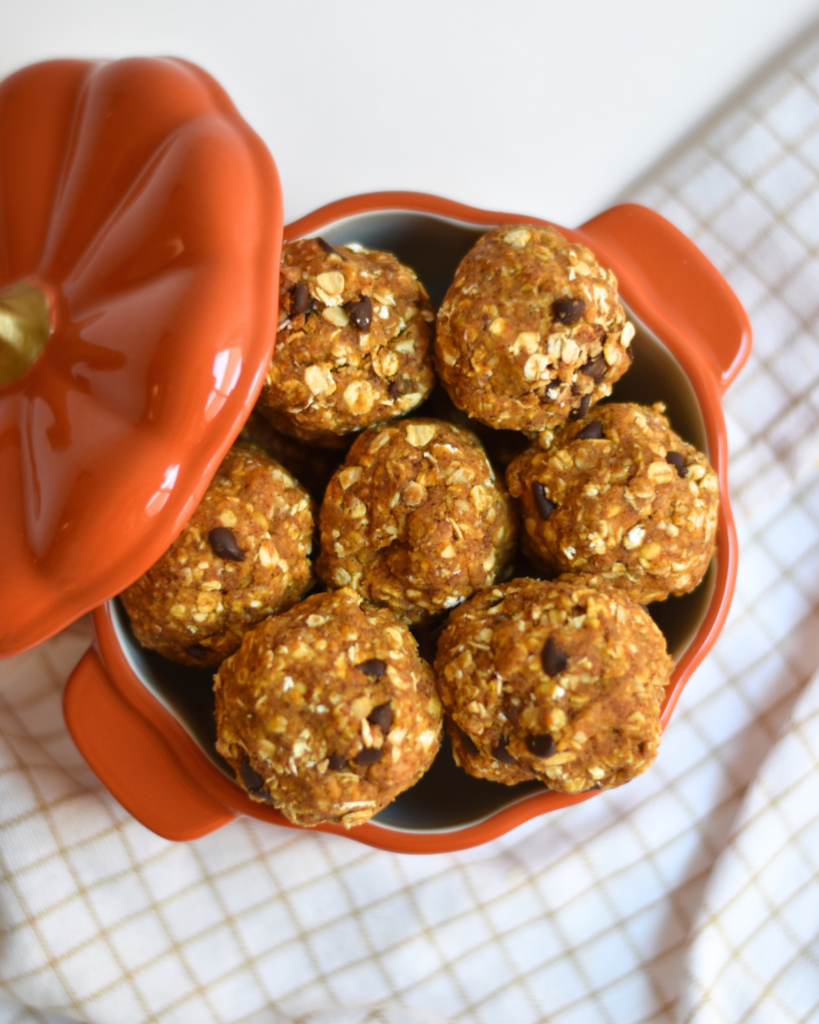
Pumpkin Pie Protein Bites
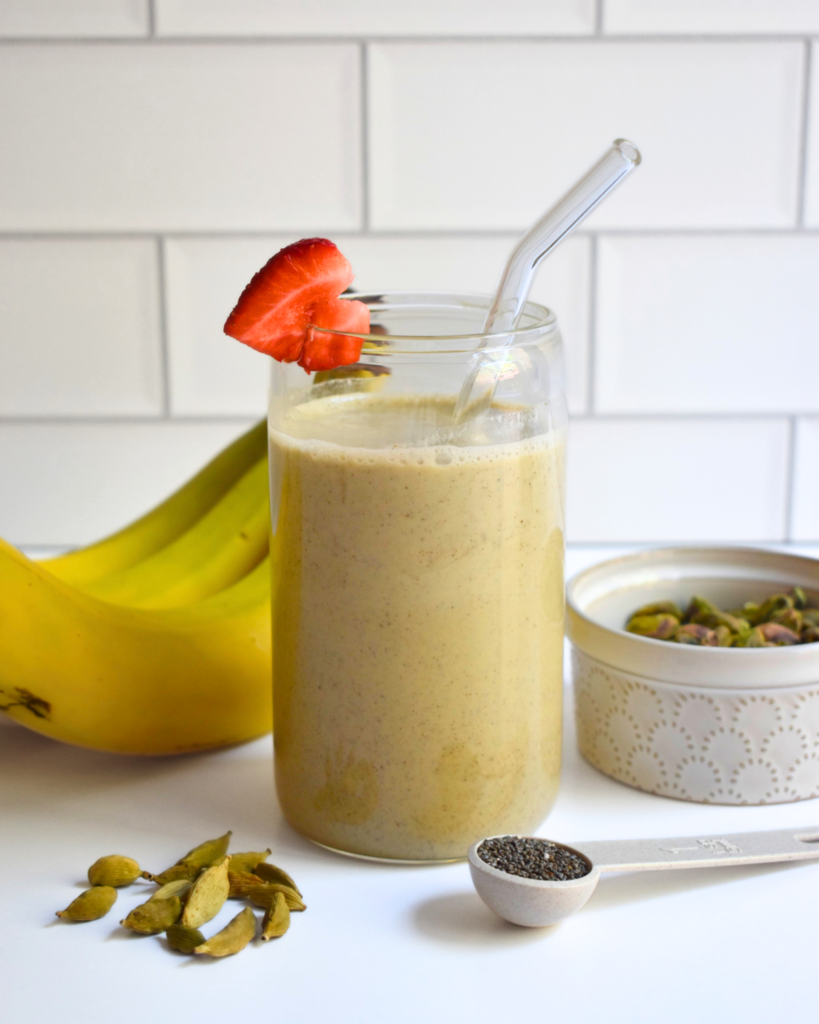
Creamy Pistachio Cardamom Smoothie
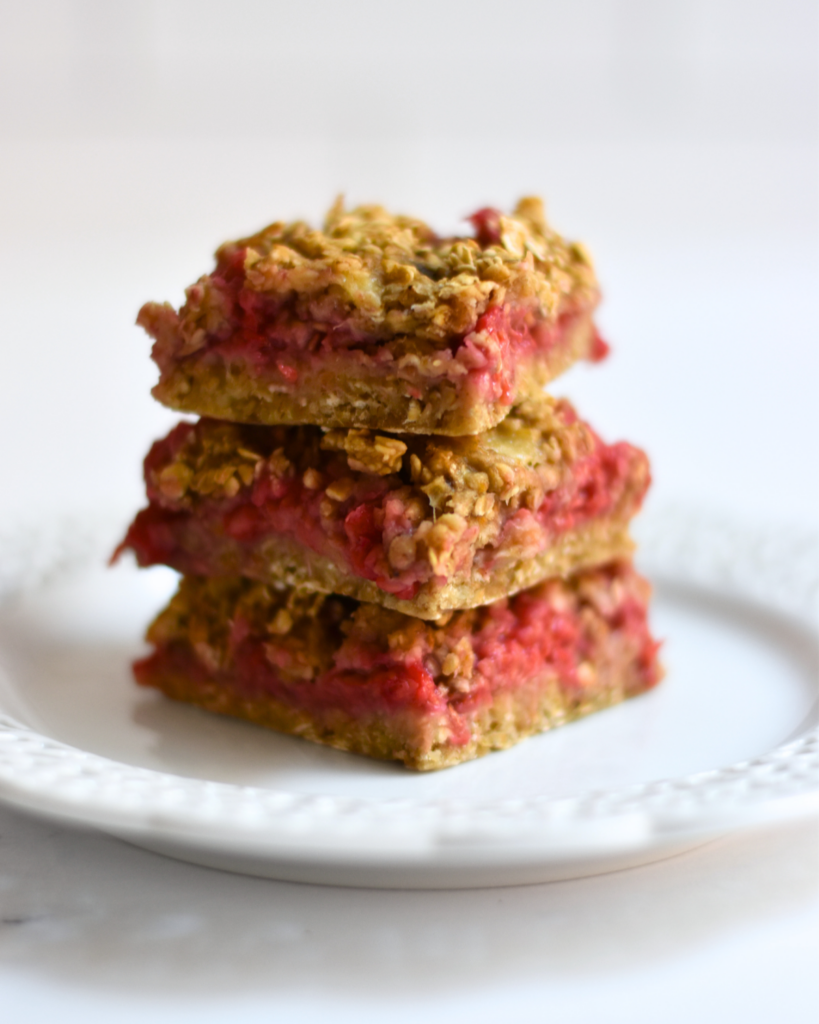
Raspberry Lemon Oat Bars
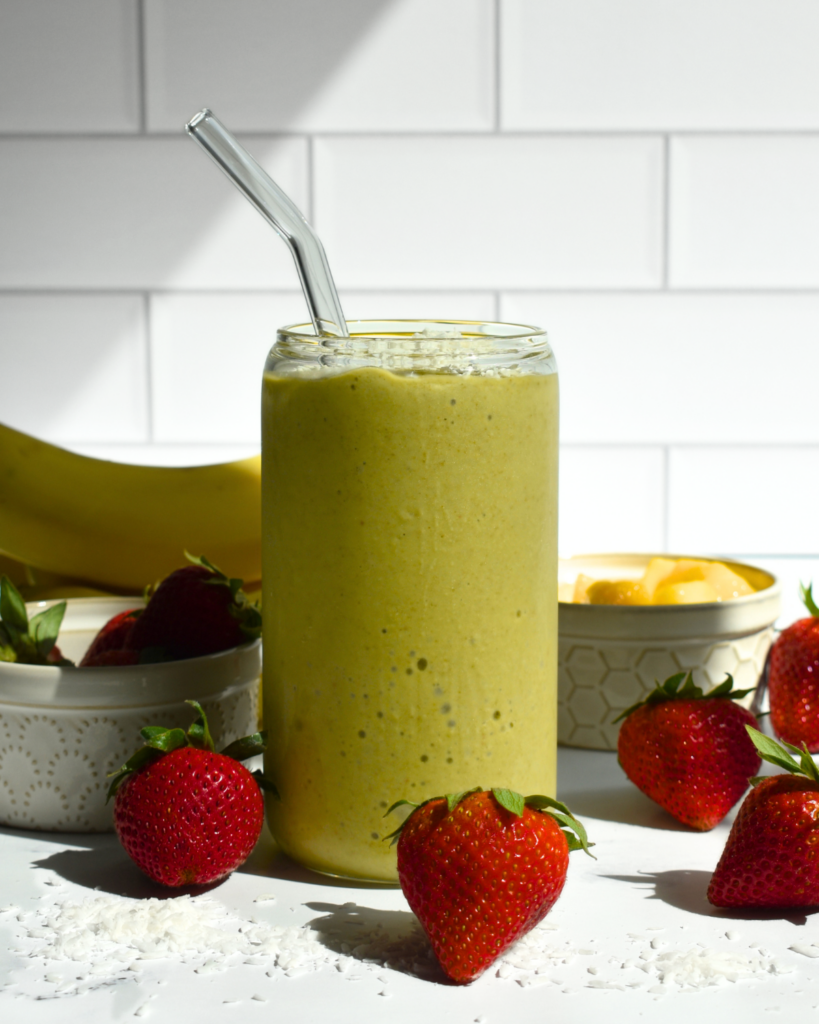
High-Fiber Tropical Smoothie
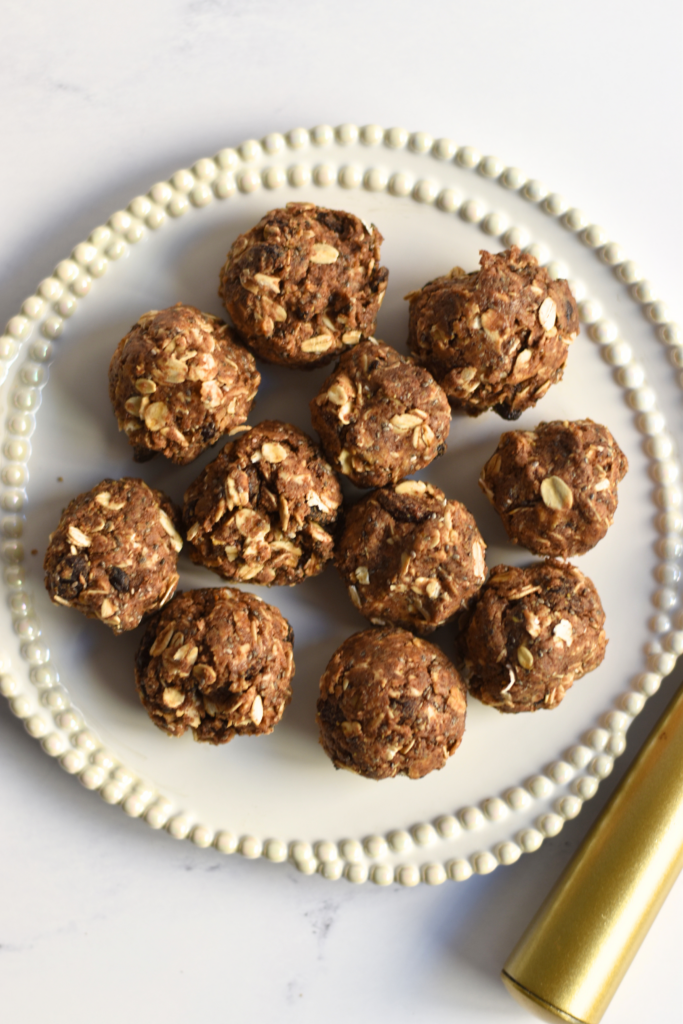
No-Bake Peanut Butter Protein Balls
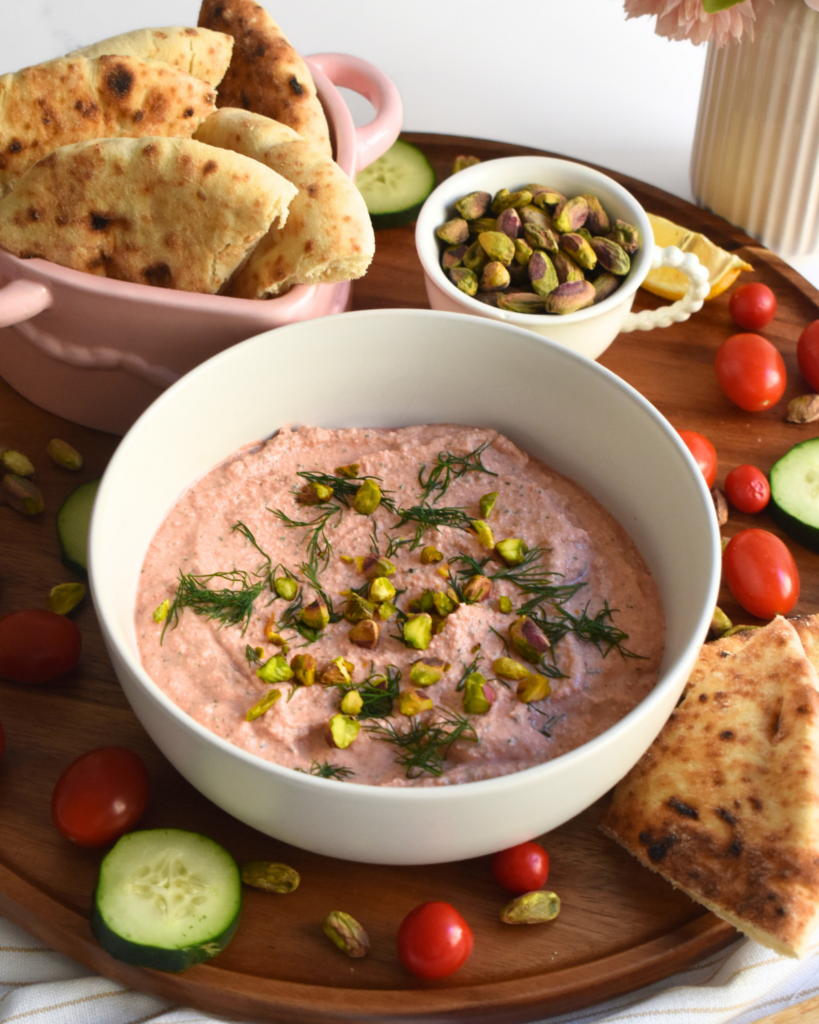
Roasted Beet Whipped Feta
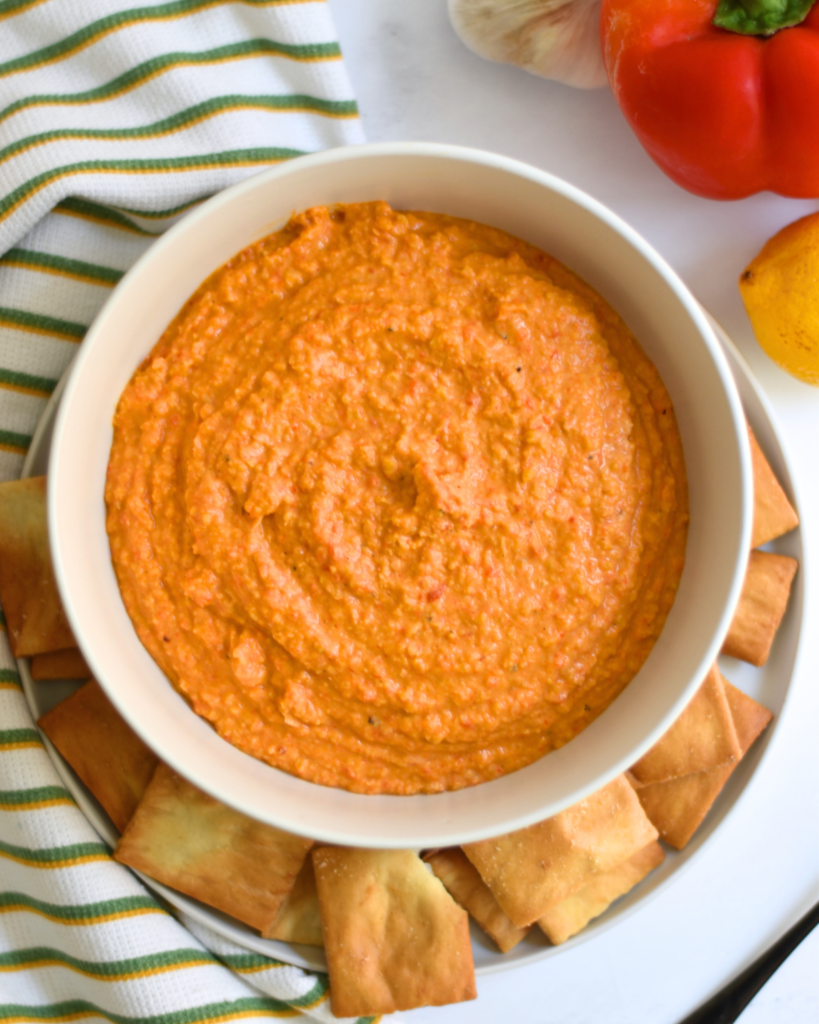
Easy Roasted Red Pepper Hummus
FAQ
More helpful articles for you
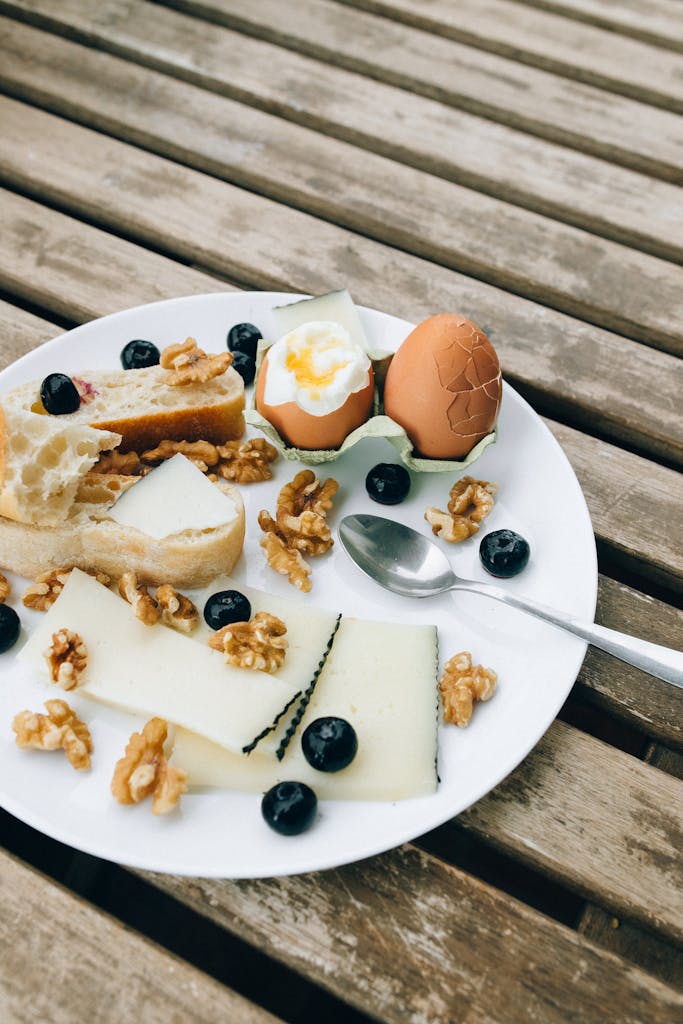
11 High-Protein Snacks with 20g of Protein or More
Healthy Costco Snacks: 18 Dietitian-Approved Options
Top 15 High-Protein Vegan Snacks (Dietitian-Approved)
Best Healthy Snacks at Whole Foods Market, Plus Shopping Tips
Conclusion
Snacking is just one piece of the puzzle when it comes to your overall eating pattern. Whether you include snacks or stick to meals instead, what matters most is choosing balanced, nutritious foods and paying closer attention to your body’s hunger and fullness cues. Instead of focusing on meal timing alone, aim for consistency and prioritize habits that support your overall health.