Does Zinc Help Balance Hormones? A Dietitian Explains
Quick summary
Zinc plays a powerful role in keeping your body functioning at its best, especially when it comes to hormones. From estrogen and progesterone to testosterone and thyroid hormones, zinc is involved in the production and regulation of key players that influence everything from mood to metabolism.
In this article, we’ll break down how zinc helps balance hormone levels, the signs you may not be getting enough, and how to boost your intake through food and supplements.

What does zinc do in your body?
Zinc might not get as much attention as vitamin D or magnesium, but it’s working behind the scenes around the clock to keep your body running smoothly.
In fact, zinc is involved in over 300 enzyme reactions in your body and plays a role in everything from repairing tissue to digesting food and promoting immune health.
Here’s a closer look at a few of the things that zinc actually does:
- Supports cell growth and repair: Your body is constantly making new cells, and zinc is essential for this process. It aids cell division and tissue repair, which is why it’s especially important for things like wound healing, skin health, and even growth during pregnancy and childhood.
- Keeps your immune system working: Zinc plays a central role in immune health. It helps your body fight off bacteria and viruses and may even shorten the duration of illnesses like the common cold.
- Aids digestion: Zinc is involved in producing digestive enzymes, which help your body break down and absorb nutrients from the foods you eat. Low levels can also sometimes affect appetite or digestion.
- Promotes brain function: Zinc regulates communication between your brain cells and is involved in neurotransmitter function, which impacts focus, mood, memory, and overall brain health.
In addition to all of the functions outlined above, zinc also plays an essential role in hormone production and regulation (more on that next!).
How zinc affects hormones
Zinc might not be a hormone itself, but it’s crucial for keeping your hormone levels in check. When zinc levels are running low, your hormones might feel a little out of sync. On the flip side, when you’re getting enough, things tend to flow much more smoothly.
Here’s a closer look at how zinc affects a few key hormones.
Estrogen
Zinc helps your body process and clear estrogen, which is important for keeping levels balanced.
Zinc is also crucial for promoting liver function and enzyme activity involved in estrogen metabolism, which can help your body maintain healthy estrogen levels.
When this system isn’t working efficiently, estrogen can start to build up, potentially leading to symptoms like bloating, mood swings, or heavy periods.
Testosterone
Zinc plays a major role in testosterone production (yes, even in women!).
Low zinc levels have been linked to lower testosterone, which can affect things like your energy levels, muscle mass, and libido.
Zinc can also prevent testosterone from being converted into estrogen too quickly to support hormone equilibrium.
Progesterone
Progesterone depends on ovulation, and zinc supports the processes behind the scenes that make ovulation happen.
So while zinc isn’t directly increasing progesterone, it helps create the right conditions for better overall hormone balance throughout your cycle.
And because progesterone is needed to help calm the nervous system, maintaining adequate levels could also help with sleep, mood, and PMS symptoms.
Thyroid hormones
Your thyroid relies on zinc to produce and regulate hormones like T3 and T4, which control your metabolism.
Zinc also converts T4 (inactive) into T3 (active), making it especially important for keeping your metabolism and energy levels running efficiently.
Not getting enough zinc can interfere with thyroid function, potentially leading to symptoms like fatigue, sluggishness, or difficulty managing your weight.
Stay in the loop!
HEALTHY EATING TIPS & RECIPES delivered directly TO YOUR INBOX
Signs you’re not getting enough zinc
Zinc deficiency isn’t always obvious, but your body often has subtle ways of dropping hints when your levels start to dip.
Because zinc is involved in so many processes, the signs can show up in a variety of ways, some of which are actually pretty easy to overlook at first.
Here are some of the most common signs to watch for:
- getting sick more often
- slow wound healing
- hair thinning or shedding
- changes in taste or appetite
- low energy
- brain fog
- irregular periods
- worsened PMS
- mood changes
Keep in mind that these symptoms can have a lot of different causes, and low zinc isn’t always to blame. However, if a few of these sound familiar, it might be worth taking a closer look at your zinc intake.
Best food sources of zinc
One of the easiest ways to ramp up your intake of zinc (and help balance your hormone levels in the process) is through food. Luckily, zinc is found in a variety of both animal and plant-based foods, so you’ve got lots of options, no matter your diet or personal preferences.
Here are some of the best food sources of zinc to include regularly:
- Meat: beef, lamb, pork
- Poultry: chicken, turkey
- Seafood: oysters, crab, lobster
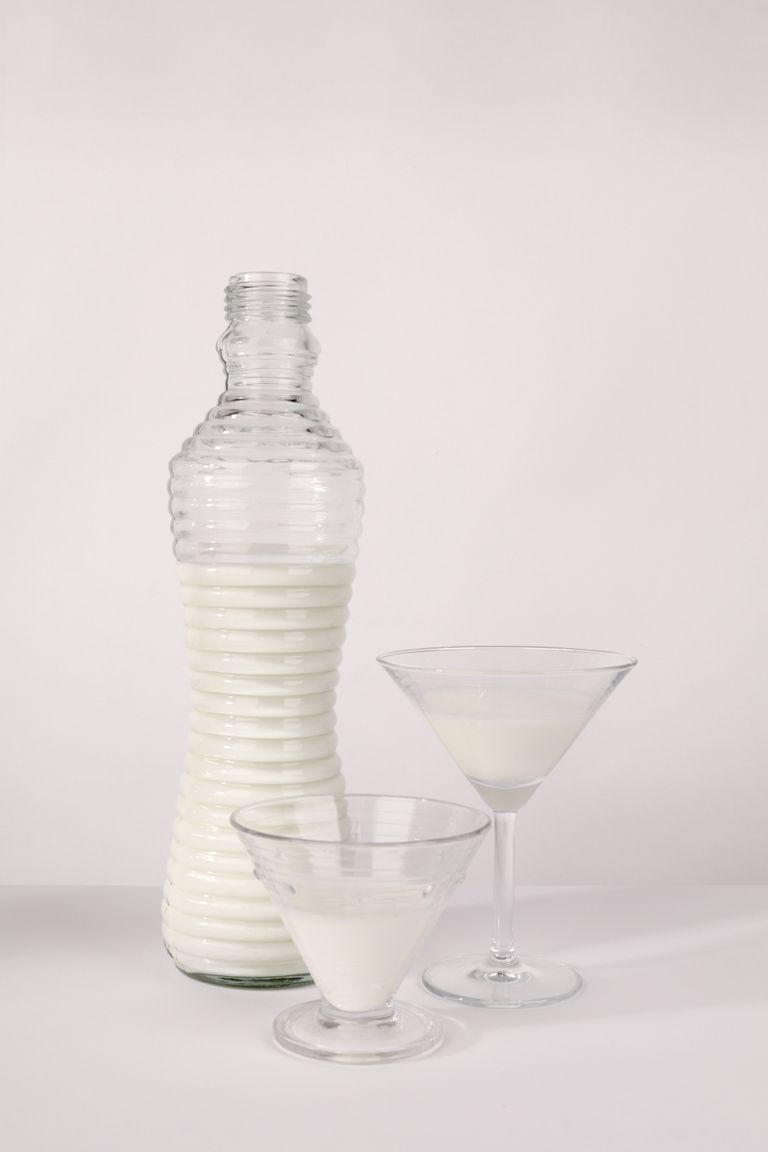
- Dairy: milk, yogurt, cheese
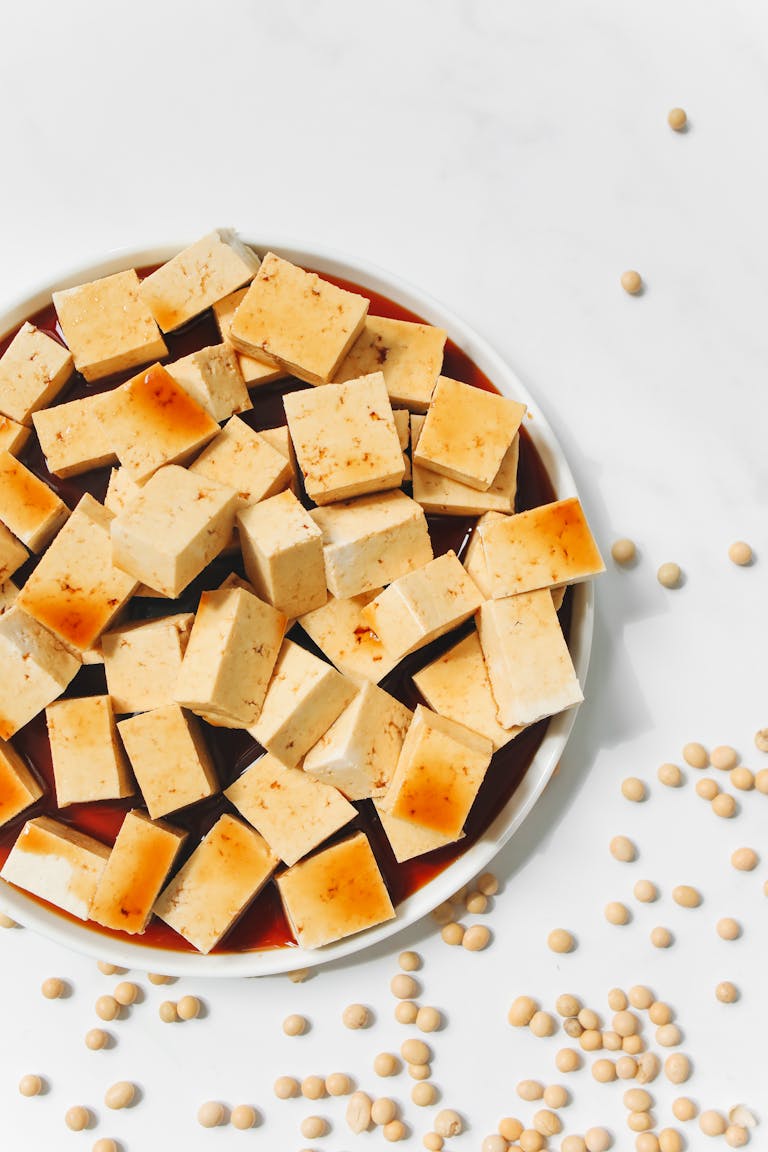
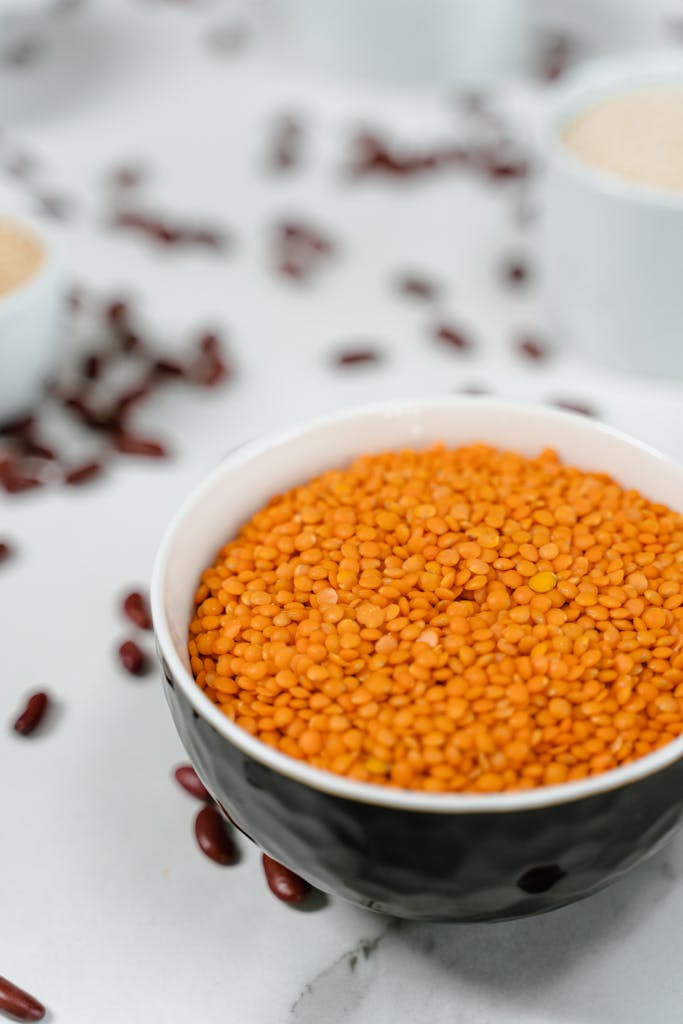
- Legumes: lentils, chickpeas, beans
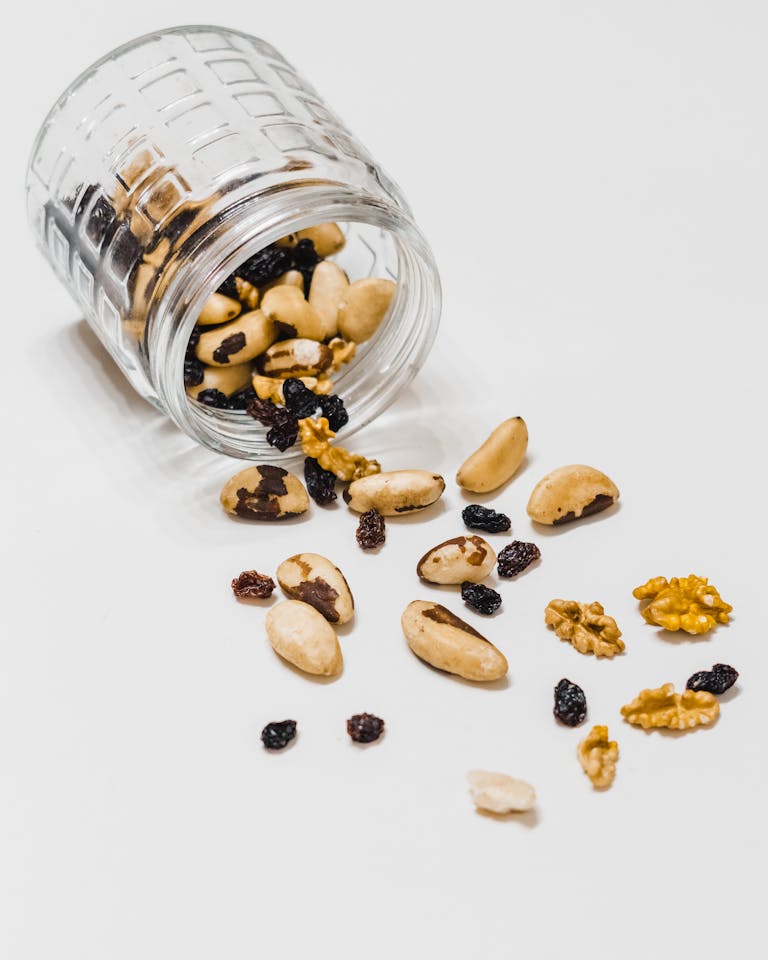
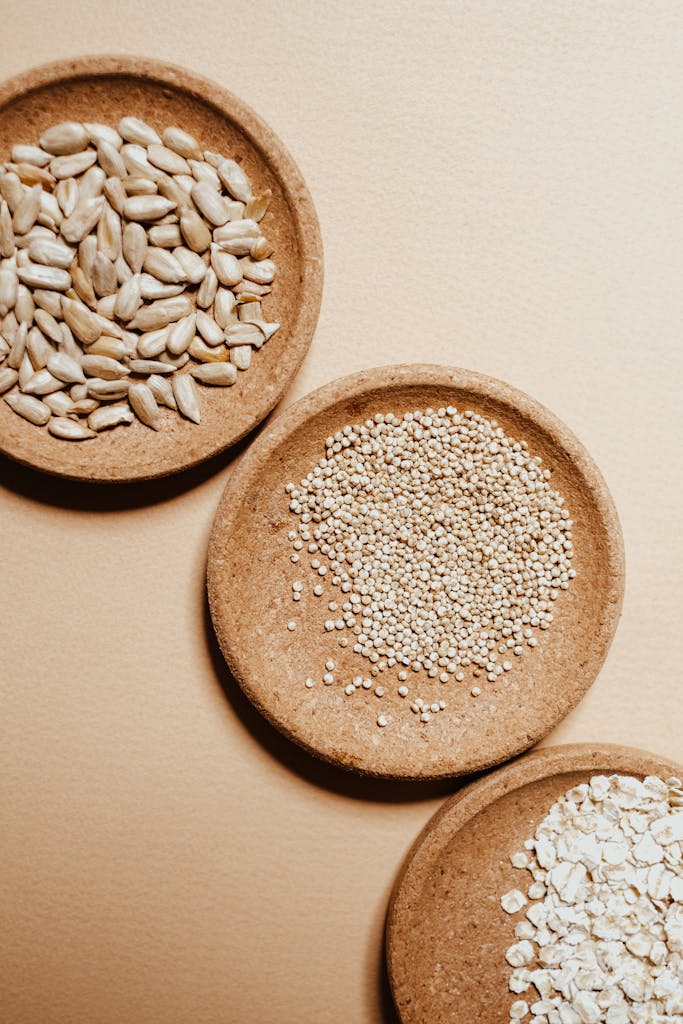
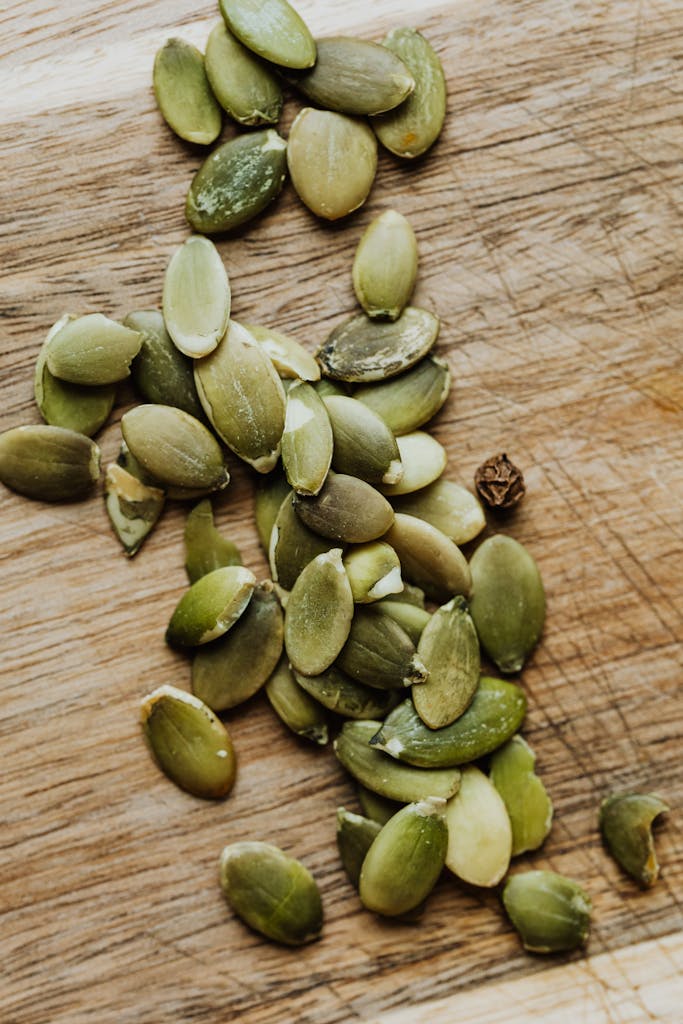
- Nuts and seeds: pumpkin seeds, hemp seeds, cashews, almonds
- Whole grains: oats, quinoa, brown rice
Keep in mind that zinc from animal sources is typically more easily absorbed than zinc from plant foods. If you follow a vegetarian or vegan diet, you may need to be a bit more intentional about including zinc-rich foods in your daily menu.
Should you take a zinc supplement?
For most people, you can meet your zinc needs through food alone. A well-rounded diet with foods like meat, seafood, legumes, nuts, seeds, and whole grains is often enough to keep zinc levels in a healthy range.
That said, there are certain situations where a zinc supplement might be helpful, including:
- if you have a diagnosed zinc deficiency
- if you follow a vegan or vegetarian diet
- if you have higher needs, such as during pregnancy or certain health conditions
- if you have limited dietary intake or absorption issues
In these cases, supplementation can help fill any gaps in your diet. Remember to use supplements only as directed and check in with a doctor or dietitian first if you’re taking other medications or have underlying health conditions.
Tips to increase zinc absorption
Even if you’re eating zinc-rich foods on a regular basis, how your body absorbs it can make a big difference, especially when it comes to supporting zinc and hormones. A few simple tweaks can help your body make the most of the zinc you’re getting.
- Prep plant foods: Soak, sprout, or ferment beans, legumes, and grains to reduce antinutrients, aka compounds that block zinc absorption.
- Pair with the right foods: Combine plant-based zinc sources with animal-based foods when possible to improve bioavailability.
- Separate supplements: Avoid taking zinc with high doses of calcium or iron, which can compete for absorption.
- Prioritize protein: Include protein-rich foods in your diet, which can boost nutrient uptake.
- Be mindful of timing: Space out zinc supplements from meals high in phytates, like bran or unprocessed whole grains.
- Take with food: Take zinc supplements with food if they cause stomach discomfort, but avoid taking them with a very high-calcium meal.
FAQ
More helpful articles
Seed Cycling for Hormones: Does It Actually Work?
Best Foods for Hormone Balance, According to a Dietitian
6 Foods That Help With PMS Symptoms + Sample Meal Ideas
Perimenopause Nutrition: Tips for Hormones, Weight, and Energy
What to Eat During Menopause: A Simple, Stress-Free Food Guide
Conclusion
Even though zinc is needed in small amounts, it plays a major role in keeping your hormone levels balanced. From supporting estrogen and progesterone levels to helping with testosterone and thyroid function, zinc works tirelessly to keep everything in sync.
Fortunately, it’s totally possible to meet your needs through a balanced, nutrient-dense diet, with supplements used strategically when needed.
Focusing on minimally processed foods and a well-rounded diet is one of the best ways to naturally support zinc and hormones and feel your best every day.