Brain-Healthy Grocery List: What to Buy for Better Focus, Memory, and Mood
Quick summary
What you put in your grocery cart can have a surprising impact on how well your brain works. From focus and memory to mental clarity and energy, the right combination of foods can give your brain health a boost. It all starts with building a brain-healthy grocery list, which can help you make better choices throughout the week without having to overthink every meal.
Read on for a complete brain-healthy grocery list, meal ideas, foods to limit, and some simple shopping tips to start making smarter choices at the store.
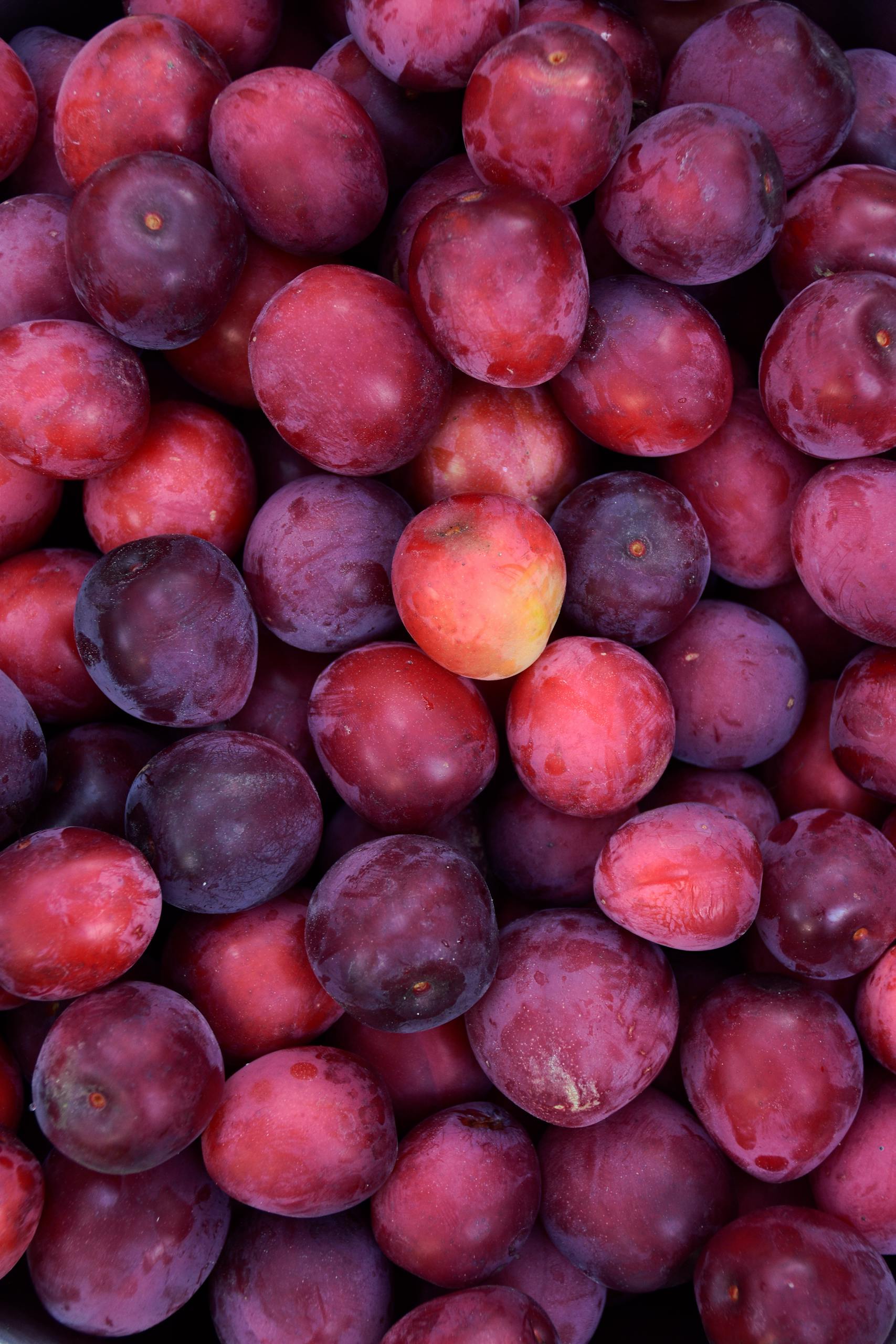
What foods are best for brain health?
Have you ever noticed how some days your brain feels sharp and focused, while other days you’re forgetting simple things or struggling to concentrate? That feeling of brain fog isn’t just in your head (well, technically it is).
Your brain uses about 20% of your body’s energy supply, which is why the foods you put on your plate play such a big role in how well it functions. The right nutrients can support memory, focus, mood, and even long-term brain health.
So what should you actually be adding to your grocery cart? In general, the best foods for brain health are those that ease inflammation, stabilize blood sugar levels, and supply your brain with a steady stream of energy.
Some of the top brain-healthy foods include:
- fatty fish, which contain anti-inflammatory omega-3 fatty acids
- berries rich in antioxidants to protect the brain against oxidative stress
- leafy greens packed with vitamins that boost brain function
- nuts, seeds, and olive oil, which provide healthy fats to keep your brain fueled and focused
On the flip side, highly processed foods and added sugars can drive up inflammation and spike blood sugar levels, which may take a toll on your brain over time.
Stay in the loop!
HEALTHY EATING TIPS & RECIPES delivered directly TO YOUR INBOX
Ultimate brain-healthy grocery list
What you eat plays a powerful role in how your brain functions on a daily basis, from how clearly you think to how well you’re able to concentrate or process information. Luckily, building a brain-healthy grocery list is pretty straightforward, especially when you focus on whole foods that nourish both your body and mind.
Here’s a simple, well-rounded grocery list to help you shop with your brain in mind.
Healthy fats
These foods are rich in omega-3 fatty acids and other healthy fats, which are essential for building and maintaining brain cells. Studies show that increasing your intake of omega-3s, in particular, can boost blood flow to the brain and may be linked to improved learning, memory, and cognitive well-being.
Some of the best foods to buy include:
- fatty fish, like salmon, sardines, and trout
- eggs
- Greek yogurt or plain yogurt
- nuts, including walnuts, almonds, and pistachios
- chia seeds, flaxseeds, and pumpkin seeds
Fruits and vegetables
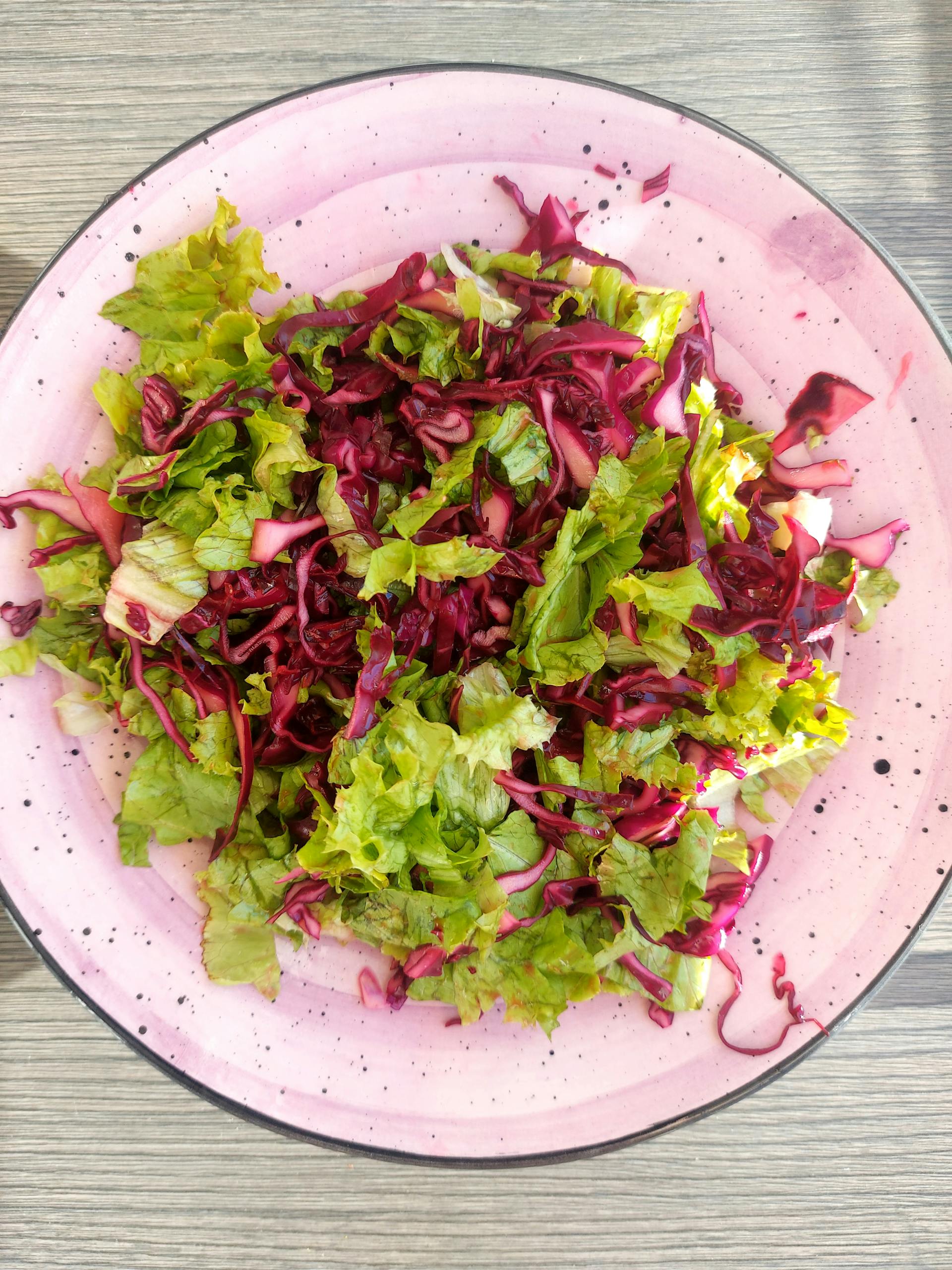
Colorful produce is packed with antioxidants and vitamins that help protect the brain against oxidative stress. Berries, in particular, are known for enhancing memory and reducing inflammation, whereas leafy greens provide nutrients like folate, which is linked to cognitive health.
A few examples of brain-healthy fruits and veggies include:
- berries, such as blueberries, strawberries, and blackberries
- leafy greens, like spinach, kale, Swiss chard, cabbage, and arugula
- broccoli
- cauliflower
- Brussels sprouts
- avocados
- bell peppers
- carrots
- tomatoes
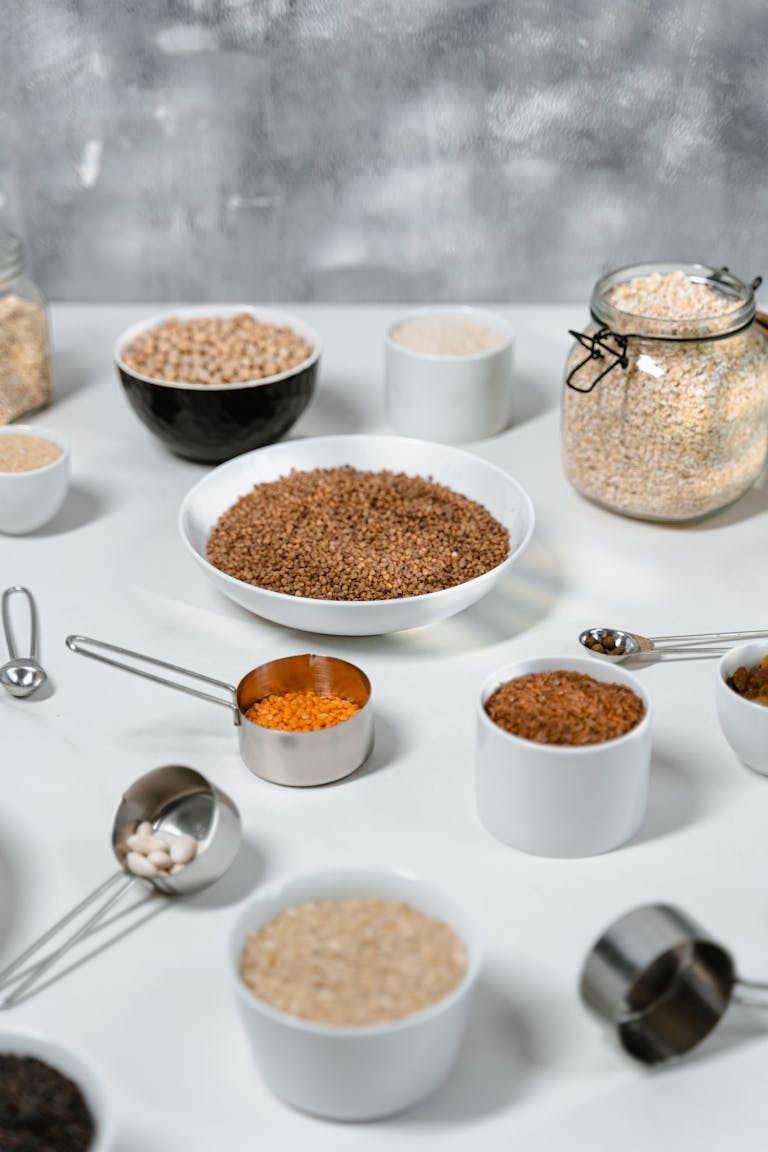
Whole grains
Whole grains provide steady, slow-digesting carbohydrates that help balance blood sugar levels. This is important because blood sugar spikes and crashes can lead to brain fog, fatigue, and poor concentration. Fiber also supports gut health, which is closely tied to brain function.
Some healthy whole grains include:
- oats
- quinoa
- brown rice
- whole-grain bread or wraps
- barley
- farro
Plant-based proteins
Plant proteins are rich in fiber, iron, and B vitamins, all of which play a role in energy production and brain function. They also keep you full and promote steady energy levels, which can help fine-tune focus during the day.
The best plant-based proteins for brain health include:
- lentils
- chickpeas
- black beans
- kidney beans
- tofu
- tempeh
Pantry staples
Several staple ingredients provide anti-inflammatory and antioxidant benefits. Extra-virgin olive oil, for example, is a key component in the Mediterranean diet, which is strongly linked to better brain health. Meanwhile, turmeric contains curcumin, which may help reduce inflammation in the brain and improve memory.
Some of the top pantry staples for brain health include:
- extra-virgin olive oil
- turmeric
- garlic
- dark chocolate (70% or higher)
- green tea
Beverages
Hydration is often overlooked, but it’s actually essential for maintaining mental clarity. Even mild dehydration can significantly affect your concentration and mood.
A few examples of smart beverages to sip include:
- herbal teas, like chamomile, peppermint, or green tea
- sparkling water
- filtered water
Shopping tips
Sticking to your brain-healthy grocery list is a lot easier with a few smart shopping strategies up your sleeve. Here are a few quick tips to keep in mind:
- Shop the perimeter first: Focus on fresh foods around the edges of the store before heading into the inner aisles.
- Fill your cart with colorful foods: Aim for a variety of fruits and vegetables to maximize antioxidants and brain-supporting nutrients.
- Read the labels: Pick foods with short, recognizable ingredient lists and minimal added sugar or additives.
- Don’t fear frozen foods: Frozen fruits and veggies are just as nutritious and can make brain-healthy eating more convenient (and affordable!).
Brain-healthy meal ideas
Once your kitchen is stocked with brain-boosting foods, putting meals together is easy. The goal is to combine protein, fiber, and healthy fats to enhance energy and concentration during the day.
Here are some nutritious meal and snack ideas, featuring many of the ingredients from the brain-healthy grocery list above.
Breakfast
- yogurt bowl with blueberries, chia seeds, and walnuts
- oatmeal topped with berries, flaxseeds, and a scoop of nut butter
- scrambled eggs with spinach, peppers, and avocado on whole-grain toast
- chia pudding with strawberries and dark chocolate flakes
Lunch
- salmon salad bowl with cabbage, quinoa, avocado, and olive oil dressing
- lentil and veggie bowl with roasted broccoli, carrots, and turmeric dressing
- chickpea wrap with hummus, spinach, and bell peppers on a whole-grain tortilla
- turkey and black bean chili with tomatoes, beans, and spices like turmeric and cumin
Dinner
- garlic-lemon trout with brown rice and roasted asparagus
- tofu stir-fry with broccoli, bell peppers, garlic, and quinoa
- lentil curry with turmeric, spinach, and wild rice
- barbecue tempeh with farro, sweet potatoes, broccoli, and avocado sauce
Snacks
- apple slices with almond butter
- handful of walnuts and dark chocolate
- hummus with baby carrots
- green tea with a small handful of nuts and cheese
Foods to limit for brain health
Just as important as what you add to a brain-healthy diet is what you cut back on. Many common foods can contribute to brain fog and inflammation when eaten in excess, especially when they displace more nutrient-dense options in your daily diet.
Here are the main foods to keep in check for better focus, memory, and mood:
- Sugary foods: candy, desserts, baked goods, flavored coffees, soda, sweet snacks
- Refined carbs: white bread, instant noodles, crackers, processed breakfast cereals, white rice, refined pasta
- Ultra-processed foods: fried foods, packaged snacks, frozen meals, convenience items
- Alcohol: high amounts of beer, liquor, wine, and mixed drinks
You don’t need to avoid these foods completely, but being more mindful of your intake can help promote better long-term brain health.
FAQ
More helpful articles
Conclusion
Building a brain-healthy grocery list can be a simple but effective way to support better focus and memory. By prioritizing nutrient-dense foods like fruits, veggies, healthy fats, lean proteins, and whole grains, you can fuel your brain with the nutrients it needs to function at its best.