Swiss Chard: Benefits, Nutrition, and Easy Ways to Eat It
Quick summary
With its colorful stems and flavor-filled leaves, Swiss chard is a vibrant yet often overlooked veggie. But while it’s not quite as popular as spinach or kale, there’s a long list of possible Swiss chard benefits, and plenty of reasons why this leafy green deserves a spot on your plate.
In this article, we’re breaking down the key benefits of Swiss chard, its nutritional profile, and easy ways to enjoy it in everyday meals. We’ll also cover some tips for buying and storing Swiss chard, simple recipe ideas, and how it stacks up against spinach.
What is Swiss chard?
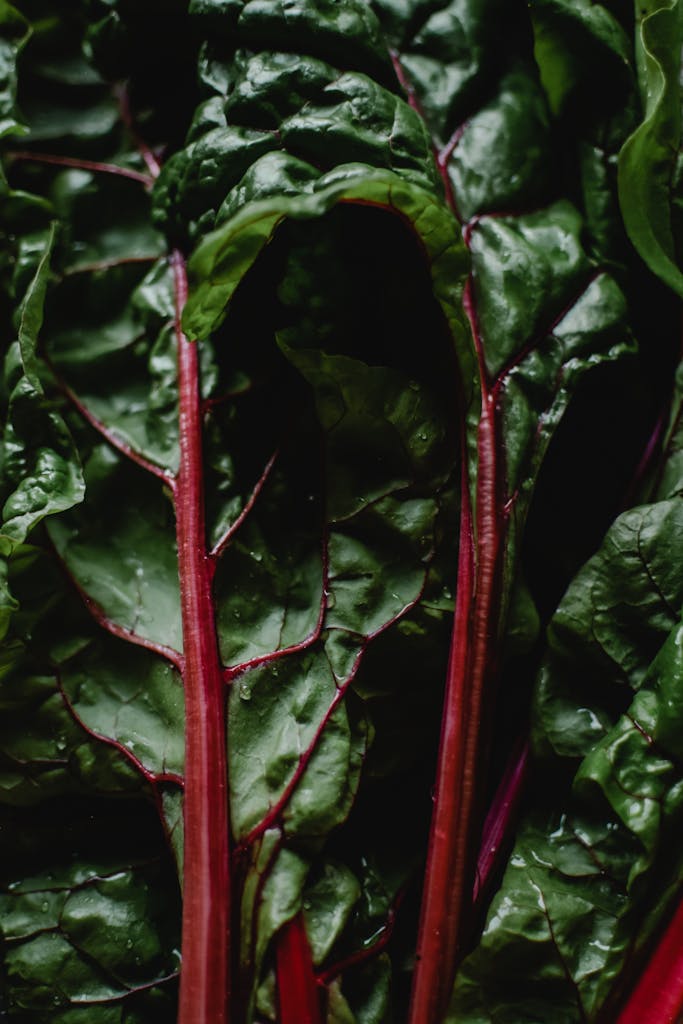
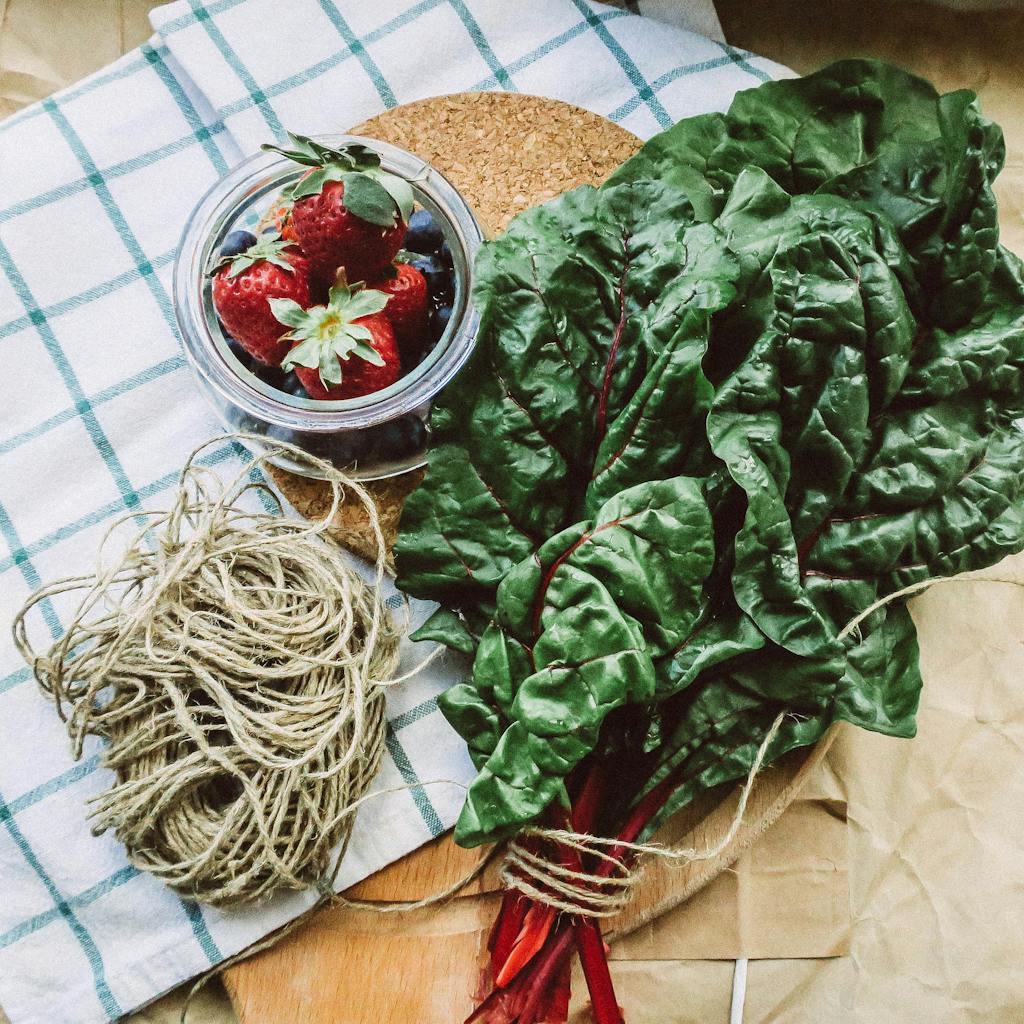
Swiss chard is a leafy green vegetable known for its vibrant stems and dark, crinkly leaves.
Despite its name, Swiss chard isn’t actually from Switzerland. Instead, it’s part of the beet family and has been cultivated for centuries in Mediterranean regions.
You’ll often find it in varieties like rainbow chard, which features colorful stems in red, yellow, and orange, or green chard, which has white stems.
In terms of flavor, Swiss chard has a slightly earthy, mildly bitter taste, similar to spinach but a bit more robust.
The leaves are tender when cooked and the stems have a subtle crunch, making it a versatile ingredient in everything from sautés and stir-fries to soups, pasta dishes, and grain bowls.
If you’re looking to add more variety to your greens, Swiss chard is an easy, delicious, and nutritious option to start with.
Swiss chard nutrition facts
Swiss chard is a nutrient powerhouse, offering a variety of vitamins, minerals, and antioxidants in a single serving. It’s especially high in fiber, vitamin K, vitamin A, magnesium, and vitamin C.
Just one cup of cooked Swiss chard provides:
- Calories: 35
- Carbs: 7 grams
- Fiber: 3.7 grams
- Protein: 3 grams
- Fat: 0 grams
- Vitamin K: 572 micrograms (477% of the DV, or Daily Value)
- Vitamin A: 536 micrograms (60% of the DV)
- Magnesium: 150 milligrams (36% of the DV)
- Vitamin C: 31.5 milligrams (35% of the DV)
- Copper: 0.3 milligrams (32% of the DV)
- Manganese: 0.6 milligrams (25% of the DV)
- Iron: 4 milligrams (22% of the DV)
- Potassium: 961 milligrams (20% of the DV)
- Vitamin E: 3.3 milligrams (22% of the DV)
Swiss chard also contains a good amount of several other beneficial nutrients, including vitamin B6, thiamin, riboflavin, and calcium.
Stay in the loop!
HEALTHY EATING TIPS & RECIPES delivered directly TO YOUR INBOX
Benefits of Swiss chard
From heart health to digestion, there are plenty of potential Swiss chard benefits and tons of reasons to add this leafy green to your grocery list. Here are some of its possible health perks.
Supports stronger bones
Swiss chard is a great source of vitamin K, with more than four times the recommended daily value packed into each cooked cup.
While vitamin K may be most well-known for its role in blood clotting, it’s also essential for bone health by promoting the formation of new bone cells.
Swiss chard is also loaded with magnesium, another micronutrient that regulates bone metabolism and keeps your skeletal system strong.
Keeps your heart healthy
Swiss chard provides several nutrients that support heart health, including fiber, magnesium, and potassium.
Both magnesium and potassium can help lower blood pressure, while fiber has been shown to decrease levels of cholesterol, blood pressure, and inflammation.
In a 2021 study, researchers found that eating more leafy greens (including Swiss chard) was linked to a lower risk of issues like heart disease and ischemic stroke.
Aids digestion
With 3.7 grams of fiber in a single cooked cup, adding Swiss chard to your meal plan can be a simple way to boost gut health.
Dietary fiber is fermented by the good bacteria in your gut, producing beneficial compounds called short-chain fatty acids and enhancing the health of your gut microbiome.
What’s more, studies show that upping your intake of greens like Swiss chard can aid regularity and may even be tied to a lower risk of constipation.
Balances blood sugar levels
Eating more fiber-rich foods, such as Swiss chard, can support healthy blood sugar levels by slowing the absorption of sugar in your bloodstream.
Swiss chard is also rich in antioxidants, which can alleviate inflammation, a key driver of metabolic disease.
Research shows that adding leafy greens to your meal could actually help stabilize blood sugar levels after eating.
Promotes healthy vision
Swiss chard is a great source of vitamin A, which is involved in the production of rhodopsin, a protein that helps you see in low light.
It’s also high in lutein and zeaxanthin, two antioxidants that promote eye health and help keep your vision sharp.
These compounds may be especially beneficial for the prevention of age-related macular degeneration, a progressive eye disease and the leading cause of vision loss.
How to cook Swiss chard
Swiss chard is versatile and easy to prepare, and both the leaves and stems can be used in cooking. To get started, wash the leaves thoroughly to remove any dirt or grit, and separate the stems from the leafy greens. This is because the stems take a little longer to cook and have a slightly firmer texture.
Some of the best options for how to cook Swiss chard include:
- Sautéing: Heat olive oil or butter in a pan, cook the chopped stems first for 2-3 minutes, then add the leaves until wilted.
- Steaming: Steam stems for 3-4 minutes, then add leaves for another minute or two, until tender.
- Adding to soups or stews: Chop stems and leaves and stir in during the last 5-10 minutes of cooking.
- Roasting: Toss chopped stems and leaves with oil and seasoning, roast at 400° F (200° C) for about 10-15 minutes.
Easy ways to eat Swiss chard
Swiss chard is versatile and can be incorporated into meals in a variety of delicious ways. Whether you’re experimenting with new ingredients or simply looking to boost your veggie intake, here are some easy ways to eat more Swiss chard:
- Add to soups and stews: Chop the stems and leaves and stir them into minestrone, lentil soup, or vegetable stew to squeeze in extra nutrients.
- Sauté with garlic and olive oil: Quickly sauté Swiss chard with garlic, olive oil, and a pinch of salt. Serve as a simple side or mix into pasta.
- Mix into pasta or bowls: Toss chopped leaves into pasta, rice, or grain bowls at the last minute for a quick nutrient boost.
- Blend into smoothies: Add a handful of raw leaves to fruit smoothies to sneak in some extra vitamins.
- Use in egg dishes: Incorporate chopped Swiss chard into omelets, frittatas, or scrambled eggs for a tasty breakfast or brunch.
- Bake into casseroles or muffins: Mix finely chopped leaves into quiches, lasagna, or even savory muffins to sneak in nutrients for picky eaters.
These methods make it easy to enjoy Swiss chard raw or cooked. Plus, they can be adapted to suit different meals, cuisines, and personal preferences.
Swiss chard recipes
Looking for simple ways to enjoy Swiss chard beyond a basic sauté? Here are a few delicious and nutritious Swiss chard recipes:
- Swiss chard and white bean soup: Combine chopped chard, canned white beans, onions, garlic, and vegetable broth for a hearty, nutrient-packed soup. Add herbs like thyme or rosemary for even more flavor.
- Swiss chard pasta: Toss sautéed chard with cooked pasta, olive oil, lemon juice, and a sprinkle of Parmesan or nutritional yeast for a quick and tasty meal.
- Green smoothie with Swiss chard: Blend a handful of raw chard leaves with banana, frozen berries, and your choice of milk or yogurt for a nutritious breakfast or snack.
Tips for buying and storing Swiss chard
Buying and storing Swiss chard properly is key to ensuring that it stays fresh and vibrant for longer. Follow these simple tips to get the most out of this leafy green:
- Look for bright, crisp leaves: Choose chard with firm, unblemished leaves and vibrant stems. Avoid wilted or yellowing leaves.
- Check the stems: Stems should be firm and colorful, not soft or dried out.
- Store in the fridge: Wrap unwashed leaves loosely in a paper towel and place them in a perforated plastic bag in the crisper drawer.
- Use within a few days: Swiss chard is best eaten within 3-5 days of purchase to maximize the flavor and nutrient content.
- Prep ahead: Wash, chop, and store chard in airtight containers to make cooking and adding it to meals easier throughout the week.
FAQ
More nutritious fruits & veggies
Strawberry Nutrition Facts and Benefits, Plus Healthy Ways to Use Them
Jujube Fruit Benefits, Side Effects, and Uses
Benefits of Kiwi: 6 Science-Backed Reasons to Add More Kiwi to Your Diet
Cabbage for Gut Health: Benefits, Nutrition, and How to Eat It
Benefits of Raspberries: Nutrition, Uses, and More
Spinach vs. Kale Nutrition: Which Is Healthier?
Avocado Nutrition, Benefits, and Recipes
Conclusion
Swiss chard is a versatile, nutrient-packed leafy green that’s easy to add to any meal, whether raw in salads, blended into smoothies, or cooked in soups and pastas.
Beyond boasting an impressive array of vitamins, minerals, and antioxidants, it can also help keep your bones, heart, and gut healthy.
Adding this leafy green to your diet is a great way to bring more color, flavor, and nutrients to your dinner table.