Beginner’s Guide to Tempeh: Benefits, Nutrition, and How to Use It
Quick summary
While it may not be as popular as tofu, tempeh is a plant-based protein worth getting to know. It’s made from whole fermented soybeans, giving it a firmer, chewier texture and more substantial bite than tofu. It’s also nutritious and incredibly versatile, so you can slice it, cube it, crumble it, marinate it, and crisp it up in all sorts of delicious ways.
In this guide, I’m breaking down the top tempeh benefits, how to cook it, and some easy ways to use it so you can feel confident grabbing a package on your next grocery run.
Whether you’re a longtime tempeh lover or curious about giving tempeh a try, I’ve got you covered! Read on for everything you need to know.
What is tempeh?
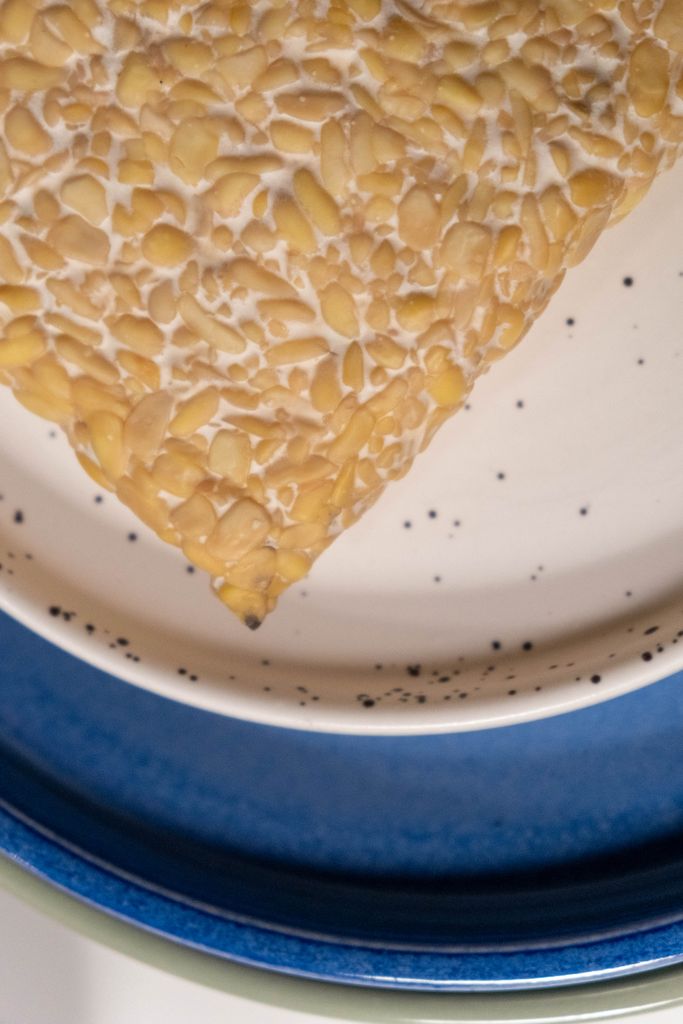
Tempeh is a traditional Indonesian food made from fermented soybeans. Whole soybeans are cooked and then fermented with a starter culture, which binds the beans together into the firm, compact cake you might spot at the store.
Unlike tofu, which is made from soy milk, tempeh is made from whole soybeans, so you can actually see the beans throughout the finished product. This also gives tempeh a firmer, chewier texture that holds up especially well when baked, grilled, pan-fried, or crumbled.
You can find plain tempeh as well as varieties made with additional grains, seeds, or legumes. You’ll also find pre-seasoned options, like smoky tempeh bacon, which are designed to make it even easier to add tempeh to meals.
If you’re new to tempeh, don’t let its somewhat mysterious appearance intimidate you! It’s actually incredibly easy to work with, and once you know a few simple ways to cook it, it can become a very useful plant-based staple.
Tempeh nutrient profile
Tempeh packs a lot of nutrition into a relatively small serving. Each serving provides a solid amount of protein, plus healthy fats, fiber, and other important vitamins and minerals.
A 3-ounce serving of cooked tempeh contains:
- Calories: 163
- Fat: 9.2 grams
- Protein: 17.2 grams
- Carbohydrates: 6.5 grams
- Fiber: 6 grams
- Copper: 0.5 milligrams (53% of the DV, or Daily Value)
- Manganese: 1.1 milligrams (48% of the DV)
- Riboflavin: 0.3 milligrams (23% of the DV)
- Phosphorus: 226 milligrams (18% of the DV)
- Magnesium: 69 milligrams (16% of the DV)
- Niacin: 2.2 milligrams (14% of the DV)
- Iron: 2.3 milligrams (13% of the DV)
- Vitamin B6: 0.2 milligrams (11% of the DV)
- Calcium: 94 milligrams (7% of the DV)
- Potassium: 350 milligrams (7% of the DV)
Tempeh vs. tofu
Tempeh and tofu are both nutritious soy-based foods, but they have some pretty noticeable differences when it comes to their taste, texture, and how they work in recipes. Here’s a quick side-by-side look to help you decide which one makes sense for your next meal.
| Tempeh | Tofu | |
|---|---|---|
| Made from | whole fermented soybeans | soy milk |
| Fermented | yes | no |
| Texture | firm, dense, and chewy | soft, creamy, or firm, depending on variety |
| Flavor | nutty and earthy | mild and neutral |
| Protein | higher in protein per serving | high in protein, but varies by firmness |
| Fiber | contains fiber | typically contains little to no fiber |
| Best for | stir-fries, sandwiches, tacos, bowls, crumbles | scrambles, stir-fries, soups, sauces, smoothies |
| Cooking methods | baking, pan-frying, grilling, air-frying | baking, pan-frying, grilling, blending, simmering |
Stay in the loop!
Healthy eating tips & recipes delivered directly to your inbox
Potential benefits of tempeh
Tempeh is a fermented soy food with a lot of things going for it. Here are a few of the top tempeh benefits and why it deserves a spot in your regular rotation.
1. It’s high in protein
One of tempeh’s biggest perks is its protein content. A 3-ounce serving contains about 17 grams of protein, making it an especially useful option if you’re looking for plant-based options to squeeze more protein into your meals.
Protein isn’t just for gym buffs or those trying to build muscle. In fact, your body uses protein for just about everything, including maintaining muscle tissue, making enzymes and hormones, supporting your immune system, and repairing tissues.
As an added bonus, protein also tends to be pretty filling, so adding tempeh to your meals can make them a whole lot more satisfying.
2. It’s a great source of fiber
In addition to protein, tempeh also brings a decent amount of fiber to the table. A 3-ounce serving provides about 6 grams of fiber, which is over 20% of the DV.
Not only does fiber keep your digestive system moving, but it can also help balance blood sugar and cholesterol levels, promote feelings of fullness, and feed the beneficial bacteria that live in your gut.
Because so many protein-rich foods (especially animal-based ones) contain little to no fiber, tempeh gives you a little more bang for your buck. You get a hearty dose of protein and fiber in the same serving, which is one reason it’s such a useful staple for building filling, nutritious, plant-forward meals.
3. It’s rich in vitamins and minerals
Tempeh is a great source of several key vitamins and minerals, including iron, magnesium, phosphorus, and B vitamins, among others.
Iron is especially worth calling out for anyone following a vegetarian or plant-based diet, since plant foods provide non-heme iron, which is less readily absorbed than the heme iron found in animal foods. Tempeh can be one piece of the puzzle when it comes to getting enough, especially when paired with vitamin C-rich foods to help boost iron absorption.
It also contains minerals like magnesium and phosphorus, which are involved in everything from energy production and muscle function to bone health. So even though tempeh may be best known for its protein, its nutritional résumé is actually quite a bit longer.
4. It’s fermented
Tempeh is made by fermenting cooked soybeans with a beneficial mold called Rhizopus, which binds the beans together into the firm, sliceable block you can grab at the grocery store.
Fermentation can make certain nutrients in soybeans easier for your body to access and may also reduce some of the compounds that interfere with nutrient absorption. Plus, fermentation gives tempeh its distinctive nutty, earthy flavor and hearty texture.
Another potential bonus of fermentation is probiotics, or beneficial live microorganisms that enhance gut health. However, keep in mind that not all varieties of tempeh contain probiotics, even after fermentation. Some products may contain live microorganisms, but these can also be reduced or eliminated during processing or cooking.
5. It contains soy compounds
Tempeh is made from soybeans, which means it also comes with a hearty dose of soy isoflavones. These naturally occurring plant compounds are a type of phytoestrogen with antioxidant effects.
Research suggests that regularly eating soy foods could be linked with several possible perks, including better heart and bone health. Some studies have also found associations between soy intake and a lower risk of certain chronic conditions, though more research is needed.
6. It’s versatile and easy to enjoy
One of the best things about tempeh is just how versatile it is! You can slice it into strips, cube it up for bowls and stir-fries, crumble it into tacos or pasta sauce, or marinate it and toss it into the oven or air fryer until it’s golden and crispy.
Its hearty texture works especially well in recipes where you might otherwise reach for meat, and its nutty flavor pairs perfectly with all kinds of sauces and seasonings. It’s also a great way to add more protein and fiber to meals you already love without completely reinventing your cooking routine!

How to cook tempeh
Cooking tempeh is surprisingly simple, but there are a few tricks that can make a big difference in the final texture and flavor.
1. Steam it
I recommend steaming tempeh for about 10 minutes before cooking, especially if you’re new to tempeh. This softens the tempeh, mellows out its earthy flavor a bit, and helps it soak up marinades even more.
That said, steaming is totally optional, so feel free to skip it when you’re short on time.
2. Slice or cube it
Cut your tempeh into whatever shape works best for your recipe. Thin slices are great for sandwiches and tempeh bacon, cubes work well in bowls and stir-fries, and crumbles are perfect for tacos, pasta sauces, and chili.
3. Marinate it
Tempeh is a lot like a sponge, so don’t be shy with the seasoning.
A simple combination of soy sauce or tamari, maple syrup, garlic, and a splash of vinegar or lime juice makes an easy all-purpose marinade. You can also switch things up with other flavor combinations and marinades (check out some ideas below!).
Let the tempeh sit for at least 15 to 30 minutes, or longer if you have the time.
4. Cook it
Once seasoned, cook your tempeh until the edges are browned and crispy. You can pan-fry, bake, grill, or air-fry it depending on the recipe. A lightly browned exterior with a tender center means that it’s ready.
5. Add it to your favorite meals
Now comes the fun part! You can toss your cooked tempeh into grain bowls, stir-fries, salads, tacos, sandwiches, wraps, pasta, or pretty much anywhere else you want a quick protein boost.
Once you get the basic cooking method down, the possibilities are pretty endless!
Easy ways to use tempeh
Tempeh’s unique texture and flavor make it an awesome addition to all kinds of meals, from soups and salads to bowls and beyond. Here are a few quick ideas for how to use tempeh:
- Tacos: Crumble or finely chop tempeh and cook it with taco seasoning, then pile it into tortillas with avocado, salsa, shredded cabbage, or a squeeze of lime.
- Stir-fries: Add crispy cubes of tempeh to your favorite stir-fry with veggies and a savory sauce. Serve over brown rice or quinoa.
- Veggie bowls: Add roasted or fresh vegetables, crispy tempeh, and a flavorful dressing to a base of brown rice, quinoa, or farro.
- Sandwiches and wraps: Thinly slice and pan-fry or bake tempeh, then tuck it into a sandwich or tortilla wrap with greens, tomato, avocado, and your favorite sauce. Smoky tempeh bacon is especially good here!
- Pasta: Crumble tempeh into marinara sauce or toss crispy cubes into your favorite pasta dish for a little extra protein.
- Breakfast hash: Crumble tempeh into a skillet with potatoes and veggies, then season with smoked paprika, garlic, and black pepper. Add eggs if you eat them, or keep it completely plant-based.
- Salads: Add crispy tempeh to a big green salad with crunchy veggies, grains, and your go-to dressing.
- Chili: Crumble tempeh into chili along with beans, tomatoes, and tons of spices for a tasty, plant-based twist.
Tempeh marinades
Tempeh is practically made for marinades, and you can take it in just about any flavor direction. Try one of these combinations:
- Sweet and savory: soy sauce, maple syrup, garlic, and rice vinegar
- Smoky BBQ: BBQ sauce, smoked paprika, garlic powder, and a splash of apple cider vinegar
- Sesame ginger: soy sauce, sesame oil, fresh ginger, garlic, and rice vinegar
- Spicy: gochujang, soy sauce, maple syrup, rice vinegar, and garlic
- Lemon herb: olive oil, lemon juice, garlic, oregano, and black pepper
- Peanut: peanut butter, soy sauce or tamari, lime juice, maple syrup, and a bit of warm water to thin it out
Tempeh recipes

Vegan Mac & Cheese with Tempeh Bacon and Hidden Veggies

BBQ Tempeh Bowls with Grilled Zucchini and Pineapple Salsa

Vegan Breakfast Casserole with Tempeh Bacon
Where to buy tempeh
Tempeh has become a lot easier to find over the years, although it can still sometimes be tricky to spot at the grocery store. Your best bet is the refrigerated section near the tofu and other plant-based proteins, though some stores stock it in the natural foods or refrigerated produce section instead.
Tempeh is available at most larger grocery stores, natural food stores, and retailers such as Whole Foods and Trader Joe’s. Availability can vary by location, so if you don’t spot it near the tofu, it’s worth checking the other refrigerated sections or asking an employee.
When shopping, you’ll typically see plain tempeh, varieties made with different grains or legumes, and pre-seasoned options such as tempeh bacon. For the most versatility, plain tempeh is a great place to start, since you can season and marinate it however you like.
FAQ
More helpful articles

Oat Milk vs. Almond Milk vs. Soy Milk: Which Plant Milk Is Healthiest?
Tips for Vegetarians: How to Optimize Your Diet

Top 12 Plant-Based Iron Foods: Complete List + Tips to Boost Absorption

How to Get 100 Grams of Protein a Day on a Vegan Diet
10 Best Sources of Plant-Based Protein
Top 15 High-Protein Vegan Snacks (Dietitian-Approved)

Blood Tests for Vegetarians: Key Nutrients to Monitor
7 Simple Ways to Increase Calcium Intake Without Dairy
Conclusion
Tempeh might not be the most glamorous ingredient in the grocery store, but it definitely earns its place in the fridge.
With tons of protein and fiber, plus important vitamins, minerals, and healthy soy compounds packed into each serving, it’s a nutritious and surprisingly versatile food to have on hand.
Whether you crisp it up for tacos, toss it into a stir-fry, or add it to a veggie bowl, there are lots of delicious ways to work more tempeh into your meal plan.