Corn Tortillas vs. Flour Tortillas: Which is Healthier?
Quick summary
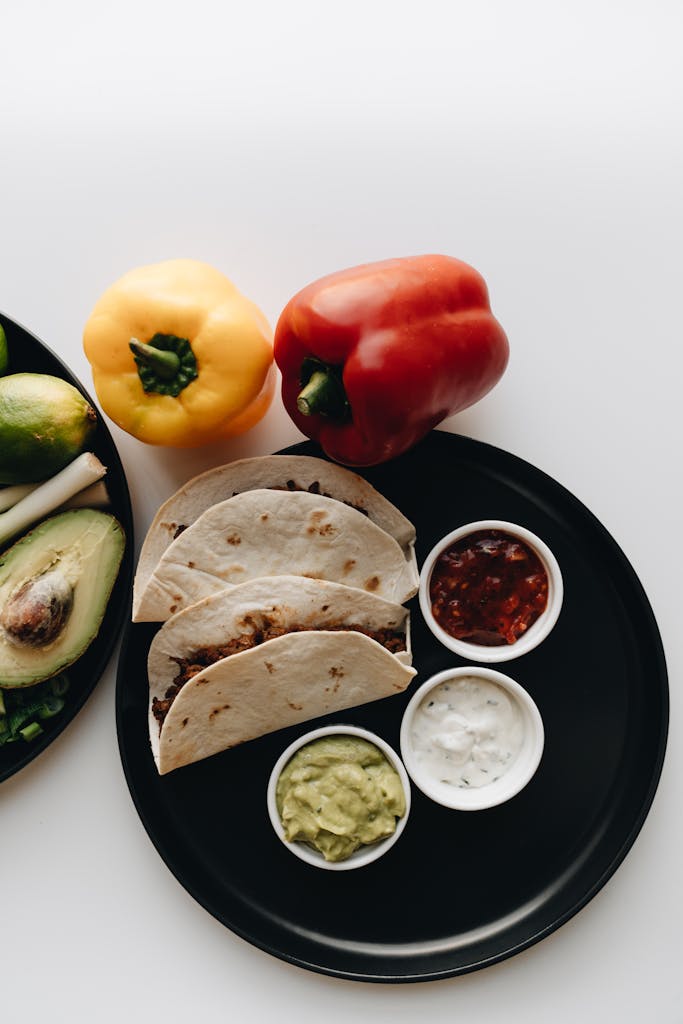
Tortillas are a staple ingredient in kitchens around the world, forming the foundation of everything from tacos and enchiladas to burritos and wraps. However, not all tortillas are created equal, and there are several differences between corn tortillas vs. flour tortillas in terms of nutrition, satiety, gut health, and gluten content.
Understanding how these two types of tortillas stack up can help you make a choice that fits your health goals and your favorite recipes.
In this article, we’re breaking down the main differences between corn tortillas vs. flour tortillas, making it easier to choose the option that works best for you.
Nutrition breakdown
When comparing corn tortillas vs. flour tortillas, the biggest nutritional differences come down to calories, carbohydrates, and fat.
Corn tortillas are typically lower in calories and made from whole grain corn, which means they naturally contain fiber. That fiber supports digestion, keeps you fuller for longer, and helps balance blood sugar levels.
Flour tortillas, especially those made with refined white flour, tend to be higher in carbs and calories. Many varieties also include added fats like oil or shortening, which increases the overall fat and calorie content.
Here’s a quick look at how they generally compare (per small tortilla):
| Corn tortillas | Flour tortillas | |
|---|---|---|
| Calories | 39 | 101 |
| Carbs | 8 grams | 16 grams |
| Fat | 0.5 grams | 3 grams |
| Protein | 1 gram | 3 grams |
| Fiber | 1 gram | 1 gram |
It’s also worth noting that portion size plays a big role. Flour tortillas are often larger (think burrito-size), which can significantly drive up the amount of calories and carbs compared to smaller corn tortillas.
For a more balanced option, whole wheat flour tortillas can offer more fiber than traditional white flour versions, though corn tortillas typically still come out slightly ahead from a nutrition standpoint.
Ingredient comparison
One of the biggest differences between corn and flour tortillas comes down to what’s actually in them.
Corn tortillas are typically made with just a few simple ingredients: corn (often masa harina), water, and lime (calcium hydroxide, used in nixtamalization).
This traditional process not only keeps the ingredient list short, but also enhances mineral absorption (especially calcium), making corn tortillas a more nutrient-dense choice.
Flour tortillas, on the other hand, usually have a longer ingredient list, and most are made with refined white flour, water, and added fats like oil, butter, or shortening.
Store-bought versions may also include preservatives, leavening agents, and other additives to improve texture and shelf life.
Here’s how they generally compare:
- Corn tortillas: minimal, whole food ingredients
- Flour tortillas: more processed, often with added fats and additives
- Whole wheat flour tortillas: a better option, but still contains more ingredients than corn tortillas
That said, not all tortillas are created equal. Some brands offer flour tortillas made with simple ingredients, so it’s always worth flipping over the package and checking the label before you buy.
Stay in the loop!
HEALTHY EATING TIPS & RECIPES delivered directly TO YOUR INBOX
Impact on gut health
Corn tortillas and flour tortillas can affect gut health differently, mainly due to their content of fiber and whole grains.
Corn tortillas are made from whole grain corn, which means they retain more of their natural fiber. Fiber plays a key role in promoting digestion and feeding the beneficial bacteria in your gut, making corn tortillas a more gut-friendly choice for many people.
Flour tortillas, especially those made with refined white flour, tend to be slightly lower in fiber and more quickly digested. This can offer less support for gut health overall, though whole wheat versions are a better option and provide more fiber.
Pairing either option with fiber-rich fillings like beans and veggies can also enhance digestion and overall gut health.
Effects on satiety
When it comes to feeling full and satisfied, corn and flour tortillas can have slightly different effects, mostly due to fiber content, portion size, and how quickly they’re digested.
Corn tortillas typically contain a bit more fiber per serving, which can help slow digestion and keep you feeling fuller for longer. Their smaller size also makes it easier to control portions, which can help prevent overeating.
Flour tortillas — especially large, refined white flour versions — are digested more rapidly and can leave you feeling hungry sooner.
Whole wheat flour tortillas offer more fiber, but they’re still usually higher in calories and larger in size, which can make it easy to unintentionally consume more.
Regardless of which type of tortilla you choose, combining it with a good source of protein, fiber, and heart-healthy fats can enhance satiety and keep you satisfied.
Gluten content
If you’re trying to avoid gluten, the type of tortilla you choose definitely matters.
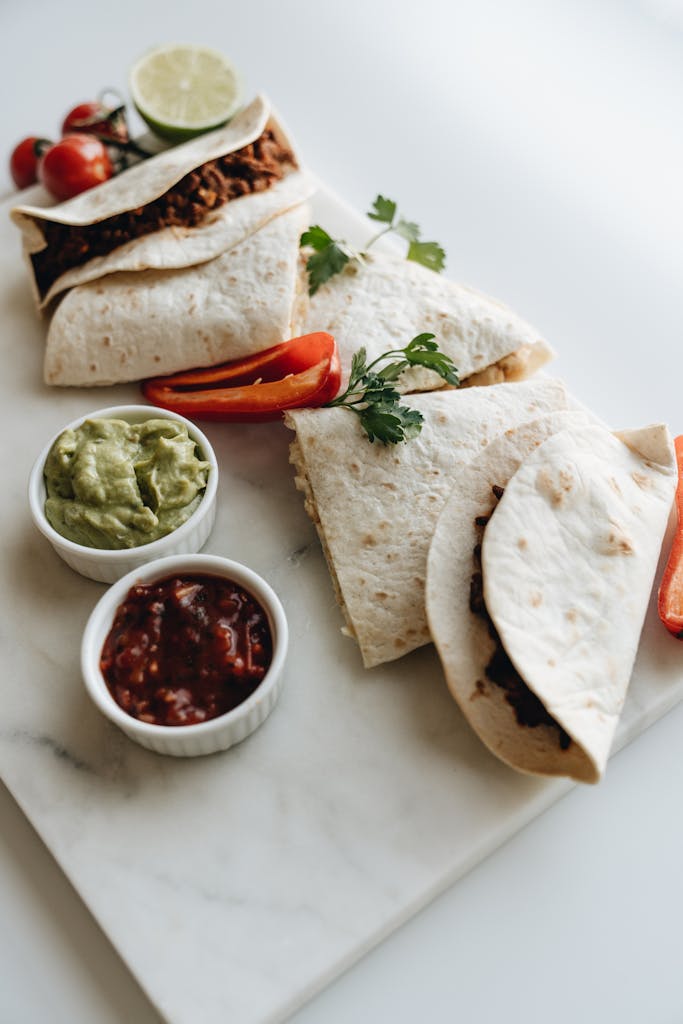
Corn tortillas are naturally gluten-free, making them a safe option for people with celiac disease or gluten sensitivity. They’re made from whole grain corn and water and don’t contain any wheat ingredients, so you can enjoy tacos, quesadillas, or wraps without worry.
On the flip side, flour tortillas are typically made from wheat flour and do contain gluten. This can cause digestive issues and inflammation in people with gluten intolerance.
Specialty gluten-free flour tortillas are also available and made from ingredients like cassava, almond, or coconut flour.
When choosing a tortilla, always check the label if gluten is a concern. Opting for corn tortillas or certified gluten-free flour tortillas ensures you can enjoy your meal safely, without compromising on taste or texture.
Taste and texture
When it comes to taste and texture, corn and flour tortillas both bring something different to the table.
Corn tortillas have a slightly nutty, earthy flavor and a firmer texture. This makes them ideal for tacos, tostadas, and dishes where you want the tortilla to hold its shape and add a subtle flavor boost.
Flour tortillas are soft, mild, and pliable, making them perfect for wraps, burritos, and quesadillas. Their neutral taste allows the filling to shine, and their flexibility makes them easy to fold or roll without tearing.
Ultimately, the “best” tortilla often comes down to the dish you’re making and your personal preference. While some people love the classic bite of corn tortillas, others prefer the soft texture of a flour tortilla.
Comparison table
| Corn tortillas | Flour tortillas | |
|---|---|---|
| Nutrition | lower in fat, carbs, and calories | higher in fat, carbs, and calories |
| Ingredients | corn (masa harina), water, lime | refined flour, water, added fats (oil/shortening), sometimes additives |
| Gluten | naturally gluten-free | usually contains gluten (unless labeled gluten-free) |
| Taste and texture | nutty, slightly earthy flavor; firmer texture | mild flavor; soft, pliable, and flexible |
| Best uses | tacos, tostadas, enchiladas | burritos, wraps, quesadillas |
Which is healthier?
So, which is healthier? The answer depends on your goals and what you’re looking for, but overall, corn tortillas offer a slight nutritional edge.
Corn tortillas are typically lower in calories, made from whole grain corn, and contain a bit more fiber. They’re also naturally gluten-free and tend to have simpler, less processed ingredient lists. These factors make them a strong choice if you’re aiming for a more nutrient-dense option.
Flour tortillas aren’t unhealthy, but traditional versions made with refined white flour are usually higher in calories and lower in fiber. That said, whole wheat flour tortillas can be a more balanced alternative, offering additional fiber and nutrients.
At the end of the day, both can fit into a healthy diet. The best choice comes down to your individual needs, whether that’s prioritizing fiber, avoiding gluten, or simply choosing the option you enjoy most.
Focusing on portion size and filling your tortillas with protein, vegetables, and healthy fats will have a much bigger impact on your overall health than the tortilla itself.
How to choose the best tortilla for you
When deciding between corn tortillas vs. flour tortillas, the best option comes down to your health goals, personal preferences, and how you plan to use them.
If you’re looking for a more nutrient-dense option, corn tortillas are a solid choice. They’re typically lower in calories, made from whole grain corn, and naturally gluten-free, making them ideal for those focused on fiber intake or avoiding gluten.
If you prefer a softer texture or need something sturdy for wraps and burritos, flour tortillas may be the better fit. Opting for whole wheat versions can help boost the fiber content and make them a more balanced choice.
Here are a few simple tips to help you decide:
- Check the ingredient list: Stick to products with short, simple ingredient lists
- Consider your dietary needs: Choose corn for gluten-free or whole wheat for extra fiber
- Think about portion size: Smaller tortillas can help keep portions in check
- Match the tortilla to the meal: Pick corn tortillas for tacos or tostadas or flour if wraps and burritos are on the menu
FAQ
More helpful articles
Olive Oil vs. Avocado Oil: Which Is Healthier?
Oat Milk vs. Almond Milk vs. Soy Milk: Which Plant Milk Is Healthiest?

Greek Yogurt vs. Regular Yogurt: Which is Healthier?
Spinach vs. Kale Nutrition: Which Is Healthier?
Conclusion
Both corn and flour tortillas can be part of a healthy, balanced diet, but corn tortillas have an added edge thanks to their lower calories, simpler ingredients, and natural gluten-free status.
However, flour tortillas can also be part of a balanced diet and at the end of the day, your portion sizes, meal composition, and personal preference matter more.
Choosing the right tortilla for your needs and pairing it with protein, fiber-rich veggies, and healthy fats is the key to building a satisfying and nutritious meal.