Blood Tests for Vegetarians: Key Nutrients to Monitor
Quick summary
Following a vegetarian diet can offer a variety of benefits, from adding more plant-based foods to your plate to helping you discover just how many ways there are to use up a can of chickpeas. Still, even a well-planned vegetarian diet can occasionally leave a few nutritional gaps, as certain nutrients can be a little harder to get enough of without meat, fish, or other animal products.
Unfortunately, deficiencies aren’t always easy to spot, and common symptoms like fatigue, brain fog, or hair loss can have a long list of possible causes.
That’s where blood tests for vegetarians can be helpful. In this guide, we’ll break down the key markers you may want to discuss with your healthcare provider, how often you might need testing, and some simple ways to keep your nutrient intake on track.
Why blood tests can be helpful for vegetarians
Even though a well-planned vegetarian diet can definitely provide the nutrients you need, that doesn’t mean all vegetarian diets check every box.
In fact, certain nutrients like vitamin B12 and iron may require a little extra attention, especially if you don’t eat any animal products, have heavy periods, take certain medications, or simply haven’t given your micronutrient intake much thought lately.
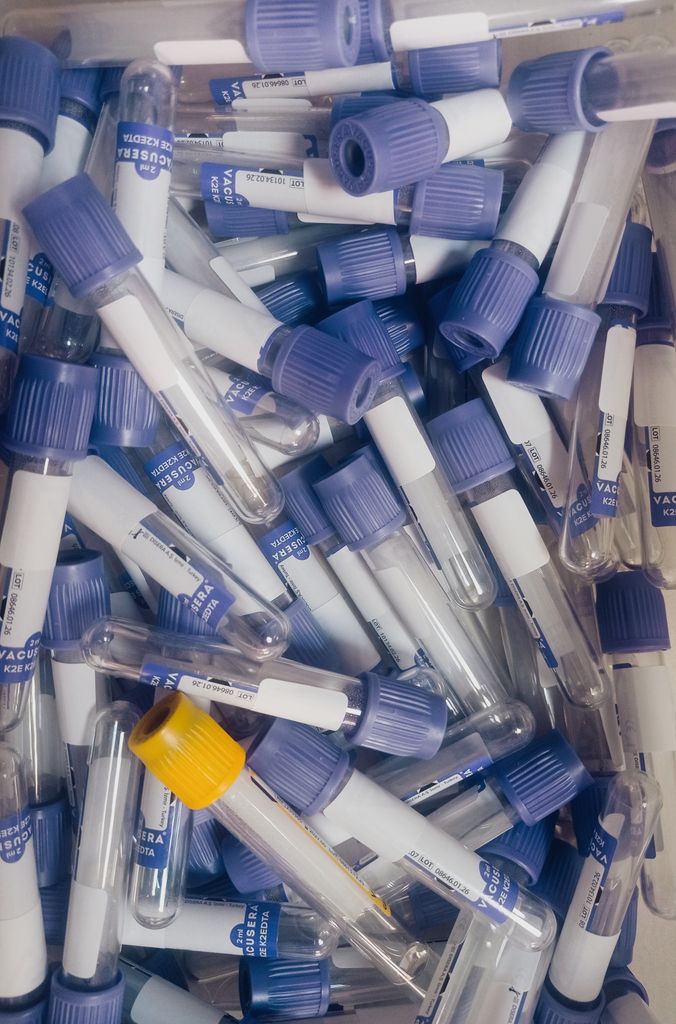
That’s where blood tests can be helpful. They offer a clearer picture of what’s really happening inside your body and can help catch low nutrient levels before they snowball into a bigger problem. After all, symptoms like fatigue, weakness, brain fog, and hair loss can have many causes, so guessing based on symptoms alone isn’t always reliable.
Don’t worry: this doesn’t mean you need to request an enormous panel of tests just because you’ve given up meat. The right blood work depends on your diet, symptoms, medical history, medications, supplement use, and previous results. However, knowing which markers may be worth discussing with your doctor can help you take a more proactive and personalized approach to your health.
Stay in the loop!
Healthy eating tips & recipes delivered directly to your inbox
Most important blood tests for vegetarians
Most nutrients are easy to find in plant foods, but a few might require a bit more planning. Here are some of the key blood tests for vegetarians to consider.
1. Iron and ferritin
Iron definitely deserves a spot near the top of the list for vegetarians.
This is because even though plant-based foods like lentils, beans, tofu, pumpkin seeds, and fortified cereals contain plenty of iron, it comes in the non-heme form, which isn’t absorbed as efficiently as the heme iron found in meat. In fact, vegetarians may need nearly twice as much dietary iron to account for this difference in absorption.
Ferritin measures your body’s stored iron and may become low before anemia develops. Your doctor might also check a complete blood count (CBC) and other iron markers, such as serum iron and transferrin saturation, for a more complete picture.
Monitoring iron levels can be especially helpful if you have heavy periods, are pregnant, donate blood frequently, or experience symptoms such as fatigue, weakness, dizziness, or shortness of breath.
Avoid taking high-dose iron without guidance from your doctor, as too much can be harmful. Plus, low levels could always have another underlying cause.
2. Vitamin B12
Vitamin B12 is found in animal products, so vegetarians who don’t eat a lot of eggs or dairy products might not get enough. Vegans are at even greater risk and need a reliable source from fortified foods or supplements.
A serum vitamin B12 test is typically used to check your status. If the result is borderline or symptoms are present, your provider may also test methylmalonic acid (MMA), which can help identify a deficiency that a standard B12 test might miss.
Low B12 can cause fatigue, weakness, numbness, tingling, balance problems, or memory changes. Because your body stores B12, a deficiency can take years to appear, making it even more important to keep tabs on your intake and discuss testing with your doctor.
3. Vitamin D
Vitamin D is naturally present in very few foods, and many of the best sources are animal-based. Vegetarians can get it from egg yolks, fortified dairy or plant-based milks, certain mushrooms, supplements, and sunlight, but your intake can still fall short quite easily.
The main test used to check vitamin D status is 25-hydroxyvitamin D, or 25(OH)D. Low levels can contribute to bone loss, muscle weakness, and an increased risk of fractures, though deficiency is common among both vegetarians and non-vegetarians alike.
Testing can be especially helpful if you don’t get much sun exposure, have darker skin, live in a colder climate, or have a condition that affects nutrient absorption. Your doctor can use your results to determine whether supplementation is needed.
4. Folate
Good news for vegetarians: folate is abundant in plant foods, including leafy greens, beans, lentils, asparagus, avocado, and fortified grains. That means deficiency isn’t usually a major concern if your diet includes a good variety of these foods.
That said, folate testing may be worthwhile if you have a limited diet, take certain medications, have a condition that affects absorption, or are pregnant or planning to become pregnant. Low levels can contribute to fatigue, weakness, mouth sores, and a type of anemia characterized by unusually large red blood cells.
Folate and vitamin B12 also work closely together, so providers often consider them a pair. This is especially important because high folate intake can sometimes mask the anemia caused by a vitamin B12 deficiency while allowing nerve damage to progress.
5. Zinc
Zinc can be a little trickier to get on a vegetarian diet. Beans, lentils, nuts, seeds, whole grains, and dairy products all provide it, but compounds called phytates (a type of antinutrient) in plant foods can make zinc harder for your body to absorb.
Low zinc levels can impact immune function, wound healing, taste, smell, and even hair growth. Testing might be worth discussing if you have symptoms, follow a very restrictive diet, or have a condition that interferes with nutrient absorption.
That said, blood zinc levels don’t always give a perfect picture of your overall zinc status, so this isn’t necessarily a routine test for every vegetarian. Your doctor will usually interpret the result alongside your diet, symptoms, and medical history.
6. Thyroid function
Your thyroid plays a major role in regulating your metabolism, energy levels, body temperature, and more.
Vegetarians who don’t eat dairy products and rarely use iodized salt may be more likely to fall short on iodine, a nutrient needed to produce thyroid hormones.
A thyroid panel typically starts with thyroid-stimulating hormone (TSH), sometimes followed by free T4 or additional tests. Keep in mind that these tests measure thyroid function, not iodine levels directly.
Testing may be worth discussing if you experience unexplained fatigue, weight changes, hair loss, constipation, feeling unusually cold, or changes in your menstrual cycle. However, these symptoms can have plenty of other causes, so lab work can help connect the dots.
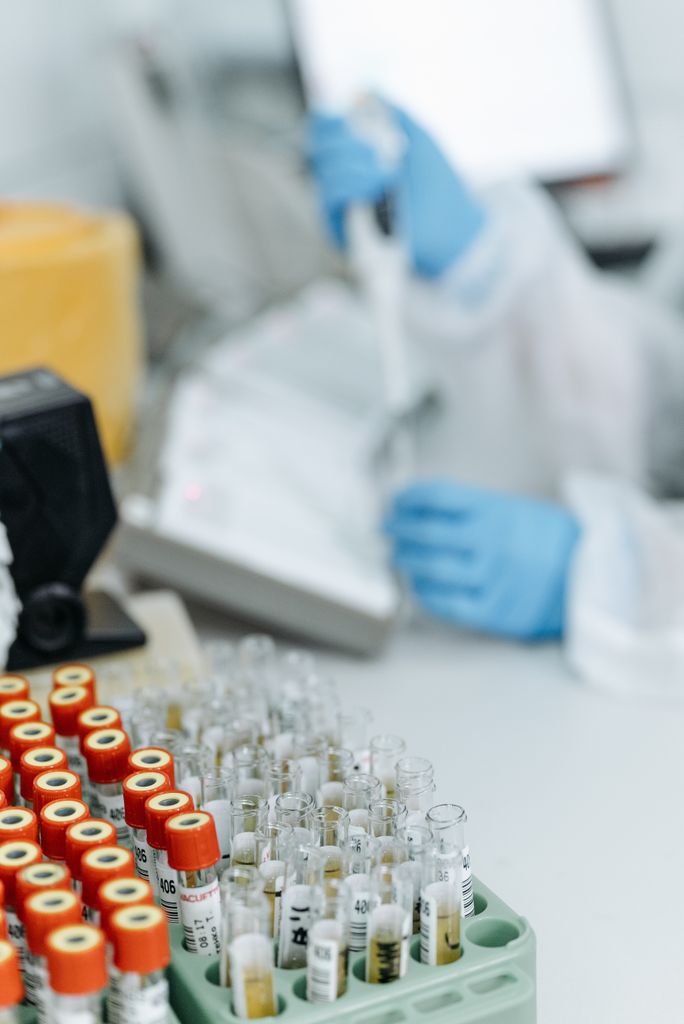
Which blood tests do vegetarians actually need?
There’s no universal panel of blood tests for vegetarians that you need to request at your next appointment.
The right tests depend on what you eat, whether you take supplements, your medical history, any symptoms you’re experiencing, and other factors like menstruation, pregnancy, medications, or digestive issues.
Vitamin B12 and iron are usually the biggest nutrients to keep on your radar, especially if you don’t eat a lot of eggs or dairy products or have heavy periods.
Vitamin D may also be worth checking if you have risk factors for deficiency, though low levels are common in vegetarians and meat-eaters alike.
Folate, zinc, and thyroid tests are generally more situational and might not need to be checked routinely.
The best approach is to bring any concerns to your doctor or dietitian and let them help choose the most useful tests. More bloodwork isn’t always better, and a giant list of numbers without the right context can create more questions than answers.
How often should vegetarians get bloodwork?
For most healthy adults, discussing bloodwork during routine checkups is a good place to start. Your healthcare provider can recommend specific tests based on your diet, age, health history, symptoms, and previous results.
You might need more frequent testing if you’ve had a deficiency in the past, recently started supplementation, are pregnant, have heavy periods, follow a very restrictive diet, or have a condition that affects nutrient absorption.
In these cases, your doctor may repeat certain tests after a few months to see whether your levels are improving.
Get my FREE High-Protein Plant-Based Guide
Sign up now to get my free e-book, including a 7-day meal plan, grocery list, and protein cheat sheet to make plant-based eating simple and satisfying!
Signs you might need bloodwork
Feeling a little tired after a busy week probably isn’t a reason to rush to the lab. However, it might be worth checking in with your healthcare provider if you’re experiencing symptoms that are persistent, worsening, or simply don’t feel normal for you.
Possible signs of a nutrient deficiency include:
- ongoing fatigue
- dizziness
- shortness of breath
- pale skin
- hair loss
- numbness or tingling
- muscle weakness
- bone pain
- frequent illness
- changes in memory, concentration, or mood
These symptoms don’t automatically mean your diet is missing something, and many can have causes unrelated to nutrition. However, bloodwork can help your doctor narrow down what’s going on instead of leaving you to play detective with your symptoms.
How to prevent nutrient deficiencies on a vegetarian diet
You don’t need to track every bite to meet your nutritional needs as a vegetarian. The best place to start is eating a balanced and varied diet with plenty of whole grains, beans, lentils, nuts, seeds, fruits, vegetables, and (if you include them) eggs and dairy products.
A few smart habits can also help fill potential gaps:
- Find a reliable source of vitamin B12: Include eggs, dairy products, fortified foods, or a B12 supplement regularly.
- Pair iron with vitamin C: Add citrus, berries, bell peppers, or tomatoes to iron-rich meals to help your body absorb more.
- Include foods high in zinc: Beans, lentils, tofu, nuts, seeds, whole grains, and dairy products can help you meet your needs.
- Pay attention to vitamin D: Consider fortified foods or a supplement if you get limited sun exposure or have low vitamin D levels.
- Use iodized salt: Even a small amount of iodized salt can provide iodine, especially if you don’t eat seafood or much dairy.
- Avoid overly restrictive eating: Cutting out more and more food groups can make it much harder to cover your nutritional bases.
Supplements can also be helpful, but more isn’t necessarily better. Rather than grabbing every bottle in the vitamin aisle, use your diet, risk factors, and blood test results to decide what you actually need with help from a doctor or registered dietitian.
FAQ
More articles on plant-based eating
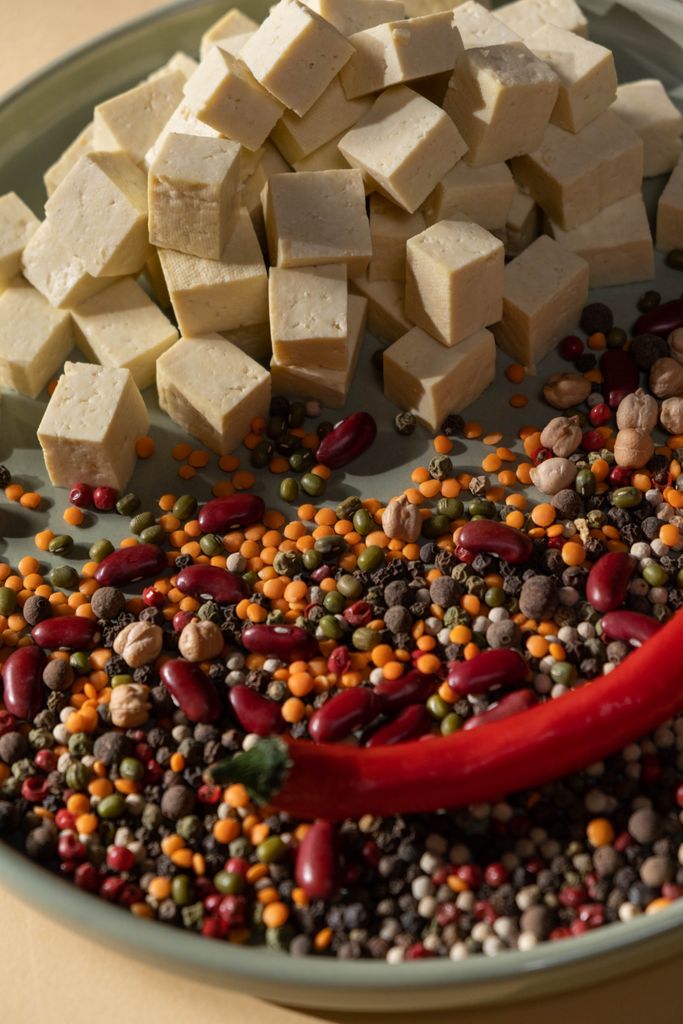
10 Best Sources of Plant-Based Protein

Top 15 High-Protein Vegan Snacks (Dietitian-Approved)
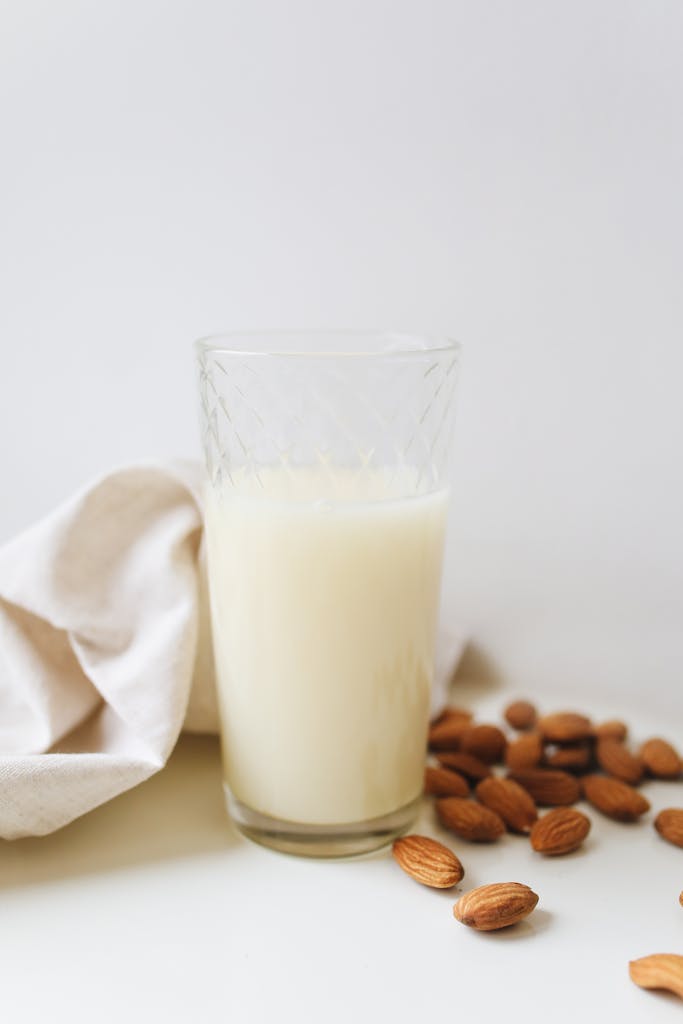
Oat Milk vs. Almond Milk vs. Soy Milk: Which Plant Milk Is Healthiest?

How to Get 100 Grams of Protein a Day on a Vegan Diet

Tips for Vegetarians: How to Optimize Your Diet

Top 12 Plant-Based Iron Foods: Complete List + Tips to Boost Absorption
7 Simple Ways to Increase Calcium Intake Without Dairy
Conclusion
With a little planning, a vegetarian diet can provide most of the nutrients you need. However, bloodwork can also be a helpful way to spot potential gaps and take some of the guesswork out of your health.
Iron, vitamin B12, and vitamin D are often the main nutrients worth keeping on your radar, while tests for folate, zinc, and thyroid function might also be useful depending on your diet, symptoms, and risk factors.
Talk to your healthcare provider about which tests make sense for you, and remember that a few thoughtful food choices can go a long way toward keeping your levels within a healthy range.