Is Soy Bad for You? What the Research Really Says
Quick summary
Even though soy is found in everything from plant-based milks to protein powders and veggie burgers, it’s one of the most hotly debated foods on the planet. In fact, depending on who you ask online, soy is either considered a superfood or something you should steer clear of completely.
So is soy actually bad for you? Or has it just become the latest nutrition scapegoat? With claims ranging from hormone disruption to cancer risk and everything in between, it can be hard to know what’s real and what’s just internet noise.
In this article, we’re breaking it all down: what soy is, what the research actually says, and whether it deserves its controversial reputation. Spoiler alert: the science is a lot less dramatic than the headlines.
What is soy?
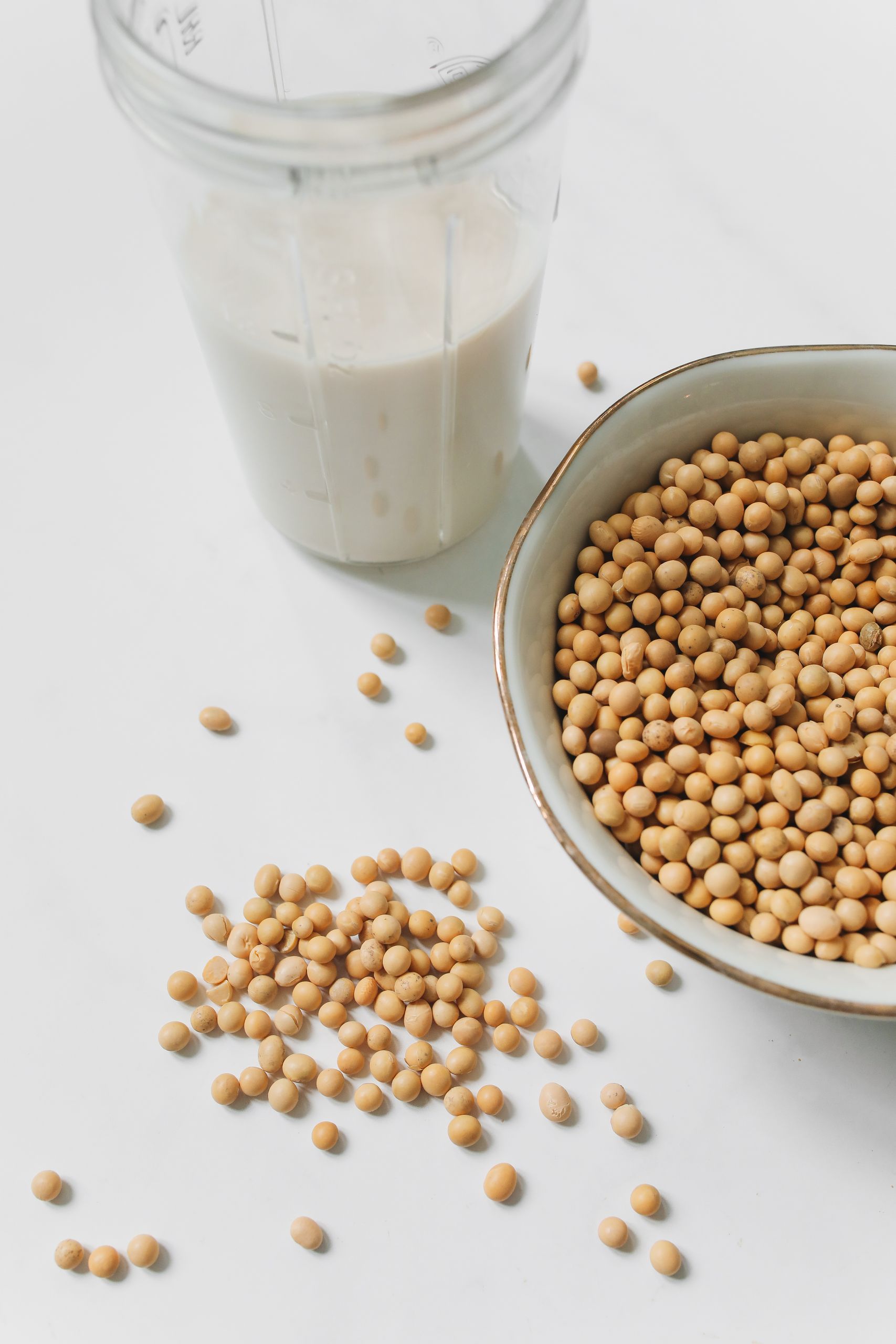
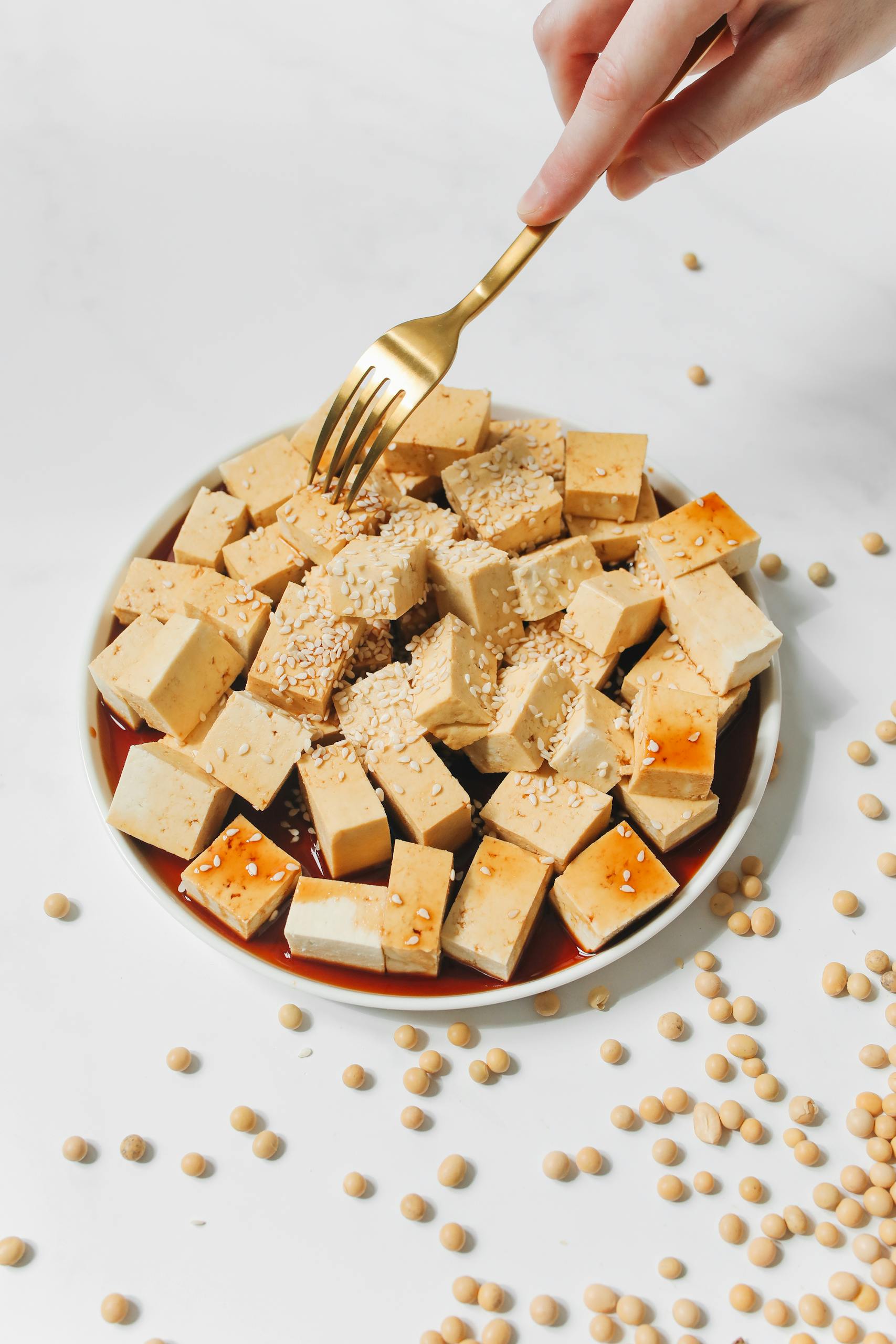
Soy is a type of legume that comes from soybeans and has been enjoyed for centuries in many parts of the world, especially throughout Asia. It’s the main ingredient in foods like:
- tofu
- tempeh
- edamame
- miso
- natto
- soy milk
- soy nuts
- certain meat alternatives
One reason soy gets so much attention is that it’s one of the few plant foods considered a complete protein, meaning it contains all nine essential amino acids your body needs. It also provides fiber, vitamins, minerals, and beneficial plant compounds called isoflavones.
These days, soy shows up just about everywhere, from your morning latte and protein shake to veggie burgers and stir-fries. And while it has earned a reputation as both a superfood and a controversial ingredient, the science tells a much more nuanced story.
Why is soy controversial?
For a food that’s been eaten for centuries, soy has sparked a surprising amount of debate.
Much of the controversy stems from the fact that it contains compounds called isoflavones, which are classified as phytoestrogens. Because these compounds have a chemical structure that resembles the hormone estrogen, some people worry that eating soy could disrupt hormone levels, increase the risk of certain cancers, affect fertility, or even cause “feminizing” effects in men.
Soy has also come under scrutiny because the vast majority of soybeans grown in the United States — about 94%! — are genetically modified (GMO). Even though research shows these foods are safe to eat, some people still choose to avoid GMOs due to concerns about their environmental impact and potential long-term health effects.
Plus, soy is often found in highly processed products, such as protein powders, meat substitutes, and packaged snack foods, which can further add to its controversial reputation.
Luckily, a lot of the claims surrounding soy are based on misconceptions, outdated research, or studies that don’t really reflect how people typically consume soy foods. In fact, a large body of research suggests that moderate soy consumption is safe for most people and may even offer some health perks.
Stay in the loop!
HEALTHY EATING TIPS & RECIPES delivered directly TO YOUR INBOX
Nutrients in soy products
Soy is often considered a nutritional powerhouse because it packs a ton of nutrients into a relatively small package.
Depending on the specific product, soy can provide:
- high-quality protein, with all nine essential amino acids
- fiber
- unsaturated fats
- iron
- magnesium
- potassium
- phosphorus
- folate
- isoflavones and other beneficial plant compounds
As an added bonus, many soy foods are also low in saturated fat, making them a heart-healthy alternative to many animal-based proteins.
That said, not all soy products are created equal.
For the biggest nutritional bang for your buck, stick with minimally processed options like edamame, tofu, tempeh, and unsweetened soy milk. Highly processed soy-based snacks and meat alternatives can sneak in extra sodium, sugar, or other ingredients that aren’t so great for health.
Potential benefits of soy
Beyond the controversy, soy actually brings a lot to the table nutritionally, and research has turned up several possible health perks.
Here are some of the most well-supported benefits of soy:
- Boosts heart health: Soy foods can be a solid addition to a heart-healthy diet, especially when used in place of higher saturated fat animal proteins. Studies shows that it can lower levels of both total and LDL (“bad”) cholesterol when eaten on a regular basis.
- Provides high-quality protein: Soy is a complete protein, meaning it provides all nine essential amino acids your body needs. It’s also highly digestible, meaning your body can efficiently break it down, absorb it, and use its amino acids for functions like muscle repair.
- Delivers important nutrients: Soy foods provide a wide range of important nutrients, including iron, magnesium, potassium, folate, and fiber.
- Contains isoflavones: Soy is rich in isoflavones, which are plant compounds that act as antioxidants and have been studied for their potential role in health.
- May ease menopause symptoms: The isoflavones found in soy have been shown to help reduce symptoms during perimenopause and menopause, including hot flashes and sleep problems.
- Could be tied to a lower risk of cancer: Higher soy intake has been associated with reduced cancer risk, with studies showing that people in the highest intake groups had about a 31% lower risk compared to those with low intake.
Common health concerns of soy
So is soy bad for you? Let’s take a closer look at what the science actually says.
Hormone balance
One of the most common concerns is that soy mimics estrogen and could disrupt hormone balance. The concern comes from soy’s isoflavones, which can interact with estrogen receptors in your body.
But here’s the key detail: this effect is very weak and not the same as human estrogen.
In real-world amounts, soy doesn’t appear to mess with hormone levels in men or women (including testosterone levels in men). In fact, populations that regularly eat soy — often daily, for their entire lives — don’t show hormone disruption patterns linked to soy intake.
Cancer
Concerns about soy and cancer often come from its naturally occurring compounds called phytoestrogens, which can sound a lot like human estrogen.
That similarity in name has led to confusion and the idea that soy might fuel hormone-related cancers, even though the science doesn’t support this.
Large studies consistently show no increase in cancer risk from soy intake. In fact, in many cases, higher soy consumption is actually linked to a lower overall cancer risk, especially in diets that include foods like tofu and soy milk.
Thyroid function
A common concern is that soy might slow down your thyroid. This comes from lab studies showing soy compounds can interfere with iodine use under specific conditions.
However, this doesn’t matter much for most people. If you’re getting enough iodine and don’t already have a thyroid condition, soy isn’t considered harmful.
For those on thyroid medication, timing matters more than avoidance, so simply space soy away from your meds if your healthcare provider recommends it.
Processing
Soy also gets lumped into the “ultra-processed food” category, but this is where things get a little unfair.
Yes, soy shows up in protein bars, fake meats, and packaged snacks. However, it also shows up in some of the simplest foods out there, like tofu, tempeh, and edamame, all of which are minimally processed, nutrient-dense, and staples in many traditional diets for centuries.
What matters most is the type of soy foods you choose, the degree of processing, and what other ingredients they contain.
Healthiest forms of soy
If you’re looking to add more soy to your diet, some forms are better choices than others.
In general, the healthiest soy foods are those that are minimally processed and retain most of their natural nutrients. These foods provide protein, fiber, vitamins, minerals, and beneficial plant compounds without many added ingredients.
Some of the healthiest forms of soy include:
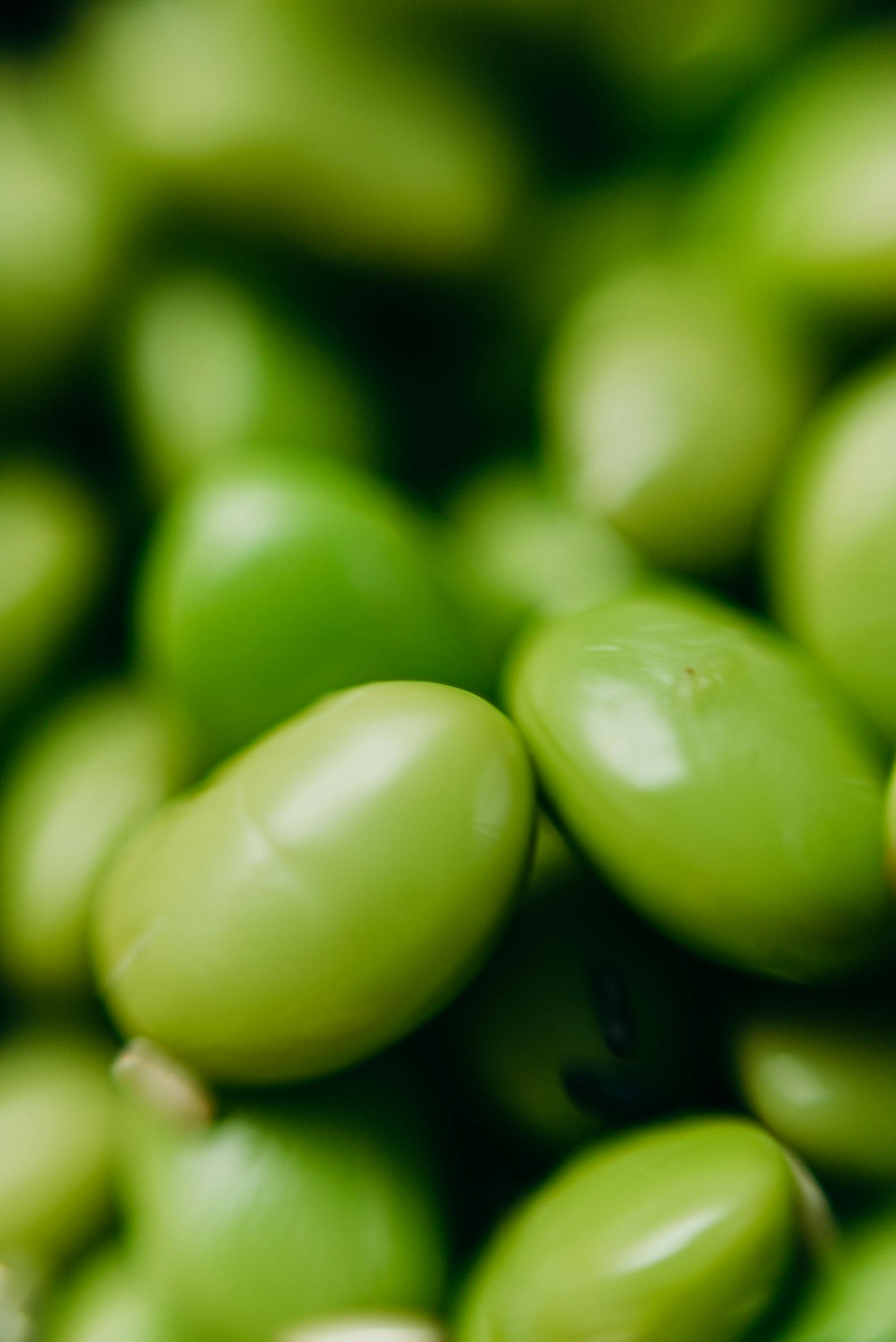
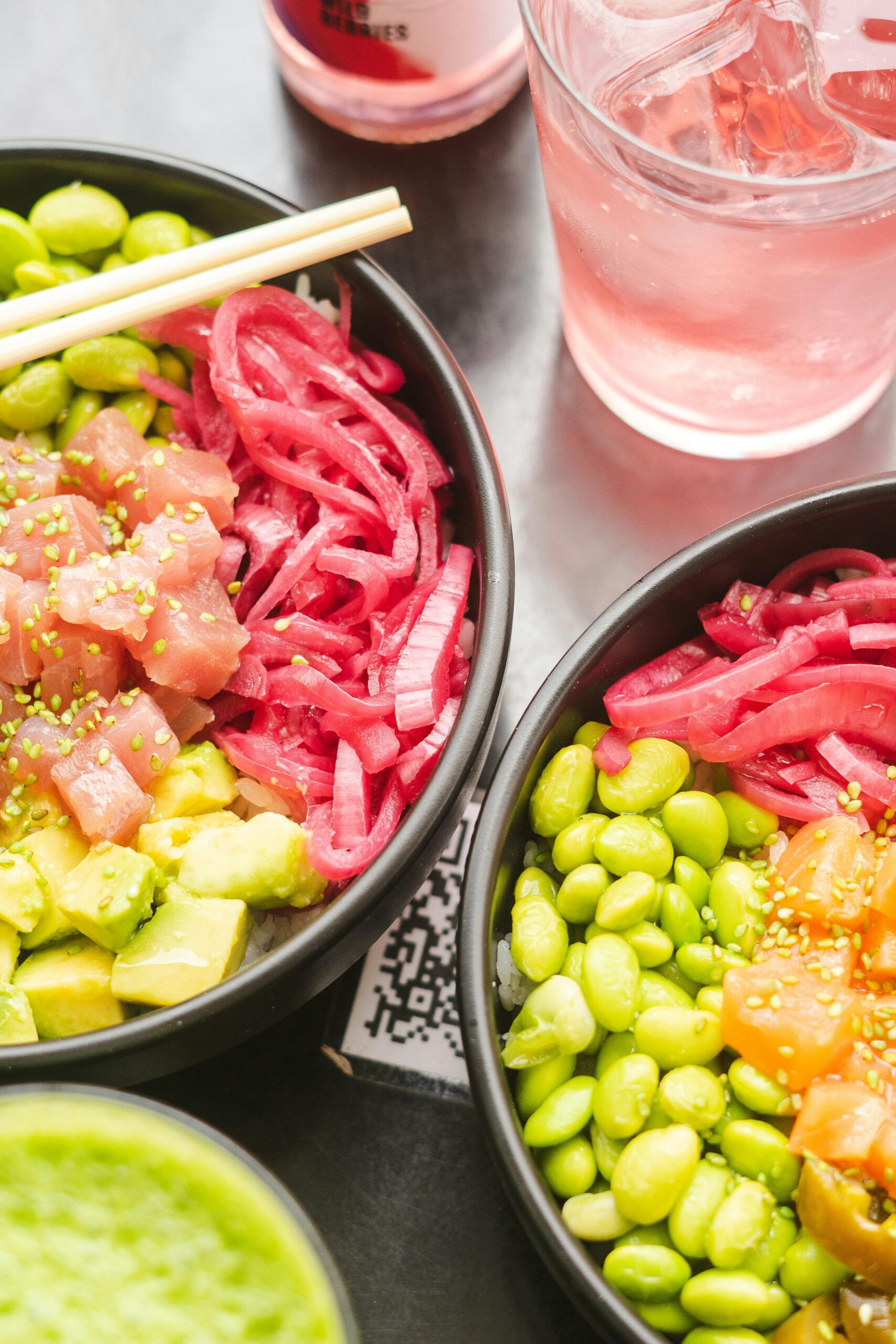
- Edamame: Young green soybeans that are rich in protein and fiber, along with several vitamins and minerals.
- Tofu: A versatile soy-based protein that works well in everything from stir-fries to smoothies.
- Tempeh: A fermented soy product with a firm texture that’s especially high in protein and may offer additional benefits from fermentation.
- Unsweetened soy milk: A dairy-free milk alternative that provides protein and is often fortified with nutrients like calcium and vitamin D.
- Miso: A fermented soybean paste commonly used in soups, dressings, and marinades.
- Soy nuts: Roasted soybeans that make a crunchy, protein-packed snack.
On the flip side, highly processed soy foods (such as some meat substitutes, protein bars, and snack foods) can still fit into a balanced diet but may contain added sodium, sugar, refined oils, or other ingredients.
For the most nutritional value, aim to make whole and minimally processed soy foods the foundation of your soy intake.
How much soy is safe to eat?
Despite what you may have heard online, you don’t need to count soybeans or stress over every splash of soy milk in your coffee, as studies generally show that moderate soy consumption doesn’t negatively affect hormone levels, fertility, or testosterone levels in men.
In fact, many studies suggest soy may offer health benefits, especially for heart health.
Although there’s no official daily recommendation for soy, research suggests that 1-3 servings per day is a reasonable and safe amount. This is also pretty similar to what many people consume in parts of Asia, where soy foods have been dietary staples for generations.
Not sure what counts as a serving? Here are a few examples:
- 1/2 cup edamame
- 1/2 cup tofu or tempeh
- 1 cup soy milk
- 1/4 cup soy nuts
Of course, if you have a soy allergy or a medical condition that requires dietary restrictions, it’s best to check with your healthcare provider or a registered dietitian for personalized guidance.
Is soy bad for you?
Despite the rumors floating around online, soy is one of the most well-studied plant foods out there, and the research is pretty clear: for most people, moderate soy intake is safe and even beneficial.
At the end of the day, it’s all about the specific form and the context. Whole and minimally processed soy foods like tofu, tempeh, edamame, and soy milk can be nutrient-dense additions to your diet, especially as plant-based protein sources.
But like most foods, soy isn’t necessarily “good” or “bad” on its own. Instead, it really comes down to how often you eat it and how it fits into your overall diet.
Common soy myths
So is soy bad for you? Here are some of the most common myths about soy and what the research actually shows:
FAQ
More helpful articles
Conclusion
Soy is a nutrient-rich, versatile food and a great addition to a balanced diet.
Despite all the online chatter, the research is actually pretty clear and consistent: moderate soy intake is safe for most people and may even offer benefits, especially when it comes from simple, minimally processed foods like tofu, tempeh, and edamame.