How to Lose Weight Without Feeling Hungry All the Time
Quick summary
If you’ve ever tried to lose weight, you’ve probably noticed that hunger is often the hardest part of the process. Even though a calorie deficit is necessary for fat loss, a lot of people struggle with constant cravings, low energy levels, and feelings of deprivation.
But fear not: figuring out how to lose weight without feeling hungry all the time is totally doable, and it doesn’t involve extreme restriction or tiny, depressing portion sizes. Instead, it’s about building meals and habits that keep you satisfied while staying on track toward your goals.
In this guide, we’re breaking down the basics: why hunger often spikes when you start a new diet, how to lose weight without feeling hungry, and some simple daily habits that can help keep you satisfied (and save your sanity) along the way.
Why weight loss diets often leave you hungry
Have you ever started a new diet feeling motivated, only to find yourself dreaming about desserts nonstop just a day or two later? It happens a lot more often than you might think.
The reason so many weight loss diets leave people feeling hungry is because they focus too much on eating less and not enough on eating in a way that actually keeps you full. Sure, a calorie deficit is important for weight loss, but if your meals are tiny, unsatisfying, or lacking key nutrients, your body is definitely going to notice.
Unfortunately, many popular fad diets skimp on protein and fiber, two of the most filling nutrients you can eat. Protein slows down digestion and keeps you satisfied after meals, whereas fiber adds volume and helps you stay full longer.
On the flip side, highly processed “diet” foods like snack bars, crackers, or low-calorie treats might fit into your calorie budget, but they’ll probably leave you feeling hungry again before your next meal.
Overly restrictive diets can also backfire big time. Skipping meals, cutting carbs completely, or eliminating your favorite foods can make cravings and hunger even more intense later on.
That’s why sustainable weight loss is all about choosing foods and habits that help you feel satisfied enough to stick with your routine long term.
Stay in the loop!
HEALTHY EATING TIPS & RECIPES delivered directly TO YOUR INBOX
How to lose weight without feeling hungry
Believe it or not, losing weight doesn’t have to mean feeling hungry all the time. A few simple nutrition and lifestyle strategies can help you stay fuller for longer, making it easier to create a calorie deficit without feeling deprived.
1. Prioritize protein at every meal
Protein is one of the most filling nutrients, which is why it can be especially helpful for weight loss. It slows digestion, balances blood sugar levels, and may even reduce hunger hormones throughout the day.
Plus, eating enough protein helps preserve muscle mass while losing weight, which is important for keeping your metabolism running efficiently.
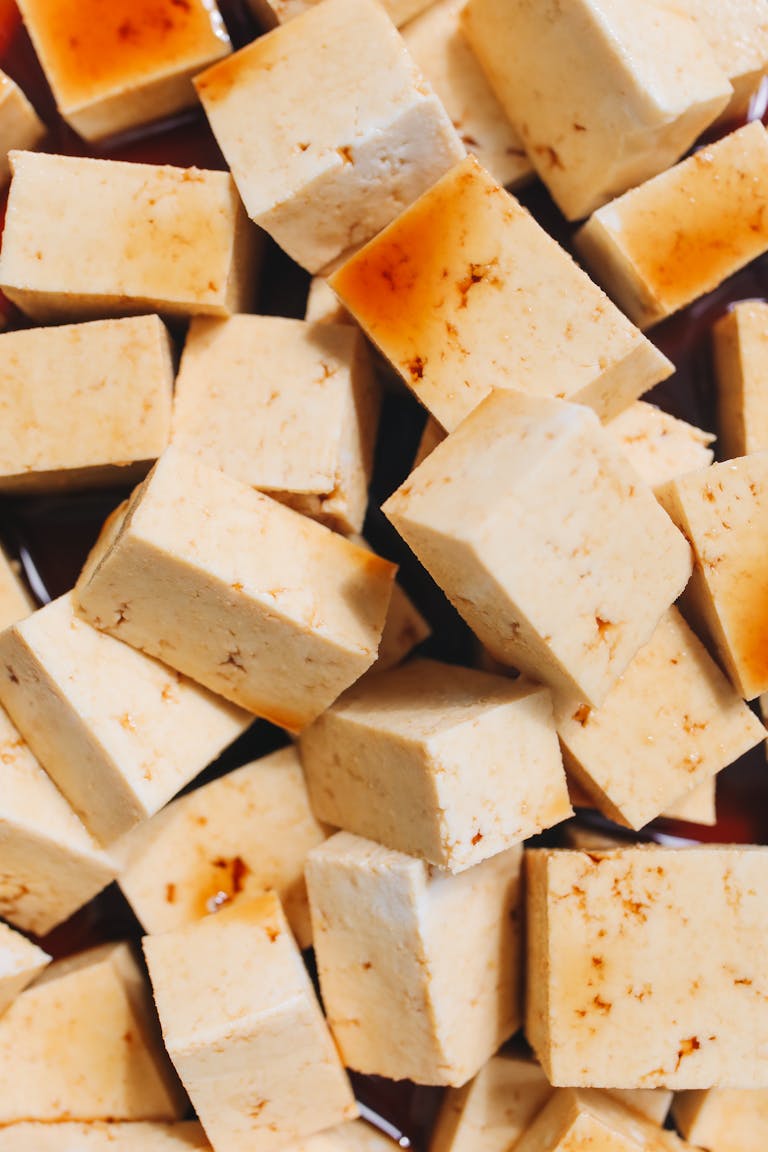
Try including a solid source of protein with every meal. A few examples of protein-rich foods include eggs, Greek yogurt, chicken, fish, tofu, cottage cheese, beans, or lentils.
2. Fill up on fiber-rich foods
Fiber adds bulk to your meals and slows the movement of food through your digestive tract, keeping you feeling fuller for longer.
Plus, studies show that upping your fiber intake can support weight loss and decrease your appetite.
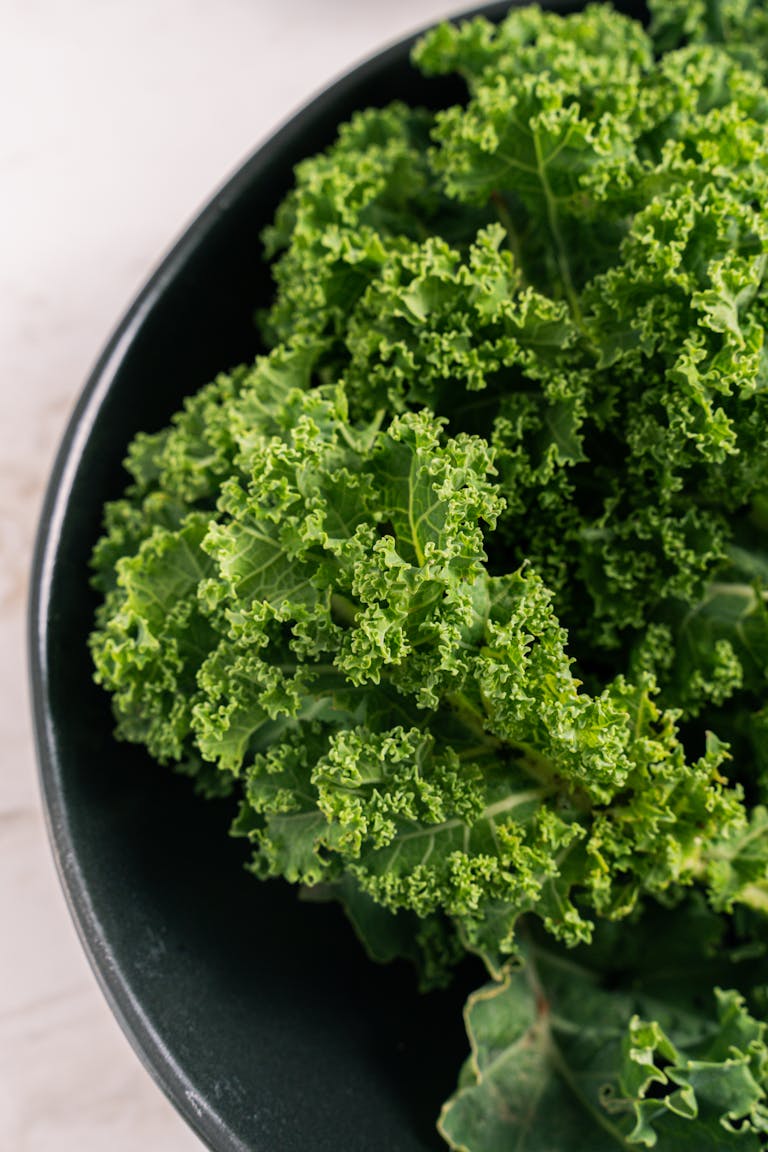
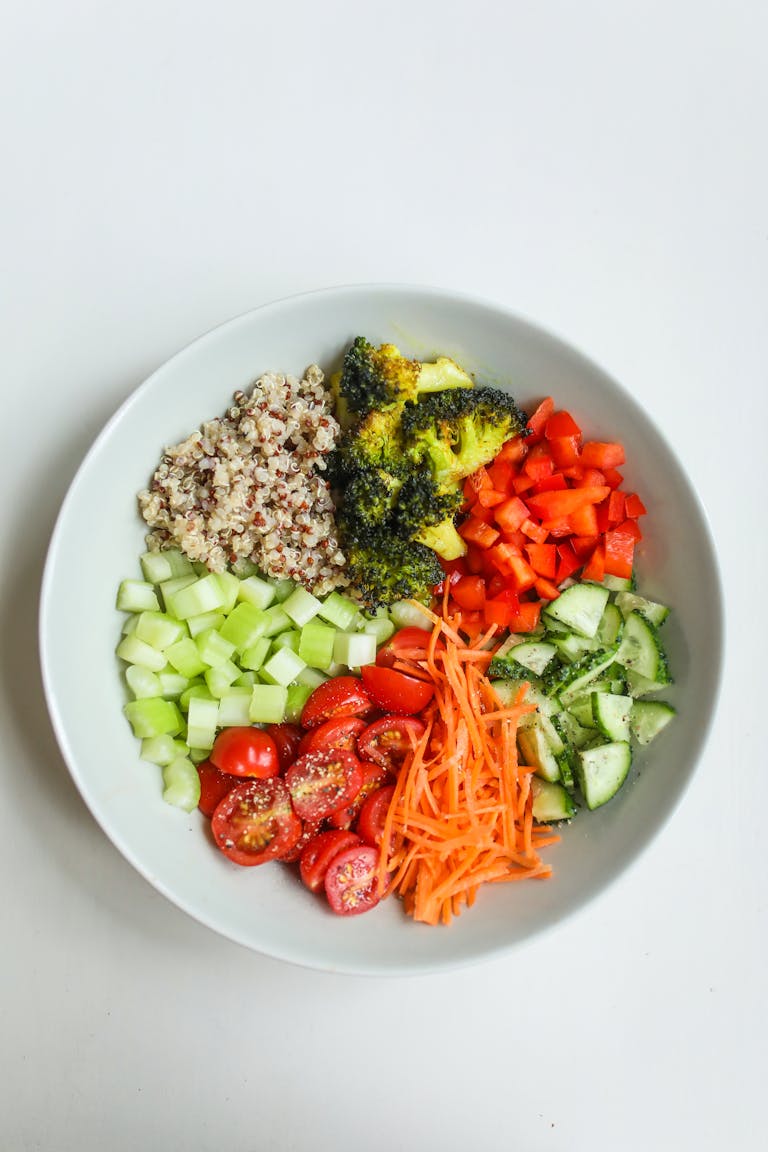
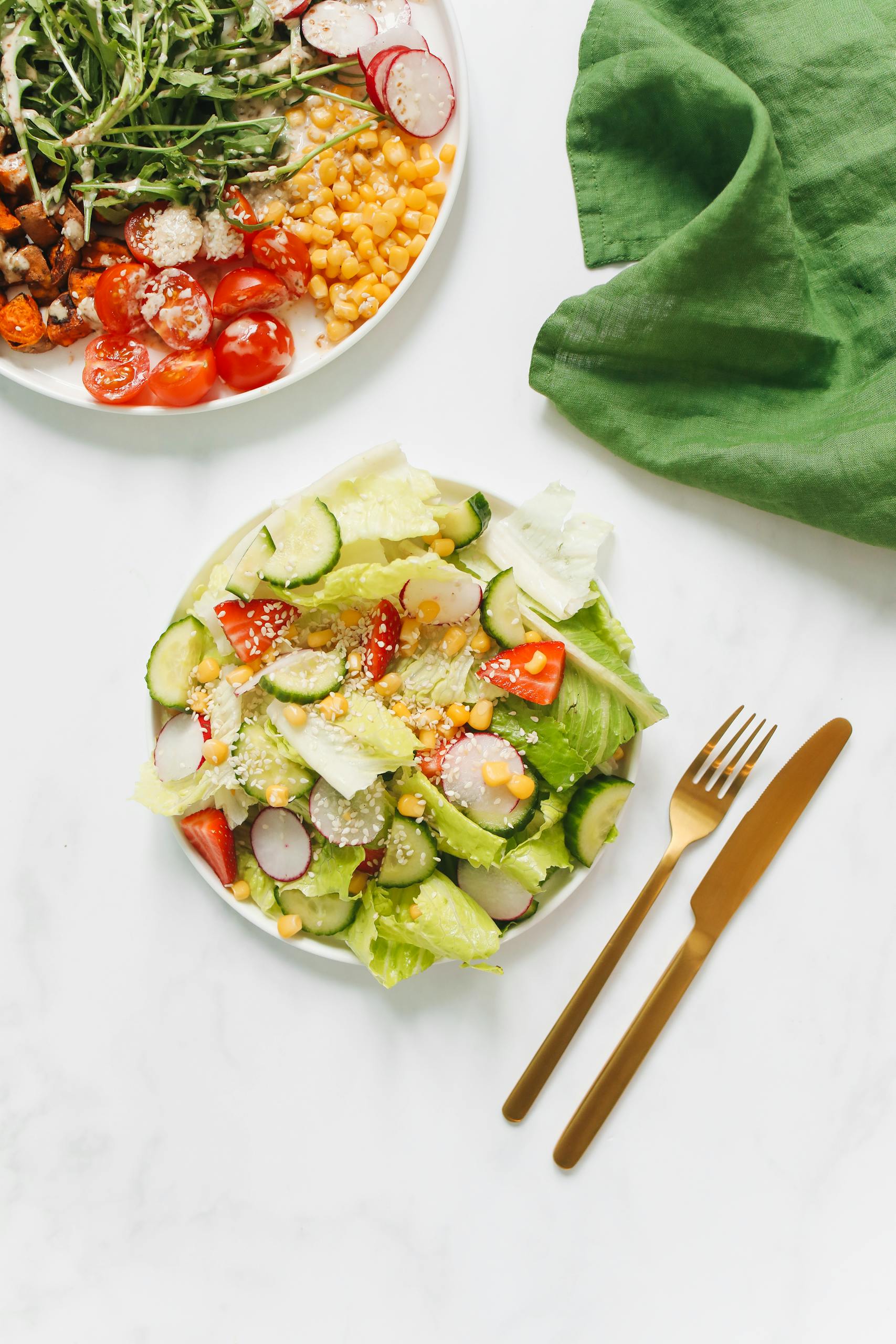
Vegetables are especially helpful for weight loss because they’re low in calories but high in fiber, which can help make meals feel more filling and satisfying. Try loading at least half your plate with veggies to add more bulk to your meals without driving up your calorie intake.
Other fiber-rich foods include fruits, legumes, whole grains, nuts, and seeds.
3. Focus on volume
One of the biggest mistakes people make when trying to lose weight is eating meals that are way too small to feel satisfying.
Volume eating is a strategy that focuses on choosing foods that are low in calories but high in volume, allowing you to eat larger portions while still cutting back on calories.
Foods like soups, salads, berries, air-popped popcorn, potatoes, zucchini, and leafy greens can help make meals feel more substantial and satisfying.
4. Avoid overly restrictive diets
Cutting calories aggressively may seem like a fast track to weight loss, but it often makes hunger and cravings a lot harder to manage.
Overly restrictive fad diets can also be very difficult to maintain long-term, increasing the likelihood of overeating later on.
Instead of aiming to eat as little as possible, focus on creating a moderate calorie deficit that feels realistic and manageable.
Simple daily habits for weight loss
In addition to eating more filling foods, a few simple daily habits can boost weight loss and keep hunger and cravings under control.
- Stay hydrated: Drinking enough fluids throughout the day can help regulate your appetite, and may even give your metabolism a temporary boost.
- Slow down during meals: Taking your time and eating more slowly can help your body recognize fullness cues and prevent overeating.
- Get enough sleep: Poor sleep can disrupt the hormones that regulate hunger and increase cravings for high-calorie foods.
- Plan ahead when possible: Keeping balanced meals and satisfying snacks on hand can make healthy choices easier when hunger hits.
- Practice mindful eating: Tuning in to your hunger and fullness cues while minimizing distractions during meals can improve satisfaction and reduce mindless snacking.
- Stay active: Regular physical activity can support weight loss, boost energy levels, and regulate appetite over time.
- Keep a food journal: Tracking your meals, snacks, or eating habits can help increase awareness of patterns that may affect hunger and stall progress.
Sample meal plan
A balanced meal plan that includes plenty of protein, fiber, and high-volume foods can help promote weight loss and keep hunger levels under control during the day. Here’s an example of how to lose weight without feeling hungry with a filling, weight-loss-friendly meal plan:
Day 1
- Breakfast: overnight oats topped with berries, chia seeds, and granola
- Lunch: grilled chicken salad with mixed greens, quinoa, cucumbers, tomatoes, avocado, and vinaigrette
- Dinner: baked salmon with roasted broccoli and sweet potato
- Snacks: apple slices with peanut butter; cottage cheese with veggies
Day 2
- Breakfast: Greek yogurt parfait topped with banana, walnuts, and cinnamon
- Lunch: turkey and avocado wrap with a side of carrots and hummus
- Dinner: tofu stir-fry with brown rice and mixed veggies
- Snacks: hard-boiled eggs with salt and pepper; air-popped popcorn
Day 3
- Breakfast: veggie omelet with whole-grain toast and fresh fruit
- Lunch: lentil soup with a side salad and whole grain crackers
- Dinner: grilled chicken bowl with brown rice, black beans, fajita vegetables, and salsa
- Snacks: hummus and carrots; roasted edamame
FAQ
More helpful articles
Conclusion
Losing weight shouldn’t feel like a constant exercise in willpower or deprivation. When you prioritize filling foods, build balanced meals, and incorporate a few healthy habits into your routine, weight loss becomes much more sustainable and a lot easier.
Instead of focusing on eating less, the real shift is learning how to eat in a way that keeps you satisfied while still moving toward your goals.