Benefits of Tofu: Nutrition Facts, Health Effects, and Cooking Tips
Quick summary
Tofu might just be one of the most underrated foods in the grocery store. Believe it or not, that unassuming block sitting in the refrigerated section can transform into crispy cubes, creamy sauces, savory scrambles, decadent desserts, and so much more, all while delivering an impressive lineup of nutrients.
Made from soybeans, this versatile ingredient is packed with protein, vitamins, minerals, and beneficial plant compounds that can support overall health. Plus, its mild flavor makes it easy to use in everything from crispy stir-fries and savory bowls to creamy sauces and puddings.
Whether you’re already a tofu fan or still wondering what to do with the block sitting in your fridge, there are plenty of reasons to give this nutrient-dense ingredient a spot on your plate. In this article, we’ll break down the benefits of tofu, potential downsides, and a few easy ways to enjoy it.
What is tofu?
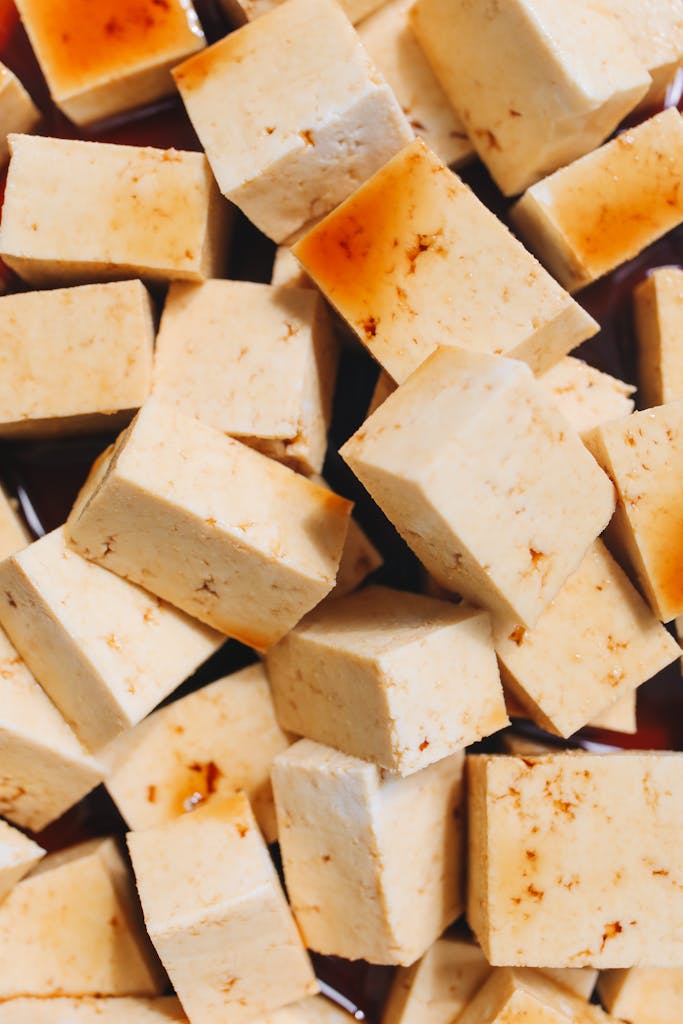
Even though tofu has surged in popularity in recent years, plenty of people still aren’t quite sure what that squishy white rectangle is actually made of. In fact, there’s quite a bit of confusion about what tofu really is, how it’s made, and how to cook with it.
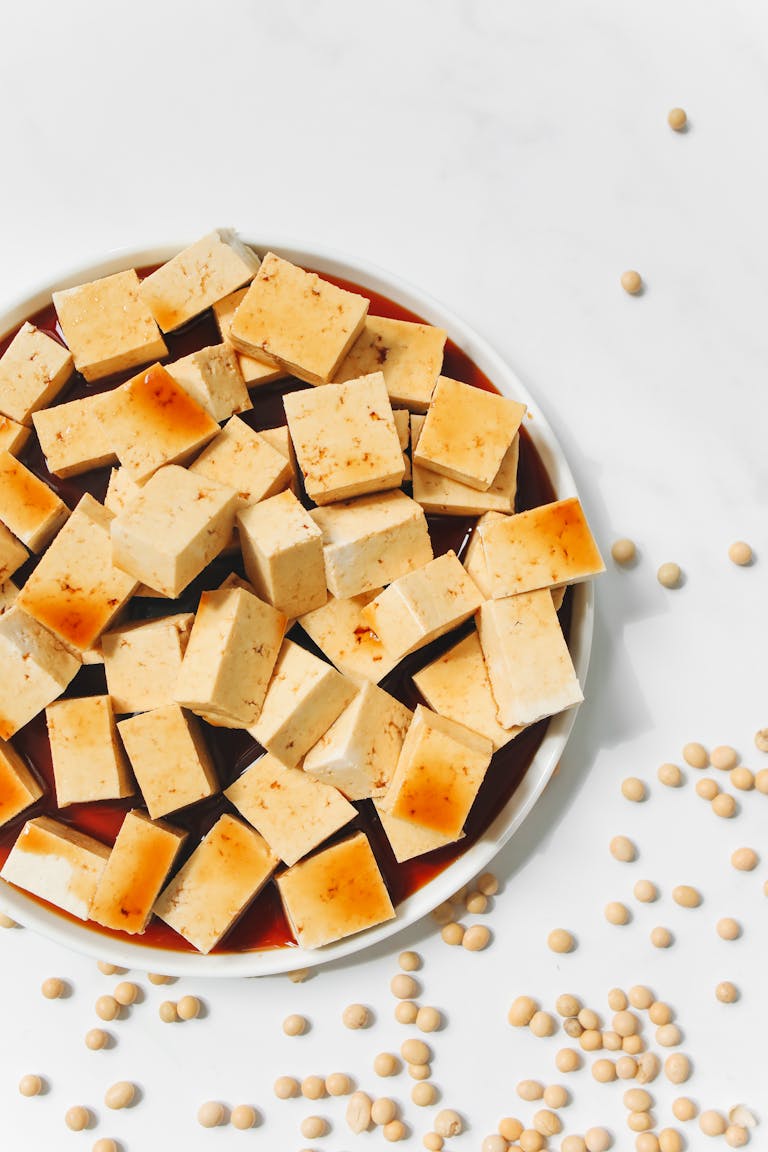
Tofu is made from soybeans, which are soaked, blended, and turned into soy milk. The soy milk is then curdled (similar to how cheese is made from milk) and pressed into blocks of tofu. The result is a protein-packed food that’s basically a blank canvas for whatever seasonings, sauces, or cooking methods you throw at it.
Tofu comes in several varieties:
- Silken tofu is soft and creamy with a custard-like texture that’s great for smoothies, sauces, desserts, and soups.
- Soft tofu is slightly firmer than silken tofu but still delicate. It works well in dishes where you want a tender texture.
- Firm tofu is a solid all-purpose option that holds its shape when cooked. It’s a good choice for everything from stir-fries to sandwiches, bowls, and wraps.
- Extra-firm tofu is highest in protein and crisps up easily. It contains less water, making it ideal for baking, air frying, or pan-frying.
Tofu is a staple ingredient in many Asian cuisines and has been enjoyed for centuries. Today, it’s become especially popular among vegetarians, vegans, and anyone looking to add more protein to their diet.
Tofu nutrition facts
Tofu is a nutrient-dense food that’s packed with plant-based protein, healthy fats, and important vitamins and minerals.
A 1/2-cup serving of firm tofu made with calcium sulfate provides the following nutrients:
- Calories: 228
- Fat: 13.9 grams
- Protein: 27.5 grams
- Fiber: 3.7 grams
- Carbs: 4.4 grams
- Calcium: 1,085 milligrams (83% of the DV, or Daily Value)
- Manganese: 1.9 milligrams (82% of the DV)
- Copper: 0.6 milligrams (67% of the DV)
- Selenium: 27.6 micrograms (50% of the DV)
- Phosphorus: 301 milligrams (24% of the DV)
- Iron: 4.2 milligrams (23% of the DV)
- Zinc: 2.5 milligrams (23% of the DV)
- Magnesium: 92 milligrams (22% of the DV)
- Thiamin: 0.3 milligrams (21% of the DV)
- Riboflavin: 0.2 milligrams (13% of the DV)
- Folate: 46 micrograms (12% of the DV)
- Vitamin B6: 0.1 milligrams (9% of the DV)
- Potassium: 377 milligrams (8% of the DV)
- Vitamin A: 63 micrograms RAE (7% of the DV)
Keep in mind that the exact nutrient content can vary depending on the type of tofu and the coagulant it’s made with. For instance, calcium-set tofu (a type made with calcium sulfate) is typically a lot higher in calcium than tofu made with other coagulants.
Firm and extra-firm tofu also tend to be higher in protein and calories, whereas softer varieties like silken tofu contain much more water with less protein per serving.
Stay in the loop!
Healthy eating tips & recipes delivered directly to your inbox
Benefits of tofu
Tofu may not look like the most exciting food at first glance, but this simple soy staple actually has a lot going for it. Beyond being versatile and delicious when prepared the right way, it’s also packed with protein, vitamins, minerals, and plant compounds that can benefit your health.
Here are a few of the main reasons why tofu deserves more attention.
High in plant-based protein
One of tofu’s biggest claims to fame is its impressive protein content. In fact, a 1/2-cup serving of firm tofu contains about 28 grams of protein, making it a convenient way to bump up your intake.
This may be especially beneficial for vegetarians and vegans, who often need to be a bit more intentional about including enough protein throughout the day.
Unlike many plant-based protein sources, tofu is also considered a complete protein, which means that it contains all nine of the essential amino acids your body needs.
Getting enough protein in your diet is crucial, as it plays a key role in muscle growth, satiety, and the production of important enzymes, hormones, and antibodies.
Promotes heart health
Tofu can be a great addition to a heart-healthy diet. Not only is it low in saturated fat, but it also contains several nutrients tied to better heart health.
For starters, it’s rich in soy protein. Research shows that replacing some sources of animal protein (especially those higher in saturated fat) with soy protein can help lower LDL (aka “bad”) cholesterol levels, a major risk factor for heart disease.
Tofu also contains isoflavones, a type of plant compound found in soybeans, which have been studied for their potential perks for heart health.
According to one recent review, consuming at least 3 milligrams of soy isoflavones per day could be linked to a 16% lower risk of heart disease. To put that into perspective, a 100-gram (3.5-ounce) serving of cooked firm tofu contains around 22 milligrams of soy isoflavones.
Tofu also provides unsaturated fats, including polyunsaturated fats, which have been tied to a lower risk of heart disease when they replace saturated fats in your diet.
Supports stronger bones
Strong bones rely on a combination of nutrients, including calcium, protein, phosphorus, and magnesium, among others. Luckily, tofu squeezes several of these bone-healthy nutrients into one convenient package.
Firm tofu made with calcium sulfate can be an especially good source of calcium, with some varieties nearly knocking out your daily calcium needs in a single serving.
Tofu also contains magnesium and phosphorus. Magnesium helps regulate calcium levels in the body, whereas phosphorus works alongside calcium to build and maintain strong bones.
However, keep in mind that nutritional value varies quite a bit between different brands and types of tofu. Double-check the nutrition label before you buy to know exactly how much you’re getting!
Improves hormone balance
Soy foods like tofu contain compounds called isoflavones, which are a type of phytoestrogen.
Despite all the myths and misinformation out there, phytoestrogens don’t work exactly the same way as the estrogen in your body and won’t disrupt your hormone levels or cause cancer.
Instead, phytoestrogens weakly interact with estrogen receptors in the body, which could actually be tied to some benefits (especially for those going through menopause!).
Studies show that regularly eating soy foods like tofu might be linked to a small reduction in the frequency and severity of hot flashes, though more research is needed.
What’s more, in a 2022 review, scientists also concluded that eating more soy isoflavones could be associated with a lower risk of breast cancer in pre- and post-menopausal women.
Nutritious and affordable
Compared with many other protein sources, tofu is usually significantly more affordable.
What’s more, a block of tofu can also stretch across multiple meals, making it a convenient and cost-effective option for meal prep and weeknight dinners if you’re on a tight budget.
Plus, it’s packed with protein, vitamins, and minerals and can be an easy way to add more nutrients to your meals.
Beyond its impressive nutrition profile, tofu is also incredibly versatile. It can take on almost any flavor you pair it with and works well in everything from savory stir-fries and bowls to smoothies, sauces, and sweets.
Potential downsides of tofu
Even though tofu offers a handful of impressive benefits, there are also some potential downsides to keep in mind. Here are a few to consider.
Soy allergies
Soy is one of the most common food allergens, and people with a soy allergy need to avoid tofu and other soy-based foods.
Symptoms of a soy allergy can range from mild reactions, such as hives or digestive discomfort, to more serious allergic reactions.
Digestive issues
Some people may notice bloating, gas, or digestive discomfort after eating tofu. This can be due to individual tolerance, as soybeans contain compounds like oligosaccharides that can be difficult for some people to digest.
That said, this is uncommon, and most people tolerate tofu just fine, as tofu contains fewer of these compounds compared with whole soybeans.
Nutritional variations
Plain tofu is healthy and minimally processed, but tofu-based products can vary quite a bit in terms of the specific nutrients they bring to the table.
For instance, flavored tofu, packaged tofu meals, and highly processed soy products may contain added sodium, sugar, or other ingredients depending on how they’re prepared.
To get the most bang for your buck, stick to plain tofu and add your own seasonings, sauces, and marinades at home when possible.
How to cook with tofu
Tofu itself has a mild flavor, which is actually one of its biggest strengths, as it’s ready to soak up whatever flavors you add.
The key to delicious tofu is choosing the right type and preparing it properly. Here are a few simple ways to make tofu taste amazing.
Press it
Firm and extra-firm tofu both contain water, and removing some of that moisture helps it absorb marinades and crisp up better when cooked.
You can press tofu using a tofu press or by wrapping it in a clean towel and placing something heavy on top for about 15 minutes or so.
That said, not every recipe requires pressing. If you’re blending tofu into a sauce, smoothie, or dessert, you can usually just skip this step.
Marinate it
Because tofu has such a mild taste, it’s excellent at soaking up marinades. Try flavor combinations like:
- soy sauce or tamari + garlic + ginger + sesame oil for an Asian-inspired flavor
- lemon juice + herbs + olive oil for a Mediterranean twist
- smoked paprika + cumin for a smoky, savory flavor
To really maximize the flavor, let it marinate for at least 30 minutes, or even overnight if you have extra time.
Bake, air-fry, or pan-fry it
To get super crispy tofu, toss the cubes with a little oil and your favorite seasonings, then:
- bake for a hands-off method that creates golden, chewy edges
- air-fry if you prefer crispy tofu with less oil
- pan-fry to create a crisp exterior but keep the inside tender
Blend silken tofu
Silken tofu has a smooth, creamy texture, which is perfect for adding protein and richness to:
- smoothies
- salad dressings
- sauces
- dips
- chocolate pudding
Tofu recipes

Creamy Vegan Butternut Squash Soup

Spiral Veggie Tart
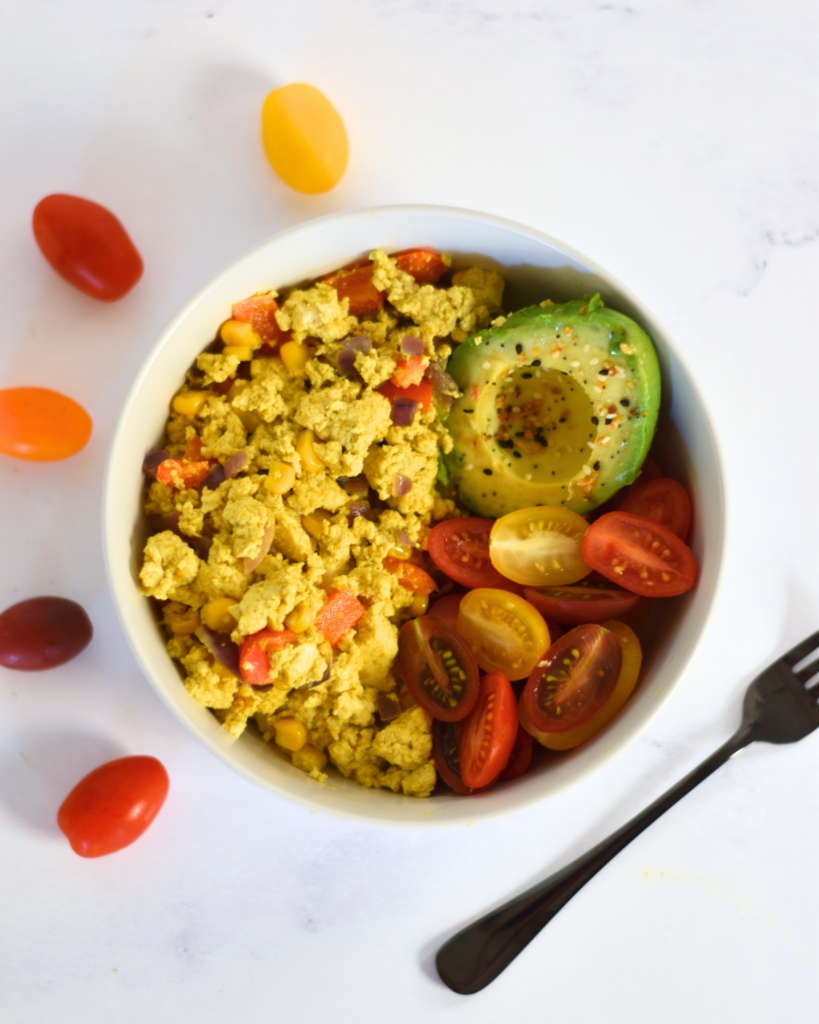
Southwest Tofu Scramble
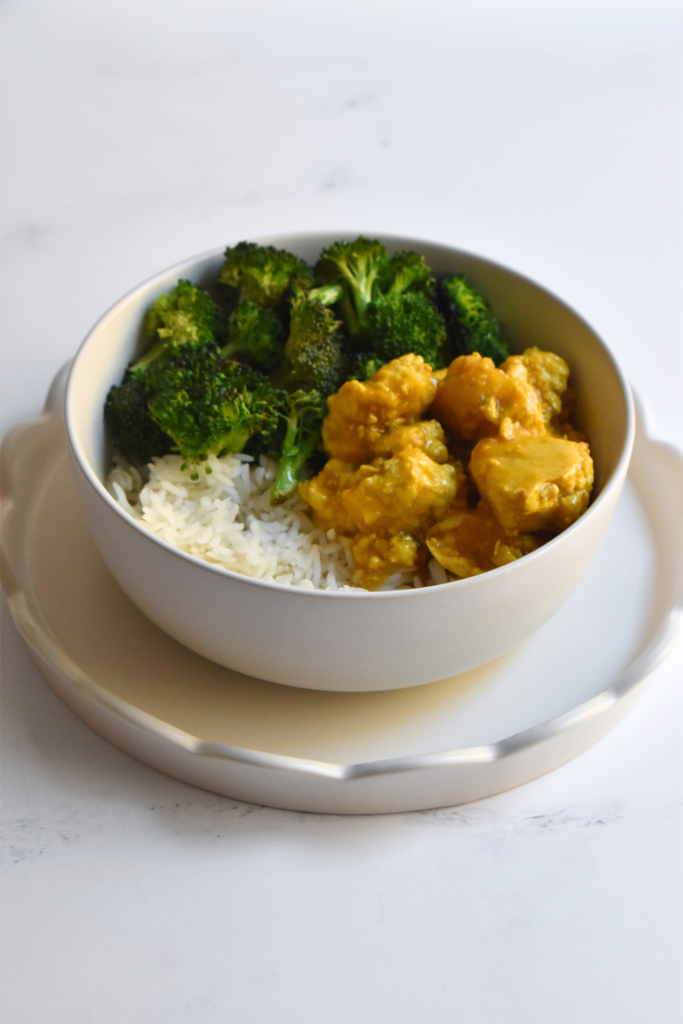
High-Protein Vegan Orange Chicken
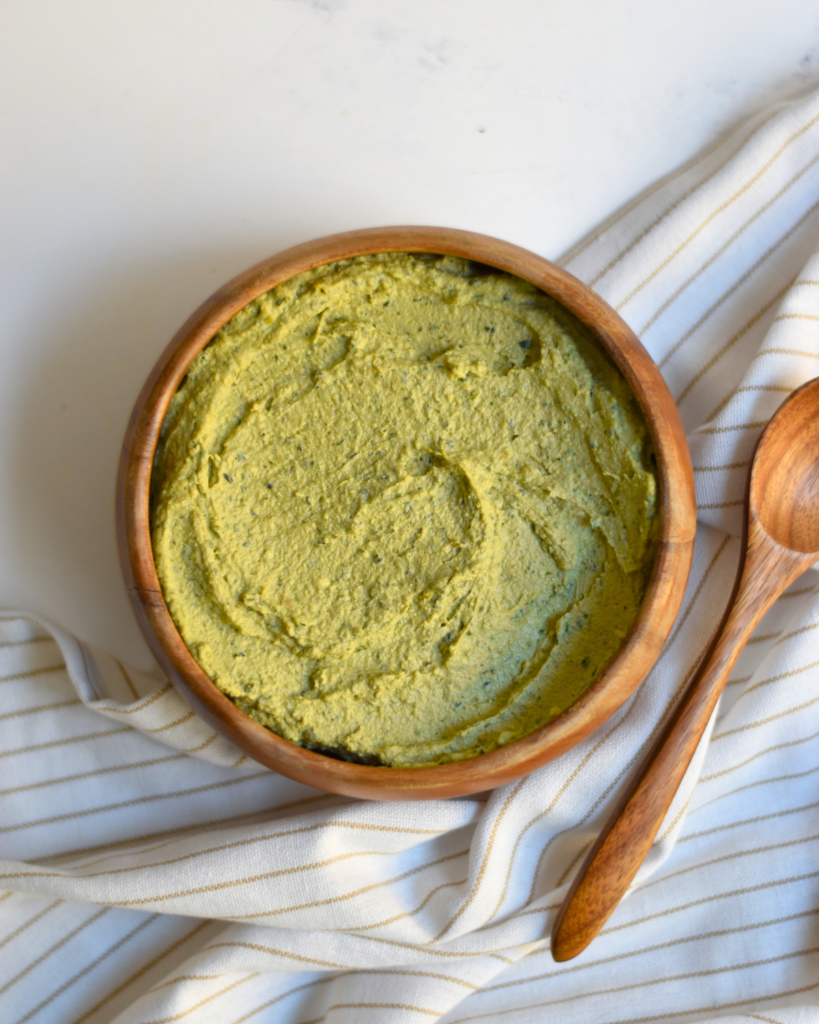
Creamy Vegan Tofu Pesto

High-Protein Chocolate Tofu Pudding

Vegan Tofu Gyros
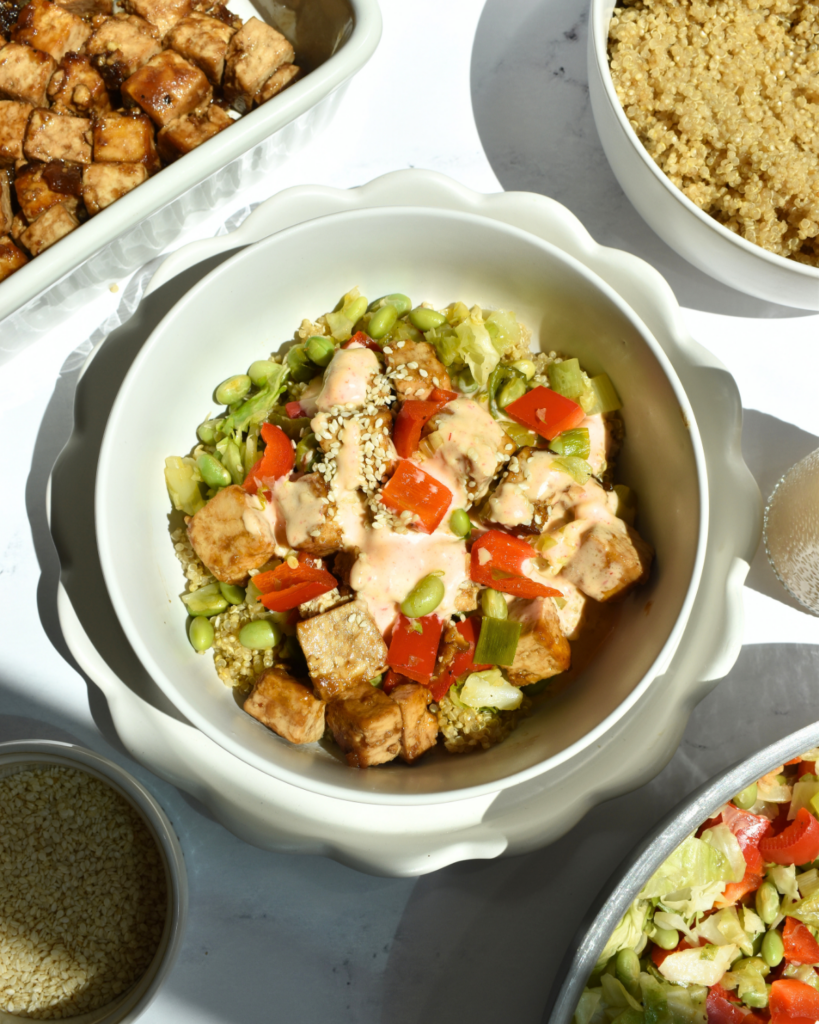
Teriyaki Tofu Quinoa Bowls

Vegan Lentil Lasagna with Spinach-Artichoke Ricotta
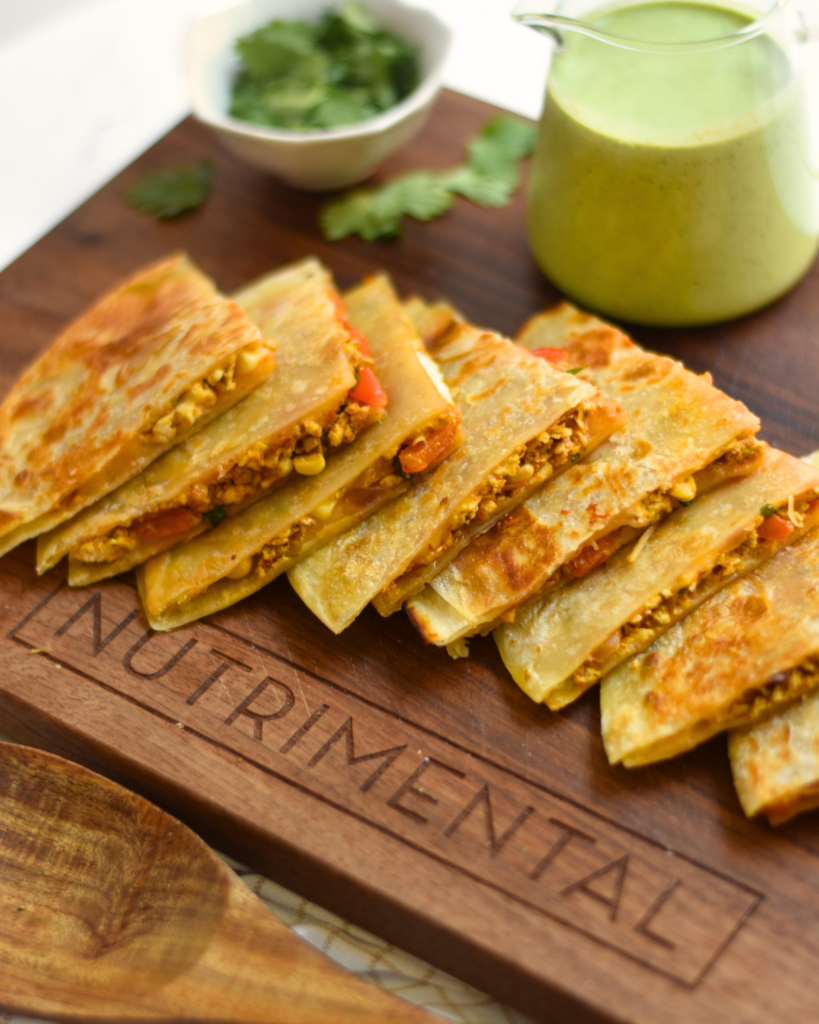
Easy Tandoori Tofu Quesadillas
FAQ
More healthy foods & ingredients
Swiss Chard: Benefits, Nutrition, and Easy Ways to Eat It
Avocado Nutrition, Benefits, and Recipes

Jujube Fruit Benefits, Side Effects, and Uses
Corn Tortillas vs. Flour Tortillas: Which is Healthier?

Clear Protein Drinks: Benefits, Best Brands, and What to Look For

Greek Yogurt vs. Regular Yogurt: Which is Healthier?
Spinach vs. Kale Nutrition: Which Is Healthier?
Is Soy Bad for You? What the Research Really Says
Flaxseed Benefits: Nutrition, Health Effects, and How to Eat It
Benefits of Kiwi: 6 Science-Backed Reasons to Add More Kiwi to Your Diet
Conclusion
Tofu is a versatile soy food that packs a serious nutritional punch.
It’s a convenient source of complete plant-based protein and provides important nutrients like calcium, iron, and magnesium.
What’s more, it’s been linked to a long list of benefits, especially for heart and bone health.
Whether you enjoy it crispy, blended, scrambled, or tucked into tacos and wraps, tofu is an affordable, nutrient-rich ingredient that definitely deserves a spot in your shopping cart.