Protein Pop Review: A Dietitian’s Take on Ingredients, Nutrition, and Taste
Quick summary
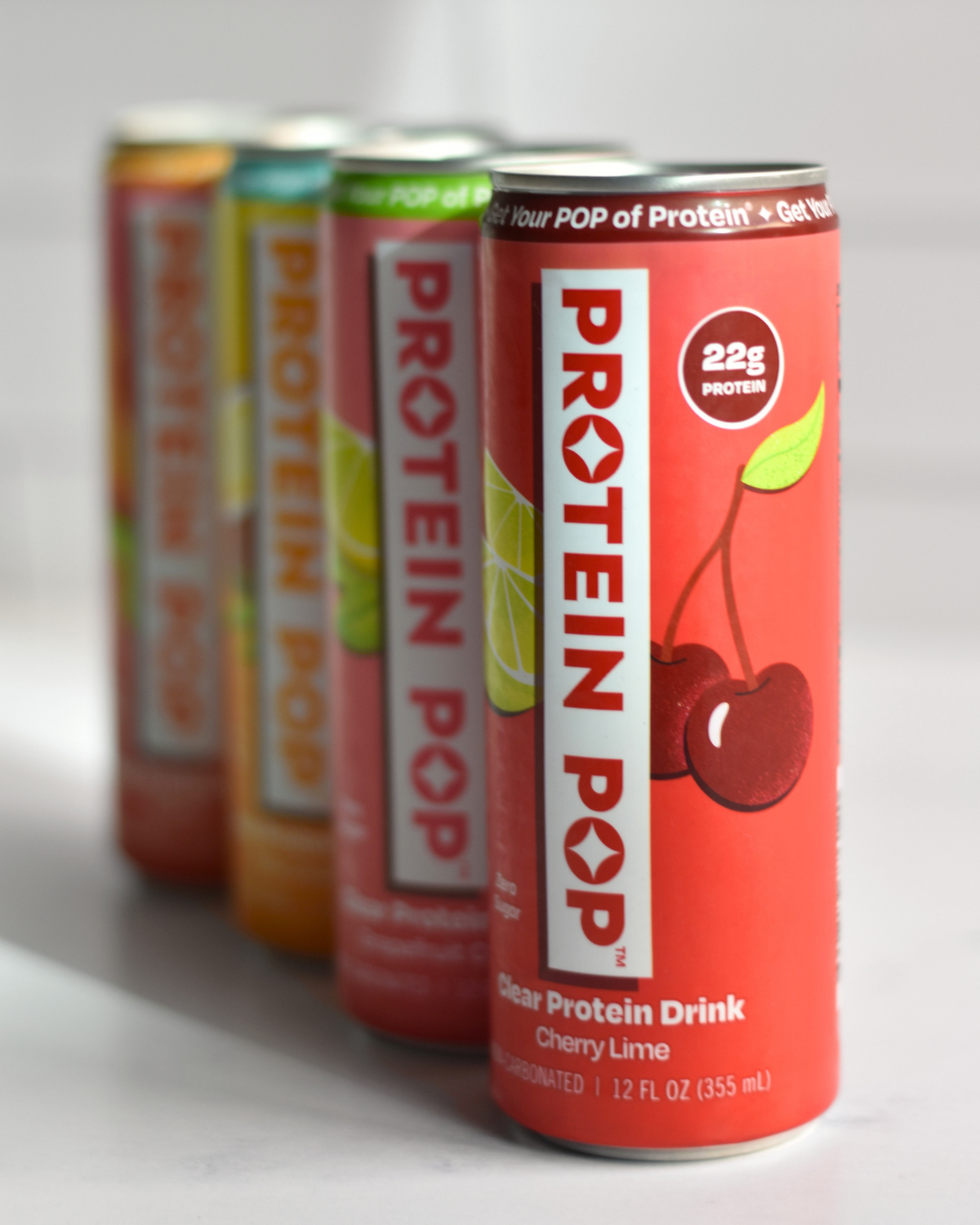
If the thought of another thick, creamy protein shake makes you want to skip the protein altogether, I totally get it. Protein Pop is a lot different than the protein shakes you’re probably used to: it’s a light, fruity, clear protein drink that feels more like a refreshing beverage. And with 22 grams of protein packed into each can, it definitely caught my attention when I saw it on the shelf.
But as a dietitian, I know that a big, bold number on the front of the can doesn’t tell you the whole story. So I took a closer look at Protein Pop to see how it measures up and whether or not it’s actually a good choice.
And then, of course, there was the most important part: I had to taste it myself. In this Protein Pop review, I’m breaking down everything you need to know, from nutrition and ingredients to flavors, cost, where to buy it, and my honest take on whether I’d drink it again.
A quick note
I personally buy all products I review so I can give you my 100% honest, unbiased feedback. If I’m ever sent something to test from a company, I’ll always disclose it, but I’ll still give my honest thoughts regardless.
If you enjoyed this review, I’d really appreciate your support by following along on social media or signing up for my monthly email list. Thanks for being here!
What is Protein Pop?
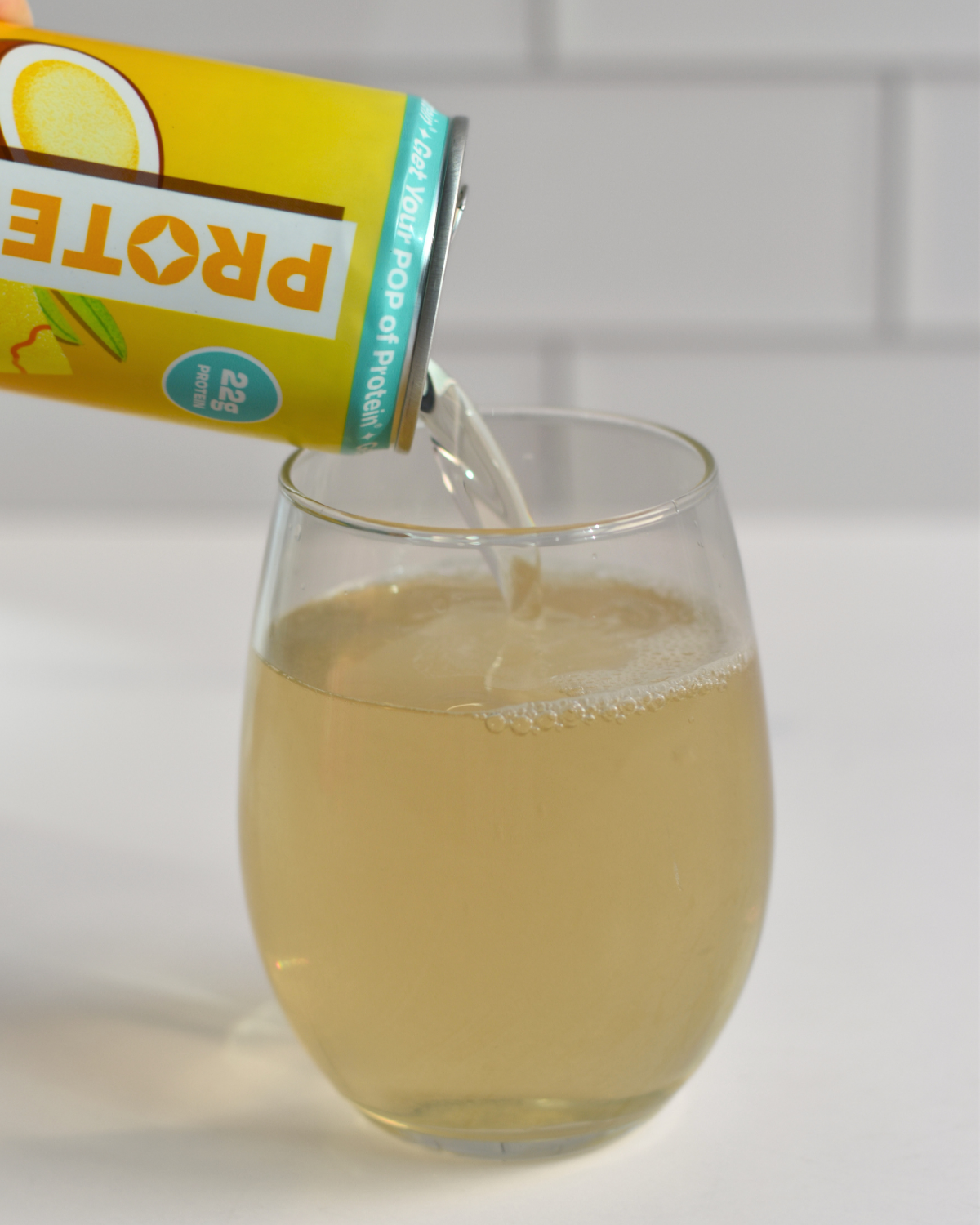
If you’re tired of thick, milky protein shakes, Protein Pop might be right up your alley. It’s a clear, non-carbonated protein drink made with whey protein isolate that looks (and tastes) more like a fruity beverage than your typical protein shake.
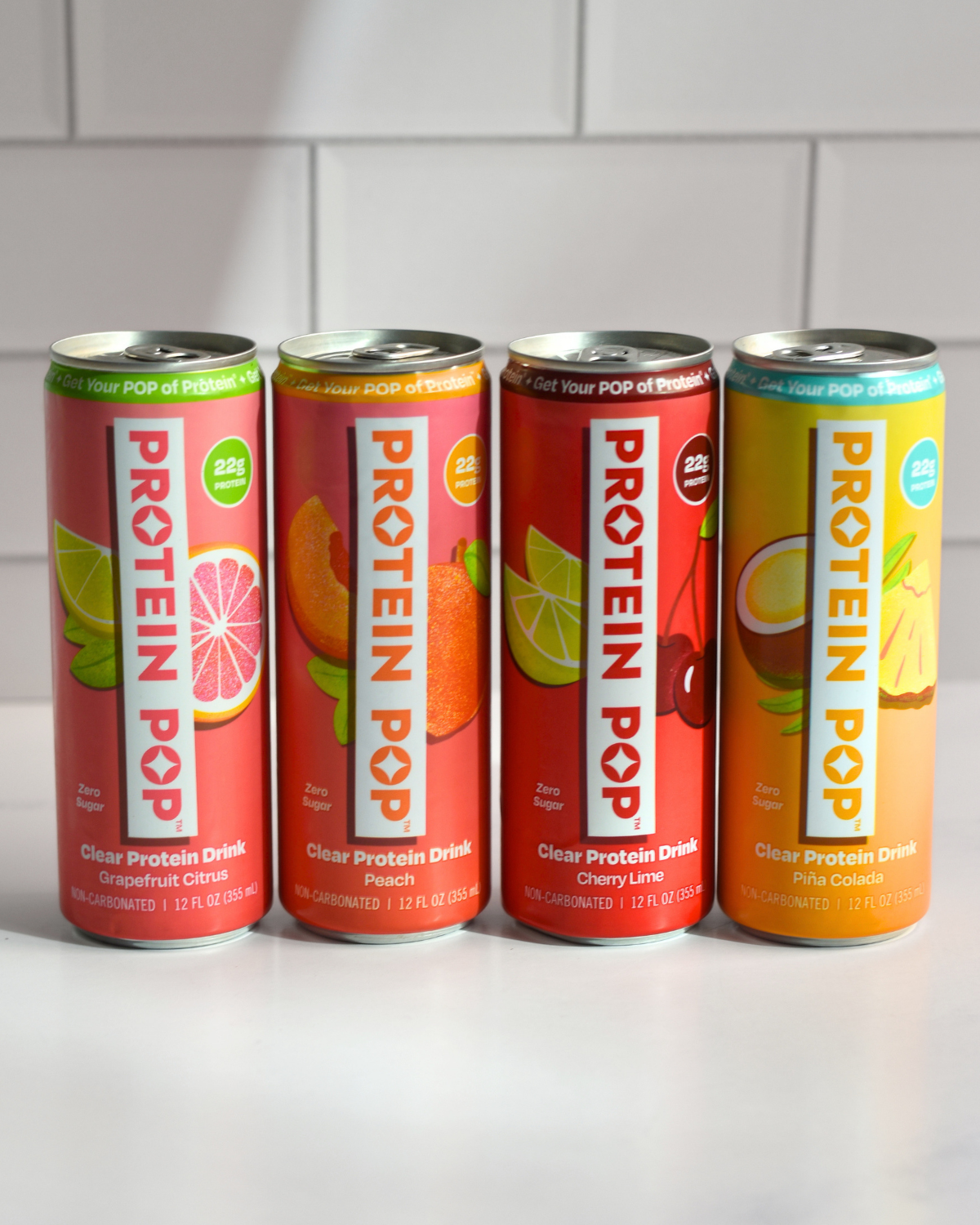
Each 12-ounce can packs 22 grams of protein with just 90-100 calories and no sugar. It currently comes in several fruity and refreshing flavors, including:
- Blue Raspberry
- Watermelon
- Piña Colada
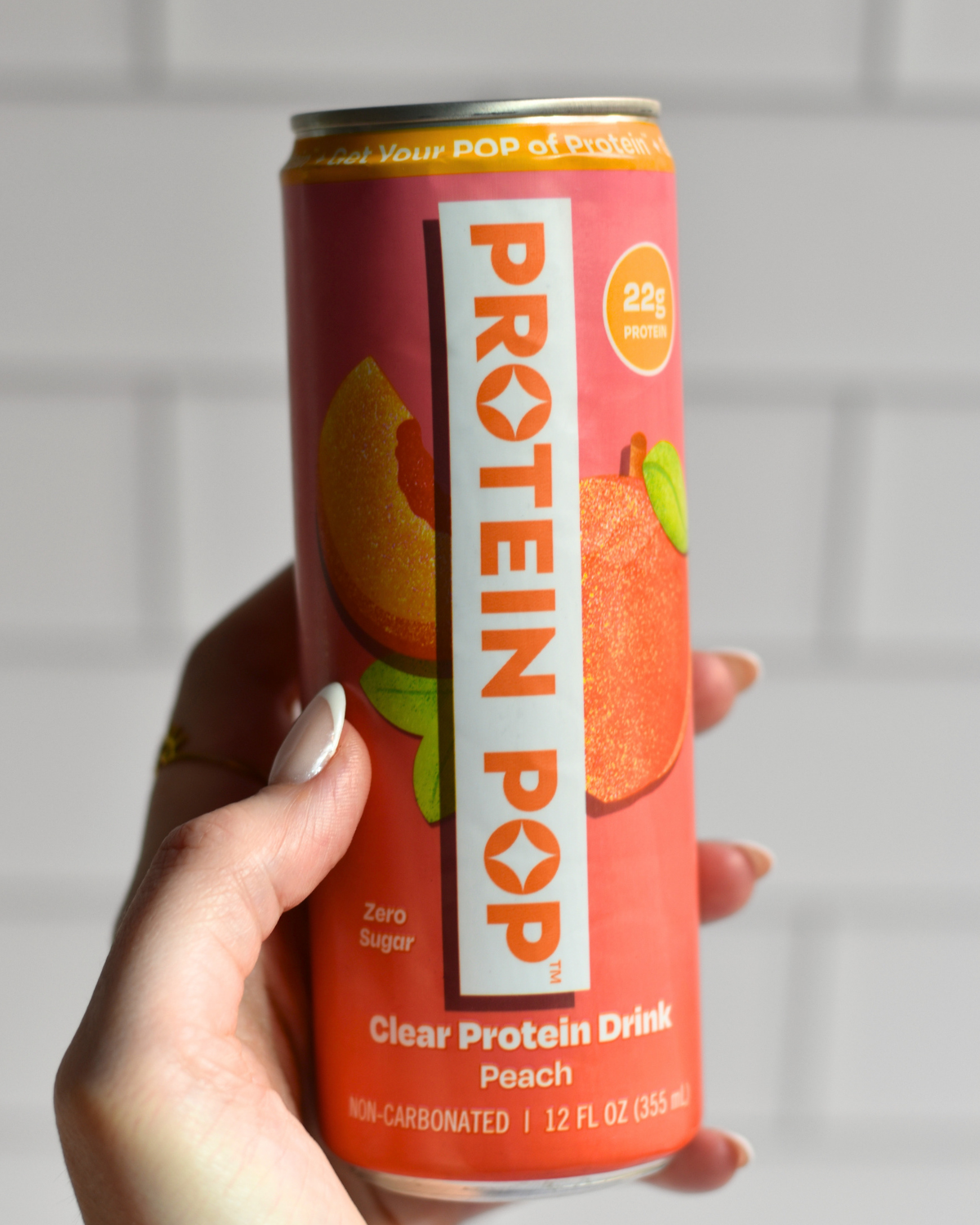
- Peach
The idea is pretty simple: you get a decent chunk of protein in each can, but without the thickness or heaviness that can come with most protein shakes on the market. And since it comes ready to drink, there’s no scooping or measuring required. Just pop the can and go!
Protein Pop also has two other varieties: Protein Pop Plus and Protein Pop Balance. Protein Pop Plus is formulated with collagen and contains more protein, while Protein Pop Balance is slightly lower in protein, but contains prebiotics to boost gut health.
While the original Protein Pop is the focus of this review, we’ll touch on these other options where relevant, too.
Protein Pop nutrition facts
Each 12-ounce can of Protein Pop contains 22 grams of protein for just 90-100 calories, depending on the flavor. It’s also low in carbs, has zero grams of sugar, and contains virtually no fat.
Here’s a quick look at the nutrition facts:
- Calories: 90-100
- Protein: 22 grams
- Total fat: 0 grams
- Carbohydrates: 1-2 grams
- Fiber: 0 grams
- Added sugar: 0 grams
- Sodium: 5 milligrams
The nutrition profile is pretty impressive if your main goal is getting a lot of protein without a lot of calories.
The protein comes from whey protein isolate, a high-quality dairy protein that contains all nine essential amino acids. For someone looking for an easy way to boost their protein intake, that’s a definite plus.
However, unlike many protein drinks, Protein Pop doesn’t bring much else to the table nutritionally. There’s essentially no fat or fiber, and very few carbs or other micronutrients.
While that isn’t necessarily a bad thing, it does mean that you should consider Protein Pop as a convenient source of protein rather than a nutritionally complete snack.
Protein Pop ingredients
One of the things that really stands out about Protein Pop is its short ingredient list. The exact ingredients vary a bit by flavor, but the basic formula is pretty straightforward: water, whey, natural flavors, acids, stevia, and preservatives.
For example, the Blue Raspberry flavor contains:
- filtered water
- whey protein isolate
- natural flavors
- citric acid
- malic acid
- potassium sorbate
- stevia (Reb A, Reb M)
The other flavors are very similar. Peach, for example, also contains peach juice powder, while Watermelon and Piña Colada have slightly different combinations of the acids and other flavoring ingredients.
Below, we’ll take an in-depth look at each ingredient found in Protein Pop.
Whey protein isolate
Whey protein isolate is a type of complete protein source that provides all nine essential amino acids. It’s also highly concentrated, which helps explain how Protein Pop can pack 22 grams of protein into a drink with only about 90-100 calories.
However, because Protein Pop is made with whey, it’s important to note that it’s not vegan or dairy-free.
Natural flavors
Natural flavors are used to give Protein Pop its fruity flavor without adding sugar. This is one of those ingredients that can sound a little mysterious on a label, but it’s a broad regulatory term rather than a single ingredient.
Some people prefer to avoid products made with natural flavors. One big reason is because the term “natural flavors” doesn’t tell you exactly what individual substances are included, which can be frustrating if you prefer to know exactly what you’re eating or are trying to minimize highly processed ingredients. People with specific sensitivities may also prefer products with more transparent ingredient lists.
That said, I don’t consider the presence of natural flavors to be a major nutritional concern here, particularly because they’re being used in a product with an otherwise very short ingredient list.
Citric acid and malic acid
These are acids commonly used to provide tartness and balance the flavor of beverages. They’re part of what gives Protein Pop that fruity, slightly tangy taste you’d expect from a drink like this.
Stevia
Protein Pop uses stevia to provide sweetness without adding extra sugar or calories. The company says it does not use artificial sweeteners, and stevia is a plant-derived sweetener.
If you’re sensitive to the taste of stevia, this is something to keep in mind, as some people find that stevia can have a bitter or unpleasant aftertaste.
Potassium sorbate
Potassium sorbate is a preservative used to prevent the growth of mold and yeast and help keep the drink shelf-stable. It’s a common food preservative and, at the amounts used in foods, is generally considered safe.
My verdict on the ingredients
Overall, I actually really like the ingredient list. It’s short, there are no added sugars, and there aren’t a bunch of gums, oils, or sugar alcohols added to make the drink work. The brand also states that it’s made without artificial flavors or sweeteners, which is another added bonus.
Of course, a short or simple ingredient list doesn’t automatically make a product healthier, and I don’t think there’s anything inherently wrong with a longer ingredient list.
But in this case, the relatively simple formula makes sense for what Protein Pop is trying to be: a light, fruity way to fit more protein into your diet, without a full-blown protein shake.
Is Protein Pop healthy?
Overall, I think that Protein Pop can be a nutritious choice, especially if you’re looking for an easy way to get more protein. But (as is usually the case with nutrition!) I don’t think it’s helpful to label a food or drink simply “healthy” or “unhealthy.” It really comes down to what you’re looking for and how it fits into the rest of your diet.
From a nutrition standpoint, there’s a lot to like here. You’re getting 22 grams of protein for just 90-100 calories, along with zero sugar, very few carbs, no fat, and very little sodium.
I also appreciate that the ingredient list is relatively short. There’s no added sugar or sugar alcohols, and the drink gets its sweetness from stevia. While some people prefer to avoid ingredients like natural flavors or stevia, neither is a red flag for me from a nutrition perspective.
On the flip side, Protein Pop is a protein drink, not a nutritionally complete snack. It doesn’t provide fiber, healthy fats, or meaningful amounts of any vitamins or minerals. That’s not necessarily an issue, but it’s something I’d keep in mind when deciding how to use it.
For example, if I’m grabbing Protein Pop as an afternoon snack, I’d probably pair it with something else, like a piece of fruit and a handful of nuts. That provides protein from the drink along with fiber, healthy fats, and additional nutrients.
If you’re someone who struggles to get enough protein, wants an easy post-workout option, or simply likes the idea of a fruity protein drink more than another creamy shake, I think Protein Pop can be a solid choice.
How much does it cost?
Protein Pop is definitely more of a premium protein drink than a budget option. The original Protein Pop currently costs $39.99 for a 12-pack, which works out to about $3.33 per can.
The Protein Pop Plus 12-pack is $41.99, or about $3.50 per can, while Protein Pop Balance is $39.99 per 12-pack, or about $3.33 per can.
At around $3-$3.50 per can, I think the price is reasonable if you’re specifically paying for the convenience of a ready-to-drink protein beverage. You’re getting 22 grams of protein without having to mix powder, clean a shaker, or lug around a bulky shake.
That said, it’s not something I’d necessarily buy every day if you’re trying to keep your grocery budget in check. If you’re happy to mix your own protein powder, you’ll almost certainly get more protein for your money.
Where to buy Protein Pop
Protein Pop is pretty easy to find, especially if you want to order it online. You can buy it directly from the brand’s website, as well as through Amazon.
If you’d rather pick it up in person, Protein Pop is also sold at select Target, Walmart, and Albertsons stores. Availability can vary by location and flavor, so I’d recommend checking the brand’s store locator before making a special trip.
For the original Protein Pop, the brand’s website currently offers individual flavors and variety packs, so ordering online is probably your easiest bet if you want to try a few flavors without hunting around town.
Stay in the loop!
Healthy eating tips & recipes delivered directly to your inbox
My honest review of Protein Pop
I sampled all four Protein Pop flavors — including Blue Raspberry, Watermelon, Piña Colada, and Peach — to see whether or not they actually lived up to the hype.
I evaluated each one for flavor, sweetness, aftertaste, and overall drinkability, and paid particular attention to whether the fruity flavors actually worked with the protein drink format. Here’s my honest Protein Pop review.
Taste
The first thing I noticed was how light and easy to drink these were. Unlike a regular protein shake, Protein Pop doesn’t feel thick or heavy, which I found really refreshing, especially because I’m not always in the mood for something creamy or filling.
That said, the flavor was a bit of a mixed bag for me.
Even though Protein Pop has a fruity flavor profile, you can still pick up a slightly milky taste from the whey protein, and I didn’t think it always jibed well with the fruity flavors. I actually enjoyed it more with my first few sips, but the more I drank, the less I loved the flavor.
I also found the drinks to be pretty sweet with a slightly artificial-tasting finish, though just how noticeable that is will probably come down to personal preference.
And I’m definitely not alone in having a mixed reaction. Reviews of Protein Pop seem pretty polarized; some people absolutely love the taste, while others really don’t care for it. So when it comes to flavor, I’d say it really comes down to your personal preferences.
If you like sweet, fruity drinks and don’t mind a little stevia or that subtle milky whey flavor, you may really enjoy it. If you’re looking for something that tastes exactly like a regular fruit drink, though, you might be a little surprised.
Texture
The texture was another bit of a mixed bag for me. On the one hand, Protein Pop is very light and thin, which I really appreciated compared with other protein shakes. It goes down easily and doesn’t have that thick, creamy consistency that can make many protein drinks feel heavy.
But somehow, despite being so light, it still had that slightly gritty, chalky texture I associate with protein shakes. I noticed a bit of a coating left on my tongue after drinking it, too, which made it feel less refreshing than I expected from a clear protein drink.
So while the consistency is definitely lighter than a regular protein shake, it doesn’t completely escape that unmistakable protein drink texture.
Would I buy it again?
I probably won’t be reaching for Protein Pop again anytime soon, but that’s mostly because the flavor just wasn’t for me. I don’t particularly like milk, and I found that subtle milky taste from the whey combined with the fruity flavors a little strange. Since I also don’t drink protein shakes on a daily basis, I don’t really need a protein drink like this in my regular routine.
That said, I can absolutely see why Protein Pop has its fans. If you regularly drink protein shakes and are looking for something lighter and more refreshing to switch things up, I think this could be a fun option to try.
And if you enjoy sweet, fruity flavors and don’t mind a hint of that milky whey taste, you may have a very different experience than I did.
Ultimately, I’d say it’s worth trying if the concept appeals to you, but it wasn’t a personal favorite for me.
Who should try Protein Pop?
Protein Pop may be a great fit for some people, while others may not be as impressed, and I think that largely comes down to your preferences.
Nutritionally, I think it has a lot going for it, particularly if you want a convenient way to get more protein without the thickness of a regular protein shake. But the flavor and texture aren’t going to be for everyone.
Based on the nutrition profile, ingredients, and my own experience trying all four flavors, here’s who I think might enjoy it and who may want to pass.
I think Protein Pop might be worth a try if you:
- want an easy way to add more protein to your day without many extra calories
- don’t love thick, creamy protein shakes and would prefer something much lighter
- like fruity, sweet drinks and don’t mind a hint of stevia or whey flavor
- drink protein shakes regularly and want something different to add to your routine
- want a convenient post-workout option that provides 22 grams of high-quality protein without needing to mix a powder
- need a grab-and-go protein source for busy mornings, afternoons, or between meals
On the flip side, you might want to skip it if you:
- don’t like the taste of whey protein or find protein drinks to have an unpleasant aftertaste
- want a protein drink that tastes just like fruit juice or a regular fruity beverage
- prefer completely smooth drinks, since I found Protein Pop to have a slightly gritty, chalky texture
- are on a vegan or dairy-free diet, as Protein Pop is made with whey protein
- don’t regularly need or want a protein supplement, particularly if you’re already getting plenty of protein from your usual diet
Pros and cons
There’s a lot to like about Protein Pop, especially if you’re looking for a convenient way to get more protein without drinking a thick, creamy shake. However, the taste and texture may not be for everyone, and there are a few other things worth considering before you buy it.
Here are the biggest pros and cons based on my experience.
Pros:
- High in protein: Each can provides 22 grams of whey protein isolate, making it an easy way to increase your protein intake.
- Low in calories: With just 90-100 calories per can, Protein Pop delivers a lot of protein without adding many calories.
- Zero sugar: It contains no sugar or added sugar, which may appeal to people looking for a lower-sugar protein drink.
- Light and refreshing: Unlike traditional protein shakes, Protein Pop has a thin, fruity consistency that feels much lighter and less filling.
- Convenient: It’s ready to drink, so there’s no mixing powder, washing a shaker bottle, or using a blender.
- Simple ingredient list: The formula is relatively short and doesn’t contain gums, emulsifiers, sugar alcohols, or added sugars.
- Several flavors to choose from: With fruity options like Blue Raspberry, Watermelon, Piña Colada, and Peach, there’s some variety to choose from.
Cons:
- The flavor may be hit or miss: I found the combination of fruity flavors and the subtle milky taste from the whey a little off-putting, and the drinks became less enjoyable the more I drank them.
- Pretty sweet: If you prefer less sweet beverages, Protein Pop may be sweeter than you’d like.
- Slightly chalky texture: While it’s much thinner than a traditional protein shake, I still noticed a slightly gritty, chalky texture and some coating on my tongue.
- Not a complete snack: Protein Pop provides plenty of protein but essentially no fiber, healthy fats, or meaningful amounts of vitamins and minerals.
- Contains dairy: Since it’s made with whey protein isolate, Protein Pop isn’t vegan or dairy-free.
- More expensive than protein powder: You’re paying for the convenience of a ready-to-drink protein beverage, so the cost per serving is higher than mixing your own protein powder.
Comparison with competitors
There are plenty of other clear protein drinks similar to Protein Pop on the market.
Here’s a look at how Protein Pop stacks up against some popular alternatives in terms of protein, calories, sugar, format, and protein source.
| Protein | Calories | Sugar | Format | Protein source | |
|---|---|---|---|---|---|
| Protein Pop Original | 22g | 90-100 | 0g | Ready-to-drink, non-carbonated | Whey protein isolate |
| Genius Gourmet | 30g | 130 | 0g | Ready-to-drink, sparkling | Whey protein isolate + collagen |
| Isopure Clear Protein Water | 20g | 80 | 0g | Ready-to-drink | Whey protein isolate |
| WAAY Sparkling Protein Drink | 10g | 45 | 0g | Ready-to-drink, sparkling | Whey protein isolate + collagen |
| Bloom Clear Protein | 20g | 90 | 0g | Powder | Whey protein isolate + collagen |
| Clear Protein Water | 20g | 90 | 0g | Ready-to-drink | Whey protein isolate |
| P2X Advanced Hydration | 20g | 90 | 0g | Ready-to-drink | Whey protein isolate |
| Lumen Sparkling Protein | 16g | 100 | 5g | Ready-to-drink, sparkling | Collagen + rice protein |
| SEEQ Clear Protein | 22g | 100 | 0g | Powder | Whey protein isolate |
| Oath Clear Whey | 20g | 100 | 0g | Powder | Whey protein isolate |
FAQ
More product reviews
DAVID Protein Bars Review: A Dietitian’s Honest Take
Magic Spoon Cereal Review: Is It Actually Worth the Price?
LMNT Electrolytes Review: Is It Worth It? A Dietitian Weighs In
Culture Pop Review: Is This Probiotic Soda Healthy?
MISFITS Protein Bars Review: A Dietitian’s Honest Take
Conclusion
Protein Pop can be a fun, convenient option if you’re looking for an easy way to add more protein to your day without drinking a thick, creamy shake.
While the flavor won’t be for everyone, Protein Pop checks a lot of boxes from a nutrition standpoint, with 22 grams of protein and 90-100 calories in each serving.
It’s not a replacement for a balanced meal, but as a quick snack, post-workout drink, or protein boost on a busy day, I think it’s a solid choice.