Lipedema Diet and Nutrition: Foods, Meal Ideas, and Tips
Quick summary
Start searching for the best foods for lipedema, and the internet will quickly hand you a very long list of rules. Cut carbs, skip gluten, avoid dairy, go keto, and prepare to eliminate anything with actual flavor from your menu. With so much conflicting advice floating around, figuring out what to put on your plate can feel a lot more complicated than it needs to be.
As a dietitian, I wanted to take a closer look at what the research actually says about following a lipedema diet. While nutrition can’t cure the condition or make lipedema tissue disappear, a balanced way of eating may still help with energy, metabolic health, weight management, and possibly even symptoms like pain, swelling, or heaviness.
In this guide, we’re breaking down the foods to eat and limit on a lipedema diet, popular dietary approaches, supplements, and lifestyle strategies that may help and are backed by research. You’ll also find a simple five-day meal plan filled with realistic ideas to help get you started.

What is lipedema?
Lipedema is a chronic condition that causes an abnormal buildup of fat, most often in the hips, thighs, butt, and lower legs. It typically affects both sides of the body evenly and can also occur in the upper arms, while the hands and feet are usually spared.
Unlike ordinary body fat, lipedema tissue can feel tender or painful and may bruise easily. Other common signs include heaviness, swelling, a lumpy or nodular texture beneath the skin, and a noticeable difference between the size of the upper and lower body.
Lipedema is estimated to affect around 11% of women worldwide, but there’s still a lot of confusion about it. In fact, it’s often mistaken for obesity or lymphedema, but it’s a totally different condition. Contrary to popular belief, lipedema also isn’t caused by overeating or a lack of exercise.
What’s more, lipedema fat can be especially stubborn and might not respond to weight loss in the same way as other body fat, which can make the endless chorus of “just eat less and move more” both unhelpful and incredibly frustrating.
Nutrition and lipedema
Unfortunately, there’s no magic lipedema diet that can make lipedema tissue disappear. Still, what you eat can definitely play a supporting role by helping you maintain muscle, keep your energy levels steady, manage your weight if needed, and protect against concerns like insulin resistance, high blood pressure, and heart disease. Making changes to your diet could also help manage symptoms like pain, swelling, or heaviness.
However, that doesn’t mean you need to empty your pantry, swear off carbs, or start adding turmeric to absolutely everything. Research is still limited, and there’s no one-size-fits-all eating plan that works for everyone.
It’s also worth keeping your expectations realistic. Losing weight may reduce non-lipedema fat, but the results can be less noticeable in the areas affected by lipedema, which is (understandably) frustrating.
Rather than chasing a quick fix, it’s best to focus on building a nutritious, satisfying, and sustainable way of eating that promotes health and helps you feel your best.
Stay in the loop!
Healthy eating tips & recipes delivered directly to your inbox
Best diet for lipedema
There’s no official diet for lipedema and there are several eating plans recommended, which we’ll dive into more below.
That said, a balanced, Mediterranean-style eating pattern is often a solid place to start. It centers around whole and minimally processed foods, including fruits, vegetables, whole grains, beans, nuts, seeds, olive oil, and other nutrient-dense staples.
Many of these foods are rich in fiber, antioxidants, and healthy fats that can help ease inflammation. While loading up on berries and leafy greens definitely won’t cure lipedema, including plenty of anti-inflammatory foods can support overall health and could potentially help manage your symptoms.
Most importantly, though, your eating plan should be satisfying, nutritionally balanced, and realistic enough to fit into your actual life.
Because individual needs can vary based on your symptoms, health status, and personal preferences, consider using the Mediterranean diet as a flexible starting point and adjust it based on what works best for you.
Foods to eat and limit
A balanced lipedema diet is all about filling your plate with plenty of nutrient-dense, minimally processed ingredients while also cutting back on foods that can crowd out more nutritious options or make certain symptoms worse.
Foods to eat for lipedema
Luckily, a lipedema diet leaves lots of delicious options on the table. Aim for a good mix of whole foods that provide protein, fiber, healthy fats, vitamins, minerals, and antioxidants and make sure you stay hydrated.
Here are some of the best foods to eat for lipedema:
- Fruits and vegetables: Fill up on options like leafy greens, berries, citrus fruits, bell peppers, tomatoes, broccoli, and carrots, which provide fiber and inflammation-fighting antioxidants.
- Whole grains: Choose fiber-rich carbohydrates such as oats, quinoa, brown rice, barley, and whole-wheat bread to promote digestion, steady energy levels, and heart health.
- Beans and legumes: Lentils, chickpeas, black beans, edamame, and other legumes serve up a satisfying combination of plant-based protein and fiber.
- Protein-rich foods: Include foods like tofu, tempeh, eggs, Greek yogurt, fish, poultry, and lean meats to maintain muscle, support mobility, and keep meals satisfying.
- Healthy fats: Add olive oil, avocado, nuts, seeds, and fatty fish for unsaturated fats, including omega-3s, which may help alleviate inflammation.
- Herbs and spices: Garlic, ginger, turmeric, cinnamon, and fresh herbs add flavor along with antioxidants and other beneficial plant compounds.
- Hydrating beverages: Reach for water, sparkling water, or unsweetened tea throughout the day to stay hydrated without loading up on added sugar.
Foods to limit for lipedema
Good news: No food needs to be completely off-limits on a lipedema diet, and one salty snack or scoop of ice cream isn’t going to make or break your diet.
Still, cutting back on foods that are high in added sugar, sodium, or saturated fat can leave more room for nutrient-dense options and may help support heart health, weight management, and symptom control.
Here are some foods to limit for lipedema:
- Sugar-sweetened beverages: Soda, sweet tea, energy drinks, and sugary coffee drinks are high in added sugar without providing much fiber or other nutrients.
- Highly processed snacks and sweets: Chips, candy, cookies, and packaged baked goods are easy to overdo and often contain lots of added sugar, sodium, or saturated fat.
- Refined grains: White bread, sugary cereals, and pastries tend to be lower in fiber than whole-grain alternatives, making them much less filling.
- Processed meats: Bacon, sausage, deli meat, and hot dogs can be high in sodium and saturated fat, so they’re best enjoyed in moderation.
- Foods high in saturated fat: Fried foods, butter, fatty cuts of meat, and certain desserts can contribute significant amounts of saturated fat, which is worth limiting for heart health.
- High-sodium foods: Fast food, canned soups, frozen dinners, and salty snacks can worsen swelling or fluid retention for some people, although individual responses can vary.
- Alcohol: Alcohol can add extra calories, interfere with your sleep, and contribute to dehydration, so keep it moderate if you choose to drink.

Popular diets for lipedema
There is no shortage of eating plans out there claiming to be the best diet for lipedema and promising some pretty impressive results. While some may offer helpful principles or work well for certain people, keep in mind that research is still emerging, and none have been proven to cure lipedema or eliminate lipedema tissue.
Mediterranean diet
The Mediterranean diet emphasizes fruits, vegetables, whole grains, legumes, nuts, seeds, olive oil, and other minimally processed foods. It’s naturally rich in fiber, antioxidants, and unsaturated fats, making it a balanced and flexible option that promotes heart health, blood sugar control, and overall well-being.
It’s also refreshingly low on complicated rules. Although research on the Mediterranean diet specifically for lipedema is limited, its solid nutritional foundation makes it a smart starting point for most people.
Anti-inflammatory diet
An anti-inflammatory diet isn’t one specific eating plan with a strict rulebook. Instead, it focuses on foods rich in fiber, antioxidants, and healthy fats, such as produce, beans, whole grains, nuts, seeds, olive oil, and fatty fish, while limiting heavily processed foods, added sugar, and excess saturated fat.
Because inflammation can play a role in lipedema, this approach could potentially help keep your symptoms in check.
It’s also very flexible and can easily be adapted to fit other dietary preferences or eating patterns, whether you’re vegetarian, vegan, gluten-free, or simply have specific foods you love (and a few you’d rather leave off your plate).
Low-carbohydrate diet
Low-carb diets limit foods like grains, sugary drinks, sweets, and some starchy vegetables, although the exact amount of carbohydrate allowed can vary quite a bit.
Early research suggests this approach may help improve body composition, pain, mobility, and quality of life in people with lipedema, but more high-quality, long-term studies are needed.
Keep in mind that going low-carb shouldn’t mean eliminating all carbs from your diet. Fiber-rich options like beans, fruit, and whole grains provide important nutrients, so any carbohydrate reduction should be planned carefully.
Ketogenic diet
The ketogenic diet takes carbohydrate restriction a few steps further, limiting carbs enough to shift your body into ketosis, a metabolic state where your body burns fat for fuel instead of glucose (aka sugar).
Small studies have linked ketogenic diets with improvements in weight, body composition, pain, and quality of life among women with lipedema, making it one of the more commonly studied dietary approaches for the condition.
That said, keto is highly restrictive and could cause constipation, nutrient gaps, or changes in cholesterol levels.
We also don’t know much about its long-term effects for lipedema, so it’s best to try it with guidance from a registered dietitian or healthcare provider, especially if you have diabetes, kidney disease, heart disease, or take medications.
Rare Adipose Disorders diet
The Rare Adipose Disorders, or RAD, diet was developed for people with conditions involving abnormal fat tissue, including lipedema. It targets inflammation, insulin resistance, and metabolic stress, all of which can influence symptoms and make weight management more challenging.
The RAD diet emphasizes whole, minimally processed foods, with lots of vegetables, whole fruits, legumes, whole grains, fermented foods, herbs, and spices. It also encourages healthy fats (especially omega-3-rich foods), while limiting added sugar, refined carbs, highly processed fats, excess sodium, and heavily processed foods. Depending on the version, the plan sometimes also recommends limiting gluten, most dairy products, and certain animal foods.
Many of its basic recommendations line up with a nutritious eating pattern, but the RAD diet has not been well-studied in clinical trials and some restrictions might not be necessary for everyone. If you want to give it a try, simply borrow the parts that work for you and skip whatever doesn’t.
Gluten-free or dairy-free diets
Gluten and dairy often land on online lists of foods everyone with lipedema should avoid, but there isn’t strong evidence that cutting them out improves lipedema across the board.
Unless you have celiac disease, an allergy, an intolerance, or a clear pattern of symptoms after eating them, there’s usually no reason to automatically give either one the boot.
Eliminating entire food groups can also make it harder to get nutrients such as calcium, vitamin D, protein, and fiber. If you suspect a food is affecting your symptoms, work with a doctor or dietitian to investigate before making any major changes to your diet.
Weight management and lipedema
If you have lipedema, weight management can be a tricky and often frustrating topic. This is because lipedema tissue tends to be resistant to weight loss, so even when the number on the scale drops, the difference may be much more noticeable in your face, waist, or upper body than in affected areas like your hips or legs.
That doesn’t mean nutrition and movement are pointless. If you also carry excess non-lipedema fat, gradual weight loss may reduce pressure on your joints, make movement more comfortable, and support blood sugar, heart health, and mobility.
Maintaining muscle is just as important, which is why getting enough protein and incorporating strength-building activity can be especially helpful.
Weight loss isn’t necessary for everyone with lipedema, though, and your body mass index (BMI) doesn’t always tell the full story. Because BMI can’t distinguish between lipedema tissue, other body fat, and muscle, it may overestimate health risks or fail to reflect meaningful changes in strength or body composition.
Instead of focusing on the number on your scale, look at the bigger picture. Energy levels, pain, mobility, strength, lab values, sleep, and overall quality of life can all provide a much more useful view of your progress.
Building a balanced plate for lipedema
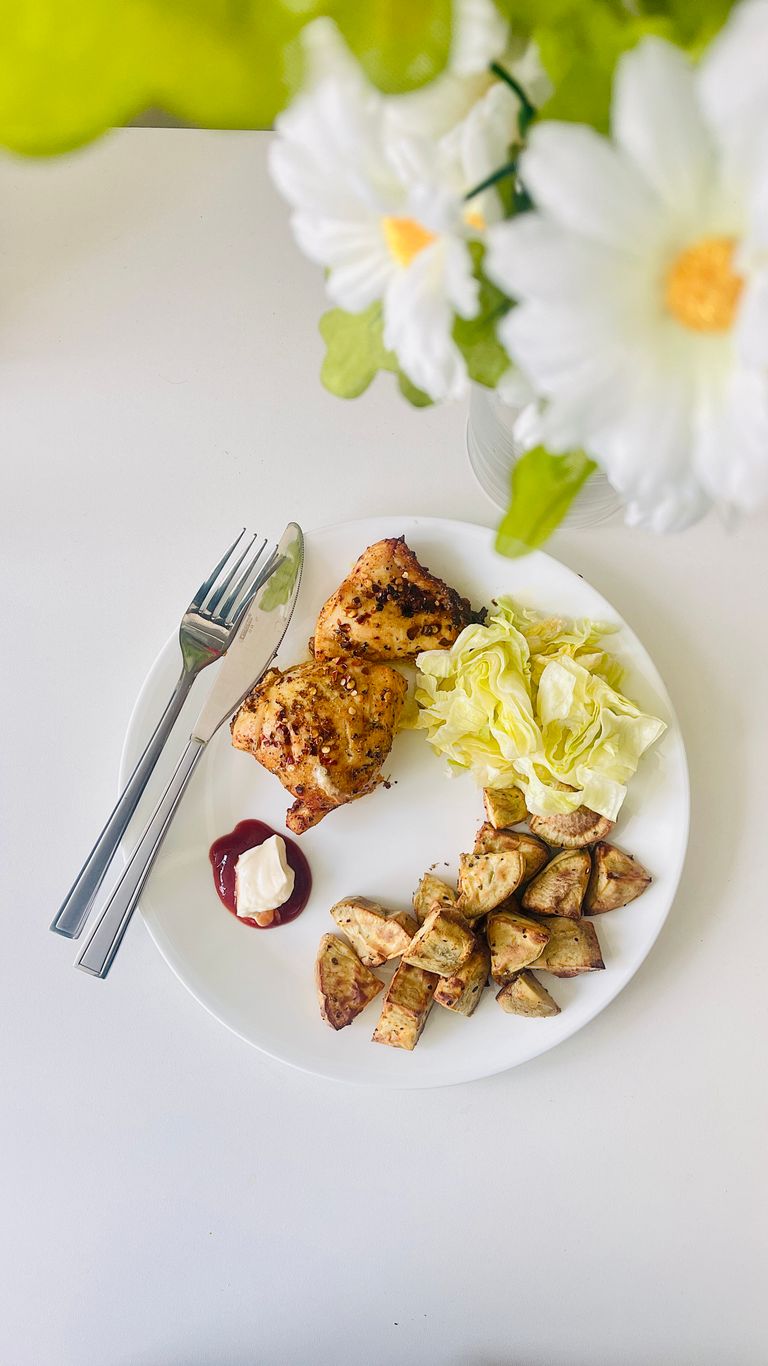
Putting together a lipedema-friendly meal is simpler than it might seem. A balanced mix of protein, fiber-rich carbohydrates, colorful produce, and healthy fats can help keep your meals satisfying while providing the nutrients your body needs. Here are a few quick tips:
- Start with veggies: Aim to fill roughly half your plate with non-starchy vegetables like leafy greens, broccoli, cauliflower, peppers, zucchini, or carrots.
- Add a source of protein: Fill about one-quarter of your plate with tofu, tempeh, beans, lentils, eggs, yogurt, fish, poultry, or another protein-rich food to support muscle mass and satiety.
- Include fiber-rich carbs: Use the remaining quarter for foods like quinoa, brown rice, oats, whole-wheat pasta, potatoes, beans, or other starchy vegetables.
- Don’t forget healthy fats: Add a drizzle of olive oil, spoonful of seeds, handful of nuts, sliced avocado, or another source of unsaturated fat for flavor and staying power.
- Pile on the flavor: Herbs, spices, citrus juice, vinegar, and lower-sodium sauces can make meals more exciting without relying entirely on salt.
- Stay flexible: Your meal won’t always match these proportions perfectly, and it doesn’t have to! Adjust the balance based on your hunger, activity level, preferences, and individual nutrition needs.
Sample lipedema diet meal plan
Not sure how all of these recommendations look in real life? This five-day lipedema diet meal plan combines fiber-rich produce with protein and heart-healthy fats to help you feel your best. Simply adjust the portions, ingredients, and number of snacks based on your appetite and personal preferences!
Day 1
- Breakfast: veggie omelet with mushrooms, bell peppers, and spinach
- Lunch: Mediterranean Spinach and Feta Casserole with a side of mixed greens
- Dinner: roasted salmon with couscous and side salad
- Snacks: apple slices with peanut butter and Greek yogurt with berries
Day 2
- Breakfast: Tropical Overnight Oats
- Lunch: Roasted Brussels Sprouts and Arugula Salad with whole-wheat toast
- Dinner: grilled chicken with asparagus and herby quinoa
- Snacks: carrots with hummus and fresh fruit
Day 3
- Breakfast: Vegan Breakfast Casserole with Tempeh Bacon and fruit salad
- Lunch: turkey wrap with spinach, tomatoes, and a whole-grain tortilla
- Dinner: Butternut Squash Pasta with roasted broccoli
- Snacks: Peanut Butter Protein Balls and sliced bell peppers with hummus
Day 4
- Breakfast: oatmeal with peanut butter, chia seeds, and bananas
- Lunch: fish tacos with fresh cabbage slaw
- Dinner: Vegetarian Chickpea Pot Pie with steamed green beans
- Snacks: crispy roasted edamame and an orange
Day 5
- Breakfast: Avocado Chickpea Toast
- Lunch: stir-fry with chicken, veggies, and brown rice
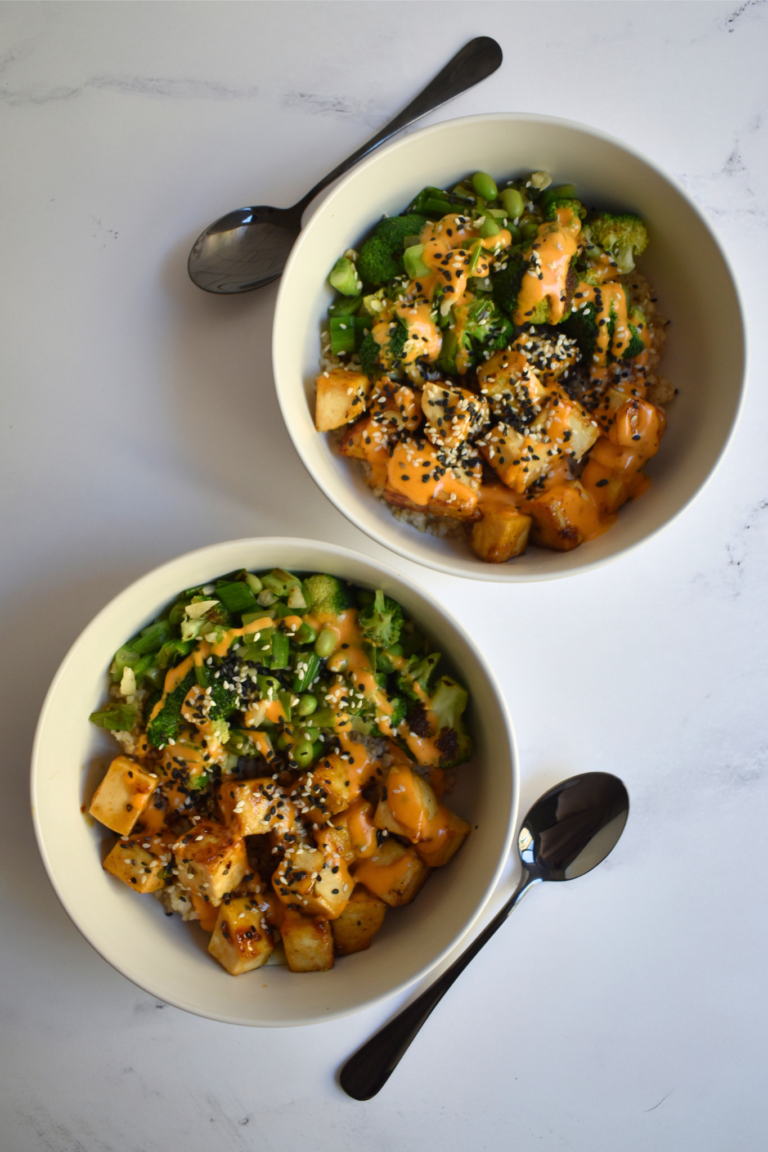
- Dinner: BBQ Tempeh Bowls with Grilled Zucchini and Pineapple Salsa
- Snacks: yogurt with chopped walnuts and air-popped popcorn

Supplements for lipedema
Supplements may seem like an easy shortcut, especially when the label makes bold claims for inflammation, circulation, or fluid balance. Unfortunately, no supplement has been proven to cure lipedema, remove lipedema tissue, or replace treatments like compression, physical therapy, or other medical care.
A few supplements are commonly discussed for lipedema, but the research behind them is still limited:
- Vitamin D: Low vitamin D levels may be common among people with lipedema, and current care guidelines recommend monitoring and correcting a deficiency when needed.
- Omega-3 fatty acids: Omega-3s can enhance heart health and ease inflammation, but there isn’t enough evidence to show that supplements specifically improve lipedema.
- Selenium: This mineral plays a role in antioxidant defenses and thyroid function, but taking more than you need can be harmful.
- Diosmin: This plant compound is sometimes used to support circulation and manage swelling, although lipedema-specific research is limited.
- Bromelain: An enzyme found in pineapple, bromelain is often marketed for inflammation and swelling, but evidence for lipedema is lacking.
Before starting anything new, check with your healthcare provider or registered dietitian, especially if you take prescription medications or are preparing for surgery.
Supplements like bromelain, diosmin, and omega-3s can interact with blood thinners or affect bleeding risk, while high doses of certain vitamins and minerals can cause negative side effects.
A targeted approach based on your diet, health history, and lab results is usually much more useful than taking a handful of capsules with no rhyme or reason.
Lifestyle strategies for lipedema
Nutrition is only one piece of the lipedema puzzle. Pairing it with movement, compression, restorative sleep, and professional support can help manage discomfort, preserve mobility, and make everyday activities feel a little easier.
- Choose movement you enjoy: Walking, cycling, swimming, water aerobics, and other low-impact activities can support circulation and mobility without placing too much stress on painful joints.
- Include strength training: Resistance bands, weights, or bodyweight exercises can help preserve muscle, stabilize the joints, and make daily movement easier.
- Try aquatic exercise: Water provides gentle resistance while taking pressure off the joints, making swimming and pool workouts especially comfortable for many with lipedema.
- Wear compression garments: Properly fitted compression can help reduce swelling, heaviness, and discomfort while supporting the tissues during daily activities or exercise.
- Consider manual lymphatic drainage: This specialized massage technique helps move excess fluid and ease swelling, especially when lymphedema is also present. Look for a trained lymphedema therapist rather than relying on a random massage menu.
- Prioritize sleep: Consistent, high-quality sleep supports energy, appetite regulation, stress management, and overall health (even if it isn’t quite as exciting as the latest wellness hack).
- Find ways to manage stress: Breathing exercises, yoga, time outdoors, therapy, or simply protecting a little downtime can make living with a chronic condition feel much more manageable.
- Build a knowledgeable care team: A physician, registered dietitian, and physical or occupational therapist can help create a plan based on your symptoms and needs. A certified lymphedema therapist can also help with compression, movement, and swelling, especially if lymphedema is present.
FAQ
More helpful articles for you
Seed Cycling for Hormones: Does It Actually Work?
Best Foods for Hormone Balance, According to a Dietitian
Perimenopause Nutrition: Tips for Hormones, Weight, and Energy

What to Eat During Menopause: A Simple, Stress-Free Food Guide

Does Zinc Help Balance Hormones? A Dietitian Explains
6 Foods That Help With PMS Symptoms + Sample Meal Ideas
Conclusion
There’s no one-size-fits-all lipedema diet, and any plan promising to melt away lipedema tissue deserves a healthy dose of skepticism.
Instead of following a strict diet plan, focus on enjoying lots of fruits and veggies, protein, whole grains, and healthy fats while choosing an approach that’s actually realistic for your life.
A balanced diet might not cure lipedema, but paired with movement, compression, medical care, and other supportive strategies, it can be a valuable tool for supporting your health and helping you feel your very best.