Volume Eating for Weight Loss: A Dietitian’s Guide
Quick summary
If you’re always hungry while trying to lose weight, volume eating for weight loss might just change the game. Instead of eating less food, this approach is all about eating more of the right foods, with big, satisfying portions that keep you full without going overboard on calories.
In this article, we’ll break down how volume eating works, the best foods to focus on, easy meal ideas, and some simple tips to apply it in real life.
What is volume eating?
Volume eating is a simple approach to weight loss that focuses on eating larger portions of foods that are low in calories but high in volume. The idea is to fill your plate (and your stomach) with foods that help you feel full without driving up your calorie intake dramatically.
Instead of cutting portions or dealing with constant cravings, volume eating encourages you to choose foods that naturally contain more water, fiber, or protein to keep you feeling satisfied, such as fruits, veggies, lean proteins, and legumes.
Volume eating can be especially helpful for people who:
- feel hungry right after eating
- struggle with portion control
- want to lose weight without strict dieting
- prefer satisfying meals over tiny portions
- are seeking a more sustainable and realistic approach to healthy eating
How volume eating works
Certain foods are higher in water, fiber, and protein, all of which can help increase feelings of fullness. Since these foods are generally lower in calorie density, you can eat larger portions while still maintaining a calorie deficit for weight loss.
For example, 100 calories of strawberries looks much larger and more filling than 100 calories of peanut butter. Similarly, air-popped popcorn takes up far more space than a handful of chips with the same amount of calories.
This approach also works because fullness isn’t based on calories alone. Your stomach and brain respond to factors like the physical volume of food you eat, its protein and fiber content, and even how long it takes to chew and finish your meal.
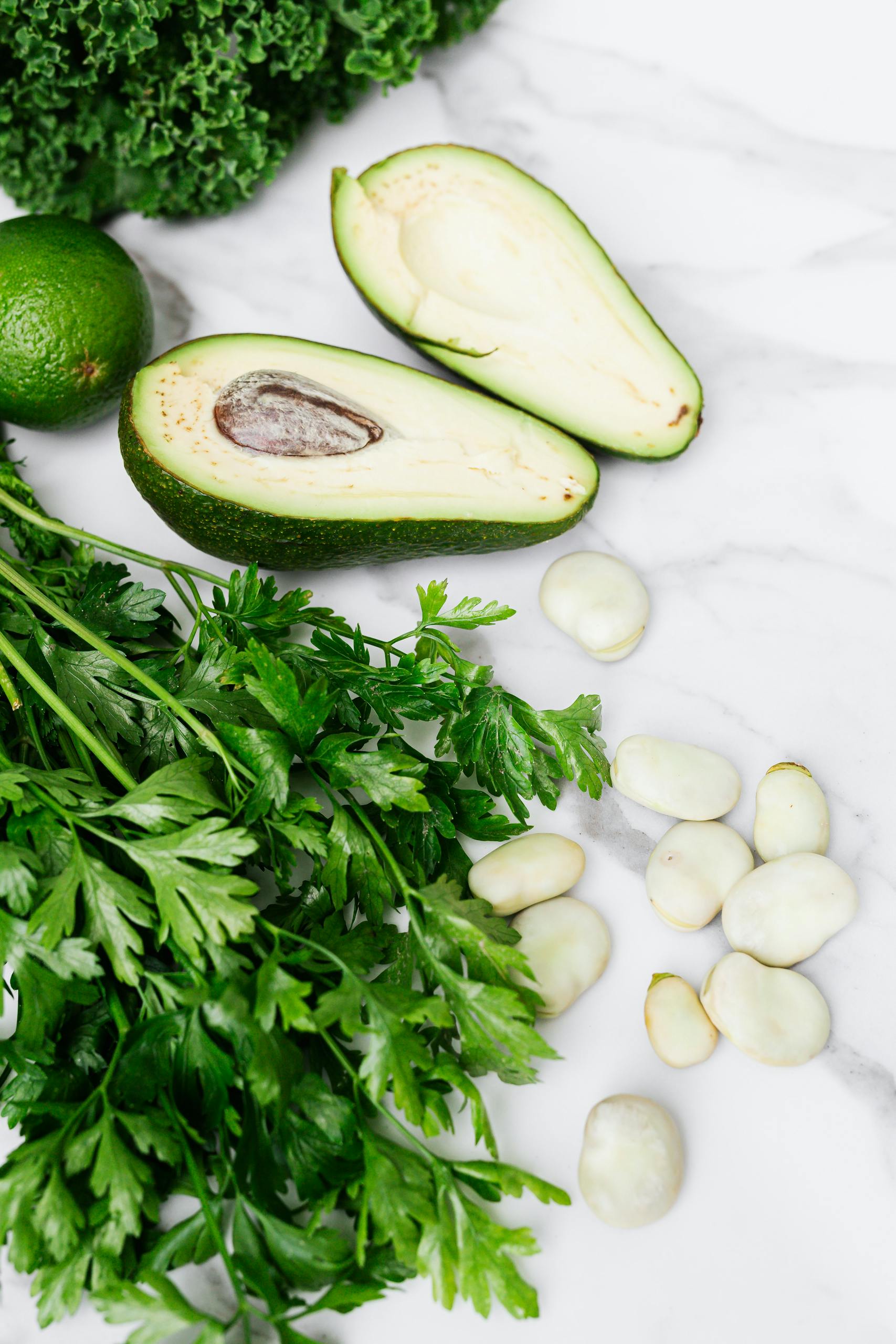
Keep in mind that volume eating doesn’t mean cutting out calorie-dense foods completely. Foods like nuts, cheese, avocados, oils, and even desserts can still fit into a balanced diet, even with volume eating. The key is to pair them with high-volume ingredients to create meals that are filling and nutritious.
Best foods for volume eating
The best foods for volume eating are typically high in water, fiber, or protein, plus relatively low in calories. These foods can bulk up your meals so you can eat satisfying portions and stay fuller for longer.
Here are some of the top foods to include in a volume eating diet:
Non-starchy vegetables
Vegetables are some of the lowest-calorie, highest-volume foods you can eat. They’re packed with water and fiber, making them incredibly filling.
Some great options include:
- leafy greens
- broccoli
- Swiss chard
- cauliflower
- zucchini
- cucumbers
- bell peppers
- tomatoes
- mushrooms
- cabbage
Fruits
Fruit can be an easy and effective way to satisfy your sweet tooth while also adding extra fiber to your meals and snacks.
Some of the best fruits for volume eating include:
- berries
- watermelon
- oranges
- apples
- grapefruit
- peaches
- pineapple
Be sure to prioritize whole fruits over fruit juice or dried fruit, as fresh fruit is higher in fiber and water and generally much more filling.
Starchy vegetables
Potatoes are often unfairly labeled as unhealthy. However, boiled or roasted potatoes can actually be very filling and satisfying.
In fact, boiled potatoes ranked highest on the Satiety Index, a study that measures how filling different foods are compared to one another. This means that potatoes can help keep you full longer than many other carb-rich foods.
Other smart, satiety-boosting options include:
- sweet potatoes
- corn
- peas
- butternut squash
Lean proteins
Protein can promote fullness and reduce hunger between meals by slowing down digestion and keeping your appetite in check.
A few high-volume protein sources include:
- chicken breast
- turkey
- fish
- eggs and egg whites
- Greek yogurt
- cottage cheese
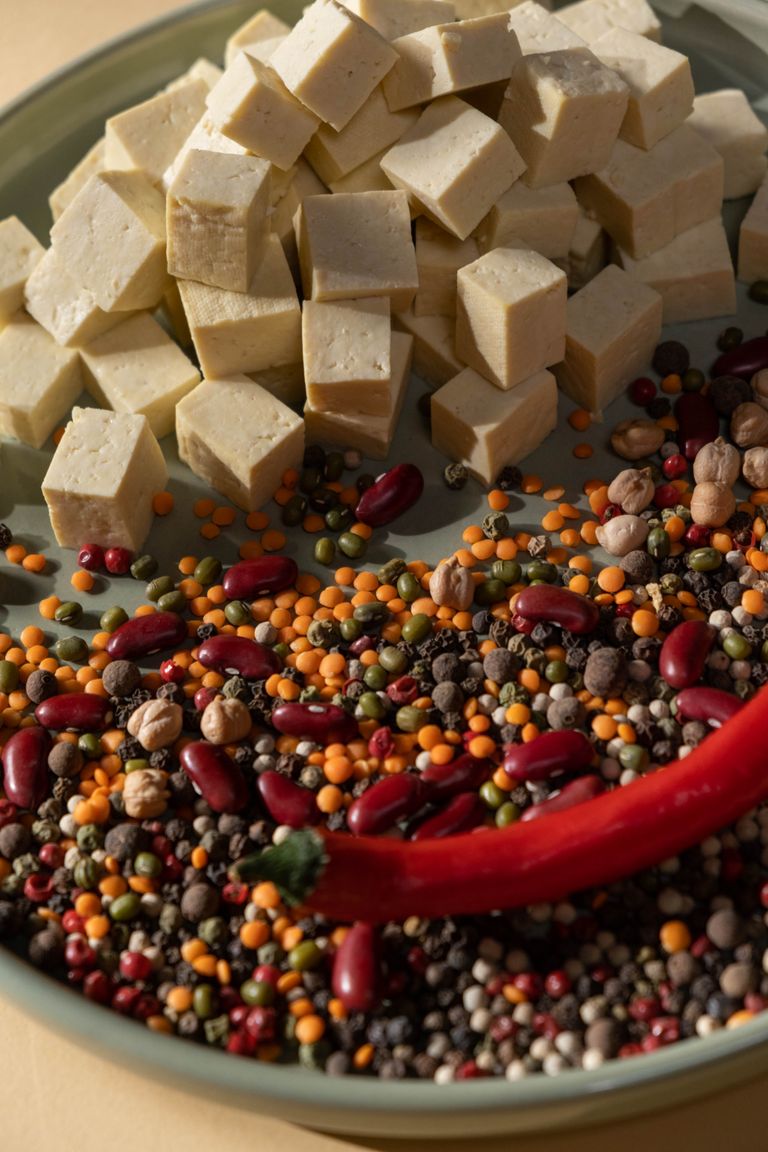
- tofu
- tempeh
- edamame
- beans
- lentils
Whole grains
Whole grains are packed with fiber and complex carbohydrates that digest more slowly, promoting satiety and steady energy levels.
- oats
- quinoa
- brown rice
- farro
- barley
- whole-wheat bread
- buckwheat
- air-popped popcorn
Broth-based soups
Soups made with broth, vegetables, beans, or lean proteins can be especially filling because of their high water content.
Research conducted by Barbara Rolls, creator of the Volumetrics Diet (a high-volume eating approach), even suggests starting a meal with soup could reduce overall calorie intake.
Low-calorie flavor boosters
Volume eating doesn’t have to be boring or bland. Low-calorie ingredients can add tons of flavor without significantly increasing calories.
A few examples of add-ins that are big on flavor but light on calories include:
- salsa
- mustard
- fresh herbs
- vinegar
- hot sauce
- lemon juice
- pickled veggies
- spices and seasoning blends
Stay in the loop!
HEALTHY EATING TIPS & RECIPES delivered directly TO YOUR INBOX
Volume eating tips
Volume eating for weight loss is surprisingly easy to put into practice. Here are a few simple tips to help get you started.
Build your plate around high-volume foods
Start your meal with foods that take up a lot of space but are low in calories, like leafy greens, roasted veggies, or a hot bowl of broth-based soup. These foods help fill you up fast without adding too many calories early on.
Once you’ve got that satisfying foundation in place, layer in the more calorie-dense, flavor-packed ingredients like cheese, avocado, oils, grains, or sauces.
This small shift gives you bigger, more filling meals that align with your weight loss goals but don’t leave you feeling like you’re missing out.
Bulk up meals with veggies
Vegetables are the ultimate go-to when it comes to volume eating for weight loss because they bring bulk, crunch, and color to your meals without pushing calories too high.
The easiest way to get started with volume eating is to start piling on the veggies in everything from pasta and stir-fries to wraps, omelets, and bowls.
Instead of changing your meals completely, this hack makes them bigger, more satisfying, and much more nutrient-dense.
Include lean protein with each meal
Protein helps steady your appetite so you’re not raiding the kitchen an hour later.
Studies show that a high-protein diet can boost weight loss by altering levels of specific hormones that control hunger and appetite, like ghrelin and glucagon-like peptide-1 (GLP-1).
Whether it’s chicken, tofu, eggs, yogurt, or legumes, adding a solid source of protein to each meal makes a huge difference in how satisfied you feel.
Prioritize minimally processed foods
Whole foods can definitely work in your favor when it comes to volume eating.
Fruits, veggies, whole grains, and legumes tend to be more filling because they’re rich in fiber, protein, and water, among other nutrients.
Plus, they’re harder to overeat and lower in calories compared to ultra-processed foods that are designed to be hyper-palatable and easy to overeat.
Add extra volume with smart swaps
Volume eating for weight loss doesn’t have to involve giving up your favorite foods. With a few small tweaks to your diet, you can build meals that are more filling, more satisfying, and still packed with the flavors you love.
Try trading mayo for Greek yogurt, mix zucchini noodles into your pasta, or whip up some cauliflower rice as a base for your veggie bowls. You still get the same comfort and flavor, but with way more volume for your calories.
Slow down while you’re eating
It takes time for your brain to catch up with your stomach, so slowing down at the dinner table can make a big difference.
When you eat too fast, it’s easy to miss fullness cues and accidentally overeat before you even realize you’re satisfied.
Chewing well, pausing between bites, and taking time to actually enjoy your food helps your body register fullness more accurately so you feel better both during and after meals.
Easy meal ideas for volume eating
One of the easiest ways to start volume eating for weight loss is by focusing on simple, filling meals you can make on repeat. The goal is big portions, colorful ingredients, and plenty of fiber and protein to keep you satisfied.
Here are some easy, go-to meal ideas to get you inspired:
- veggie-loaded stir-fry with tofu served over cauliflower rice
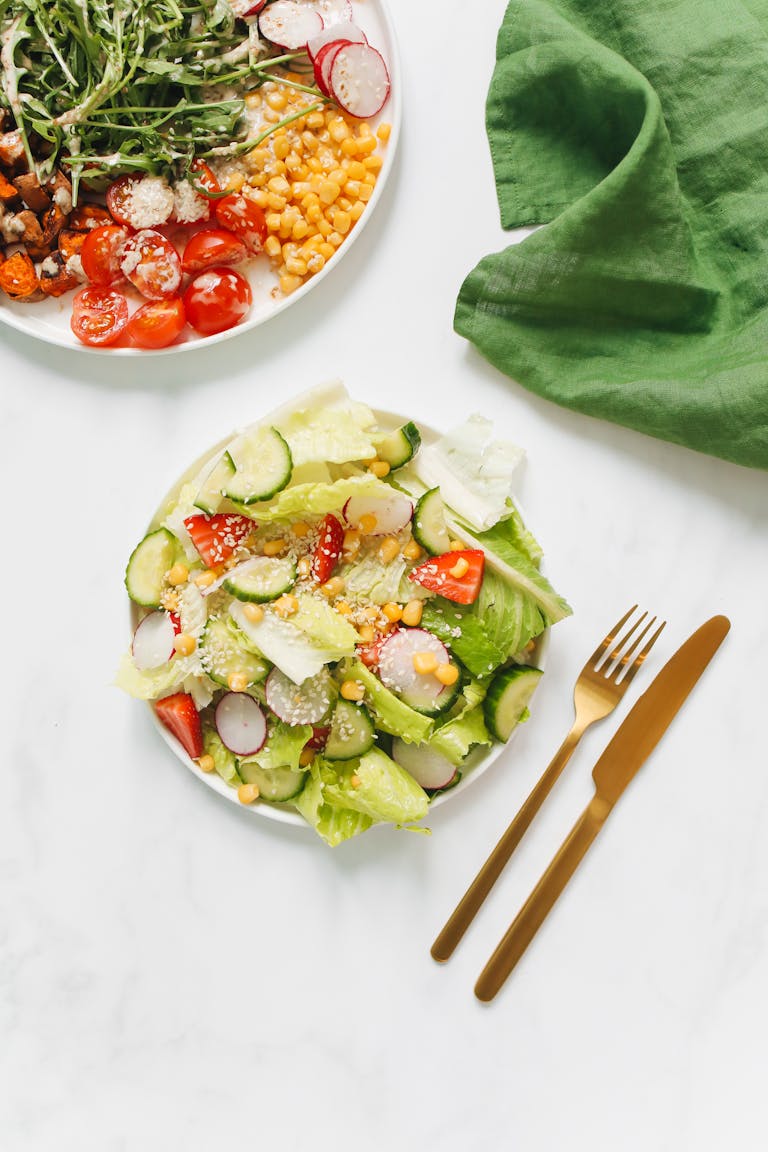
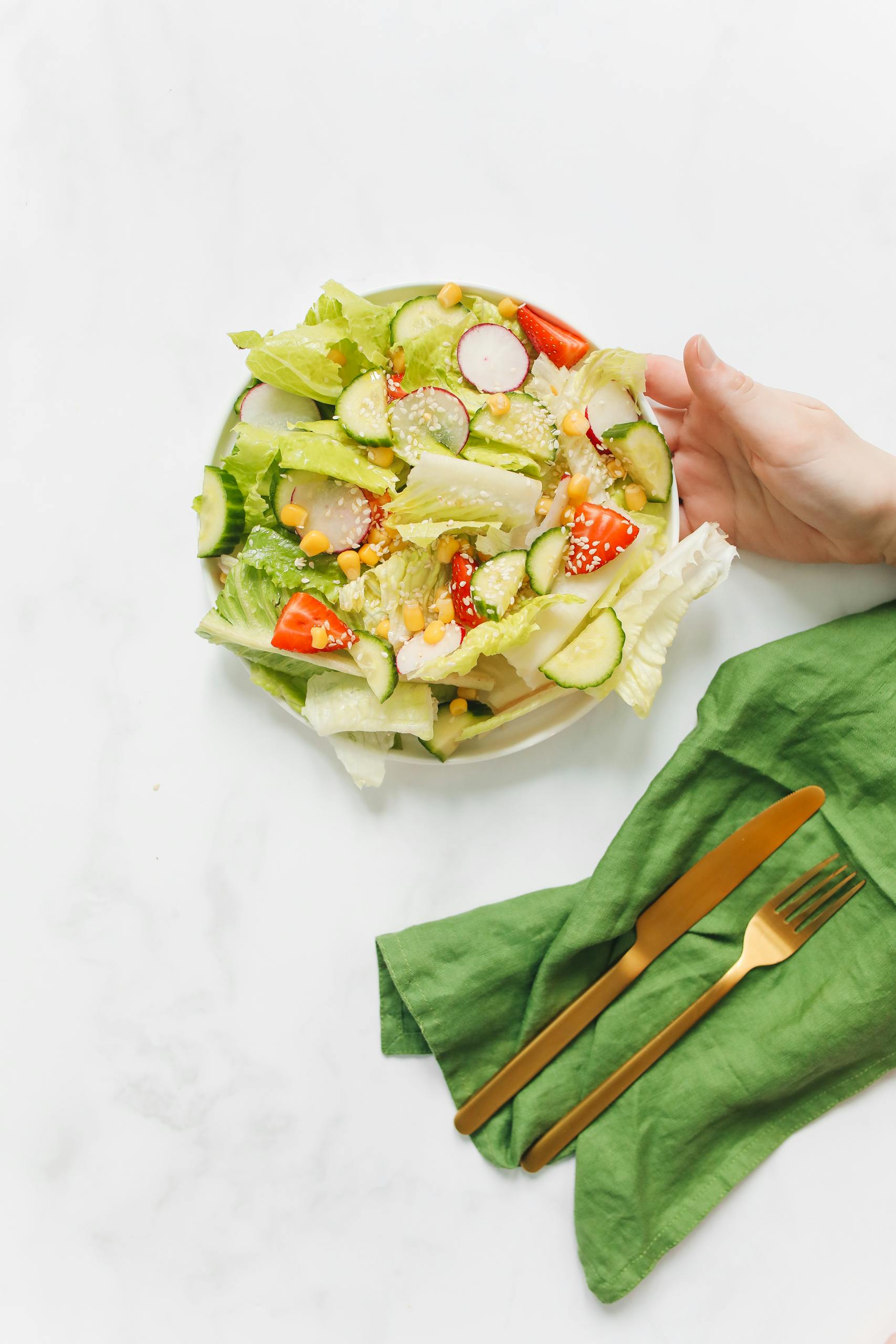
- salad with leafy greens, chopped veggies, crispy chickpeas, and grilled chicken
- broth-based soup packed with zucchini, carrots, spinach, beans, and turkey meatballs
- loaded baked potato topped with Greek yogurt, salsa, steamed broccoli, and a sprinkle of cheese
- breakfast scramble with egg whites, spinach, mushrooms, peppers, and onions
- oatmeal made with blueberries, banana slices, and a scoop of protein powder
- wrap made with a whole-wheat tortilla, hummus, grilled veggies, and tempeh
- zucchini noodle pasta bowl with marinara sauce, sautéed veggies, and lean turkey
- yogurt parfait layered with peaches, chia seeds, and a sprinkle of granola
- burrito bowl with lettuce, fajita veggies, black beans, salsa, and a small portion of rice and avocado
Common volume eating mistakes
Volume eating is simple, but a few common mistakes can make it less effective (and less satisfying) than it should be. Here’s what to watch out for:
- relying too much on low-calorie foods without enough protein
- living off salads instead of building more balanced, varied meals
- skipping flavor from herbs, spices, and sauces
- going overboard with calorie-dense toppings like oils, nuts, and dressings
- eating too quickly to notice fullness cues
- avoiding filling carbs like potatoes, oats, and whole grains
FAQ
More helpful articles
Conclusion
Volume eating for weight loss is a simple, flexible approach that helps you feel full and satisfied while eating fewer calories.
By focusing on high-volume, nutrient-dense foods like fruits, veggies, lean proteins, and whole grains, you can build meals that align with your goals and don’t leave you feeling deprived.
Over time, this can become an easy, sustainable way to enjoy your favorite foods while supporting weight loss.