Top Benefits of Eating Edamame, Plus Nutrition and Meal Ideas
Quick summary
Some freezer staples deserve a permanent spot on your shopping list, and — in my opinion — edamame should be one of them! A handful can make a salad more filling, round out a bowl of noodles, add color to your plate, or become a savory snack with just a little salt and lemon.
These tender green soybeans pack a solid amount of protein, fiber, and micronutrients into each serving. Plus, their mild flavor makes them easy to work into meals you already love.
So, what are the benefits of eating edamame? Here’s everything you need to know about the nutrition profile of edamame, potential benefits and downsides, and some easy ways to enjoy it.
What is edamame?
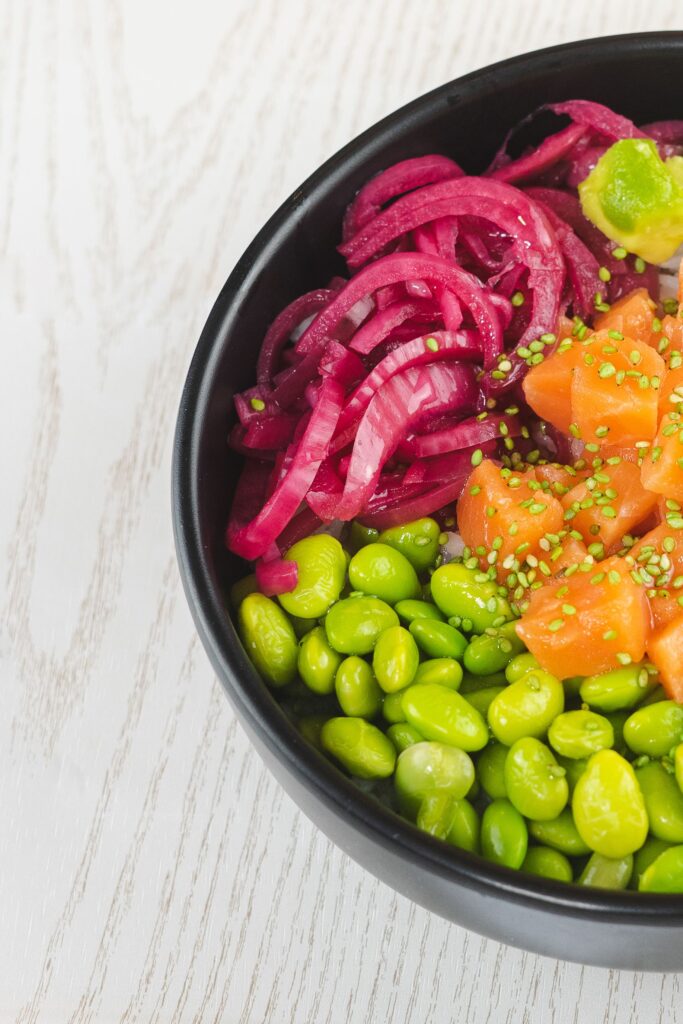
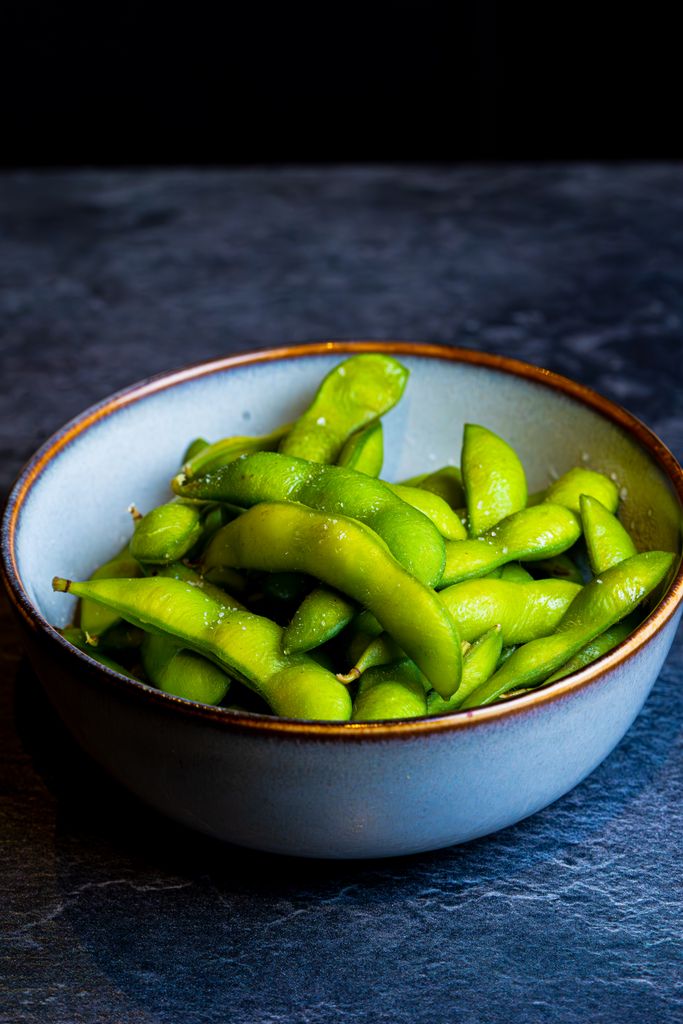
You might recognize edamame as the bowl of bright green pods that lands on your table before the sushi. But even if you know it best as the salty, pop-it-out-of-the-pod snack at restaurants, there’s a lot more you can do with it.
Edamame is a type of soybean harvested while it’s still young and green, before it matures and hardens. It has a mild, slightly sweet flavor and a tender texture with a little bite. Not only is edamame easy to enjoy on its own with a sprinkle of salt, but it also fits seamlessly into salads, noodle dishes, veggie bowls, and more.
At your grocery store, you can usually find it in the frozen vegetable aisle, either tucked into its pods or already shelled. In-pod edamame makes a fun snack, as you can just squeeze or slide the beans out and discard the pod. For cooking, the shelled version is a little more convenient and can save you a step.
Edamame nutrition facts
Edamame is a great source of several nutrients. In addition to protein and fiber, it also delivers a generous helping of vitamins and minerals, including more than a day’s worth of folate per cup.
One cup of cooked, shelled edamame provides the following nutrients:
- Calories: 188
- Protein: 18.5 grams
- Carbs: 14 grams
- Fiber: 8 grams
- Fat: 8 grams
- Folate: 482 micrograms (121% of the Daily Value, or DV)
- Manganese: 1.6 milligrams (69% of the DV)
- Copper: 0.5 milligrams (59% of the DV)
- Vitamin K: 41.4 micrograms (34% of the DV)
- Thiamin: 0.3 milligrams (26% of the DV)
- Magnesium: 99.2 milligrams (24% of the DV)
- Phosphorus: 262 milligrams (21% of the DV)
- Iron: 3.5 milligrams (20% of the DV)
- Zinc: 2.1 milligrams (19% of the DV)
- Riboflavin: 0.2 milligrams (18% of the DV)
- Choline: 87.3 milligrams (16% of the DV)
- Potassium: 676 milligrams (14% of the DV)
- Pantothenic acid: 0.6 milligrams (12% of the DV)
- Vitamin C: 9.5 milligrams (11% of the DV)
Additionally, each serving of edamame provides a small amount of vitamin B6, niacin, calcium, and vitamin E.
Edamame is especially high in folate, which is required for DNA production and cell division. Getting enough folate in your diet is particularly important during pregnancy, as it can help prevent neural tube defects, which affect the brain and spinal cord.
It also provides manganese, which helps your body metabolize nutrients, along with copper, a mineral that plays a key role in energy production and iron metabolism.
Stay in the loop!
Healthy eating tips & recipes delivered directly to your inbox
Benefits of eating edamame
Thanks to its impressive nutrient profile, edamame brings a long list of potential perks to the table. Here’s how adding these little green beans to your plate can enhance your health.
1. It’s high in protein
Looking to sneak extra protein into your meals? A cup of cooked edamame delivers 18.5 grams, making it an easy addition to everything from salads to stir-fries.
Soy is also one of the few plant-based complete proteins, meaning that it provides all nine essential amino acids your body can’t make on its own.
Your body uses these building blocks to maintain and repair muscles and other tissues.
An adequate intake of protein can also help manage your weight, promote immune function, and keep your skin, hair, and nails healthy.
2. It can promote gut health
With over 8 grams of fiber per cup, edamame is a smart way to boost your daily fiber intake.
Getting enough fiber can help keep you regular and prevent constipation.
Fiber also acts as fuel for the beneficial bacteria in your gut, which are involved in everything from immune health and mood to nutrient absorption.
3. It may benefit heart health
Making edamame a regular part of your rotation could help keep your heart healthy.
In fact, one meta-analysis found that the soy protein found in edamame lowered LDL (aka “bad”) cholesterol levels by up to 4% compared with non-soy protein.
According to another study published in 2024, a higher intake of soy isoflavones (beneficial plant compounds found in soy foods, including edamame) was linked to a 16% lower risk of developing cardiovascular disease.
That said, while edamame may contain several heart-healthy compounds, more research is needed to understand the potential benefits of edamame specifically.
4. It could enhance weight loss
If you’re after a snack with a little staying power, edamame definitely fits the bill. Its fiber content can help keep you feeling full, while its protein content makes it an easy way to round out your meal.
Studies show that upping your intake of protein and fiber could reduce hunger and cravings, which can be especially useful for weight loss.
Certain compounds found in edamame have also been shown to reduce belly fat and body weight in women.
Potential downsides
Edamame can be a nutritious choice for most people, but it isn’t for everyone. Since it’s a soybean, anyone with a soy allergy should avoid it. Soy is one of the nine major food allergens recognized by the FDA.
Like other legumes, edamame can also leave some people feeling gassy or bloated. If you’re not used to eating much fiber, start with a small serving and gradually increase it as tolerated. Your digestive system might need a little time to adjust.
Additionally, soy products can interfere with certain thyroid medications, including levothyroxine. If you’re taking this medication, you probably don’t need to give up edamame. However, you may need to ask your pharmacist or healthcare provider how to time soy foods around your dose.
How to use edamame
A bag of frozen edamame can come in handy, especially when your lunch needs more protein or your afternoon calls for a savory snack. In-pod edamame is great for snacking, whereas shelled beans can be an easy, high-protein addition to meals. Cook according to the package directions, then try one of these easy ideas:
- Enjoy as a healthy snack: Season cooked edamame with chili flakes and a squeeze of lime, or try sesame seeds and a pinch of salt. If you’re eating it from the pod, pop out the beans and discard the shells.
- Build a better bowl: Add shelled edamame to rice or quinoa with crunchy vegetables, avocado, and your favorite dressing.
- Toss it into noodles: Mix edamame into soba noodles, sesame noodles, or a vegetable stir-fry for an easy protein boost.
- Upgrade your salad: Pair edamame with cucumber, shredded cabbage, carrots, and a ginger dressing for lots of color and crunch.
- Add it to fried rice: Toss cooked edamame into the pan alongside rice, vegetables, and scrambled eggs or tofu.
- Try a new toast topper: Mash it with avocado, lemon juice, and black pepper, then spread over toast.
Edamame recipes

High-Protein Creamy Edamame Spread

Rainbow Veggie Sandwich with Edamame-Cilantro Spread

Teriyaki Tofu Quinoa Bowls
Buying and storage tips
Stocking up on edamame makes it easier to put together healthy snacks and meals when you’re short on time. Here are some buying and storage tips to help you get the most out of every bag:
- Start in the freezer aisle: Frozen edamame is easy to keep on hand for last-minute meals. Choose in-pod varieties for snacking or shelled beans for adding more protein to meals.
- Check the seasonings: Plain edamame gives you more room to experiment with different flavors and seasonings. If you buy a salted or sauced version, compare labels to see how much sodium you’re getting.
- Buying fresh? Go for green: Look for plump, firm, green pods without yellowing or blemishes. Refrigerate promptly and aim to use fresh edamame within three days of purchase.
- Keep them sealed: Store frozen edamame in the freezer according to the package directions. After opening, reseal the bag tightly or transfer the remaining beans to a freezer-safe container.
- Give leftovers a short stay: Refrigerate cooked edamame in a shallow, covered container within two hours and eat within four days.
FAQ
More articles for you

Cabbage for Gut Health: Benefits, Nutrition, and How to Eat It

Benefits of Kiwi: 6 Science-Backed Reasons to Add More Kiwi to Your Diet

Jujube Fruit Benefits, Side Effects, and Uses

Strawberry Nutrition Facts and Benefits, Plus Healthy Ways to Use Them

Avocado Nutrition, Benefits, and Recipes
Are Potatoes Healthy? Nutrition, Benefits, Downsides, and More
Swiss Chard: Benefits, Nutrition, and Easy Ways to Eat It

Lion’s Mane Mushrooms: Benefits, Nutrition, Uses, and Safety

Benefits of Raspberries: Nutrition, Uses, and More
Spinach vs. Kale Nutrition: Which Is Healthier?
Conclusion
Edamame brings a variety of important nutrients to the table, including protein, fiber, and a wide range of vitamins and minerals.
It’s also easy to work into your routine, whether you’re popping beans straight from the pod or tossing a handful into your favorite noodle bowl.
Keep a bag in your freezer, experiment with seasonings, and enjoy edamame as a simple way to make snacks and meals more satisfying.