Are Potatoes Healthy? Nutrition, Benefits, Downsides, and More
Quick summary
Crispy roasted potatoes, fluffy baked potatoes, creamy mashed potatoes — is there anything this versatile spud can’t do? Potatoes are a comfort food staple for good reason, and personally, I’m always happy to find an excuse to add them to my plate.
But despite their popularity, potatoes have picked up a less-than-stellar reputation in some nutrition circles. Their carb content often raises eyebrows, and even less processed varieties are sometimes lumped together with fries and chips. So are potatoes healthy, or should you rethink that second scoop of mashed potatoes before you add it to your plate?
In this article, we’re digging into everything you need to know about potatoes, including their nutrition profile, potential benefits, and a few things to keep in mind before you dig in. Plus, I’ll share some easy, delicious ways to work them into your menu!
Potato nutrition facts
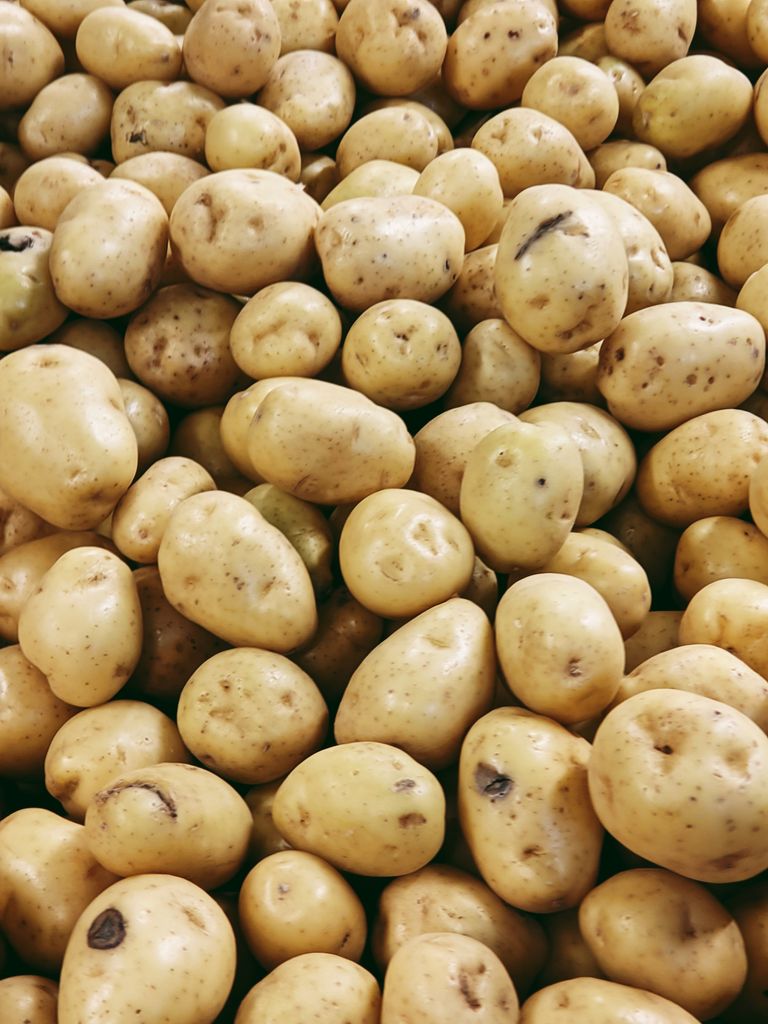
Potatoes bring a variety of important vitamins and minerals to the table. They’re mostly made up of carbohydrates, with a little fiber and protein, plus other important nutrients like potassium, vitamin C, and B vitamins.
A ½-cup serving of plain baked potato provides the following nutrients:
- Calories: 57
- Protein: 1.2 grams
- Fat: 0.1 grams
- Carbohydrates: 13.2 grams
- Fiber: 0.9 grams
- Copper: 15% of the Daily Value (DV)
- Vitamin B6: 11% of the DV
- Vitamin C: 9% of the DV
- Pantothenic acid: 7% of the DV
- Thiamin: 5% of the DV
- Niacin: 5% of the DV
- Potassium: 5% of the DV
In addition to the nutrients above, potatoes also contain small amounts of minerals like manganese, magnesium, and phosphorus.
Potential benefits of potatoes
Potatoes deserve a lot more credit than they often get! Beyond their ability to make almost any meal more comforting, these versatile spuds also offer a few potential health perks.
Here are some of the possible benefits that potatoes bring to the table.
They provide a steady stream of energy
Potatoes’ carb content gets lots of attention, but that’s actually part of what makes them so valuable!
Contrary to popular belief, carbs play an important role in health. Your body breaks them down into glucose (aka sugar), which is the main source of fuel used by your body.
That energy helps power your cells and keeps your body running every day so you can function and thrive. Eating a few extra carbs can also be useful when you’re gearing up for a workout or trying to make it through a busy afternoon.
They supply important nutrients
Potatoes offer a mix of essential vitamins and minerals, including vitamin C, potassium, copper, and vitamin B6.
These nutrients help support almost every aspect of health, from keeping your immune system working efficiently to helping your nerves and muscles function properly.
Potatoes won’t cover all your nutritional bases, but they can contribute to a varied, balanced diet.
They promote satiety
There’s a reason a baked potato can feel so satisfying.
Potatoes contain lots of water, along with some fiber, which can help make a meal more filling.
Boiled potatoes, in particular, can be especially satisfying. In fact, they even ranked highest among the foods tested in a study of the satiety index, which measures how full you feel after eating different foods.
For a meal with more staying power, pair potatoes with a solid source of protein like beans, lentils, or tofu, along with a little healthy fat.
They support gut health
Potatoes contain resistant starch, a type of starch that resists digestion in the small intestine and can be fermented by the beneficial bacteria in your colon instead.
Cooking and then cooling potatoes increases their content of resistant starch, giving that leftover potato salad another reason to shine.
The amount varies with preparation, and potatoes provide only a modest amount of fiber, so they’re best enjoyed alongside a variety of other fiber-rich foods.
They’re budget-friendly and easy to prepare
Contrary to popular belief, healthy eating doesn’t have to involve pricey ingredients or elaborate recipes.
Potatoes are often affordable, widely available, and easy to turn into everything from hot soups to roasted sides.
Their versatility makes them a practical staple for building satisfying meals around whatever ingredients you already have.
Stay in the loop!
Healthy eating tips & recipes delivered directly to your inbox
Possible downsides and considerations
Potatoes can absolutely fit into a healthy diet, but how you prepare, serve, and store them matters. Here are a few things to keep in mind.
They can increase blood sugar levels
Like other carbohydrate-rich foods, potatoes can increase blood sugar as your body breaks down their starch into sugar.
That doesn’t mean you need to cross them off your grocery list if you have diabetes, but your portion sizes and the rest of your meal matter.
Pairing potatoes with protein, fat, and fiber-rich foods can slow how quickly blood sugar rises compared with eating carbs on their own.
Preparation methods and toppings can add up
A plain baked potato and a basket of salty fries start with the same vegetable, but their nutritional profiles can look pretty different by the time you’re done cooking.
Deep-frying adds fat and calories, while generous amounts of butter, cream, cheese, and salt can increase saturated fat or sodium.
However, that doesn’t mean you need to stick to plain potatoes. Olive oil, herbs, spices, salsa, or a spoonful of Greek yogurt can add lots of flavor (and extra nutrients!).
Plus, there’s still room to enjoy fries or creamy mashed potatoes from time to time as part of a balanced eating pattern.
Some types of potatoes may be unsafe
If your potatoes are looking a little green or growing a jungle of sprouts, it’s time to give them a closer look.
Green and sprouted potatoes can contain higher levels of natural compounds called glycoalkaloids, including solanine and chaconine, which can be harmful when eaten in excessive amounts.
Toss out any potatoes that are heavily sprouted, shriveled, or extensively green. If a potato tastes bitter or causes a burning sensation in your mouth, stop eating it.
Store potatoes in a cool, dark place to help prevent greening and sprouting.
Are potatoes healthy?
Good news for potato lovers: potatoes can definitely fit into a healthy diet!
Potatoes provide energy, a little fiber, and a mix of vitamins and minerals, all in an affordable, versatile package.
Their carb content doesn’t cancel out those benefits, so there’s no need to banish them from your plate.
That said, how you enjoy them matters. Baked, boiled, or roasted potatoes are great everyday options, especially when paired with protein and other veggies.
And if you love fries or buttery mashed potatoes, those can fit, too. Enjoy them in moderation and balance them with a variety of other nutritious foods throughout the day.
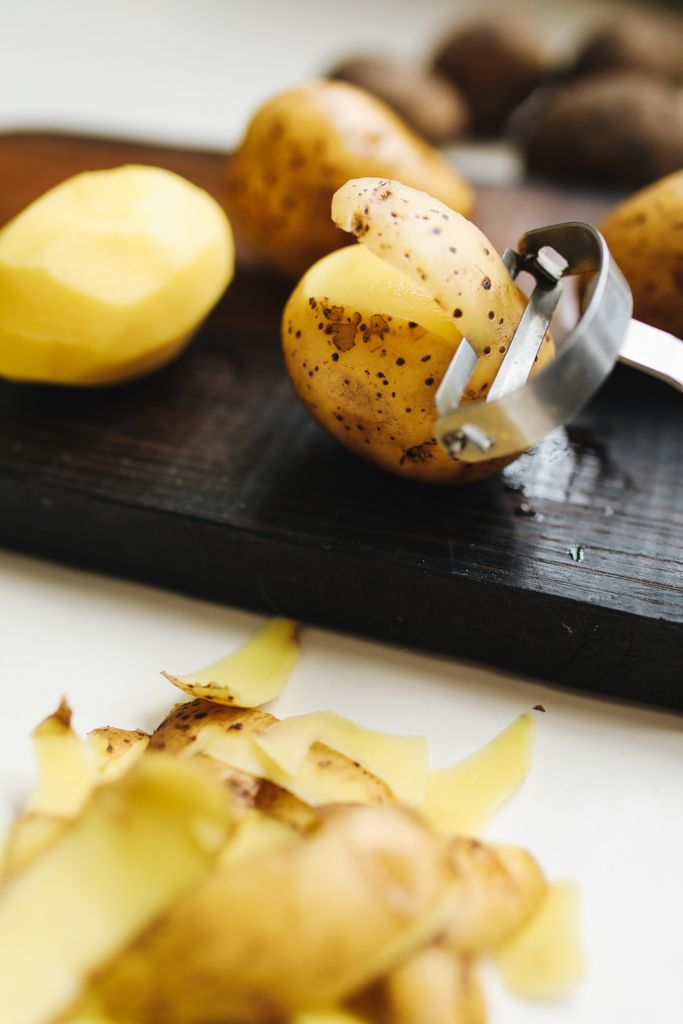
Healthy ways to enjoy potatoes
Potatoes are incredibly versatile, so there’s no shortage of ways to put them to good use. Here are a few ideas to try:
- Roast them: Toss potato wedges with olive oil, garlic, and your favorite herbs, then roast until golden and crispy.
- Build a loaded baked potato: Top with black beans, salsa, and avocado, or try broccoli and a dollop of yogurt.
- Give mashed potatoes a twist: Mash potatoes with olive oil, roasted garlic, and a splash of milk for a creamy, flavorful side.
- Make soup: Add diced potatoes to a veggie-packed soup with beans or lentils for a more filling meal.
- Mix up potato salad: Toss cooked potatoes with a lemony vinaigrette, fresh herbs, and crunchy veggies.
- Add them to a breakfast hash: Cook diced potatoes with peppers and onions, then serve with scrambled eggs or tofu.
Easy potato recipes

Easy Vegetarian Chickpea Pot Pie
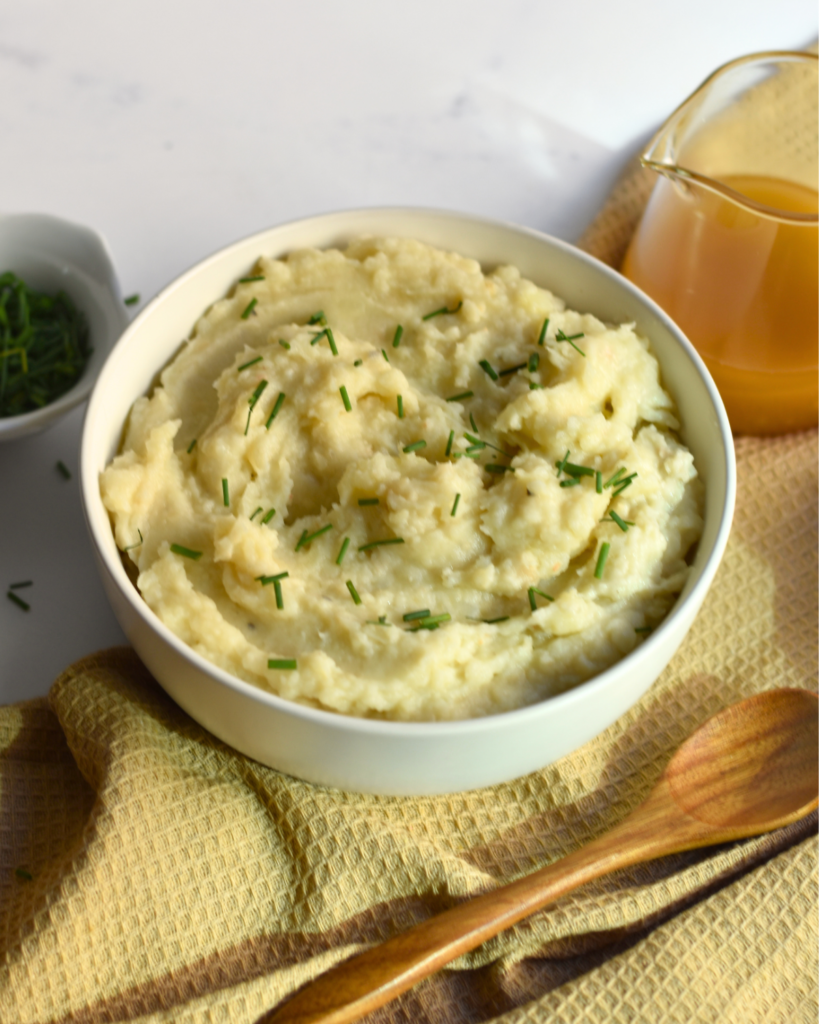
Healthy Mashed Potatoes with Cauliflower and White Beans

Lentil Tikka Masala Vegan Shepherd’s Pie
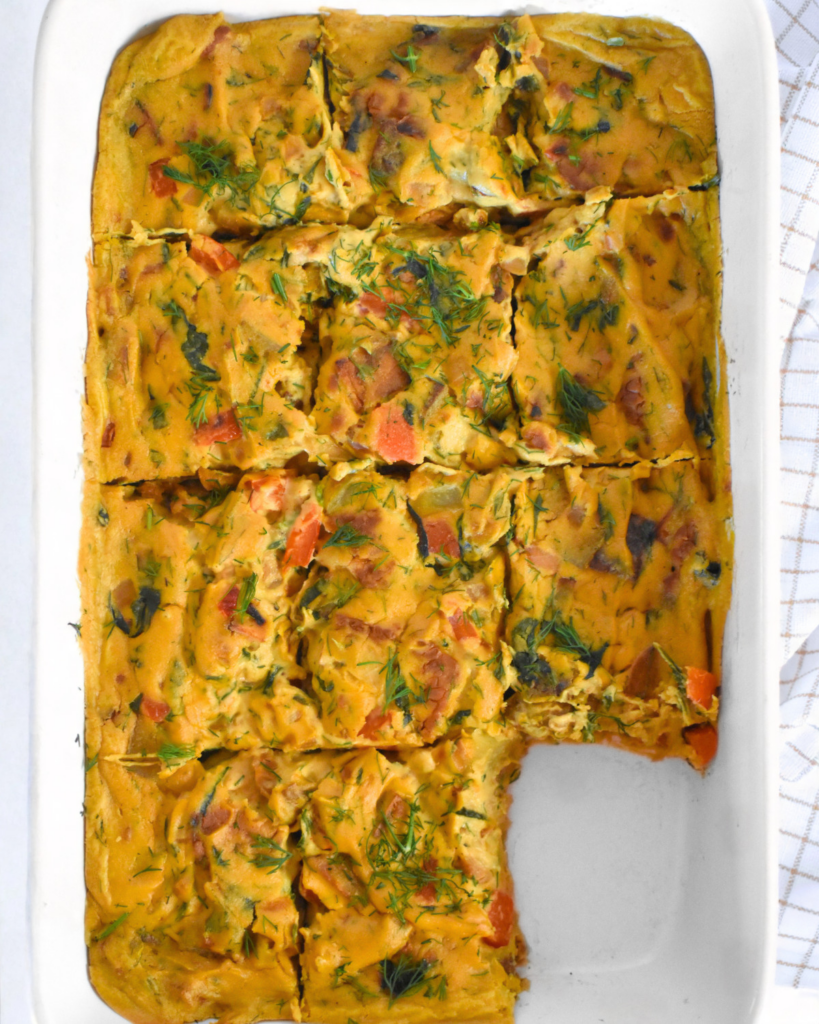
Vegan Breakfast Casserole with Tempeh Bacon
FAQ
More helpful articles
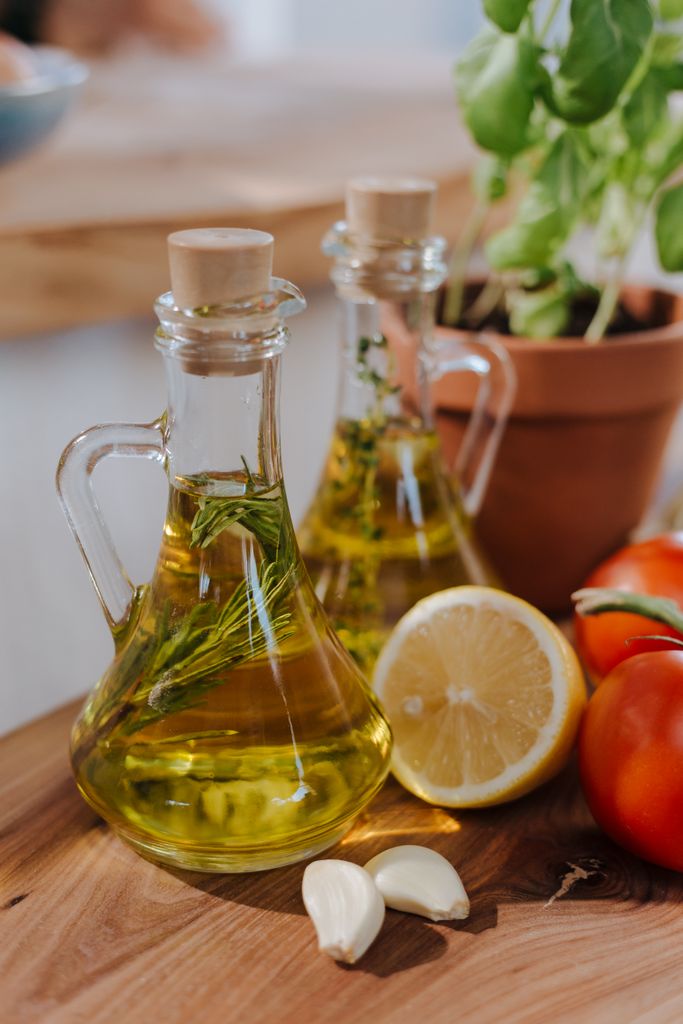
Tallow vs. Seed Oils: Which is Healthier?
How to Use Nutritional Yeast: Recipes, Benefits, and Nutrition Facts
Spinach vs. Kale Nutrition: Which Is Healthier?
Beginner’s Guide to Tempeh: Benefits, Nutrition, and How to Use It

Greek Yogurt vs. Regular Yogurt: Which is Healthier?

Strawberry Nutrition Facts and Benefits, Plus Healthy Ways to Use Them

How to Start Fermenting Foods at Home (Beginner-Friendly Guide)
Swiss Chard: Benefits, Nutrition, and Easy Ways to Eat It
Corn Tortillas vs. Flour Tortillas: Which is Healthier?
Chia Seeds for Gut Health: Benefits, Tips, and How Much to Eat
Conclusion
While potatoes may be high in carbs, they still deserve a spot on your plate from time to time.
These versatile spuds offer a variety of essential nutrients, help make meals satisfying, and can be enjoyed in tons of delicious ways.
Try them baked, boiled, or roasted alongside protein and other veggies, with room for fries or buttery mashed potatoes in moderation when cravings hit.
At the end of the day, what matters most is your overall eating pattern, so enjoy your potatoes and keep mixing things up.