What to Eat on Mounjaro as a Vegetarian: Tips and Meal Plan
Quick summary
You’ve got a fully stocked fridge, a stack of canned beans in the pantry, and suddenly, an appetite that disappears halfway through lunch. If you’re taking Mounjaro, figuring out what to eat can look a little different than it used to, especially when you’re also keeping things vegetarian.
Luckily, you don’t have to give up plant-based eating or sip a protein shake with every single meal when you start taking Mounjaro. A little planning can help you make the most of smaller portions while leaving room for foods you actually enjoy and look forward to eating.
As a registered dietitian and vegetarian myself, I’m all about making that balance feel doable. In this guide, I’ll walk you through what to eat on Mounjaro as a vegetarian, including key nutrients to focus on, easy meal ideas, and practical tips for days when your appetite is running low.
How Mounjaro affects nutritional needs
When Mounjaro lowers your appetite, your usual meals and snacks might suddenly feel like more food than you can manage. Smaller portions might make it easier to lose weight, but they also leave less room to fit in the nutrients your body needs.
Mounjaro contains tirzepatide, which mimics the actions of two hormones: glucose-dependent insulinotropic polypeptide (GIP) and glucagon-like peptide-1 (GLP-1). Mounjaro helps regulate blood sugar, reduces your appetite, and slows the emptying of your stomach, especially when you first start treatment. These effects can change both how much you eat and how hungry you feel throughout the day.
If you’re following a vegetarian diet, getting the nutrients you need while eating smaller meals might take a little extra planning. A balanced vegetarian diet can definitely meet your needs, but when your appetite drops, it’s easier to miss out on protein and other important nutrients, especially if you’re regularly skipping meals or filling up after just a few bites.
That’s why what you eat on Mounjaro matters just as much as how much you eat. Making room for protein-rich foods, fiber, and a variety of vitamins and minerals can help support healthy energy levels, digestion, and muscle maintenance, even when you’re eating less.
Most important nutrients on Mounjaro
Prioritizing foods that deliver lots of nutrients in smaller servings can help you meet your needs while you’re taking Mounjaro. Here are some key nutrients to keep on your radar when following a vegetarian diet on Mounjaro.
Protein
Protein deserves a spot at every meal, especially when you’re trying to lose weight and eating less overall. Getting enough protein in your daily diet helps promote muscle maintenance during weight loss, particularly when paired with resistance training.
Rather than leaving most of your protein for dinner, spread your intake throughout the day with a variety of protein-rich meals and snacks. This can make meeting your needs feel more manageable when large portions aren’t as appealing.
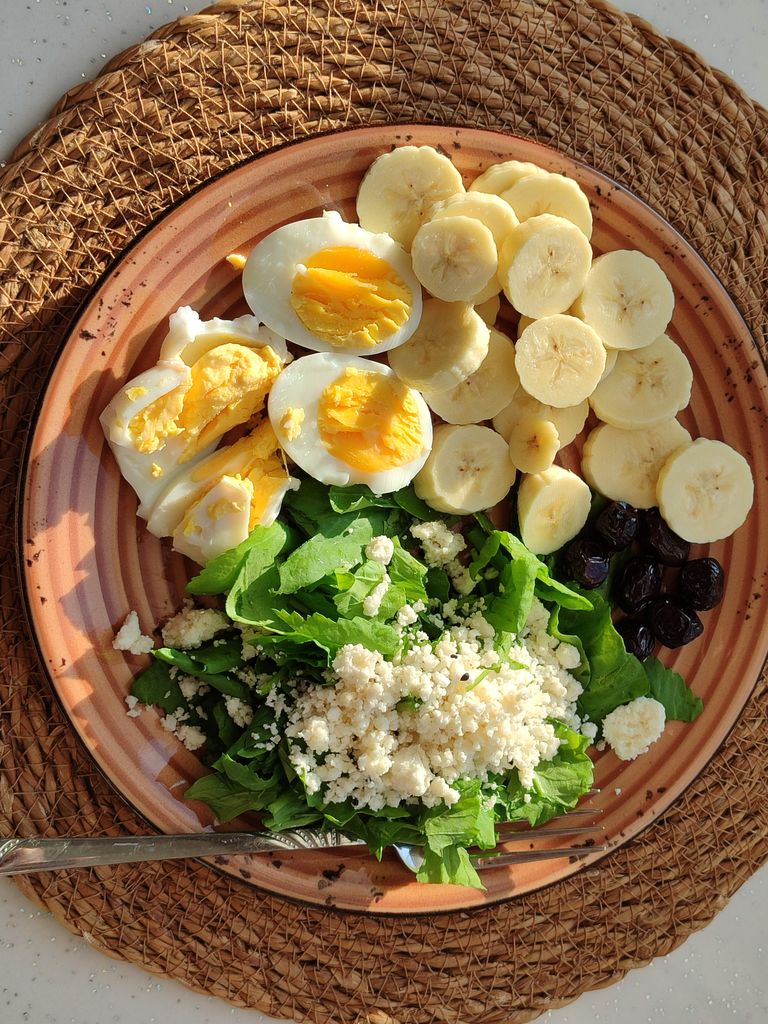
Good vegetarian protein sources include tofu, tempeh, edamame, beans, lentils, and seitan. If you eat eggs and dairy, Greek yogurt, cottage cheese, and hard-boiled or scrambled eggs are also easy options.
Healthy fats
Heart-healthy fats are essential for helping your body absorb fat-soluble vitamins, including vitamins A, D, E, and K.
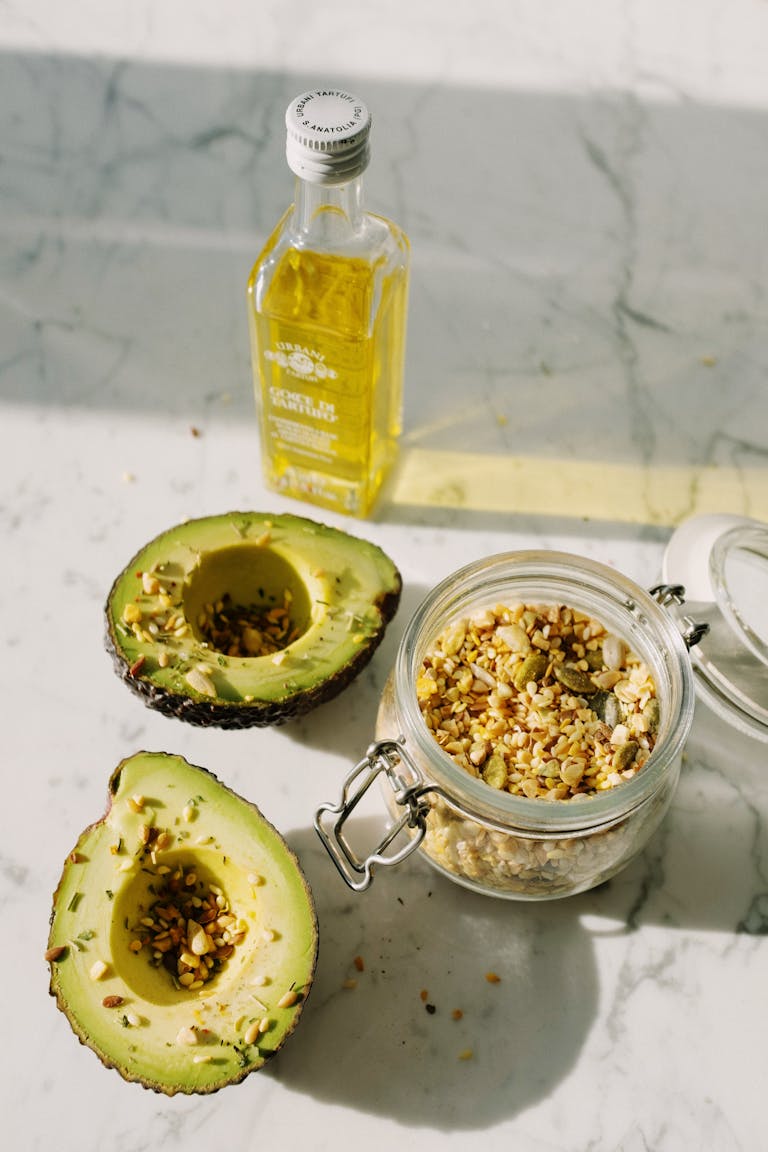
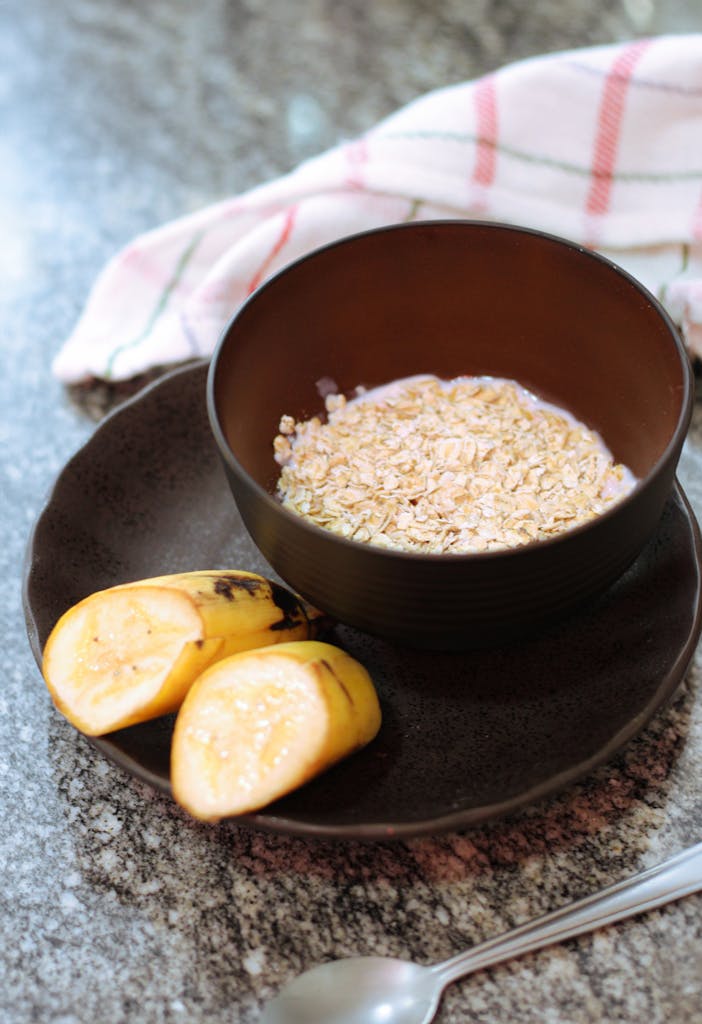
Try adding a little avocado to toast, stirring nut butter into oatmeal, or drizzling olive oil over cooked veggies. Nuts and seeds are other convenient ways to work healthy fats into meals and snacks.
Always start with smaller portions and see what feels comfortable. This is important because large, high-fat meals can worsen nausea or leave you feeling uncomfortably full while taking Mounjaro.
Fiber
Fiber helps keep things moving through your gut and can be especially useful if you experience constipation while taking Mounjaro. Certain types of fiber may also help balance blood sugar levels and lower LDL (aka “bad”) cholesterol.
You can get fiber from foods like oats, lentils, beans, berries, vegetables, whole grains, nuts, and seeds, among others.
That said, eating a large amount at once can leave you feeling bloated or uncomfortable. Instead, increase your intake gradually, drink water regularly, and adjust portions based on how you feel. If you’re dealing with nausea, smaller servings and cooked vegetables might be a bit easier to tolerate than a massive raw salad.
Calcium and vitamin D
Calcium helps maintain strong bones, while vitamin D helps your body absorb it. Getting enough of both is crucial during weight loss, when your bone health might need a little extra attention.
Vegetarian sources of calcium include milk, yogurt, fortified plant milks and yogurt alternatives, calcium-set tofu, kale, and bok choy. Remember to check the labels on plant-based products, as their calcium content can vary.
Vegetarian sources of vitamin D are more limited but include egg yolks and fortified foods, including certain milks, plant milks, and cereals. If your usual foods aren’t providing enough, talk with a healthcare provider about whether a vitamin D supplement makes sense for you.
Iron
Iron helps your red blood cells transport oxygen and supports your body’s energy metabolism. Plant foods provide non-heme iron, which your body absorbs less efficiently than the heme iron found in meat.
That makes iron worth some extra attention on a vegetarian diet, particularly for those who menstruate. Eating less overall can make it more challenging to get enough.
Plant-based sources of iron include lentils, beans, tofu, pumpkin seeds, and fortified breakfast cereals. Pair them with vitamin C-rich foods to enhance absorption even more.
Vitamin B12
Vitamin B12 plays a key role in nerve health, red blood cell formation, and energy metabolism. Because it’s found mostly in animal products, vegetarians (and especially vegans) need a dependable way to get enough.
Eggs and dairy are good sources of vitamin B12 if you include them in your diet. Fortified plant milks, breakfast cereals, and nutritional yeast can also help, though you’ll need to check labels because fortification varies.
If you’re vegan or don’t consistently get enough from food, a B12 supplement can help you meet your needs.
Stay in the loop!
Healthy eating tips & recipes delivered directly to your inbox
What to eat on Mounjaro as a vegetarian
Wondering what to eat on Mounjaro? Here are some of the best foods to eat on a vegetarian diet, along with a few that you might want to limit.
Best vegetarian foods to eat on Mounjaro
Figuring out what to eat on Mounjaro as a vegetarian starts with building meals around protein, then adding fruits, veggies, whole grains, and healthy fats in portions that feel comfortable.
Here are some nutritious options to keep in your rotation.
High-protein foods
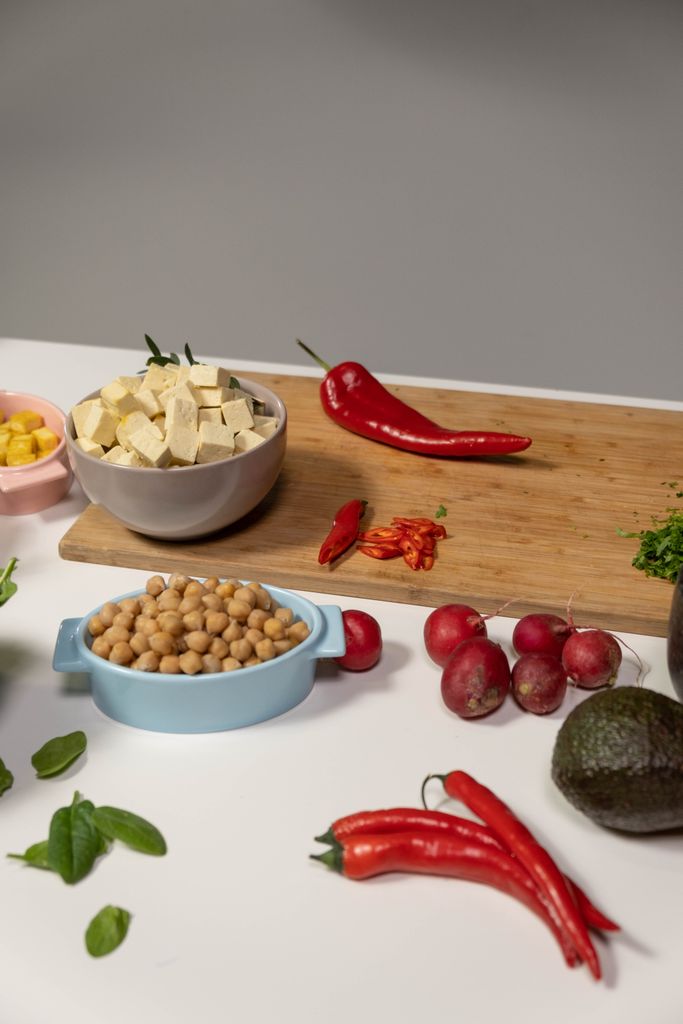
Start with a protein source when putting together meals and snacks, especially if your appetite tends to fade after a few bites. Vegetarian options include:
- plain Greek yogurt or skyr
- low-fat cottage cheese
- eggs or egg whites
- baked tofu
- tempeh crumbles
- shelled edamame
- seitan strips
- black beans
- split peas
- red lentils
- chickpea or lentil pasta
- fortified soy milk
- soy or pea protein shakes
Fruit
Fruit adds flavor, variety, and nutrients to meals without much prep. Enjoy it on its own or pair it with yogurt, cottage cheese, or a little nut butter for a more substantial snack.
Try options like:
- raspberries
- blackberries
- mandarin oranges
- cantaloupe
- plums
- nectarines
- mango
- cherries
- watermelon
- strawberries
- unsweetened applesauce
Fresh, frozen, and canned fruit can all fit into a balanced diet. For canned varieties, look for fruit packed in water or its own juice.
Vegetables
Adding different vegetables throughout the week can help you get a wider range of vitamins, minerals, and fiber. Mix things up with:
- spinach
- asparagus
- butternut squash
- sweet potatoes
- snap peas
- eggplant
- beets
- bok choy
- cucumber
- tomatoes
- summer squash
- artichoke hearts
If raw vegetables leave you feeling bloated or overly full, try smaller portions of soft, cooked vegetables instead.
Whole grains
Whole grains provide carbohydrates for energy, along with fiber and varying amounts of iron, magnesium, and B vitamins. Combine them with a protein source to make your meal more filling.
Options to try include:
- oatmeal
- bulgur
- quinoa
- whole-wheat couscous
- wild rice
- buckwheat groats
- millet
- whole-wheat bread
Healthy fats
A little healthy fat can add flavor and help your body absorb certain vitamins. These foods also provide a convenient way to add energy when you’re only managing smaller meals.
Options include:
- tahini
- pumpkin seeds
- sunflower seeds
- pecans
- cashews
- peanut butter
- almond butter
- avocado
- extra-virgin olive oil
- canola oil
Try stirring tahini into a sauce, sprinkling seeds over oatmeal, or spreading nut butter on toast. Keep amounts modest if fatty foods trigger nausea or uncomfortable fullness.
Convenience foods
You don’t need to cook everything from scratch to eat well on Mounjaro. A few ready-to-eat staples can make it easier to put together a balanced meal when you’re short on time or energy.
Consider stocking up on:
- vacuum-packed baked tofu
- frozen lentil or bean burgers
- microwaveable lentil pouches
- canned black bean or split pea soup
- frozen steam-in-bag vegetables
- microwaveable whole-grain blends
- single-serving yogurt cups
- frozen egg bites
- roasted edamame snacks
- canned vegetarian chili
- frozen fruit
- whole-wheat wraps
- individual peanut butter packets
Look for opportunities to combine a few items into a meal, like baked tofu with a grain pouch and steamed vegetables, or vegetarian chili with a small whole-wheat wrap.
Foods to limit on Mounjaro
Even though no foods are technically off the table while taking Mounjaro, you may find that certain meals and drinks don’t sit as well as they used to, especially when you’re starting treatment or moving up to a higher dose.
Depending on your symptoms, you might want to consider limiting the following foods:
- Fried foods: Mozzarella sticks, tempura vegetables, potato chips, and deep-fried meat substitutes often worsen nausea and digestive side effects.
- High-fat dishes: Buttery pastries, creamy pasta, cheese-heavy casseroles, and large servings of coconut milk-based sauces can be difficult to tolerate on Mounjaro.
- Oversized meals: Even nutritious meals can feel uncomfortable in large portions. Start small, eat slowly, and save leftovers when you feel satisfied.
- Foods and drinks high in added sugar: Sweetened coffee drinks, fruit punch, frosted cereal, and packaged snack cakes can crowd out more nutrient-dense choices. Sugary drinks can also make managing blood sugar more challenging.
- Fizzy drinks: Seltzer, soda, kombucha, and other carbonated beverages can contribute to burping, bloating, and uncomfortable fullness.
- Spicy dishes: Chili oil, hot sauce, spicy noodles, and heavily spiced meals can aggravate heartburn or nausea if you’re sensitive to them.
- Alcohol: Alcohol may irritate your stomach and complicate blood sugar management. It can also increase the risk of low blood sugar, particularly if you use insulin or a sulfonylurea. Ask your healthcare provider for more guidance on alcohol intake.
Sample vegetarian meal plan on Mounjaro
Need some inspiration that goes beyond another bowl of tofu and rice? This three-day vegetarian meal plan offers a mix of plant-based protein sources, colorful produce, and easy meal ideas.
Use it as a flexible starting point. Adjust the portions to your appetite and needs, split meals into smaller sittings if needed, and choose snacks based on hunger and how much you’re managing at meals.
Day 1
- Breakfast: Greek yogurt with raspberries, oats, and a spoonful of almond butter
- Lunch: Vegan Mexican Tortilla Casserole
- Dinner: tempeh with roasted sweet potato and sautéed zucchini
- Snack options: a boiled egg with whole-grain crackers, skyr, or a small banana with peanut butter
Day 2
- Breakfast: scrambled eggs with whole-wheat toast and sliced melon
- Lunch: red lentil soup with a small whole-wheat roll
- Dinner: One-Pan Pesto Chickpea Rice Bake
- Snack options: cottage cheese with berries, shelled edamame, or a soy milk smoothie
Day 3
- Breakfast: Apple Pie Overnight Oats
- Lunch: a small baked potato topped with black beans, plain Greek yogurt, and a little shredded cheese
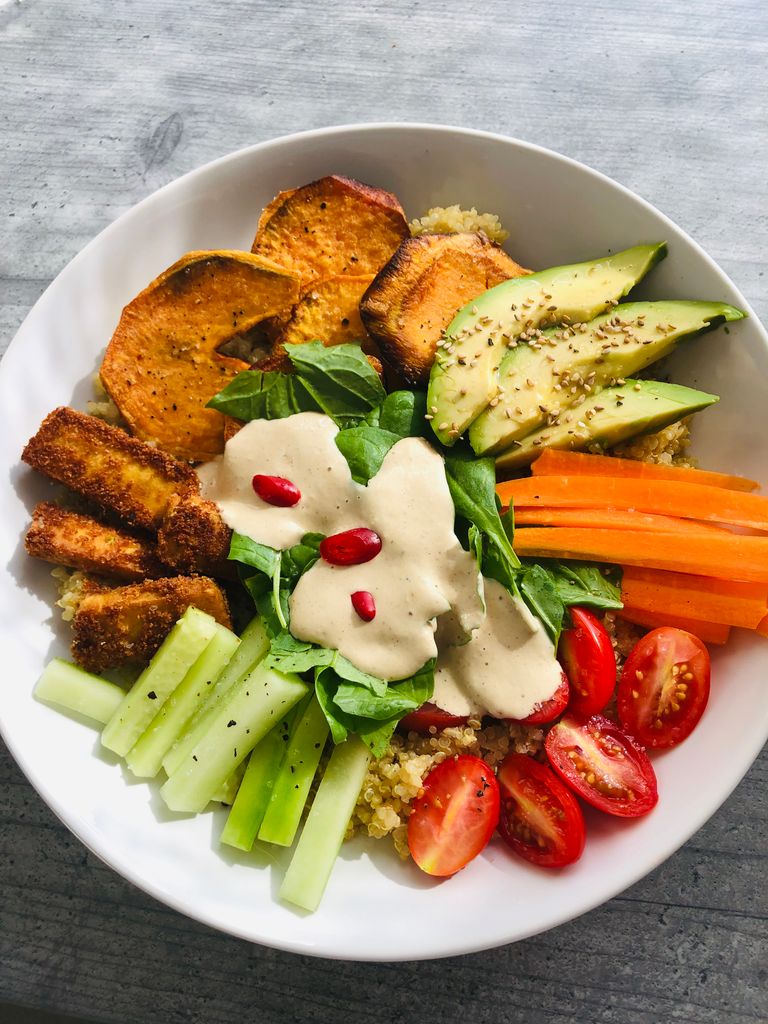
- Dinner: tofu and vegetable couscous bowls with a light lemon dressing
- Snack options: Roasted Red Pepper Hummus with veggies, yogurt with fruit, or whole-grain crackers with cheese
For a vegan version, replace eggs and dairy with options like tofu scramble, fortified high-protein soy yogurt, and additional beans or soy foods.
High-protein vegetarian recipes
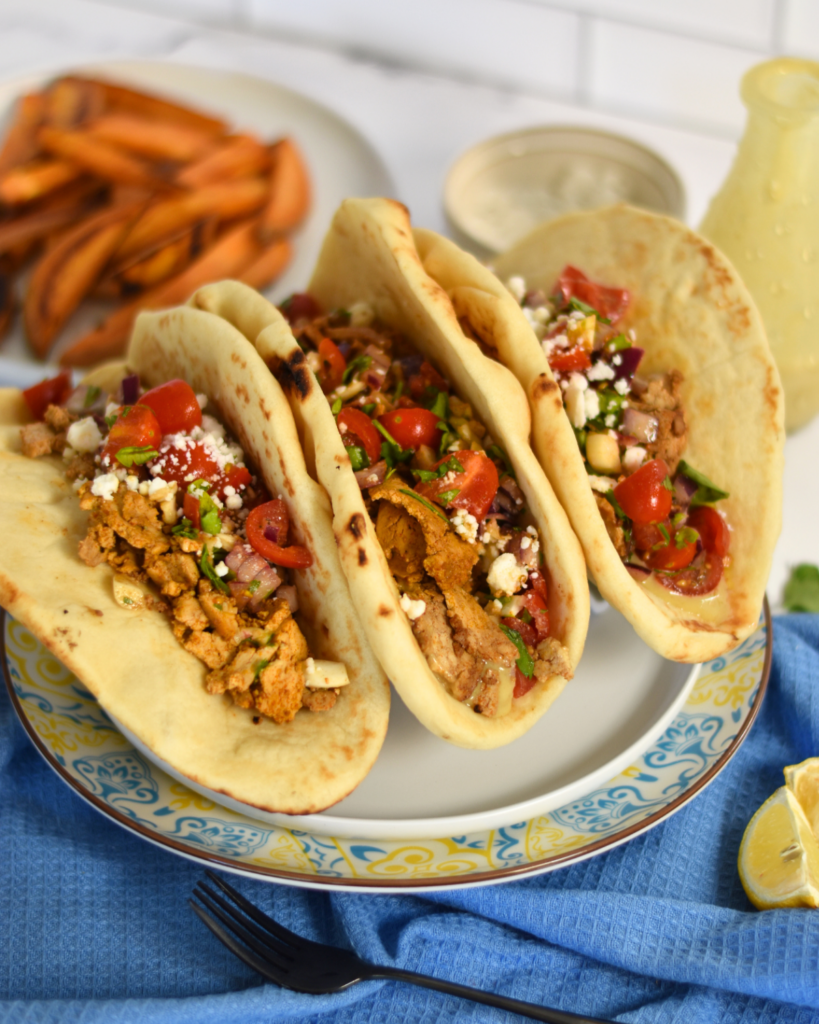
Vegan Tofu Gyros
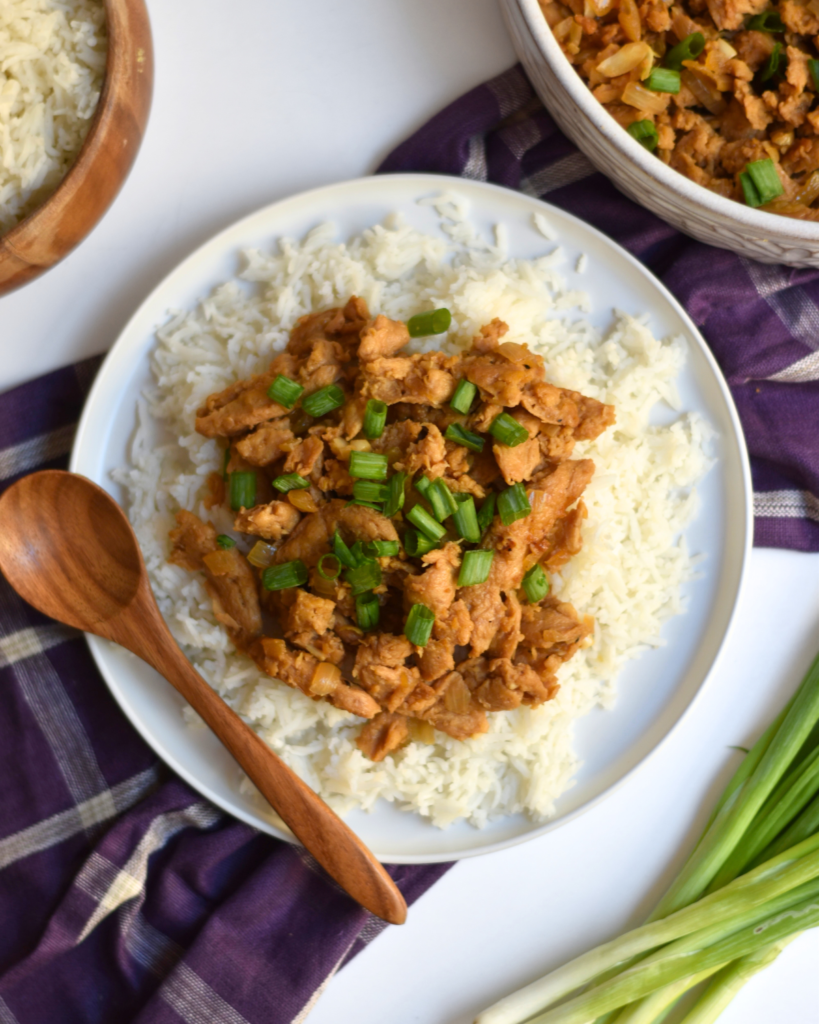
Vegan Chicken Adobo
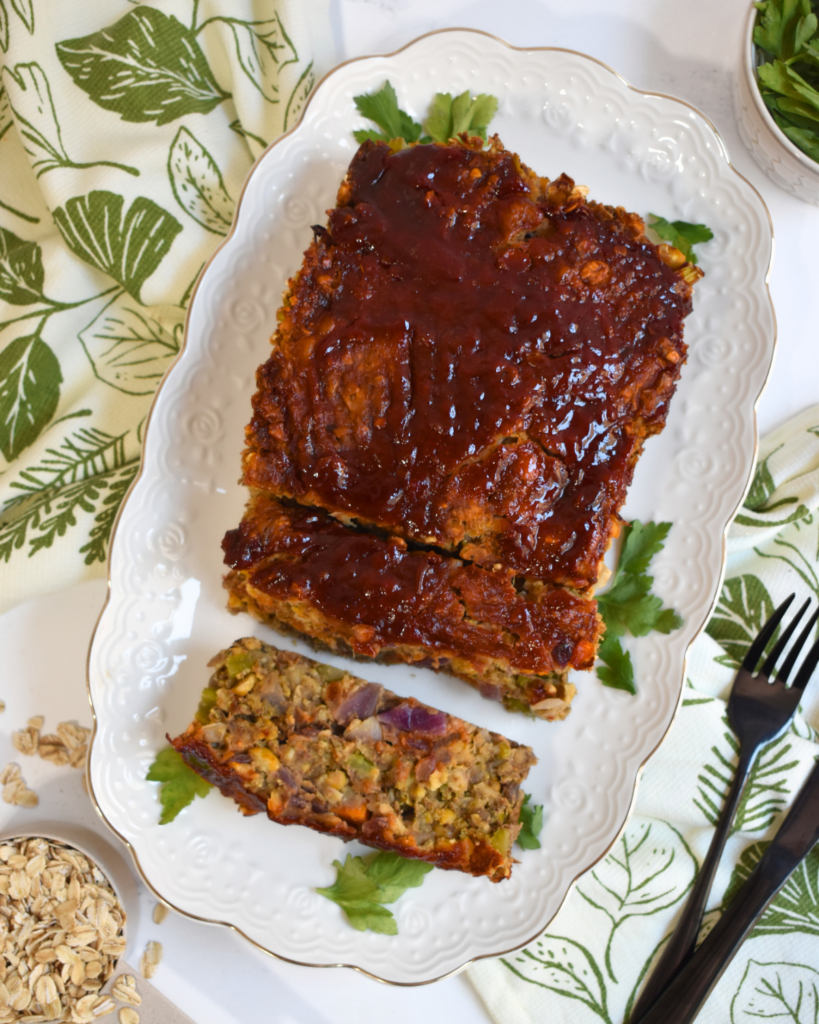
Lentil Chickpea Veggie Loaf
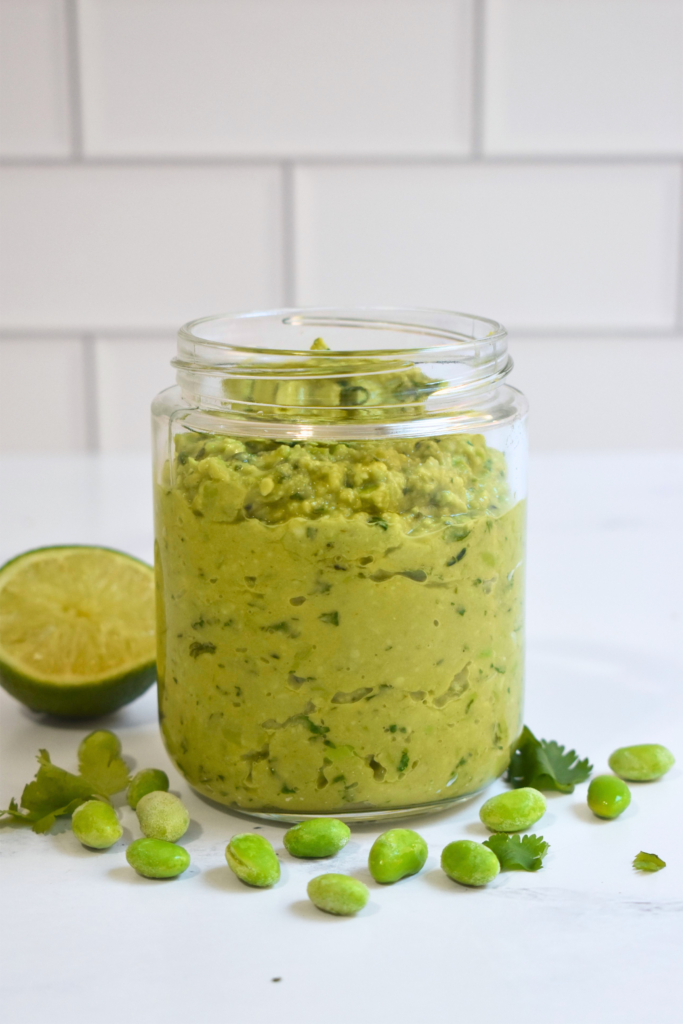
High-Protein Creamy Edamame Spread
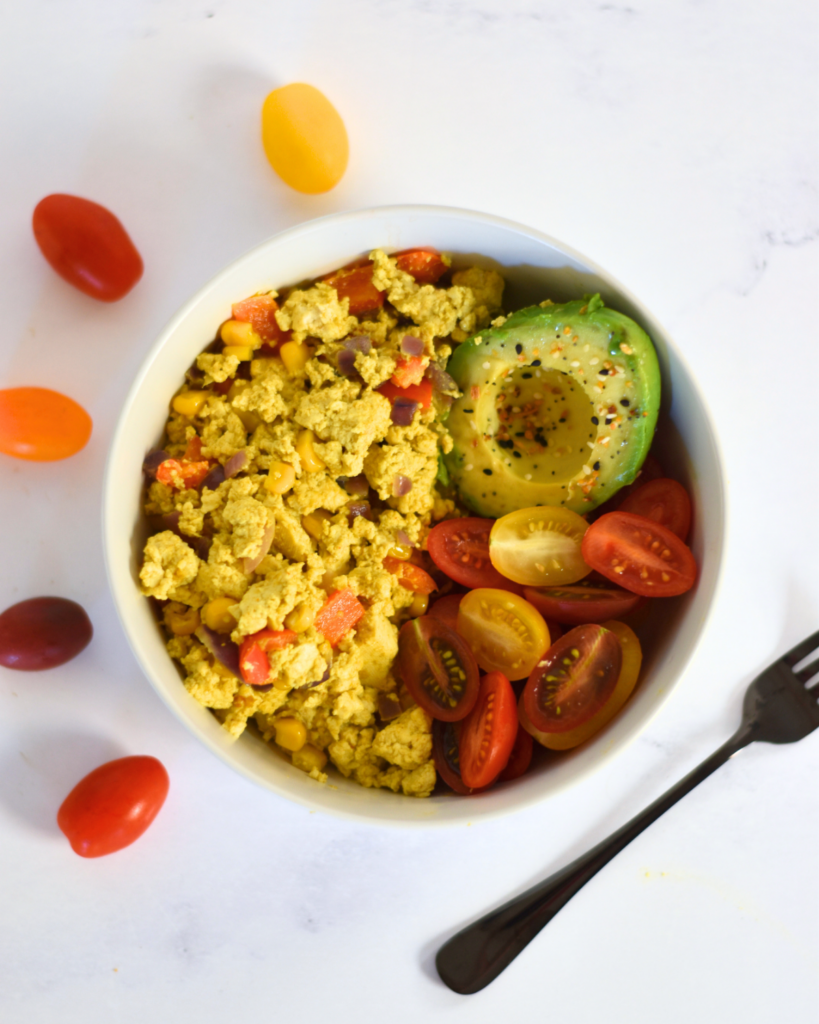
Southwest Tofu Scramble
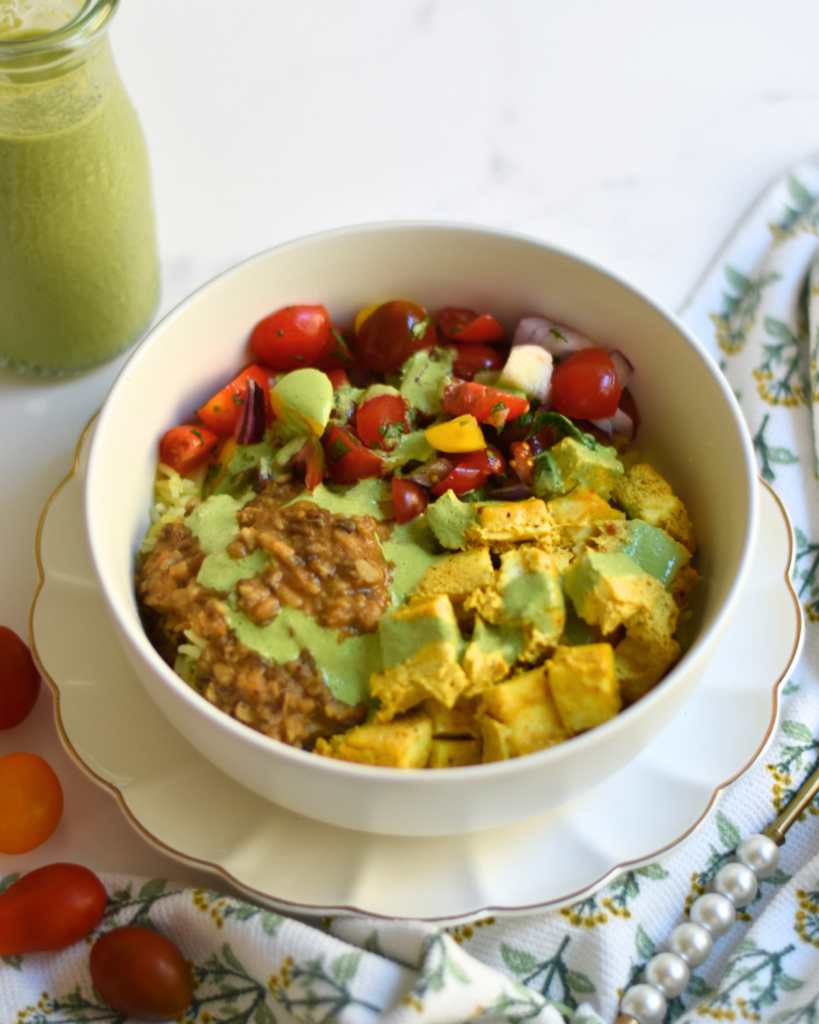
Loaded Paneer Dal Bowls
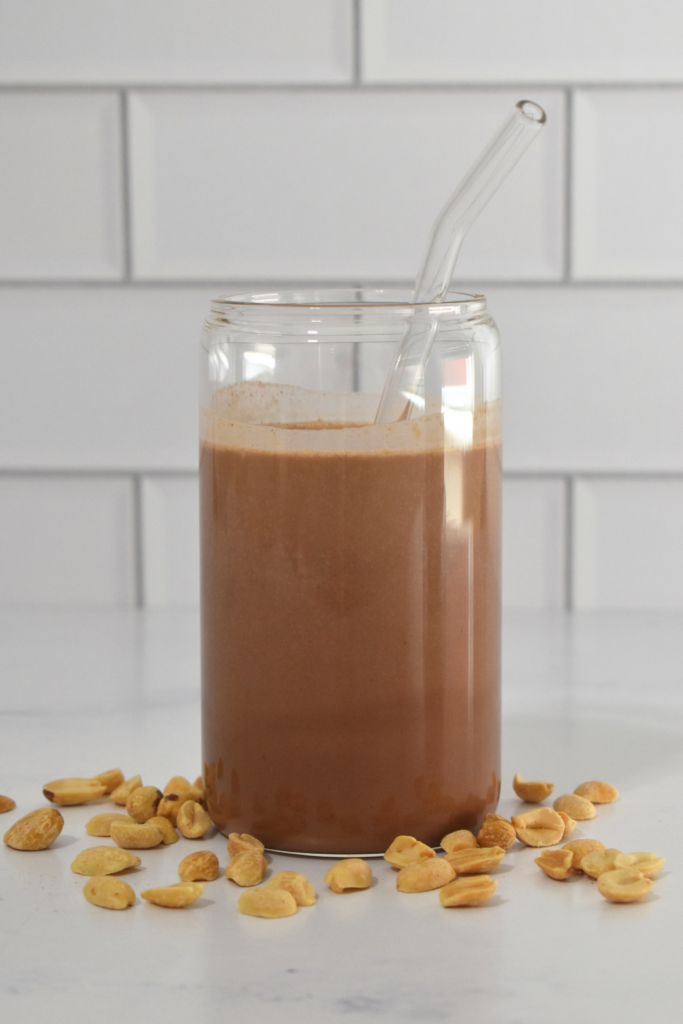
Chocolate Peanut Butter Protein Smoothie
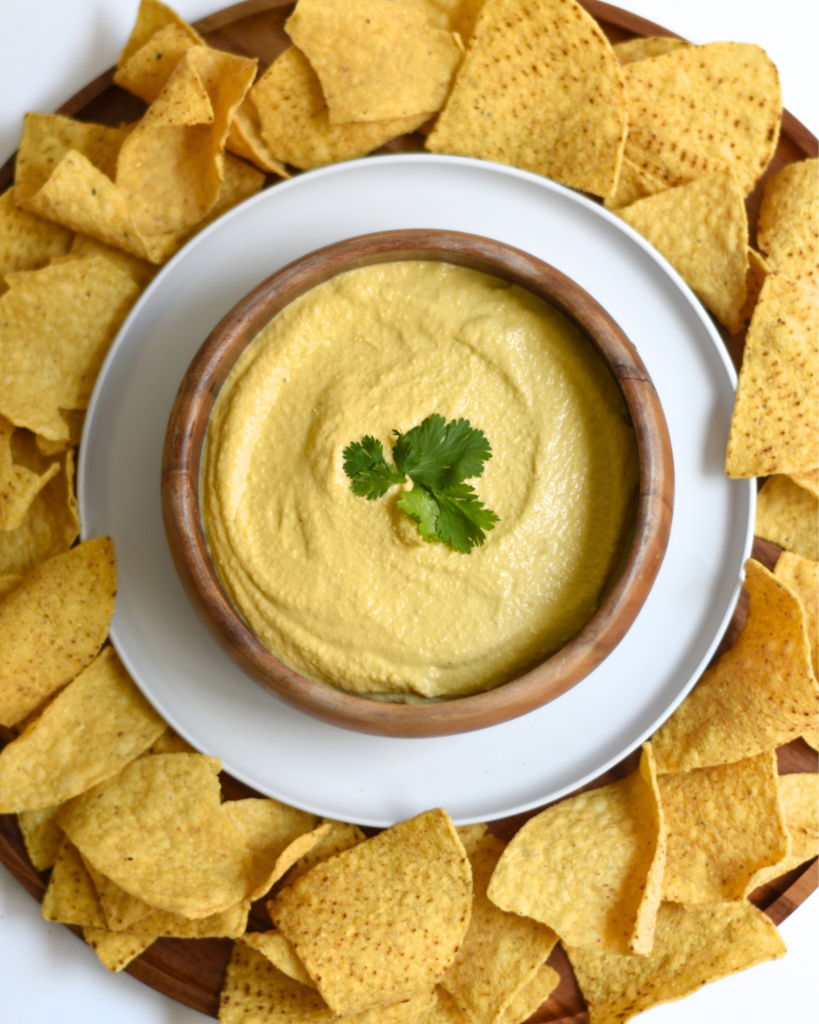
Vegan Cashew Queso
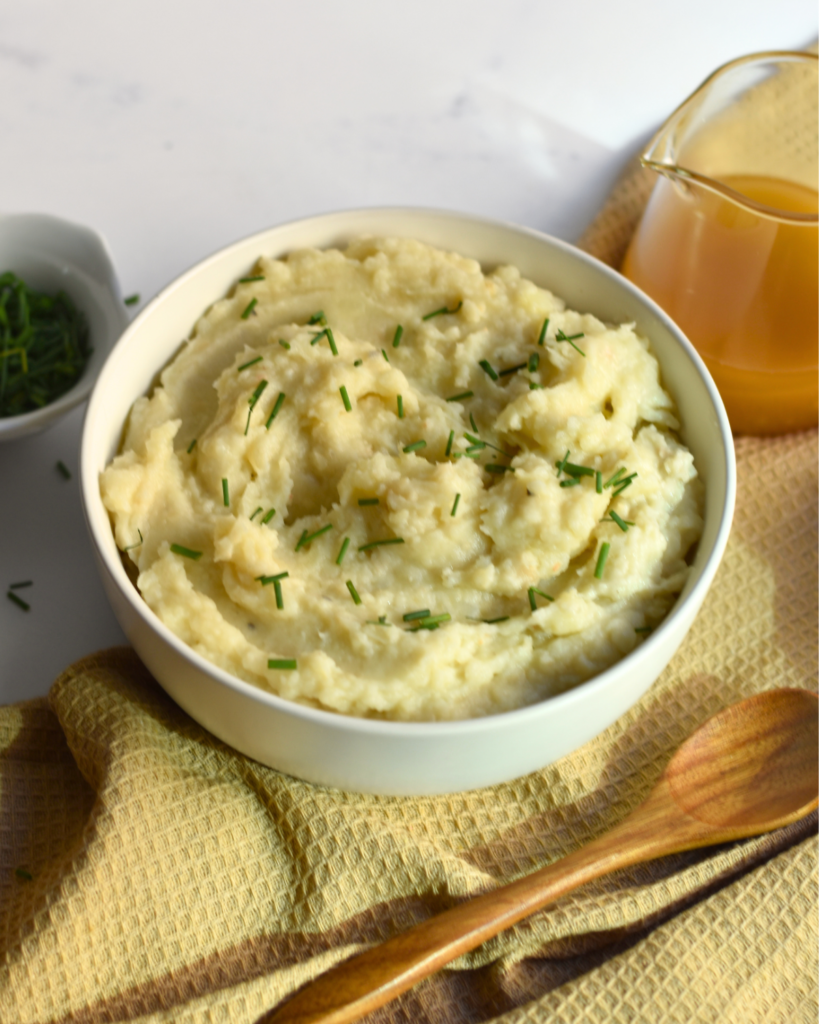
Healthy Mashed Potatoes with Cauliflower and White Beans
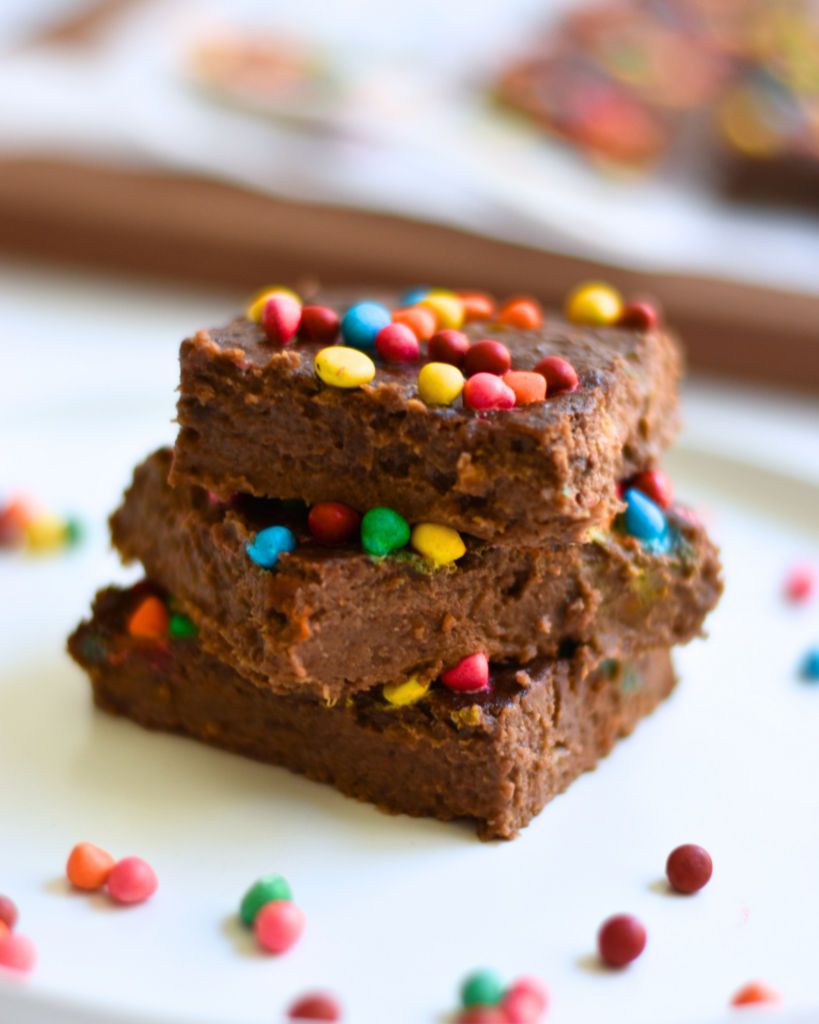
Cosmic Brownie Protein Bars
Healthy eating tips on Mounjaro
A few changes to your eating routine can make smaller meals more manageable while also helping you get the nutrients you need.
- Start with your protein: Have a few bites of tofu, eggs, yogurt, or another protein source before moving on to the rest of your meal.
- Take your time: Practice mindful eating! Eat slowly, chew thoroughly, and pause during meals to check how you feel. Stop when you’re comfortably satisfied.
- Adjust fiber to your tolerance: Build up your intake slowly rather than suddenly adding large amounts of beans, bran, or raw veggies.
- Give yourself more opportunities to eat: If full meals feel overwhelming, try eating smaller meals and nourishing snacks spread throughout the day.
- Make meals easy to assemble: Keep staples like baked tofu, frozen vegetables, lentil soup, eggs, and microwaveable grains on hand to make eating healthy a little easier.
- Get support if needed: Let your doctor know if you’re regularly unable to eat enough or have persistent digestive symptoms. Seek medical care for severe, ongoing abdominal pain or an inability to keep fluids down.
FAQ
More helpful articles
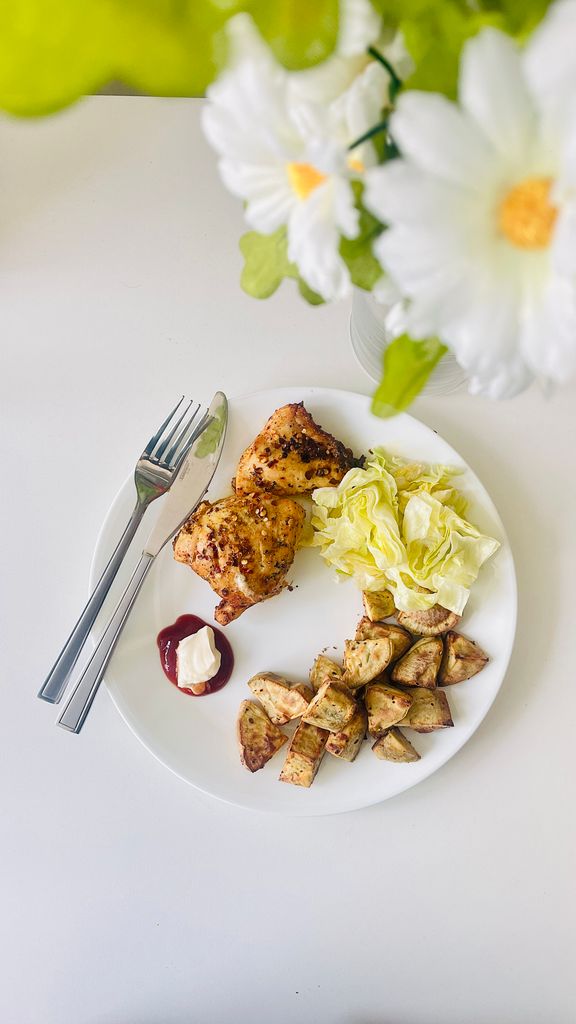
How to Get Enough Protein on Mounjaro: A Dietitian’s Guide
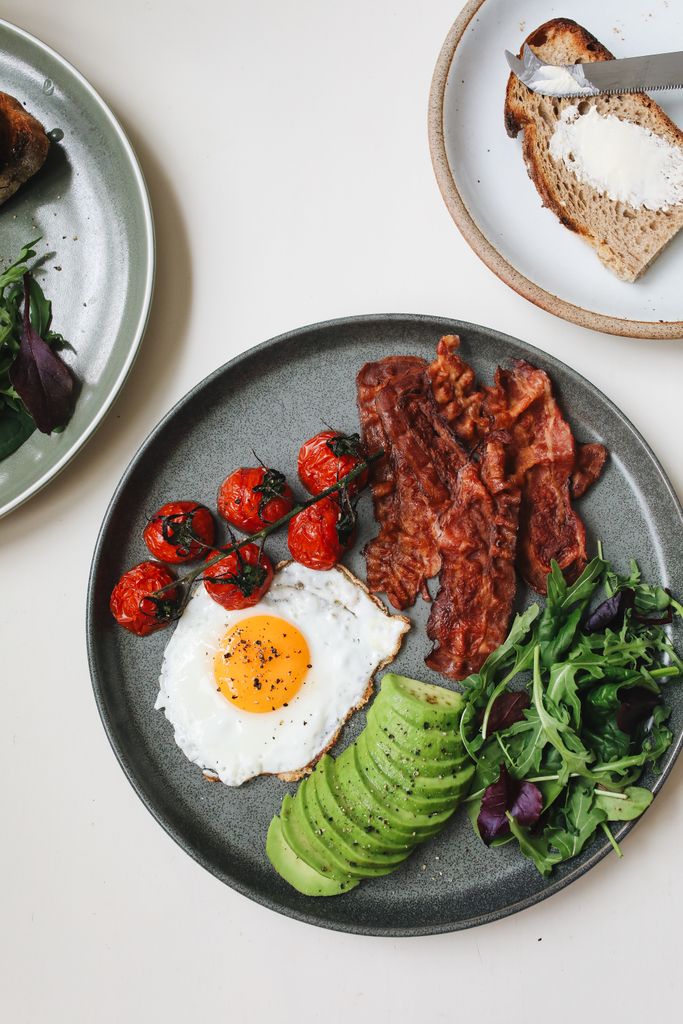
How to Get Enough Protein on Ozempic: Tips and Meal Ideas
What to Eat on Ozempic as a Vegetarian: A Dietitian’s Guide
GLP-1 Diet: A Dietitian’s Guide to Foods, Meal Plans, and Recipes
Why You’re Not Losing Weight on GLP-1 Medications: Common Nutrition Mistakes (and What to Do Instead)
High-Protein Vegetarian Meal Ideas for Semaglutide Users

Do GLP-1s Cause Muscle Loss? Here’s What Research Says
Top Foods to Eat For Nausea on GLP-1 Drugs
How to Eat More Protein on Wegovy When You’re Not Hungry
Conclusion
A vegetarian diet can still be nutritious, enjoyable, and satisfying while you’re taking Mounjaro, even if your appetite looks a little different than it used to.
Prioritize protein, build in a range of nutrient-dense foods, and adjust your portions based on what feels comfortable. If side effects are making it hard to eat enough, your healthcare team can help you find an approach to make sure you’re meeting your nutritional needs as you work toward your goals.