Benefits of Raspberries: Nutrition, Uses, and More
Quick summary
Raspberries are proof that good things really do come in small packages. These delicate little berries bring bold flavor, a gorgeous color, and an impressive lineup of nutrients to the table.
But the potential benefits of raspberries go way beyond their delicious flavor. In fact, adding them to your diet may help promote digestion, heart health, immunity, blood sugar control, and even weight loss. Plus, with just 64 calories and 8 grams of fiber in each cup, they offer a lot of nutritional bang for your berry.
In this article, we’re taking a closer look at the raspberry nutrition facts, their potential health perks, and some easy ways to enjoy more of them.
What are raspberries?
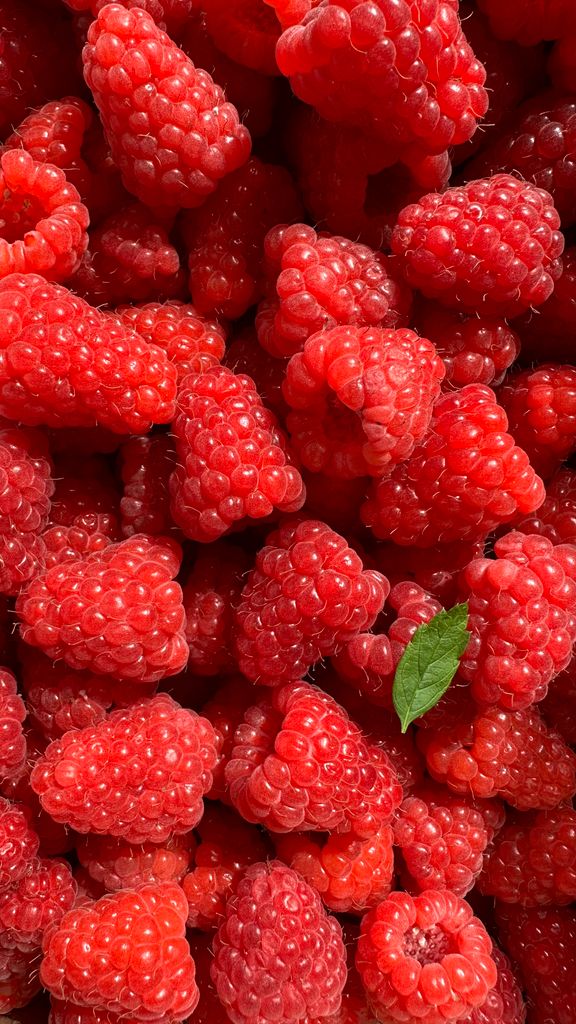
Raspberries are small, vibrant berries known for their sweet-tart flavor and soft texture. While red raspberries are the variety you’re most likely to spot at the grocery store, these colorful berries also come in black, purple, and golden varieties.
Raspberries are usually about the size of a quarter and have a conical shape. Each raspberry is also made up of dozens of tiny individual fruits called drupelets, which are clustered together around a central core.
Beyond being delicious, raspberries pack an impressive amount of nutrients into each bite. They’re especially high in fiber, vitamin C, manganese, and antioxidants. Plus, they’re low in calories, with just 64 calories in each cup. Not too bad for something that tastes like nature’s candy!
Raspberry nutrition facts
Raspberries are low in calories and sugar but impressively high in fiber, vitamin C, manganese, and antioxidants. One cup of fresh raspberries contains the following nutrients:
- Calories: 64
- Fat: 0.8 grams
- Protein: 1.5 grams
- Carbs: 14.6 grams
- Fiber: 8 grams
- Vitamin C: 32.2 milligrams (36% of the DV, or Daily Value)
- Manganese: 0.8 milligrams (36% of the DV)
- Copper: 0.1 milligrams (12% of the DV)
- Vitamin K: 9.6 micrograms (8% of the DV)
- Pantothenic acid: 0.4 milligrams (8% of the DV)
- Vitamin E: 1.1 milligrams (7% of the DV)
- Folate: 25.8 micrograms (6% of the DV)
- Magnesium: 27.1 milligrams (6% of the DV)
- Iron: 0.8 milligrams (5% of the DV)
- Zinc: 0.5 milligrams (5% of the DV)
Raspberries definitely stand out for their fiber content: one cup supplies nearly one-third of your daily needs!
Raspberries also provide smaller amounts of other vitamins and minerals, including potassium, phosphorus, calcium, and B vitamins.
Stay in the loop!
Healthy eating tips & recipes delivered directly to your inbox
Benefits of raspberries
Raspberries might be tiny, but they pack plenty of fiber, micronutrients, and antioxidants into each (delicious) bite. Here are some of the top benefits of raspberries.
They can promote gut health
One cup of raspberries delivers an impressive 8 grams of fiber, making them one of the highest-fiber fruits. Fiber adds bulk to stool, helps keep you regular, and supports better blood sugar balance. It also feeds the beneficial bacteria in your gut to promote a healthy and diverse microbiome.
They’re rich in antioxidants
Raspberries are a stellar source of antioxidants, including anthocyanins, ellagic acid, ellagitannins, and vitamin C. These compounds help neutralize harmful free radicals and protect cells against oxidative stress. This is important, because oxidative stress can contribute to inflammation and chronic disease over time.
They may enhance heart health
The fiber and antioxidants found in raspberries can help keep your heart healthy. Raspberries contain a specific type of fiber called soluble fiber, which can lower LDL (“bad”) cholesterol by reducing its absorption in the digestive tract. Meanwhile, the anthocyanins and other polyphenols found in raspberries can support healthy blood vessels and help ease inflammation.
They can help balance blood sugar levels
Despite their sweet flavor, raspberries contain only around 5 grams of naturally occurring sugar per cup. Plus, their high fiber content can slow down digestion and prevent quick spikes in blood sugar. Pairing raspberries with a protein or healthy fat (such as Greek yogurt, nuts, or nut butter) can make them an even more balanced snack.
They could support weight management
Raspberries are naturally low in calories yet high in both fiber and water. This combination adds volume to meals and can help you feel satisfied with fewer calories, which could lead to weight loss. They’re also a sweet and healthy alternative to higher-calorie treats when you’re craving candy or dessert.
They may help strengthen immune function
Each cup of raspberries supplies 36% of the DV for vitamin C, an essential nutrient for immune health. Vitamin C supports the production and function of several types of immune cells, strengthens the skin’s protective barrier, and acts as an antioxidant to protect immune cells against damage. Vitamin C also helps your body produce collagen and absorb iron from plant foods.
They could ease inflammation
Raspberries contain several plant compounds with anti-inflammatory properties, including anthocyanins and ellagic acid. One study found that eating raspberries daily for four weeks lowered several markers used to measure inflammation, including interleukin-6 and high-sensitivity tumor necrosis factor alpha.

Potential downsides of raspberries
Raspberries are nutritious and safe for most people, but they may not agree with everyone.
Their high fiber content, in particular, could cause bloating, gas, cramping, or changes in bowel movements, especially if you’re eating a large amount or aren’t used to a fiber-rich diet. Starting with a smaller serving, increasing your intake gradually, and drinking plenty of water can help your digestive system adjust.
Raspberry allergies are also possible, though uncommon. Symptoms may include itching or tingling in the mouth, hives, swelling, digestive upset, or difficulty breathing. If you experience mild allergy symptoms after eating raspberries, stop eating them and contact a healthcare provider. Seek emergency care for difficulty breathing or severe swelling.
Finally, fresh raspberries spoil pretty fast. Keep them refrigerated, wait to wash them until just before eating, and toss out any berries that look moldy or mushy.
Frozen raspberries vs. fresh raspberries
Frozen raspberries are generally just as nutritious as fresh ones and can be a convenient and cost-effective alternative.
Because they’re typically frozen soon after harvesting, they retain most of their fiber, vitamins, minerals, and antioxidants. Some nutrients, like vitamin C, might decrease a little during processing and storage, but the nutritional differences are usually pretty small.
Frozen raspberries are also often less expensive, last much longer, and work perfectly in smoothies, oatmeal, sauces, and baked goods. Make sure you opt for an unsweetened variety without added sugar to maximize the potential health benefits.
Easy ways to eat more raspberries
Raspberries are sweet, tart, and incredibly easy to add to your meals and snacks! Fresh and frozen varieties both work, so you can keep enjoying them even when berry season is long gone. Here are a few delicious ways to eat more raspberries:
- Sprinkle them over oatmeal, cereal, or overnight oats.
- Layer them with Greek yogurt and granola for an easy parfait.
- Blend frozen raspberries into smoothies or protein shakes.
- Add them to pancakes, muffins, or homemade oat bars.
- Toss them into salads for a pop of sweetness and color.
- Mash them onto toast with peanut butter, almond butter, or ricotta.
- Stir them into chia pudding or cottage cheese.
- Simmer them into a simple sauce for oatmeal, yogurt, or desserts.
- Pair fresh raspberries with nuts or dark chocolate for a fun snack.
- Freeze them and enjoy them straight from the freezer for a cool summer treat.
FAQ
More healthy fruits & veggies
Swiss Chard: Benefits, Nutrition, and Easy Ways to Eat It

Jujube Fruit Benefits, Side Effects, and Uses

Avocado Nutrition, Benefits, and Recipes
Spinach vs. Kale Nutrition: Which Is Healthier?

Benefits of Kiwi: 6 Science-Backed Reasons to Add More Kiwi to Your Diet

Cabbage for Gut Health: Benefits, Nutrition, and How to Eat It

Strawberry Nutrition Facts and Benefits, Plus Healthy Ways to Use Them
Conclusion
Raspberries may be small, but they offer some seriously sweet nutritional benefits.
Packed with fiber, vitamin C, antioxidants, and other important nutrients, they can support digestion, heart health, immune function, and so much more.
Whether you enjoy them fresh, frozen, blended into smoothies, or sprinkled over oatmeal, raspberries are an easy and delicious way to squeeze more fruit into your diet.