Are Greens Powders Worth It? Benefits, Downsides, and More
Quick summary
Greens powders make healthy eating sound almost too easy: scoop, stir, sip, and suddenly you’ve packed a long list of fruits, vegetables, and “superfoods” into your morning. It’s a pretty appealing idea, especially if your produce drawer has a habit of turning into a graveyard for forgotten spinach.
But are greens powders worth it, or are they mostly clever marketing in a pricey green package? While these supplements can provide certain vitamins, minerals, and plant compounds, they can also be expensive, low in fiber, and backed by less research than their impressive claims might suggest.
In this article, we’ll break down what’s actually inside each scoop, the potential benefits and downsides, and how greens powders compare with simply grabbing a fork and eating your veggies.
What are greens powders?
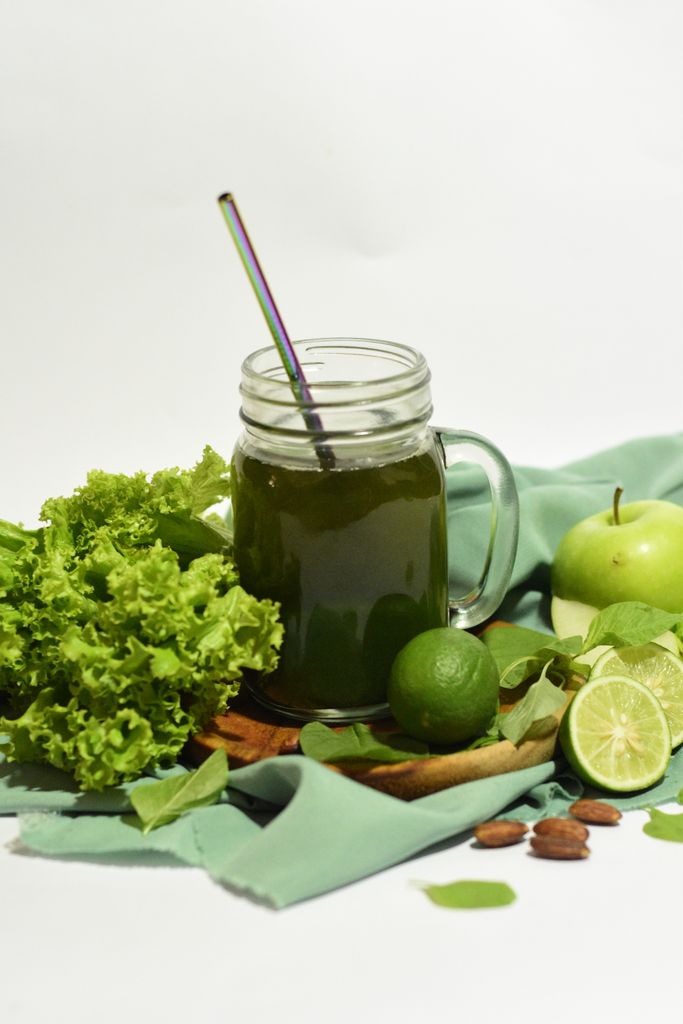
Greens powders are dietary supplements designed to pack a whole lineup of plant-based ingredients into a single convenient scoop. Just mix the powder with a little water, juice, or a smoothie, and you’ve got a bright green drink that promises a much easier alternative to working your way through the produce drawer.
Despite their name, greens powders usually contain much more than just greens. Depending on the brand, you might find powdered spinach, kale, broccoli, or wheatgrass alongside fruits, herbs, algae like spirulina and chlorella, and other plant extracts.
Some products also add vitamins and minerals, probiotics, prebiotics, digestive enzymes, or trendy extras like adaptogens, which help your body better manage stress.
But here’s the catch: there’s no standard formula for a greens powder, so two products sitting next to each other on the shelf can look completely different nutritionally.
That makes it important to check the label carefully rather than assuming that every greens powder offers the same benefits or that one scoop is equivalent to eating an entire plate of vegetables.
Common ingredients in greens powders
Flip over a tub of greens powder and you’ll probably spot a pretty lengthy ingredient list. While formulas vary quite a bit between brands, most combine powdered fruits and vegetables with a mix of other nutrients, herbs, and functional ingredients.
Common ingredients in greens powders include:
- leafy greens like spinach, kale, and parsley
- grasses, including wheatgrass, barley grass, and alfalfa
- certain varieties of algae, like spirulina and chlorella
- fruits and vegetables, such as beet, broccoli, carrot, blueberry, and acai
- probiotics and prebiotics
- digestive enzymes
- herbs and adaptogens, like ashwagandha, turmeric, and ginger
- vitamins and minerals
- plant extracts and antioxidants, such as green tea extract
Greens powder nutrition facts
Greens powder formulas can differ a bit from one brand to the next, which means that no two products provide the exact same set of nutrients.
Some are essentially blends of dried fruits and vegetables, whereas others are fortified with vitamins and minerals or loaded up with extras like probiotics, herbs, and plant extracts.
For the most part, though, greens powders are usually pretty low in calories, carbohydrates, protein, and fat. They may provide small amounts of fiber, but generally it’s a lot less than you’d get from eating whole fruits and vegetables.
Depending on the product, each serving might also provide certain micronutrients, especially if vitamins and minerals have been added.
For example, a typical serving of a greens powder may provide:
- Calories: around 20-50
- Protein: 0-2 grams
- Carbohydrates: 2-10 grams
- Fiber: 1-3 grams
- Fat: 0-1 gram
- Vitamins and minerals: amounts vary widely depending on the product
Because the nutrition content varies so much, it’s crucial to check the label carefully. Pay particular attention to serving size, fiber, added vitamins and minerals, and the doses of any individual ingredients rather than assuming a longer ingredient list automatically makes a product more nutritious.
Stay in the loop!
Healthy eating tips & recipes delivered directly to your inbox
Potential benefits of greens powders
Greens powders are often promoted as a shortcut to better nutrition, with claims ranging from improved digestion to increased energy and a stronger immune system.
While some of their ingredients certainly are nutritious, research on greens powders specifically is still pretty limited. Their potential benefits also depend heavily on what’s actually included and in what amounts.
They could help fill gaps in your diet
Some greens powders provide a concentrated source of vitamins and minerals, especially products that are fortified with nutrients like vitamin C, vitamin K, B vitamins, or zinc. This could help fill certain gaps if your diet is limited or you have trouble consistently eating a wide variety of foods.
That said, more isn’t always better. If you already eat a balanced diet or take a multivitamin, a fortified greens powder may simply provide nutrients you’re already getting enough of and might be unnecessary.
They’re convenient and easy to use
Convenience is probably one of the strongest arguments in favor of greens powders. They’re shelf-stable, portable, and typically require nothing more than a scoop and some water.
That can make them particularly handy while traveling or during busy stretches when your usual eating routine goes out the window. They still shouldn’t replace fruits and veggies, but they can be an easy addition when sticking to a balanced diet feels a little more challenging.
They often provide beneficial plant compounds
Greens powders commonly contain fruits, vegetables, herbs, and algae that provide antioxidants and other beneficial plant compounds. Antioxidants help protect your cells against oxidative stress, which can contribute to inflammation and chronic disease.
That said, the amount of these compounds varies quite a bit between products. Plus, evidence that individual ingredients have benefits doesn’t necessarily mean a greens powder containing a small amount will have the same effect.
They may promote gut health
Some greens powders contain probiotics, prebiotics, or a mix of both. Probiotics introduce beneficial bacteria to your gut, while prebiotics provide fuel that helps those beneficial bacteria thrive.
These ingredients could potentially improve digestive health, but the details matter. Probiotic benefits are strain- and dose-specific, and not every product provides meaningful amounts.
Greens powders also tend to contain much less fiber than whole fruits and vegetables, which is one of the biggest reasons why produce is so great for your gut.
Downsides of greens powders
Greens powders can be convenient, but they’re definitely not a nutritional necessity. What’s more, they may come with a few drawbacks worth considering before adding another tub of powder to your pantry.
They can be expensive
Greens powders aren’t exactly known for being budget-friendly. Depending on the brand, that daily scoop can stack up fast over the course of a month.
If your food budget is limited, putting that money toward fruits, vegetables, whole grains, legumes, nuts, and seeds will generally give you more nutritional bang for your buck.
They’re not a substitute for fruits and vegetables
Even the most impressive-looking greens powder can’t perfectly recreate a bowl of berries or a plate piled with vegetables. Whole produce provides fiber, water, and a complex combination of nutrients and plant compounds that you won’t get from a scoop of powder.
Greens powders also aren’t very filling, so they shouldn’t be viewed as a replacement for fruits and vegetables in your meals.
There’s limited research on their benefits
Many of the health claims surrounding greens powders are based on research into their individual ingredients rather than the finished products themselves. Research specifically evaluating greens powders is pretty scarce, and the available studies are often small, short-term, industry-funded, or specific to one particular formula.
Plus, studies on individual ingredients often use much higher doses than you’re likely to get from a scoop of greens powder.
A lot of products also use proprietary blends and don’t disclose exactly how much of each ingredient they contain, making it difficult to know whether you’re getting anywhere close to the amounts used in research.
That means claims about benefits like better energy, immunity, digestion, or detoxification should definitely be taken with a grain of salt.
Supplement quality can vary quite a bit
Like other dietary supplements, greens powders can vary considerably in quality and purity. Some also use proprietary blends, which tell you which ingredients are included without necessarily revealing how much of each one you’re actually getting.
Choosing products that have undergone independent third-party testing can provide additional reassurance that what’s listed on the label is actually what’s in the container — more on that below!
They could interact with some medications
More ingredients can also mean more opportunities for interactions. For example, greens powders high in vitamin K might be a concern for people taking certain blood-thinning medications, whereas herbs and botanical extracts can interact with other medications or supplements too.
If you take any medications, have underlying health issues, or are pregnant or breastfeeding, it’s always a good idea to check with your doctor or dietitian before using a greens powder.

Greens powders vs. vegetables
Greens powders can certainly help add certain vitamins, minerals, and plant compounds to your diet, but they’re not a one-for-one replacement for vegetables.
During the production of greens powders, fruits and vegetables are dried and ground or extracted, which can change their nutritional profile and reduce certain components, including fiber.
Whole veggies also provide water, fiber, and an enormous variety of naturally occurring plant compounds, all packaged together in their original food matrix. Plus, they actually fill you up, which is something a scoop of powder mixed into water isn’t likely to do.
While greens powders can be included as part of a balanced diet, whole fruits and veggies should still do most of the heavy lifting.
Here’s a quick look at how greens powders and whole vegetables compare:
| Greens powders | Vegetables | |
|---|---|---|
| Fiber | Low in fiber | High in fiber |
| Micronutrients | Can provide concentrated vitamins and minerals; amounts vary | Provide a variety of vitamins and minerals |
| Other compounds | May contain antioxidants and concentrated plant extracts | Contain a wide range of naturally occurring plant compounds |
| Satiety | Not very filling | Fiber, water, and volume help promote fullness |
| Convenience | Shelf-stable, portable, and quick to prepare | May require washing, chopping, or cooking |
| Variety | May combine many plant ingredients into a single scoop | Nutrients vary by vegetable |
| Cost | Can be expensive, especially when taken daily | Can be inexpensive, particularly frozen or seasonal options |
| Research | Limited research available on greens powders specifically | Strong evidence supports diets rich in fruits and vegetables |
| Best use | A convenient supplement to a balanced diet | A foundational part of a healthy diet |
Are greens powders worth it?
So, are greens powders worth it? Most people probably don’t need one, but there are some instances where they might be useful.
For instance, if you already eat a balanced diet with plenty of fruits and vegetables, a daily greens powder is unlikely to add much nutritional value.
That said, greens powders might be worth considering if convenience is a priority. They can be especially handy while traveling, during busy weeks, or if you consistently struggle to eat a variety of produce.
Ultimately, I’d recommend putting your money toward fruits and veggies first. But if you still want to give greens powders a try, look for one with transparent ingredient amounts, reasonable doses of vitamins and minerals, and third-party testing. It’s also best to skip products promising to “detox” your body or replace your daily servings of vegetables.
How to choose a greens powder
If you decide a greens powder is worth adding to your routine, don’t let the longest ingredient list or flashiest health claims make the decision for you. Instead, take a closer look at the label and prioritize quality, transparency, and a formula that actually fits your needs.
Here are a few things to consider:
- Third-party testing: Prioritize products tested by independent organizations like NSF or USP to verify purity and quality.
- Ingredient amounts: Look for products that disclose how much of each active ingredient they contain rather than hiding everything behind a proprietary blend.
- Dosage: More isn’t always better. Avoid unnecessary megadoses of vitamins and minerals, especially if you already take other supplements or medications.
- Ingredients: You don’t necessarily need dozens of herbs, extracts, enzymes, or other extras to get a worthwhile product.
- Health claims: Steer clear of any products promising to detox your body, melt fat away, dramatically boost energy, or replace fruits and veggies.
- Price: Compare the price per scoop and decide whether the benefits you’re getting justify making it an everyday expense.
FAQ
More articles you might like

Probiotic Foods vs. Supplements: Which is Better for Gut Health?

Protein Pop Review: A Dietitian’s Take on Ingredients, Nutrition, and Taste

Do You Need Vitamin D Supplements? Benefits, Deficiency, and Dosage Explained
Is Coconut Cult Worth It? A Dietitian’s Honest Review

Best Supplements for Brain Health: Boost Memory, Focus, and Cognitive Function

Best Probiotics for Digestion: Top Supplements for a Healthy Gut
LMNT Electrolytes Review: Is It Worth It? A Dietitian Weighs In

MISFITS Protein Bars Review: A Dietitian’s Honest Take

Clear Protein Drinks: Benefits, Best Brands, and What to Look For

DAVID Protein Bars Review: A Dietitian’s Honest Take
Conclusion
Greens powders can be a convenient way to supplement your diet and fill in the gaps, but they’re not a shortcut to better health or a replacement for real fruits and veggies.
For most people, focusing on a varied and nutritious diet is likely a better investment.
However, if you enjoy greens powders and they fit comfortably within your budget, look for a high-quality, third-party tested product with transparent ingredients and realistic health claims.