How to Get Enough Protein on Mounjaro: A Dietitian’s Guide
Quick summary
Protein is one nutrient you don’t want to put on the back burner while taking Mounjaro. It plays an important role in maintaining muscle mass, supporting strength, and helping your body function efficiently as you lose weight. But when you’re eating less overall, fitting enough protein into your day often takes a little more planning and preparation.
Luckily, getting enough protein on Mounjaro doesn’t have to involve forcing yourself to eat giant portions or completely changing the way you eat. In this article, we’re covering everything you need to know, including why protein is so important, how much protein you actually need, and how to get enough protein on Mounjaro.
Importance of protein when taking Mounjaro
When you’re taking Mounjaro (aka tirzepatide), your appetite may be a little lower than usual. But while that can make it easier to eat fewer calories, it can also make it harder to get enough of the nutrients your body needs, including protein.
Protein is crucial for almost every aspect of health. It helps maintain and repair muscle, promote immunity, and keep your hair, skin, and nails healthy.
During weight loss, your body can also lose some muscle along with fat. That’s why it’s so important to prioritize protein when taking medications like Mounjaro — getting enough protein can help maintain muscle mass and encourage your body to hold on to lean mass as you work toward your weight loss goals.
Why it’s hard to meet protein needs on Mounjaro
One of the biggest reasons Mounjaro is so great for weight loss is also one of the biggest reasons protein intake can become so challenging: it reduces your appetite.
Mounjaro works by mimicking a hormone called GLP-1 (along with GIP), which regulates blood sugar and appetite. For most people, this means feeling less hungry, getting full faster, and gravitating toward smaller portion sizes during the day.
But while eating less can help boost weight loss, it also means you have less room to fit in all the nutrients your body needs, including protein.
Additionally, nausea, bloating, and constipation are common side effects of weight loss meds like Mounjaro. When your stomach isn’t feeling its best, heavier meals or larger portions probably don’t sound super appetizing.
And to make matters even trickier, protein is one of the most satisfying nutrients. Usually, this is a good thing. But when your appetite is already low, high-protein foods can feel more difficult to eat in larger amounts, which can make it challenging to meet your needs.
Get my FREE High-Protein Plant-Based Guide
Sign up now to get my free e-book, including a 7-day meal plan, grocery list, and protein cheat sheet to make plant-based eating simple and satisfying!
How much protein do you need on Mounjaro?
There’s no one-size-fits-all protein goal for people taking Mounjaro, and the amount you need can vary based on factors like your body size, age, activity level, and weight loss goals.
That said, protein needs are often a little higher when taking weight loss medications like Mounjaro, as getting enough protein can help preserve muscle as you lose weight.
As a general rule of thumb, aim for around 0.5-0.7 grams of protein per pound of body weight per day (or about 1.2-1.6 grams per kilogram). This range provides enough protein to support muscle health while still being realistic for most people.
For example, if your weight is 200 pounds, your daily protein target may fall somewhere around 100-140 grams per day.
Here’s a quick cheat sheet to help determine your protein needs:
| Body Weight | Lower Target (0.5g/lb) | Higher Target (0.7g/lb) |
|---|---|---|
| 140 lbs | 70 g | 98 g |
| 150 lbs | 75 g | 105 g |
| 160 lbs | 80 g | 112 g |
| 170 lbs | 85 g | 119 g |
| 180 lbs | 90 g | 126 g |
| 190 lbs | 95 g | 133 g |
| 200 lbs | 100 g | 140 g |
| 220 lbs | 110 g | 154 g |
| 240 lbs | 120 g | 168 g |
| 260 lbs | 130 g | 182 g |
Keep in mind that these are just general estimates of your protein needs. If you’re regularly hitting the gym, are a little older, or have certain underlying health conditions, you might benefit from a higher protein intake, whereas others may have different needs.
If these numbers feel overwhelming (especially when Mounjaro has significantly reduced your appetite), don’t stress about hitting the highest end of the range right away. Start by focusing on including a solid source of protein at each meal and snack, then gradually build from there.
A simple goal to start with: aim for around 25-40 grams of protein at each meal. Spreading your protein intake throughout the day can make it easier to meet your needs without having to eat a large amount of food all at once.
Stay in the loop!
Healthy eating tips & recipes delivered directly to your inbox
Tips to get more protein on Mounjaro
When your appetite is lower, meeting your protein needs might take a little more thought. Here are a few tips to get more protein on Mounjaro.
1. Build meals around protein
It sometimes helps to prioritize protein first, especially when you’re eating smaller portions. Instead of filling your plate and praying you get enough protein at the end of your meal, start by choosing your protein source and building the rest of your meal around it.
For example, try starting with:
- Greek yogurt before adding toppings
- tofu or tempeh as the base of your grain bowl
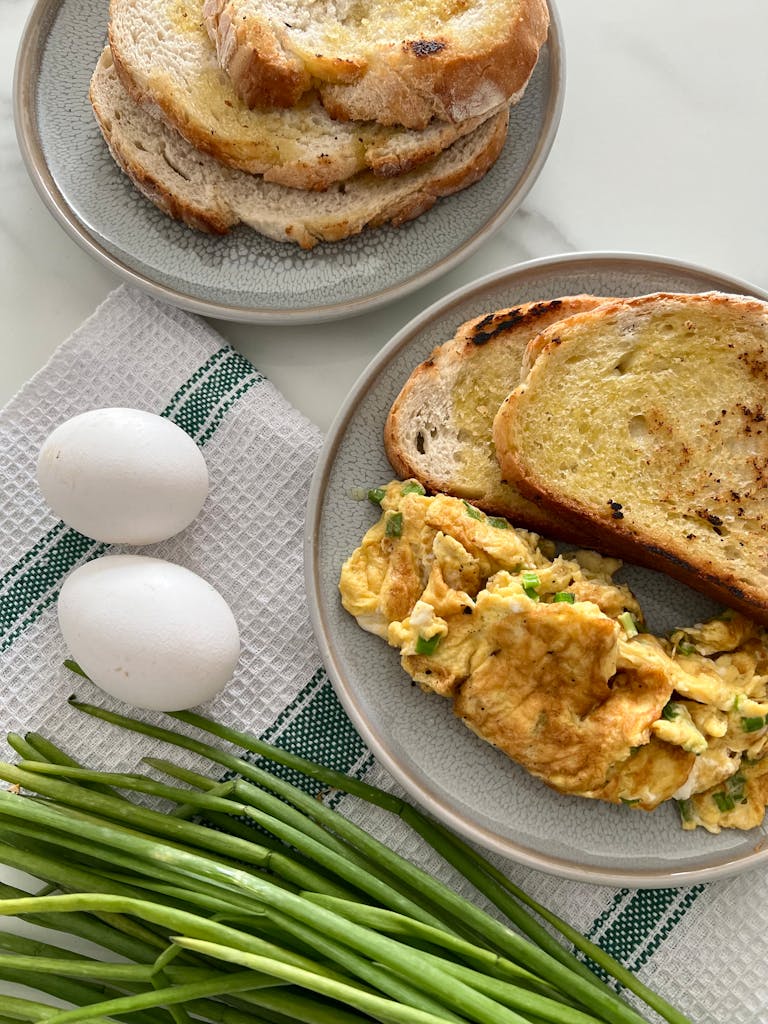
- eggs or cottage cheese at breakfast
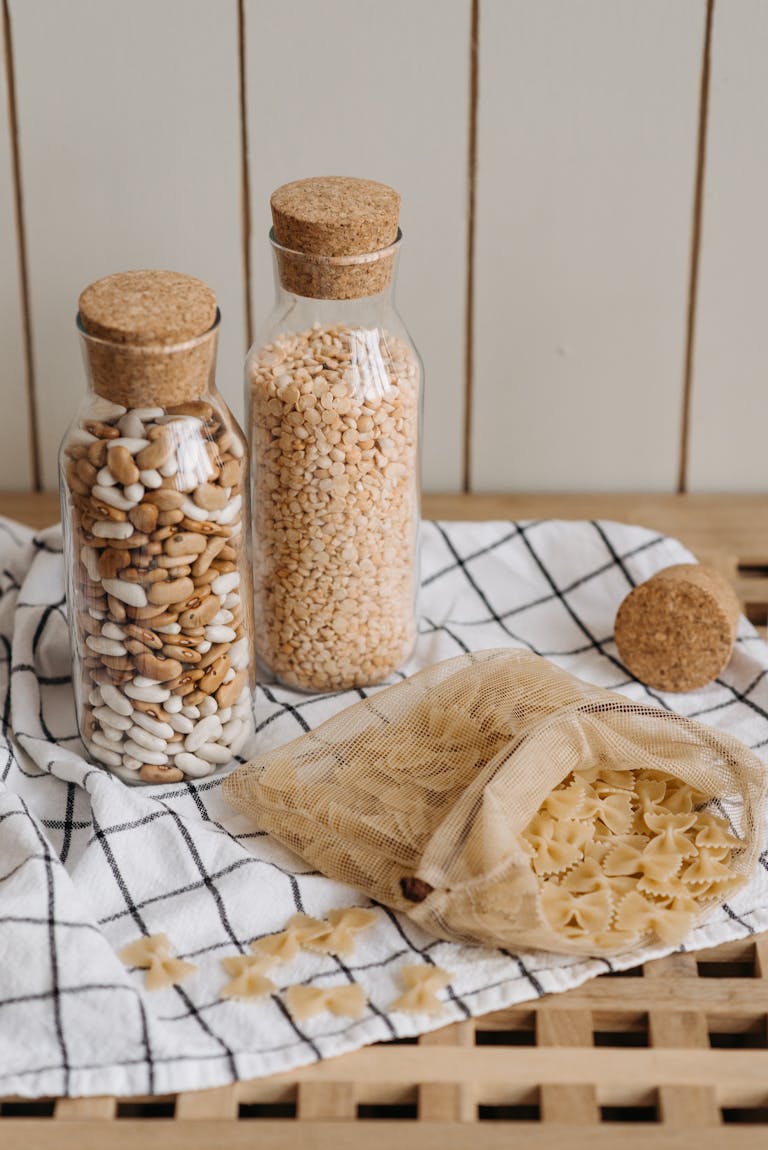
- beans or lentils as the main ingredient in a meal
2. Include protein at every meal and snack
Trying to squeeze all your protein into one meal can feel nearly impossible, especially when Mounjaro has slashed your appetite.
Instead, try spreading your protein more evenly throughout the day. A breakfast with 25 grams of protein, a lunch with 30 grams, and a protein-rich snack can add up much more easily than trying to squeeze 100 grams of protein into a single sitting.
3. Choose protein-rich foods that take up less space
Volume becomes even more important when your appetite is low. Foods that provide a good chunk of protein in a smaller portion can help you reach your goals without feeling overly full.
Some easy options include:
- Greek yogurt
- cottage cheese
- protein smoothies
- tofu
- tempeh
- meat
- poultry
- seafood
- eggs
- protein powder
- edamame
These foods provide more protein without requiring a huge plate of food.
4. Add protein powder to your foods
Protein powder isn’t just for shakes! While it shouldn’t be a replacement for a balanced diet, protein powder can also be an easy and convenient way to bump up the protein content of your favorite foods. In fact, a single scoop can provide around 20-30 grams of protein.
Try mixing protein powder into:
- smoothies
- oatmeal
- yogurt
- chia pudding
- pancake batter
- baked goods
5. Keep easy protein options on hand
Having a few convenient snack and meal options ready can make it much easier to fit enough protein into your diet.
Some examples of convenient high-protein foods to stock up on include:
- pre-cooked tofu or tempeh
- hard-boiled eggs
- yogurt cups
- cottage cheese
- protein bars
- roasted edamame
- ready-to-drink protein shakes
A bit of preparation can save you from realizing at the end of the day that you’re short on protein.
6. Drink your protein when eating is hard
Some days, solid food just doesn’t sound appetizing. That’s where protein drinks can be helpful.
A protein smoothie or shake can be a simple way to get 20-30 grams of protein without needing to whip up a full meal. You can also add ingredients like fruit, spinach, peanut butter, milk, or yogurt to squeeze in extra nutrients.
7. Make protein part of your routine
Because Mounjaro lowers your appetite, you may not always get strong hunger cues reminding you to eat. By the time you actually realize you’re hungry, you may already be too full to fit in enough protein for the day.
Instead of trying to catch up at dinner, make protein part of your normal routine. A few easy ways to build the habit:
- have a backup plan for low-appetite days, like a smoothie or protein shake
- start your day with a healthy, high-protein breakfast
- keep a few quick grab-and-go protein options ready
- add a protein source to the meals you already enjoy
High-protein foods to eat on Mounjaro
When your appetite is low, prioritizing high-protein foods that pack a lot of nutrients into a smaller portion can make it much easier to hit your protein goals.
Here are some protein-rich foods to consider adding to your diet:
| Foods | Serving size | Protein per serving |
|---|---|---|
| Greek yogurt | 1 cup | 20-25 grams |
| Cottage cheese | 1 cup | 25-30 grams |
| Protein powder | 1 scoop | 20-30 grams |
| Eggs | 2 large eggs | 12 grams |
| Tofu | 1/2 block (about 7 ounces) | 20-25 grams |
| Tempeh | 3 ounces | 15-20 grams |
| Lentils | 1 cup cooked | 18 grams |
| Beans | 1 cup cooked | 15 grams |
| Edamame | 1 cup cooked | 17 grams |
| Seitan | 3 ounces | 20-25 grams |
| Chicken breast | 4 ounces | 30-35 grams |
| Salmon | 4 ounces | 25-30 grams |
| Shrimp | 4 ounces | 25-30 grams |
High-protein meal ideas for Mounjaro users
Sticking to simple meals with plenty of protein can help you meet your needs without feeling like you have to scarf down huge portions.
Here are a few easy high-protein meal ideas for weight loss medications:
- chickpea pasta with meatballs and marinara
- Southwest Tofu Scramble with high-protein tortilla
- tempeh stir-fry with rice and veggies
- Chocolate Peanut Butter Protein Smoothie
- salmon with asparagus and sweet potatoes
- lentil curry with tofu and quinoa
- cottage cheese with fruit and whole-wheat toast
- Teriyaki Tofu Quinoa Bowls
- chicken fajita tacos with peppers, onions, and black beans
- turkey chili with beans and veggies
- egg salad sandwich with a side of vegetables
- Vegan Orange Chicken with brown rice and broccoli
FAQ
More GLP-1 resources
What to Eat on Ozempic as a Vegetarian: A Dietitian’s Guide
How to Eat More Protein on Wegovy When You’re Not Hungry
Top Foods to Eat For Nausea on GLP-1 Drugs
How to Get Enough Protein on Ozempic: Tips and Meal Ideas
Do GLP-1s Cause Muscle Loss? Here’s What Research Says
GLP-1 Diet: A Dietitian’s Guide to Foods, Meal Plans, and Recipes
Why You’re Not Losing Weight on GLP-1 Medications: Common Nutrition Mistakes (and What to Do Instead)
Conclusion
Getting enough protein on Mounjaro can be challenging, but it’s one of the most important nutrients to focus on as you lose weight.
Protein can maintain muscle mass and help you feel your best, especially as your body is changing.
Focus on adding protein-rich foods you enjoy, spreading your intake throughout the day, and finding simple strategies that work for your lifestyle.