How to Eat More Fiber Without Bloating: 10 Dietitian-Approved Tips
Quick summary
If you’ve ever tried to eat healthier by piling your plate with salads, beans, and whole grains only to end up feeling bloated and uncomfortable a little later, you’re definitely not alone. Learning how to eat more fiber without bloating is all about helping your body adjust gradually, rather than cramming in as much fiber as possible from day one.
As a dietitian, I see this all the time: fiber gets a great reputation (and deservedly so), but how you increase your intake is what really makes or breaks your experience.
That’s where these simple tips come in. They’re designed to help you ease in without discomfort, so you can enjoy the many benefits of fiber without the bloating, gas, or frustration that usually makes people give up too soon.
Read on for 10 dietitian-approved strategies for how to eat more fiber without bloating, plus a sample meal plan and a quick breakdown of how much fiber you really need.


Why fiber can cause bloating
Suddenly loading up on veggies, beans, and other high-fiber foods can backfire if your body isn’t used to them yet.
This is because fiber passes through your small intestine undigested and travels to the colon, where beneficial gut bacteria break it down through fermentation. That process creates gas as a natural byproduct, which can lead to bloating, pressure, and extra gurgling after meals.
Certain types of fiber are more likely to trigger symptoms than others, including foods like beans, lentils, broccoli, onions, apples, and wheat, which contain fermentable carbs that can create more gas during digestion.
Additionally, if you go from a low-fiber diet to suddenly eating green smoothies, salads, chia seeds, and bran cereal every day, your digestive system may need some extra time to adjust.
Water also matters. Fiber absorbs water to help keep stool soft and moving smoothly. Without enough hydration, fiber can slow down digestion and make bloating or constipation worse.
But even though bloating can be uncomfortable and unpleasant, it’s also usually temporary, and a few simple habits can help your body adjust to a high-fiber diet more comfortably. Over time, most people find their digestion improves and bloating decreases after adding more fiber to their menu.
How much fiber do you need?
The amount of fiber you need can vary depending on your age and sex. However, it’s typically recommended to aim for around 25 grams and 38 grams of fiber per day for women and men, respectively.
After age 50, needs may decrease slightly, with many adults benefiting from about 21 to 30 grams per day depending on your calorie intake and activity level.
Another helpful guideline is to aim for about 14 grams of fiber for every 1,000 calories consumed.
Rather than trying to hit your goal all at once, focus on incorporating a variety of fiber-rich foods throughout the day, which may make it a little easier to meet your needs.
Stay in the loop!
HEALTHY EATING TIPS & RECIPES delivered directly TO YOUR INBOX
How to eat more fiber without bloating
Learning how to eat more fiber without bloating is all about making small tweaks to your routine as you build up your tolerance. Here are a few tips to get started.
1. Increase your intake slowly
Jumping from a low-fiber diet to a meal plan packed with beans, whole grains, and vegetables overnight can overwhelm your digestive system and lead to gas and discomfort.
Instead, aim to add just a few extra grams of fiber each day or week (like swapping white rice for brown rice or adding a handful of berries to breakfast) to give your gut plenty of time to adjust.
This gradual approach allows your gut bacteria to adapt, making the transition much smoother so you can enjoy the benefits of fiber without the uncomfortable side effects.
2. Drink plenty of water
Staying well-hydrated is absolutely crucial when upping your fiber intake because water helps fiber do its job properly in the digestive system.
As fiber moves through your gut, it absorbs water to form softer, bulkier stools that are easier to pass. Without enough fluids, though, that same fiber can lead to constipation, discomfort, and more bloating.
Try sipping more water throughout the day or pairing high-fiber meals with a drink to make the transition a little more comfortable as your body adjusts.
3. Focus on soluble fiber first
Soluble fiber is a type of fiber that dissolves in water to form a gel-like consistency, which slows digestion and reduces the risk of gas and bloating.
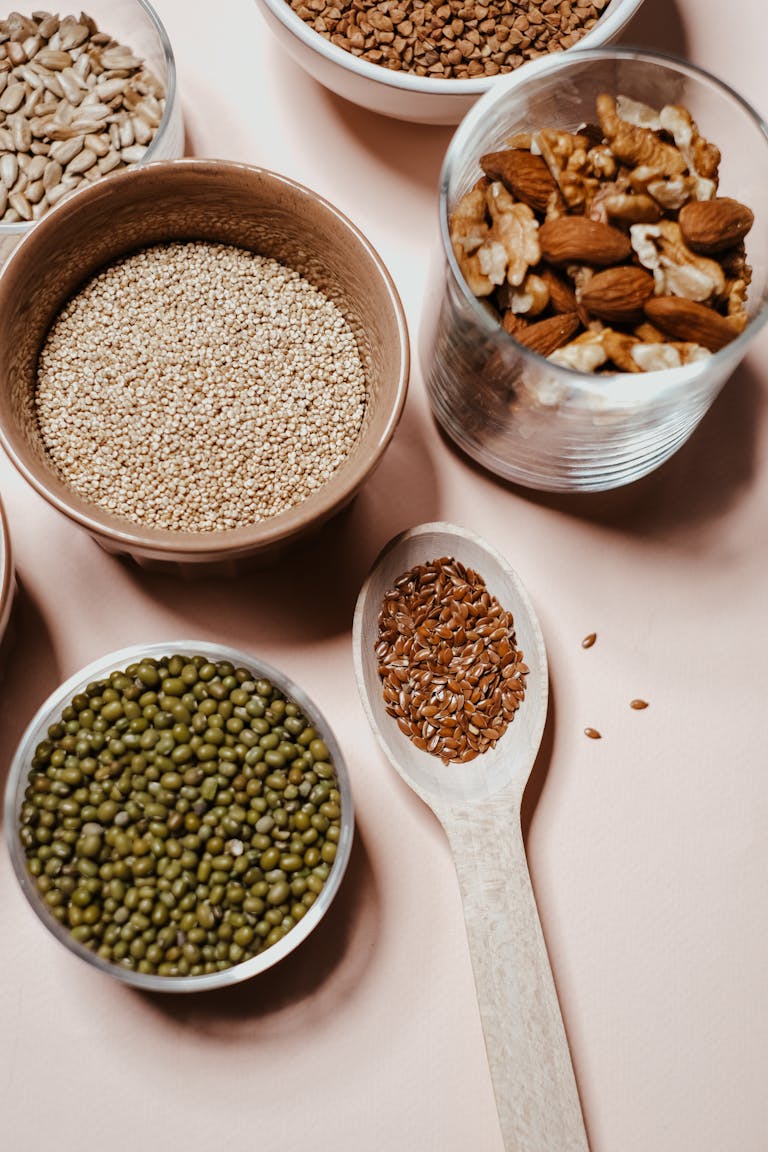
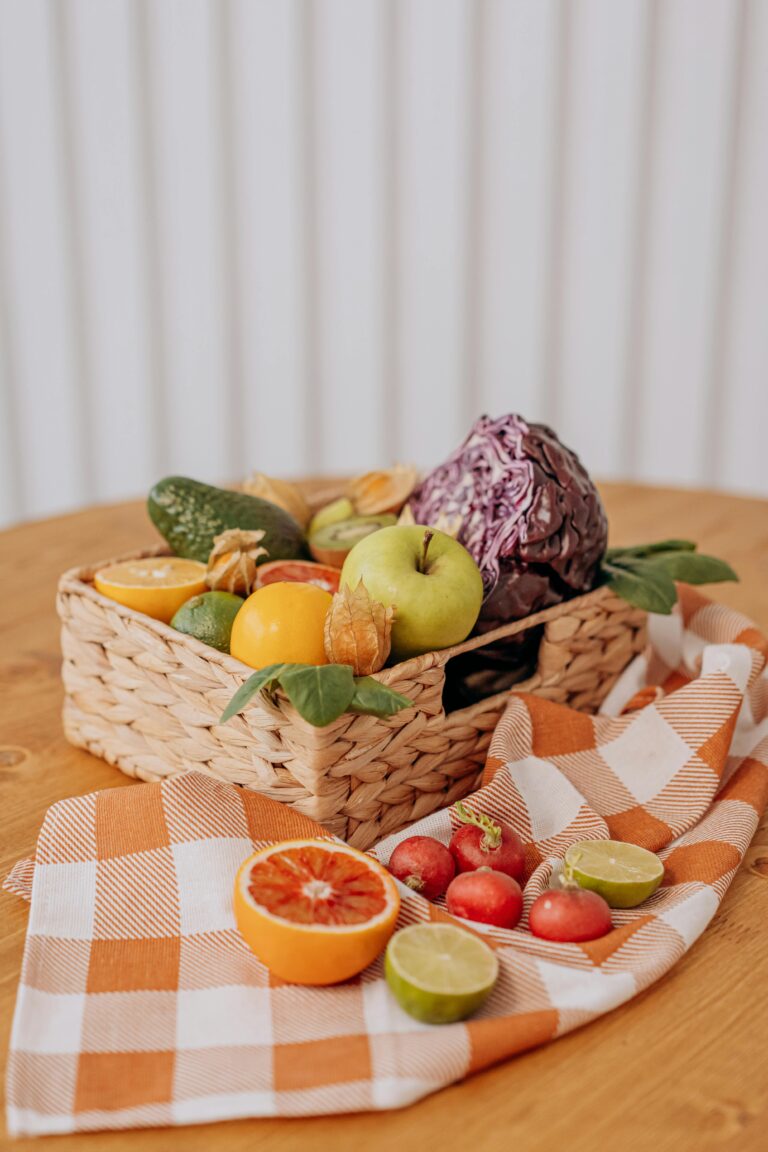
When you’re adding more fiber to your diet, it helps to start with this type of fiber — found in foods like oats, chia seeds, beans, lentils, apples, and citrus fruits — because it’s generally gentler on digestion.
Build up these options first before gradually introducing higher amounts of insoluble fiber from sources like whole grains and raw vegetables.
4. Cook your veggies
Cooking your vegetables can make a big difference when you’re increasing fiber intake, especially if you’re prone to bloating. This is because heat breaks down some of the tough plant fibers, making them easier for your digestive system to handle compared to eating them raw.
As your body adjusts over time, you may find you can tolerate more raw vegetables, but starting with steamed, roasted, or sautéed versions can help you ease into a higher-fiber diet more comfortably.
5. Spread fiber intake throughout the day
Instead of loading up on fiber all at once, try spreading your intake throughout the day so your digestive system isn’t overwhelmed in a single sitting.
Having a high-fiber breakfast, lunch, and dinner (rather than one very fiber-heavy meal) gives your gut more time to process everything comfortably.
For example, you might add oats with fresh fruit at breakfast, legumes at lunch, and cooked veggies at dinner. This even distribution can help reduce bloating and gas while still helping you hit your daily fiber goals.
6. Chew food thoroughly
Taking time to chew your food thoroughly can make a bigger difference than most people realize when it comes to digestion and bloating.
Chewing breaks food down into smaller pieces, which helps your stomach and intestines process fiber more efficiently and with less strain. It also mixes food with your saliva, which contains enzymes that kickstart digestion before food even reaches your stomach.
Eating too quickly or not chewing enough can lead to swallowing excess air and more digestive discomfort, so slowing down at meals can be a simple but effective way to support a smoother transition as you ramp up your fiber intake.
7. Be mindful of FODMAPs
Some high-fiber foods can also be high in FODMAPs, which are certain types of carbohydrates that are more likely to ferment in the gut and cause gas or bloating in sensitive people.
Foods like onions, garlic, beans, lentils, and some fruits can be especially triggering for some individuals, even though they’re nutritious and rich in fiber.
If you notice discomfort after eating more fiber, it may not be the fiber itself but how your body responds to these specific compounds.
Paying attention to your personal tolerance and choosing lower-FODMAP options at first can help you build fiber intake more comfortably and minimize bloating.
8. Prioritize probiotics
Promoting gut health with probiotics might make it a bit easier to handle a higher-fiber diet, especially if you’re dealing with bloating as you make changes.
Probiotics (found naturally in fermented foods like yogurt, kefir, sauerkraut, and kimchi) introduce beneficial bacteria that break down fiber more efficiently and help balance your gut microbiome.
Over time, a more diverse gut microbiome may reduce gas and enhance digestion, making your transition to eating more fiber feel a lot more sustainable.
9. Soak or rinse beans before eating
Beans are naturally rich in fiber, but they also contain certain compounds that can be harder to digest and may contribute to gas.
Soaking dried beans before cooking helps break down some of these substances, whereas rinsing canned beans removes excess starches that can cause digestive discomfort.
These simple prep steps can make beans much gentler on your system so you can still enjoy their benefits with fewer side effects.
10. Listen to your body
One of the most important parts of figuring out how to eat more fiber without bloating is simply paying attention to how your body responds.
Everyone’s tolerance is different, so what works well for one person may feel uncomfortable for another.
If you notice certain foods consistently cause gas or bloating, scale back and reintroduce them more slowly, or try them in smaller portions alongside easier-to-digest options.
Your gut will often give you clear feedback as you adjust your intake, and tuning in to those signals can help you build a higher-fiber diet that feels healthy and sustainable.


High-fiber foods that are easy to tolerate
Not all fiber-rich foods affect your digestion the same way. If you’re interested in figuring out how to eat more fiber without bloating, focusing on easy-to-digest high-fiber foods is a solid place to start.
In general, foods that are rich in soluble fiber and cooked or softened tend to be gentler on the stomach. Soluble fiber absorbs water and forms a gel-like texture, which can help support digestion without producing as much gas as some high-fiber foods.
Some examples of fiber-rich foods that are easy to tolerate include:
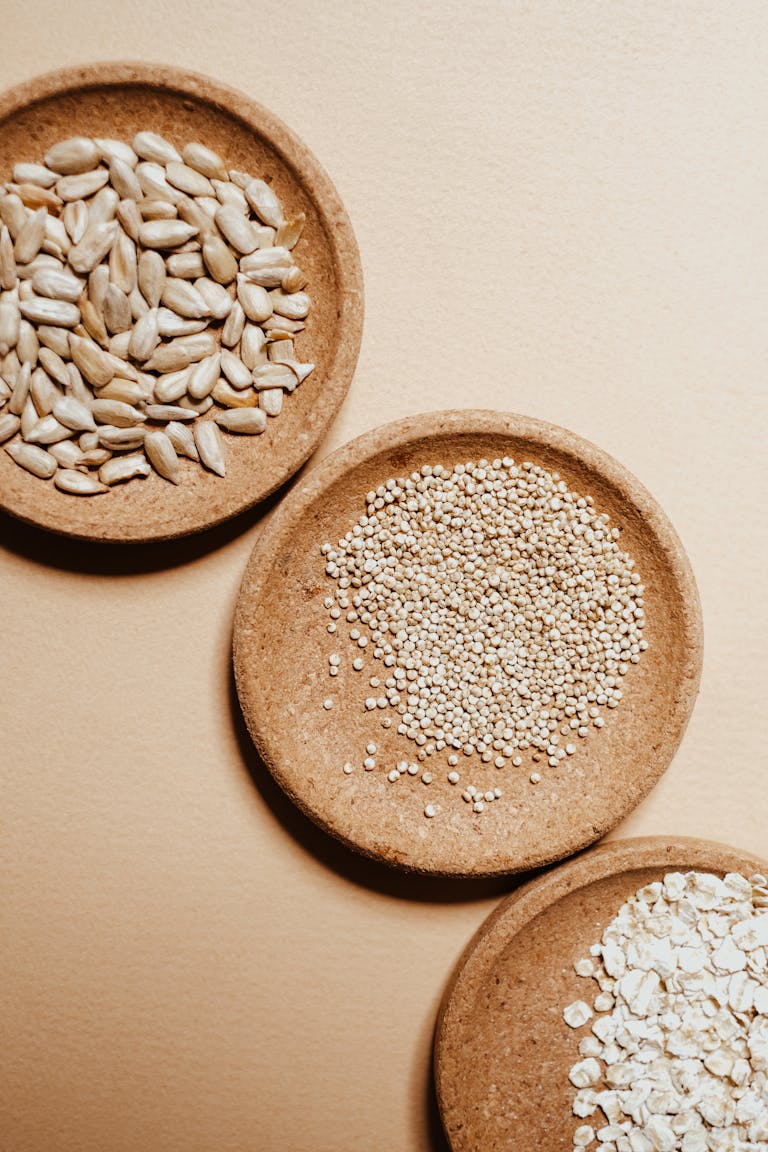
- oats and oatmeal
- chia seeds
- ground flaxseeds
- bananas
- applesauce or peeled apples
- cooked carrots
- cooked zucchini
- white potatoes
- sweet potatoes
- lentils (especially when well-cooked)
- rice
- quinoa
Cooking methods are also important. Roasting, steaming, or sautéing vegetables can help break down some of the tougher fibers, making them easier to digest compared to raw forms.
Keep in mind that everyone’s tolerance is a little different, so it can help to introduce new foods one at a time and see how your body responds. Starting with these gentler options can help you build up your fiber intake and keep bloating to a minimum.
Fiber-rich foods more likely to cause bloating
Even though fiber is incredibly healthy, certain high-fiber foods are more likely to cause bloating, especially if you’re not used to eating them regularly. This is usually due to certain types of fermentable carbohydrates that are quickly broken down by gut bacteria, producing excess gas in the process.
Foods that commonly trigger bloating include:
- beans and legumes
- cruciferous vegetables such as broccoli, cauliflower, cabbage, and Brussels sprouts
- onions and garlic
- apples, pears, and watermelon
- wheat-based products (like bread and pasta)
- high-fiber cereals and bran products
For many of these foods, how you prepare them can make a difference. For example, soaking beans, cooking veggies, or choosing smaller portions could help improve your tolerance. Over time, you might even find that your body adapts and these foods become easier to digest.
Sample high-fiber meal plan
Here’s a simple 3-day sample meal plan designed to help you eat more fiber without bloating and keep meals balanced, easy to digest, and (most importantly) delicious.
Day 1
- Breakfast: oatmeal cooked with soy milk, topped with sliced banana and chia seeds
- Lunch: quinoa bowl with sautéed zucchini, carrots, and olive oil, plus grilled chicken
- Dinner: salmon with brown rice, steamed spinach, and carrots
- Snack: Greek yogurt with blueberries
Day 2
- Breakfast: overnight oats with strawberries, chia seeds, and almond butter
- Lunch: lentil soup with whole-grain bread
- Dinner: brown rice bowl with roasted sweet potato, sautéed bell peppers, and tempeh
- Snack: sliced apples with peanut butter
Day 3
- Breakfast: smoothie with spinach, berries, banana, flaxseed, and milk
- Lunch: tofu wrap on whole-wheat tortilla with hummus, lettuce, and cooked roasted veggies
- Dinner: stir-fry with shrimp, cooked broccoli, carrots, bell peppers, and quinoa
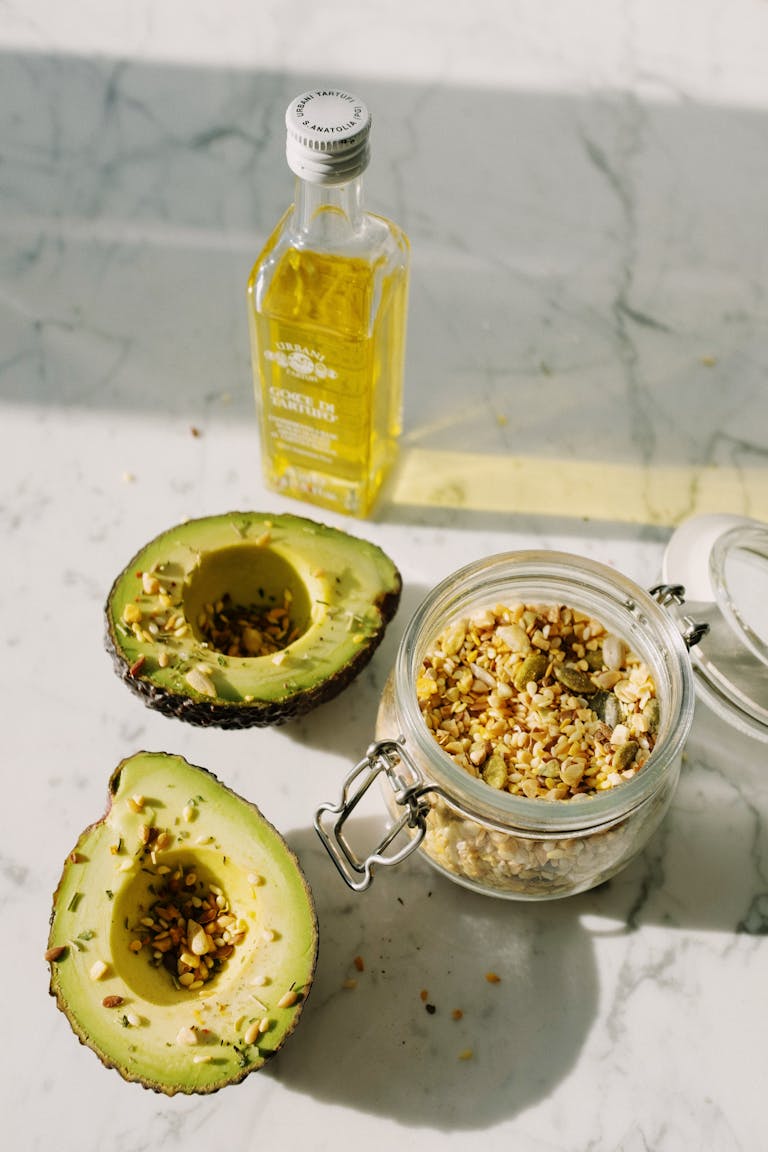
- Snack: carrot sticks with hummus or guacamole
When to talk to a doctor
A bit of bloating from fiber is completely normal, especially if you’ve recently increased your intake. But there are times when digestive symptoms shouldn’t be ignored. Knowing when to check in with your doctor can help you catch underlying issues early and get the right support.
If your bloating is persistent, severe, or worsening over time, it’s a good idea to talk to a healthcare provider. Occasional discomfort after a high-fiber meal is one thing, but daily bloating that doesn’t improve with simple diet adjustments may signal something more going on.
You should also seek medical advice if bloating is paired with other symptoms, such as:
- ongoing abdominal pain or cramping
- unintentional weight loss
- changes in bowel habits
- blood in your stool
- feeling full quickly after eating small amounts
It’s also worth talking to a doctor or dietitian if you’re struggling to increase your fiber intake without discomfort. They can help you find the right balance, identify trigger foods, and create a plan that promotes better digestion without negative side effects.
FAQ
More helpful articles
Conclusion
By easing into higher-fiber foods, staying hydrated, and paying closer attention to how your body responds, you can help minimize uncomfortable side effects like bloating while also increasing your intake of fiber. Eventually, your gut will slowly start to adapt, making it easier to enjoy the many benefits of fiber without the unpleasant side effects.