RAD Diet for Lipedema: Foods to Eat, Benefits & Meal Plan
Quick summary
If you have lipedema or another rare adipose disorder, you may have come across the RAD diet while looking for ways to manage your symptoms. But with so many different diets out there (and tons of conflicting nutrition advice to go along with them), you might be wondering what makes this one any different.
The Rare Adipose Disorders diet (aka the RAD diet) focuses on filling up your plate with nutritious foods like fruits, veggies, whole grains, and healthy fats. It also encourages cutting back on added sugar, refined carbs, and highly processed foods, with the goal of promoting blood sugar control, weight management, and overall health.
So, what can you actually eat on the RAD diet, and is it worth trying? Read on for a simple breakdown of how the RAD diet works, its potential benefits and downsides, foods to eat and limit, and a sample meal plan to help you put it all into practice.
What is the RAD diet?
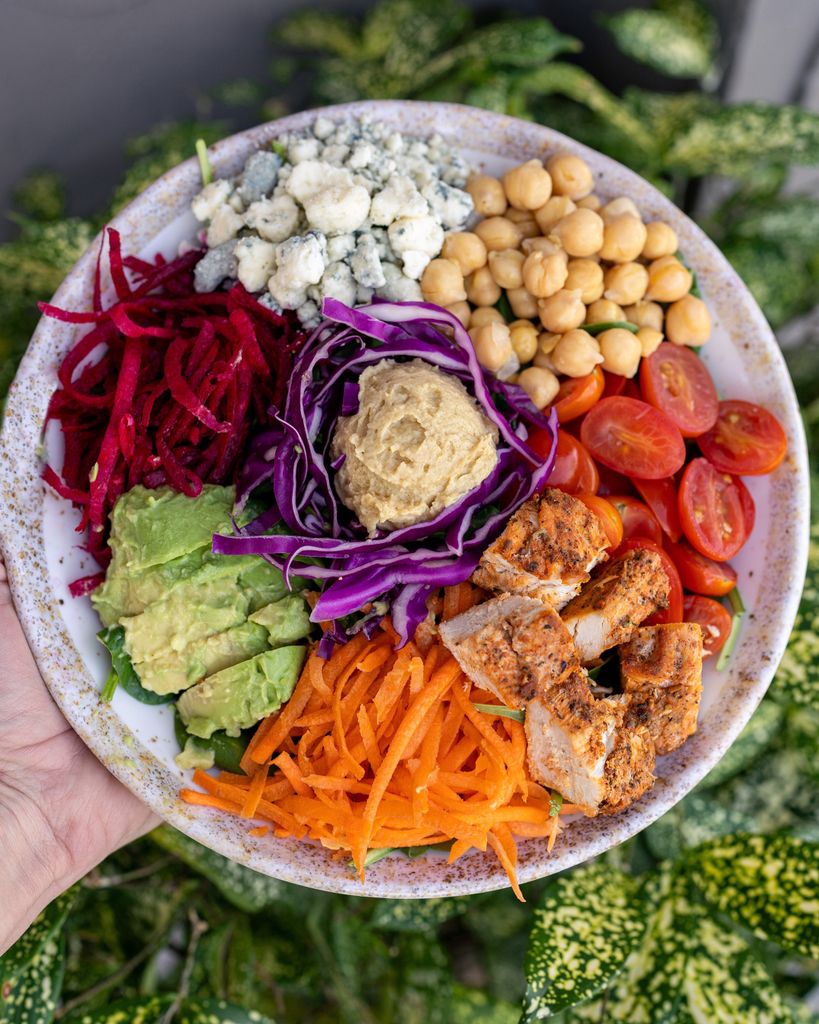
The RAD diet (short for Rare Adipose Disorders diet) is an eating pattern designed for people with rare adipose disorders, including lipedema. It’s all about eating a variety of nutrient-dense, minimally processed foods to support overall health and manage symptoms.
Usually, it involves filling your plate with lots of fruits and veggies, fiber-rich carbs, protein, healthy fats, and omega-3s. The RAD diet also encourages cutting back on added sugar, refined carbohydrates, and other highly processed foods.
The RAD diet has a lot of overlap with the Mediterranean diet, but often with a few extra guidelines. Some versions recommend avoiding certain foods like gluten or dairy, but there isn’t strong evidence that everyone with lipedema needs to cut these foods out. In fact, the RAD diet doesn’t have an official rulebook, so recommendations can vary quite a bit.
How does the RAD diet work?
At its core, the RAD diet is pretty simple: it’s all about filling your plate with nourishing foods and cutting back on foods that may contribute to blood sugar spikes and inflammation.
The idea is to create an eating pattern that helps balance blood sugar levels and promote a healthy inflammatory response. And because the RAD diet is meant to be sustainable, it emphasizes making nutritious choices most of the time rather than following a strict set of rules religiously.
Of course, there’s no magic food that can make lipedema disappear. And because research on the RAD diet is still limited, there’s no guarantee that it will improve symptoms for everyone. That said, it can be a helpful food-first approach to manage symptoms and keep you feeling your best.
Stay in the loop!
Healthy eating tips & recipes delivered directly to your inbox
Benefits of the RAD diet
The RAD diet isn’t a magic cure for lipedema or other rare adipose disorders, but it does emphasize many of the same foods that are linked with better overall health. Plus, early research suggests that eating patterns with a lower inflammatory potential may actually be helpful for people with lipedema.
Here are some of the potential benefits of the RAD diet.
May help lower inflammation
The RAD diet emphasizes anti-inflammatory foods like vegetables, fruits, whole grains, nuts, seeds, and omega-3-rich foods while cutting back on highly processed foods and added sugar.
This could be especially beneficial for lipedema, which is characterized by inflammation in your fat cells.
Interestingly, recent research in women with lipedema shows that greater adherence to a Mediterranean-style diet (which is very similar to the RAD diet) is associated with lower levels of certain inflammatory markers.
Could lead to better blood sugar control
By pairing fiber-rich carbs with protein and healthy fats, the RAD diet can help create more balanced meals and keep blood sugar levels steady.
This may be particularly helpful if you’re looking to stay satisfied between meals.
It’s also beneficial for those with lipedema, as studies show that around one-third of women with the condition also have insulin resistance, which makes it more challenging to manage blood sugar levels.
Might support weight management
The RAD diet may also be useful for weight management, thanks to its focus on filling, nutrient-dense foods. Meals built around protein, fiber, and healthy fats can help you feel satisfied while crowding out foods that are easy to overeat, such as sugary drinks and highly processed snacks.
Of course, losing weight won’t cure lipedema or completely eliminate the characteristic fat distribution or changes in the affected tissue. However, research suggests that moderate weight loss could help reduce overall body fat, improve metabolic health, and enhance quality of life in people with lipedema.
Potential downsides of the RAD diet
Even though the RAD diet is tied to several possible benefits, it isn’t without its drawbacks. Here are a few downsides to keep in mind:
- It can feel restrictive: Some versions recommend avoiding foods like gluten, dairy, refined carbohydrates, and added sugar, which can make the diet harder to follow day to day.
- Some restrictions aren’t well supported by research: There isn’t one standardized RAD diet or strong evidence that everyone with lipedema needs to avoid specific foods like gluten or dairy.
- It can make getting enough nutrients more challenging: Cutting out entire food groups can make it harder to get certain nutrients, especially if you’re not replacing those foods with nutritionally similar options.
- It isn’t a cure for lipedema: The RAD diet may support overall health and potentially help with some symptoms, but it won’t eliminate or cure lipedema.
How to follow the RAD diet
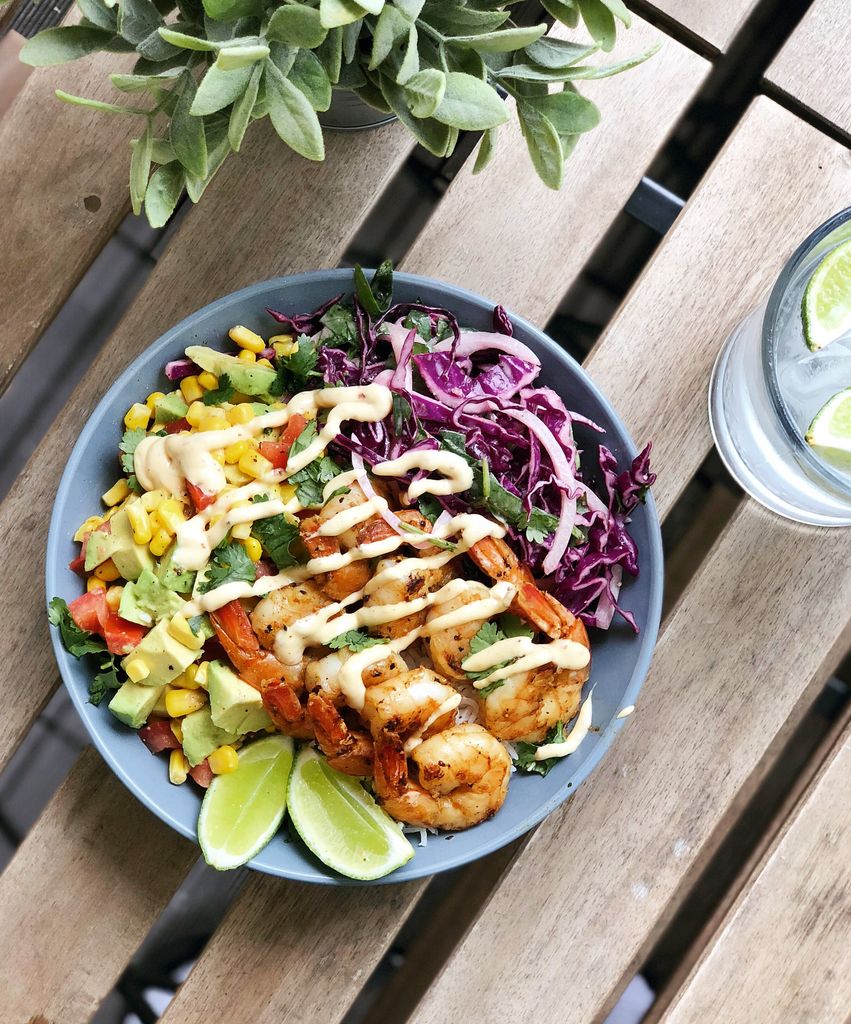
Ready to give the RAD diet a try? The good news is that the basics are actually pretty simple: build most of your meals around whole foods, add lots of protein and fiber, and keep highly processed foods and added sugar to a minimum.
Here are a few simple tips to get started:
- Fill up on vegetables: Aim to make veggies a big part of your meals, especially colorful, fiber-rich options like leafy greens, broccoli, peppers, and Brussels sprouts.
- Choose high-fiber carbs: Opt for foods like oats, quinoa, beans, lentils, sweet potatoes, and whole grains over highly refined carbs.
- Include protein at each meal: Protein can promote muscle health and make meals more filling. Prioritize minimally processed sources of protein whenever possible, such as fish, eggs, poultry, beans, lentils, tofu, or tempeh.
- Choose healthy fats: Make room for foods rich in unsaturated fats, such as olive oil, avocado, nuts, seeds, and fatty fish.
- Keep added sugar and highly processed foods in check: You can still enjoy your favorite treats in moderation, but try to make whole foods and minimally processed ingredients the staples in your diet.
- Pair carbohydrates with protein and fat: Combining carbs with protein, fiber, or healthy fats can help slow digestion and support steady blood sugar levels.
- Don’t automatically eliminate foods: Some RAD diet plans recommend avoiding gluten or dairy, but these foods don’t necessarily need to be removed unless you have a specific reason to avoid them.
Foods to eat and limit
Wondering what actually makes the cut on the RAD diet? Luckily, there are lots to options choose from. The focus is on nutrient-dense, minimally processed foods, with a few categories worth keeping on the lighter side.
Foods to eat
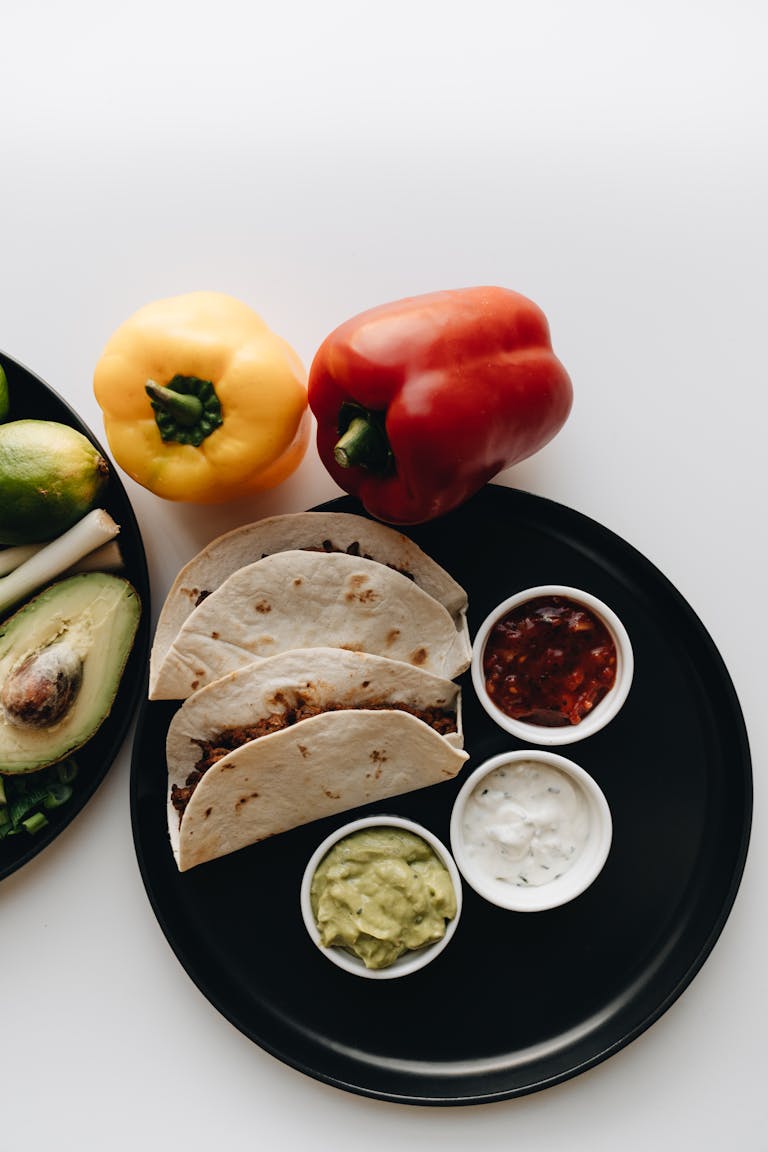
- Vegetables: broccoli, cabbage, cauliflower, leafy greens, bell peppers, tomatoes, Brussels sprouts, squash
- Fruits: berries, apples, oranges, kiwi, grapefruit, bananas, grapes
- High-fiber carbs: oats, quinoa, brown rice, barley, sweet potatoes, beans, lentils, chickpeas
- Proteins: fish, eggs, poultry, beans, lentils, tofu, tempeh
- Healthy fats: extra-virgin olive oil, avocado, nuts, seeds, nut butters, seed butters
- Omega-3-rich foods: salmon, sardines, walnuts, chia seeds, ground flaxseeds, hemp seeds
Foods to limit or avoid
- Added sugar: candy, cookies, pastries, sugary cereals, soda, sweetened drinks
- Refined carbs: white bread, white rice, regular pasta, crackers, white tortillas, sugary breakfast cereals
- Highly processed foods: chips, packaged snack foods, fast food, convenience meals
- Fried foods: french fries, fried appetizers, mozzarella sticks, donuts
- Processed meats: bacon, sausage, hot dogs, deli meats
- Alcohol: beer, wine, cocktails, liquor
In addition to the foods listed above, some versions of the RAD diet also recommend avoiding gluten and dairy.
However, these foods aren’t necessarily off-limits for everyone. Unless you have an allergy, intolerance, or another reason to avoid them, there’s no strong evidence that everyone with lipedema needs to eliminate them.
Sample RAD diet meal plan
Here’s a simple three-day RAD diet meal plan, which is built around vegetables, fiber-rich carbs, protein, and healthy fats. Feel free to mix and match meals based on your preferences and swap in your favorite recipes!
Day 1
- Breakfast: Apple Pie Overnight Oats
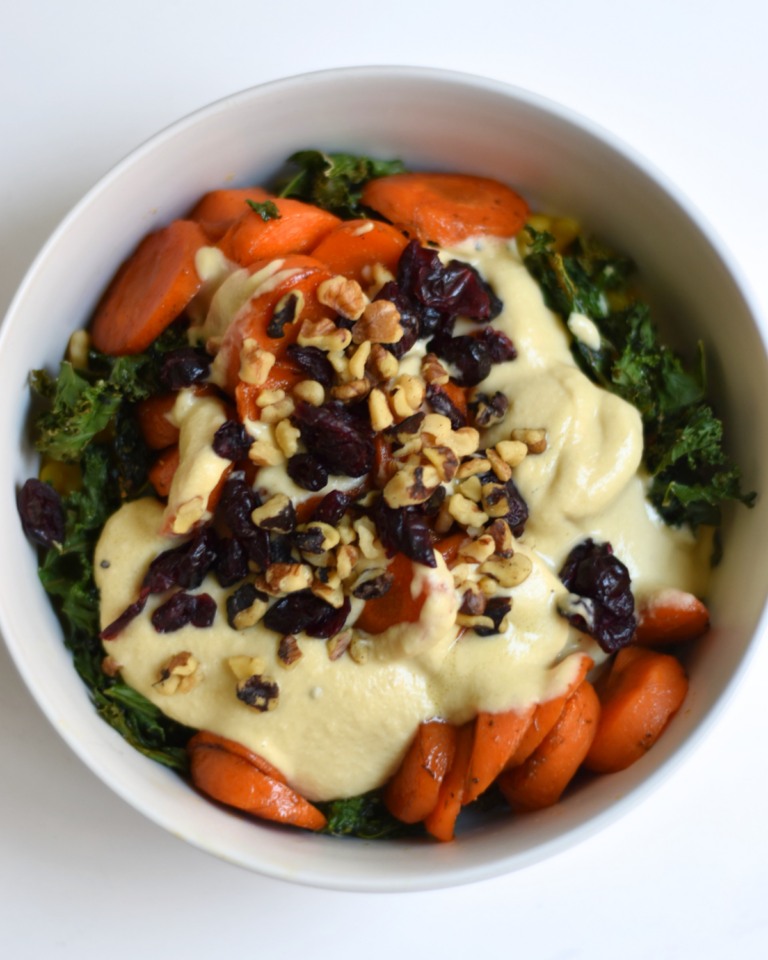
- Lunch: Mediterranean quinoa bowl with chickpeas, cucumber, tomatoes, greens, and avocado
- Dinner: Swiss Chard Pasta with White Beans
- Snacks: berries with walnuts; hummus with carrots and bell peppers
Day 2
- Breakfast: Greek yogurt topped with berries, chia seeds, walnuts, and cinnamon
- Lunch: grilled chicken with asparagus and couscous
- Dinner: Instant Pot Sweet Potato Chili
- Snacks: sliced apples with almond butter; hard-boiled egg with salt and pepper
Day 3
- Breakfast: veggie scramble with eggs, spinach, bell peppers, tomatoes, and avocado
- Lunch: Vegan Fall Pasta Salad with Pumpkin-Dijon Dressing
- Dinner: baked salmon with brown rice and Roasted Broccoli
- Snacks: pear with walnuts; roasted chickpeas
FAQ
More helpful articles

Lipedema Diet and Nutrition: Foods, Meal Ideas, and Tips

Most Common Nutrient Deficiencies in Women and How to Prevent Them
Conclusion
The RAD diet is all about building your meals around nutrient-dense, minimally processed foods while also cutting back on added sugar, refined carbs, and highly processed options.
Even though it won’t cure lipedema or other rare adipose disorders, it can help balance blood sugar levels, promote weight management, and support better health.
Plus, it’s super flexible and easy to follow: simply focus on filling your plate with plenty of plants, protein, fiber, and healthy fats, and make adjustments that work for you.