Blue Zones Diet for Beginners: Foods, Benefits & Meal Plan
Quick summary
If eating more pasta, enjoying a hearty bowl of bean soup, and lingering over dinner while chatting with friends sounds like your kind of diet, the Blue Zones approach might catch your attention. It draws inspiration from communities known for their high concentrations of centenarians (aka people 100 years and older) and gives nutritious staples like beans, veggies, and whole grains a chance to shine.
Of course, there’s no secret chickpea recipe that guarantees you’ll live to 100. But the Blue Zones Diet offers an appealing starting point for anyone looking to eat more plant foods, with meals that can be simple, satisfying, and full of flavor.
So, what does the Blue Zones Diet actually involve? Here’s a closer look at how it works, its potential benefits and limitations, and what to put on your plate, plus a five-day meal plan to help you get started.
What is the Blue Zones Diet?
The Blue Zones Diet is an eating pattern inspired by the traditional diets of communities known for unusually long lives in areas dubbed (you guessed it!) “Blue Zones.”
It was popularized by author and explorer Dan Buettner through his work on five specific regions, including:
- Okinawa, Japan
- Sardinia, Italy
- Ikaria, Greece
- Nicoya Peninsula, Costa Rica
- Loma Linda, California
Of course, people in Okinawa, Sardinia, and Loma Linda aren’t sitting down to identical dinners, and each Blue Zone region has its own unique food traditions, ingredients, and favorite dishes.
The modern Blue Zones Diet draws inspiration from their shared habits, especially eating a variety of plant foods with smaller amounts of meat.
Food is also just one aspect of the Blue Zones approach. Regular movement, strong social connections, and a sense of purpose are also part of the bigger picture. The diet offers ideas for bringing some of those eating habits into your own kitchen to support longevity and overall health.
How does the Blue Zones Diet work?
The Blue Zones Diet puts plants at the center of most meals. Vegetables, fruits, beans, whole grains, and nuts make up the foundation, while meat plays a much smaller role.
You don’t have to go completely vegan or vegetarian, though, and the traditional diets that inspired it vary in how much fish, eggs, and dairy they include.
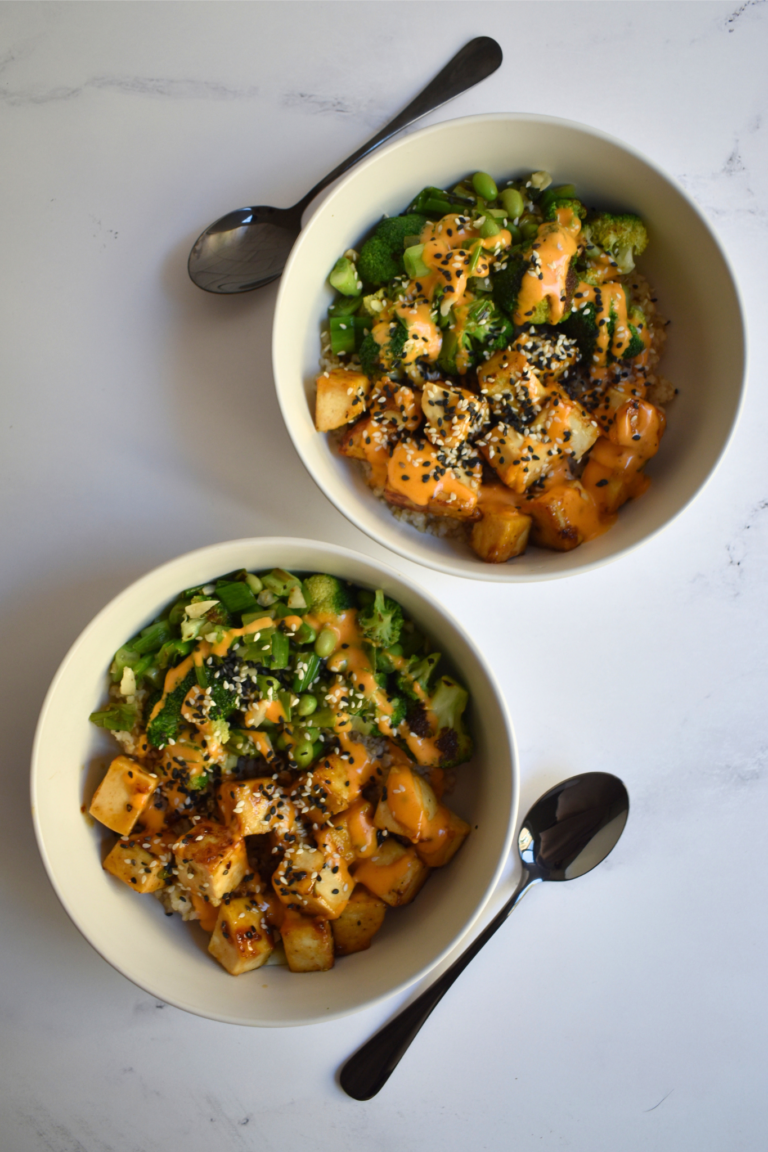
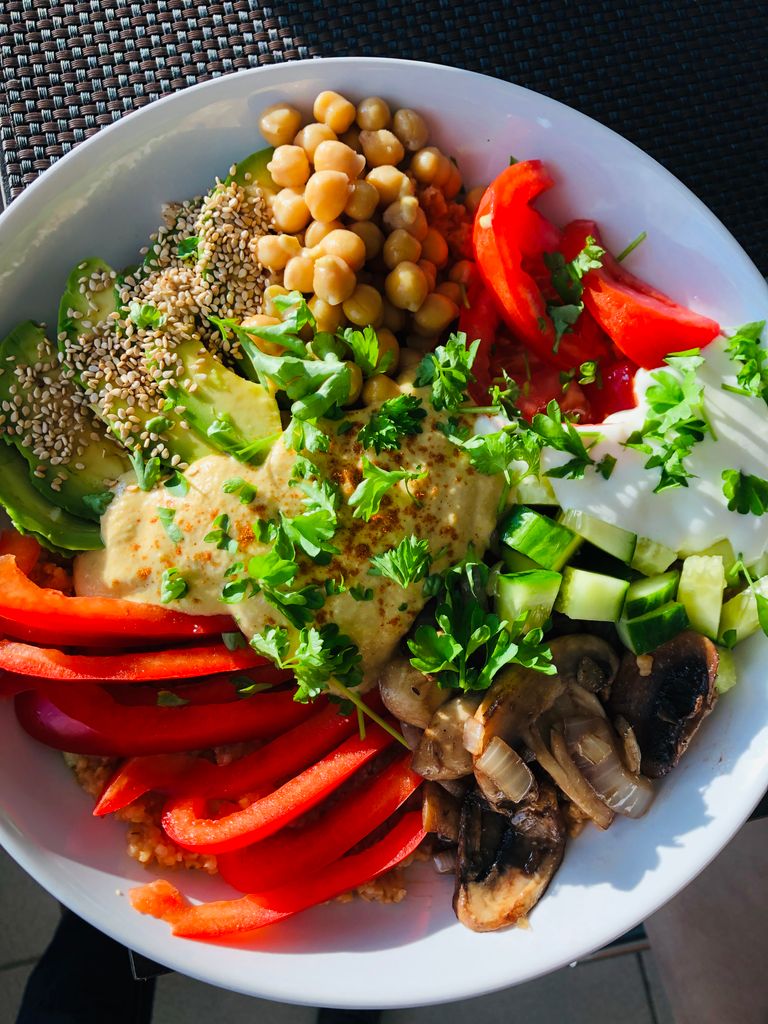
To put it into practice, start with foods you already enjoy. Add white beans to your favorite soup, build a Buddha bowl with roasted veggies and chickpeas, or top your morning oatmeal with fresh fruit and walnuts.
How you eat matters, too. The broader Blue Zones approach encourages paying attention to fullness cues and making meals an opportunity to connect with other people.
Another common practice is the Okinawan tradition of hara hachi bu, or stopping when you feel about 80% full. This encourages mindful eating and gives your brain time to register fullness before you accidentally overeat.
Stay in the loop!
Healthy eating tips & recipes delivered directly to your inbox
What to eat on the Blue Zones Diet
Following the Blue Zones Diet is easier than it might seem. The general idea is to enjoy more plant foods while cutting back on meat, sugary drinks, and sweets.
Here’s a closer look at the foods to enjoy and which ones you should limit.
Foods to eat
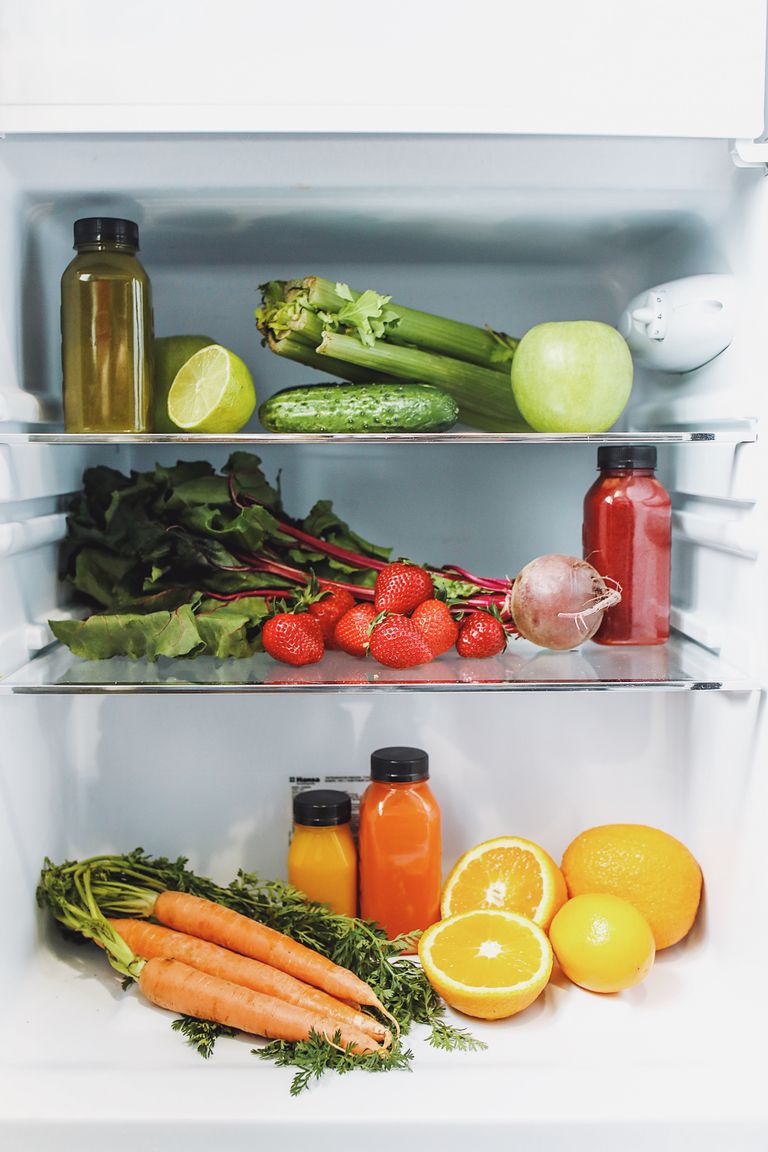
Plant-based foods are a key component of the Blue Zones Diet. Stock your kitchen with a mix of these staples to make throwing together meals a little easier:
- Fruits: strawberries, oranges, apples, bananas, blueberries, grapes, peaches
- Vegetables: broccoli, cucumbers, tomatoes, carrots, cabbage, kale, spinach, zucchini
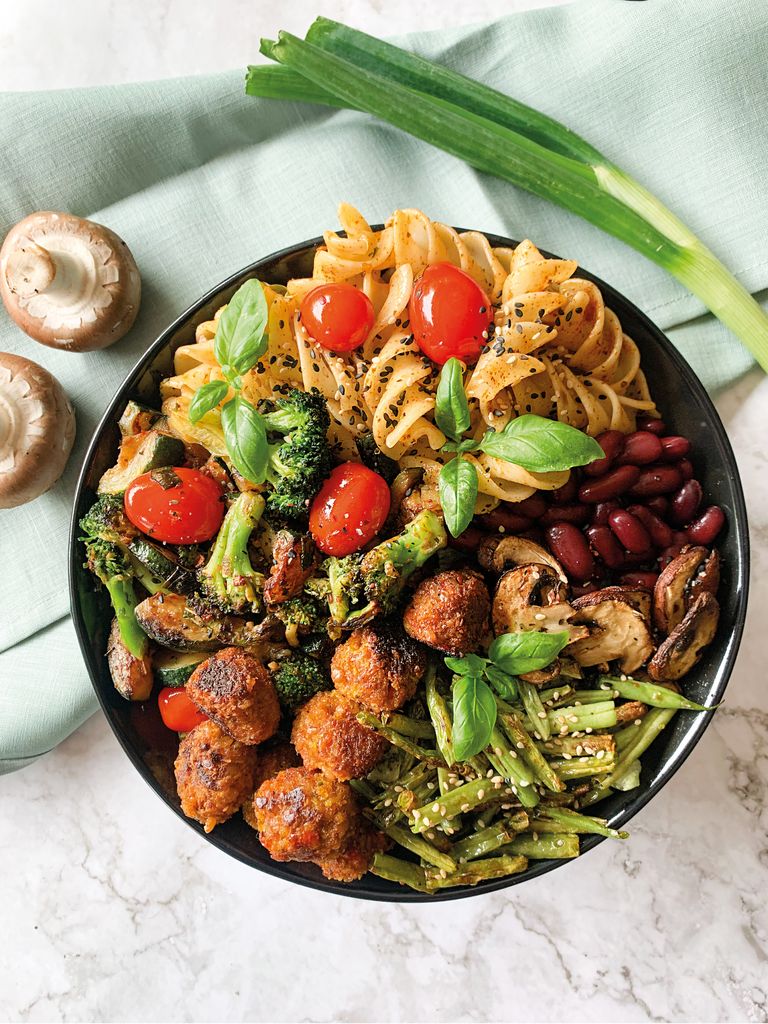
- Beans and legumes: black beans, chickpeas, lentils, white beans, kidney beans, black-eyed peas
- Soy foods: tofu, tempeh, edamame, miso, natto
- Whole grains: oats, barley, brown rice, whole-wheat pasta, whole-wheat bread
- Starchy vegetables: sweet potatoes, potatoes, corn, winter squash
- Nuts and seeds: walnuts, almonds, pistachios, peanuts, pumpkin seeds, sunflower seeds, flaxseeds, chia seeds
- Healthy fats: olive oil, avocados, nuts, seeds
- Herbs and spices: garlic, basil, oregano, rosemary, thyme, turmeric, cinnamon
- Beverages: water, unsweetened tea, black coffee
Foods to limit
The Blue Zones Diet encourages keeping certain foods as occasional additions rather than mainstays on your menu. Here are some foods to cut back on:
- Red meat: beef, pork, lamb, veal
- Processed meats: bacon, sausage, hot dogs, salami, deli meats
- Poultry: chicken, turkey, duck
- Dairy products: cow’s milk, cheese, butter, cream, yogurt
- Eggs: whole eggs and egg-based dishes
- Sugary foods: candy, cookies, cakes, pastries, sugary cereals
- Sweetened beverages: soda, sweetened tea, energy drinks, fruit drinks
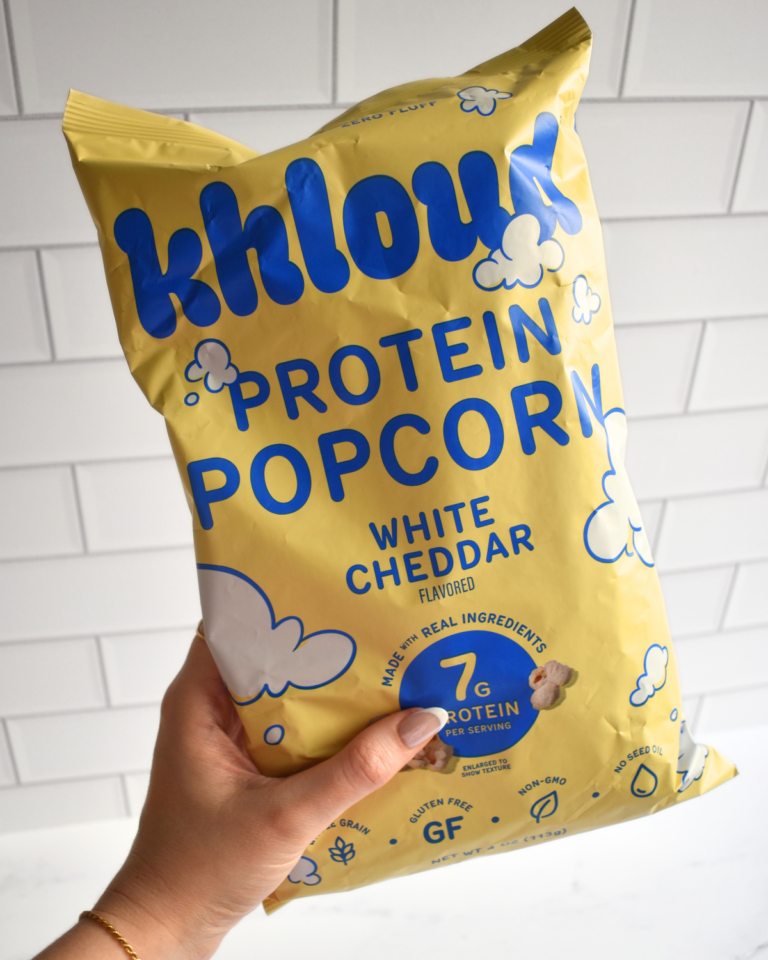
- Processed snack foods: chips, pretzels, cheese puffs, packaged snack cakes
Fish and seafood appear in small amounts in some traditional diets in Blue Zones, whereas others are completely vegetarian. Dairy and egg intake also varies by region, so these foods don’t necessarily need to be eliminated entirely and can be enjoyed in moderation.
Potential benefits of the Blue Zones Diet
With beans, veggies, whole grains, and nuts getting so much space on your plate on the Blue Zones Diet, this eating pattern definitely has a lot going for it nutritionally.
Here are some potential perks of the Blue Zones Diet.
It may improve heart health
Simple swaps, like cooking with olive oil instead of butter or replacing some processed meat with beans, can help increase your intake of unsaturated fat while also cutting back on saturated fat.
This may help lower LDL (aka “bad”) cholesterol, which is a risk factor for heart disease.
Plant-based eating patterns can also promote healthy blood pressure levels, especially when paired with a lower sodium intake.
Plus, the Blue Zones Diet also encourages fiber-rich foods like oats, beans, and apples, which may help lower cholesterol and blood pressure levels.
It could balance blood sugar levels
Despite what some diet trends suggest, you don’t have to cut carbs completely to maintain healthy blood sugar levels.
Many carb-rich foods included on the Blue Zones Diet — such as beans, oats, and fruit — are also high in soluble fiber, a type of fiber that slows down the absorption of sugar in your bloodstream to help balance blood sugar levels.
What’s more, studies show that sticking to a plant-based diet and eating higher amounts of fruits and veggies may also be linked to better blood sugar control.
It could promote gut health
Filling your plate with plant-based foods is a great way to keep things moving through your gut. Fiber adds bulk to stool, and getting enough fluid helps it work properly, promoting regularity and making bowel movements easier to pass.
Some fibers also feed the beneficial bacteria in your gut. As gut bacteria break down fiber, they produce compounds called short-chain fatty acids, including butyrate, which helps fuel the cells lining your colon.
Research shows that maintaining healthy levels of butyrate could help strengthen the barrier of the gut, reduce inflammation, and even boost the health of your gut microbiome.
It might aid weight management
Even though the Blue Zones Diet isn’t designed for weight loss specifically, it could be helpful for managing your weight.
This is because it encourages foods high in fiber, which slows the emptying of your stomach to help you feel full for longer after eating. That may make it easier to manage hunger between meals without constantly thinking about your next snack.
That said, following the Blue Zones Diet won’t automatically lead to weight loss. Your portions, overall food intake, activity level, and individual needs all play a role.
It could support healthy aging
While no single food can unlock a longer life, your overall eating pattern can definitely impact your health in the long run. In fact, a diet that promotes healthy cholesterol, blood pressure, and blood sugar levels can help address several risk factors for chronic disease, which could lead to increased longevity.
Interestingly enough, research has linked high-quality plant-based diets with a lower risk of premature death. For example, a large study found that eating more nutritious plant foods was associated with a lower risk of death from all causes, along with heart disease.
Another study showed that following a nutritious plant-based diet was tied to a two-year longer life span and a significantly lower risk of premature death from cancer, heart disease, and other causes.
Drawbacks and limitations of the Blue Zones Diet
The Blue Zones Diet has several possible perks, but there are some definite downsides, and it isn’t a proven formula for living to 100.
Most of the supporting research used to back the Blue Zones Diet is observational or looks at similar plant-based eating patterns, which means that it’s hard to say whether or not following this specific diet leads to a longer life.
Movement, social connections, and other lifestyle factors also make it much more difficult to tease out the role of food alone.
Additionally, some recommendations might feel restrictive, especially if meat, dairy, or eggs are a regular part of your meals.
If you find that it’s hard to follow, you can adapt the general principles to your preferences and nutritional needs without following every rule perfectly.
And if you’re suddenly eating a lot more beans and whole grains, make sure you increase your fiber intake gradually and drink enough water to avoid digestive discomfort.
Sample Blue Zones Diet meal plan
Ready to give the Blue Zones Diet a try? Here’s a five-day sample meal plan that puts the diet’s plant-forward principles into practice. Swap in your favorite recipes and adjust portions and snacks as needed to suit your appetite and personal preferences.
Day 1
Breakfast: oatmeal with blueberries, walnuts, cinnamon, and soy milk
Lunch: baked falafel bowls with bulgur, chopped vegetables, and tahini sauce
Dinner: Lentil Chickpea Veggie Loaf with roasted sweet potatoes and sautéed kale
Snacks: apple with almond butter; cucumber slices with hummus
Day 2
Breakfast: soy yogurt with strawberries, oats, and pumpkin seeds
Lunch: white bean and barley soup with carrots, tomatoes, and spinach
Dinner: One-Pan Pesto Chickpea Rice Bake with a side of steamed broccoli
Snacks: orange slices; handful of walnuts
Day 3
Breakfast: whole-wheat toast with peanut butter and sliced banana
Lunch: Mediterranean chickpea salad with tomatoes, cucumber, olives, and lemon-olive oil dressing
Dinner: Instant Pot Sweet Potato Chili with Black Beans and Quinoa
Snacks: grapes; roasted chickpeas
Day 4
Breakfast: overnight oats with chia seeds, chopped apple, cinnamon, and soy milk
Lunch: Vegan Fall Pasta Salad with Pumpkin-Dijon Dressing, made with whole-wheat pasta
Dinner: black bean burrito bowl with brown rice, pico de gallo, cabbage, avocado, pickled red onion, and cashew queso
Snacks: sliced pear; air-popped popcorn
Day 5
Breakfast: tofu scramble with spinach and tomatoes, served with whole-wheat toast
Lunch: vegan sushi bowl with brown rice, baked tofu, roasted sweet potatoes, cucumber, carrots, and avocado
Dinner: baked sweet potato stuffed with chickpeas and tahini-lemon sauce, served with Roasted Broccoli with Lemon, Walnuts, and Parmesan
Snacks: soy yogurt with berries; carrots with hummus
Tips for getting started
Curious about eating the Blue Zones way but not quite sure where to begin? Here are a few quick tips to get started:
- Start with one meal: Try oatmeal with fruit and nuts for breakfast or a chickpea and veggie bowl for lunch, then build from there.
- Add beans to your meals: Stir lentils into pasta sauce, toss chickpeas into salads, or add white beans to soup. Canned beans make this especially easy!
- Make simple swaps: Choose whole-wheat bread, add barley to your favorite soup, or replace some of the meat in tacos with black beans or lentils.
- Keep convenient staples handy: Frozen vegetables, canned beans, microwaveable whole grains, and unsalted nuts can help pull a meal together fast when cooking feels like one task too many.
- Bump up the flavor of your meals: Use herbs, spices, citrus, garlic, and sauces to make plant-based meals more exciting.
- Plan for leftovers: Cook extra grains or make a big pot of lentil soup so tomorrow’s lunch is already handled.
- Make meals a chance to connect: When possible, sit down to eat with family or friends. Pencil in a lunch date or meet up for breakfast to catch up!
- Keep it flexible: Adapt the approach to your budget, food traditions, and preferences. It’s totally possible to build healthy habits and leave room for your favorite foods!
FAQ
More nutrition articles for you

12 Best Foods for Bone Health, According to a Dietitian
9 Science-Backed Nutrition Habits for Brain Health and Better Focus

Best Supplements for Brain Health: Boost Memory, Focus, and Cognitive Function
What to Eat During Menopause: A Simple, Stress-Free Food Guide
What Is the MIND Diet? A Dietitian Explains
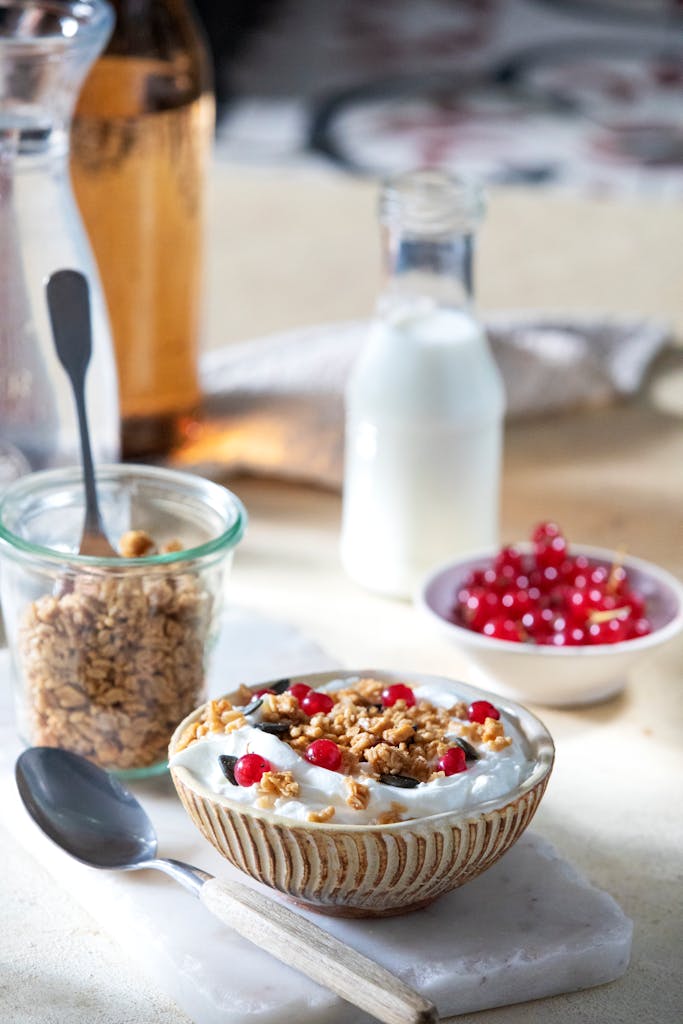
10 Best Foods for Longevity: Simple Tips + Sample Meal Plan
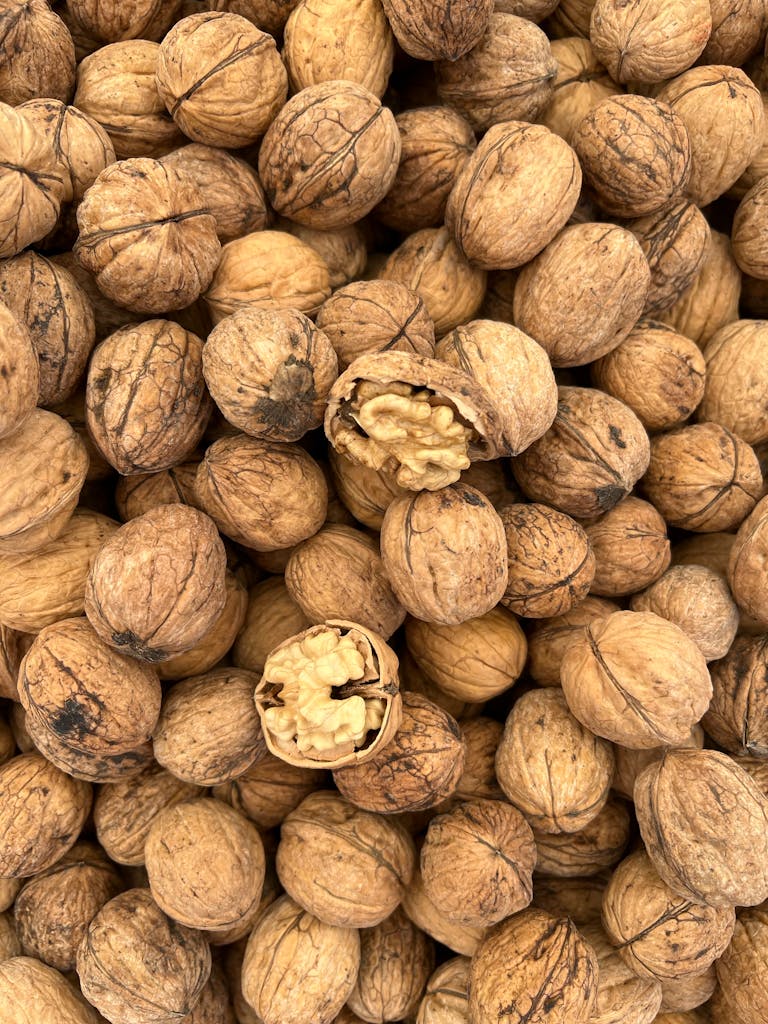
Omega-3 Foods for Brain Health and Heart Health: Top Sources and Benefits
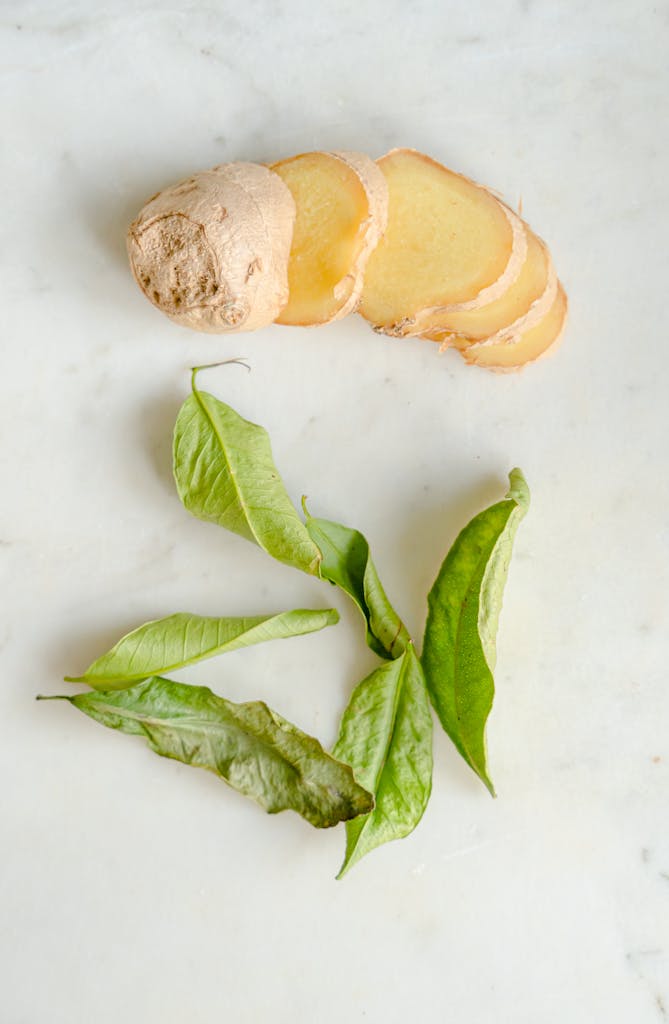
Top 10 Plant-Based Foods for Joint Support
Conclusion
The Blue Zones Diet draws inspiration from long-lived communities, with an emphasis on beans, veggies, whole grains, fruits, and nuts.
While switching up your diet won’t be a surefire way to reach your 100th birthday, the Blue Zones approach offers lots of practical ideas for building nutritious and satisfying meals to promote overall health.
Give it a try by making a few small changes that fit your routine, whether that’s adding chickpeas to your lunch, trying a new veggie-packed dinner, or sitting down to share a meal with someone you love!