10 Common Healthy Eating Myths That Aren’t Actually True
Quick summary
Nutrition advice seems to flip-flop all the time. One minute carbs are totally fine, then the next minute they’re something to avoid. And by the time you even have a chance to sort fact from fiction, suddenly seed oils are the new thing everyone is debating.
The truth is, a lot of the information we hear about food gets simplified, exaggerated, or taken out of context. Over time, that turns into some pretty sticky healthy eating myths that can make eating feel way more complicated and stressful than it needs to be. What makes it even more confusing is that there’s usually a tiny grain of truth behind many of these myths, which is what makes them so convincing in the first place.
In this post, we’re breaking down 10 of the most common healthy eating myths, what the science really says, and what actually matters when it comes to building a healthy, sustainable way of eating.
1. Carbs are bad for you
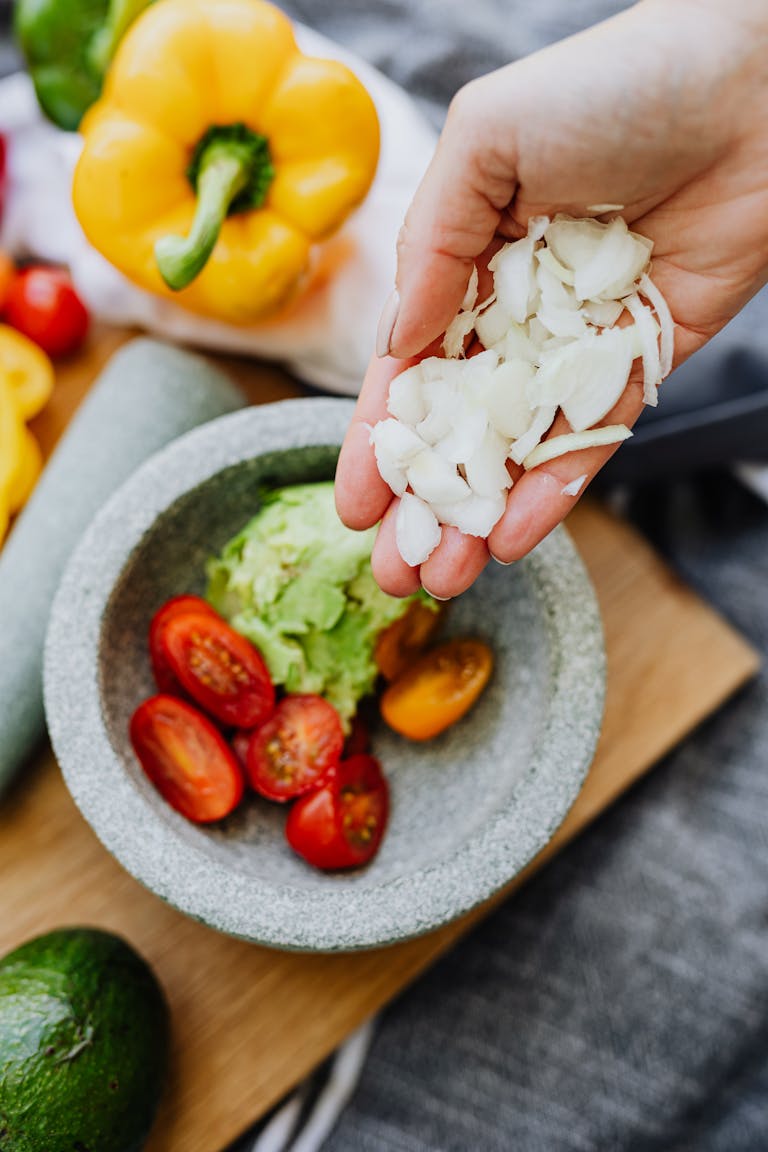
Carbohydrates have gotten so much unnecessary side-eye over the years. But even though they’re often villainized and labeled “unhealthy,” carbs actually serve as your body’s primary source of energy. In fact, your brain literally runs on glucose, which comes from carbohydrates.
Cutting carbs out completely isn’t a secret shortcut to better health, and it could actually do more harm than good in some cases.
That said, the type of carbs you’re eating actually does matter. Highly processed carbs (like sugary snacks, white bread, and pastries) can spike blood sugar quickly and leave you feeling hungry again soon after eating.
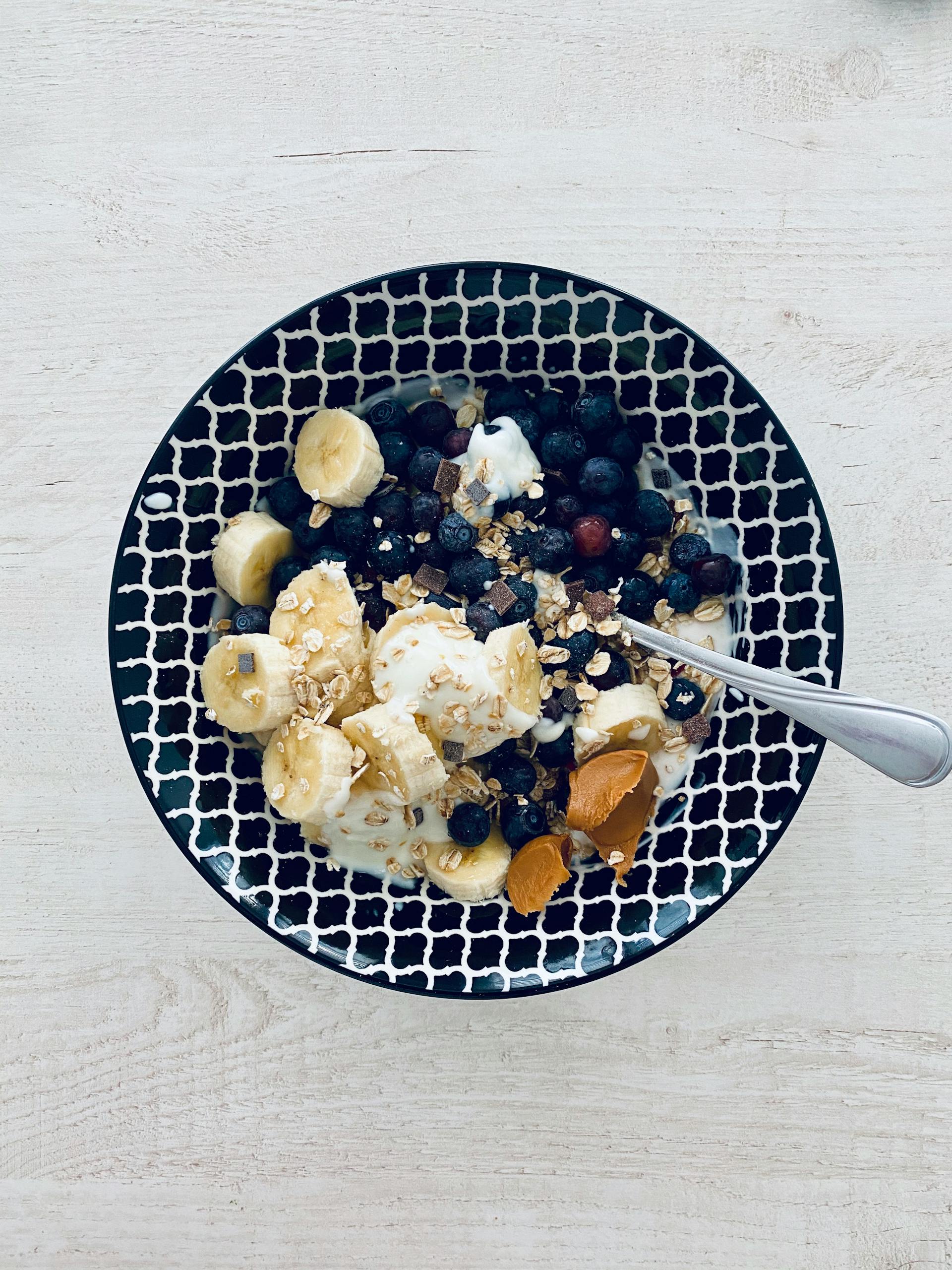
On the flip side, complex carbs like oats, quinoa, beans, lentils, fruits, and veggies are nutrient-dense and come packaged with fiber, vitamins, and minerals that promote energy levels and overall health.
2. Fresh produce is healthier than frozen
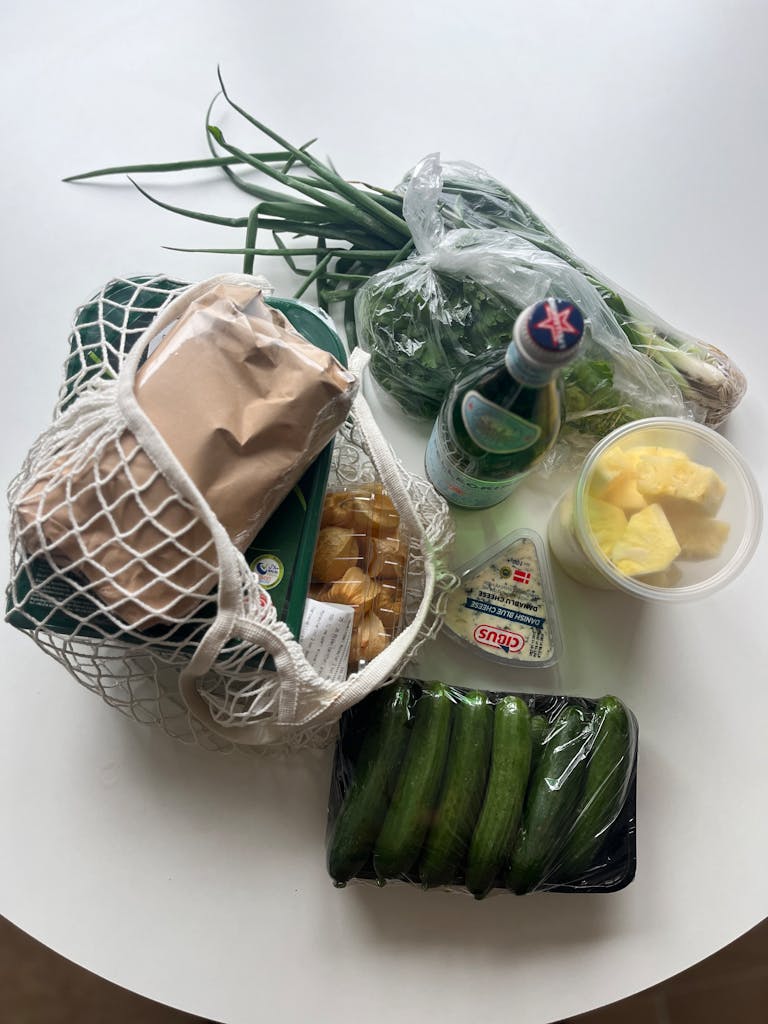
The idea that fresh produce is always better than frozen is one of those healthy eating myths that sounds true but isn’t actually backed by reality. Even though fresh fruits and veggies might feel healthier, frozen produce can be just as nutritious (and sometimes even more so!).
That’s because most frozen fruits and veggies are picked at peak ripeness and then quickly frozen, which helps lock in nutrients. Fresh produce, on the other hand, can lose some vitamins and minerals during transport and storage, especially if it’s traveled a long distance or has been sitting in your fridge for a while.
Frozen options are also a win when it comes to cost and convenience. You can keep them on hand longer without worrying about spoilage and they make it way easier to throw together balanced meals, from stir-fries and soups to quick veggie sides.
At the end of the day, fresh and frozen both count. The healthiest option is often the one you’ll actually eat consistently, even if it’s not necessarily the one that sounds better on paper.
3. Seed oils are bad for you
Despite what some modern health movements might want you to believe, the idea that seed oils are toxic or inherently bad for you isn’t true.
Oils like canola, sunflower, soybean, and safflower are often criticized because they’re high in omega-6 fats. However, omega-6s aren’t always harmful — they’re actually essential fats your body needs and can even be beneficial when balanced with the right ratio of omega-3s.
The real issue is how seed oils show up in your diet, as they’re typically found in heavily processed foods like fried snacks or packaged baked goods. When consumed in high amounts, these foods aren’t so stellar for health and have been linked to negative effects. In most cases, though, it’s the highly processed nature of these foods that drives their health effects — not necessarily the seed oils themselves.
In moderation, seed oils can absolutely fit into a healthy, well-rounded eating pattern. They’re widely used because they’re affordable, versatile, and have a high smoke point, making them practical for everyday cooking. Like most things in nutrition, it’s all about balance.
Stay in the loop!
HEALTHY EATING TIPS & RECIPES delivered directly TO YOUR INBOX
4. All processed foods are unhealthy
“Processed food” has become one of those buzzwords that automatically sounds bad, but it’s actually a lot more nuanced. Processing simply means a food has been changed in some way from its original form, and that can range from something as simple as freezing vegetables or canning beans, to making packaged snacks.
Not all processing is harmful. In fact, many processed foods can be convenient, affordable, and nutritious options, like plain yogurt, nut butters, or whole-grain bread.
The foods that deserve a little more caution are heavily processed or ultra-processed items, which includes ingredients high in added sugars, refined grains, sodium, and artificial additives, plus lower in nutrients overall.
But even then, instead of cutting these foods out completely, it’s better to focus on how often they show up and how they fit into your diet. Not to sound like a broken record, but balance and moderation really are what matter most at the end of the day.
5. You should avoid sugar completely
Sugar has become one of the most controversial topics in nutrition, but the idea that you need to avoid it completely isn’t realistic, or even necessary for most people. Your body actually runs on glucose (aka sugar), which is an important source of energy for both your brain and muscles.
Things also get a little confusing when you start lumping all types of sugar together and labeling them as “unhealthy,” as there’s a big difference between naturally occurring sugars and added sugars.
Fruits, dairy, and even certain vegetables naturally contain sugars, but they also come packaged with fiber, protein, vitamins, and minerals that slow down digestion and promote overall health. On the other hand, added sugars (like those found in soda, candy, pastries, and packaged foods) don’t offer the same nutritional benefits and are best enjoyed in moderation.
But instead of swearing off of sugar completely, it’s always better to focus on balance. For most people, this involves filling your plate with nutrient-dense foods most of the time, but also allowing yourself to enjoy the occasional sweet treat.
6. Organic food is more nutritious
Contrary to popular belief, organic doesn’t automatically mean more nutritious. In fact, studies comparing organic and conventionally grown produce generally show very small or inconsistent differences in vitamin and mineral content.
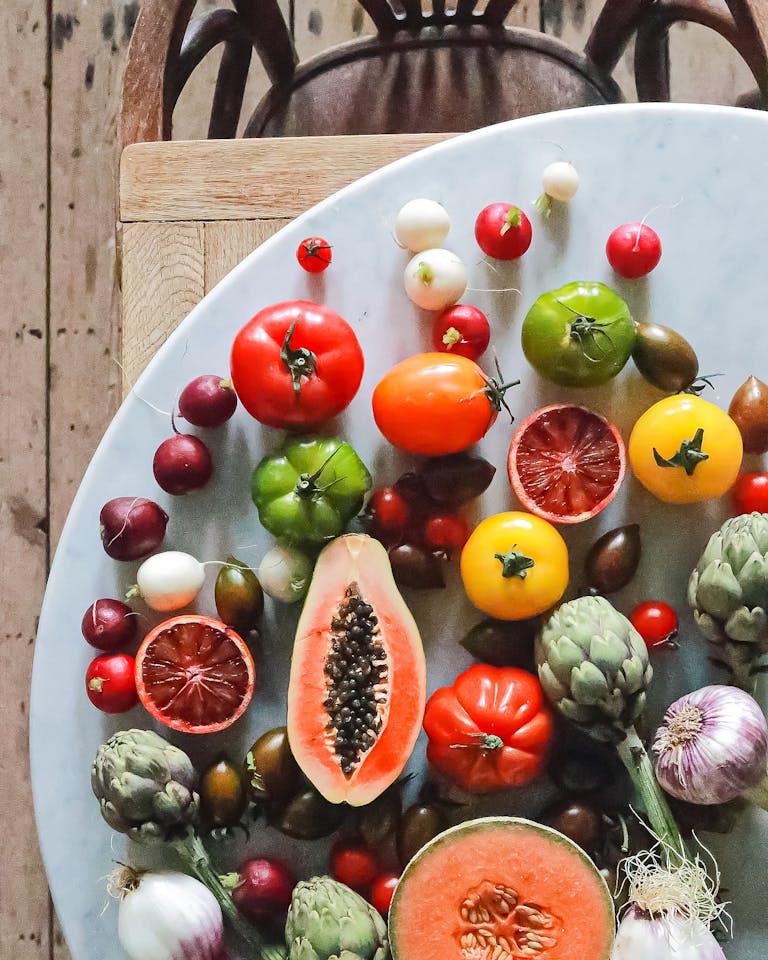
The biggest difference between organic and conventional foods actually has more to do with farming practices. Organic farming avoids synthetic pesticides and fertilizers, which is why some people prefer it for environmental or personal reasons. But from a nutrition standpoint, both organic and conventional fruits and veggies can absolutely fit into a balanced diet.
So if organic fits your budget and preferences, that’s great! However, it’s not a nutritional upgrade you need in order to eat well.
7. Eating healthy is expensive
This is one of the most common barriers people feel when trying to eat better, but it’s not entirely true that healthy eating has to break the bank. While some health foods (like specialty products or organic-only items) can come with a higher price tag, the foundation of a healthy diet is actually built on very affordable staples.
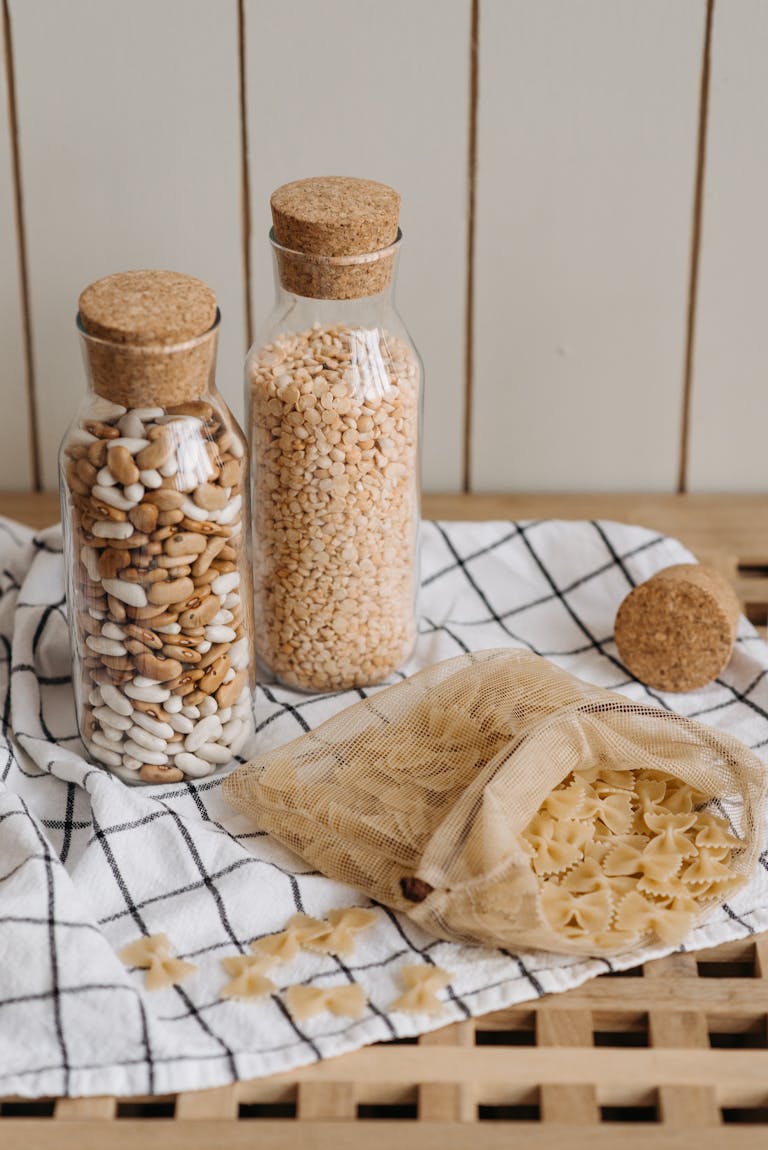
Foods like beans, lentils, oats, rice, potatoes, frozen vegetables, tofu, eggs, and canned fish are some of the most nutrient-dense and budget-friendly options out there. In many cases, they cost less per serving than heavily processed convenience foods or frequent takeout.
It also helps to think about the bigger picture. Cooking at home, planning meals in advance, and buying in bulk can significantly cut costs over time. Plus, reducing food waste (like using frozen produce or shelf-stable staples) can also make a big difference in your grocery bill.


8. Eating fat causes weight gain
Good news for anyone who doesn’t want to give up olive oil, nuts, or avocados: eating fat doesn’t automatically make you gain weight.
Fat is actually essential for your body. It aids hormone production, enhances brain function, and allows you to absorb fat-soluble vitamins like A, D, E, and K. Foods like avocados, nuts, seeds, olive oil, and fatty fish all contain healthy fats that play important roles in these processes (and more).
The confusion often comes from the fact that fat is calorie-dense, meaning it has more calories per gram than carbs or protein. But that doesn’t make it “fattening” on its own; it just means portion awareness is key.
At the end of the day, what really matters most when it comes to weight management is your overall calorie intake and diet pattern, which can (and should!) include a variety of healthy fats.
9. All calories are created equal
While it’s true that a calorie is a unit of energy, not all calories affect your body in the exact same way.
For example, 200 calories from a donut and 200 calories from eggs with avocado may look the same on paper, but they don’t behave the same way inside your body.
Different foods influence hunger, fullness, blood sugar, and hormones in very different ways. Protein- and fiber-rich foods tend to keep you fuller longer, for example, while highly processed and refined foods are often easier to overeat.
So while calorie balance does matter for weight management, the quality of those calories plays a huge role in how you feel, how full you stay, and how easy it is to maintain a healthy eating pattern.
10. Weight loss is all about willpower
Your appetite, hunger hormones, sleep, stress levels, environment, and even the types of foods you eat all play a role in how much you eat and how satisfied you feel.
Highly processed foods, for example, are designed to be easy to overeat, whereas nutrient-dense meals with protein, fiber, and healthy fats can actually help regulate hunger.
On top of that, factors like genetics, medical conditions, medications, and lifestyle changes can all influence weight in ways that have literally nothing to do with willpower.
Of course, a strong will can help, but it’s only one small piece of the puzzle. Sustainable weight loss is much more about building healthy habits and creating an environment that makes healthy choices easier rather than relying on constant self-control.
How to spot nutrition misinformation
Not sure what to believe? A few quick red flags can help you filter out bad nutrition advice and healthy eating myths:
- it sounds extreme or absolute (“never eat carbs,” “always avoid seed oils,” “detox everything”)
- it promises quick fixes or miracle results
- it demonizes single foods or nutrients instead of focusing on the bigger picture
- it relies on fear, not evidence
- it ignores context like portion size, lifestyle, or the rest of your diet
- it comes from people with strong opinions but no real expertise or credibility
A good rule of thumb: if a health claim sounds overly simple, overly dramatic, or too good (or bad) to be true, it probably is.
FAQ
More helpful articles
Conclusion
Healthy eating is far more about balance and moderation than strict rules or fear-based food labels. Instead of zeroing in on individual nutrients or cutting out entire food groups, a more realistic and sustainable approach is to prioritize variety, flexibility, and consistency with mostly nutrient-dense foods.