How to Eat More Whole Foods: Tips, Meal Ideas, and More
Quick summary
Figuring out how to eat healthier can feel like a big shift at first, especially when you’re used to relying on quick, convenient meals. Focusing on whole foods is one of the simplest ways to make your diet more nutritious, and getting started is often easier than it seems.
In reality, it’s all about prioritizing foods that haven’t been heavily processed while still allowing plenty of flexibility in how you eat day to day.
Even making small changes to how you shop, cook, and build meals can add up over time and make healthier eating feel effortless. In this article, we’re covering 7 simple ways to start eating more whole foods, along with common mistakes to avoid and practical tips for keeping it budget-friendly.
What are whole foods?
When people talk about how to eat more whole foods, it might sound like you’re supposed to suddenly start shopping at farmer’s markets in linen pants and making everything from scratch. Luckily, adding more whole foods to your diet is a lot simpler than that and doesn’t require a complete diet overhaul, a pantry purge, or a new personality.
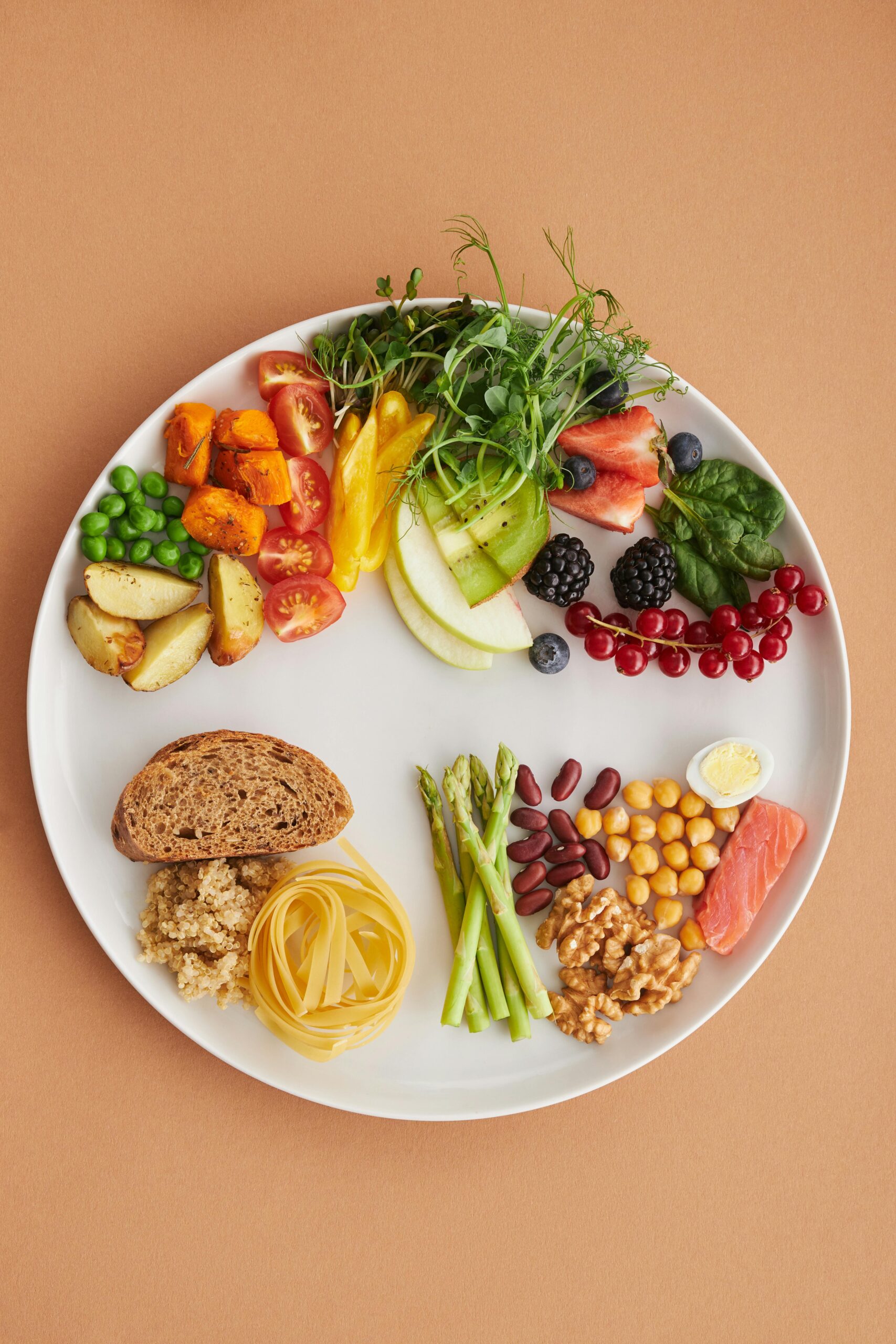
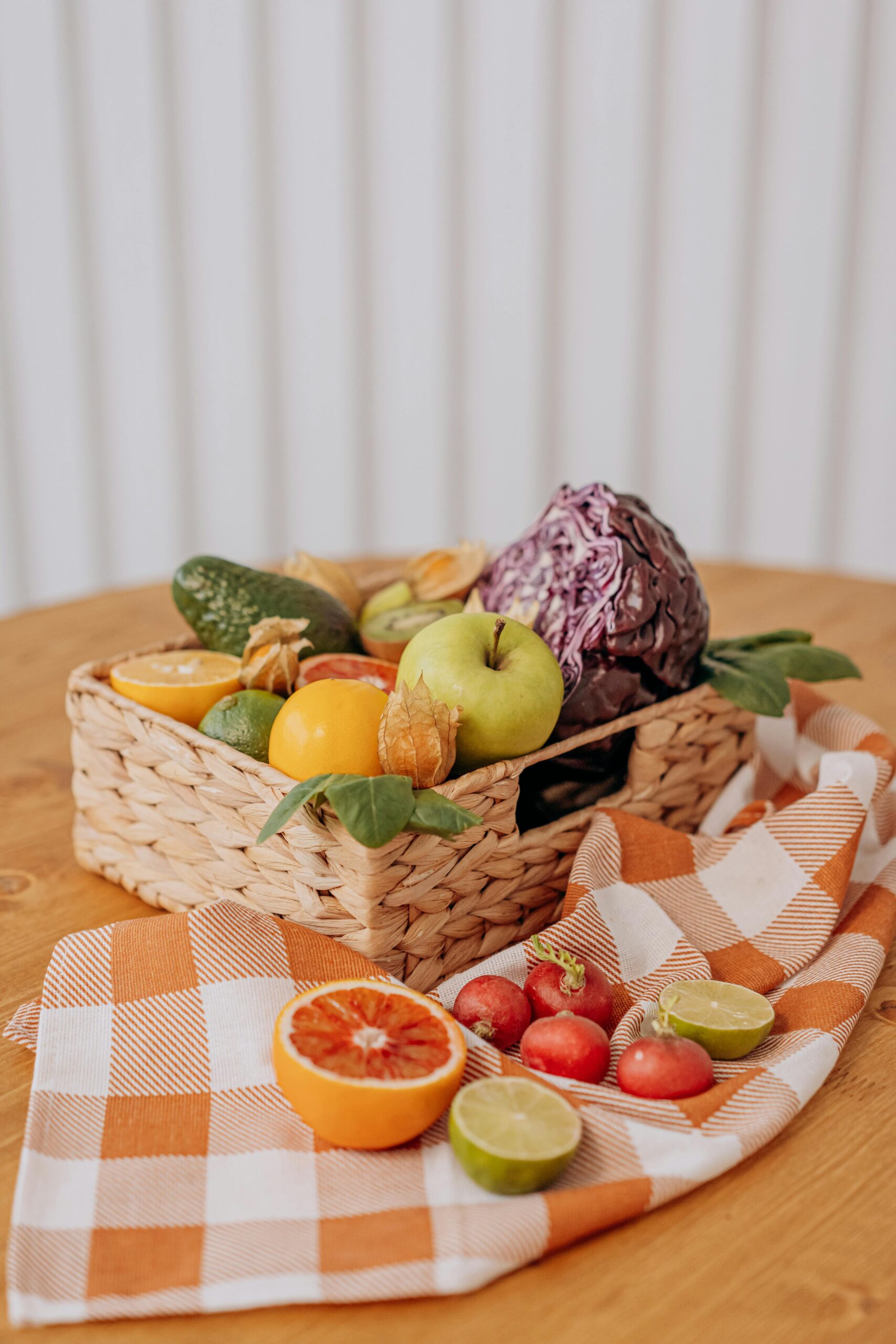
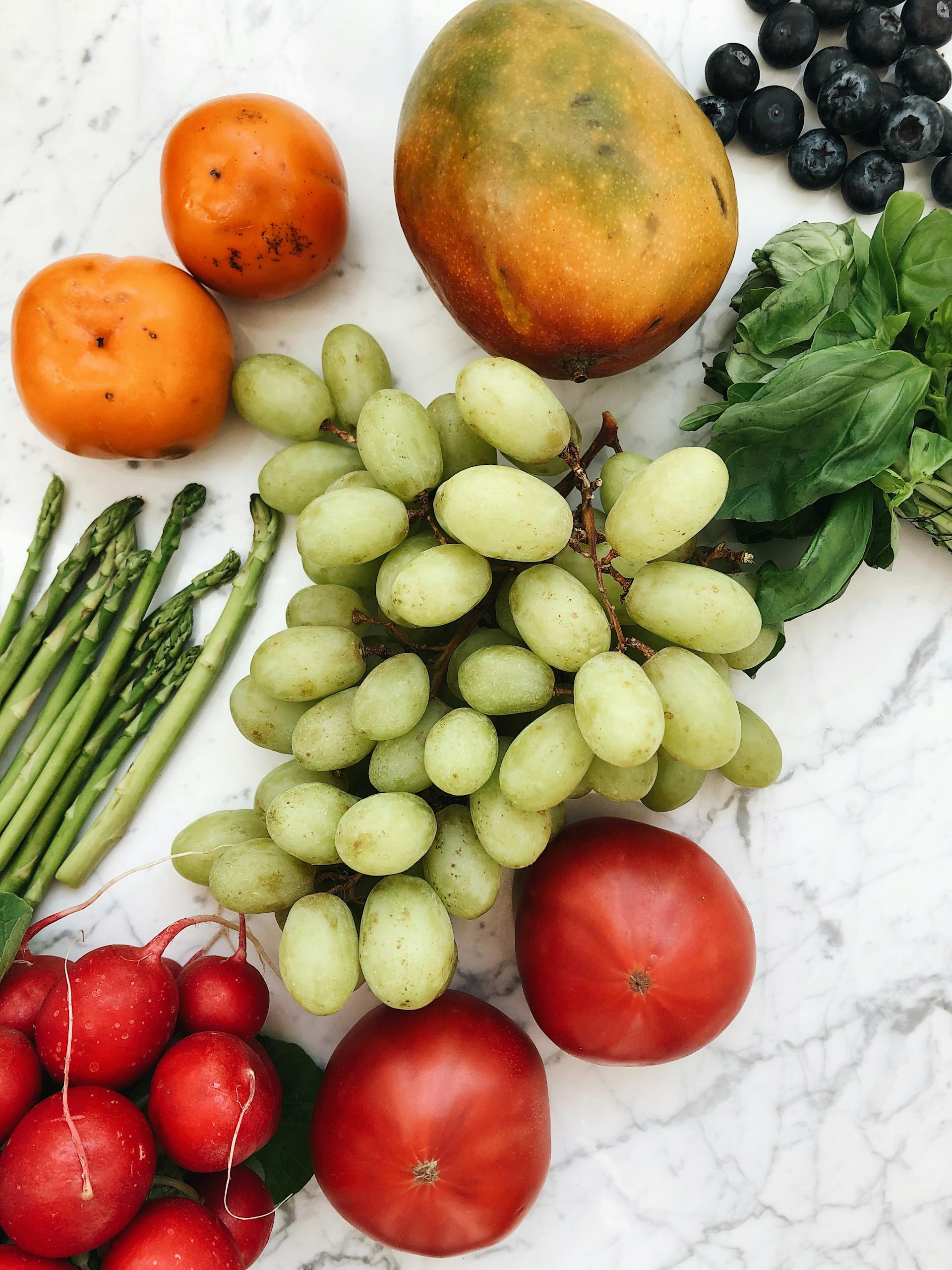
Whole foods are basically foods that are as close to their natural state as possible, with minimal processing and very few (if any) added ingredients. Some common whole foods include fruits, veggies, beans, lentils, whole grains, nuts, seeds, eggs, fish, and less processed dairy products, like plain yogurt.
As a general rule of thumb, if it looks like it did when it came from the earth (or animal), it probably counts as a whole food. Case in point: apples are whole foods, but apple-flavored snack puffs that contain 20 ingredients are not.
Benefits of eating more whole foods
Whole foods are typically rich in the nutrients your body needs, including vitamins and minerals. And because they’re less processed, they also tend to contain more fiber, protein, and water, which helps you feel fuller on fewer calories without really trying.
A few possible health perks of eating more whole foods include:
- more steady energy levels during the day
- improved digestion, thanks to a higher fiber intake
- increased feelings of fullness and less mindless snacking
- more vitamins, minerals, and antioxidants packed into every meal
- better blood sugar balance compared to highly processed foods
Over time, this way of eating can also promote better long-term health, without needing to track or obsess over every bite.
Stay in the loop!
HEALTHY EATING TIPS & RECIPES delivered directly TO YOUR INBOX
How to eat more whole foods
Figuring out how to eat more whole foods doesn’t require you to start spending all your time in the kitchen or cook every meal from scratch. In fact, the most sustainable approach is usually the opposite: small, realistic upgrades you can actually stick with. Here are a few quick tips to get started.
1. Start with a few small swaps
One of the easiest ways to begin is by swapping out processed foods for more whole food versions you already enjoy.
For example, swap sugary cereal for oats with fruit, flavored yogurt for plain yogurt sweetened with berries and honey, or white bread for a whole-grain option instead.
Instead of changing everything at once, just pick one or two things you eat regularly and upgrade them.
2. Build meals around whole foods
Another simple strategy for eating more whole foods is to flip the way you think about your meals. Instead of starting with pasta, bread, or packaged foods and adding in something healthy, try building your plate around whole foods first.
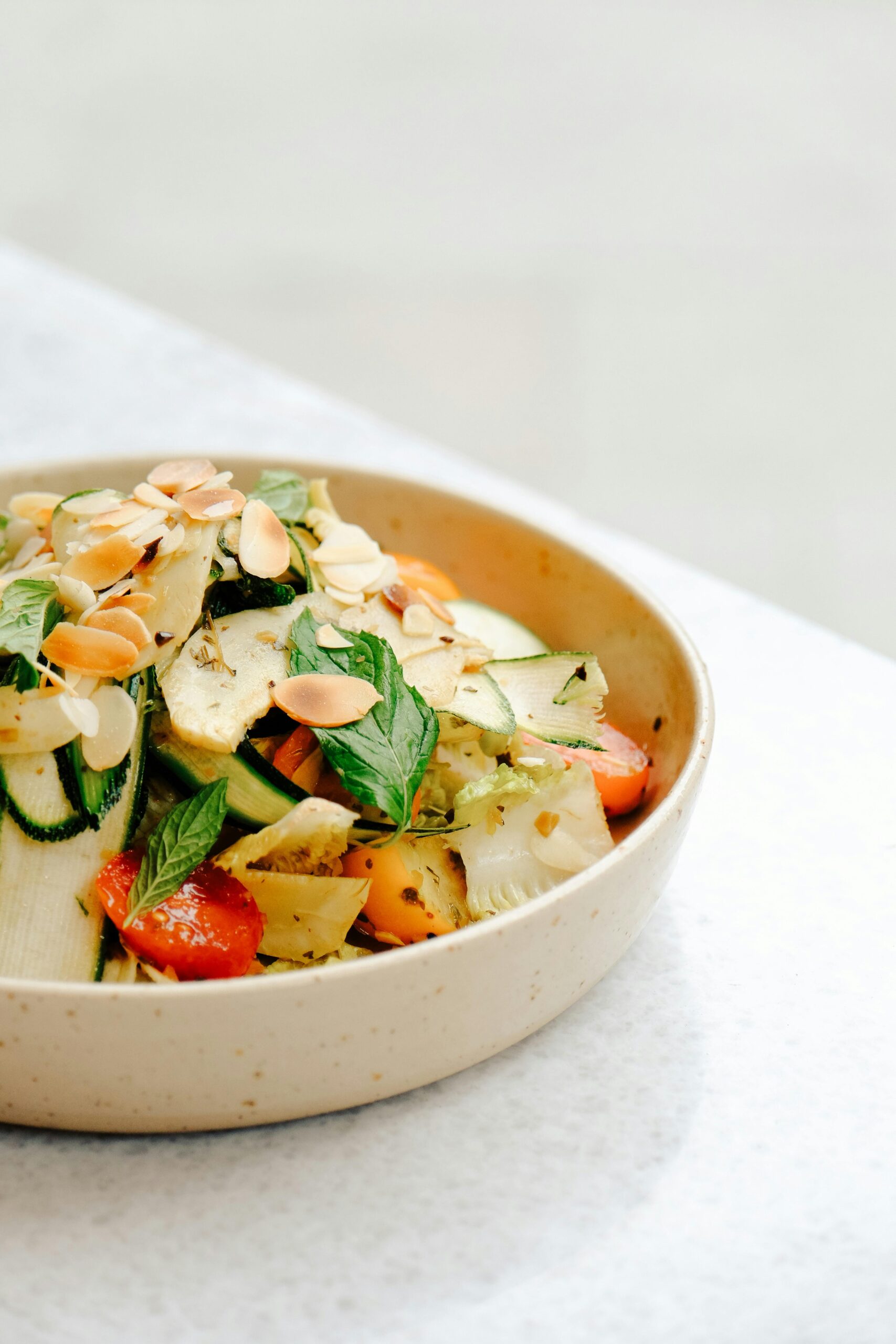
A helpful template is to think: protein + fiber-rich carbs + healthy fats + color. For example, grilled chicken or lentils as your protein, quinoa or sweet potatoes as your carb, olive oil or avocado for fats, and plenty of veggies on the side.
When whole foods become the foundation of your meals, it leaves less room for ultra-processed options without making you feel like you’re missing out.
3. Shop smarter
Adding more whole foods to your diet starts before you even step into the kitchen. In fact, what you add to your cart at the grocery store is usually what you end up eating at home, so a little intention while shopping goes a long way.
A simple trick is to shop mostly around the perimeter of the store, where you’ll typically find fruits, vegetables, meat, fish, eggs, and dairy. Then head to the middle aisles and fill up on pantry staples like oats, beans, lentils, nuts, and whole grains.
The more you stock your kitchen with simple, minimally processed ingredients, the less you’ll rely on packaged convenience foods by default.
4. Practice reading labels
If you want to start switching up your diet, you should get comfortable with reading food labels.
You don’t need to memorize anything or become obsessive, but simply start noticing what’s actually in the foods you buy regularly.
In general, shorter ingredient lists are usually closer to whole foods. If a product has ingredients you recognize (like oats, nuts, milk, beans, or spices), that’s typically a better sign than a list filled with additives, artificial flavors, and unfamiliar chemicals.
With a bit of time and practice, this gets much easier, and soon you’ll be able to start spotting ultra-processed foods on the shelves much more easily.
5. Plan meals ahead
When you’re tired, busy, hungry, or stressed, it’s way easier to default to whatever’s fastest, whether it’s from your fridge, your freezer, or a fast food place down the street. However, that may not always be the most nutrient-dense option available.
Loosely deciding a few meals for the week (like a stir-fry, a grain bowl, a salad, or a simple soup) can help you keep more whole food ingredients on hand so you have a backup plan when you don’t know what to eat.
6. Try meal prepping
Meal prepping can be an easy way to add more whole foods to your diet, and it doesn’t even have to involve spending your entire Sunday cooking identical containers of food for the whole week (unless you want to).
Instead of prepping full meals, try prepping a few building blocks instead: a batch of roasted veggies, a pot of grains like quinoa or brown rice, a protein like grilled salmon or baked tofu, and maybe a simple sauce or dressing.
With just those basics ready to go, it makes it so much easier to mix and match throughout the week and whip up bowls, salads, wraps, or quick skillet meals without much effort.
7. Experiment with new ingredients
One of the best ways to stay consistent with healthy eating is to keep things interesting. Exploring new ingredients can refresh your usual go-to meals and make your menu feel more fun and flexible.
Try adding one new whole food ingredient to your grocery list each week. It could be something simple like farro instead of rice, lentils instead of pasta in a dish, or a new vegetable you’ve never cooked before.
You can also experiment with different herbs, spices, and sauces to bring more flavor into your meals. A simple bowl of grains, veggies, and protein can feel totally different with a new seasoning blend or dressing.
Tips for eating healthy on a budget
Eating more whole foods might seem expensive at first glance, especially if you’re comparing them to ultra-processed convenience foods. But with a few smart strategies, it’s absolutely possible to keep costs down while still building meals around nutrient-dense ingredients.
Here are a few quick tips:
- Buy frozen produce: Not only is it just as nutritious as fresh, but it’s often cheaper and lasts longer.
- Stick to budget-friendly staples: Oats, rice, beans, lentils, and potatoes can add extra nutrients to your diet without breaking the bank.
- Shop in bulk: Items like grains, nuts, and legumes are often much more affordable when you buy in larger quantities.
- Plan meals around what’s on sale: Check the weekly ads at your local grocery store and build your menu based on discounted items rather than starting with a set list of recipes each week.
- Choose plant-based proteins more often: Foods like beans, tofu, and lentils are not only nutritious and versatile, but they also tend to be more affordable than meat.
- Minimize waste: Build meals around ingredients you already have on hand and use what you buy to stretch your budget even further.
Common mistakes to avoid
A few small missteps can make healthy eating feel harder than it needs to be. The good news is that they’re easy to spot and even easier to fix once you know what to look for. Some of the most common mistakes include:
- Trying to change everything at once: Going all-in usually backfires and feels overwhelming fast.
- Thinking it has to be perfect: Rest assured, one processed meal won’t undo all of your progress. Focus on the bigger picture and give yourself grace.
- Not keeping easy options on hand: Without quick staples, convenience foods tend to win by default.
- Over-restricting favorite foods: Cutting out everything you enjoy can make a whole foods approach feel unsustainable.
- Ignoring practicality: If meals take too long or feel complicated, your diet will be much harder to maintain in real life.
- Skipping planning altogether: Without a loose plan in place, busy days can lead to less balanced choices.
Sample meal plan
Here’s a simple 3-day sample meal plan to show how whole foods can come together in real life:
Day 1
- Breakfast: Greek yogurt with berries, chia seeds, and a drizzle of honey
- Lunch: quinoa bowl with chickpeas, cucumber, cherry tomatoes, feta, and olive oil lemon dressing
- Dinner: baked salmon with roasted sweet potatoes and steamed broccoli
- Snacks: High-Fiber Tropical Smoothie and roasted edamame
Day 2
- Breakfast: oatmeal topped with banana, cinnamon, and peanut butter
- Lunch: Black Bean Burrito Bowls with Creamy Cashew Sauce
- Dinner: stir-fry with tofu, mixed vegetables, garlic, and brown rice
- Snacks: carrots with hummus and an orange
Day 3
- Breakfast: scrambled eggs with sautéed spinach and whole-grain toast
- Lunch: lentil soup with side salad and olive oil vinaigrette
- Dinner: Swiss Chard Pasta with White Beans
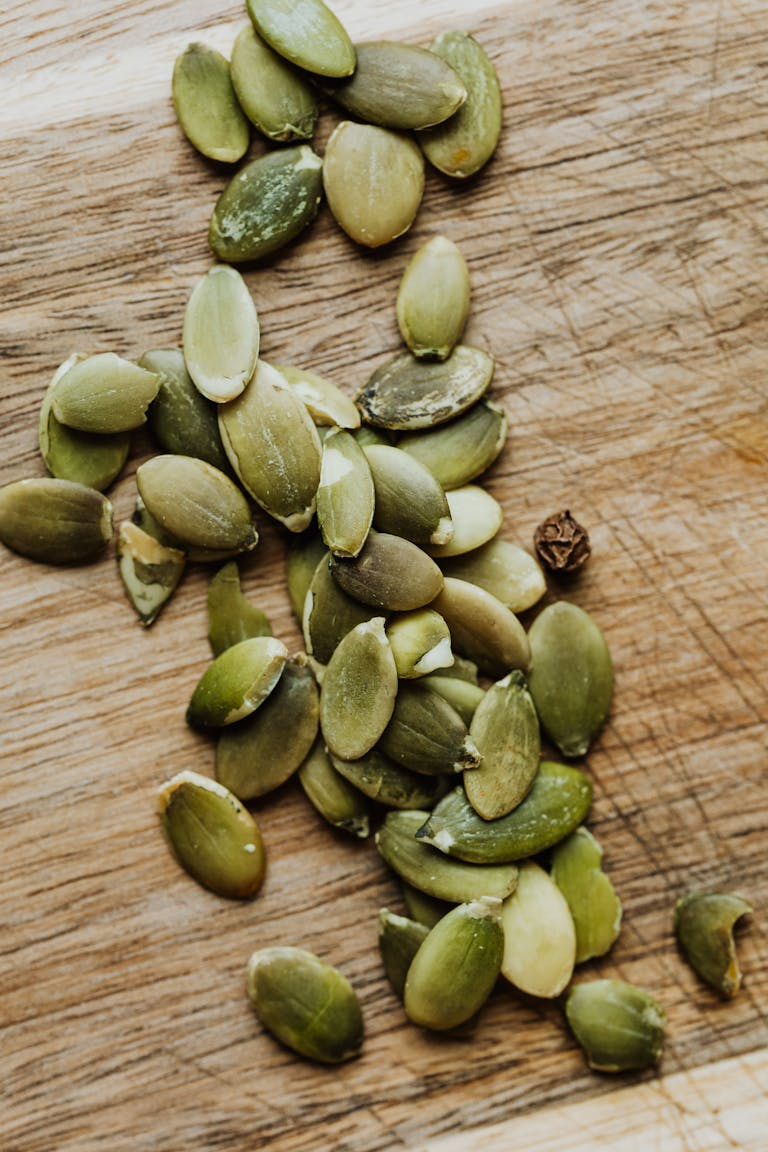
- Snacks: cottage cheese with berries and a handful of roasted pumpkin seeds
FAQ
More helpful articles
Conclusion
Figuring out how to eat more whole foods is all about making small, sustainable changes to your diet and daily routine. Over time, simple swaps, smarter shopping, and a little bit of planning can help you build an eating pattern that feels more satisfying, more nourishing, and much easier to maintain long-term.