
Benefits of Kiwi: 6 Science-Backed Reasons to Add More Kiwi to Your Diet
Quick summary
Small, fuzzy, and easy to overlook in the produce aisle, kiwi is one of those fruits that might actually surprise you once you take your first bite. With its bright green (or golden) flesh and signature sweet-tart taste, it’s refreshing, versatile, and chock-full of flavor.
But beyond its fuzzy exterior, kiwi is also loaded with nutrients, including vitamin C, fiber, and antioxidants, all of which can support everything from immunity and digestion to skin health and sleep.
In this guide, we’re breaking down the top benefits of kiwi, what exactly makes this fruit so unique, and some simple ways to enjoy it so you can add more into your everyday routine.


What is kiwi?
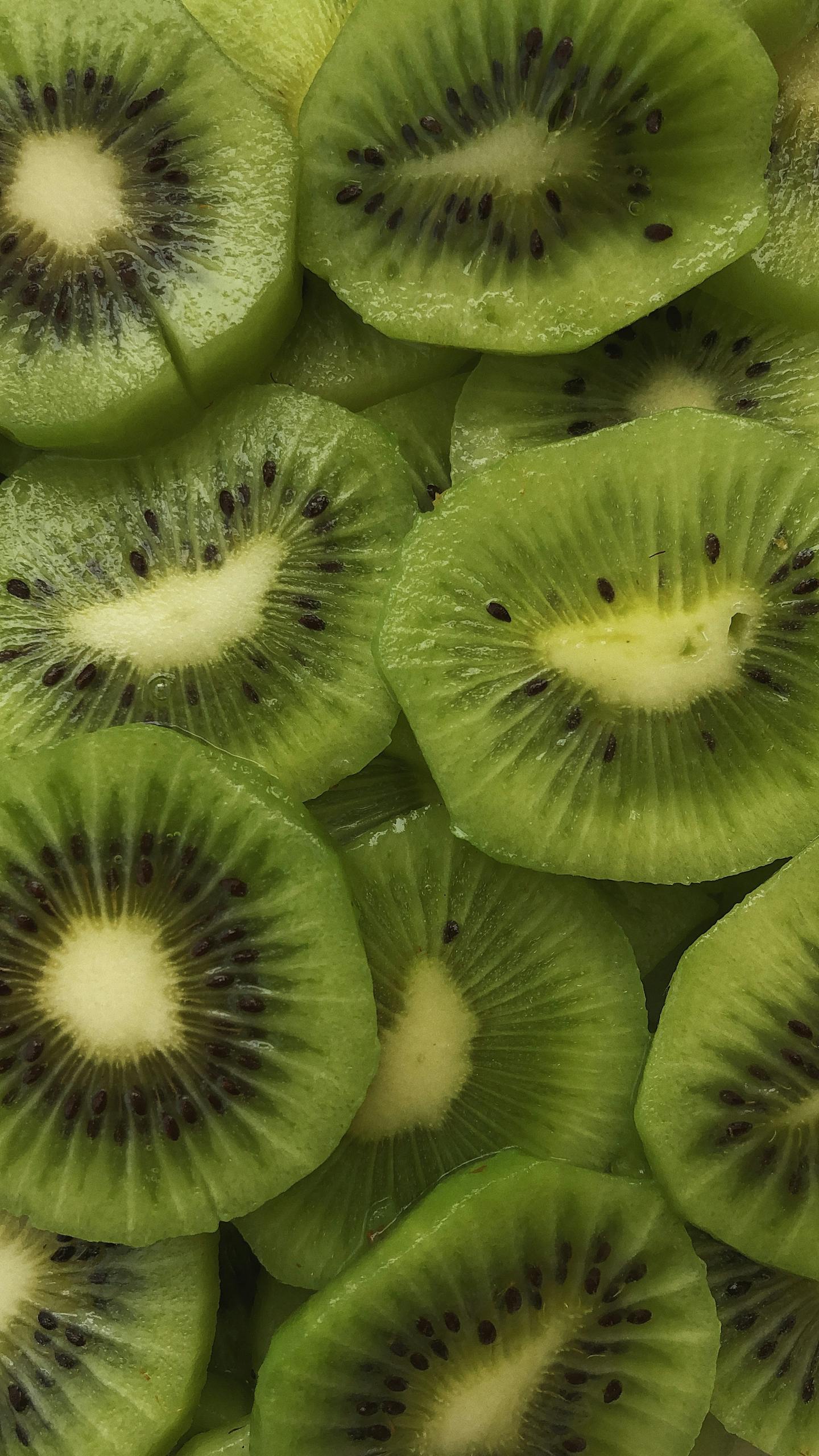
Kiwi is a small, oval-shaped fruit known for its bright green (or golden yellow) flesh, tiny black seeds, and signature sweet-tart flavor. While it may look a little unusual on the outside (fuzzy brown skin and all), on the inside, it’s a nutrient-packed powerhouse that tastes like a mix of strawberry, pineapple, and citrus.
Despite its exotic vibe, kiwi is widely available in most grocery stores year-round. It originally comes from China, where it was known as the “Chinese gooseberry,” but it was later renamed “kiwifruit” after New Zealand’s national bird, thanks to its similar fuzzy brown appearance.
One of the reasons kiwi stands out in the fruit world is its unique texture and versatility. You can slice it, scoop it with a spoon, blend it into smoothies, or even eat the skin for an extra boost of fiber (yes, really!).
Types of kiwi
Not all kiwis taste the same, and that’s part of what makes this little fruit so fun. While most people are familiar with the fuzzy green version, there are actually 40 different types of kiwi out there, each of which brings its own flavor, texture, and nutrition profile to the table.
Some of the most common types of kiwi include:
- Green kiwi (Hayward): This is the classic fuzzy kiwi, which has a tangy-sweet flavor, bright green flesh, and lots of vitamin C and fiber, making it a great pick for snacking and smoothies.
- Gold kiwi (SunGold): This variety is sweeter and less acidic, with golden flesh and a tropical flavor that’s brimming with vitamin C and great for eating fresh.
- Mini kiwi (kiwi berries): These bite-sized, smooth-skinned kiwis can be eaten whole, offering a sweet, mild flavor and a boost of fiber and antioxidants.
- Red kiwi: This is a rarer variety often found in specialty markets, which features a striking red center, sweet berry-like notes, and antioxidant-rich pigments.
Kiwi nutrition facts
Kiwifruit is a great source of nutrients, including fiber, vitamin C, vitamin K, and copper. Just one cup of kiwi provides the following nutrients:
- Calories: 115
- Carbs: 25 grams
- Fiber: 5.5 grams
- Protein: 2 grams
- Fat: 1 gram
- Vitamin C: 134 milligrams (149% of the DV, or Daily Value)
- Vitamin K: 73 micrograms (60% of the DV)
- Copper: 0.2 milligrams (27% of the DV)
- Vitamin E: 2.3 milligrams (16% of the DV)
- Folate: 47 micrograms (12% of the DV)
Kiwi also provides a small amount of other vitamins and minerals in each serving, including potassium, magnesium, and vitamin B6.
Stay in the loop!
HEALTHY EATING TIPS & RECIPES delivered directly TO YOUR INBOX
Benefits of kiwi
Thanks to its mix of vitamin C, fiber, and powerful antioxidants, kiwifruit offers a wide range of science-backed health benefits. Here are some of the top kiwi benefits:
Promotes immune function
Kiwi is one of the richest fruit sources of vitamin C, a nutrient that helps support immune defenses and protect your cells against oxidative stress. In fact, just one serving can knock out well over 100% of your daily vitamin C needs.
Studies show that getting enough vitamin C in your daily diet could help prevent certain types of infections, including the common cold.
Kiwi is also loaded with other compounds that can keep your immune system running efficiently, including carotenoids, polyphenols, and dietary fiber.
Helps keep you regular
With a hearty dose of fiber and a natural enzyme called actinidin, kiwi can help support smoother digestion and better protein breakdown. It’s often linked to improved regularity and reduced constipation.
In one study, eating SunGold kiwifruit (especially including the skin) reduced inflammation, improved the frequency of bowel movements, and eased constipation and other digestive issues in people with and without irritable bowel syndrome (IBS).
Another study found that eating two green kiwifruits per day for 4 weeks was as effective as psyllium (a type of fiber often used to promote regularity) at improving constipation and abdominal discomfort.
Could support heart health
Kiwi is a great source of potassium, which can manage blood pressure levels by helping your body balance sodium and easing tension in blood vessel walls, reducing strain on your cardiovascular system.
Kiwi is also high in fiber, which keeps your heart healthy by lowering LDL (“bad”) cholesterol and improving overall blood vessel function over time.
That said, research on the potential benefits of kiwi for heart health has turned up mixed results.
For instance, one study found that eating three kiwis per day lowered systolic and diastolic blood pressure levels after 8 weeks.
On the other hand, a 2019 review found that kiwifruit did not significantly change blood pressure, cholesterol, or triglyceride levels, although there was a slight trend toward improvement.
May enhance sleep
Some research suggests that eating kiwi may improve sleep quality, possibly due to its content of serotonin and melatonin, along with its antioxidant profile.
One study found that eating kiwifruit (fresh or dried) led to improved morning alertness, reduced sleepiness, and enhanced aspects of mood and sleep quality, especially in people who sleep poorly.
In another study, eating kiwifruit before bed enhanced sleep quality, increased sleep time, reduced nighttime waking, and improved recovery in elite athletes.
Promotes healthy skin
Thanks to its vitamin C content, kiwi can boost collagen production, which is essential for skin elasticity and a healthy glow. Its antioxidants may also help protect skin from environmental stressors.
Interestingly enough, one recent study found that daily consumption of SunGold kiwifruit increased vitamin C levels in the blood and skin, which was tied to improved skin density, higher cell turnover in the outer layer of the skin, and overall enhanced skin function after 8 weeks.
Balances blood sugar levels
Kiwi is relatively low on the glycemic index, a measure of how quickly a food causes blood sugar levels to rise. Kiwi also provides fiber, which slows the absorption of sugar in the bloodstream, leading to a more gradual increase in blood sugar levels.
Thanks to its impressive nutrient profile, kiwi might even help keep blood sugar levels steady. One study found that adding kiwifruit to a wheat-based meal helped lower post-meal blood sugar spikes, prevented later blood sugar dips, and reduced hunger compared with the cereal alone.
Another study had similar findings, showing that kiwifruit (especially the whole pulp) significantly reduced post-meal blood sugar spikes and slowed carbohydrate absorption, mostly due to its content of fiber and organic acids.

Potential downsides of kiwi
Kiwi can be a great addition to a balanced diet and is generally safe and well-tolerated for most people. However, there are a few possible downsides to keep in mind before you fill up your fruit drawer.
For starters, some people may experience oral irritation or itching due to natural compounds like actinidin and certain proteins. In rare cases, kiwi can also trigger allergic reactions, particularly in people with sensitivities to latex or other fruits.
If you experience an allergic reaction or any adverse symptoms after eating kiwi, stop consuming it and check in with a doctor.
Additionally, because kiwi is high in fiber, eating large amounts at once could also cause temporary digestive discomfort like bloating or loose stools in people who aren’t used to a high-fiber diet. Starting with smaller portions and pairing it with plenty of water can help your body adjust.
How to eat kiwi
Kiwi is just as versatile as it is nutritious. Whether you like it sweet, tangy, or blended into something creamy, here are some simple ways to add more kiwi to your diet:
- slice and eat it fresh with a spoon (no peeling needed!)
- add it to yogurt bowls or parfaits
- blend it into high-fiber smoothies for a tropical twist
- mix into fruit salads for a pop of color
- top oatmeal or chia pudding with fresh kiwi slices
- freeze and enjoy as a refreshing snack
- add to salsa for a sweet-savory kick
- pair with cottage cheese or ricotta for a protein-packed snack
FAQ
More helpful articles
Conclusion
Kiwi may be small, but it delivers a big nutritional punch, with nutrients like vitamin C, fiber, and antioxidants that promote better immunity, digestion, heart health, skin, and even sleep.
Whether you prefer green, gold, or kiwi berries, this versatile fruit is an easy and delicious way to upgrade your diet.