Spinach vs. Kale Nutrition: Which Is Healthier?
Quick summary
Spinach and kale are two of the most popular leafy greens, and for good reason: they’re both loaded with vitamins, minerals, and antioxidants that are essential for health. But while there’s no doubt that both can be awesome additions to a balanced diet, have you ever wondered which comes out on top?
In this spinach vs. kale nutrition comparison, we’re taking an in-depth look at how these greens stack up in terms of nutrition, benefits, and taste, so you can decide which one (or both!) deserves a spot on your shopping list. We’ll also highlight some simple and delicious ways to ramp up your intake of these nutritious leafy greens — no sad desk salads required.
Spinach vs. kale nutrition
So how does the spinach vs. kale nutrition profile compare? The table below takes a closer look at the nutrients in a 1-cup, raw serving of each. It includes both macronutrients and select micronutrients, along with their percent Daily Value (DV) to help you see how they really stack up side by side:
| Spinach | Kale | |
|---|---|---|
| Calories | 7 | 7 |
| Protein | 0.9 grams | 0.6 grams |
| Fat | 0.1 grams | 0.3 grams |
| Carbs | 1.1 grams | 0.9 grams |
| Fiber | 0.7 grams | 0.9 grams |
| Vitamin K | 145 mcg (121% DV) | 82 mcg (68% DV) |
| Vitamin C | 8 mg (9% DV) | 19.6 mg (22% DV) |
| Vitamin A | 141 mcg (16% DV) | 50.6 mcg (6% DV) |
| Folate | 58.2 mcg (15% DV) | 13 mcg (3% DV) |
| Calcium | 29.7 mg (2% DV) | 53.3 mg (4% DV) |
| Iron | 0.8 mg (4% DV) | 0.3 mg (2% DV) |
| Magnesium | 23.7 mg (6% DV) | 6.9 mg (2% DV) |
| Potassium | 167 mg (4% DV) | 73.1 mg (2% DV) |
| Manganese | 0.3 mg (12% DV) | 0.2 mg (8% DV) |
Key takeaways
Spinach nutrition highlights
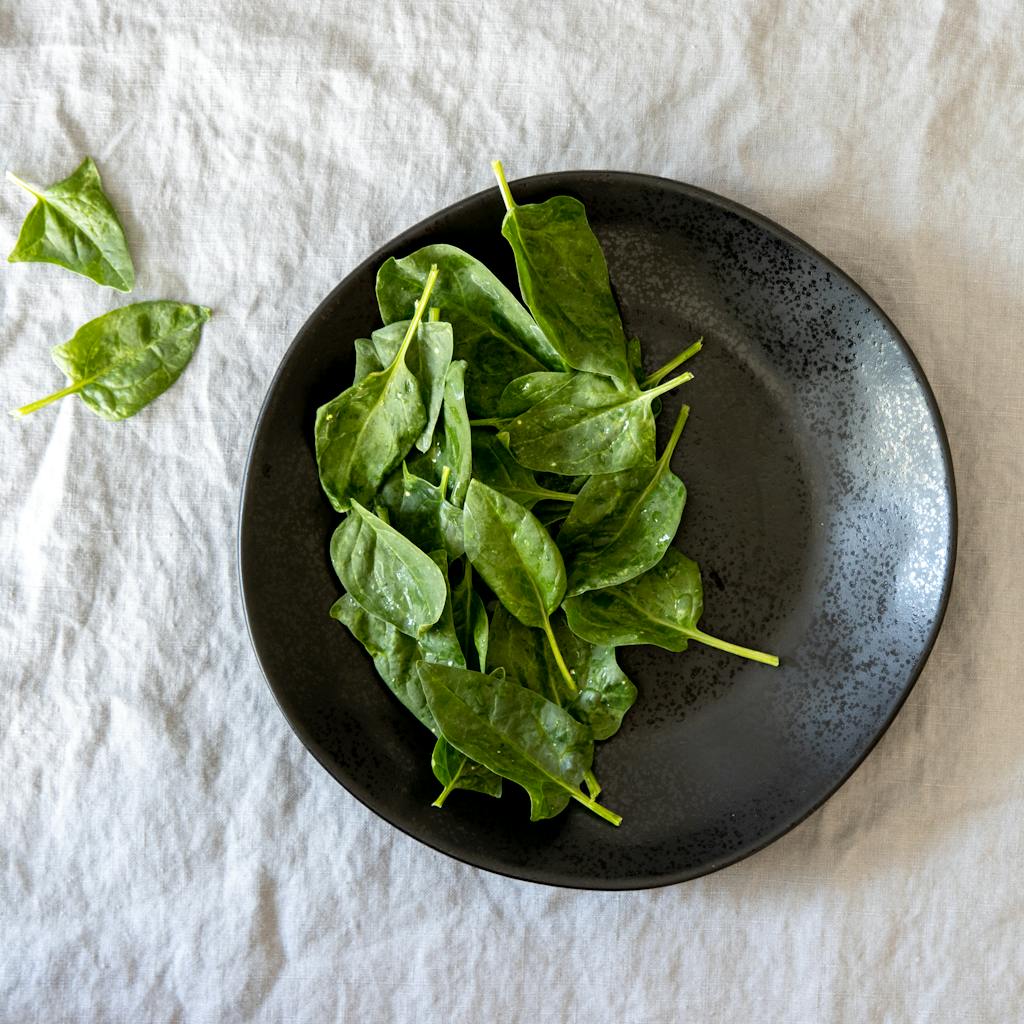
Spinach is mild in flavor, super versatile, and packed with an array of important nutrients your body needs. It can also be an easy way to boost the nutritional value of your meals, often without even noticing that it’s there.
Spinach is especially rich in:
- Iron: promotes the production of healthy red blood cells, especially for those on a vegan or vegetarian diet
- Magnesium: plays a key role in muscle function, relaxation, and energy production
- Folate: essential for cell growth and repair
- Vitamin K: involved in bone health and blood clotting
- Vitamin A: supports eye health, immune function, and glowing skin
- Antioxidants: contains lutein and zeaxanthin, both of which are linked to healthy vision
Kale nutrition highlights
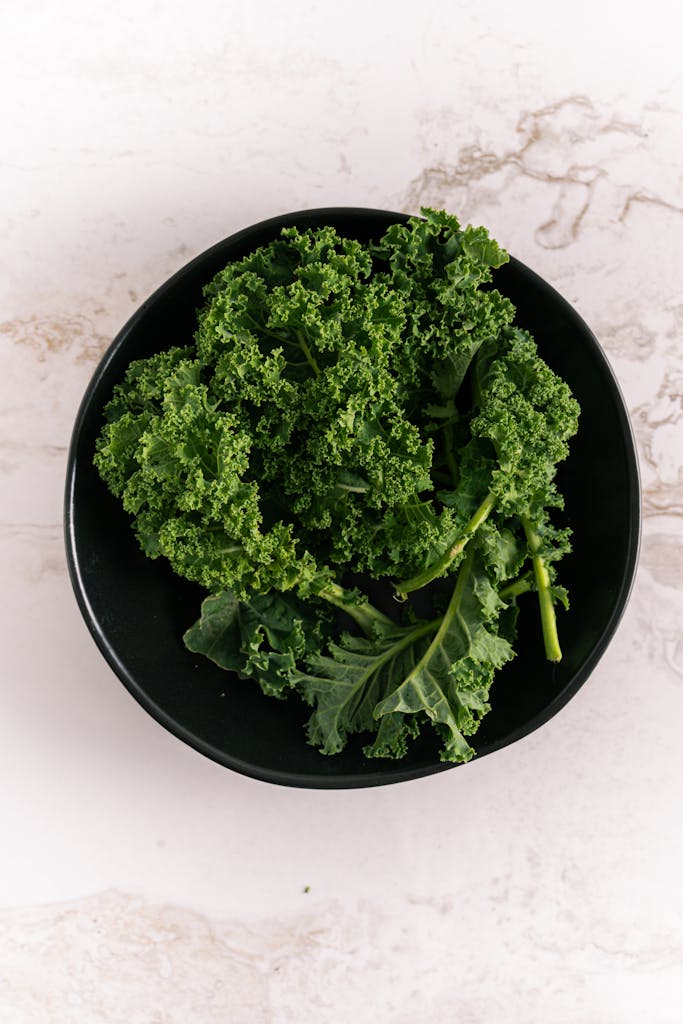
Kale is a nutrient-dense leafy green with a heartier texture and more robust flavor. It’s especially rich in vitamins and minerals that support overall health and make it a standout in the spinach vs. kale nutrition comparison.
Each serving of kale offers a good amount of:
- Vitamin C: acts as an antioxidant, promotes immune function, and boosts collagen production
- Vitamin K: regulates bone health and blood clotting
- Calcium: supports bone strength and muscle function
- Fiber: keeps your gut healthy and balances blood sugar
- Vitamin A: promotes eye health, immune function, and skin health
- Antioxidants: rich in compounds like lutein and zeaxanthin, which protect eye health
Stay in the loop!
HEALTHY EATING TIPS & RECIPES delivered directly TO YOUR INBOX
Effects on bone health
Both spinach and kale contribute to bone health, but they do so in slightly different ways.
Spinach provides vitamin K, which supports bone formation and strengthens your bones. It also provides calcium and magnesium, two important minerals for bone structure. However, it also contains compounds called oxalates, which can reduce calcium absorption.
Kale can also boost bone health, thanks to its high levels of vitamin K and calcium, both of which are well-absorbed by the body. This makes kale a solid choice for promoting bone density and overall skeletal health in the spinach vs. kale nutrition matchup.
Overall, kale tends to have the advantage for bone health due to its combination of highly bioavailable calcium and vitamin K.
Iron content
Iron is an important mineral for oxygen transport and energy production. Both spinach and kale contain iron, but in different amounts.
Spinach is one of the better plant-based sources of iron, making it especially valuable for those following vegetarian or vegan diets. However, it also contains oxalates, which can limit how much iron your body is actually able to absorb.
On the other hand, kale contains less iron overall, but the iron it does provide is still beneficial as part of a balanced diet. Its lower oxalate content means the iron may be more readily available for absorption.
In the spinach vs. kale nutrition comparison, spinach wins for total iron content, but both greens can contribute to your overall iron intake, especially when paired with vitamin C-rich foods to boost absorption.
Effects on digestion
Both spinach and kale can support gut health thanks to their fiber content, though they may affect digestion a little differently.
Spinach is naturally soft and easy to digest, especially when cooked. It’s a great option if you’re sensitive to raw veggies or looking for a gentler leafy green that still provides fiber to keep you regular and balance your microbiome.
On the flip side, kale contains slightly more fiber and has a tougher, more fibrous texture. This can be great for gut health, but some people may find raw kale harder to break down. Massaging or cooking kale can make it a little easier to digest.
When comparing the spinach vs. kale nutrition profiles, they’re pretty evenly matched. However, spinach is generally easier on the digestive system, whereas kale offers a tad bit more fiber and may provide stronger support for gut health when properly prepared.
Best uses for spinach vs. kale
Both spinach and kale are incredibly versatile, but their texture and flavor make them each better suited for different types of dishes.
Spinach has a mild flavor and soft texture, making it easy to blend into a wide range of meals without overpowering them. It’s best used in:
- smoothies
- omelets
- scrambled eggs
- pasta dishes
- bowls
- soups
- sauces
- salads
Meanwhile, kale has a heartier texture and slightly bitter flavor, which holds up well to cooking and goes great with bold seasonings. It’s best used in:
- massaged salads
- sautéed dishes
- soups and stews
- kale chips
- smoothies (paired with sweet fruits)
In the spinach vs. kale nutrition comparison, spinach works best for quick, subtle additions, while kale shines in heartier, more structured dishes.
Spinach vs. kale: Which is healthier?
There isn’t a single “winner” when comparing spinach vs. kale nutrition; both are incredibly nutrient-dense leafy greens that bring their own unique strengths and benefits to the table.
Spinach stands out for its higher levels of iron, folate, and magnesium, making it a smart choice for promoting energy production and red blood cell health. It’s also very easy to add to meals in large amounts due to its mild flavor.
Meanwhile, kale shines with its higher levels of vitamin C, calcium, and fiber, which boost immunity, bone health, and digestion. Its more robust texture also makes it a filling, hearty addition to meals.
At the end of the day, neither is definitively healthier. Instead, the best choice depends mostly on your goals.
Spinach may be better for boosting iron and folate intake, while kale may have an added edge for vitamin C, calcium, and fiber. Including both in your diet is the best way to get a wider range of nutrients and enjoy the taste and texture of each.
How to choose between spinach vs. kale
Not sure which leafy green to grab? In this spinach vs. kale nutrition matchup, the best choice really depends on your taste, personal preferences, and what your body needs that day.
Choose spinach if you want:
- a mild, nearly neutral flavor
- something that blends easily into smoothies or dishes
- a soft green that’s easy to eat raw or cooked
- an easy way to boost your intake of iron, folate, or magnesium
Go for kale if you prefer:
- a heartier, more filling green
- a boost of vitamin C, calcium, or fiber
- a leafy green that holds up well in cooking
- a more textured bite (especially in salads or sautés)
The good news is that you don’t have to pick just one! Adding a little of each to your routine gives you the best of both worlds and helps you cover more nutrients.
Easy ways to eat more spinach and kale
Looking to add more leafy greens to your daily diet? Here are some delicious ideas to enjoy both spinach and kale in your meals:
- blend spinach into smoothies to squeeze in extra nutrients
- toss kale into salads and massage with a bit of oil to soften the texture
- stir spinach into scrambled eggs, omelets, or breakfast wraps
- sauté kale with olive oil, garlic, and a pinch of salt for a quick side dish
- add a handful of spinach to pasta, bowls, or soups
- bake kale into crispy kale chips for a crunchy snack
- add either green to soups, stews, or chili as an easy upgrade
- mix chopped greens into ground meat, veggie burgers, and casseroles
Spinach and kale recipes
Ready to add more of these leafy greens to your diet? Here are a few delicious recipes that feature spinach or kale:
- Roasted Chickpea and Potato Kale Bowl
- One-Pot Creamy Vegan Beef Pasta with Spinach
- Avocado Quinoa Superfood Salad with Kale
- Mediterranean Spinach and Feta Casserole
- Vegan Harvest Bowls
FAQ
More articles for you
Corn Tortillas vs. Flour Tortillas: Which is Healthier?
Olive Oil vs. Avocado Oil: Which Is Healthier?

Oat Milk vs. Almond Milk vs. Soy Milk: Which Plant Milk Is Healthiest?

Greek Yogurt vs. Regular Yogurt: Which is Healthier?
Conclusion
Spinach and kale are both nutrient-rich greens that can support health in different ways.
Spinach is especially rich in iron, folate, and magnesium and is easy to add to a wide range of meals, thanks to its mild flavor. Kale, on the other hand, stands out for its higher levels of vitamin C, calcium, and fiber, making it a strong choice for immune support, bone health, and digestion.
Rather than choosing one over the other, the best approach is to include both in your diet to take advantage of the unique benefits that each has to offer.