Lion’s Mane Mushrooms: Benefits, Nutrition, Uses, and Safety
Quick summary
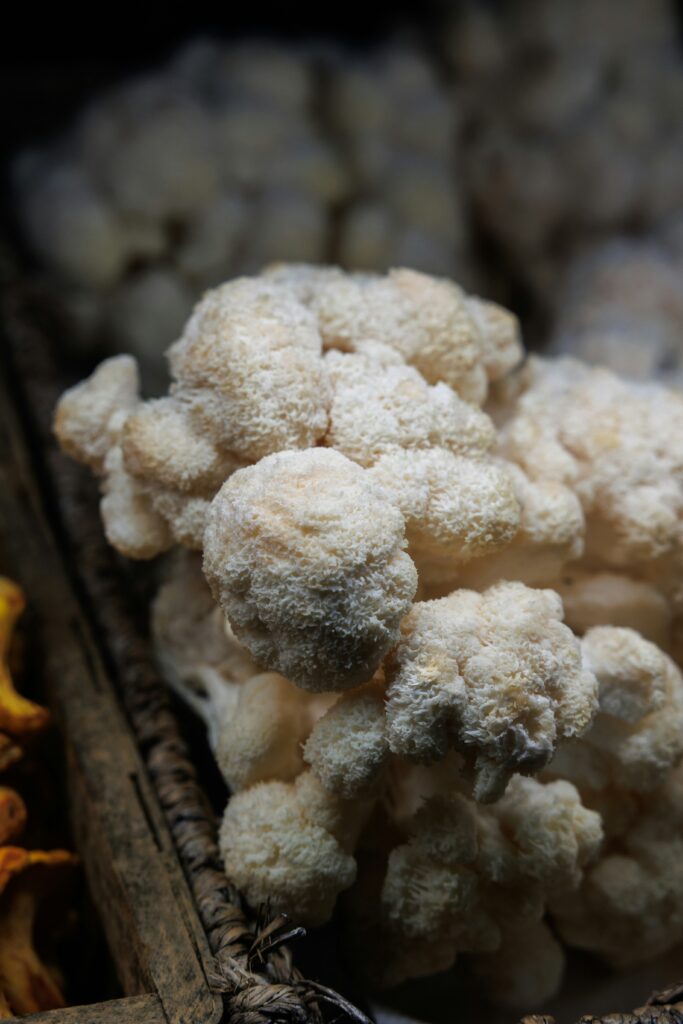
Portobellos and shiitakes might get most of the buzz, but there’s another mushroom worth a spot on your radar and your plate: lion’s mane. With their shaggy white spines and fluffy appearance, they’re quite different than your typical mushroom, and their mild flavor and meaty texture make them just as interesting to cook with as they are to look at.
But their kitchen appeal is only part of the story. Lion’s mane has also been getting attention for its potential health benefits, from improving memory and focus to boosting gut health.
In this article, we’re digging into the possible lion’s mane mushroom benefits, what the research actually shows, and any potential downsides to consider, plus easy ways to cook, buy, and store these distinctive fungi.
What are lion’s mane mushrooms?
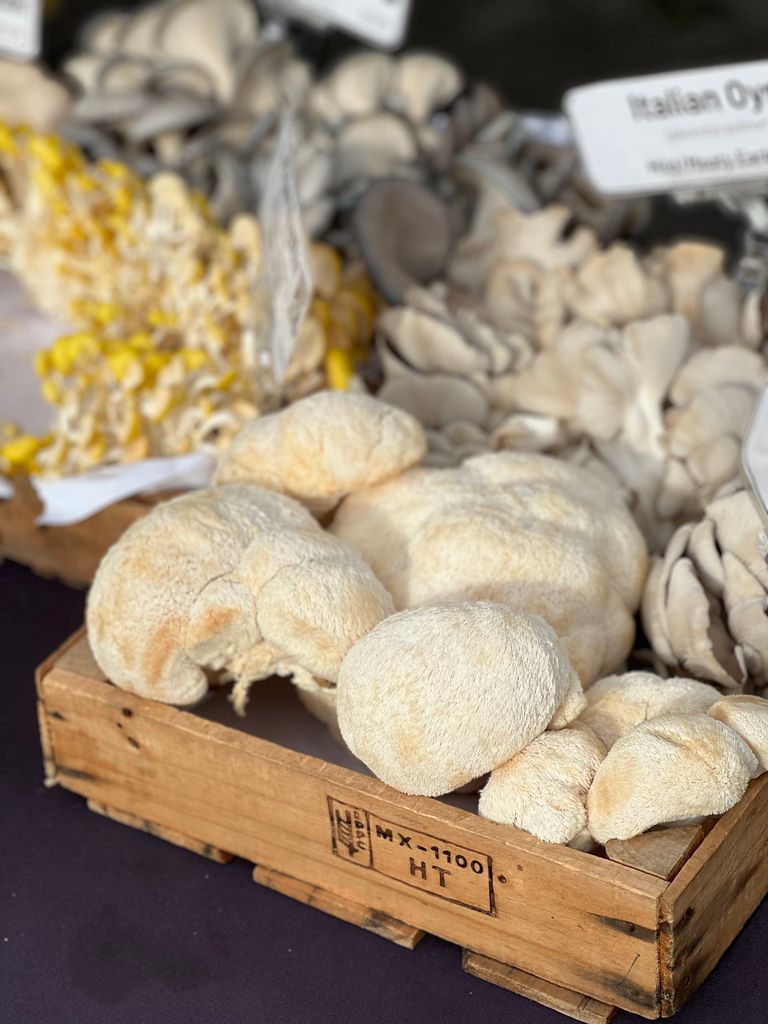
Lion’s mane mushrooms (known scientifically as Hericium erinaceus) are a type of mushroom that look a little like fluffy white pom-poms, making them pretty easy to spot among the portobellos and shiitakes. Their long, cascading spines resemble (you guessed it!) a lion’s mane, giving these edible mushrooms their memorable name.
Lion’s mane has a long history of use in cooking and traditional Chinese medicine. It has a mild flavor and a tender, meaty texture that’s often compared to crab or lobster, making it a fun addition to plant-based crab cakes, tacos, lobster rolls, and so much more.
These days, you can also find lion’s mane in capsules, powders, and mushroom coffee blends, which are often marketed for brain health and focus.
Lion’s mane mushroom nutrition
Like other edible mushrooms, lion’s mane mushrooms provide carbs, some protein, and very little fat. They also contain a bit of fiber, along with micronutrients like biotin, riboflavin, and copper.
The exact nutritional makeup of lion’s mane varies depending on how it’s grown and prepared, but a 100-gram serving (equal to about four mushrooms) provides the following nutrients:
- Calories: 43
- Protein: 2.5 grams
- Carbohydrates: 7.6 grams
- Fat: 0.2 grams
- Fiber: 4.4 grams
- Biotin: 16.9 micrograms (56% of the Daily Value, or DV)
- Riboflavin: 0.4 milligrams (28% of the DV)
- Copper: 0.2 milligrams (20% of the DV)
- Thiamin: 0.1 milligrams (12% of the DV)
- Niacin: 1.6 milligrams (10% of the DV)
- Potassium: 443 milligrams (9% of the DV)
- Manganese: 0.2 milligrams (8% of the DV)
- Phosphorus: 94 milligrams (8% of the DV)
- Folate: 30 micrograms DFE (8% of the DV)
- Zinc: 0.7 milligrams (7% of the DV)
With just a few grams of protein per serving, it’s important to note that the meaty texture of the lion’s mane mushroom doesn’t make it nutritionally interchangeable with meat, beans, or tofu.
Additionally, fresh mushrooms, dried powders, and concentrated extracts aren’t always the same either, so always double-check which form and serving size nutrition information refers to.
Stay in the loop!
Healthy eating tips & recipes delivered directly to your inbox
Potential benefits of lion’s mane mushrooms
Lion’s mane mushroom benefits have become a hot topic, especially when it comes to brain health. Here’s what the research actually shows (and what it doesn’t).
They might improve brain function
Brain health is probably lion’s mane’s biggest claim to fame.
Part of the interest comes from compounds called hericenones and erinacines, which researchers have studied for their effects on nerve growth factor (NGF), a protein that helps certain nerve cells grow, survive, and stay healthy.
While more research is needed, lab studies suggest that some of these compounds could encourage the production of NGF or enhance the growth of certain nerve cell extensions that help cells communicate.
In one small study of 30 adults with mild cognitive impairment, those who took lion’s mane powder for 16 weeks improved their scores on a cognitive assessment compared with those taking a placebo. However, scores declined after supplementation stopped.
Another trial in healthy young adults found faster performance on one attention task after a single dose of lion’s mane, but results across other measures were mixed.
It’s an interesting starting point, though larger studies are needed before we can really call lion’s mane a reliable memory or focus booster.
They may help you handle stress
Could this fluffy mushroom help you feel a little less frazzled? Some research shows that it might!
In fact, in a pilot study of 41 adults, taking 1.8 grams of lion’s mane daily for 28 days was linked to a trend toward lower subjective stress levels.
This is believed to be thanks to its effects on a protein called brain-derived neurotrophic factor (BDNF), which helps brain cells survive and improves their ability to form and adapt connections.
While more studies in humans are needed, research in mice suggests that lion’s mane extract might also influence BDNF signaling, encourage the growth of new nerve cells, and reduce inflammation in the brain.
They could support nerve health
Beyond memory and focus, researchers are also interested in how lion’s mane might affect the nerves themselves.
Laboratory and animal studies suggest that certain extracts and compounds may encourage nerve growth or help injured nerves recover by boosting the production of NGF.
That sounds exciting, but more research is needed. After all, there’s a big leap between using concentrated extracts to help nerves recover in rats and demonstrating those same benefits in humans.
They may have antioxidant and anti-inflammatory effects
Lion’s mane might be beneficial against oxidative stress and inflammation, both of which are key contributors to chronic disease.
Researchers are especially interested in the polysaccharides found in lion’s mane, which are long chains of sugar molecules that may help promote your body’s antioxidant defenses.
In one study, these compounds reduced signs of cell damage in mice with colon inflammation. They also increased levels of antioxidant enzymes, which help keep potentially damaging molecules in check, and appeared to dial down a protein complex that triggers inflammation.
Another mouse study found that lion’s mane polysaccharides could help lower some of the signals that drive inflammation, including a specific pathway called NF-κB.
However, it’s important to note that these studies used concentrated extracts in mice with colitis. They don’t show that eating lion’s mane or taking a supplement will have the same effects in people.
They might promote gut health
Lion’s mane’s potential perks might just extend beyond the brain to the belly.
In fact, researchers are currently exploring whether compounds in the mushroom could influence your gut microbiome, which is the community of bacteria and other microbes living in your digestive tract.
In animal studies, lion’s mane extracts changed the mix of gut bacteria and helped ease intestinal inflammation in experimental models of colitis. That suggests that these compounds could affect both the gut’s microbial community and its inflammatory response.
Still, these studies used specific extracts under controlled conditions, and more research is needed to determine whether lion’s mane actually improves gut health in humans.
Possible downsides of lion’s mane mushrooms
Lion’s mane seems to be safe and well-tolerated for the most part, but that doesn’t mean it agrees with everyone.
Supplements, in particular, can cause stomach discomfort, nausea, or diarrhea. Skin rashes caused by lion’s mane have also been reported.
Allergic reactions are another possibility, including rare reports of a severe reaction. If you have a mushroom allergy, definitely check in with your doctor before trying lion’s mane.
There’s also plenty we still don’t know about supplement safety, especially with long-term use. Before adding any new supplement to your routine, chat with your healthcare provider, especially if you take medications, are pregnant, or are breastfeeding.
How to use lion’s mane mushrooms
Interested in giving this shaggy mushroom a try in your own kitchen? Lion’s mane has a mild flavor and a tender, meaty texture that makes it a fun addition to all kinds of different dishes.
Here are a few easy ways to use it:
- Sauté until golden: Tear into bite-sized pieces and cook in olive oil with garlic, salt, and pepper. Give the pieces a little space in the pan so they brown nicely.
- Make mushroom steaks: Cut into thick slices, season, and pan-sear until golden on both sides. Finish with a generous squeeze of lemon juice and some fresh herbs.
- Build a better sandwich: Tuck cooked lion’s mane into a toasted roll with crunchy slaw and your favorite sauce.
- Try plant-based crab cakes: Shred the mushroom and mix with breadcrumbs, a binder, and seasonings like Old Bay, then shape into patties and cook until crisp.
- Add to your dinner rotation: Toss cooked pieces into pasta, stir-fries, veggie bowls, or tacos for extra texture and flavor.
- Use supplements: Lion’s mane powders can be stirred into coffee, smoothies, or even oatmeal, depending on the product’s directions. However, keep in mind that powders and extracts aren’t necessarily equivalent to the mushrooms or the preparations used in research.
Buying and storage tips
Ready to track down this fluffy mushroom for yourself? A few simple shopping and storage tricks can help you get the most out of your haul.
- Know where to look: Check farmers markets, specialty grocery stores, or local mushroom growers for fresh lion’s mane.
- Pick a fresh bunch: Look for firm mushrooms with mostly white or cream-colored spines. Pass on any mushrooms that are slimy, smell sour, or have extensive dark discoloration.
- Give them room to breathe: Store fresh lion’s mane in a paper bag in the refrigerator. Avoid airtight plastic bags, which can trap moisture.
- Use sooner rather than later: Plan to cook mushrooms within a few days for the best texture, and check for spoilage before using.
- Clean just before cooking: Gently brush away dirt or briefly rinse if needed, then pat dry. Avoid soaking, which can leave them waterlogged.
- Save extras for later: Cook leftover mushrooms, let them cool, and freeze in an airtight container for an easy addition to future meals.
FAQ
More helpful articles
Is Soy Bad for You? What the Research Really Says

How to Start Fermenting Foods at Home (Beginner-Friendly Guide)
Benefits of Tofu: Nutrition Facts, Health Effects, and Cooking Tips
Olive Oil vs. Avocado Oil: Which Is Healthier?

Jujube Fruit Benefits, Side Effects, and Uses

Benefits of Kiwi: 6 Science-Backed Reasons to Add More Kiwi to Your Diet
How to Use Nutritional Yeast: Recipes, Benefits, and Nutrition Facts

Oat Milk vs. Almond Milk vs. Soy Milk: Which Plant Milk Is Healthiest?

Clear Protein Drinks: Benefits, Best Brands, and What to Look For
Spinach vs. Kale Nutrition: Which Is Healthier?
Conclusion
If you’re curious about the health buzz or just looking to shake up your dinner routine, lion’s mane is definitely worth a try.
Its mild flavor and meaty texture make it a fun ingredient to experiment with, whether you’re sautéing it until golden or whipping up lion’s mane steaks for a meatless dinner.
And with potential perks for your brain, your gut, and your overall health, this shaggy mushroom gives you tons of reasons to get creative in the kitchen.