10 Best Breakfasts for Blood Sugar Control to Start Your Day Right
Quick summary
Blood sugar-friendly breakfasts have an unfortunate reputation for being bland, restrictive, or completely carb-free. In reality, your morning menu can still include toast, oatmeal, fruit, and plenty of flavor with just a few smart pairings.
The key is pairing fiber-rich foods with protein and healthy fats. This helps balance blood sugar levels, slows down digestion, and keeps you satisfied longer.
In this guide, we’re taking a closer look at the best breakfasts for blood sugar control, what makes a morning meal balanced, and which foods are more likely to cause a spike. You’ll also find some simple tips for creating a breakfast that tastes delicious and keeps your energy up all morning long.
Importance of breakfast for blood sugar control
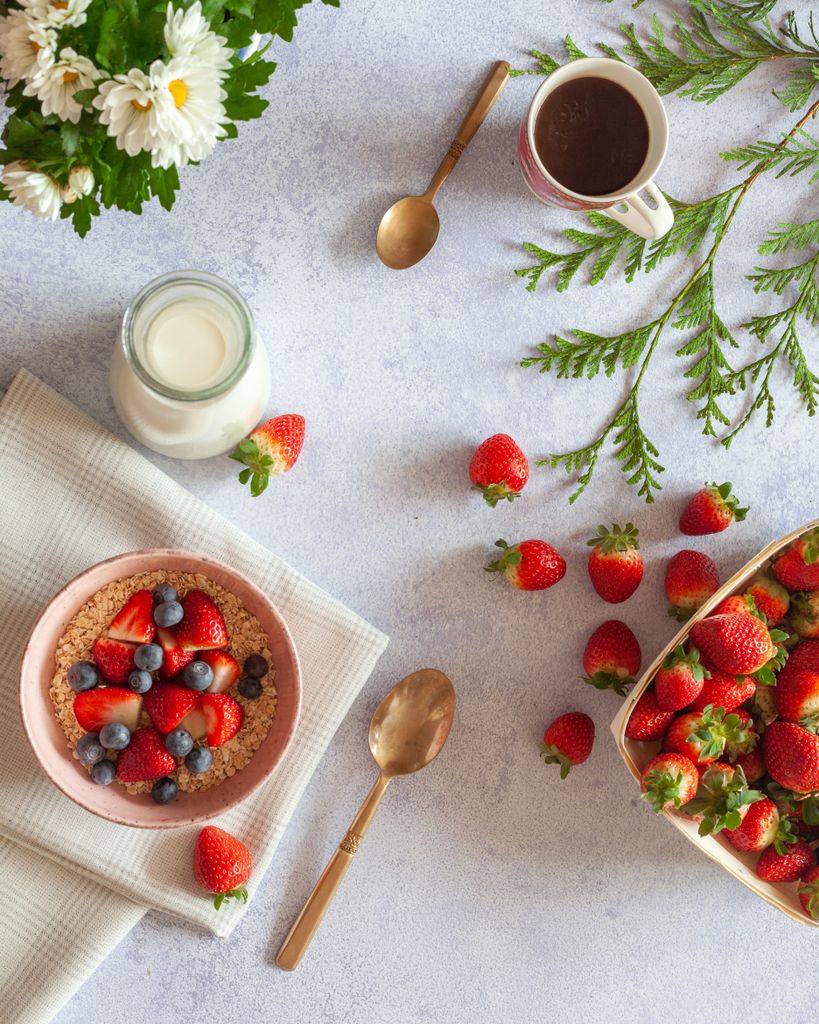
Breakfast can really set the tone for your blood sugar, energy, and appetite throughout the morning. A balanced meal provides your body with a steady supply of fuel after a long night without food, helping you avoid that dreaded midmorning energy crash.
What you put on your plate definitely matters. Pairing fiber-rich carbs with protein and healthy fats slows down digestion and allows glucose (aka sugar) to enter your bloodstream more gradually.
That said, breakfast isn’t one-size-fits-all. Your ideal meal (and whether you eat breakfast at all) may depend on your hunger cues, schedule, activity level, medications, and individual blood sugar response.
Still, starting your morning with a balanced mix of protein, fiber, and healthy fats is a simple way to support steadier blood sugar levels and keep you feeling full until lunch.
What makes a breakfast blood sugar-friendly?
Contrary to popular belief, a blood sugar-friendly breakfast isn’t all about cutting out carbs or settling for a sad plate of plain scrambled eggs. Instead, it’s all about combining carbohydrates with protein, fiber, and healthy fats. This combo slows digestion, supports a slower rise in blood sugar, and helps keep you satisfied long after your last bite.
Here are the key components to include:
- Protein: Eggs, Greek yogurt, cottage cheese, tofu, beans, and protein powder can give your breakfast more staying power while also slowing down digestion.
- Fiber: Fiber-rich foods like berries, oats, whole-grain bread, beans, veggies, chia seeds, and flaxseeds help carbs break down more gradually.
- Healthy fats: Avocado, nuts, seeds, nut butter, and olive oil can make your meals more filling and flavorful.
Portion size is also important, especially when it comes to carbohydrates. Even nutrient-dense foods can affect blood sugar when eaten in large amounts, and everyone’s body responds a little differently.
Always check nutrition labels carefully, pay attention to how you feel after meals, and use your blood sugar readings to figure out which combinations work best for you.
Stay in the loop!
Healthy eating tips & recipes delivered directly to your inbox
Best breakfasts for blood sugar control
The best breakfasts for blood sugar control combine protein, fiber, and healthy fats. Luckily, that leaves plenty of room for meals that are satisfying, flavorful, and much more exciting than a plain bowl of cereal. Here are a few balanced breakfast ideas worth waking up for!
1. Cottage cheese with fruit and almonds
Cottage cheese bowls are quick, protein-packed, and almost impossible to mess up — an ideal combination on busy mornings. Top cottage cheese with strawberries, peaches, or chopped apples, then sprinkle on some sliced almonds for healthy fats and crunch. Cinnamon or vanilla extract can also sweeten it up without added sugar.
2. Chia pudding with Greek yogurt and berries
Chia seeds absorb liquid and transform into a creamy, fiber-rich pudding overnight for an easy make-ahead breakfast. Mix them with unsweetened milk and refrigerate overnight. In the morning, add plain Greek yogurt or soy yogurt for protein, plus fresh berries and a spoonful of nut butter.
3. Breakfast burrito with beans and veggies
A breakfast burrito is a great addition to a blood sugar-friendly diet. Fill a whole-grain tortilla with black beans, scrambled eggs (or tofu), sautéed veggies, salsa, and avocado. The combination of protein, fiber, and healthy fats makes it much more balanced than a tortilla stuffed solely with potatoes and cheese.
4. Tofu scramble with vegetables
A tofu scramble (like my Southwest Tofu Scramble) is an easy plant-based alternative to scrambled eggs and a great way to use up whatever vegetables are hanging out in your fridge. Add spinach, peppers, mushrooms, and black beans for extra fiber, then season it with turmeric, cumin, nutritional yeast, or salsa. Serve it with avocado or a slice of whole-grain toast to round out your meal.
5. Protein smoothie
Smoothies can be a fast, easy, and nutritious breakfast option, though it does depend on what you’re putting in the blender. For a more balanced option, combine unsweetened milk, strawberries, leafy greens, protein powder, and chia seeds. Be sure to skip the fruit juice and keep the amount of fruit reasonable.
6. Overnight oats with almond butter
Oatmeal doesn’t have to be off the menu when you’re watching your blood sugar. Prepare rolled oats with chia seeds, unsweetened milk, and a spoonful of almond butter. Stir in some yogurt or protein powder for even more staying power, then top it off with berries instead of loading it up with brown sugar!
7. Veggie omelet with whole-wheat toast and avocado
A veggie omelet is one of the best breakfasts for blood sugar control. Eggs provide protein, avocado adds healthy fat, and vegetables squeeze extra fiber and nutrients into your morning before you’ve even finished your coffee. Pair your omelet with a slice of whole-wheat toast for a balanced source of carbs. Bell peppers, mushrooms, spinach, tomatoes, and onions are all delicious additions.
8. Quinoa breakfast bowl
Believe it or not, quinoa isn’t just for lunch and dinner. Warm it up with unsweetened milk and cinnamon, then top it with blueberries, walnuts, and Greek yogurt for a cozy breakfast with protein and fiber. You can also take it in a savory direction with tofu, avocado, vegetables, and a quick drizzle of tahini.
9. Savory oatmeal with tofu
If sweet breakfasts aren’t your thing, give oatmeal a savory twist. Top cooked oats with sautéed vegetables, sliced avocado, and some crumbled tofu. Add salsa, hot sauce, or everything bagel seasoning, and suddenly your oatmeal tastes totally different.
10. Avocado chickpea toast
Avocado toast brings fiber and healthy fats, but adding protein makes it much more satisfying and blood sugar-friendly. Start with whole-grain bread and top it with mashed avocado and chickpeas, microgreens, hemp seeds, or red pepper flakes. My Avocado Chickpea Toast recipe combines these ingredients into an easy, flavor-packed breakfast worthy of your favorite brunch spot!
Breakfasts that can spike blood sugar
A lot of classic breakfast foods aren’t so stellar when it comes to keeping blood sugar levels in check.
Sugary cereals, pastries, donuts, and syrup-soaked pancakes tend to pack in plenty of refined carbs and added sugar, but not as much protein or fiber. Because they’re digested very fast, they can cause blood sugar to spike and may leave you hungry again before lunchtime.
Other options that may seem nutritious can be surprisingly sugar-heavy, too. Flavored yogurt, granola, instant oatmeal packets, breakfast bars, bottled smoothies, and fancy coffee drinks often contain much more added sugar than you might expect. Even fruit juice can raise blood sugar quickly because it lacks most of the fiber found in whole fruit.
Breakfast foods more likely to cause a blood sugar spike include:
- sugary cereals
- donuts, muffins, and pastries
- pancakes or waffles topped with lots of syrup
- white toast, plain bagels, and other refined grains
- sweetened instant oatmeal
- flavored yogurt with lots of added sugar
- granola and breakfast bars
- fruit juice and fruit-only smoothies
- sweetened coffee drinks
Keep in mind that this doesn’t mean these foods should be banned from your breakfast table forever. Instead, enjoy them occasionally, keep portions reasonable, and add protein, fiber, or healthy fats to soften their impact.
For example, try pairing a small muffin with Greek yogurt, topping pancakes with nut butter and berries, or serving a smaller glass of juice alongside a tofu scramble or some eggs.
Dietitian-approved breakfast recipes
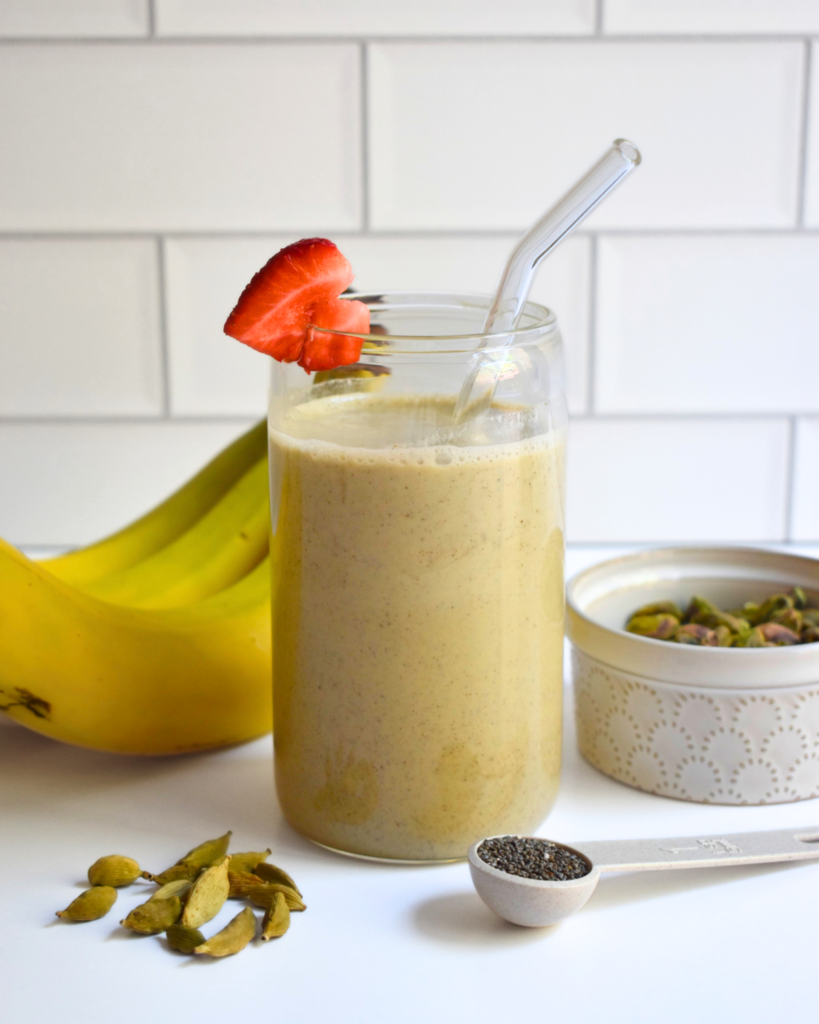
Creamy Pistachio Cardamom Smoothie

Copycat Starbucks Spinach, Feta & Egg White Wrap
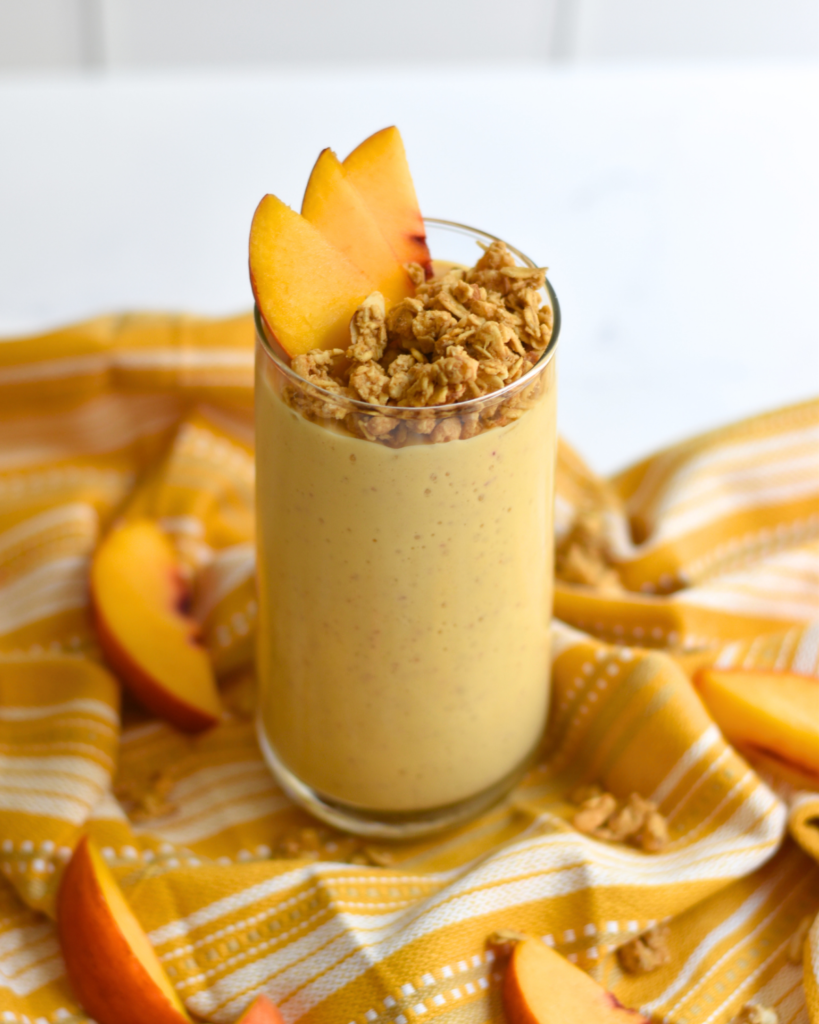
High-Protein Peach Cobbler Smoothie
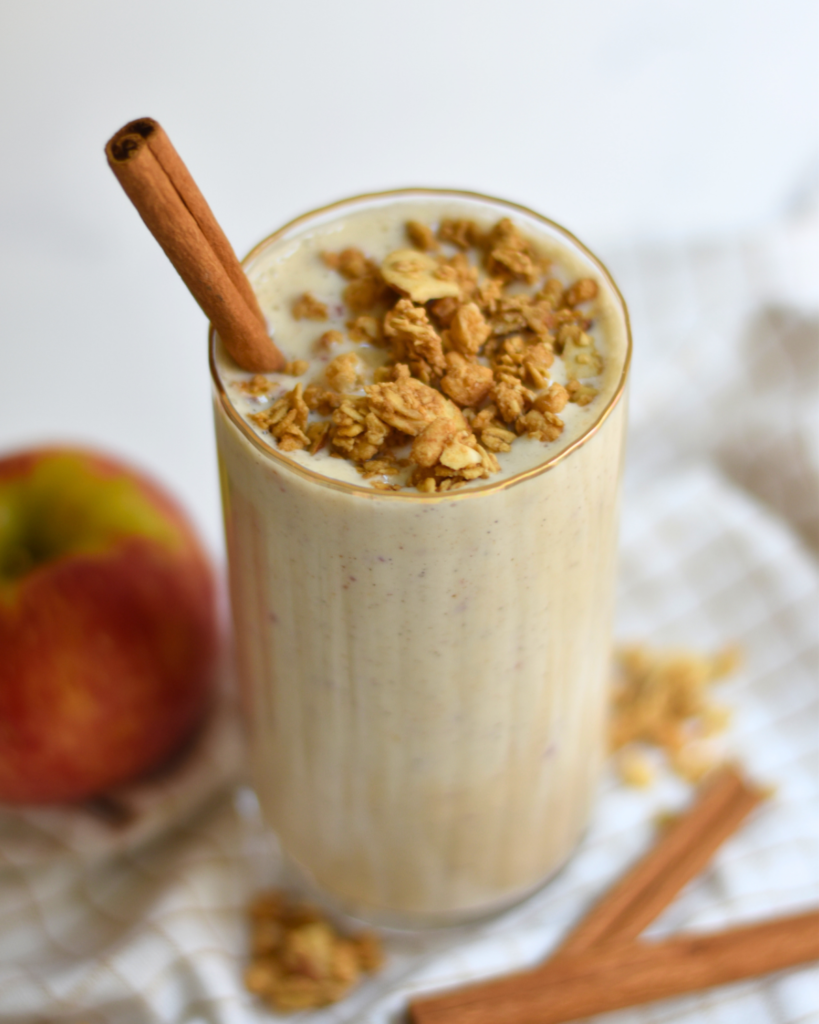
High-Protein Apple Pie Smoothie
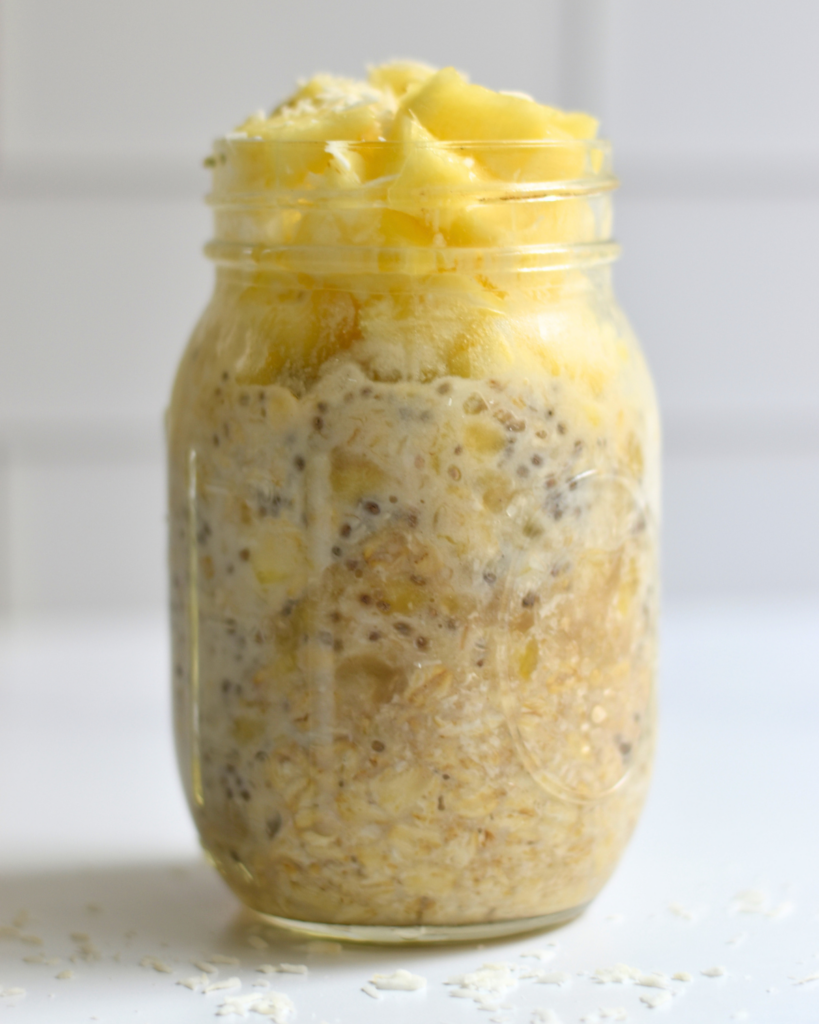
Tropical Overnight Oats with Pineapple and Coconut

Easy Avocado Chickpea Toast

Hidden Veggie Zucchini Waffles
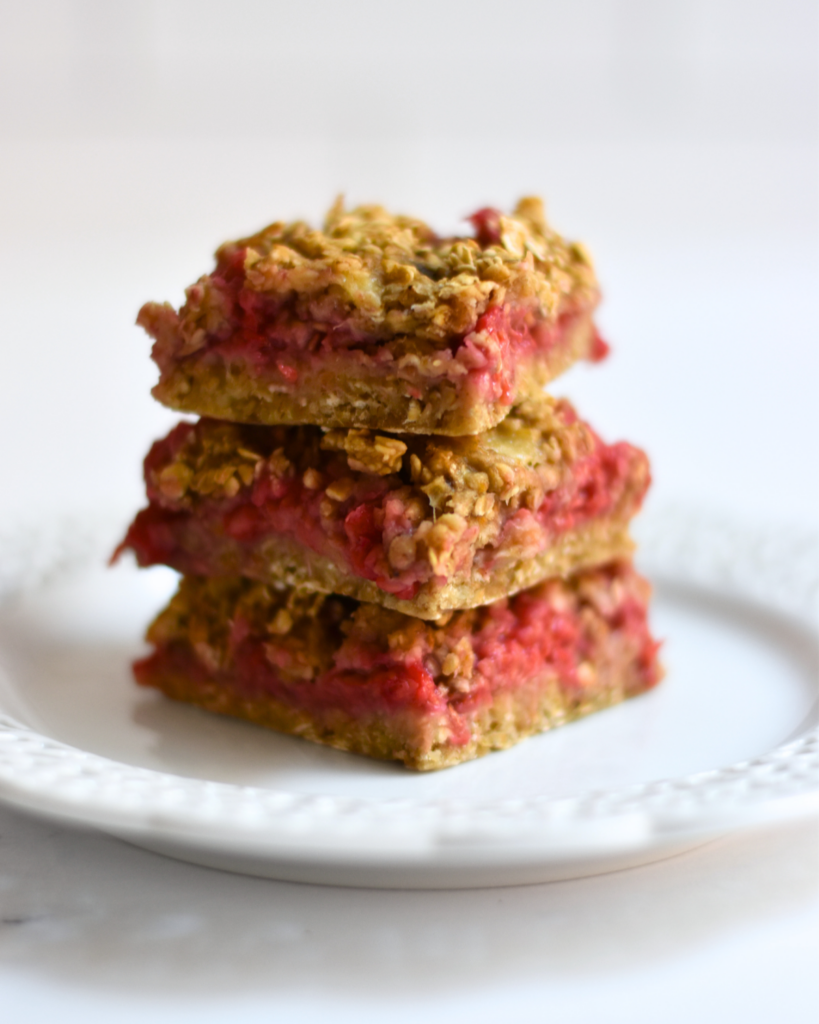
Raspberry Lemon Oat Bars
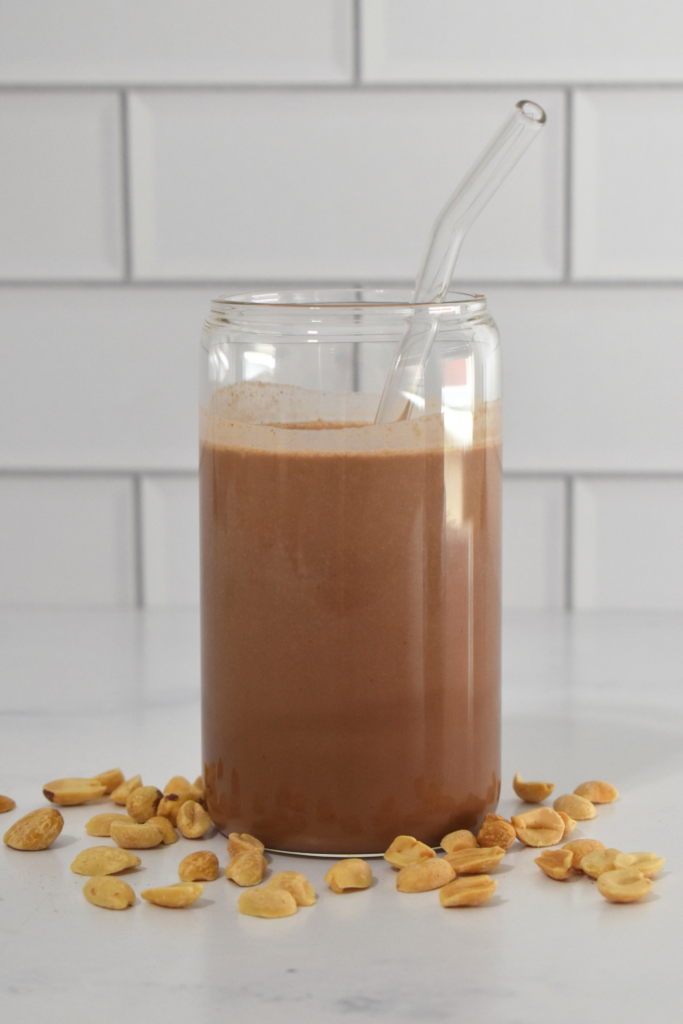
Chocolate Peanut Butter Protein Smoothie
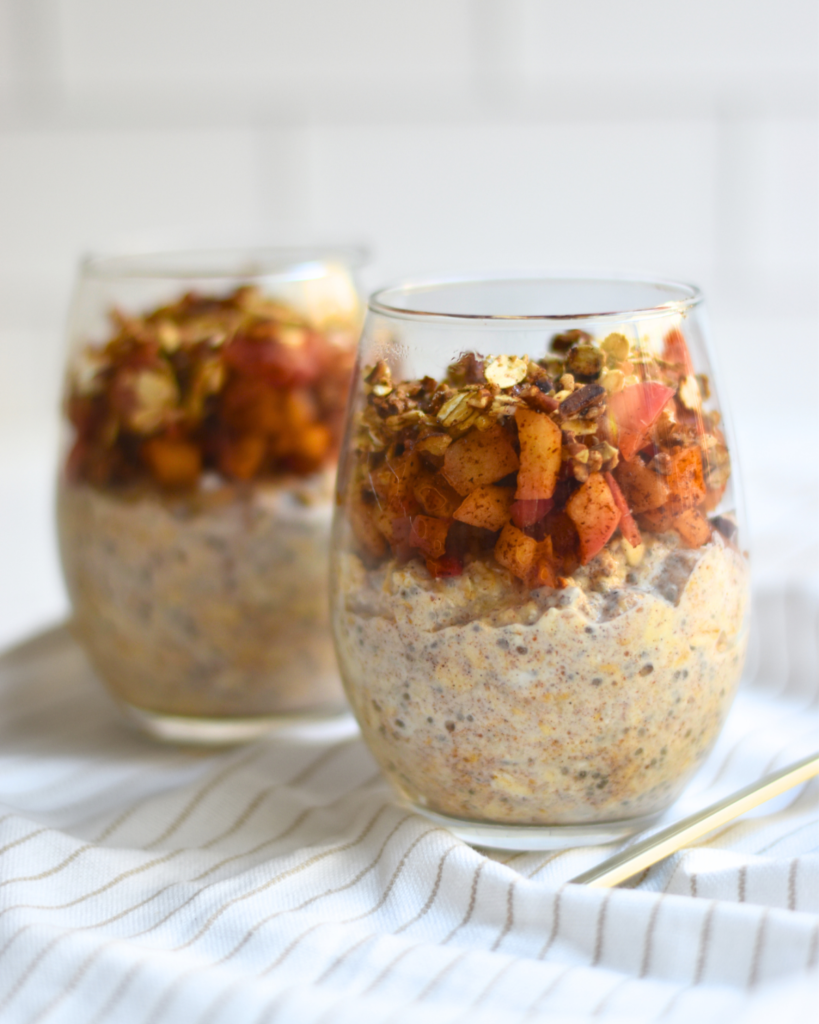
Apple Pie Overnight Oats
Tips for building a blood sugar-friendly breakfast
Building a blood sugar-friendly breakfast doesn’t require you to start tracking every crumb or say goodbye to your favorite foods. A few simple tweaks can transform your morning meal into one that provides a steady supply of energy, helps keep you satisfied, and still tastes delicious.
Here are a few tips to get started:
- Start with protein: Build your breakfast around a solid source of protein to make it more filling and keep blood sugar levels steady.
- Stick to fiber-rich carbohydrates: Choose oats, whole-wheat bread, beans, berries, or fruits instead of refined grains and juice.
- Add healthy fats: Top your meal with avocado, nuts, seeds, or nut butter. Healthy fats add flavor and increase satiety, so you’re less likely to feel hungry again an hour later.
- Don’t eat carbs alone: Give that piece of toast some company! Pair carbohydrate-rich foods with protein, fat, or fiber, such as toast with eggs, fruit with Greek yogurt, or oatmeal with protein powder and walnuts.
- Check for added sugar: Many breakfast items contain more sugar than you might expect. Compare nutrition labels and choose options with little or no added sugar when possible.
- Keep portions in mind: Even nutritious carb-rich foods can raise blood sugar when eaten in large amounts. Start with a moderate serving size and adjust based on your hunger, activity, medications, and blood sugar response.
- Plan ahead: Set aside some time and prepare overnight oats, chia pudding, or breakfast burritos in advance. Having a balanced option ready to go makes it much easier to start your morning on the right foot.
FAQ
More healthy eating tips
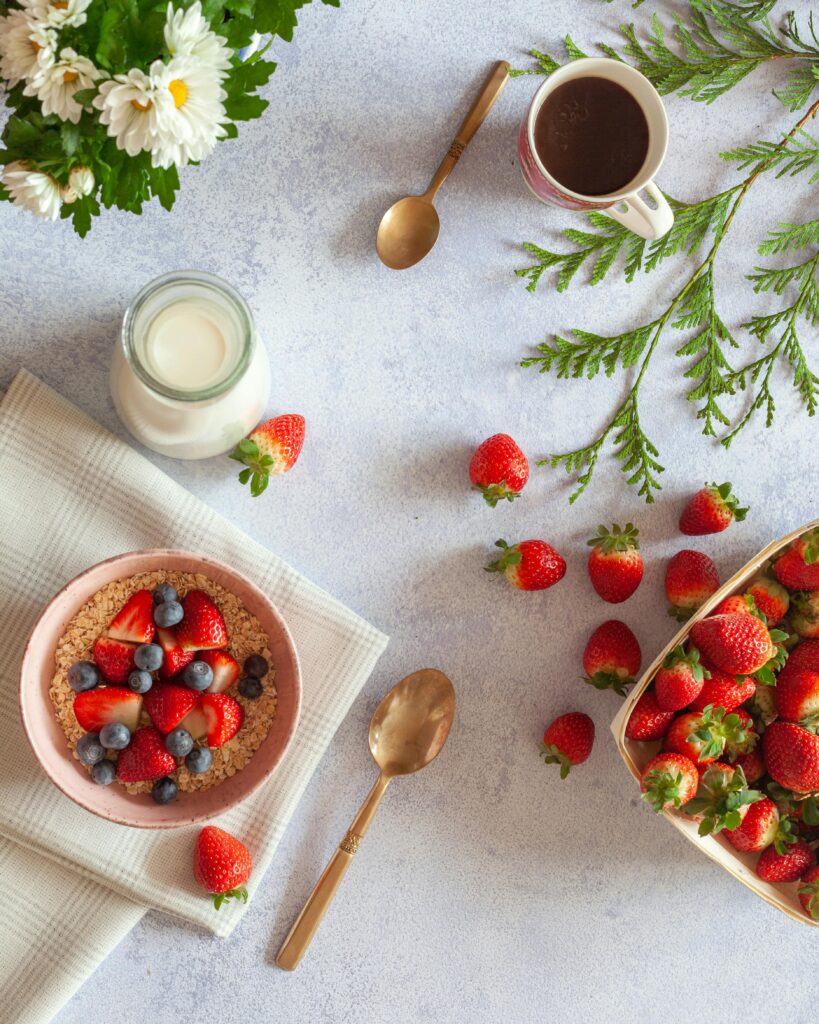
15 Healthy Breakfast Ideas for Busy Mornings
What is Mindful Eating? Tips, Tricks, and How to Get Started
How to Read Nutrition Labels Like a Dietitian
How to Eat More Whole Foods: Tips, Meal Ideas, and More
What Does a Balanced Meal Look Like? Simple Guide + Meal Ideas
Conclusion
The best breakfast for blood sugar control doesn’t have to be bland, carb-free, or complicated.
By pairing fiber-rich carbohydrates with protein and healthy fats, you can create a satisfying morning meal that helps maintain energy levels and keep hunger in check.
Experiment with options like yogurt bowls, overnight oats, avocado chickpea toast, or tofu scrambles to find a combination that tastes great and works well for your body.