Does Vitamin C Help Colds? What the Science Actually Says
Quick summary
Vitamin C gets a lot of hype in the wellness world, and for good reason: it doubles as an antioxidant, increases the production of collagen, and helps protect against cell damage. But when it comes to vitamin C for immunity and colds, the conversation gets a little more complicated. It’s often marketed as a powerhouse for preventing colds, but does it really live up to the hype?
In this article, we’re diving into the science, including how vitamin C impacts immune health, how much you need, and whether or not it can actually help treat or prevent colds.


Role of vitamin C in health
Vitamin C always gets a lot of attention when cold and flu season rolls around, but it’s actually working behind the scenes all year long and plays a key role in many aspects of health.
For example, vitamin C helps your body produce collagen, a protein that keeps your skin, bones, blood vessels, and connective tissues healthy. It also serves as an antioxidant, protecting cells against oxidative stress and inflammation. Plus, it supports the function of several types of immune cells that help defend against harmful pathogens.
Because vitamin C is water-soluble, your body doesn’t store much of it. This means that you need a steady supply from foods like fruits and veggies to ensure you’re meeting your needs.
Can vitamin C treat or prevent colds?
Can vitamin C actually cut colds short or even stop you from getting sick? This is a question that has fueled countless glasses of orange juice and trips to the supplement aisle over the years.
The short answer: not exactly.
Research suggests that vitamin C is unlikely to prevent colds in most people, so if you’re hoping a daily supplement will make you completely immune to every sniffle going around, you might need to lower your expectations.
That said, vitamin C could offer some benefits. Studies have found that people who get enough vitamin C in their daily diet may experience slightly shorter colds and milder symptoms when they do get sick. The effect isn’t dramatic, but shaving a day off a week-long cold is nothing to sneeze at (pun intended).
Some groups may benefit more than others. For instance, people who engage in intense physical activity (like endurance athletes) or those exposed to extremely cold environments appear to have a lower risk of developing colds when they take vitamin C regularly.
At the end of the day, consistency matters more than last-minute mega-dosing when it comes to vitamin C for immunity and colds. Taking large amounts after symptoms appear isn’t a guaranteed fix, and research suggests it’s a lot less effective than maintaining adequate vitamin C intake over time.
Stay in the loop!
HEALTHY EATING TIPS & RECIPES delivered directly TO YOUR INBOX
How much vitamin C do you need?
Luckily, you don’t need a mega-dose of vitamin C to stay healthy. In fact, the recommended daily amount for most adults is actually pretty modest: 90 milligrams (mg) per day for men and 75 mg per day for women.
That said, certain groups may need a little more. For example, people who smoke are advised to get an additional 35 mg daily because smoking increases oxidative stress and can deplete vitamin C levels. Those who are pregnant or breastfeeding also have slightly higher needs.
Before you reach for a high-dose supplement, keep in mind that more isn’t always better. The tolerable upper intake level for adults is 2,000 mg per day.
Consuming excessive amounts can lead to a handful of unpleasant side effects like nausea, stomach cramps, and diarrhea. Plus, your body can only absorb so much vitamin C at once, so excess amounts are mostly excreted through the urine.
For most people, focusing on enjoying a variety of fruits and vegetables is an easy way to meet your vitamin C needs without relying on supplements.
Best food sources of vitamin C
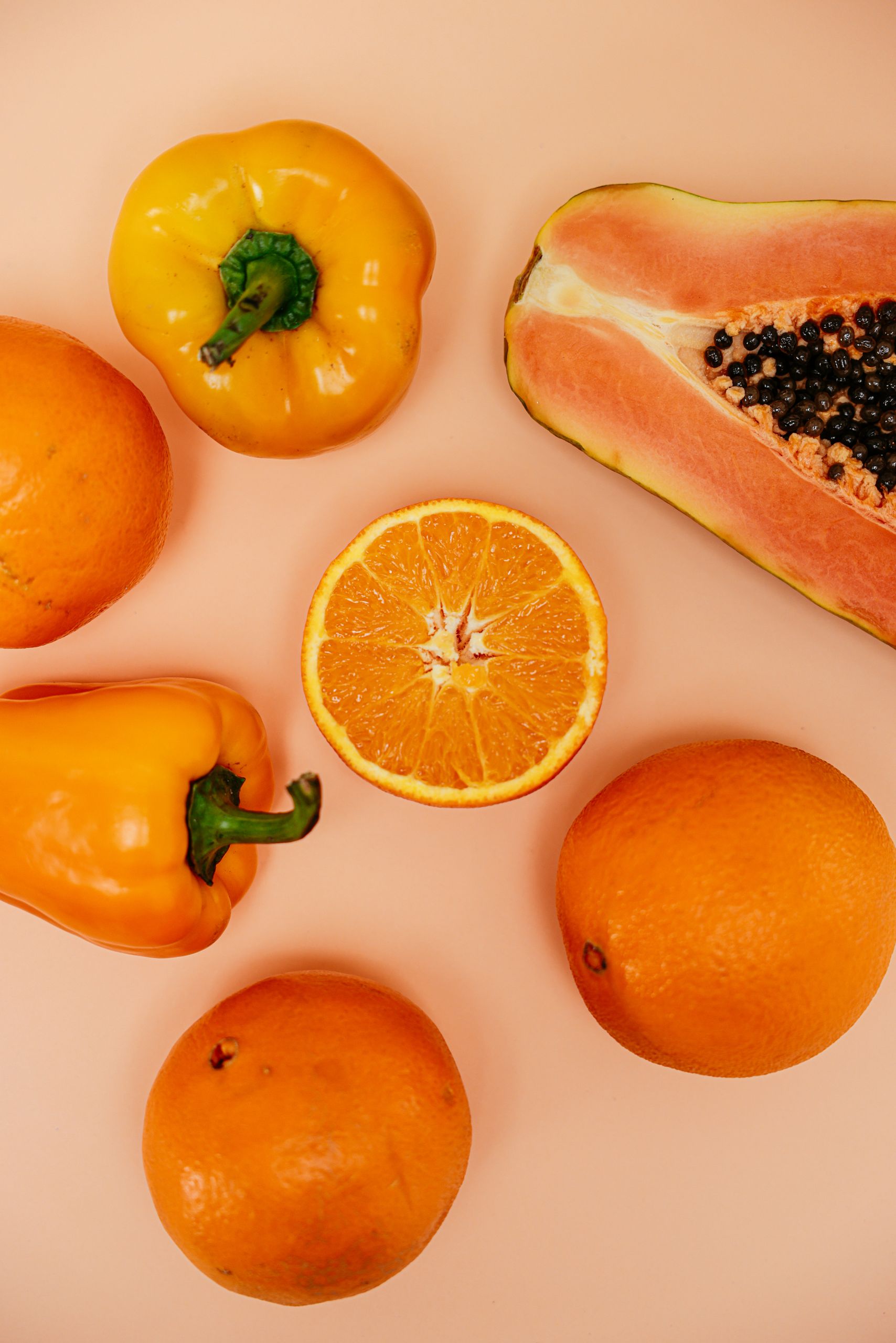
Getting enough vitamin C is easier than you might think, especially when you focus on colorful fruits and vegetables. In fact, many of the foods you might already have in your fridge are rich in vitamin C, making it simple to meet your needs through a balanced diet.
Some of the best sources of vitamin C for immunity and colds include:
- citrus fruits
- strawberries
- kiwi
- broccoli
- Brussels sprouts
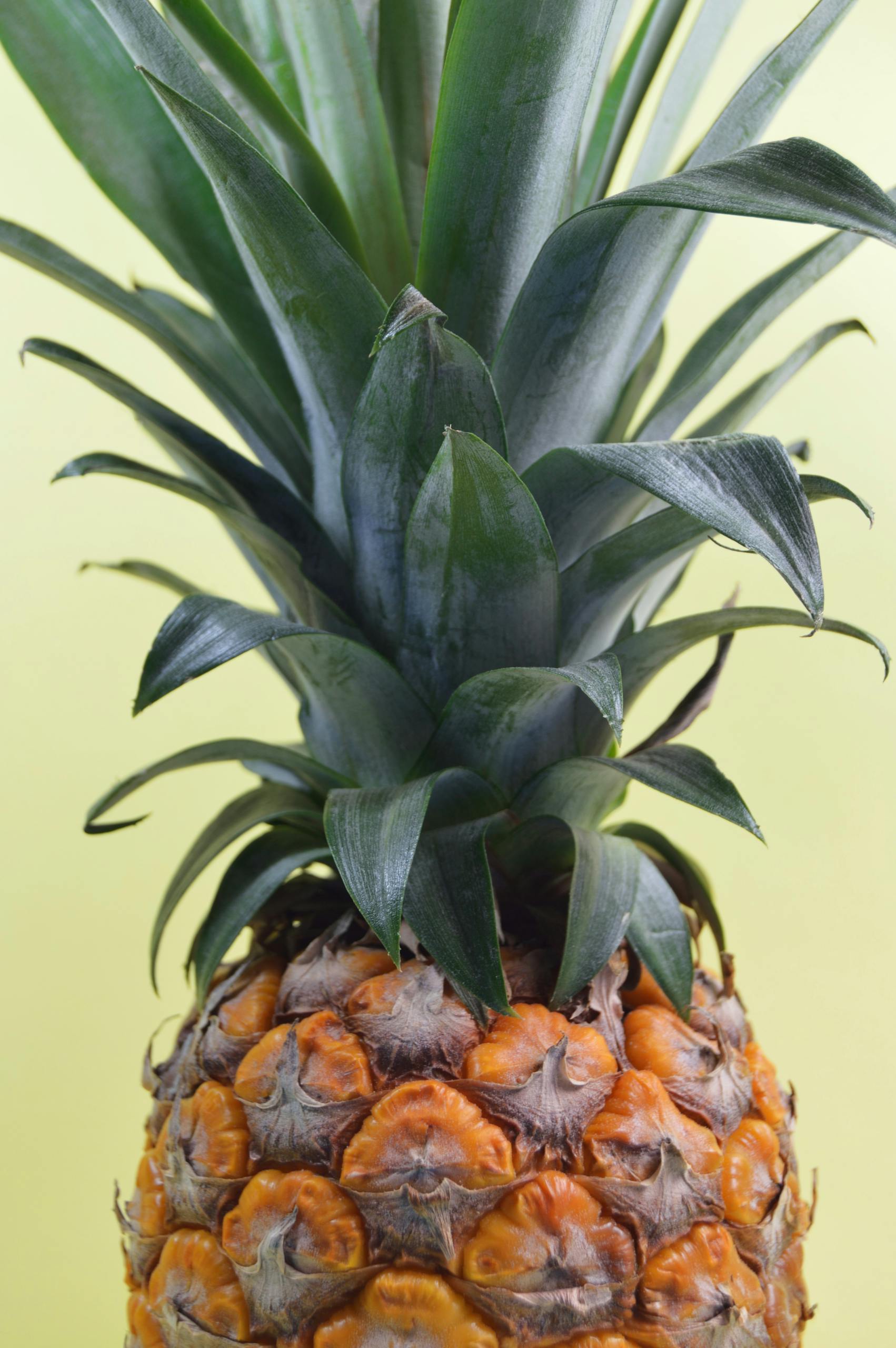
- pineapple
- bell peppers
- fruit juice
- tomatoes
- cabbage
- spinach
- potatoes
- green peas
- cantaloupe
- cauliflower
Vitamin C supplements
Vitamin C supplements are everywhere, from basic tablets to high-dose gummies that claim to boost immunity. But do you actually need them?
For most people, probably not. If your diet includes a variety of fruits and vegetables, there’s a good shot you’re already meeting your daily vitamin C needs. That’s because even a few servings of produce a day can easily cover the recommended intake.
That said, supplements can be useful in certain situations, including:
- if you struggle to eat enough fruits and vegetables
- if you have increased nutrient needs due to an underlying health condition
- if you have a diagnosed deficiency
- if you’ve been advised by a healthcare provider to supplement
When picking a supplement, more isn’t always better, and moderate doses are usually enough to fill any gaps in your diet. Check in with a doctor for personalized guidance on the best dosage and form for you.
Other nutrients for immunity
Vitamin C gets a lot of attention, but your immune system depends on a whole host of vitamins and minerals to function efficiently. Here are a few of the other nutrients that support immunity:
- Vitamin D: Vitamin D regulates immune responses and may even reduce your susceptibility to respiratory infections.
- Zinc: Not only is zinc essential for the development and function of immune cells, but it also promotes wound healing and can help shorten the duration of colds.
- Vitamin A: This fat-soluble vitamin strengthens the skin and mucosal barriers, which act as your body’s first line of defense.
- Selenium: Maintaining adequate levels of this trace mineral is important for supporting immune cell function and keeping your antioxidant defense systems running smoothly.
FAQ
More helpful articles
Conclusion
Vitamin C won’t magically block every sniffle or cure a cold once it starts, but getting enough each day does help keep your immune system functioning at its best.
At the end of the day, it’s all about consistency, so prioritize a diet full of colorful fruits and veggies over quick fixes or high-dose shortcuts.