How to Reduce Food Waste at Home: Simple Kitchen Hacks You’ll Actually Use
Quick summary
Food waste has a sneaky way of piling up, even in the most well-organized kitchens. A few extra items here, a forgotten container there, and suddenly more food is ending up in the trash than on your plate.
A few simple tweaks to your routine can make a big dent in food waste, which is a win for your wallet, your fridge, and the planet. From smarter grocery shopping to better storage and easy leftover makeovers, small shifts help you stretch what you already buy, save more money, and keep your kitchen a little less cluttered.
In this article, you’ll find some simple, practical ways to reduce food waste at home, along with a deep dive into the common causes of food waste and a food waste reduction routine you can actually stick to.
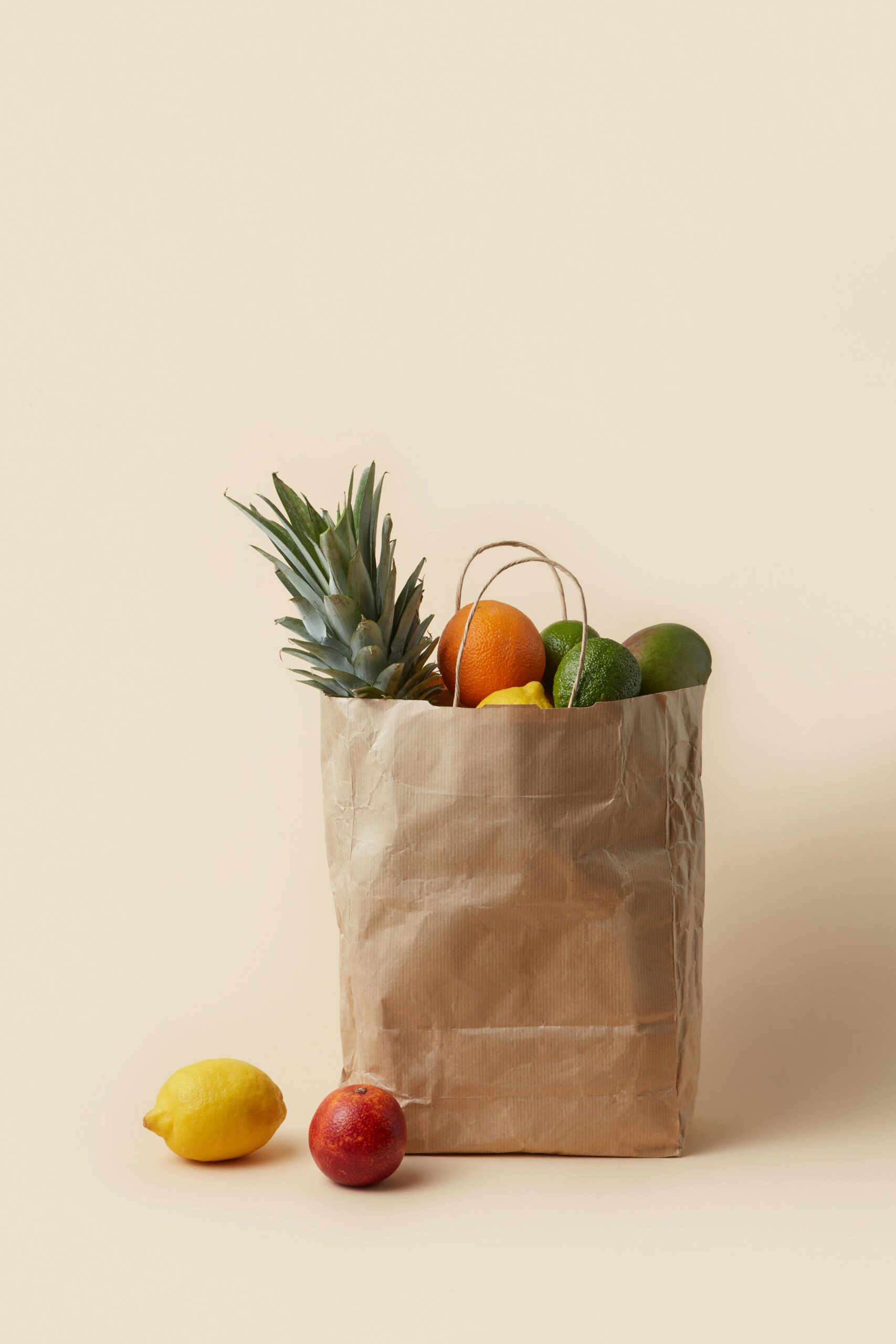
Benefits of reducing food waste
Cutting back on food waste at home can pay off pretty fast. In fact, you’ll probably notice it in your grocery bill, your fridge, and even how you cook. Making tweaks to how you use what you already have on hand can help your kitchen run more efficiently.
Saving money is one of the biggest benefits that comes from cutting food waste. When more of your groceries actually get eaten instead of tossed, every shopping trip stretches further (and so does your budget).
It also makes cooking easier and more flexible. Meals start to come together from what’s already in your kitchen, which leads to less decision fatigue and last-minute scrambling.
And then there’s the environmental impact: using more of your food means less ending up in landfills, which helps reduce food-related waste and emissions.
Other perks you’ll probably notice:
- a more organized fridge
- unexpected kitchen creativity from using what’s already there
- more intentional grocery runs
- a better sense of what you actually need when you go grocery shopping
Common causes of food waste
Food waste usually sneaks in through your daily habits, including how you cook, shop, and store your food.
Overbuying at the store is a big one. It’s easy to leave with more produce, snacks, or backup ingredients than you can realistically get through in a week, especially when everything looks good or is on sale.
Lack of meal planning also plays a major role. If you don’t have a loose plan for the week, ingredients often end up sitting in your fridge without a clear purpose, which can lead to spoilage.
Storage slip-ups can shorten the life of food faster than expected too. Produce left unwashed, leftovers uncovered, or items stored in the wrong spot tend to spoil much sooner.
Other common culprits of food waste include:
- forgotten leftovers hanging out in the fridge too long
- buying ingredients in bulk without a solid plan for using them up
- prepping more food than actually gets eaten
- letting fresh produce sit instead of using it first
Even just a few tiny tweaks in your routine can help significantly reduce food waste at home.
Stay in the loop!
HEALTHY EATING TIPS & RECIPES delivered directly TO YOUR INBOX
How to reduce food waste at home
Most food waste comes down to a handful of everyday habits. The tips below make it easier to use what you have before it goes to waste.
1. Shop smarter
A bit of strategic shopping at the supermarket can make a major difference in reducing food waste, and it starts before you even grab a cart.
Before heading to the store, take a quick scan of what you already have in your fridge, freezer, and pantry so you don’t double up on ingredients.
A loose meal idea for the week also helps guide what goes into your cart, so everything has a purpose once you get home.
A few simple ways to shop smarter:
- make a rough meal plan before grocery shopping
- stick to a flexible list based on real meals
- avoid buying perishable items “just in case”
These small steps help set you up for success so that more food gets eaten and less gets forgotten.
2. Practice meal prep
Meal prep doesn’t have to involve spending your entire weekend slaving away in the kitchen. In fact, it can be as simple as doing a little setup to make the rest of the week easier.
Prepping a few basics ahead of time helps ingredients actually get used instead of sitting in the fridge. This could include washing produce, cooking grains, or making a few proteins that can be added to different meals throughout the week.
A few easy ways to get started:
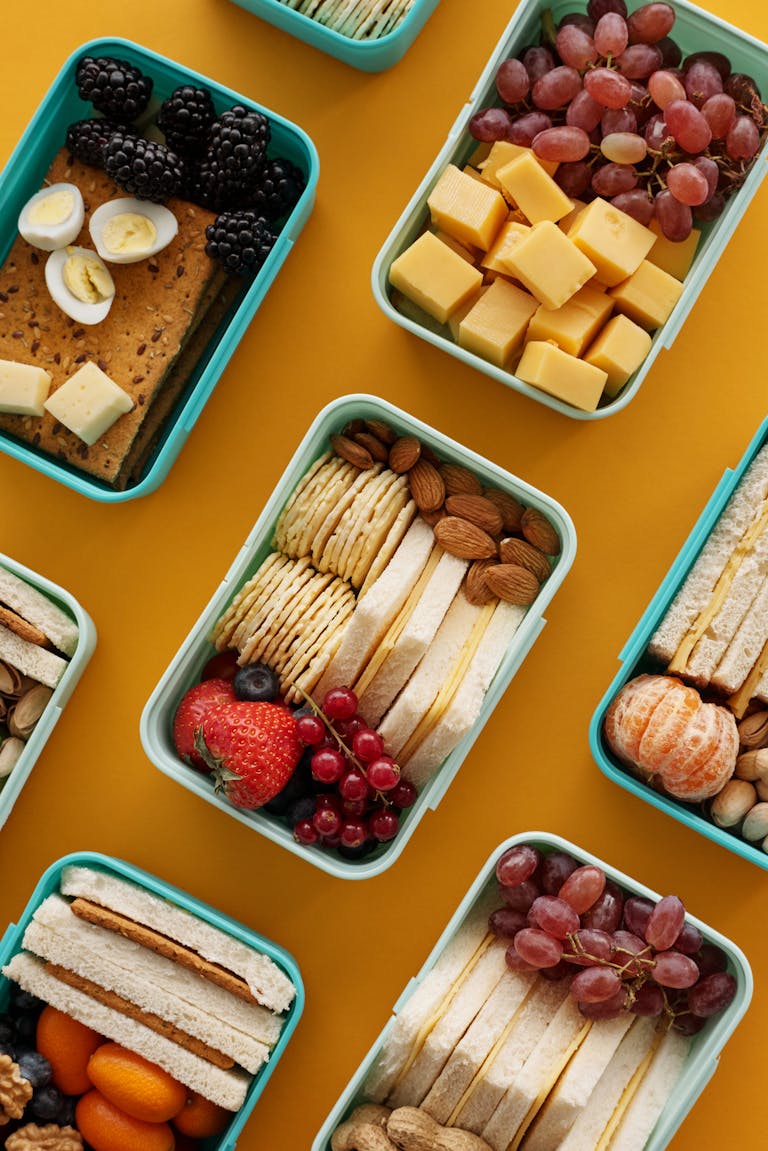
- chop veggies so they’re ready to grab and cook
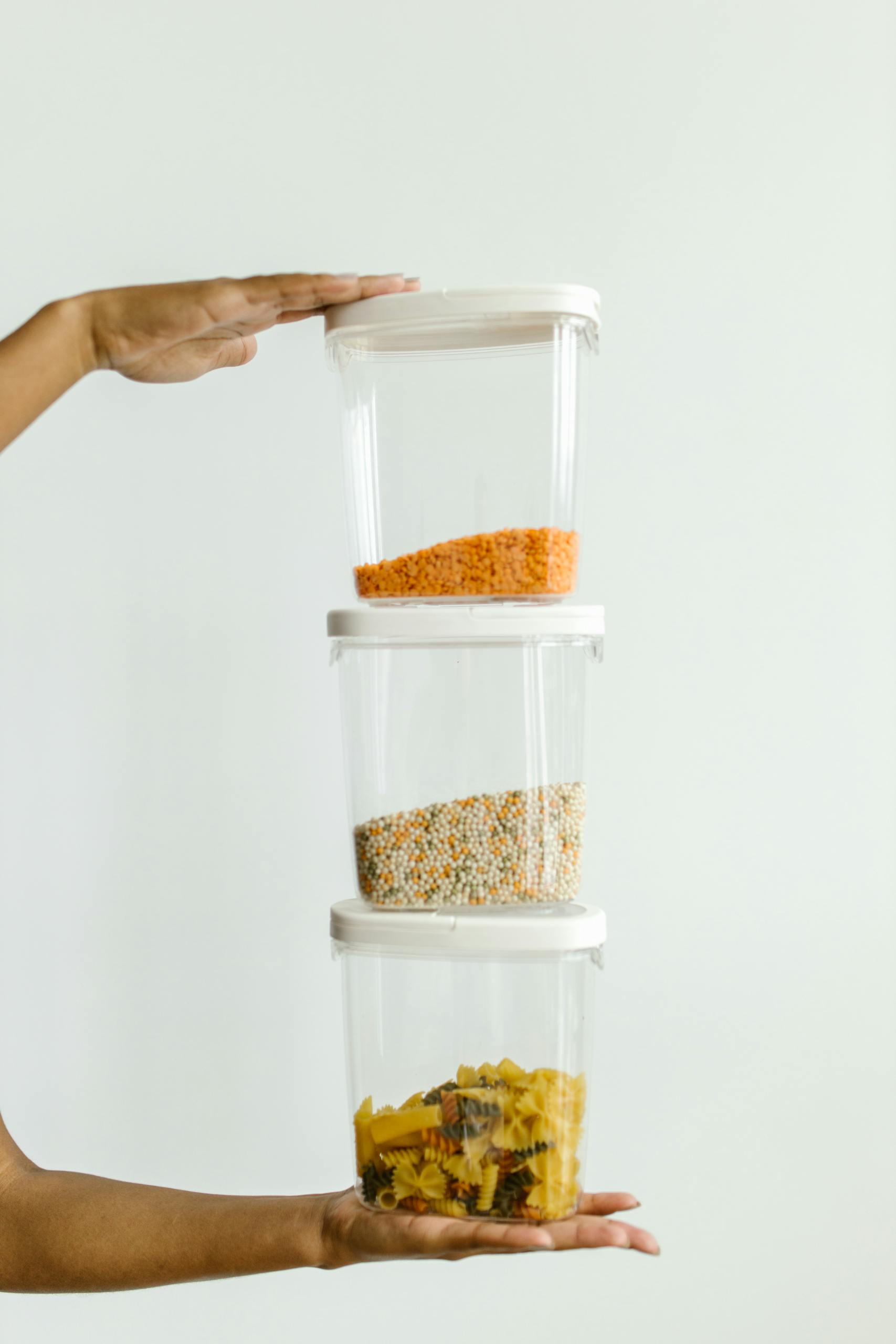
- make a batch of grains like rice, quinoa, or pasta
- prep a protein (like chicken, tofu, or beans) for quick meals
- portion out snacks ahead of time
3. Brush up on food storage basics
A lot of food waste comes down to how things are stored once they get home.
Different foods have different ideal storage spots in the fridge, freezer, or pantry, and knowing where things belong can extend their shelf life a lot more than you might expect.
A few basics to keep in mind:
- store leafy greens with a paper towel to absorb moisture
- keep herbs in a glass of water in the fridge
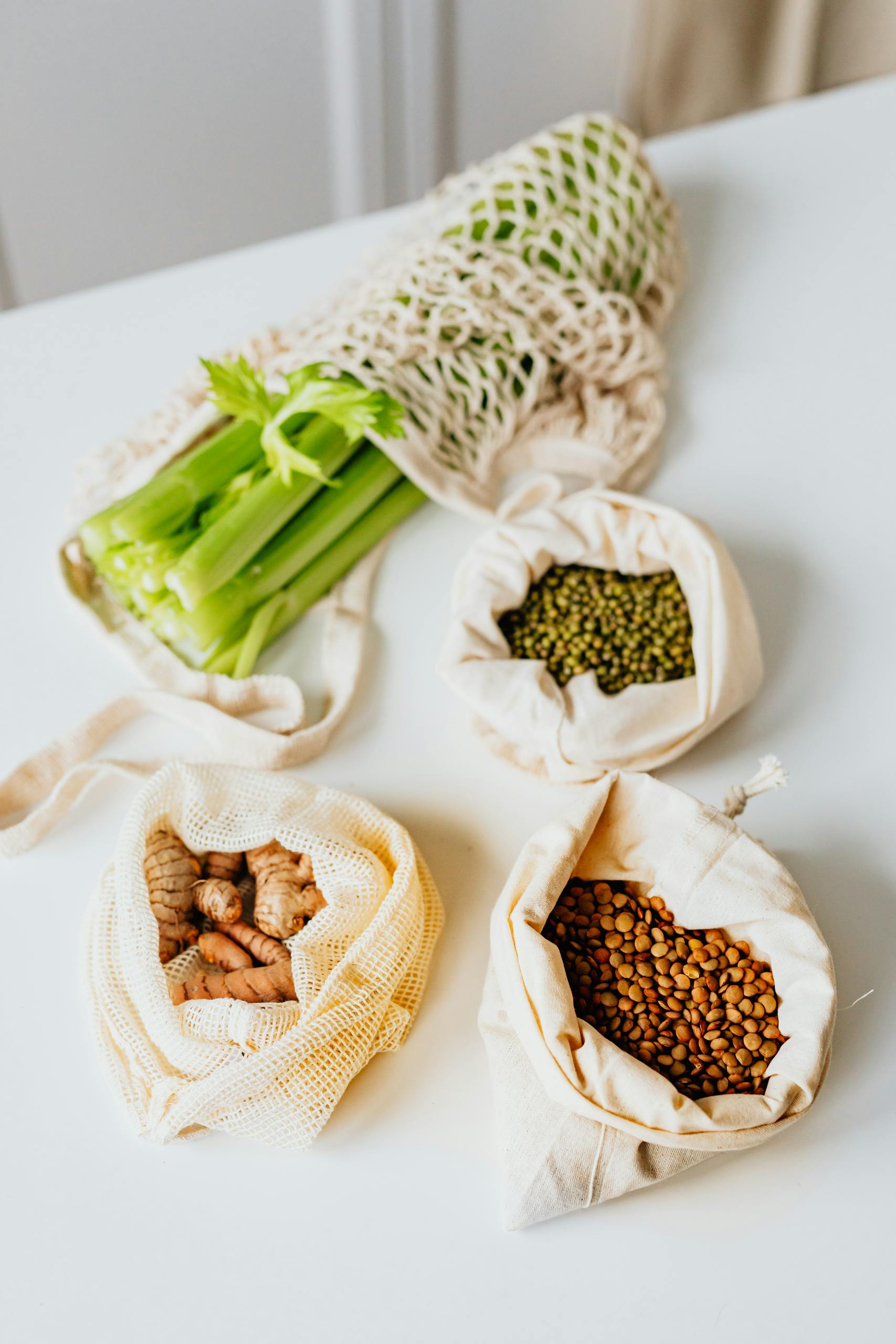
- use airtight containers for leftovers to lock in freshness
- freeze extra portions before they have a chance to spoil
- keep fruits and veggies separated when needed to slow ripening
When food is stored well, it lasts longer, tastes better, and is much more likely to get eaten instead of tossed.
4. Rearrange your fridge
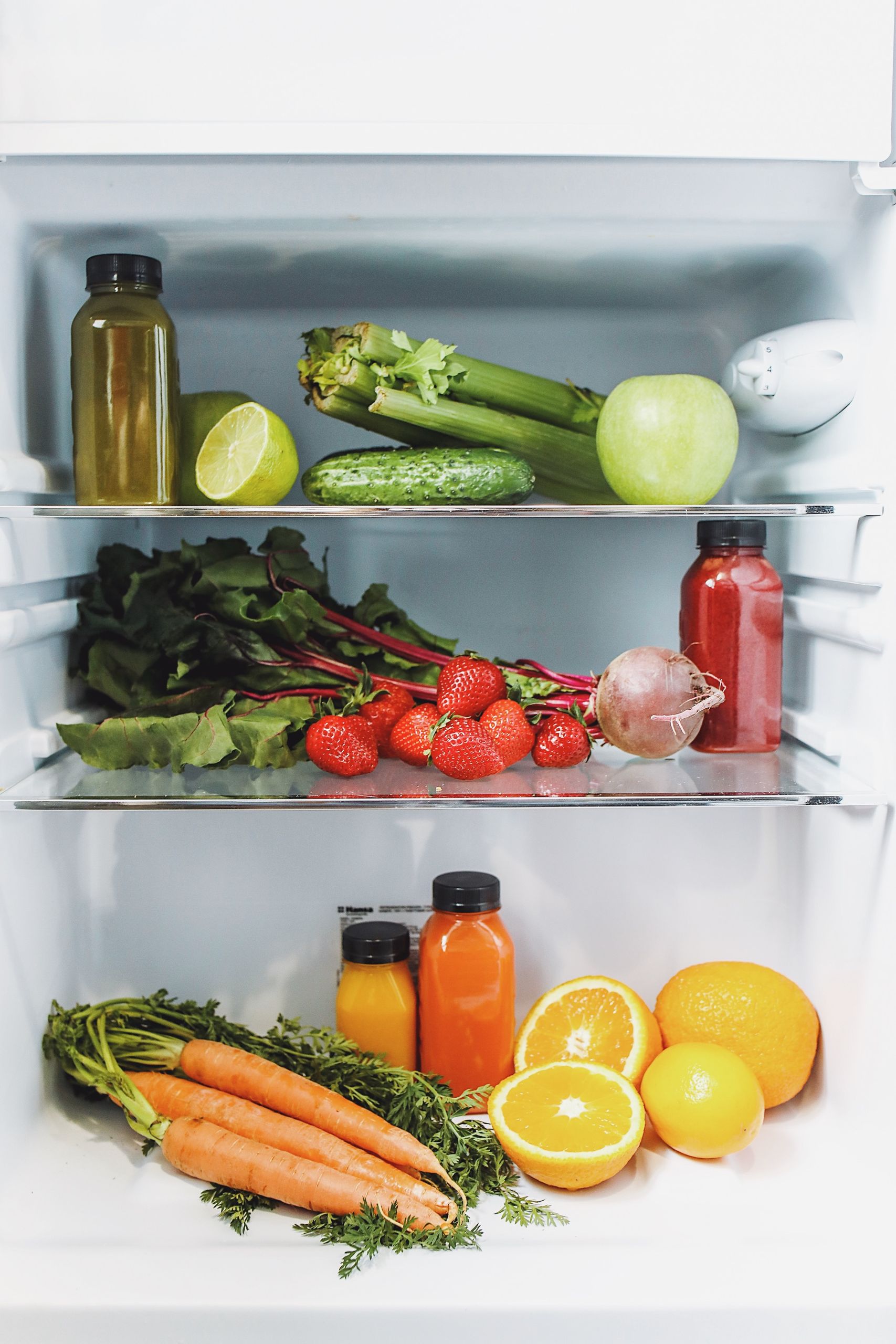
A little fridge reset can go a long way in reducing food waste. When food is easy to see and grab, it’s way more likely to actually get eaten instead of forgotten in the back corner.
Start by creating a dedicated zone for foods that need to be eaten soon. This keeps older items front and center so they don’t get buried behind newer groceries.
Leftovers also deserve a clear system. Labeling containers with the date makes it easier to know what’s still good and what needs to be used up fast.
A few easy fridge organization tips:
- designate a section for foods that need to be used soon
- label leftovers with the date they were made
- keep older items at eye level for easy visibility
- rotate new groceries behind older items whenever you restock
5. Get creative with leftovers
A little creativity in the kitchen can transform leftovers into brand-new meals.
Instead of repeating the same meal, think of leftovers as building blocks: roasted veggies can become a grain bowl, extra chicken can turn into tacos, and cooked rice can transform into a tasty stir-fry.
It also helps to mix and match instead of eating things as-is every time. A few small additions (like sauces, spices, or fresh toppings) can completely change the vibe of yesterday’s dinner.
A few other ideas to level up leftovers:
- turn roasted veggies into wraps, bowls, or omelets
- shred leftover proteins for tacos, salads, or sandwiches
- mix whole grains into soups or stir-fries for quick meals
- add fresh herbs, sauces, or dressings to revamp the flavor
6. Stock flexible staples
Keeping a few reliable pantry and freezer staples on hand makes it much easier to use up what’s already in your kitchen. These ingredients act like a backup plan for busy nights when you need a fast dinner or want to build something from odds and ends in your fridge.
Some staples to keep stocked include:
- canned beans or lentils for quick protein boosts
- frozen vegetables that can be added to almost anything
- rice, quinoa, or pasta as a meal base
- eggs for fast, versatile meals
- canned tomatoes for soups, sauces, curries, and skillet dishes
With these basics on hand, it gets a lot easier to turn whatever needs using up into something simple but satisfying.
7. Try composting
Even with the best planning and preparation, some food scraps are still going to happen. Composting gives those scraps a second life instead of sending them to the landfill.
It’s an easy way to turn kitchen waste into something useful for soil, whether you garden at home or use a community compost program. Over time, it can also help you become more aware of what you’re throwing away, which may lead to less waste overall.
A few simple ways to get started:
- collect scraps in a countertop bin or freezer container
- compost fruit and veggie scraps, coffee grounds, and eggshells
- check for local curbside pickup or community drop-off sites
- use finished compost for houseplants or gardens
If you want a deeper dive, make sure you check out my full guide to composting at home!
Common mistakes to avoid
A lot of food waste comes down to a handful of habits that might be easy to overlook. Here are some of the most common mistakes to avoid:
- shopping without checking what you already have at home
- buying extra “just in case” ingredients that don’t get used
- letting leftovers sit too long without a plan to eat them
- overfilling your fridge so food gets hidden and forgotten
- storing produce without considering how quickly it ripens
- misreading date labels and tossing food too early
- cooking large batches without planning how to finish them
Small adjustments in these areas can help you reduce food waste at home and make a big difference in how much food actually gets eaten instead of thrown away.
Food waste reduction routine
A simple weekly routine can make reducing food waste feel effortless instead of overwhelming. These small habits help you stay ahead of what you have, what you need, and what needs to be used up.
FAQ
More helpful articles
Conclusion
Reducing food waste at home comes down to a few simple, repeatable habits that make a big difference over time.
When you shop with a plan, store food properly, use up leftovers creatively, and keep an eye on what needs to be eaten first, it becomes much easier to get the most out of what you bring into your kitchen.
With a little consistency, figuring how to reduce food waste at home turns from a one-time effort into an easy everyday routine that saves money, cuts back on clutter, and helps more of your food actually get eaten.