10 Best Foods for Longevity: Simple Tips + Sample Meal Plan
Quick summary
The best foods for longevity can help your body stay healthy, strong, and resilient as you get older. By focusing on nutritious, minimally processed foods, you can promote heart health, brain function, and overall well-being, giving your body the nutrients it needs to support healthy aging.
Keep reading for 10 of the best foods for longevity, along with a five-day sample meal plan and some simple tips to incorporate these foods into your diet.
What is a longevity diet?
A longevity diet is a style of eating that focuses on foods shown to support healthy aging and long-term health.
Rather than relying on strict rules or short-term diet trends, it emphasizes nutrient-dense, minimally processed foods that provide the vitamins, minerals, fiber, and healthy fats your body needs to function well over time.
A diet that supports longevity is typically rich in vegetables, fruits, whole grains, beans, nuts, and healthy fats like olive oil. It also limits highly processed foods, added sugars, and red or processed meats, which could contribute to inflammation and chronic disease.
This style of eating can support heart health, balance blood sugar levels, promote a healthy gut microbiome, and lower levels of chronic inflammation, all of which are closely linked to longevity.
While no single food guarantees a longer life, consistently choosing whole, balanced foods as part of an overall healthy lifestyle can play an important role in supporting a long, healthy lifespan.
Stay in the loop!
HEALTHY EATING TIPS & RECIPES delivered directly TO YOUR INBOX
Best foods for longevity
Here are 10 of the best foods to support longevity, plus some simple ways to enjoy them in your daily diet.
1. Leafy greens
Packed with vitamins, minerals, fiber, and antioxidants, leafy greens like spinach, kale, arugula, and romaine lettuce can help support heart health, brain function, and overall cellular repair. According to one study published in the journal Neurology, eating just one daily serving of leafy green veggies may be linked to slower cognitive decline.
Try adding spinach or kale to smoothies, tossing arugula into salads, sautéing Swiss chard with garlic, or topping your favorite dishes with fresh microgreens. Leafy greens also make an easy addition to sandwiches, wraps, pasta, and scrambled eggs.
2. Yogurt
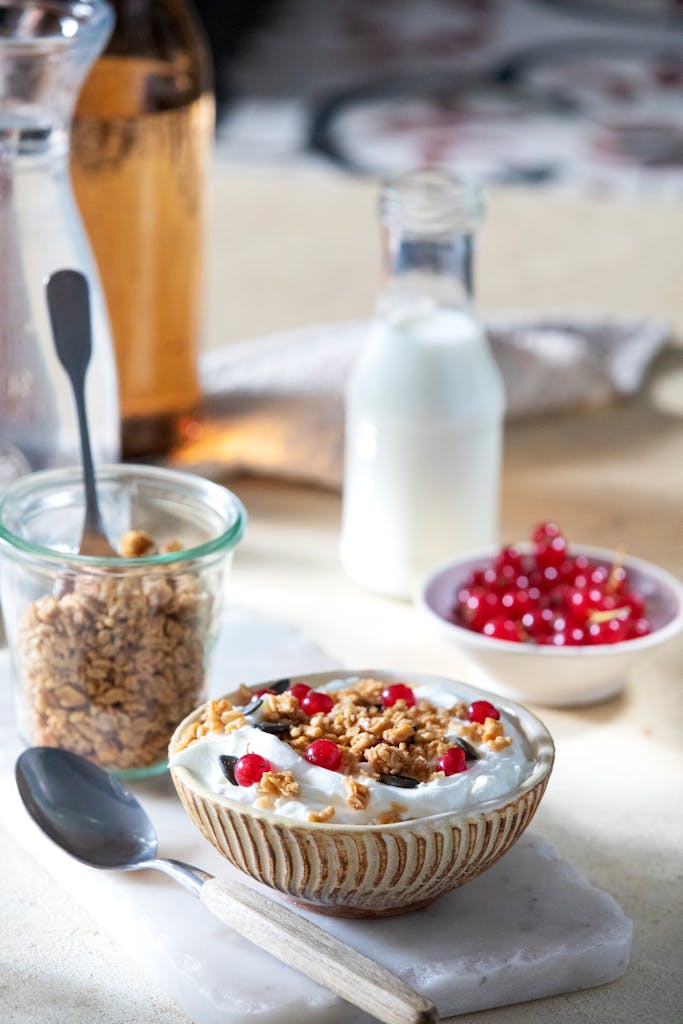
Fermented foods like yogurt are jam-packed with probiotics, a type of beneficial bacteria that’s good for your gut. Studies show that fermented foods promote longevity by enhancing the health of your gut microbiome, reducing inflammation, and boosting immune health.
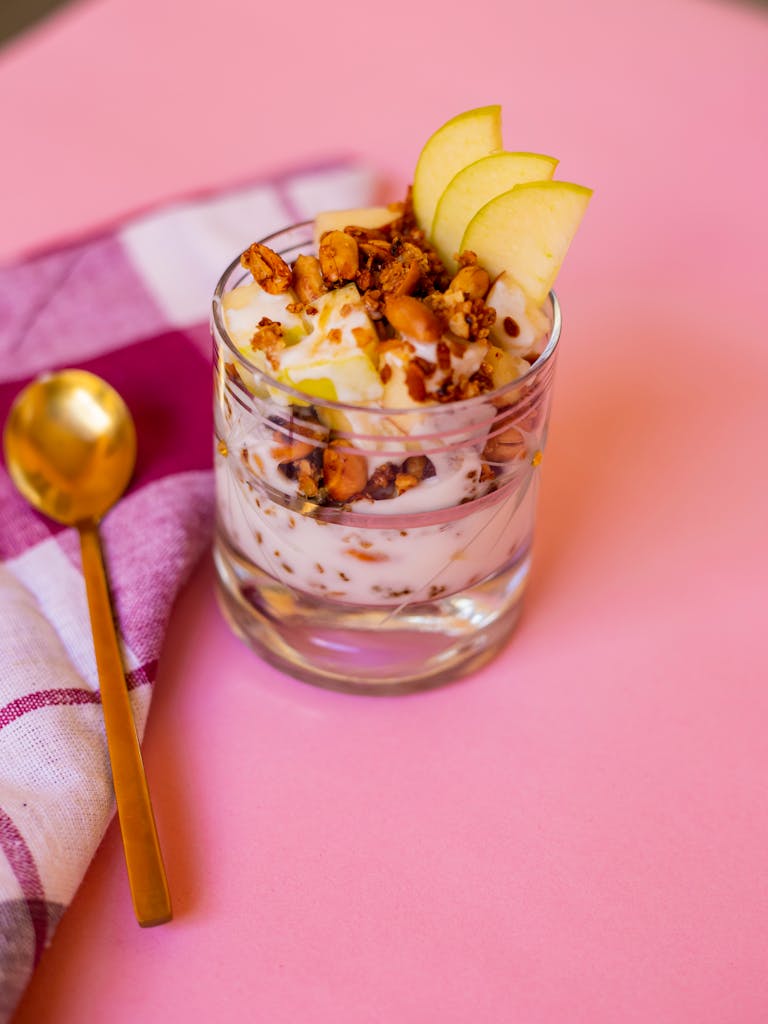
Use yogurt as a base for sauces and smoothies, top it with fresh fruit and nuts for a gut-friendly snack, or swap it in place of sour cream on baked potatoes, tacos, or dips to bump up your intake of probiotics.
To maximize the potential benefits, be sure to opt for unsweetened yogurt that contains live and active cultures, or try making your own at home!
3. Green tea
Green tea is a great source of disease-fighting antioxidants like epigallocatechin gallate (EGCG). In animal studies, EGCG has been shown to enhance longevity by reducing inflammation and improving fat metabolism. Research in humans also shows that drinking green tea has been tied to better brain function, heart health, and metabolic regulation in older adults.
Sip green tea hot or iced and pair with a slice of lemon or a hint of honey for a bit of extra flavor. If you’re feeling creative, you can also add matcha (a specific type of green tea) to oatmeal, yogurt, or even baked goods.
4. Cruciferous veggies
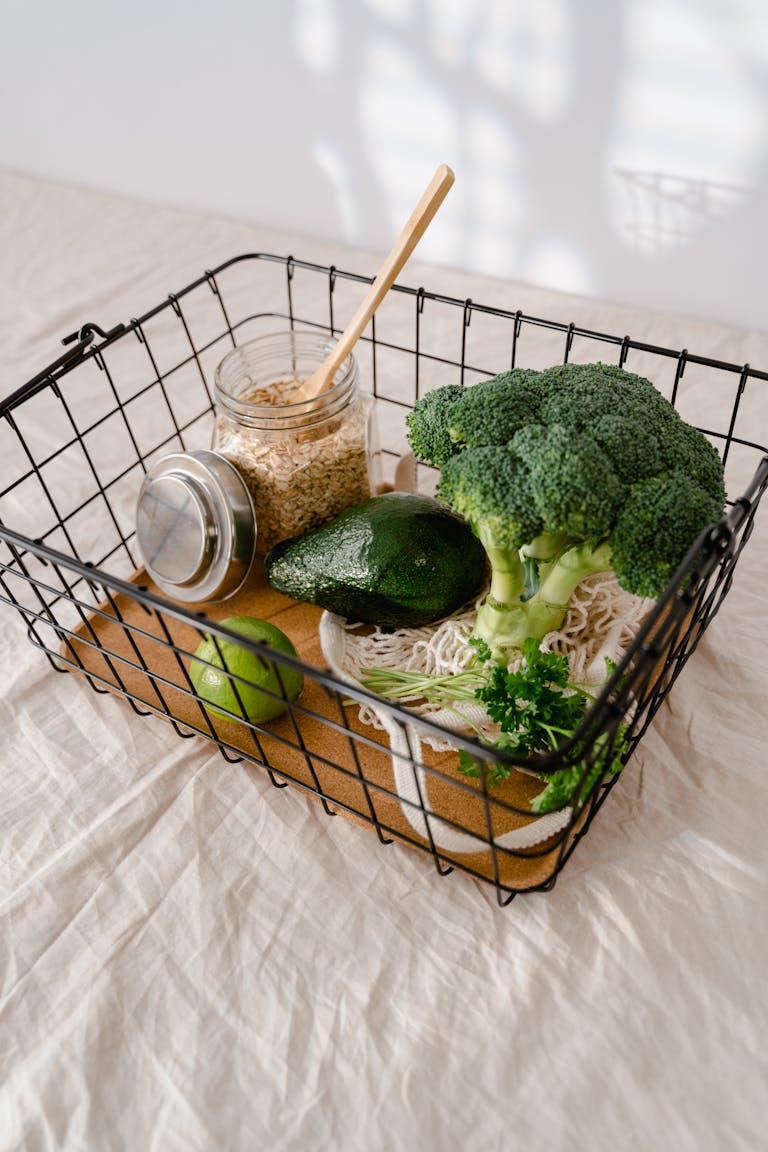
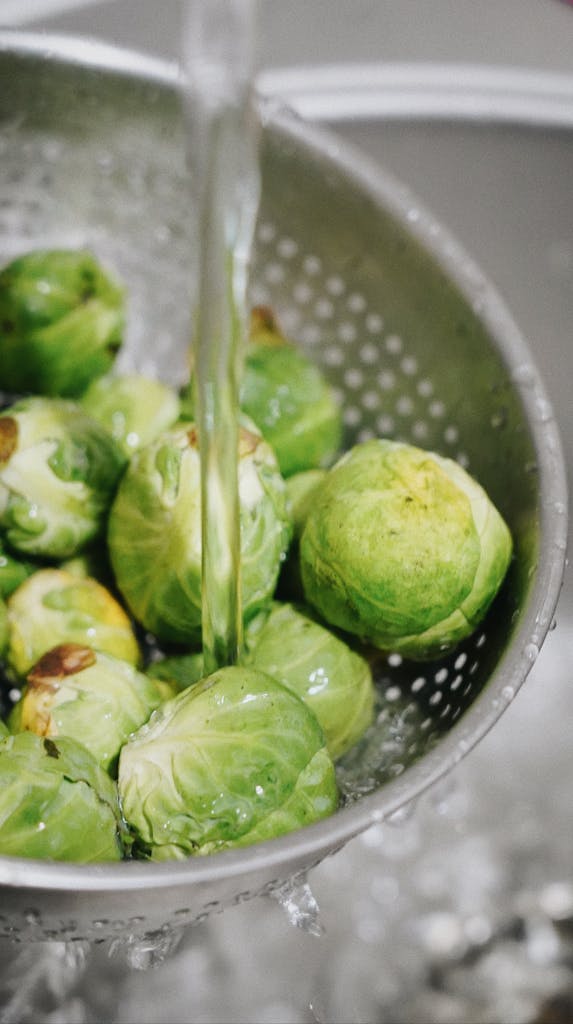
Cruciferous vegetables like broccoli, cauliflower, and Brussels sprouts are loaded with fiber, vitamins, and health-promoting compounds like glucosinolates, which help reduce inflammation. Research shows that filling your plate with more of these foods could even benefit longevity; in fact, one study found that a higher intake of cruciferous vegetables was linked to a lower risk of premature death.
Try roasting broccoli or Brussels sprouts with a bit of olive oil and garlic, steaming cauliflower and adding it to salads, or shredding cabbage for quick slaws and stir-fries.
5. Whole grains
Whole grains — such as oats, whole wheat, quinoa, farro, and millet — provide fiber, B vitamins, and minerals that support heart health, digestion, and steady energy levels. Not only is a higher intake of whole grains linked to a lower risk of type 2 diabetes and heart disease, but it may also be tied to a decreased risk of premature death.
Swap refined grains for options like quinoa, brown rice, oats, or whole-grain pasta, add barley or farro to salads and soups, or make overnight oats or whole-grain muffins for a quick, nutrient-packed breakfast.
6. Olive oil
Olive oil is a cornerstone of longevity-friendly diets, rich in heart-healthy fats and antioxidants that reduce inflammation and support cell health. Studies consistently show that regular consumption of olive oil may be associated with increased longevity, thanks to its potential to reduce several risk factors for heart disease and help protect against chronic health issues like cancer.
Drizzle extra-virgin olive oil over salads, roasted vegetables, or whole-grain dishes, use it as a base for homemade salad dressings and marinades, or swap it for butter when cooking to up your intake of heart-healthy fats.
7. Nuts
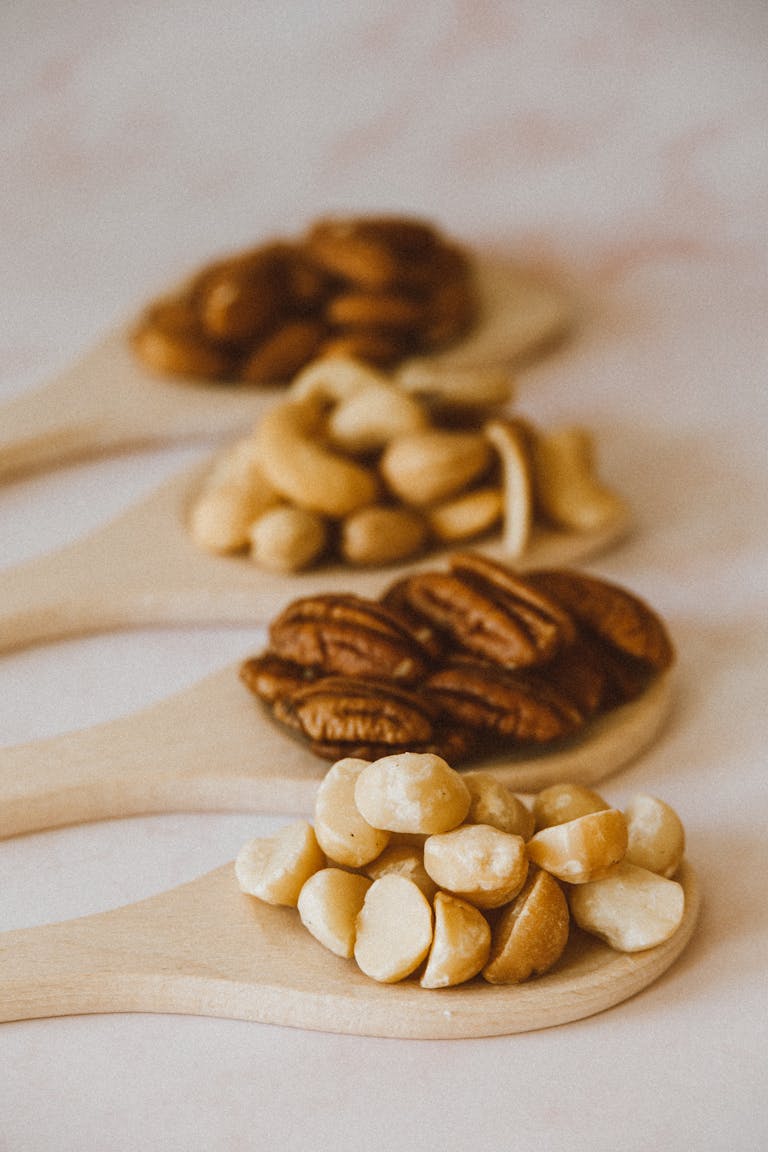
Brimming with healthy fats, plant-based protein, fiber, vitamins, and minerals, nuts are one of the best foods for longevity. Studies suggest that nuts could help protect against cognitive decline as you get older, improve heart health, and reduce inflammation.
Snack on a small handful of almonds, walnuts, or pistachios, sprinkle chopped nuts over oatmeal or salads, or blend them into smoothies and nut butters for added flavor and nutrition.
8. Legumes
Legumes, including beans, lentils, chickpeas, and peas, are a longevity-friendly powerhouse, providing plant-based protein, fiber, and important minerals that support heart health, blood sugar balance, and gut health. Interestingly, a meta-analysis of over 1.1 million participants found that a higher intake of legumes was linked to a lower risk of premature death.
Add beans to salads, soups, or Buddha bowls, make a chickpea-based hummus or lentil stew, or try roasted chickpeas for a crunchy, protein-packed snack.
9. Berries
Berries are tiny but mighty, bursting with antioxidants, vitamins, and fiber that help protect your heart, support brain health, and fight inflammation. They’re particularly rich in flavonoids, a type of antioxidant tied to a long list of possible benefits. In a 2024 study, researchers found that higher intake of berries and flavonoids was associated with a lower risk of mortality in adults.
Enjoy berries fresh or frozen in oatmeal, yogurt, or smoothies, toss them into salads, or snack on them straight from the bowl for a naturally sweet and satisfying treat.
10. Fatty fish
Fatty fish like salmon, mackerel, and sardines are packed with omega-3 fatty acids, high-quality protein, and essential nutrients that support longevity. Some research suggests that omega-3s may help slow telomere shortening (aka the “biological clock” of our cells) by reducing inflammation and oxidative stress, which are key drivers of cellular aging.
Try grilling or baking salmon with herbs and lemon, adding sardines to salads or toast, or including mackerel in pasta or grain bowls. The American Heart Association recommends aiming for at least two servings of fatty fish per week.
Foods to limit for longevity
While certain foods support healthy aging, others can actually work against longevity when eaten in excess, particularly those linked to chronic inflammation and disease.
Here are some of the foods to limit on a longevity diet:
- Refined grains: instant noodles, white bread, white pasta, white rice
- Sugary foods: sodas, cookies, cupcakes, candies, packaged pastries, donuts, cakes
- Ultra-processed snacks: chips, crackers, fruit snacks, granola bars
- Processed meats: hot dogs, sausage, bacon, deli meats, salami
- Other foods: fast food, convenience meals, deep-fried foods
Sample longevity diet meal plan
Here’s a sample longevity diet meal plan with ideas for how to enjoy the best foods for healthy aging.
Day 1
- Breakfast: oatmeal with blueberries, walnuts, and flaxseed
- Lunch: grilled chicken with crispy cauliflower and bulgur pilaf
- Dinner: Avocado Quinoa Superfood Salad
- Snacks: Greek yogurt with fruit; air-popped popcorn
Day 2
- Breakfast: avocado toast with scrambled eggs
- Lunch: baked salmon with wild rice and Lemon Parmesan Roasted Brussels Sprouts
- Dinner: Cheesy Walnut and Lentil Baked Tacos
- Snacks: strawberry spinach smoothie; kale chips
Day 3
- Breakfast: cottage cheese with sliced tomatoes and avocado
- Lunch: stir-fry with tofu, broccoli, zucchini, and bok choy
- Dinner: One-Pot Creamy Veggie Pasta
- Snacks: raspberry yogurt parfait; roasted almonds
Day 4
- Breakfast: omelet with mushrooms, spinach, and peppers
- Lunch: Sweet Potato and Kale Couscous Bowl
- Dinner: burrito bowl with brown rice, black beans, guacamole, and salsa
- Snacks: whole-grain crackers with cheese; roasted chickpeas
Day 5
- Breakfast: chia pudding with raspberries, cinnamon, and chopped pecans
- Lunch: Vegan Harvest Bowls
- Dinner: white bean soup and whole-wheat garlic bread
- Snacks: mixed nuts; brown rice cakes with hummus
Other healthy habits for longevity
In addition to your diet, several other lifestyle habits can have a major impact on longevity, including:
- Physical activity: Exercise supports heart health, maintains muscle mass, enhances metabolic health, and protects brain function as you get older. Even moderate activities like walking, strength training, or gardening can make a meaningful difference when done on a regular basis.
- Sleep: Getting enough quality sleep can help regulate hormones, support immune function, and allow the body to repair and recover. Chronic sleep deprivation has been linked to a higher risk of conditions such as heart disease, diabetes, and cognitive decline.
- Social connections: Maintaining strong relationships and a sense of purpose have been associated with lower stress levels and better mental health.
- Stress management: Research suggests that your body’s ability to handle stress is linked to biological pathways involved in aging, including those that regulate immune function and cell repair. For this reason, keeping stress levels in check through mindfulness, meditation, and other stress-relieving activities could be beneficial.
FAQ
More healthy aging & longevity articles
12 Best Foods for Bone Health, According to a Dietitian

Best Supplements for Brain Health: Boost Memory, Focus, and Cognitive Function
What Is the MIND Diet? A Dietitian Explains
Omega-3 Foods for Brain Health and Heart Health: Top Sources and Benefits
Top 10 Plant-Based Foods for Joint Support
What to Eat During Menopause: A Simple, Stress-Free Food Guide
9 Science-Backed Nutrition Habits for Brain Health and Better Focus
Conclusion
What you put on your plate can play an important role in longevity and aging. Filling your plate with vegetables, berries, beans, nuts, whole grains, and healthy fats gives your body the nutrients it needs to stay strong, protect your heart and brain, and fight disease. Making these foods a regular part of your diet is one of the easiest and most effective ways to support a longer, healthier life.