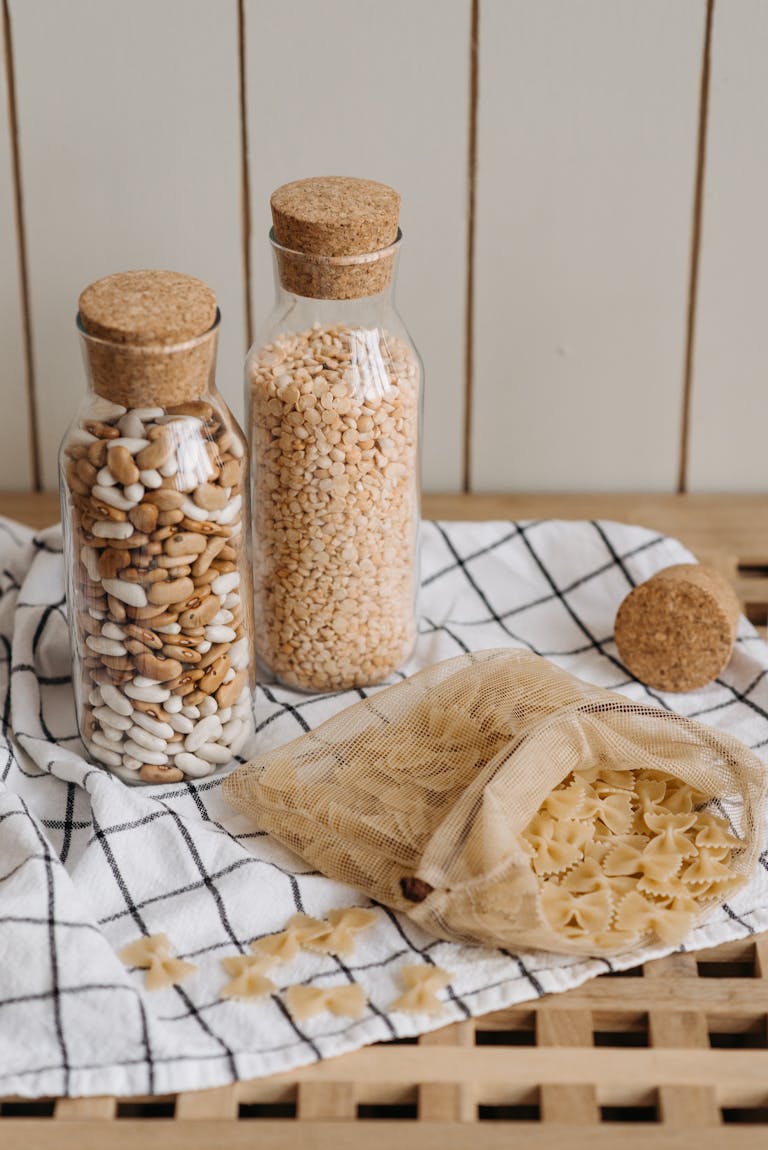
How to Eat More Protein on Wegovy When You’re Not Hungry
Quick summary
If you’re taking Wegovy, you might suddenly find yourself feeling full after just a few bites. And when your appetite takes a nosedive, getting enough protein can feel surprisingly difficult. Even foods you normally love may suddenly seem less appetizing, and large meals can feel especially daunting.
But here’s the good news: You don’t need to force yourself to eat giant portions or choke down another enormous chicken breast or tofu slab. Getting enough protein on Wegovy is often more about working smarter than eating more. Smaller, protein-packed meals and snacks, convenient options, and a little strategic planning can make it much easier to meet your needs, even when you’re not particularly hungry.
In this article, we’ll cover a few simple, realistic ways to get more protein on Wegovy, including easy high-protein meal and snack ideas, tips for eating when your appetite is low, and strategies to help you stay on track without feeling like you’re constantly trying to squeeze in another meal.
Why protein matters when taking Wegovy
When your appetite suddenly drops, protein can easily get bumped down the priority list. You might be eating less overall, getting full after a few bites, or realizing mid-afternoon that you missed a meal (or two).
The issue is that your body still needs protein, even when your hunger cues aren’t sending reminders like they used to. Protein supplies the amino acids needed to maintain and repair muscle, support immune function, and keep countless processes running smoothly throughout your body.
It’s especially important during weight loss because the weight you lose doesn’t come exclusively from body fat. Some lean muscle can be lost too, especially when you’re eating fewer calories. Getting enough protein (along with resistance exercise) can help your body hold on to more muscle as your weight changes.
Why it can be hard to get enough protein on Wegovy
Wegovy works in part by reducing hunger, which can be helpful for weight loss but less helpful when you’re trying to squeeze enough nutrients into your daily diet.
Wegovy also slows the rate at which food leaves your stomach. As a result, meals may stick with you longer, and not always in a good way. Nausea, bloating, constipation, stomach discomfort, and food aversions can make the idea of eating a full meal a lot less appealing, even when you haven’t hit your protein goal quite yet.
Protein itself adds another wrinkle because it’s very filling. While that’s usually considered a benefit, a large serving of meat, tofu, eggs, or beans can feel like a lot when you’re already full after a few bites.
Put it all together, and you have fewer opportunities (and less stomach space) to meet your protein needs. That’s why the answer isn’t always to force down bigger portions, but instead to choose protein-rich foods strategically and fit smaller amounts into your day whenever you can.
How much protein do you really need?
Protein recommendations can start to feel like a math assignment surprisingly fast, but there’s no single magic number that works for everyone taking Wegovy. Your needs depend on factors like your body size, age, activity level, health history, and weight loss goals.
A common starting point during weight loss is around 0.5-0.7 grams of protein per pound of body weight per day, or approximately 1.2-1.6 grams per kilogram.
The table below shows what that range might look like at different body weights to give you a better idea of your protein needs.
| Body Weight | Lower Target (0.5g/lb) | Higher Target (0.7g/lb) |
|---|---|---|
| 140 lbs | 70 g | 98 g |
| 150 lbs | 75 g | 105 g |
| 160 lbs | 80 g | 112 g |
| 170 lbs | 85 g | 119 g |
| 180 lbs | 90 g | 126 g |
| 190 lbs | 95 g | 133 g |
| 200 lbs | 100 g | 140 g |
| 220 lbs | 110 g | 154 g |
| 240 lbs | 120 g | 168 g |
| 260 lbs | 130 g | 182 g |
Stay in the loop!
Healthy eating tips & recipes delivered directly to your inbox
How to get enough protein on Wegovy when you’re not hungry
When your appetite is low, simply reminding yourself to eat more protein isn’t particularly useful. However, spreading your protein intake throughout the day and being more strategic with your food choices is a great place to start.
Here are some other tips for how to get enough protein on Wegovy, especially when you’re not feeling hungry.
1. Include a good source of protein with every meal
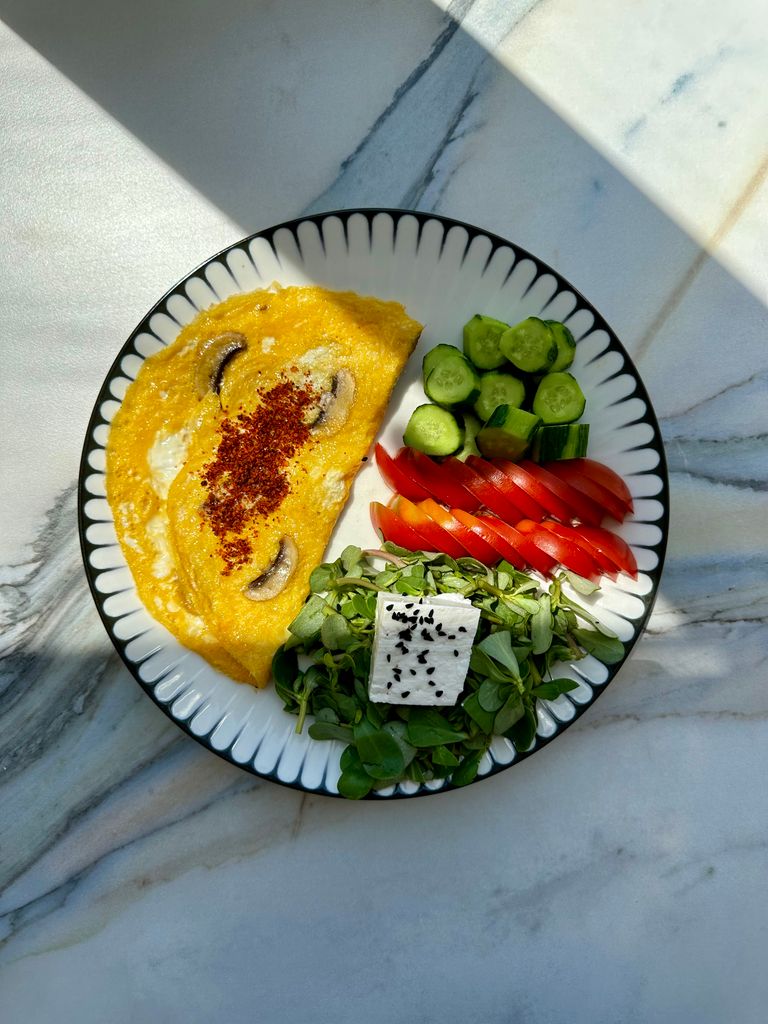
Before deciding what else is going on your plate, pick one dependable source of protein. This could be eggs at breakfast, Greek yogurt for your snack, tofu in a stir-fry, or chicken, fish, beans, or lentils at dinner.
Building your meals around a solid source of protein helps prevent it from becoming an afterthought. Otherwise, it’s easy to fill up on toast, crackers, fruit, or other foods and realize there’s not much room left for protein.
2. Eat smaller meals
Three square meals a day might feel overwhelming when you get full quickly. Instead, try eating four to six smaller meals or snacks spaced throughout the day, with a little protein at each one.
A yogurt cup now, half a sandwich later, and a small bowl of lentil soup in the evening may be much easier to manage than one enormous dinner. Those smaller amounts can still add up to an impressive protein total by the end of the day.
3. Choose foods that deliver more protein per bite
When your stomach space is limited, it’s not the best time for a mountain of food that only provides a few grams of protein. Look for options that pack a decent amount into a relatively small serving.
Greek yogurt, cottage cheese, eggs, tofu, tempeh, edamame, seitan, fish, poultry, protein powder, and lean meat can all give you more protein without requiring a massive portion.
Beans and lentils are nutritious options too, but their fiber may make them especially filling, so start with a smaller serving if needed.
4. Use low-effort protein options
A complicated recipe can be a tough sell when both your appetite and your motivation are running low. Keeping a few grab-and-go foods available gives you an easy backup plan.
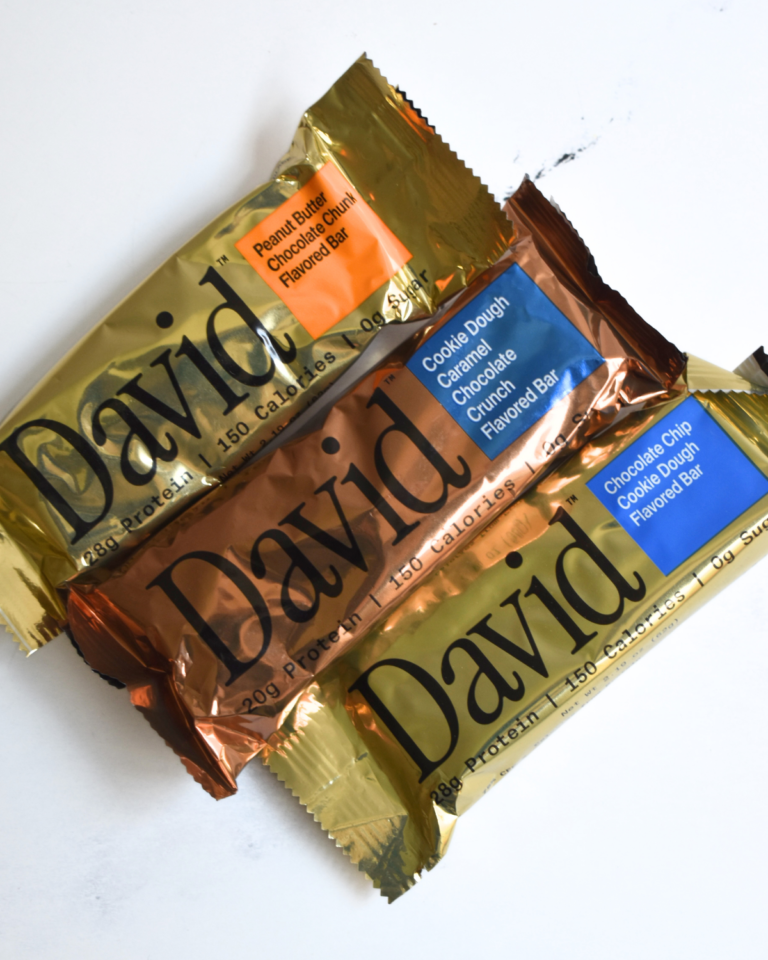
Stock your refrigerator or pantry with options like individual yogurt cups, hard-boiled eggs, cottage cheese, cheese sticks, roasted edamame, tuna packets, pre-cooked tofu, protein bars, and ready-to-drink shakes. This makes it much easier to grab something quick and nutritious whenever you need it.
5. Sneak protein into your favorite foods
You don’t always need an entirely new meal to increase your protein intake. A few strategic upgrades can give familiar foods a boost without adding too much extra volume.
Try stirring some yogurt into oatmeal, blending cottage cheese into scrambled eggs, using soy milk in smoothies, adding silken tofu to sauces, or swapping regular pasta for a lentil- or chickpea-based version. Even these small changes can make a big difference when you use them consistently.
6. Take advantage of timing
Your appetite may not be equally low all day. Some people can eat more comfortably in the morning, while others feel better later in the afternoon or several days after their Wegovy injection.
Pay attention to when eating tends to feel easiest and place your more protein-rich meal in that window. There’s no rule that dinner has to be your biggest meal (or that breakfast can’t involve leftovers).
7. Drink your protein when needed
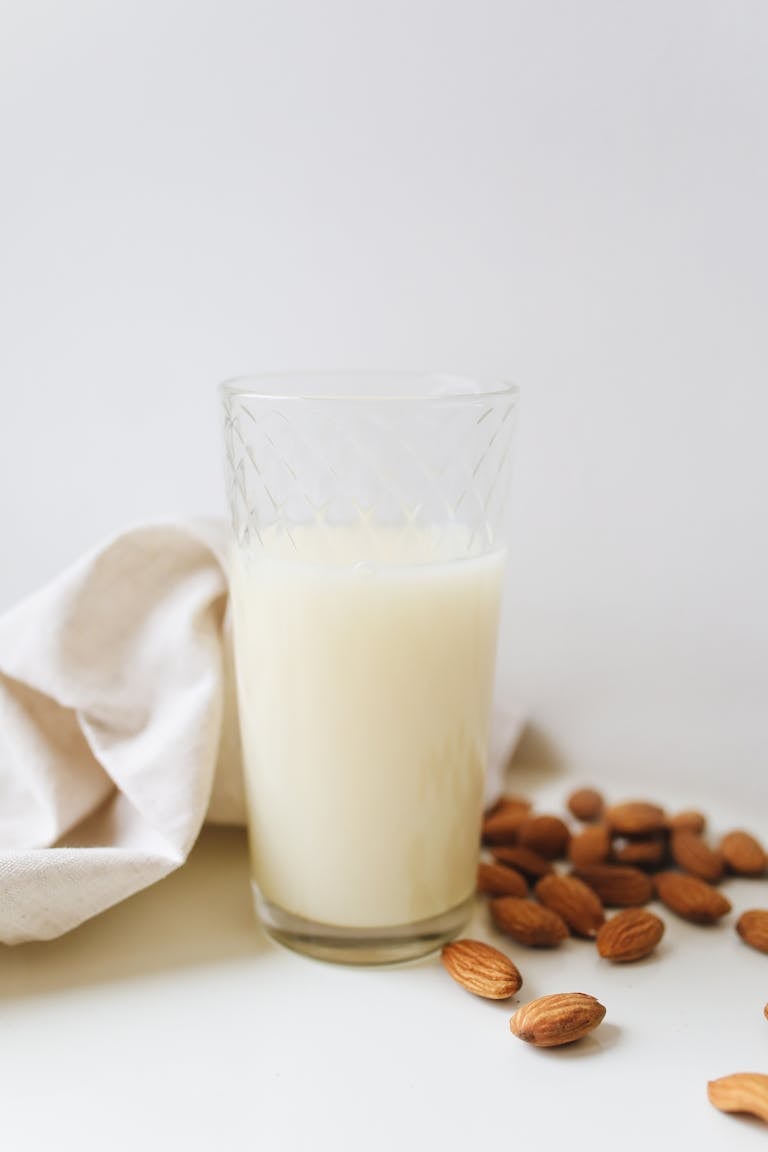
On low-appetite days, sipping something might feel easier than eating a massive meal. A smoothie made with protein powder, yogurt, cottage cheese, or soy milk can provide a good chunk of protein in a more manageable format.
Keep the portion modest and sip it slowly, since an extra-large smoothie can be just as filling as a big plate of food. If you tolerate it well, add fruit, oats, nut butter, or spinach to round it out with fiber, carbohydrates, healthy fats, and micronutrients.
8. Set a schedule
Wegovy can make hunger cues less predictable, so waiting until you feel hungry might mean waiting most of the day. By that point, you might feel tired, nauseated, or too full to catch up comfortably.
Try creating a loose eating schedule instead. A reminder on your phone or a regular snack break can prompt you to eat something small before your energy dips or the day gets away from you.
9. Create a backup plan
Some days will be easier than others, so it helps to decide in advance what you’ll have when your original meal suddenly sounds terrible. Choose two or three reliable options that require almost no thought or preparation and keep them ready to go.
Your backup might be a protein shake, a yogurt cup, cheese with crackers, or a small egg sandwich. It might not be the most exciting thing on your menu, but it just needs to be something you can realistically eat.
Best high-protein foods for Wegovy
The best protein foods for Wegovy should provide a good amount of protein in a portion you can comfortably finish.
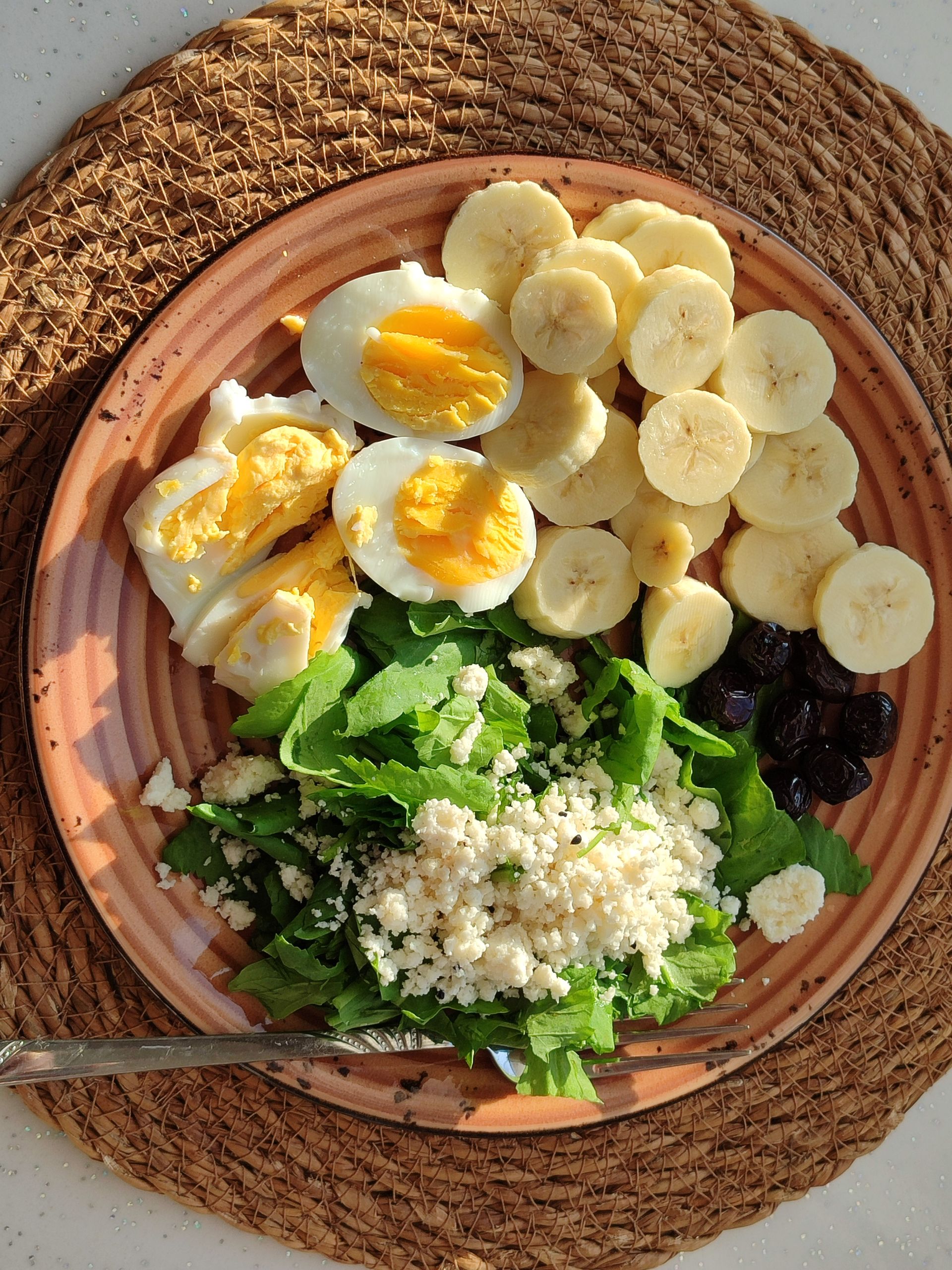
Options like eggs, tofu, cottage cheese, yogurt, tempeh, fish, poultry, and protein shakes pack plenty of protein into relatively manageable servings. Beans, lentils, and edamame also bring fiber and other important nutrients to the table, though they may feel especially filling for some people.
Use the table below to compare common high-protein foods and find a few options that fit your preferences, dietary needs, and current appetite. Keep in mind that protein content can vary by brand and preparation method, so check the nutrition label when you need a more exact number.
| Foods | Serving size | Protein per serving |
|---|---|---|
| Greek yogurt | 1 cup | 20-25 grams |
| Cottage cheese | 1 cup | 25-30 grams |
| Protein powder | 1 scoop | 20-30 grams |
| Eggs | 2 large eggs | 12 grams |
| Tofu | 1/2 block (about 7 ounces) | 20-25 grams |
| Tempeh | 3 ounces | 15-20 grams |
| Lentils | 1 cup cooked | 18 grams |
| Beans | 1 cup cooked | 15 grams |
| Edamame | 1 cup cooked | 17 grams |
| Seitan | 3 ounces | 20-25 grams |
| Chicken breast | 4 ounces | 30-35 grams |
| Salmon | 4 ounces | 25-30 grams |
| Shrimp | 4 ounces | 25-30 grams |
High-protein meal ideas for a low appetite
A huge plate of food probably isn’t very appealing when you’re getting full after just a few bites. Instead, try these protein-packed meals that offer plenty of nutrients in a more manageable size:
- Greek yogurt breakfast bowl: Top yogurt with berries, nut butter, and a sprinkle of hemp or chia seeds.
- Egg and cottage cheese toast: Scramble eggs with cottage cheese and serve over one slice of whole-wheat toast.
- Protein smoothie: Blend protein powder with milk, yogurt, fruit, and a spoonful of peanut butter.
- Mini tofu breakfast burrito: Wrap tofu scramble, cheese, and salsa in a small, high-protein tortilla.
- Chickpea pasta with marinara: Serve chickpea pasta with marinara, Parmesan, and vegetarian meatballs.
- Half a chicken or tofu wrap: Add chicken or baked tofu, cheese, greens, and a light sauce to a small tortilla.
- Loaded lentil soup: Top a bowl of lentil soup with Greek yogurt or shredded cheese for an easy protein boost.
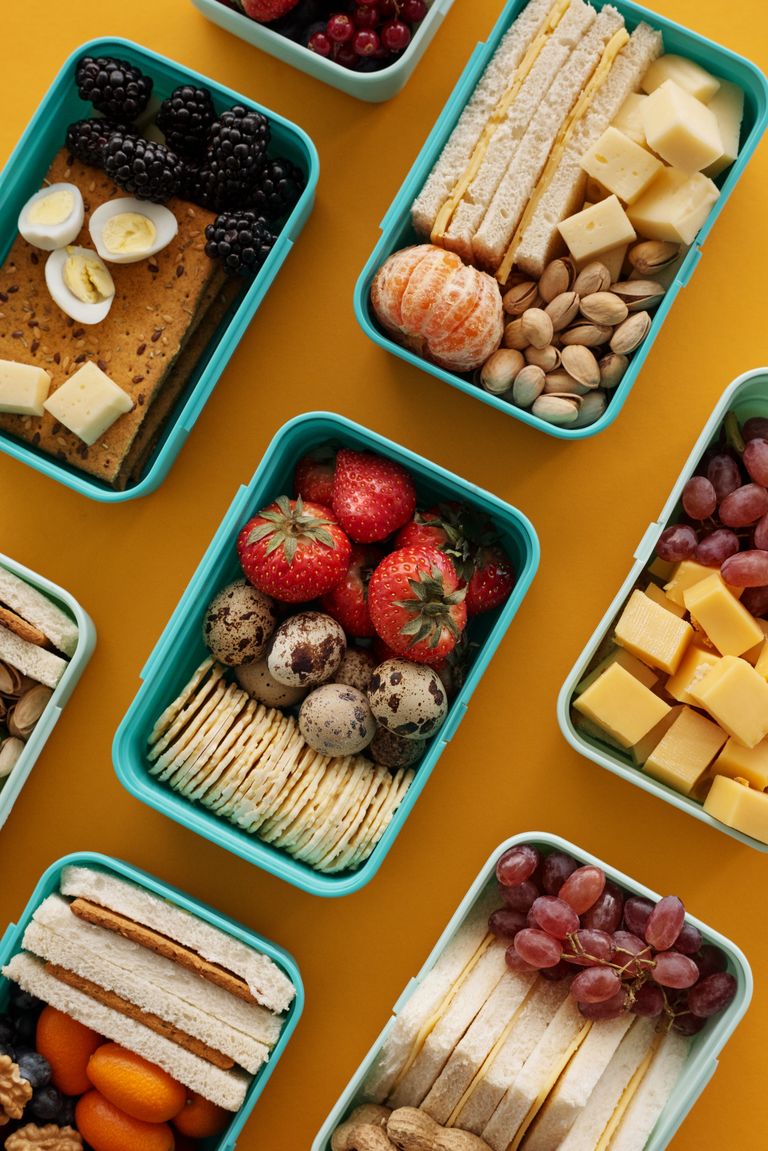
- Snack plate: Pair hard-boiled eggs, cheese, hummus, crackers, and sliced vegetables for a meal that you can pick at slowly.
- Salmon and mashed potatoes: Serve a salmon fillet with mashed potatoes and a cooked vegetable for a balanced meal that isn’t too bulky.
- Tempeh rice bowl: Combine a small portion of rice with tempeh, cooked veggies, and your favorite sauce.
- Bean and cheese quesadilla: Fill a tortilla with refried beans and cheese, then serve it with salsa or yogurt.
- Cottage cheese bowl: Try cottage cheese with fruit and granola for something sweet, or tomatoes, avocado, and crackers for a savory version.
Easy high-protein snack ideas for Wegovy
Snacks can be a great option when a meal feels like too much. Instead of treating them as an optional extra, use small, protein-rich snacks to gradually close the gap between what you’ve eaten and what your body actually needs.
Easy options include:
- hard-boiled eggs with seasoning
- roasted edamame
- a cheese stick with whole-grain crackers
- apple slices with peanut butter
- hummus with fresh veggies
- cottage cheese with pineapple, strawberries, or peaches
- a ready-to-drink protein shake
- a tuna or salmon packet with crackers
- turkey slices wrapped around cheese
- chia pudding made with soy or dairy milk and protein powder
- cottage cheese dip with crackers or sliced vegetables
- a mini quesadilla with beans and cheese
High-protein recipes for you
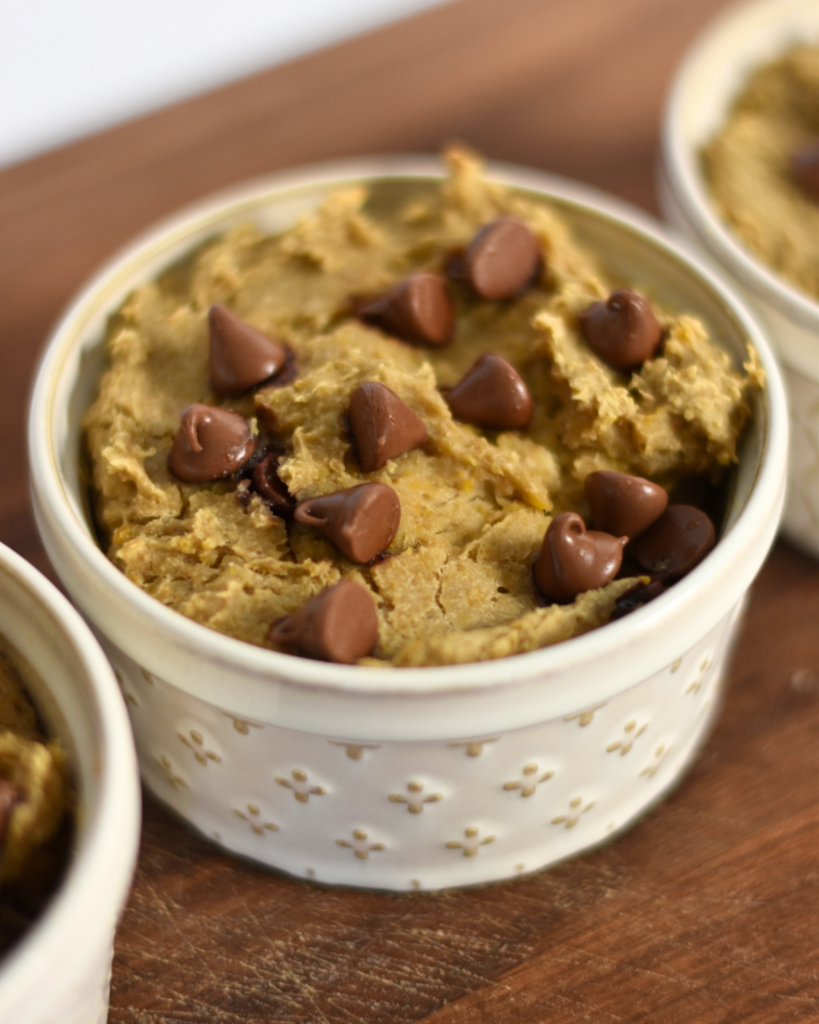
Chickpea Cookie Cups
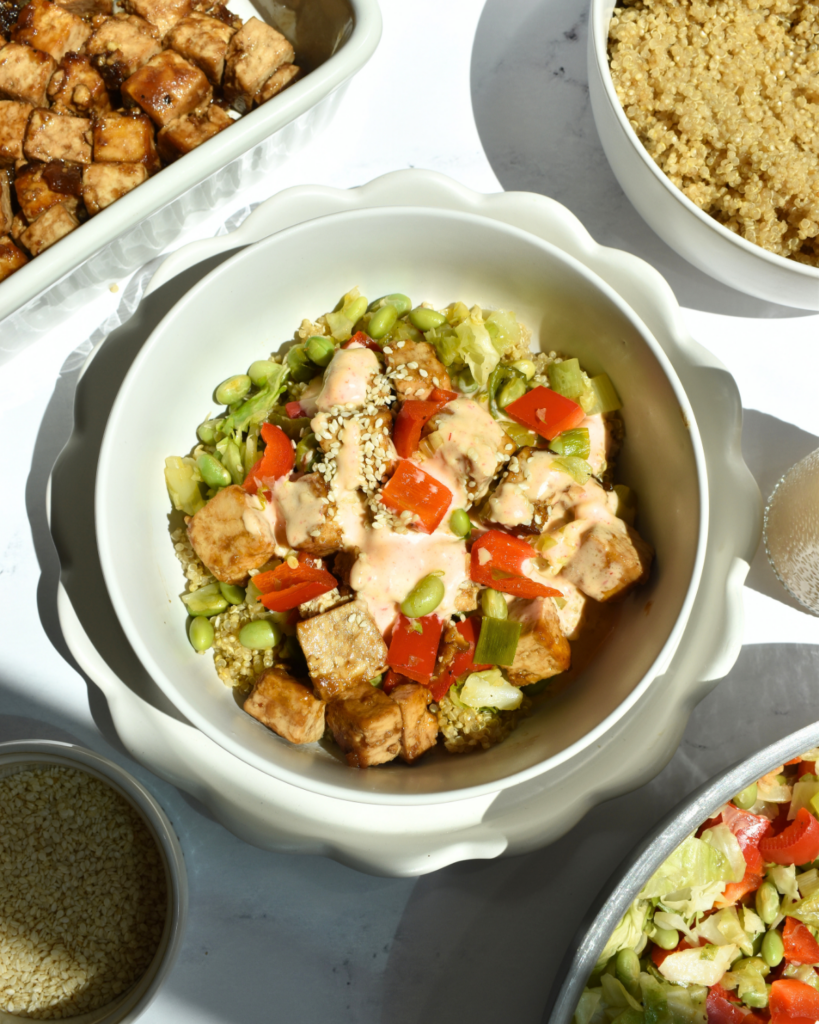
Teriyaki Tofu Quinoa Bowls
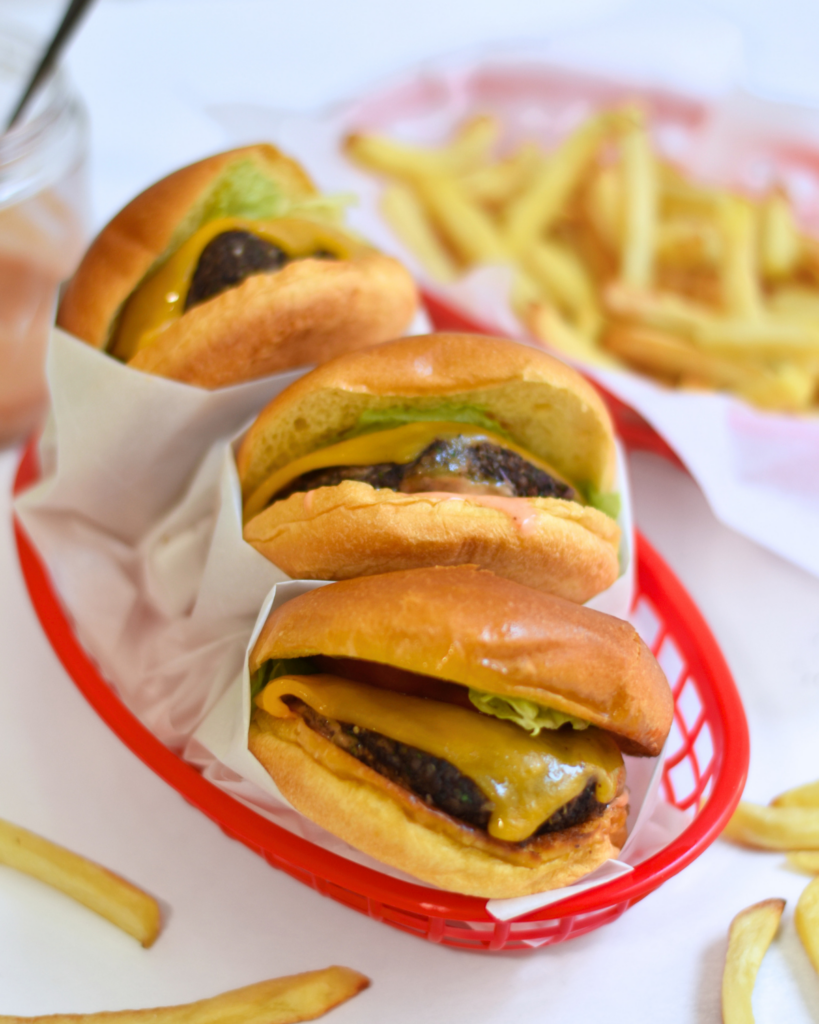
Copycat In-N-Out Veggie Burgers
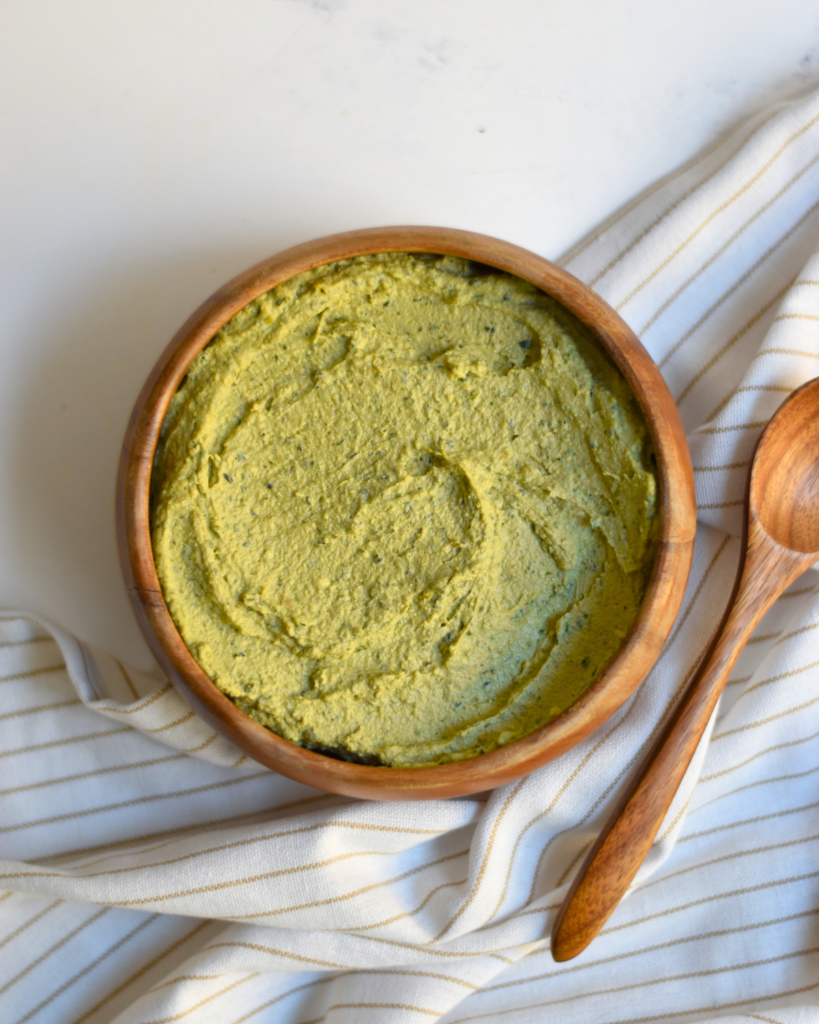
Creamy Vegan Tofu Pesto
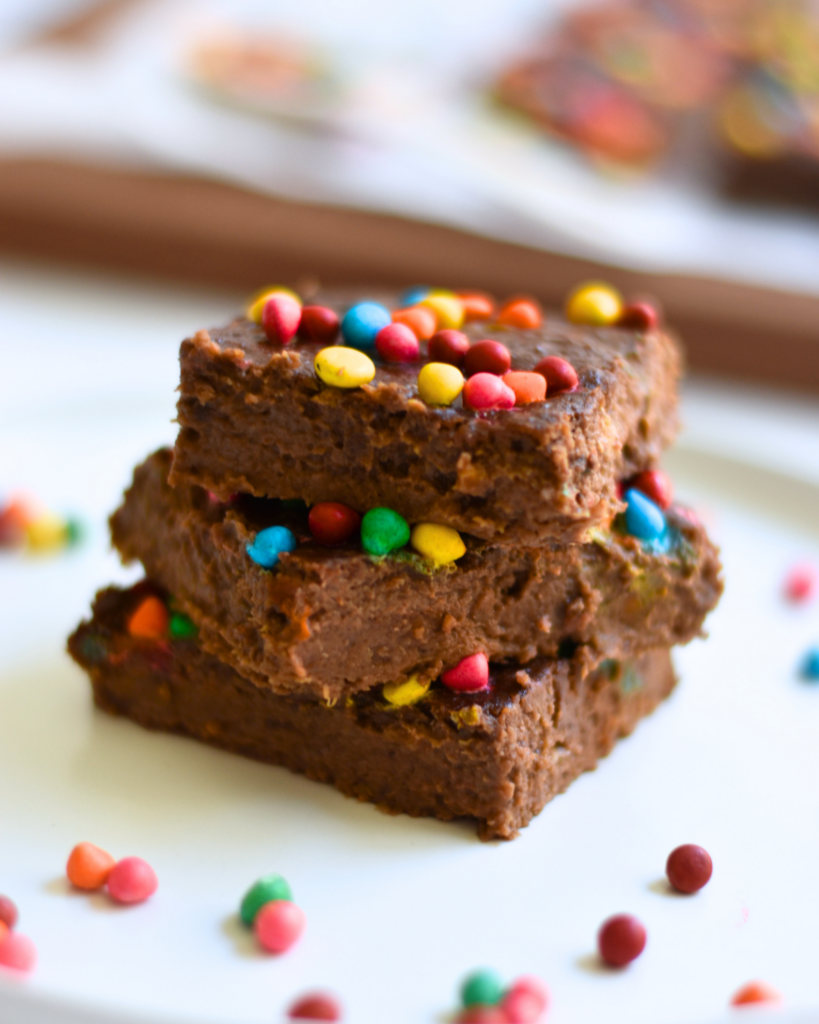
Cosmic Brownie Protein Bars
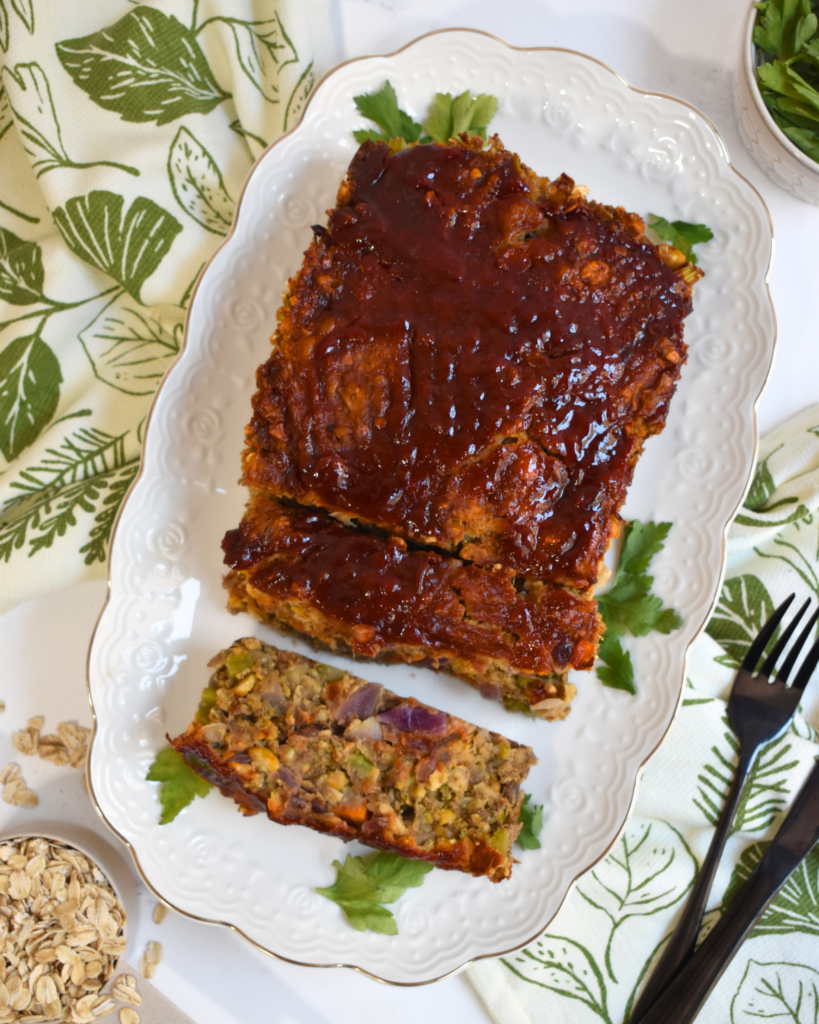
Lentil Chickpea Veggie Loaf

High-Protein Chocolate Tofu Pudding
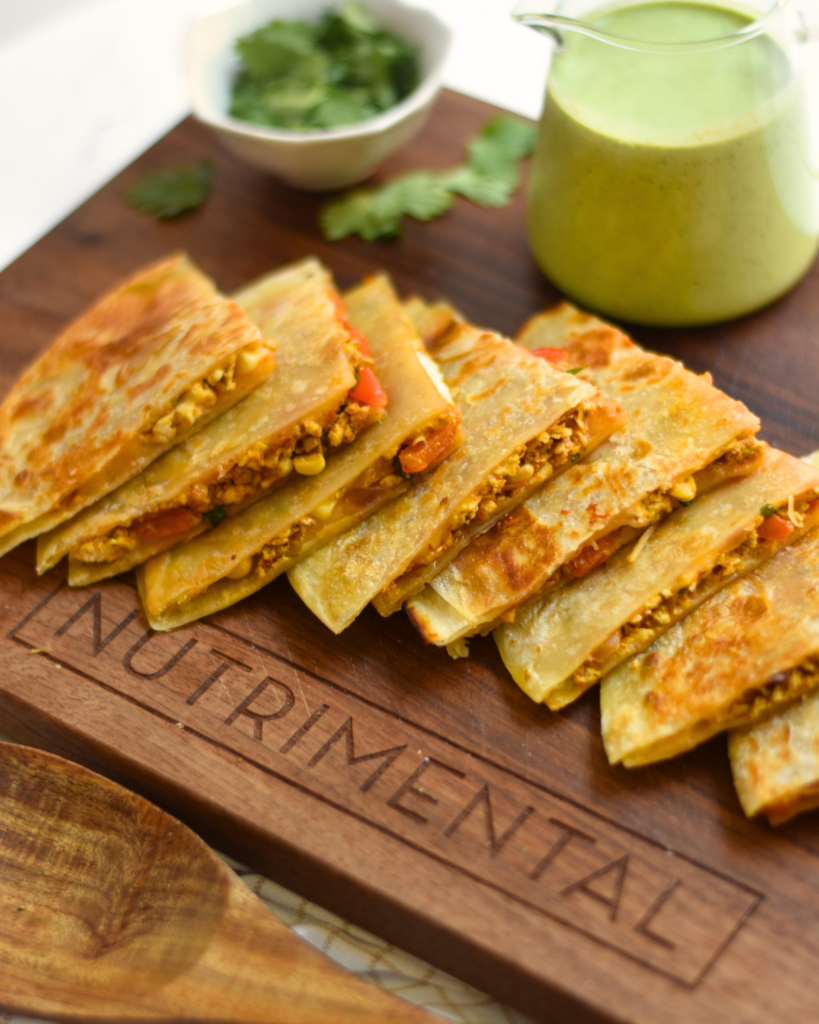
Easy Tandoori Tofu Quesadillas
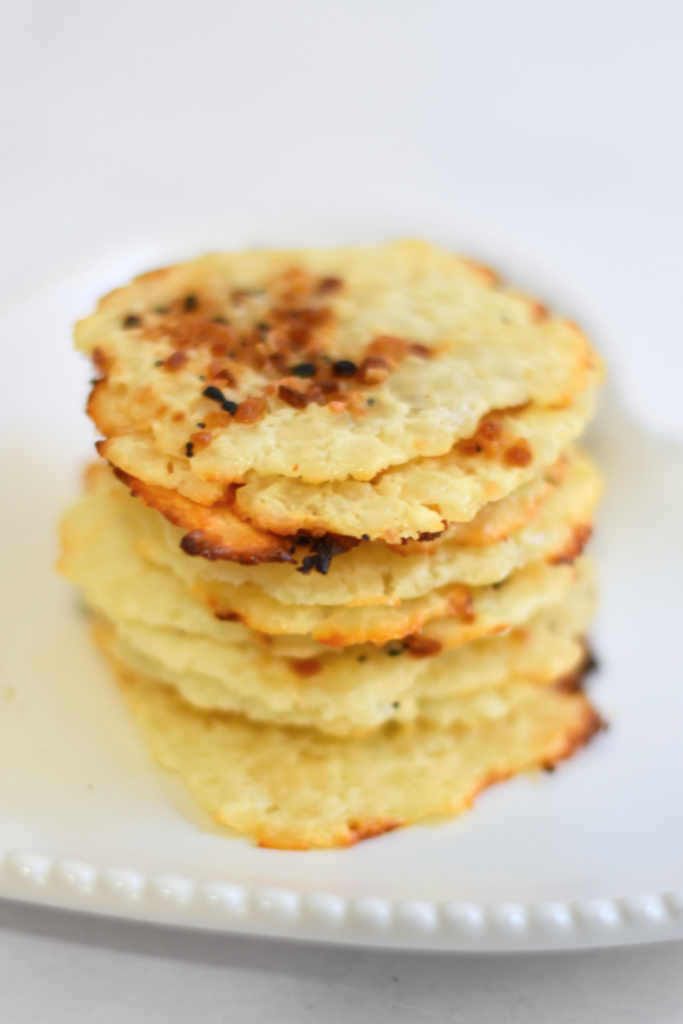
Crispy Cottage Cheese Chips
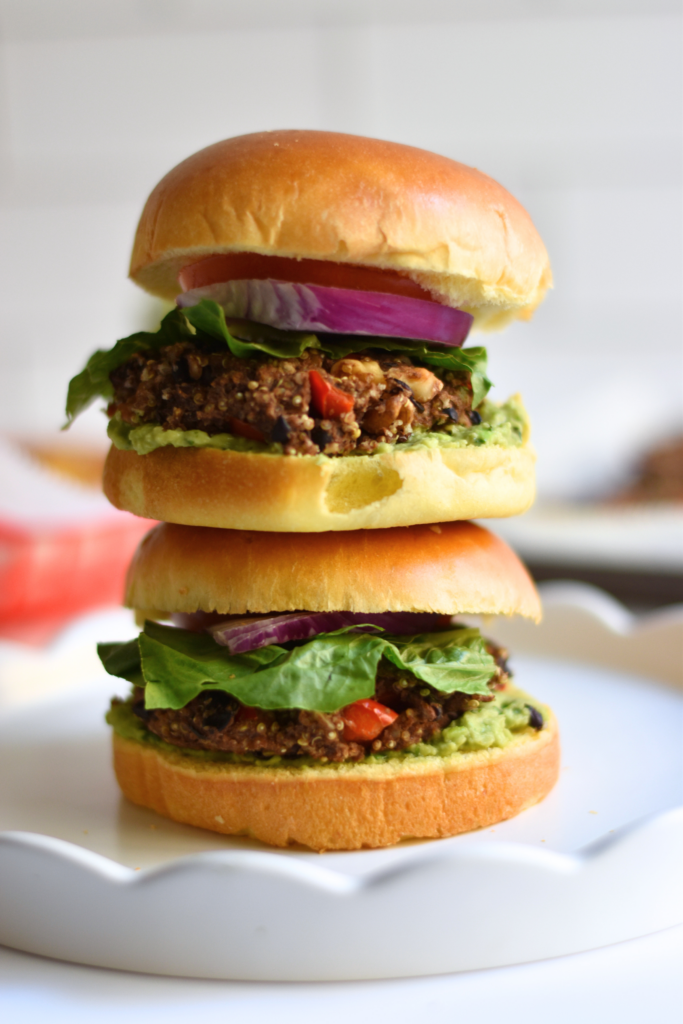
Masala Black Bean Quinoa Burgers
Sample high-protein meal plan for Wegovy
There’s no official Wegovy meal plan, and the right amount of food will look different for everyone. Still, having a loose roadmap can make it easier to spread protein throughout the day.
This three-day sample provides approximately 80-100 grams of protein per day using relatively small meals and snacks. Exact amounts will vary based on the products, recipes, and portion sizes you choose.
Day 1
- Breakfast: Greek yogurt topped with berries, hemp seeds, and a drizzle of peanut butter
- Lunch: chicken wrap with cheese, greens, and avocado
- Snack: ready-to-drink chocolate protein shake
- Dinner: grilled salmon with mashed potatoes and roasted vegetables
Day 2
- Breakfast: scrambled eggs mixed with cottage cheese and served on whole-wheat toast
- Lunch: chickpea pasta with marinara and cheese
- Snack: chia pudding with fruit
- Dinner: tempeh stir-fry with rice and cooked vegetables
Day 3
- Breakfast: smoothie made with protein powder, milk, berries, and peanut butter
- Lunch: lentil soup topped with Greek yogurt and served with whole-grain crackers
- Snack: hard-boiled egg with a cheese stick
- Dinner: tofu grain bowl with quinoa, cooked vegetables, and tahini sauce
Feel free to split any of these meals in half and finish the rest later! You can also adjust as needed based on your appetite and personal preferences.
When to talk to your doctor
A few low-appetite days aren’t necessarily cause for alarm, but your healthcare provider should know if you’re regularly struggling to eat enough, consistently falling short of your protein needs, or noticing symptoms like increasing weakness, fatigue, dizziness, or loss of strength.
Your doctor can determine whether your dose, eating plan, or treatment approach needs to be adjusted, while a registered dietitian can help you find realistic ways to meet your needs.
Reach out promptly if nausea, vomiting, diarrhea, or constipation becomes severe or doesn’t go away, or if you can’t keep food or fluids down.
You should also seek immediate medical guidance for signs of dehydration or severe, persistent abdominal pain, especially if it spreads to your back or occurs with nausea or vomiting.
FAQ
More GLP-1 resources
Why You’re Not Losing Weight on GLP-1 Medications: Common Nutrition Mistakes (and What to Do Instead)
How to Get Enough Protein on Ozempic: Tips and Meal Ideas
GLP-1 Diet: A Dietitian’s Guide to Foods, Meal Plans, and Recipes
Top Foods to Eat For Nausea on GLP-1 Drugs
How to Get Enough Protein on Mounjaro: A Dietitian’s Guide
Do GLP-1s Cause Muscle Loss? Here’s What Research Says
What to Eat on Ozempic as a Vegetarian: A Dietitian’s Guide
Conclusion
Getting enough protein while taking Wegovy (or any weight loss medication) can be challenging.
However, with strategic timing, smarter snack choices, and a little planning, it’s totally possible to meet your protein needs, even when you’re not feeling hungry.
Prioritize protein-rich foods, keep a few convenient options on hand, and set a loose schedule to stay on track with your protein goals and promote overall health.