What Is the MIND Diet? A Dietitian Explains
Quick summary
The MIND diet is a flexible, research-backed eating pattern designed to help keep your brain healthy as you get older. It combines the best parts of the Mediterranean and DASH diets, with a special focus on foods that have been shown to enhance brain health over time.
Compared to other diet plans, it’s a lot more flexible — there’s no calorie counting, no long list of restrictions, and no need to makeover your entire menu. At the end of the day, the MIND diet is all about adding a handful of brain-healthy foods to your diet and limiting a few others.
In this comprehensive guide to the MIND diet, we’re breaking down what it is, how it works, and how to decide whether or not it’s right for you.
What is the MIND diet?
The MIND diet — aka the Mediterranean-DASH Intervention for Neurodegenerative Delay — is an eating pattern developed by researchers and designed to boost brain health as you get older.
It combines key elements of two well-studied diets, including the Mediterranean diet and the DASH (Dietary Approaches to Stop Hypertension) diet, with a special focus on foods linked to cognitive health.
Unlike trendy diets that come with long lists of rules or foods to avoid, the MIND diet is refreshingly simple and flexible. It encourages eating more nutrient-dense foods while limiting others tied to inflammation.
It also emphasizes certain foods like leafy greens and berries, which have been studied for their potential role in enhancing cognitive function.
How does the MIND diet work?
The MIND diet works by emphasizing foods packed with nutrients that promote healthy brain function while limiting foods that can contribute to inflammation and cognitive decline.
Many foods featured prominently in the MIND diet do double duty, supporting not only your brain but also your heart, metabolism, and overall health. These foods are rich in compounds like antioxidants, fiber, healthy fats, vitamins, and minerals that can help protect brain cells from damage, enhance blood flow, and alleviate chronic inflammation.
But perhaps the best part of the MIND diet is that there’s no calorie counting, complicated tracking, or lengthy list of forbidden foods to remember. Instead, it’s all about filling your plate with more nutrient-dense, minimally processed foods on a consistent basis.
Benefits of the MIND diet
The MIND diet may have been designed with brain health in mind, but that’s not the only reason it has earned so much attention. In fact, it emphasizes many of the same foods recommended for overall health, which means that its benefits can extend well beyond your brain. Here are a few of its potential perks.
Keeps your brain sharp
One of the biggest draws of the MIND diet is its potential to support cognitive health as you age. Research suggests that people who follow the MIND diet more closely tend to have better brain function and may experience a slower rate of cognitive decline.
While it’s not a magic bullet for better memory or a guaranteed way to prevent dementia, it could help keep your brain healthy as you age.
Enhances heart health
Your brain and heart are more connected than you might think. And because the MIND diet shares many similarities with the Mediterranean and DASH diets, it also encourages foods that promote heart health. That’s good news because a healthy heart helps ensure your brain gets the oxygen and nutrients it needs to function at its best.
Research backs up the heart-healthy benefits of the MIND diet, too. According to one review, following the MIND diet could improve several risk factors for heart disease, including levels of blood pressure, cholesterol, and inflammation.
Supports healthy aging
There’s no way to slow down or stop aging, but putting a few healthy habits into practice can help you feel your best along the way. By encouraging a variety of nutrient-dense foods and limiting highly processed options, the MIND diet promotes an eating pattern that can promote health and well-being as you get older.
According to a recent review, both the Mediterranean and DASH diets have been linked to longevity and a lower risk of mortality. Even more impressively, researchers estimate that adopting a balanced diet alongside other healthy lifestyle habits could add up to 10 years to your disease-free life expectancy.
Stay in the loop!
HEALTHY EATING TIPS & RECIPES delivered directly TO YOUR INBOX
MIND diet foods
One of the most helpful parts of the MIND diet is its straightforward structure: it gives clear guidance on which foods to eat more of and which to scale back on.
Foods to eat
Rather than focusing on calories, macros, or complicated meal plans, the MIND diet emphasizes nine key food groups that have been associated with brain health and healthy aging.
Here are some of the foods to eat on the MIND diet:
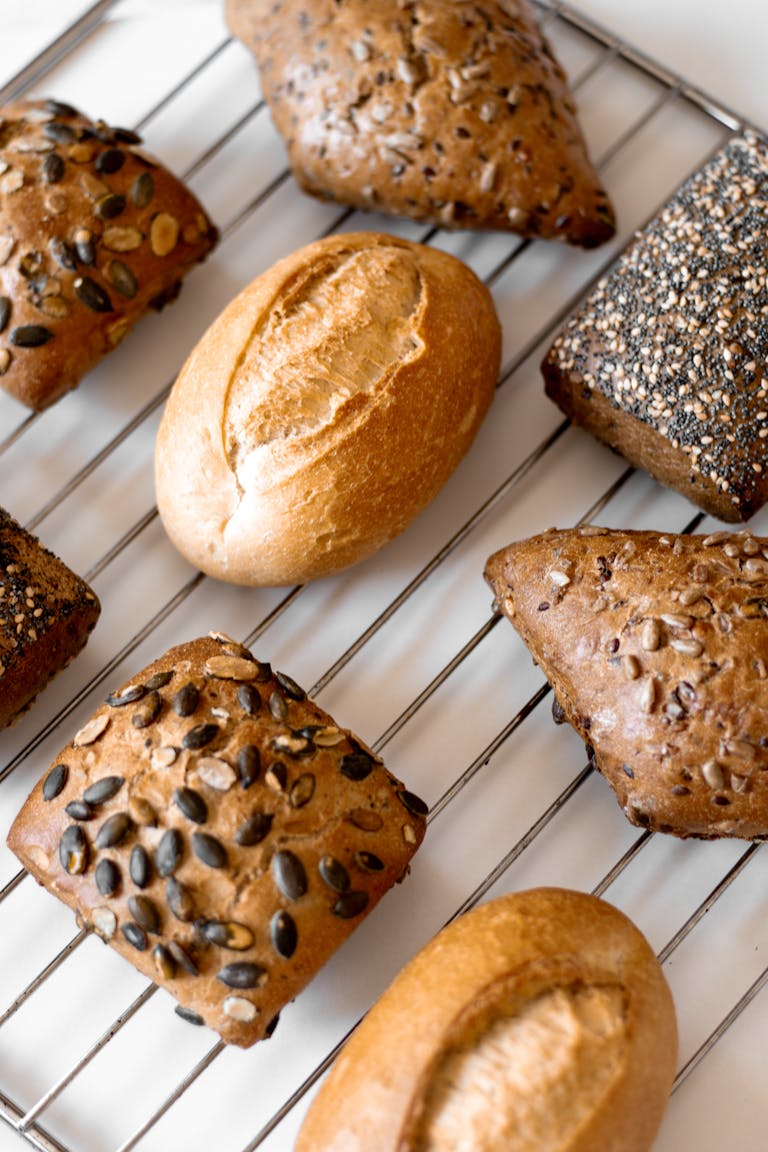
- Whole grains (3+ servings daily): oats, quinoa, brown rice, barley, whole wheat bread, and other whole grains
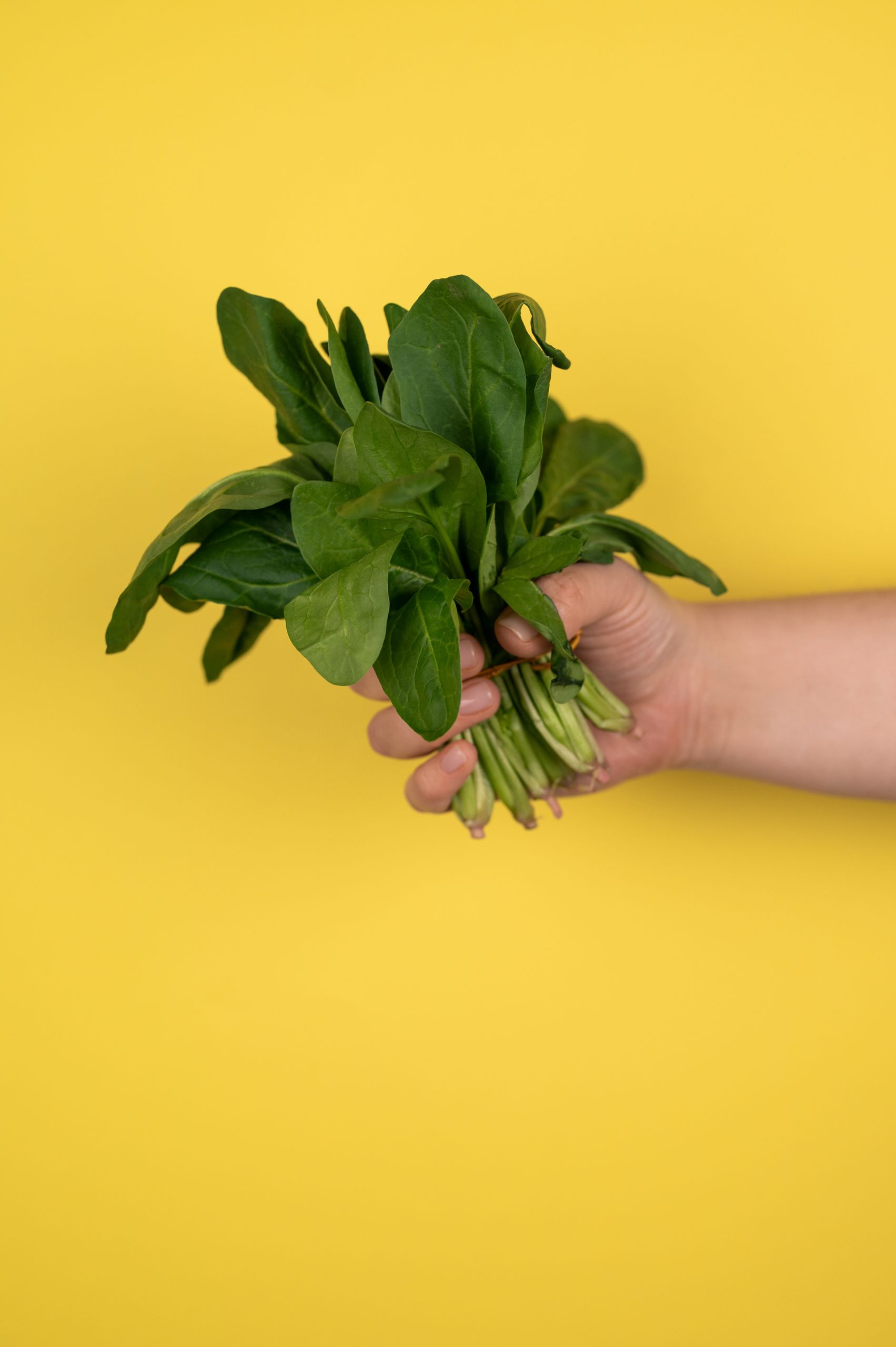
- Leafy greens (6+ servings weekly): spinach, kale, collard greens, Swiss chard, arugula, and other leafy greens
- Other vegetables (1+ serving daily): broccoli, carrots, bell peppers, cauliflower, Brussels sprouts, and other vegetables
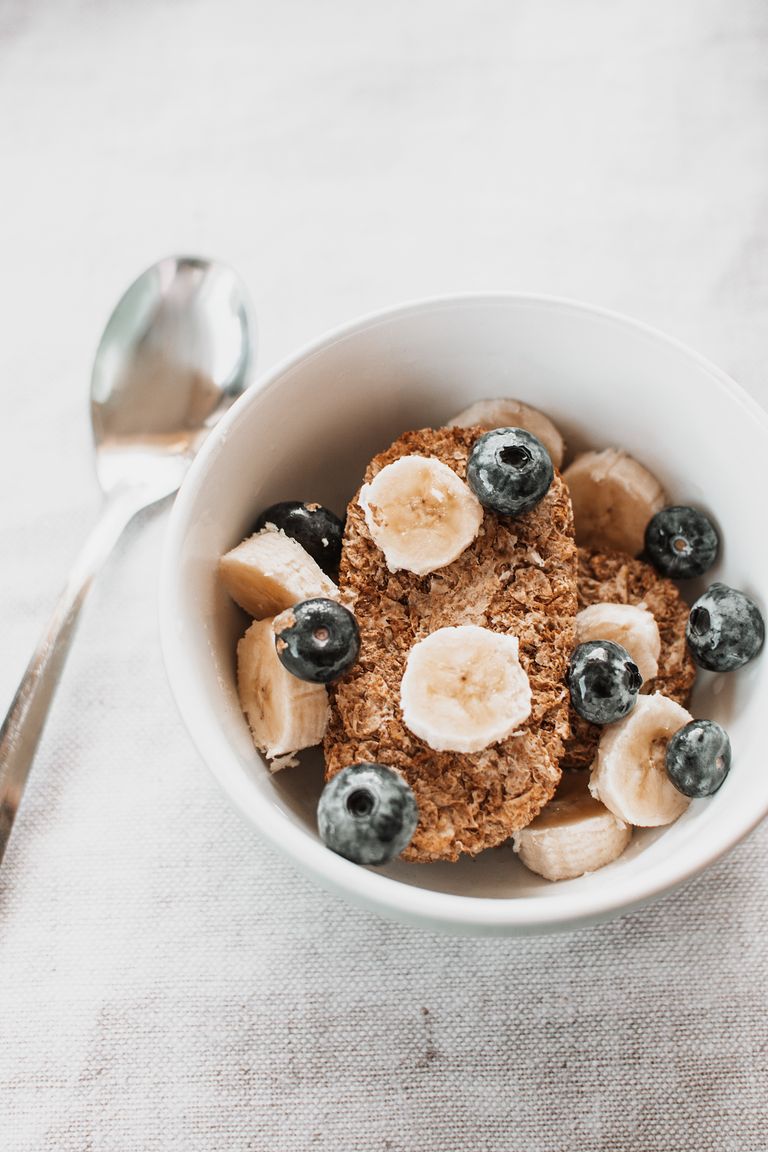
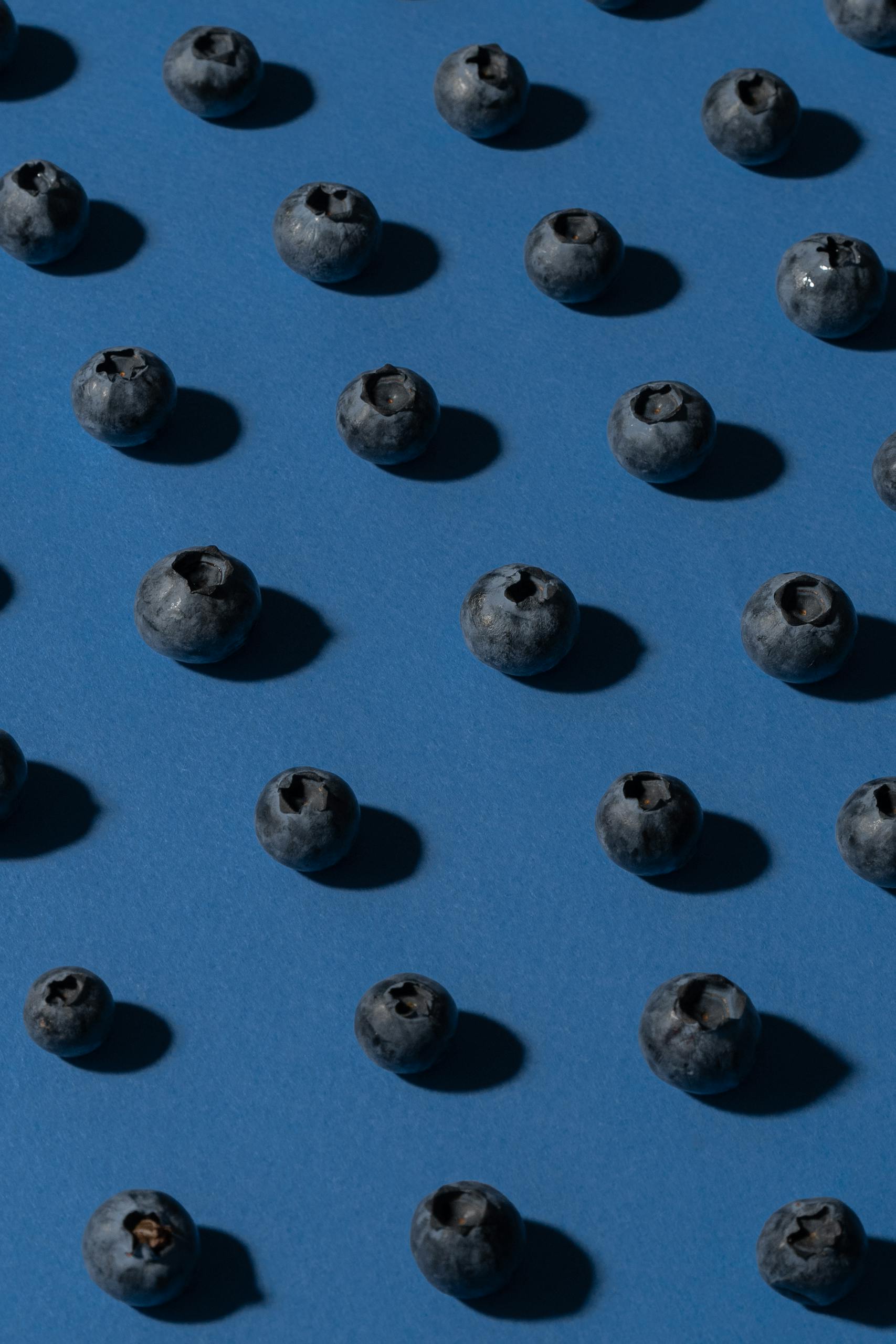
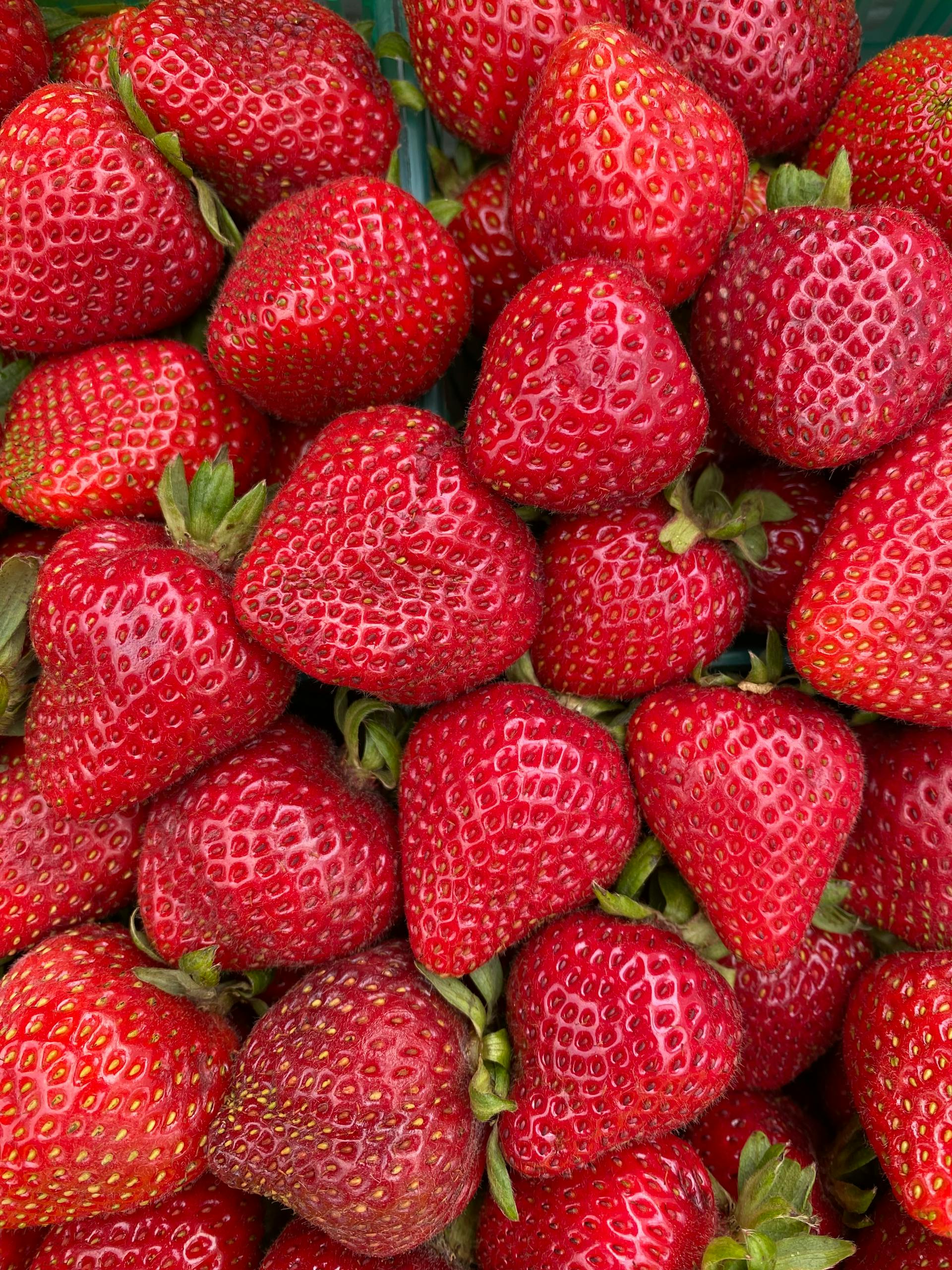
- Berries (2+ servings weekly): blueberries, strawberries, raspberries, blackberries, and other berries
- Nuts (5+ servings weekly): almonds, walnuts, pistachios, pecans, cashews, and mixed nuts
- Beans and legumes (4+ servings weekly): lentils, chickpeas, black beans, kidney beans, split peas, and other legumes
- Fish (1+ serving weekly): salmon, sardines, trout, tuna, herring, and other fish
- Poultry (2+ servings weekly): chicken and turkey
- Olive oil: use as your primary cooking oil and source of added fat whenever possible
Foods to limit
The MIND diet doesn’t require you to cut out any food groups completely, but it does encourage limiting ingredients that are higher in saturated and trans fats, which have been linked to poorer heart and brain health outcomes over time.
Foods to limit on the MIND diet include:
- Pastries and sweets (less than 5 servings weekly): cookies, cakes, donuts, ice cream, and other sugary desserts
- Red meat (less than 4 servings weekly): beef, pork, lamb, and products made from these meats
- Cheese and fried foods (less than 1 serving weekly): high-fat cheeses, french fries, fried chicken, chips, and other fried foods
- Butter and stick margarine (less than 1 tablespoon daily): limit use and favor unsaturated fats like olive oil instead
Guidelines at a glance
Here’s a quick breakdown of which foods you should eat and limit on the MIND diet.
| Food group | Recommended amount | Examples |
|---|---|---|
| Whole grains | 3+ servings daily | oats, quinoa, brown rice, barley, whole-wheat bread |
| Leafy greens | 6+ servings weekly | spinach, kale, collard greens, arugula |
| Other vegetables | 1+ serving daily | broccoli, carrots, bell peppers, cauliflower |
| Berries | 2+ servings weekly | blueberries, strawberries, raspberries, blackberries |
| Nuts | 5+ servings weekly | almonds, walnuts, pistachios, cashews |
| Legumes | 4+ servings weekly | lentils, chickpeas, black beans |
| Fish | 1+ serving weekly | salmon, sardines, trout, tuna |
| Poultry | 2+ servings weekly | chicken, turkey |
| Olive oil | used regularly as primary added fat | extra virgin olive oil |
| Pastries and sweets | <5 servings weekly | cookies, cakes, donuts, ice cream |
| Red meat | <4 servings weekly | beef, pork, lamb, processed meats |
| Cheese and fried foods | <1 serving weekly | fries, fried chicken, chips, high-fat cheeses |
| High-fat spreads | <1 tablespoon daily | butter, stick margarine |
MIND diet grocery list
If you’re just getting started, this simple grocery list can help you build MIND-friendly meals into your routine more easily. Focus on stocking your kitchen with these core staples:
Sample meal plan
So what does the MIND diet actually look like on your plate? Below is a 7-day sample meal plan that shows how to build balanced, brain-boosting meals using the MIND diet framework.
Day 1
- Breakfast: oatmeal topped with blueberries, walnuts, and a drizzle of olive oil or almond butter
- Lunch: quinoa salad with chickpeas, spinach, cucumbers, bell peppers, and olive oil dressing
- Dinner: baked salmon with roasted broccoli and brown rice
- Snacks: apple with almonds, carrot sticks with hummus
Day 2
- Breakfast: whole-grain toast with avocado and a side of berries
- Lunch: lentil soup with a mixed greens salad and olive oil vinaigrette
- Dinner: grilled chicken with roasted carrots and quinoa
- Snacks: handful of walnuts, strawberries
Day 3
- Breakfast: Greek yogurt with raspberries, chia seeds, and chopped almonds
- Lunch: brown rice bowl with black beans, sautéed veggies, and olive oil
- Dinner: baked trout with sweet potato and steamed kale
- Snacks: banana with peanut butter, cucumber slices
Day 4
- Breakfast: overnight oats with strawberries, flaxseed, and walnuts
- Lunch: whole-wheat wrap with turkey, spinach, tomatoes, and hummus
- Dinner: chickpea and vegetable stir-fry with brown rice
- Snacks: blueberries, handful of pistachios
Day 5
- Breakfast: smoothie with spinach, berries, banana, and almond butter
- Lunch: quinoa salad with lentils, arugula, and olive oil dressing
- Dinner: grilled salmon with roasted Brussels sprouts and barley
- Snacks: apple slices with walnuts, bell pepper strips
Day 6
- Breakfast: whole-grain toast with nut butter and sliced banana
- Lunch: chickpea salad with cucumbers, tomatoes, and olive oil
- Dinner: roasted chicken with quinoa and steamed green beans
- Snacks: berries, handful of almonds
Day 7
- Breakfast: oatmeal with strawberries, walnuts, and cinnamon
- Lunch: vegetarian chili with whole-grain garlic bread
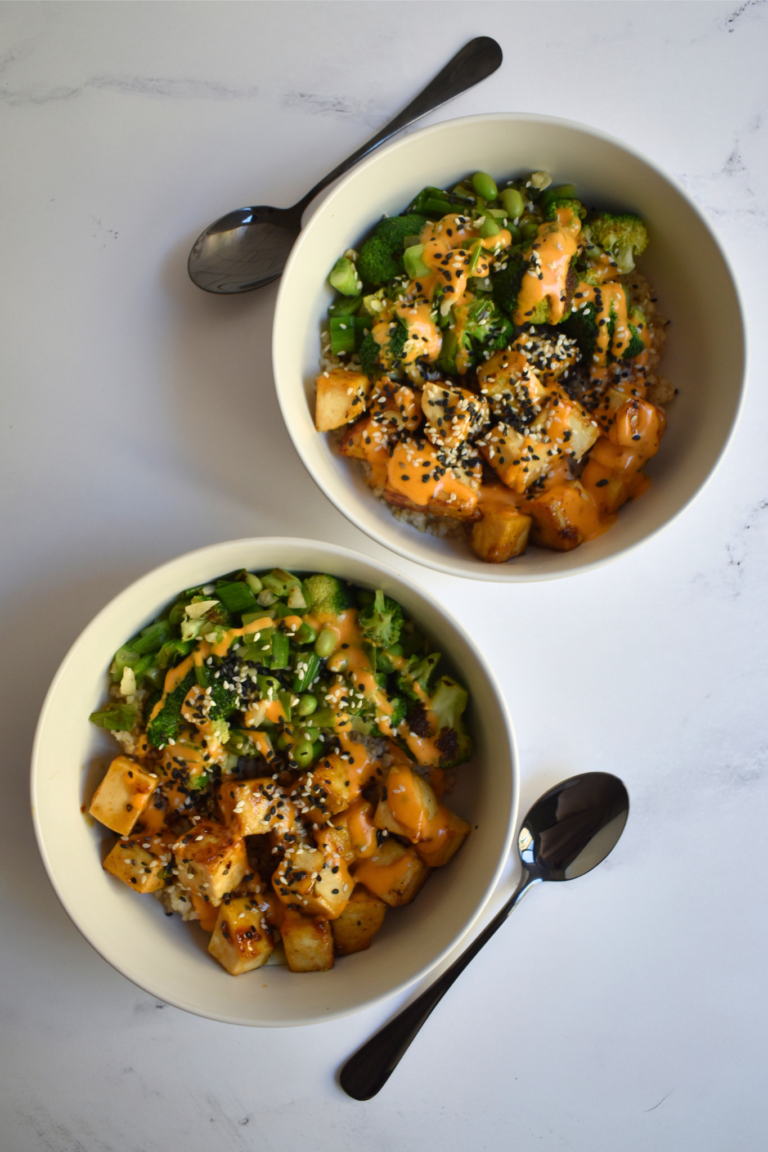
- Dinner: grilled tofu with roasted vegetables and brown rice
- Snacks: Greek yogurt with blueberries, carrots with hummus

Potential downsides of the MIND diet
Even though there’s plenty of promising research to back the MIND diet, there are some drawbacks to consider.
For starters, most of the evidence behind it is based on observational studies. This means that it may be linked to better brain health, but it’s unclear whether or not the diet alone can protect against conditions like dementia or Alzheimer’s disease.
The MIND diet also focuses on overall patterns rather than strict rules. If you prefer clear-cut meal plans or detailed guidelines, the diet’s flexible approach will probably take some getting used to.
Cost and accessibility can also be a barrier for some. Foods like berries, fish, nuts, and olive oil are incredibly nutrient-dense, but they may not always fit every budget or be readily available year-round depending on where you live.
Who should try the MIND diet?
The MIND diet can be a great fit for anyone interested in boosting brain health, but it might be especially helpful for certain groups.
It may be worth a try if:
- you’re interested in an eating pattern that can support memory and cognitive function as you age
- you have a family history of dementia and want to focus on lifestyle factors you can actually control
- you want to upgrade your diet by adding more nutrient-dense whole foods
- you prefer flexibility over strict rules and don’t want a diet that feels restrictive
- you’re interested in heart-healthy eating, as the MIND diet overlaps with Mediterranean and DASH-style patterns
- you’re seeking a simple, evidence-based way to eat better without overthinking every meal
That said, it’s always a good idea to check in with a healthcare professional before making any changes to your diet, especially if you have other underlying health concerns or are taking medications.
Tips for getting started
Luckily, the MIND diet doesn’t require a total kitchen overhaul or a meticulously-planned menu. In fact, even making small shifts to your daily diet can slowly stack up over time. If you’re interested in trying the MIND diet but aren’t sure where to begin, these simple tips can help you ease into it:
- Start with what you already eat and look for easy upgrades: Small changes, like swapping white bread for whole grains or adding a handful of berries to breakfast, can make a big difference in the long run.
- Aim to add before you subtract: Focus on bringing in more leafy greens, beans, and nuts rather than stressing about what to cut out right away.
- Stock your kitchen: Keep frozen foods and pantry staples on hand like frozen berries, canned beans, and whole grains to make MIND-friendly meals easier during busy weeks.
- Use olive oil as your default fat: Make sure you have a bottle of olive oil on hand for cooking, roasting, and whipping up homemade dressings.
- Prioritize plant-based foods: Build meals around plants first and then add in protein like fish or poultry.
- Make it practical for your lifestyle: Instead of trying to reinvent every dish, repeat simple meals you actually enjoy.
FAQ
More helpful articles
Conclusion
The MIND diet keeps things simple. It’s all about focusing on adding more nutrient-dense foods to your daily diet, like leafy greens, berries, nuts, and whole grains, while also cutting back a bit on heavily processed foods.
It also boasts several possible perks, like better brain function, increased longevity, and a healthier heart.
While it’s not a quick fix, it can be a simple, sustainable way to support healthy aging and make sure you’re giving your brain the nutrients it needs.